Categories
Medical Equipments Medical Updates Medicine & Health

New Covid variant EG.5: Symptoms to transmissibility; 7 things to know about Omicron subvariant Eris

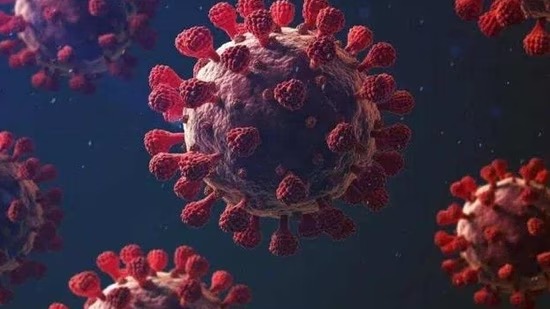
Covid variant EG.5 which is also unofficially known as Eris has been declared by WHO a variant of interest and the organization has asked countries to monitor the cases. Eris has been spreading fast in UK and is adding to the number of infections. Experts, however, say there’s no need to worry as the cases are largely mild and while hospitalisation cases in elderly have slightly increase, they remain lower than earlier waves. As per WHO, Eris has been found in 51 countries, including China, the US, the Republic of Korea, Japan, Canada, Australia, Singapore, the UK, France, Portugal and Spain. The symptoms of the new Covid variant Eris are reported to be running nose, sneezing, cough, fever, fatigue among others.

“The World Health Organization has identified a new strain of Covid-19 as a noteworthy variation, despite the little risk to the general public’s health. The EG. 5 or ‘Eris’ version, which is more prevalent globally, is connected to the Omicron subvariant XBB.1.9.2. Despite EG.5’s higher prevalence, growth advantage, and immune escape traits, no changes in disease severity have been noted yet. As per availability of suggested data, there is currently no reason to believe that this wave will be worse than past waves this year, but it will likely result in a wave of more cases and all the complications that brings, including more hospitalizations and Long Covid,” says Dr Vidya S Nair, Sr. Consultant & HOD- Pulmonology at Marengo Asia Hospitals, Faridabad.

Dr Ather Pasha, Senior consultant Internal Medicine, CARE Hospitals, Banjara Hills, Hyderabad shares 7 things you want to know about Covid’s new variant Eris.
New Covid variant EG.5: Symptoms to transmissibility; 7 things to know about Omicron subvariant Eris

7 facts about EG.5 or Eris
1. Omicron’s sub-variant

Eris is a subvariant of the Omicron variant, specifically XBB.1.9.2. It was first identified in China in February 2023 and has since spread to over 50 countries.

2. Transmissibility higher?

Eris is thought to be more transmissible than previous Omicron subvariants, but it is not clear if it is more severe. Early studies suggest that Eris may cause more hospitalizations than previous Omicron subvariants, but more research is needed to confirm this.

3. Eris evades immunity gained by infection or vaccination

Eris appears to be able to evade some of the antibodies produced by previous COVID-19 infections and vaccinations. This means that people who have been previously infected or vaccinated may still be at risk of getting sick with Eris.

4. Signs and symptoms of Eris

The symptoms of Eris are similar to those of other COVID-19 variants, including fever, cough, shortness of breath, fatigue, muscle aches, headache, and sore throat. Some people with Eris may also experience a loss of taste or smell.

5. Treatment for Eris

There is no specific treatment for Eris. Treatment is supportive and includes rest, fluids, and over-the-counter medications to relieve symptoms. In some cases, hospitalization may be necessary.

6. Ways to prevent Eris

The best way to protect yourself from Eris is to get vaccinated and boosted against COVID-19. Vaccination and boosters help to protect you from getting sick, even if you do get infected.

7. Covid-appropriate behaviour

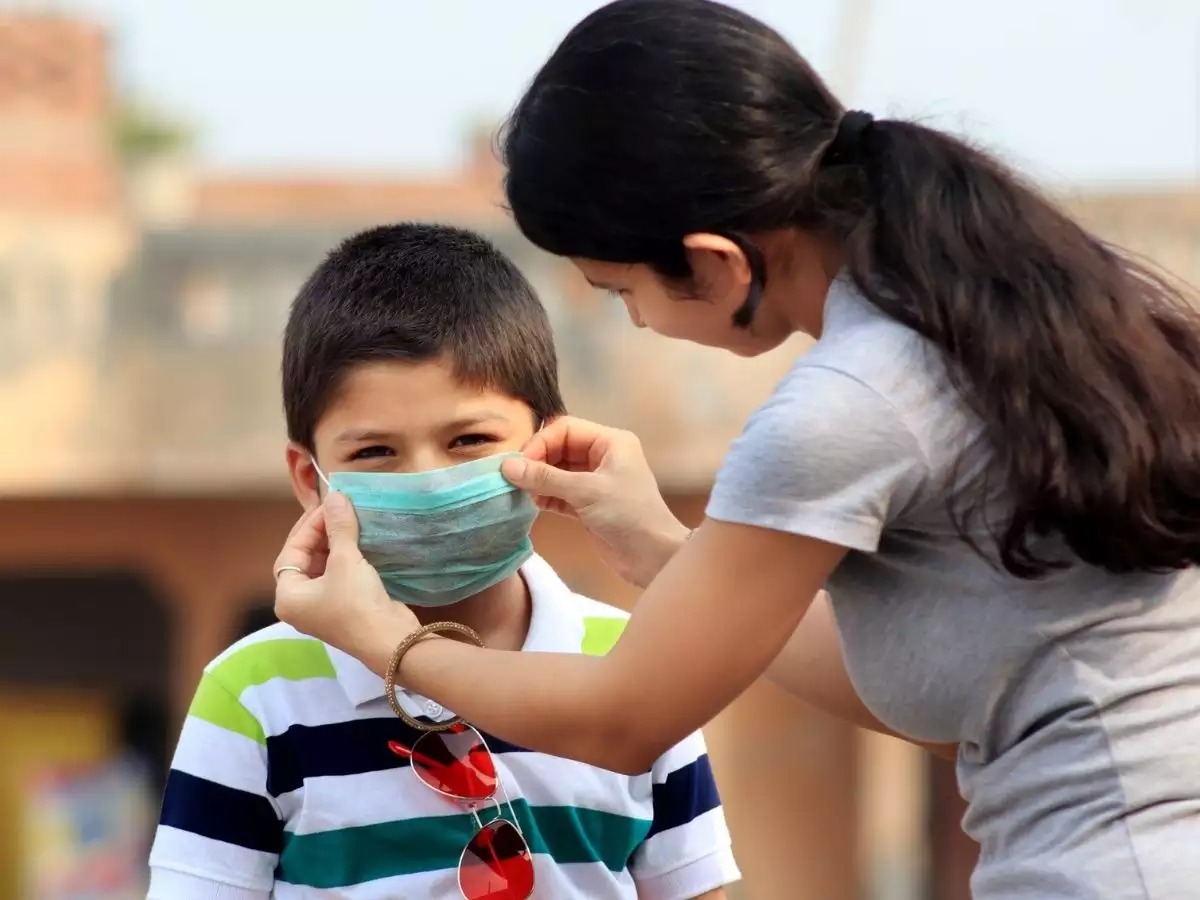
You can also protect yourself from Eris by wearing a mask, social distancing, and washing your hands frequently.

“Since vaccination is still the strongest defense against upcoming Covid-19 waves, it is crucial that everyone get all of the doses for which they are qualified as soon as possible. In India, presence of herd immunity also is going to be an added advantage as we have seen multiple waves of the Omicron variants. Long-term illness in anyone who has the infection is always a concern, as is severe disease in older adults and people with underlying problems. Therefore, every precaution should be taken (including avoiding crowded areas, wearing appropriate masking, cleaning hands, etc,” says Dr Nair.

Read more at-https://tinyurl.com/yjbprr9h
Categories
Medical Equipments Medical Updates Medicine & Health

New Covid variant Eris detected in Maharashtra; should India be worried? What experts say

Amid spread of new Covid variant, India needs to be careful, as Covid appropriate behaviour has taken a back seat and immunity is waning, says expert.

New Covid variant EG.5.1 or Eris that has been adding to the surge of Coronavirus cases in UK has also been causing slight increase in Coronavirus caseload in Maharashtra. The new Omicron variant was first detected in May but did not cause any notable impact in the months of subsequent months of June and July. However, as per state health department data, Covid cases have increased from 70 at the end of July to 115 on August 6, said a TOI report. The new Covid strain Eris has increased hospitalisation cases among elderly in UK and while there is no need to panic, it’s imperative to keep a close watch on it. The rise in Corona cases could be due to waning immunity from previous infections or vaccinations and it’s important to take booster shots to fight the virus.

New Covid variant Eris detected in Maharashtra; should India be worried? | Health - Hindustan Times

‘India needs to be careful amid waning immunity’

“The concern about new Covid-19 strains depend on various factors, including their transmissibility, severity, and the effectiveness of vaccines and treatments against them. Given that viruses can mutate over time, there is always a possibility of new strains emerging. The latest strain EG5.1, also known as Eris is one such strain which WHO is closely monitoring. India needs to be careful, since the Covid appropriate behaviour has taken a back seat and vaccination immunity is probably waning. So, if caught off guard, it can be disastrous,” says Dr Ravi Shekhar Jha, Director & HOD-Pulmonology, Fortis Escorts Hospital, Faridabad.

“The new strain was initially started from the United Kingdom, and now very few cases have been reported in Mumbai. Since the positivity rate or any upsurge in cases have not been reported so far, thus this strain may not be of much concern for India,” says Dr Kuldeep Kumar Grover, Head of critical care & Pulmonology – CK Birla Hospital, Gurgaon.

Symptoms of Eris or EG5.1

“The symptoms are same as previous variants, like cough, cold, fever, throat pain and chest tightness, but in immunocompromised people and some susceptible individuals, it can lead to fatal ARDS. It also appears to be more contagious than previous variants,” adds Dr Jha.

“Usually, infected people may witness mild kind of Covid feelings since this is the new co-variant of Omicron strain, but that may not cause any significant harm. As we all know that rapid spread of the Covid strain is characterised by more infectivity and less visibility. But since almost every individual has been double vaccinated and has developed hybrid immunity, the infection spread rate may be minimal, with almost nil hospitalisation,” says Dr Grover.

“We need to keep a close watch and need to follow normal hygiene like hand wash and mask at public places which also effectively reduces the risk of other viral and some bacterial infections. The cases in Maharashtra are not of too much concern but again, since this is flu season and season of fever due to other causes too, like malaria, typhoid and Dengue, we are not testing enough for Covid, so cases may be missed. We need to be careful if we see sudden spike in fever cases where no cause could be established,” says Dr Jha.

What people in India need to do for avoiding Covid infection

“So first and foremost, three things to ensure – healthy balanced diet, hygienic lifestyle, regular vaccination (if applicable or flu shots), and again following the Covid appropriate behaviour – wearing mask, avoiding crowded places and proper sanitisation,” says Dr Grover.

While the strain hasn’t increased the cases much, “public need to be vigilant on their part and follow the safety precautions, even though this strain does not seem to be that much contagious,” as per Dr Grover.

Read more at-http://surl.li/jxnqg

Categories
Government Guidelines Medical Equipments Medical Updates Medicine & Health

New Covid variant Eris spreading rapidly in UK; know symptoms and prevention measures

From running nose to fatigue, know 5 symptoms of new Covid variant Eris that is spreading fast in UK.

The pandemic has eased but newer variants of Covid keep emerging. EG.5.1 or Eris that was first identified in May has been raising the number of Covid cases in UK and currently 1 out of 10 Covid cases in UK are due to this latest strain which is not currently listed as variant of concern. Eris has been contributing to hospitalisation cases in UK albeit mostly among elderly.

Experts opine that there is a need to keep a close eye on this new strain which is of Omicron lineage and spreads faster than the original Covid-19 virus. However, there is no reason to believe that EG.5.1 is deadlier than previous strain. The rise in cases could be due to waning immunity from previous infections or vaccinations and it’s important to take booster shots to build up a defence against the virus.

Eris raising hospitalisation cases among elderly

“As seasons are changing and Covid virus continues to spread, newer variants continue to emerge worldwide. One of the recent variants that has been identified is Eris variant which has recognised to be come out of UK where it has been known to cause 1 in 10 of the Covid cases. This is showing an increase in number of cases in UK, with a somewhat higher levels of hospitalisation for people who are seniors even if they are vaccinated. So, it is something which we need to keep an eye on. This is strain of the Omicron variant which itself was significantly mutated compared to the original Covid 19 virus that came in 2019,” says Dr Pavithra Venkatagopalan, corona-virologist and Covid awareness specialist at Rotary Club of Madras NextGen.

New Covid variant Eris spreading rapidly in UK; know symptoms and prevention measures

Symptoms of new Covid variant Eris

This variant has very similar symptoms compared to previous variants as per Dr Pavithra.

  • Running nose
  • Sneezing
  • Cough
  • Fever
  • Fatigue (mild or severe depending on the person’s composition).

Preventive measures

Dr Pavithra says people need to take booster shots if they haven’t done already and get tested in case of any symptoms to contain the spread.

“We have to keep an eye on spread of this variant. However treatment and preventive measures continue to be the same. Unvaccinated people should get vaccinated as soon as they are eligible. Booster shots have to be taken if not done so far. If people are known to be showing symptoms, they need to be isolated, get tested if needed. More importantly, now that the schools have started in full swing, the wave will see increase in number of cases. But whether this will result in hospitalisation of the younger population we do not know,” says the expert.

Read more at-https://shorturl.at/nuFZ3

Categories
COVID-19 Government Guidelines Medical Equipments Medical Updates

What to eat when you have Covid

Having a healthy diet is associated with a reduced risk of COVID. And, if you do have COVID, a healthy diet is associated with milder symptoms.

Deciding what to eat can be mentally taxing, especially when you are not feeling well. However, our diet plays a role in preventing and managing poor health, including COVID. Having a healthy diet is associated with a reduced risk of COVID. And, if you do have COVID, a healthy diet is associated with milder symptoms. When we are sick it can be challenging to even think about food. However, the best way to fight the infection is by providing your body with foods that best support you to heal.

Fresh fruit, vegetables, whole grains and various forms of protein are broken down into substances by the body to support your immune system.

The Australian Guide to Healthy Eating suggests we eat a variety of fresh foods every day including:

*Two serves of fruit and five serves of vegetables

*Whole grains, such as wholemeal pasta, brown rice or wholemeal bread.

What to eat when you have Covid

*Healthy fats, such as avocado or olive oil.

*Meat and meat alternatives (such as lean beef, chicken, tofu or legumes) and dairy (such as cheese or milk).

*Eating these kinds of foods every day helps provide our body with the nutrients required to fight infections and remain healthy.

*Avoiding processed and ultra processed foods is also encouraged due to the high levels of salt and sugar and lack of nutrition found in these types of foods.

What about chicken soup or similar?

A great way to get all the nutrition your body requires when sick with COVID is through homemade chicken soup, chicken avgolemono, chicken congee or other similar dishes.

Why? Here are four good reasons:

1. It’s easy and cheap to make.

The great thing about chicken soup is you can pop it in one pan (or into a slow cooker), throw all the ingredients in together and let it simmer away.

While the ingredients in chicken soup pack a powerful nutritional punch, they don’t cost the Earth.

2. It’s easy to absorb.

The boiling process releases the nutritional elements found in the ingredients and aids in digestion and absorption of these vital nutrients.

3. It’s full of vitamins and minerals.

Essential vitamins and minerals found in chicken soup include: iron, magnesium, sodium, potassium, calcium, chromium, copper, zinc, vitamin A, vitamin C, vitamin B6 and vitamin B12.

4. It’s flavoursome and powerful.

The tasty flavour of chicken soup is enhanced by the seventeen different amino acids found in chicken soup. These amino acids also provide strength for your immune system.

Nutrition can support immune health but it’s not the only answer

The best way to treat and manage a COVID infection is to avoid it in the first place. So remember to practise good hygiene, like washing your hands regularly, and maintain your recommended vaccine schedule.

Practising a healthy lifestyle will also reduce your risks of not only contracting COVID, but also developing chronic disease. This includes not smoking or vaping, maintaining healthy physical activity habits, getting enough sleep and reducing alcohol consumption.

The current recommendation for maximum alcohol intake is ten standard drinks in one week, and no more than four standard drinks in one day.

  • Don’t forget to drink plenty of water
  • Water is crucial when you’re sick.

Being dehydrated can enhance symptoms of colds and infections, including COVID. It is also associated with a higher risk of developing long COVID.

Aim to drink at least two litres of water per day, even more if you have a high body weight or have been losing fluids through vomiting or sneezing/runny nose.

If you don’t feel like having plain water, there are many healthy alternatives such as tea, broth or soup.

Eating a healthy and balanced diet is an important part of maintain good health and vitality.

Getting caught up in fads or buying supplements can be expensive and there is controversy around their effectiveness.

In the long run, eating healthy will make you feel better and save you money

Read more at-https://bit.ly/44hviHR

Categories
COVID-19 Government Guidelines Medical Equipments

India logs 11,692 Covid cases in 24 hours, active caseload climbs to 66,170

Synopsis

India on Friday registered 11,692 new Covid-19 cases taking the tally of coronavirus infections in the country to 66,170, according to the Union Health Ministry data. The death toll has increased to 5,31,258 with 28 deaths, which includes nine reconciled by Kerala, stated the updated data.

India on Friday logged 11,692 new Covid-19 cases, while the active caseload increased to 66,170, according to the Union Health Ministry data.

India on Friday logged 11,692 new Covid-19 cases, while the active caseload increased to 66,170, according to the Union Health Ministry data.

With 28 deaths, which includes nine reconciled by Kerala, the death toll has increased to 5,31,258.

The Covid case tally was recorded at 4.48 crore (4,48,69,684)
The active cases now comprise 0.15 per cent of the total infections and the national Covid-19 recovery rate has been recorded at 98.67 per cent, the ministry said.

India logs 11,692 Covid cases in 24 hours, active caseload climbs to 66,170

The number of people who have recuperated from the disease surged to 4,42,72,256, while the case fatality rate was recorded at 1.18 per cent.

According to the ministry’s website, 220.66 crore doses of Covid vaccine have been administered in the country so far under the nationwide vaccination drive.

Amid rising cases of coronavirus across the country, Principal Secretary to the Prime Minister, P.K. Mishra, had undertook a review meeting to oversee the level of preparedness and public health response to it on Wednesday.

According to PTI sources in the know of things, Mishra advised officials to ensure operational readiness of hospital infrastructure till the sub-district level.

He also highlighted the need to examine the Covid-19 situation regularly and update advisories to guide the states.

Mishra also exhorted upon continuation of the ongoing time-tested strategy of Test-Track-Treat-Vaccination and adherence to Covid appropriate behaviour among the people.

The Indian Medical Association (IMA) on Monday had advised citizens not to panic amid rising cases, saying that they should maintain proper hygiene.

“Don’t panic. We have controlled it before, We will do it now also with your support. Covid cases are rising, but don’t panic. Maintain hygiene,” reported ANI, citing  the statement.

According to leading epidemiologists and virologists, the new Covid variant — XBB.1.16 — could be the reason behind the increase in cases.

“People in high-risk groups — pregnant ladies, those over the age of 60, those with chronic illnesses, and those with underlying health conditions, immunocompromised — face an increased risk of severe illness and death from Covid-19. We need to protect them,” read the statement.

Read more at-https://bit.ly/3oUcwq6

Categories
COVID-19 Government Guidelines Medical Equipments Medical Updates Medicine & Health

Chromosomal breakage caused by virus can lead to cancer: Study reveals

EBV is a common virus that spreads through saliva and affects over 90% of the global population during childhood.

When people kiss, share drinks, or use the same eating utensils, the Epstein-Barr virus (EBV) primarily transmits through saliva. It should therefore come as no surprise that EBV is one of the most widespread viruses, affecting more than 90% of the population of world, primarily during childhood. The findings of the study were published in the journal Nature.

EBV is a cause of infectious mononucleosis and other infections, however frequently there are no symptoms. Although the majority of infections are small and transient, the virus is still present and can occasionally go dormant or reactivate. Long-lasting latent infections are associated with a number of cancers as well as several chronic inflammatory disorders.

Researchers at University of California San Diego, UC San Diego Moores Cancer Center and Ludwig Cancer Research at UC San Diego, describe for the first time how the virus exploits genomic weaknesses to cause cancer while reducing the body’s ability to suppress it.

These findings show “how a virus can induce cleavage of human chromosome 11, initiating a cascade of genomic instability that can potentially activate a leukemia-causing oncogene and inactivate a major tumor suppressor,” said senior study author Don Cleveland, PhD, Distinguished Professor of Medicine, Neurosciences and Cellular and Molecular Medicine at UC San Diego School of Medicine.

“It’s the first demonstration of how cleavage of a ‘fragile DNA’ site can be selectively induced. “Throughout every person’s genome or full set of genes are fragile sites, specific chromosomal regions more likely to produce mutations, breaks or gaps when replicating. Some are rare, some are common; all are associated with disorders and disease, sometimes heritable conditions, sometimes not, such as many cancers.

Chromosomal breakage caused by virus can lead to cancer: Study reveals

In the new study, Cleveland and colleagues focus on EBNA1, a viral protein that persists in cells infected with EBV. EBNA1 was previously known to bind at a specific genomic sequence in the EBV genome at the origin of replication. The researchers found that EBNA1 also binds a cluster of EBV-like sequences at a fragile site on human chromosome 11 where increasing abundance of the protein triggers chromosomal breakage.

Other prior research has shown that EBNA1 inhibits p53, a gene that plays a key role in controlling cell division and cell death. It also suppresses tumor formation when normal. Mutations of p53, on the other hand, are linked to cancer cell growth.

When the scientists examined whole-genome sequencing data for 2,439 cancers across 38 tumor types from the Pan-Cancer Analysis of Whole Genomes project, they found that cancer tumors with detectable EBV revealed higher levels of chromosome 11 abnormalities, including 100% of the head and neck cancer cases.

“For a ubiquitous virus that is harmless for the majority of the human population, identifying at-risk individuals susceptible to the development of latent infection-associated diseases is still an ongoing effort,” said the study’s first author Julia Li, PhD, a postdoctoral fellow in Cleveland’s lab.

Read more at-https://bit.ly/3okwx93

Categories
COVID-19 Government Guidelines Medical Equipments Medical Updates

Covid-19 cases in children on rise; watch out for these signs and symptoms, preventive measures

Experts say that many kids are suffering from high grade fever, persistent cough and diarrhoea as the Covid cases across the country are on rise.

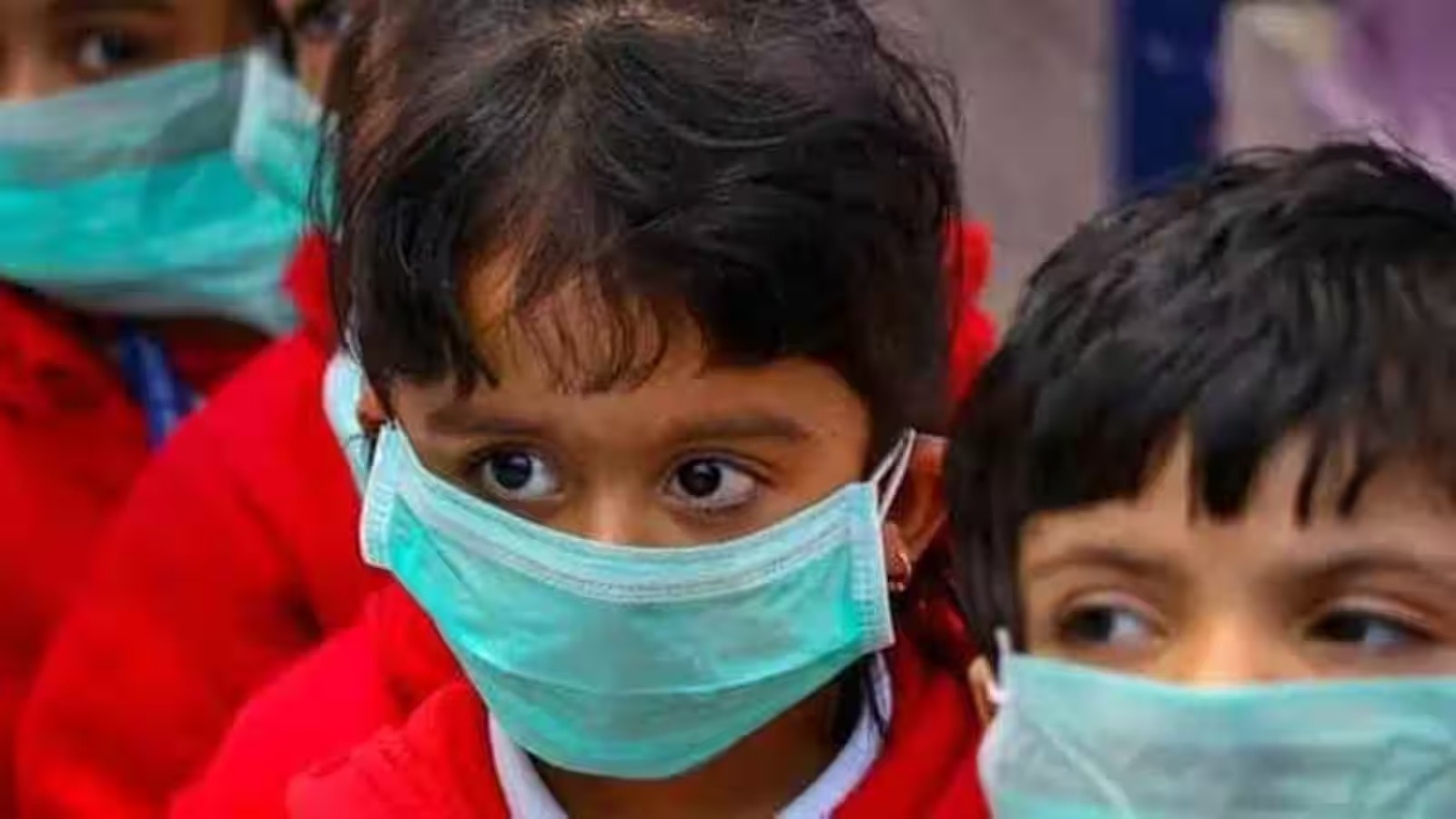
Covid-19 cases in children have been on rise in the past few days in kids under 15 years of age and while the symptoms are mostly mild in the little ones, experts have warned parents to take Covid-appropriate measures for preventing spread. Considering kids are vulnerable to viral infections and diseases like RSV (Respiratory Syncytial Virus), flu, adenovirus and Covid are on rise, it’s imperative to get them vaccinated if eligible, promote regular handwashing, and wearing masks (kids over 5 years). Children who have cough, cold, stomach flu and other flu-like symptoms should not be sent to school and get tested for Covid. Experts say one should not take the current surge in Covid cases lightly. Especially when it comes to high-risk children who have any kind of health complication like diabetes, asthma, heart disease among other issues, symptoms should be monitored closely.

Signs of Covid in kids

“In the past few days there have been reports of children less than 15 years getting infected with Covid. The cases though are mild and not very severe. The symptoms to watch out among kids remain same as we have seen in recent times which primarily include high fever, coughing, head and body ache, fatigue, runny nose to name a few which are very similar to other flu and adenovirus symptoms. In adenovirus though, other symptoms like redness of eyes, conjunctivitis and watery eyes can be seen through which we can differentiate between the two, says Dr. Kuldeep Kumar Grover, Head of critical care & Pulmonology – CK Birla Hospital, Gurgaon.

“Covid is a viral infection and like many other viruses, it has been around for some time. Symptoms of Covid like any other viral infection will be fever, cold, a bit of cough, stomach flu, diarrhoea, conjunctivitis, body pain etc. In adenovirus we see a little more conjunctivitis, swollen lymph nodes – these are just like tonsils that we have outside body also, lympth nodes are the tissue collections that can get swollen or painful just at the back of the neck or under the chin area. Other thing with Covid is that the symptoms are more gradual. The fever comes in gradually and may rise later on. In common flu, the symptom onset is usually very dramatic with sudden muscle ache, fatigue and high-grade fever. So, there’s no real one sign that can help differentiate between Covid and other viruses,” says Dr Poonam Sidana, Director Neonatology and Pediatrics, C K Birla Hospital Delhi.

“For the past one month, there has been a rapid rise in OPD footfalls of children who are suffering from symptoms like sore throat, cold, cough, diarrhoea, vomiting, abdominal pain and the fever which is high grade, reaching up to 103 degree or more. The cough is quite severe in these cases and in some cases even lasting for more than 3 weeks. Considering the symptoms of Covid, adenovirus, and RSV are similar, it’s difficult for parents to distinguish between the two. While fever, cough, cold, abdominal issues, vomiting are more common in Covid and other viral illnesses that are spreading nowadays, red eyes, sticky eyes and conjunctivitis is more common in case of adenovirus,” says Dr Somalika Pal, Senior Consultant, Department of Neonatology and Paediatrics, Cloudnine Group of Hospitals, New Delhi (East of Kailash)

Covid-19 cases in children on rise; watch out for these signs and symptoms, preventive measures

“Flu viruses such as SARS CoV-2 and Influenza virus, predominantly causes respiratory tract illness, while Adenovirus, a DNA virus, causes a variety of illness in addition to respiratory tract infections, such as conjunctivitis, ear infections, gastroenteritis, hepatitis, myocarditis, meningoencephalitis etc. The symptoms are usually fever, sore throat, running nose, cough, body ache, fatigue, shortness of breath, diarrhoea etc. In most cases, it is difficult to differentiate these based on symptoms alone,” says Dr Rohit Kumar Garg, Consultant, Department of Infectious Diseases at Amrita Hospital, Faridabad.

Signs of severe Covid in kids

“Parents must be watchful of symptoms and if high-grade fever is lasting for beyond 5 days or the cough is worsening, if the kid is lethargic, unable to feed, finding it difficult to breath, diarrhoea is worsening or the lips are seen parched or peeled, it’s a sign that your child may need hospital care,” says Dr Pal.

“Some patients may develop severe illness, such as pneumonia. Symptoms like persistent fever, severe cough, shortness of breath, low oxygen saturation, troubled, fast, noisy breathing, may help to suspect severe illness,” says Dr Garg.

Preventive measures for kids

“It is still critical for the kids and most importantly their parents to remain vigilant and protect themselves and their kids by teaching them to follow the Covid preventive measures in schools and nearby areas where they play with other kids like regular masking, self-hygiene and washing their hands and face frequently after coming from outside, sanitizing themselves properly at regular intervals. Also, parents are advised to undergo the RT-PCR test in case they see any symptoms as a precautionary step, says Dr Grover.

“Any child having fever, cough, cold, as a general principal should not be sent to school and get tested. Sports and other activities where kids are in close contact should be avoided in schools. Frequent handwashing, not touching nose or mouth is important. Kids over 5 years should be wearing masks and overcrowding in social gatherings and outings must be avoided,” says Dr Sidana.

Why Covid cases have been on rise in India

Dr. Pavithra Venkatagopalan, Coronavirologist and Covid Awareness Specialist, Rotary Club of Madras NextGen sheds light on why the number of Covid cases have been on rise for a couple of weeks in India.

“The number of cases of coronavirus has increased in the last few weeks in India. We have to first look at if the number of tests has increased. We are a country that is quite crowded giving a lot of infections a good environment to breed. Nowadays, a lot of respiratory infections are going on and some of them are taking a long time to heal, people are suffering for a longer time. Typically, this has been the flu but doctors will diagnose you when you are going through a severe respiratory infection, and they will have you test for known respiratory infections which are flu and cold.

While the XBB 1.16 has a change in the spike that allows it to infect people easily, it does not have a direct impact on the number of hospitalisations,” says Dr Pavithra.

Need for booster campaign

“It is also time for us to start with a booster campaign for Covid. It has to become like an annual booster that we all should be taking once a year. These thing matter, especially to people who are more vulnerable than the average population. Young children from 12-13 years onwards have been vaccinated, schools have had vaccination campaigns, most adults have had two doses, some have had one booster shot and some even had two booster shots. We have to work on the enthusiasm of people to get the annual vaccines as they become available so that the number of people carrying the infection will be reduced. This will help protect people whose immune systems are weaker like people with comorbidities, immuno-supressed people, people who have had transplants, women who are pregnant, and the population that can’t be vaccinated just yet. We have to bring that campaign back and increase awareness around vaccinations so that the number of people that can transmit the particles are reduced and thereby reducing the number of infections and severe cases,” adds Dr Pavithra.

Read more at-https://bit.ly/3KghEf6

Categories
COVID-19 Government Guidelines Medical Equipments Medical Updates

Adenovirus cases spike in West Bengal: Symptoms, treatment and precautions

Adenovirus: Adenovirus causes mild cold or flu-like illness which can affect people of all ages, according to US Centers for Disease Control and Prevention (CDC).

Bengal health authorities have been asked to be vigilant after the state recorded a big spike in adenovirus cases that has led to pediatric wards in state-run and private hospitals filling up fast. Health officials say at least 32 per cent of samples sent to the National Institute of Cholera and Enteric Diseases (ICMR-NICED) in Kolkata since January have tested positive for the virus. Two children – a six-month-old boy and 2.5-year-old girl – died Sunday, though the cause of deaths has not yet been formally identified as the adenovirus, which causes a mild cold, or flu-like, illness that can affect people of all ages.

Adenovirus cases spike in West Bengal: Symptoms, treatment and precautions

Symptoms:

Infected people may have relatively mild symptoms like a cold or flu, a fever, and a sore throat, or acute bronchitis, pneumonia, conjunctivitis and acute gastroenteritis, which is an inflammation of stomach. Adenovirus can cause mild and severe illnesses but the latter is relatively uncommon. People with weak immune systems, existing respiratory or cardiac diseases are at higher risk of developing severe illness from adenovirus.

Transmission:

The virus is usually transmitted by physical contact with an infected person, the United States’ Centers for Disease Control and Prevention said. It can also be spread through the air (via coughs and sneezes) or a patient’s stool; for example, while changing diapers.

Treatment:

There is currently no specific course of treatment or approved antiviral medication. Since most cases are mild, they are managed by pain-killlers or medication to manage symptoms.

Doctors suggest the best way to tackle the infection is prevention. Steps to avoid getting infected include avoiding touching your eyes, nose or mouth with contaminated hands and to regularly use soap or sanitiser to wash your hands.

Read more at-https://bit.ly/3lQDddM

Categories
Government Guidelines Medical Equipments Medical Updates Medicine & Health

Merck covid drug linked to new virus mutations, study says

Some researchers worry the drug may create more contagious or health-threatening variations of Covid, which has killed more than 6.8 million people globally over the past three years.

Merck & Co.’s Covid-19 pill is giving rise to new mutations of the virus in some patients, according to a study that underscores the risk of trying to intentionally alter the pathogen’s genetic code.

Some researchers worry the drug may create more contagious or health-threatening variations of Covid, which has killed more than 6.8 million people globally over the past three years.

Mutations linked to the use of Merck’s pill, Lagevrio, have been identified in viral samples taken from dozens of patients, according to a preprint study from researchers in the US and at the Francis Crick Institute, Imperial College London and other UK institutions.

The drug-linked mutations of the virus haven’t been shown to be more immune-evasive or lethal yet, according to the study published Friday without peer review on the medRxiv website. But their very existence highlights what some scientists say are potential risks in wider use of the drug, which was recently cleared in China.

Lagevrio works by creating mutations in the Covid genome that prevent the virus from replicating in the body, reducing the chances it will cause severe illness. Some scientists had warned before it was authorized in late 2021 that by virtue of how it works, the drug could give rise to mutations that could turn out to be problematic. The preprint paper has reawakened those worries about the Merck drug.

“There’s always been this underlying concern that it could contribute to a problem generating new variants,” said Jonathan Li, a virologist at Harvard Medical School and Brigham and Women’s Hospital in Boston. “This has largely been hypothetical, but this preprint validates a lot of those concerns.”

Merck covid drug linked to new virus mutations, study says

Merck Response

Merck disputes the view that its drug is causing problematic variants.

“There is no evidence to indicate that any antiviral agent has contributed to the emergence of circulating variants,” Merck spokesman Robert Josephson said in an email in response to questions about the study. “Based on available data we do not believe that Lagevrio (molnupiravir) is likely to contribute to the development of new meaningful coronavirus variants.”

He said new mutations have emerged over the course of the pandemic due to the virus spreading uncontrollably and Lagevrio can form an important part of the solution, he said. Merck pointed to research done in animals that showed its drug didn’t cause mutations.

The study authors assume the mutations were associated with molnupiravir treatment, but don’t have direct proof that the mutations arose in patients who took their drug, Josephson said in a follow-up email. Instead, the researchers drew their conclusions from “circumstantial associations between viral sequence origin and timeframe of sequence collection in countries where molnupiravir is available,” Josephson said

Merck fell as much as 1.2% in New York Wednesday, recovering some losses to close down 0.4%.

The US Food and Drug Administration, which authorized Lagevrio in late 2021, said it doesn’t comment on third-party research and works with Covid drugmakers to assess their products’ activity against variants.

Preprint

Major scientific journals don’t publish studies until the completion of a “peer review” process in which the research is scrutinized by outside experts. During the pandemic, scientists increasingly started publishing their research on what are known as “preprint servers” prior to exhaustive reviews, in attempt to advance the science more quickly and share urgent findings.

Researchers found Lagevrio-induced mutations in small patient clusters, indicating the new versions were spreading among them. While the biggest group they found with similar mutations was 21 people, that may not fully represent the true scope of the problem as viral samples of many patients aren’t analyzed, according to Ryan Hisner, an independent researcher from Indiana who helped write the paper.

The researchers looked at some 13 million viral genomes in databases around the world. The drug-linked mutations were proportionally more common in countries and groups where Lagevrio was likely to be used, especially the US and Australia, where it was introduced early. The signature mutations are less frequent in Canada, France, and other countries where the drug isn’t used.

“These effects are visible in these databases,” said Theo Sanderson, a Crick Institute geneticist who led the study. “It appears that people are being treated, some of them aren’t clearing their infections, and some are passing them on.”

The risk of drug-linked mutations is too great to continue using Merck’s drug, Hisner said. The US should explore authorizing drugs used in other countries to control Covid, like Xocova from Japan-based Shionogi & Co., and discontinue use of Lagevrio, said Michael Lin, a Stanford University antiviral drug researcher who said he consulted with the authors but wasn’t involved in the study. China cleared Lagevrio late last year and Shionogi said it’s in the final stages of discussions with the country’s regulators over its Covid drug.

It’s a very distressing situation,” said Lin. “There’s no evidence that any of these mutants is worse in any way — not yet — but it’s well agreed that you’re playing with fire if you’re creating random mutations and hoping nothing bad will come of it.”

Sanderson declined to comment on whether doctors should continue using Merck’s drug, saying the study doesn’t address the issue.

Lingering concerns

Concerns about Lagevrio’s safety and effectiveness are longstanding. Health officials recommend against its use in pregnant women. In general, the drug shouldn’t be used when alternatives are available, according to the US National Institutes of Health.

Merck was encouraged by former Warp Speed science czar Moncef Slaoui to team up with Ridgeback Biotherapeutics LP to get the much-needed oral Covid pill ready for widespread use. Early results showed it cut the risk of hospitalization and death by about 50% in non-immunized people.


Subsequent studies have indicated it’s actually less effective than those early trials indicated. A study released in December showed that adding Lagevrio to standard care didn’t reduce hospitalizations or deaths in high-risk adults, although the time to recovery from symptoms was shortened by several days.

However, Covid treatment options are dwindling. Variants have mutated to evade Covid antibodies made by Regeneron Pharmaceuticals Inc., Eli Lilly & Co. and Vir Biotechnology Inc. The last one to retain effectiveness, AstraZeneca Plc’s Evusheld, was just removed from the US market. That leaves few alternatives for Americans: just Paxlovid and Gilead Sciences Inc.’s remdesivir, which must be infused in three daily sessions as soon as someone is diagnosed.

Some patients aren’t eligible to take Paxlovid because it contains a component, called ritonavir, that has adverse interactions with therapies for other conditions like heart disease, that are common in people vulnerable to severe Covid.

Raymond Schinazi, an Emory University researcher, raised concerns about Merck’s drug early on in its development. He’d done his own research into it years ago before abandoning it.

He called for more monitoring to investigate whether the viruses with drug-linked mutations are having any impact after learning about the new study.

The preprint study is “an orange flag, not a red flag yet,” Schinazi said. “Proceed with caution.”

Read more at-https://bit.ly/3X1804k

Categories
COVID-19 Government Guidelines Medical Equipments Medical Updates Medicine & Health Techniques

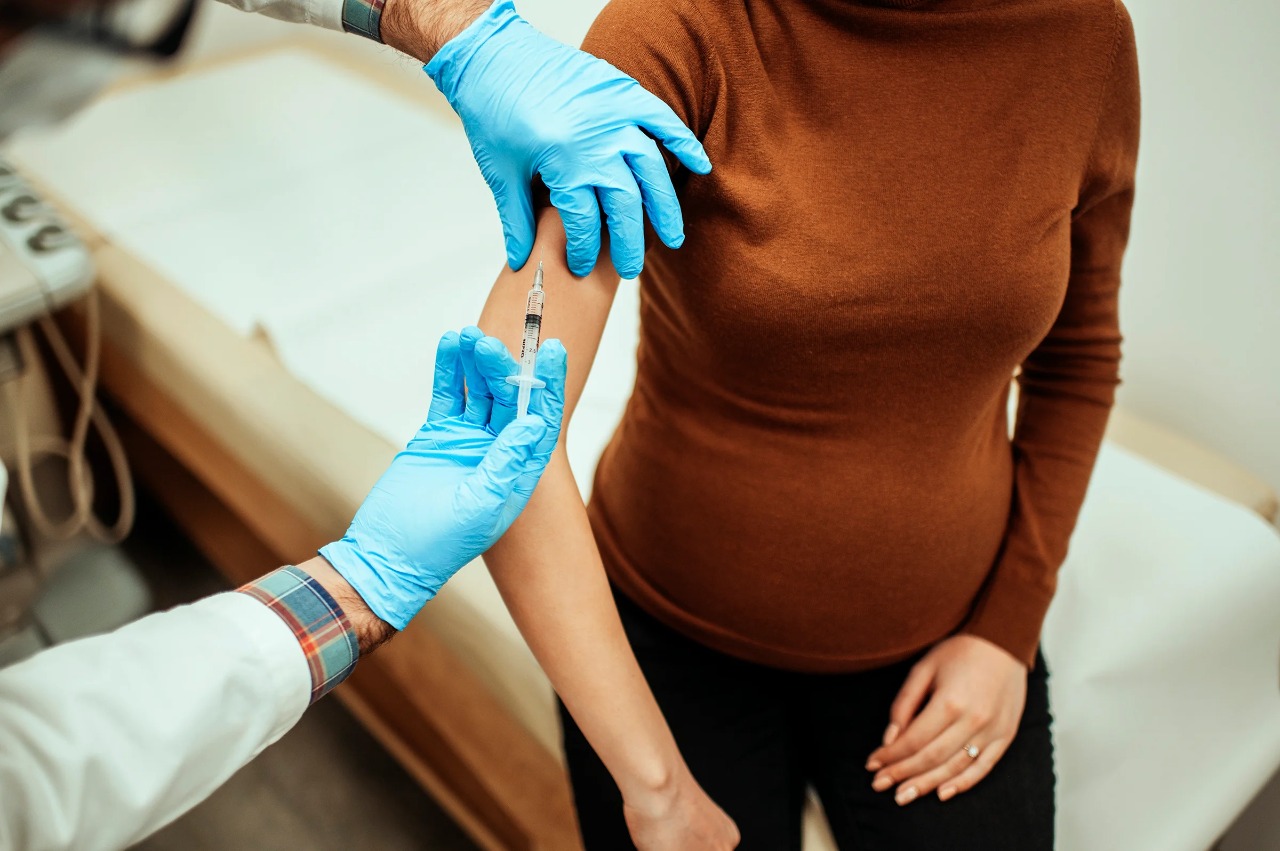
Covid infection could damage foetuses of pregnant women: Study

Foetuses and placentas of pregnant women, especially those infected with COVID-19 at earlier points in the pandemic, were found to bear a greater risk of experiencing growth impairment or vascular lesions in organs and brain, according to a new research.

Foetuses and placentas of pregnant women, especially those infected with COVID-19 at earlier points in the pandemic, were found to bear a greater risk of experiencing growth impairment or vascular lesions in organs and brain, according to a new research.

According to the research, results demonstrate that the different strains of the virus that emerged during the pandemic led to varying degrees of damage, which was especially higher by those involving pre-Omicron variants. The detected placental lesions could potentially harm both development and health in some of the affected unborn children, the study said.

Using prenatal magnetic resonance imaging, a group of Medical University of Vienna, Austria, researchers examined the placentas and foetuses of women who tested positive for SARS-CoV-2 during pregnancy, the study said.

The research was published in the journal The Lancet Regional Health – Europe. While such damage occurs more infrequently and is less severe with the currently circulating Omicron sub-lineages, the study authors still advocate early detection measures for pregnant women who test positive for coronavirus.

Contrary to previous studies, in which SARS-CoV-2-related abnormalities were only identified postnatally and/or through histopathological procedures, the research team focused on prenatal imaging findings, the study said.

Using prenatal magnetic resonance imaging (MRI), 76 scans of placentas and foetuses of pregnant women were performed in the study: 38 following a confirmed SARS-CoV-2 infection (pre-Omicron or Omicron variants) and 38 in healthy control cases, the study said.

The study found that the placentas in both the pre-Omicron and the Omicron groups revealed abnormalities.

Covid infection could damage foetuses of pregnant women: Study

“Infections with pre-Omicron variants, such as Delta, led to significantly greater damage in the form of vascular events such as blood clots or bleeding than with the Omicron subvariants currently circulating through the population,” noted lead author Patric Kienast, outlining a key finding of the study.

The researchers attribute the varying extent of damage to the placenta caused by different virus strains to the fact that Omicron sub-lineages are less likely than their predecessors to result in severe cases, and to higher vaccination rates as the pandemic has progressed, the study said.

“In any case, our results showed that the two non-vaccinated study participants developed placental abnormalities following infection with SARS-CoV-2 Omicron, compared with just one out of six of the women who had received three doses of the vaccine,” confirmed senior author Gregor Kasprian.

Oxygen, nutrients and metabolic products are exchanged between mother and child in the placenta. Attached to the uterine wall, this organ forms such a strong barrier against the coronavirus that only 3 per cent or fewer of foetuses whose mothers test positive for SARS-CoV-2 are also infected, the study said.

But as the study shows, the placenta itself is not spared from complications caused by Covid-19. Subsequently, some unborn babies experience stunted growth or bleeding in the brain, the study said.

“This is why the placentas of pregnant women who have been infected with SARS-CoV-2 should be examined as soon as possible after testing positive using prenatal imaging techniques,” advised Daniela Prayer from Medical University of Vienna, citing the importance of scanning, particularly in the case of possible future coronavirus variants with mechanisms similar to Delta, for example.

By doing so, there is a chance to take measures to safeguard the health of the foetus in a worst case scenario, the study said.

Read more at-https://bit.ly/3XAOtZF