Categories
COVID-19 Medicine & Health

Delta variant continues to be dominant lineage in new COVID-19 cases across India: INSACOG

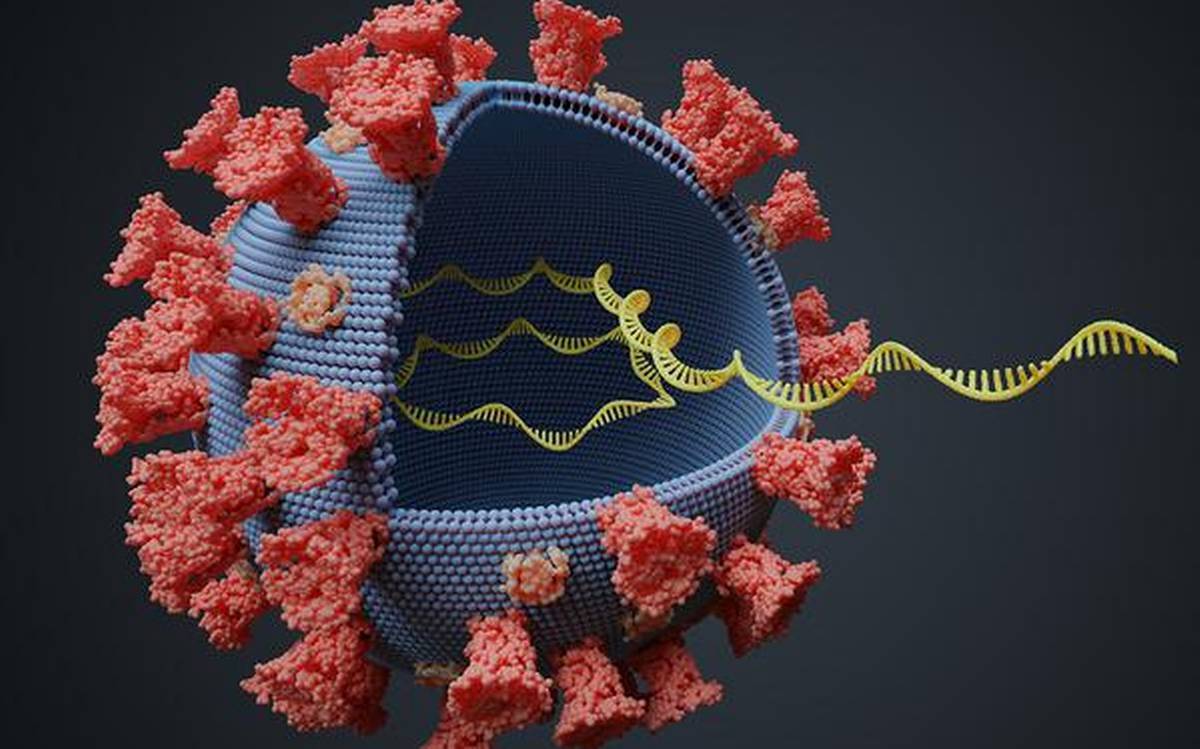
The Delta variant of SARS-CoV2 continues to be the dominant lineage for new cases across the country, while the other Variants of Concern (VoC) are at a lower rate and declining, Indian SARS-CoV-2 Genomics Consortium (INSACOG), a consortium of government panels involved in the genome-sequencing of the coronavirus, has said.

There is currently no evidence of any new Delta sub-lineage that is of greater concern than Delta, it has said.

“Delta continues to be the dominant lineage for new cases across all parts of India in recent samples and remains the most rapidly rising lineage globally that is responsible for multiple outbreaks, including across Southeast Asia, which shows the fastest growth in new cases globally,” the INSACOG said.

Regions with high vaccination and strong public health measures, such as Singapore, continue to do well, it noted.

The Delta variant was behind the deadly second wave of the coronavirus in India that killed thousands and infected lakhs during March to May.

The INSACOG said a study by the Indian Council of Medical Research (ICMR) has confirmed that most of the clinical cases in vaccine breakthrough were infected with the Delta variant but only 9.8% cases required hospitalisation, while fatality was found to be restricted to 0.4%.

It added that the data for higher infectivity of Delta continues to grow with the secondary attack rate in household contacts being almost double for Delta, when compared to Alpha (Public Health England, July 9 update). The other VoC continue to be very low in India and are declining relative to Delta globally.

“Public health measures to reduce transmission and vaccination remain critical,” the INSACOG stressed.

No cases of the Lambda variant have so far been reported in the country, it added.

In data from the U.K., Lambda is still seen primarily in travellers or their contacts and is not growing relative to Delta.

A growing spectrum of mutations is seen in the Delta background in the U.K., the U.S. and India.

The most frequent spike protein mutations, other than K417N (AY.1/AY.2), seen in the U.K. are G446V and P251L. In India, A222V and K77T have been reported as possible markers of sub-lineages.

Previous research into the A222V mutation for either transmissibility or immune escape was negative. In the case of the K77T mutation, it has previously been reported in a cluster of Delta that spread to Asiatic lions in a zoo, and seen in sequences from Tamil Nadu, but has no known impact on transmission or immune escape in humans, the INSACOG said.

The INSACOG jointly initiated by the Union Ministry of Health and the Department of Biotechnology (DBT) with the Council for Scientific and Industrial Research (CSIR) and the ICMR, is a consortium of 28 national laboratories to monitor the genomic variations in SARS-CoV-2.

source:https://www.thehindu.com/
Categories
COVID-19 Medical Updates Medicine & Health

“Free Vaccine” Campaign Covered 30-40 Crore In 24 Days: Health Minister

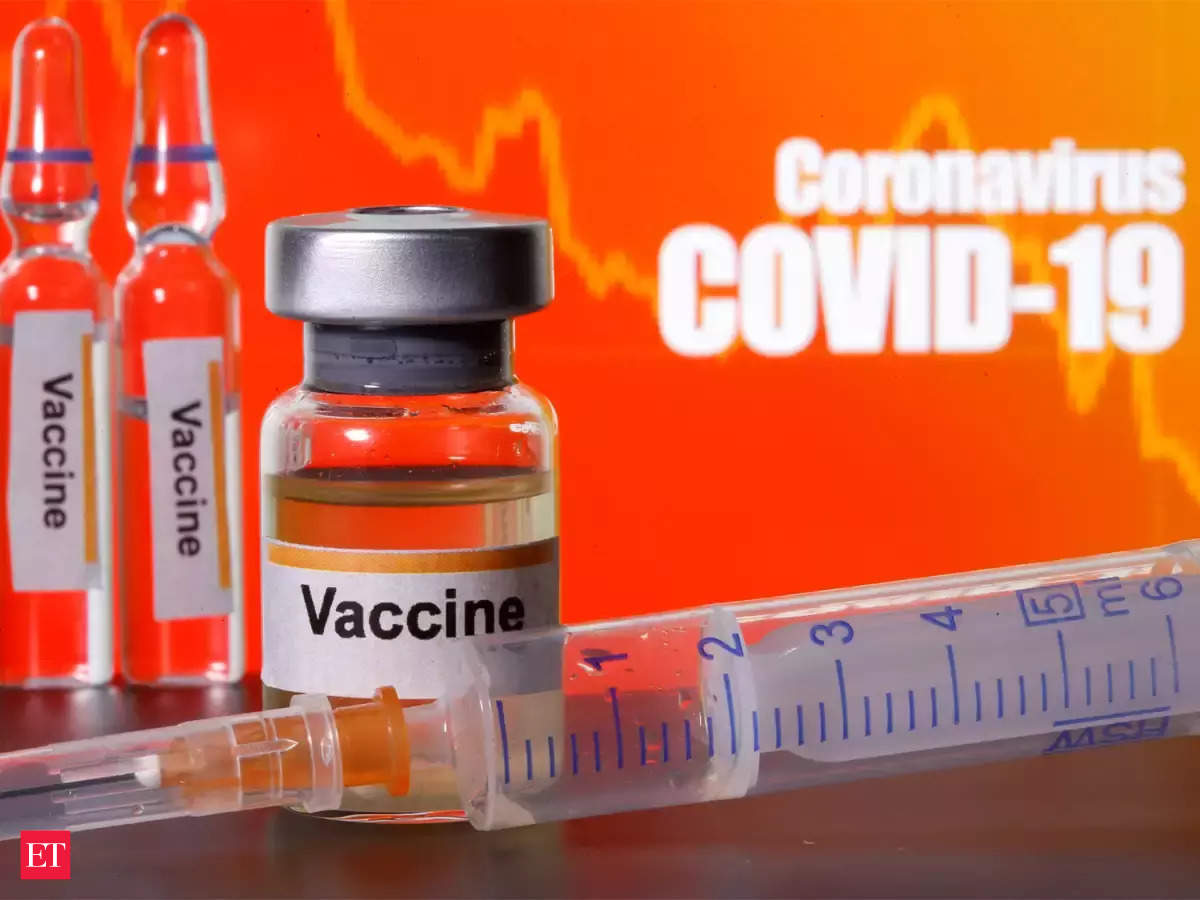
India’s COVID-19 vaccination coverage has exceeded 40.64 crores, according to health ministry data updated on Monday morning.

Union Health Minister Mansukh Mandaviya on Monday said it took 85 days to inoculate 10 crore, people, against COVID-19, while due to the “vaccine for all, free vaccine” campaign, it took only 24 days to reach 30-40 crore vaccination coverage.

The new phase of universalization of COVID-19 vaccination started on June 21.

The inoculation drive has been ramped up through availability of more vaccines, advance vaccine availability to states and union territories (UTs) for better planning by them and streamlining the supply chain, according to the Union health ministry.

In the new phase, the Centre procures and supplies at no cost 75 per cent of the vaccines being produced in the country to states and UTs.

India’s COVID-19 vaccination coverage has exceeded 40.64 crore, according to health ministry data updated in Monday morning.

“The world’s largest and fastest vaccination campaign under the leadership of Prime Minister Narendra Modi is continuously creating new dimensions,” Mr Mandaviya said in a tweet in Hindi.

“In the initial days, it took 85 days to vaccinate 10 crore, while due to the ”vaccine for all, free vaccine” campaign, it took India only 24 days to touch the figure of 30 crore to 40 crore,” he tweeted.

ADVERTISING

The ministry said 40,64,81,493 vaccine doses have been administered through 50,69,232 sessions, according to the provisional report till 7 am on Monday.

It said that 13,63,123 vaccine doses were administered in a span of 24 hours.

Out of the people infected since the beginning of the pandemic, 3,03,08,456 people have already recovered from COVID-19 and 38,660 patients have recovered in a span of 24 hours.

This constitutes an overall recovery rate of 97.32 per cent, which is showing a sustained increasing trend.


source: https://www.ndtv.com/

Categories
Medicine & Health

Cabinet approves continuation of centrally sponsored National AYUSH Mission

The Union Cabinet chaired by Prime Minister Narendra Modi on Wednesday approved the continuation of National AYUSH Mission (NAM) as a centrally sponsored scheme effective 1 April to 31 March 2026 with an expenditure of 4,607.3 crore.

The Centre’s share in the scheme would be 3,000 crore, while 1,607.3 crore will be state share, the government said. The mission was launched on 15 September 2014 and is being implemented by ministry of AYUSH with the objectives of providing cost-effective AYUSH services, with universal access through upgrading AYUSH hospitals and dispensaries, co-location of AYUSH facilities at primary health centres, community health centres, and district hospitals, strengthening institutional capacity at the state level through upgrading AYUSH educational institutions, setting up of new up to 50 bedded integrated AYUSH hospital, AYUSH public health programmes and operationalization of 12,500 AYUSH health and wellness centres to provide services of a holistic wellness model based on AYUSH principles and practices so as to empower masses for “self-care” to reduce the disease burden, and out-of-pocket expenditure.

The mission, the government said, is addressing the gaps in health services by supporting the efforts of governments in states and Union territories for providing AYUSH health services or education in the country, particularly in vulnerable and far-flung areas. Under NAM, special focus is given for specific needs of such areas and for the allocation of higher resources in their annual plans.

The government said India possesses an unmatched heritage represented by its traditional systems of medicine such as ayurveda, sidhha, sowa rigpa, Unani and homeopathy (ASU&H) which are a treasure trove of knowledge for preventive, promotive and curative healthcare.

The positive features of the Indian systems of medicine, namely their diversity and flexibility; accessibility; affordability; broad acceptance by a large section of the general public; comparatively lesser cost and growing economic value, have great potential to make them providers of healthcare that the large sections of our people need, it said.

The government said the expected outcomes of the mission will be better access to AYUSH healthcare services through increased healthcare facilities offering AYUSH services and better availability of medicines and trained manpower. The government said that with the scheme there will be improvement in AYUSH education through a well-equipped enhanced number of AYUSH educational institutions. It will further increase to focus on reducing communicable/non-communicable diseases through targeted public health programmes using AYUSH systems of healthcare.

source: https://www.livemint.com/
Categories
Medical Updates

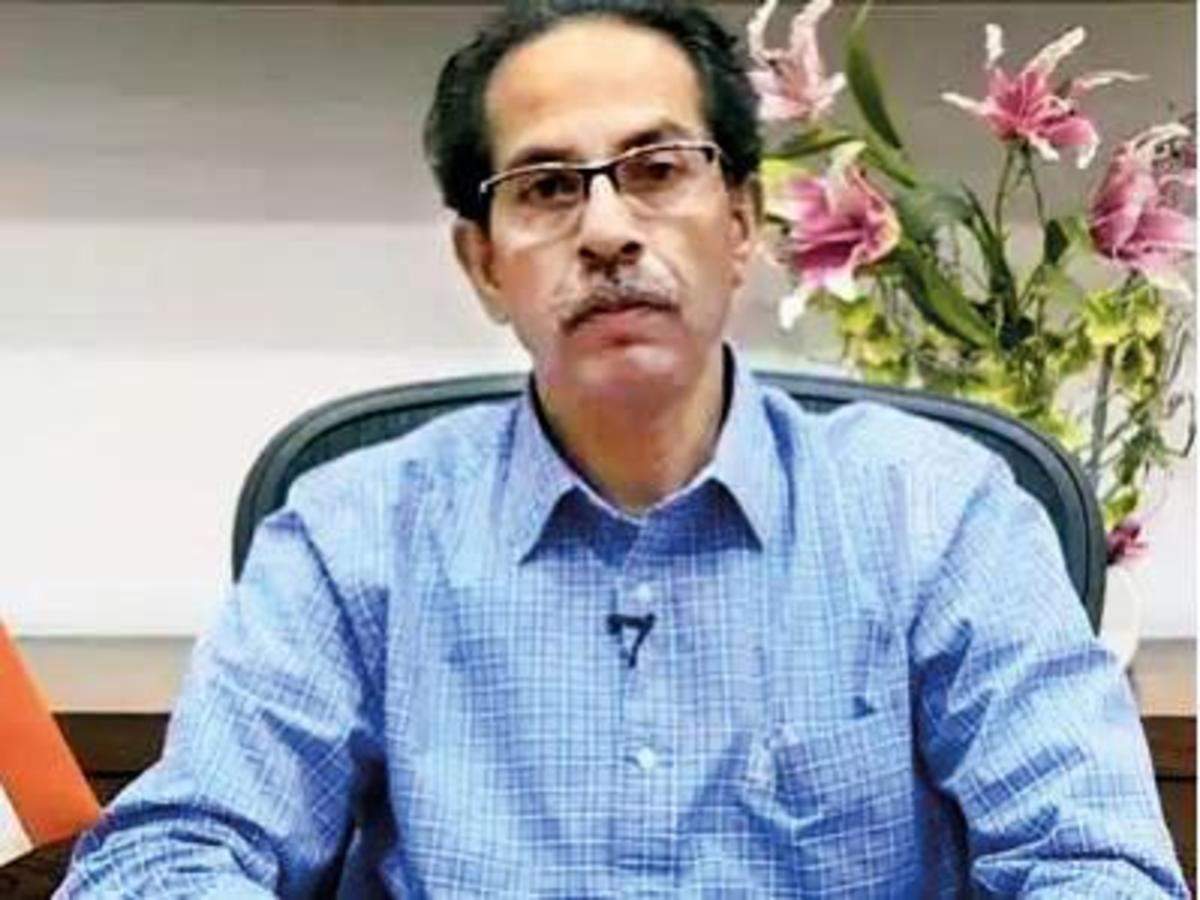
Maharashtra CM launches healthcare skill scheme

Maharashtra Chief Minister Uddhav Thackeray launched the CM’s Maha Arogya Skills Development Programme, under which 20,000 youth will be trained in healthcare, nursing, and paramedical fields


Maharashtra Chief Minister Uddhav Thackeray on Thursday launched the CM’s Maha Arogya Skills Development Programme, under which 20,000 youth will be trained in healthcare, nursing, and paramedical fields.

“In the next three months, 20,000 trained manpower will be provided from 36 different courses in the field of healthcare, nursing, and paramedical, which are required in Corona situation,” reads the official release.

Thackeray said the scheme will provide skilled manpower to the health sector during COVID times. “This will be an important step towards the goal of a healthy, wholesome Maharashtra,” he added.

Deputy Chief Minister Ajit Pawar, Minister for Skill Development, Employment and Entrepreneurship Nawab Malik, Industries Minister Subhash Desai, Public Health Minister Rajesh Tope, Medical Education Minister Amit Deshmukh, Chief Minister were present on the occasion.

Categories
Uncategorized

Covid vaccines 8 times less effective against Delta variant: Sir Ganga Ram hospital study

Delta variant of coronavirus is eight times less sensitive to antibodies generated by vaccines, a new study claims. This could mean that Covid-19 vaccines are eight times less effective against the Delta variant compared to the original strain of SARS-CoV-2 first detected in China’s Wuhan.

Findings of the study assert that the Delta Variant is both more transmissible and better able to evade natural immunity mounted by the immune system of recovered Covid-19 patients.

Titled “Sars-Cov-2 B.1.617.2 Delta Variant Emergence and Vaccine Breakthrough: Collaborative Study”, the study was conducted on more than 100 healthcare workers (HCWs) at three centers in India, including Delhi’s Sir Ganga Ram Hospital. Scientists from the Cambridge Institute of Therapeutic Immunology and Infectious Disease were also part of the study.

Researchers found that Delta was the dominant strain among fully vaccinated healthcare workers infected with Covid-19. The respiratory viral loads were also higher in the cases of these healthcare workers compared to those diagnosed with non-Delta variants.

The Delta variant generated greater transmission among the fully vaccinated healthcare workers, the study found.

“Increased replication could be responsible for generating greater numbers of virus particles, or the particles themselves could be more likely to lead to a productive infection,” says the study.

While severe infection was rare among infected healthcare workers, scientists say breakthrough transmission clusters in hospitals associated with the Delta variant is a matter of concern. Breakthrough transmission, in this case, refers to instances of fully vaccinated healthcare workers testing positive for the Delta variant of Covid-19.

The study, which is yet to be submitted for peer review, goes on to say that the Delta variant of the virus has enhanced spike proteins. This enables the virus to attach itself to the epithelial cells found in the lungs and infect more people compared to the Wuhan strain.

“In the absence of published data on the transmissibility of Delta Variant, we predict that this variant will have a transmission advantage relative to Wuhan-1 with D614G in individuals with pre-existing immunity from vaccine/natural infection as well as in settings where there is low vaccine coverage and low prior exposure,” findings of the study read.

Delta variant in India

The Delta variant of SARS-CoV-2 was first identified in Maharashtra in late 2020 and has since spread throughout India. It has now displaced the B.1.1.7 or Alpha variant to become the dominant strain in the country.

The B.1.617.2 or Delta Variant of Coronavirus has already been labeled as a ‘variant of concern’ by the World Health Organisation (WHO). The WHO has confirmed the presence of the Delta variant in as many as 100 countries.

In India, the Delta variant was identified as one of the key drivers of the second wave of Covid infections that devastated parts of the country earlier this year.

This latest study now suggests that re-infection and increased transmissibility played a significant role in the spread of the Delta variant of Covid-19.

“Dominance of the Delta variant in India has been most likely driven by a combination of evasion of neutralizing antibodies in previously infected individuals and increased virus infectivity,” the collaborative study claims.

Chairperson of the Institute of Clinical Microbiology and Immunology at Delhi’s Sir Ganga Ram Hospital, Dr. Chand Wattal told news agency PTI, “From this study, it appears that we have miles to go before we sleep in case of Covid-19 pandemics. These mutations are bound to happen if we lower our guard and allow ourselves to fall prey to this virus, giving it an opportunity to multiply.”

source: https://www.indiatoday.in/

Categories
Uncategorized

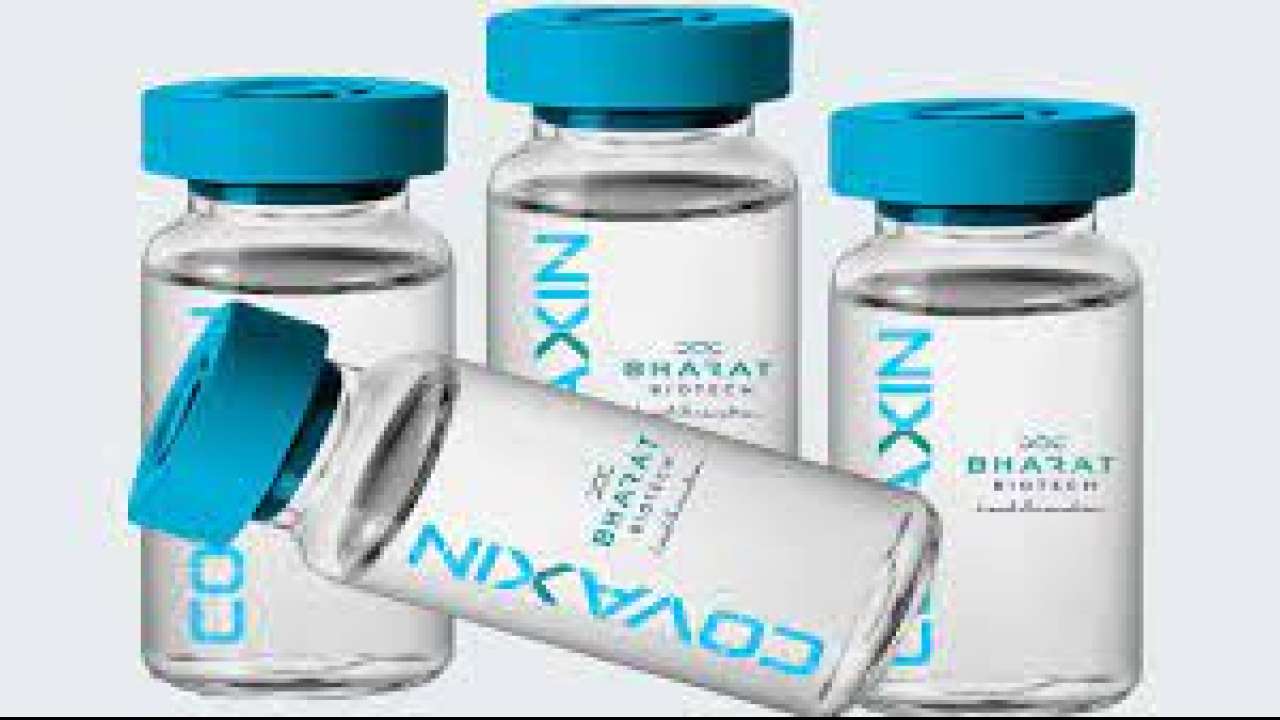
Covaxin ‘effectively neutralises’ Alpha, Delta Covid-19 variants, says US National Institute of Health

According to NIH, the US’ primary health agency, the observation is based on results of two studies of blood serum from people who received a Covaxin shot.

The US National Institute of Health has said Covaxin “effectively neutralises” both Alpha and Delta variants of the coronavirus disease (Covid-19) in what is a major endorsement of the anti-Covid vaccine developed by India’s Bharat Biotech International Limited.

“Results of two studies of blood serum from people who received Covaxin suggest that the vaccine generates antibodies which effectively neutralise the Alpha and Delta variants of SARS-CoV-2,” NIH, the top American health institute, said of Bharat Biotech’s shot, developed in collaboration with the government-run Indian Council of Medical Research (ICMR).

Alpha or the B.1.1.7 variant was first detected in the UK, while Delta, or the B1.617 variant was first found in India.

“Unpublished interim results from phase 3 trials indicate that Covaxin is 78% efficient against symptomatic disease while its efficacy against severe Covid-19 is 100%. Further, it has shown 70% efficacy against asymptomatic infection with Sars-CoV-2, the Covid-19 causing virus,” NIH noted, stressing that the vaccine is “safe and well-tolerated.” The vaccine makers recently submitted phase 3 trial data to an expert panel that found it to be 77.8% effective against symptomatic Covid-19, in line with the interim trial analysis.

NIH further said an adjuvant developed with funding from it has contributed to Covaxin’s success, describing the shot as “highly efficacious.” An adjuvant is a substance formulated as part of a vaccine to boost immune responses and enhance its effectiveness.

Covaxin, along with the Oxford University-Astrazeneca shot, has been used since the beginning of India’s nationwide vaccine drive against the viral disease on January 16. Russia’s Sputnik V was given emergency use authorization (EUA) in April, while US pharmaceutical firm Moderna’s mRNA-based vaccine on Tuesday received approval to be used here. In the coming days, Pfizer and Ahmedabad-based Zydus Cadila could also be approved. If approved, the Zydus Cadila shot will be India’s second indigenous anti-Covid vaccine after Covaxin.

source: https://www.hindustantimes.com/