Categories
COVID-19 Government Guidelines Medical Equipments Medical Updates Medicine & Health Techniques

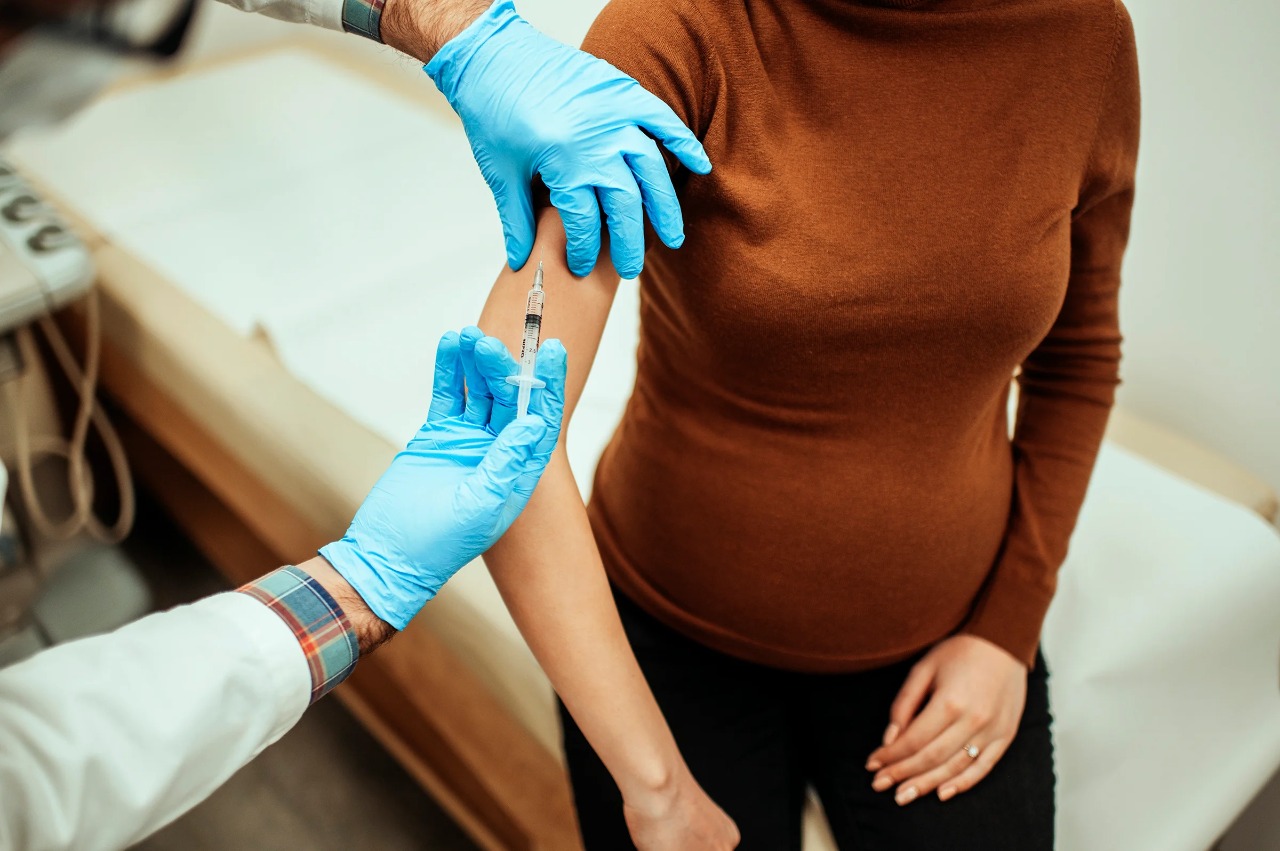
Covid infection could damage foetuses of pregnant women: Study

Foetuses and placentas of pregnant women, especially those infected with COVID-19 at earlier points in the pandemic, were found to bear a greater risk of experiencing growth impairment or vascular lesions in organs and brain, according to a new research.

Foetuses and placentas of pregnant women, especially those infected with COVID-19 at earlier points in the pandemic, were found to bear a greater risk of experiencing growth impairment or vascular lesions in organs and brain, according to a new research.

According to the research, results demonstrate that the different strains of the virus that emerged during the pandemic led to varying degrees of damage, which was especially higher by those involving pre-Omicron variants. The detected placental lesions could potentially harm both development and health in some of the affected unborn children, the study said.

Using prenatal magnetic resonance imaging, a group of Medical University of Vienna, Austria, researchers examined the placentas and foetuses of women who tested positive for SARS-CoV-2 during pregnancy, the study said.

The research was published in the journal The Lancet Regional Health – Europe. While such damage occurs more infrequently and is less severe with the currently circulating Omicron sub-lineages, the study authors still advocate early detection measures for pregnant women who test positive for coronavirus.

Contrary to previous studies, in which SARS-CoV-2-related abnormalities were only identified postnatally and/or through histopathological procedures, the research team focused on prenatal imaging findings, the study said.

Using prenatal magnetic resonance imaging (MRI), 76 scans of placentas and foetuses of pregnant women were performed in the study: 38 following a confirmed SARS-CoV-2 infection (pre-Omicron or Omicron variants) and 38 in healthy control cases, the study said.

The study found that the placentas in both the pre-Omicron and the Omicron groups revealed abnormalities.
Covid infection could damage foetuses of pregnant women: Study

“Infections with pre-Omicron variants, such as Delta, led to significantly greater damage in the form of vascular events such as blood clots or bleeding than with the Omicron subvariants currently circulating through the population,” noted lead author Patric Kienast, outlining a key finding of the study.

The researchers attribute the varying extent of damage to the placenta caused by different virus strains to the fact that Omicron sub-lineages are less likely than their predecessors to result in severe cases, and to higher vaccination rates as the pandemic has progressed, the study said.

“In any case, our results showed that the two non-vaccinated study participants developed placental abnormalities following infection with SARS-CoV-2 Omicron, compared with just one out of six of the women who had received three doses of the vaccine,” confirmed senior author Gregor Kasprian.

Oxygen, nutrients and metabolic products are exchanged between mother and child in the placenta. Attached to the uterine wall, this organ forms such a strong barrier against the coronavirus that only 3 per cent or fewer of foetuses whose mothers test positive for SARS-CoV-2 are also infected, the study said.

But as the study shows, the placenta itself is not spared from complications caused by Covid-19. Subsequently, some unborn babies experience stunted growth or bleeding in the brain, the study said.

“This is why the placentas of pregnant women who have been infected with SARS-CoV-2 should be examined as soon as possible after testing positive using prenatal imaging techniques,” advised Daniela Prayer from Medical University of Vienna, citing the importance of scanning, particularly in the case of possible future coronavirus variants with mechanisms similar to Delta, for example.

By doing so, there is a chance to take measures to safeguard the health of the foetus in a worst case scenario, the study said.

Read more at-https://bit.ly/3XAOtZF

Categories
Government Guidelines Medical Updates Medicine & Health Techniques

Vitamin C to zinc; important nutrients you must add to your winter diet

There are few essential nutrients that you must include in your diet in order to prepare your body and mind for the cold weather.

Wonder why you always feel lethargic, sleepy and low on energy during winter? Days are shorter and nights are longer in winter and this disturbs our circadian rhythm causing the body to produce more melatonin. Considering we may not get enough sun exposure on certain days; the levels of Vitamin D may also go down causing mood swings and anxiety. To tackle all these winter woes, one should step out more in the sun and also add the right nutrients to the diet for improving immunity, mood and prevent against winter ailments. Iron is important to regulate body temperature while zinc can provide protection from cold. Vitamin C boosts immunity and protects against seasonal illnesses.

“Winter is just like every season, the cold days also demand special care. So, it’s important to alter your diet according to the needs of the particular season. During winters, people take special care of their diets and try to include as many warm and nutritious foods, to improve their immunity an improve your skin and hair from dryness and dullness. A healthy winter diet is like internal layering of your body to protect against the harsh cold and the diseases that come with it. There are few vitamins that you must include in your diet, in order to prepare your body for the cold weather. During winter mood swings are common and the vitamins in your diet will boost your mood as well,” says Sukanya Poojary, Executive Nutritionist, Cloudnine Group of Hospitals, Malleshwaram, Bangalore.

Vitamin C to zinc; important nutrients you must add to your winter diet

MUST HAVE NUTRIENTS IN YOUR DIET FOR WINTERS

Poojary on all the winter nutrients that you must add to your diet.

IRON

Iron help to regulate body temperature during winter and also helps maintain healthy skin, hair, cells growth apart from maintaining haemoglobin.

Sources: Honey, red meat, green leafy vegetables, dry fruits and seeds, fortified foods, jaggery, beetroot, spinach, broccoli pomegranate.

Recipes: Mixed sprouts and Chana dal tikki,ragi upma, methi and moong sprouts wrap, pineapple and coriander juice, watermelon guava juice.

CALCIUM

Calcium is very important for growing kids. Body needs calcium to build and maintain strong bones. Your heart, muscles and nerves also need calcium to function properly. Some studies suggest that calcium, along with vitamin D, may have benefits beyond bone health: perhaps protecting against cancer, diabetes and high blood pressure.

Sources: Green leafy vegetables, milk and milk products, lean meat, dry fruits and seeds, soya products

Recipes: Guava and paneer salad, turmeric milk, rajma chat, paneer burji, broccoli and almond soup.

ZINC

Research has shown that taking zinc within 24 hours of the first sign of a cold can reduce the duration of the cold. Zinc is the essential mineral that needs to be included in your winter diet because zinc mineral contains more than 300 enzymes that helps in repairing wounds, maintaining growth in children and fertility in adults, and protecting against free radicals along with other functions.

Sources: Eggs, meat, oysters, seafood, tofu, black-eyed peas, and wheat germ

Recipes: Spinach and chickpea soup, Badam milkshake, avocado milkshake, Bean chat, Sesame ladoos, and roasted pumpkin seeds.

FOLIC ACID

Folic acid is essential for proper cell growth. Also referred to as folate or vitamin B9, it is one important nutrient for every woman, especially the ones who are pregnant or trying to conceive.

Sources: Spinach, beetroot, broccoli. Mustard green, orange, Banana, egg.

Recipes: Banana pancakes, broccoli paratha, egg masala, palak dhal.

VITAMIN C

This one’s nature’s immunity booster and is present in a number of seasonal vegetables and fruits. It is important to consume Vitamin C to ward off cold, cough and other seasonal diseases. Drinking a glass of warm water with lemon juice may help you boost Vitamin C levels in the body.

Sources: Carrots, beetroots, citrus fruits, green leafy vegetables, tomato, kiwi fruits

Recipes: Lemon and coriander soup, kiwi jam, orange with mozzarella, lemon rasam, beetroot and orange soup.

VITAMIN A

Vitamin A acts as an antioxidant and supports the health of bones, teeth and soft tissues. It also supports the health of the immune system by maintaining the body’s natural defences.

Sources: Spinach, carrot, apricots and sweet potatoes, pulses, tomato.

Recipes: Spicy potato and roti roll, chana subzi, tomato soup, dalia veg risotto.

VITAMIN D

During winters, days get shorter and nights get longer, the levels of Vitamin D or the sunshine vitamin may be depleted in the body. It’s essential to consume it with your food.

Sources: Egg yolk, orange juice, dairy products, soya milk, fatty fish like tuna, mackerel, salmon.

Recipes: Cream of broccoli and mushroom soup, egg paratha, lassi, fish cutlet, oats idli.

Read more at-https://bit.ly/3FGI33s

Categories
Government Guidelines Medical Updates Medicine & Health Techniques

MHIL to provide up to Rs 300 crore funds to Max Hospitals and Allied Services

Synopsis

Further, the company said its board has also approved the issuance of sponsor’s undertaking to the lending bank or financial institutions to Dr Balabhai Nanavati Hospital (BNH) to affirm that it would continue to hold 100 per cent in stake in Max Hospitals and Allied Services Ltd (MHASL) and meet the shortfall arising due to cost and time overruns for the project.

Max Healthcare Institute Ltd on Thursday said its board has approved providing funding of up to Rs 300 crore to its wholly-owned arm Max Hospitals and Allied Services Ltd to partly finance the cost of Phase-I expansion of bed capacity at Dr Balabhai Nanavati Hospital, Mumbai. The company’s board, at its meeting held on Thursday, approved the funding by way of loan or deposit or investment in its securities up to Rs 300 crore, Max Healthcare Institute Ltd (MHIL) said in a regulatory filing.

Further, the company said its board has also approved the issuance of sponsor’s undertaking to the lending bank or financial institutions to Dr Balabhai Nanavati Hospital (BNH) to affirm that it would continue to hold 100 per cent in stake in Max Hospitals and Allied Services Ltd (MHASL) and meet the shortfall arising due to cost and time overruns for the project.

Under the Phase-I expansion plan, 329 beds will be added at BNH, taking the total bed capacity to 660 beds. It is expected to be completed in 2025, the filing added.

On the raltionale behind the step , MHIL said BNH  has been experience high occcupancy and increase in patient footfalls.

MHIL to provide up to Rs 300 crore funds to Max Hospitals and Allied Services

“Give the growing demand for quality healthcare due to increased penetration  of insurance, preponderance of lifestyle disease, aging population and rise in affordability, it is necessary to invest in expansion of the bed capacity at BNH, in order to cater to expected increase in demand for healthcare services. “the filing said.

Meanwhile, the company said the allotment of land parcel of 6.11 acres at Sector 53 Gurugram has been cancelled by Haryana Shehri Vikas Pradhikaran (HSVP) on the grounds that a part of the land measuring 2.58 acre has not been transferred to it by the builder in compliance with license conditions.

The facts came to light on December 14, 2022 during disposal of the writ petition filed by the company at Punjab and Haryana High Court against HSVP for issuing directions to execute and register the conveyance deed, MHIL said, adding, it is taking appropriate legal advice on the matter.

Read more at-https://bit.ly/3YwJPN1
Categories
Medical Updates Medicine & Health Techniques

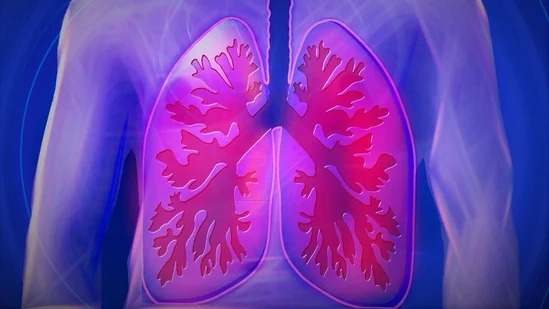
10 tips to keep your lungs healthy

There are some significant steps you may take to lower your chances of developing a lung disease. Here are some suggestions by expert for maintaining lung health.

Our lungs are sometimes taken for granted and for the most part, we don’t need to worry about them because they keep us healthy and alive but because of this, giving attention to your lung health is crucial. Our body has a built-in defensive mechanism that keeps dust and bacteria out of the lungs however, there are some significant steps you may take to lower your chance of developing lung disease.

You might experience health issues even if you lead a healthy lifestyle hence, watch out for the signs of unhealthy lungs. They could indicate you have asthma (a lung problem that makes it hard to breathe) or you can be suffering from a lung infection or another problem so consult your doctor if you see them.

10 tips to keep your lungs healthy

In an interview with HT Lifestyle, Dr Pawankumar Biraris, Consultant Chest Physician and Interventional Pulmonologist at Medicover Hospital in Navi Mumbai, shared some suggestions for maintaining lung health –

1. No smoking: Cigarette, bidi or any kind of tobacco smoke exposure leads to cancer and many other lung diseases . Avoidance of such smoke exposure is key aspect of prevention.

2. Avoid indoor pollution: Smoke from mosquito coils , scented candles, chulha smoke also damages lungs. Allergy to dust or strong smells, mould exposure manifesting as sneezing , runny nose or breathing issues is a frequent problem. To prevent it use a damp mop or cloth that can trap and lock dust while cleaning. Ensure appropriate ventilation with use of windows and doors . Avoid exposure to bird droppings especially pigeons.

3. Avoid outdoor air pollution: There is a lot which can be done to reduce air pollution . At personal level avoid burning wood, trash etc. Use bicycles, carpools, railways to reduce carbon emission. Plant trees to save earth and save yourself.

4. Exercise: Avoid exercising in polluted environment. Aim for at least 20 minutes of consistent, moderately exercise like a brisk walk which is great for lungs as well as heart. For patients with lung disease learn exercises from experts like diaphragmatic beathing , purse lip breathing and participate in pulmonary rehabilitation.

5. Yoga, Pranayama: Simple breathing techniques and pranayama has been shown to protect the lung health from centuries. Practicing these simple techniques is the healthy lung lifestyle.

6. Prevent infection: Regular use of appropriate face masks has shown benefit in Covid-19 as well as tuberculosis. This is a simple and one of the most cost-effective way to prevent lung infection.

7. Vaccination: For individuals at high risk of infection, vaccination for influenza virus , pneumococcal bacteria are utmost important for prevention of pneumonia. Consult your doctor and get more information about these vaccines.

8. Compliance with treatment: Patients with lung diseases should not stop their regular medications without consulting a doctor.

9. Lung heath check: Regular lung heath check is recommended , especially for people with family history of lung diseases, occupational exposure , current or reformed smokers and people staying in polluted areas.

10. Educate: Educational drives for children and adolescents about the harmful effects of traditional tobacco smoking and newer tobacco products like E-cigarettes, hukkah parlours should be conducted. ‘Educate a child , educates a family and build a healthy nation.’

Read more at-https://bit.ly/3FCJccq
Categories
Government Guidelines Medical Equipments Medical Updates Medicine & Health Techniques

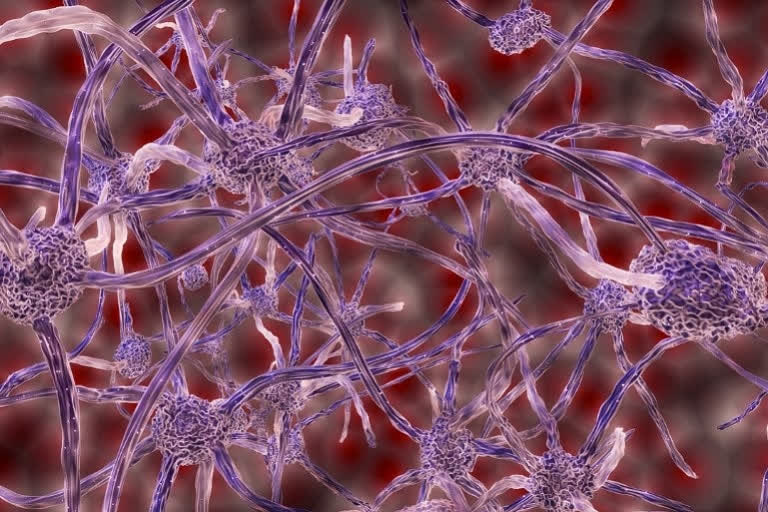
How oxytocin drives connections of newly integrated adult-born neurons: Research

To better understand brain plasticity, a team of researchers at Baylor College of Medicine and Texas Children’ Hospital used mouse models to investigate how brain cells build connections with new neurons born in adult brains.

The brain’s capacity to change itself by reorganising preexisting neural networks and establishing new ones to gain new functional qualities enables learning new skills, mastering a musical instrument, and adapting to the environment’s constant change. Additionally, this aids in the stability, strength, and health of neuronal circuits.

To better understand brain plasticity, a team of researchers at Baylor College of Medicine and Texas Children’ Hospital used mouse models to investigate how brain cells build connections with new neurons born in adult brains. Their findings, published in the journal Genes & Development, not only expand our understanding of brain plasticity but also open new possibilities for treating certain neurodevelopmental disorders and repairing injured circuits in the future.

How oxytocin drives connections of newly integrated adult-born neurons: Research

“In this study, we wanted to identify new molecules that help new neurons build connections in the brain,” said corresponding author Dr. Benjamin R. Arenkiel, professor of molecular and human genetics and neuroscience at Baylor and the Duncan Neurological Research Institute at Texas Children’s. “We worked with the olfactory bulb, the part of the brain that is involved in the sense of smell. In mice, the olfactory bulb is a highly plastic sensory area and has a remarkable capacity to maintain plasticity into adulthood via continuous integration of adult-born neurons. We discovered that oxytocin, a peptide, or short protein, produced in the brain, drives events that contribute to neural circuit plasticity.”

The researchers discovered that the levels of oxytocin increase in the olfactory bulb, peaking at the time the new neurons incorporate themselves into neural networks. Using viral labeling, confocal microscopy and cell-type specific RNA sequencing, the team discovered that oxytocin triggers a signaling pathway – a series of molecular events inside cells – that promotes the maturation of synapses, that is, the connections of newly integrated adult-born neurons. When the researchers eliminated the oxytocin receptor, the cells had underdeveloped synapses and impaired function.

“Importantly, we found that synapse maturation occurs by regulating the morphological development of cells and the expression of a number of structural proteins,” said Arenkiel, a MacNair Scholar at Baylor.

“The most exciting aspect of this study is that our findings suggest that oxytocin drives development and synaptic integration of new neurons within the adult brain, directly contributing to adaptability and circuit plasticity,” said first author Brandon T. Pekarek, a graduate student – research assistant in the Arenkiel lab.

The findings, which are relevant to all mammals, including humans, open new possibilities to improve neurological conditions. “Oxytocin is normally present in our brain, so if we understand how to turn it on or off or mobilize it, we can help keep our circuit connections healthy by promoting the growth of underdeveloped connections or strengthening new ones,” Arenkiel said. “Our findings also suggest that oxytocin could promote the growth of new neurons to repair damaged tissue. Further studies are needed to explore these possibilities.”

Read more at-https://bit.ly/3hfj8vC

Categories
Government Guidelines Medical Equipments Medical Updates Medicine & Health Techniques

Budget 2023: NATHEALTH seeks rationalisation of GST for healthcare sector

Synopsis

​​In its submission to the finance ministry on Wednesday , the industry body said that the healthcare sector has not been able to derive the benefits of the GST transition in comparison to other sectors. In fact, the embedded taxes in the sector have increased in the post-GST regime compared to pre-GST period, it noted.

Healthcare industry body NATHEALTH has sought rationalisation of GST and enhanced insurance coverage especially in smaller cities and towns from the upcoming Budget.

n its submission to the finance ministry on Wednesday , the industry body said that the healthcare sector has not been able to derive the benefits of the GST transition in comparison to other sectors.

In fact, the embedded taxes in the sector have increased in the post-GST regime compared to pre-GST period, it noted.

Budget 2023: NATHEALTH seeks rationalisation of GST for healthcare sector

The industry body has recommended imposition of 5 per cent merit rate on the output healthcare services for all healthcare establishments (both private and government) with the option to claim full input tax credits.
Levying 5 per cent GST rate on output services for all private hospitals and an optional dual rate structure for government healthcare establishments could be an alternative, it added.

Presently GST is exempt on the healthcare services. NATHEALTH recommends imposition of 5 merit rate on these services as this would allow healthcare service providers to claim input tax credit, thereby lowering their embedded taxes burden.

NATHEALTH also sought clearance of working capital arrears both for providers and procurement organisations.

“It is imperative to build infrastructural capabilities so that people have greater access to quality and critical healthcare services. Viability gap funding by the government is essential to set up hospitals in tier-1 and tier-2 cities, encouraging increased investment in the healthcare infrastructure,” NATHEALTH President Shravan Subramanyam said.

Uniform adoption of Ayushman Bharat Digital Mission is another imperative which calls for clearly defined delivery models for innovative modules developed by private players, he added.

“If all payment backlogs both for providers and suppliers under insurance and public procurement are cleared, it would significantly improve the availability of healthcare infrastructure,” Subramanyam said.
It also sought an increase in budgetary allocation for the health sector.

Read more at-https://bit.ly/3hcmL5C

Categories
Medical Updates Medicine & Health Techniques

France and India join forces for better healthcare in future

The Indo-French Healthcare Symposium 2022: together for tomorrow’s health is taking place on 28th November 2022, in New Delhi at the Leela Palace. This healthcare event is organised by Business France, in collaboration with the Indo-French Chamber of Commerce and Industry, the French Institute in India, French and Indian institutional partners and companies. Senior Government officials of France and India, H.E. Mme Anne-Claire Amprou – French Ambassador for Global Health and Dr. V.K.Paul – Hon’ble Member of NITI Aayog, Government of India (Chief Guest) will be participating in the event.

The bilateral partnership in the healthcare sector has been spectacular during the pandemic with the exchange of medical support equipment. France aims to strengthening this cooperation furthermore. This symposium aims to strengthen the bilateral healthcare ecosystem, jointly innovate for the hospital of the future and better healthcare post-Covid. The objective is to develop new synergies in research, training, and trade in the medical and pharmaceutical fields between both countries or third ones. Moreover, it is a platform to discuss the common challenges and opportunities in the healthcare sector.

H.E Emmanuel Lenain, Ambassador of France to India, said, “Through this symposium, I encourage both countries to extend this cooperation and jointly innovate for the hospital of the future and find effective and affordable solutions to healthcare challenges. France is a strong partner for the development of healthcare in India. We also invite Indian stakeholders to invest in France, as well as top-level talents, researchers, and medical students to come to France. There is strong potential for development in sub-sectors like pediatrics, geriatrics, diagnostics, medical tourism, innovative and portable medical devices, education, and training the new generation of doctors.”

Highlights of the event:

  • Panel discussions on the following topics:
    • Strategic Indo-French Alliances in Healthcare Sector
    • Pharmaceuticals & Biotechnologies
    • Hospital Care & Medical Devices
    • Intensifying Academic & Scientific Bilateral Cooperation in Healthcare
  • B2B meetings
  • The Indo French OneHealth network – a scientific workshop on state-of-the-art and roadmap for future organized by the French Institute in India.

The event will witness the presence of members of the Indian and French authorities along with eminent medical experts and opinion leaders, to boost this dialogue on tomorrow’s healthcare systems. This would bring together all the public and private stakeholders of both countries, as well as innovative companies already present or interested in the growing Indian market.

A special delegation of French companies

Speakers from renowned institutions will be present at the event including Académie Nationale de Médicine, Proparco, CEFIPRA, AP-HP Sorbonne Université, ICMR, INSERM.

Moreover, a large delegation of French companies will be accompanied by Business France and IFCCI such as: Biosynex, Careprod Technologies, Life Medical Control, 2PS Projection Plasma Styteme, Vygon, Sanofi, Essilor, Genestore, Peters Surgical, Virbac.

Turnkey individual B2B will be arranged for the following French companies that are not yet established in India and looking for synergies:

France and India join forces for better healthcare in future

BIOSYNEX – the European leader in rapid diagnostic tests (RDT). Located in Strasbourg (FranceBiosynex develops, manufactures, and markets (in France and some 90+ countries) medical devices for screening, diagnosis and prevention.

CAREPROD Technologies – innovative automated solutions, tailored to operating rooms and videoconferencing. Careprod Technologies is dedicated to the integration of innovative video solutions in constrained environments for operating theaters and videoconferencing (Integration, recording, broadcasting, production).

Life Medical Control – specialized in medical engineering and innovation of their flagship ambulatory EKG recorder – NEUROCOACH. It is a primary screening solution for the stroke risks. Positioned in e-health, it provides expertise and know-how through an innovative, remote & easy to use HD ECG recorder and a method of physiological signal analysis, which makes it possible to identify the three different risk factors from one personalized and detailed report.

2PS Projection Plasma Systeme S.A.- is a specialist in plasma projection on orthopedic implants (hip, knee, ankle, shoulder, etc) since 30 years and it has been ISO 9001 and ISO 13485 certified since 2003.

French Healthcare:

France is a leading player in healthcare worldwide and boasts considerable advantages.

A healthcare system that is recognized among OECD nations for access to healthcare, known for its excellent training for healthcare professionals and recognized for their high level of expertise. France offers cutting-edge research and innovation in numerous healthcare fields, including medical devices, oncology, chronic and infectious diseases, digital health, the silver economy and more. The French healthcare ecosystem is not only innovative but dynamic with the inclusion of startups, SMEs and large corporations. It is one of the highest-performing pharmaceutical industries in the world.

About Business France

Business France is the national agency supporting the international development of the French economy. Responsible for fostering export growth by French businesses, as well as promoting and facilitating international investment in France. It promotes France’s companies, business image and nationwide attractiveness as an investment location, and runs the VIE international internship program. Business France has 1,500 personnel, both in France and in 55 countries throughout the world, who work with a network of partners.

Read more at-https://prn.to/3gElnbA

Categories
Medical Equipments Medical Updates Medicine & Health Techniques

Exercise can reduce side effects of breast cancer: Study

Researchers found out the types of disease affecting women is breast cancer and suggested a diagnosis received by the women.

The most prevalent type of disease affecting women is breast cancer; one in eight Australian women will receive a diagnosis by the time they are 85 years old. The findings of the study were published in Breast Cancer. Radiotherapy has emerged as an important component of breast cancer treatment but can lead to cancer-related fatigue and negatively impact patients’ health-related quality of life including their emotional, physical and social wellbeing.

However, latest research by Edith Cowan University (ECU) has revealed exercise may make radiotherapy more tolerable for patients.

Exercise can reduce side effects of breast cancer: Study

ECU’s Exercise Medicine Research Institute included 89 women in the study, with 43 completing a home-based 12-week program, consisting of a weekly exercise regime of one to two resistance training sessions and an accumulated 30-40 minutes of aerobic exercise.

The remaining patients were a control group who did not participate in the exercise program.

Researchers found patients who exercised recovered from cancer-related fatigue quicker during and after radiotherapy compared to the control group and saw a significant increase in health-related quality of life post radiotherapy.

No adverse effects from the exercise were reported.

Study supervisor Professor Rob Newton said this showed home-based resistance and aerobic exercise during radiotherapy is safe, feasible and effective in accelerating recovery from cancer-related fatigue and improving health-related quality of life.

“A home-based protocol might be preferable for patients, as it is low-cost, does not require travel or in-person supervision and can be performed at a time and location of the patient’s choosing,” he said.

“These benefits may provide substantial comfort to patients.”

Important changes

Australia’s current national guidelines for cancer patients recommend moderately intense aerobic exercise for 30 minutes per day, five days a week, or vigorously intense aerobic exercise for 20 minutes a day for three days a week.

They also call for 8-10 strength-training exercises with 8-12 repetitions per exercise, for two-to-three days per week.

However, study lead Dr Georgios Mavropalias said benefits were still observed with less exercise.

“The amount of exercise was aimed to increase progressively, with the ultimate target of participants meeting the national guideline for recommended exercise levels,” he said.

“However, the exercise programs were relative to the participants’ fitness capacity, and we found even much smaller dosages of exercise than those recommended in the national guidelines can have significant effects on cancer-related fatigue and health-related quality of living during and after radiotherapy.”

The study also found once participants began an exercise program, most stuck with it.

The exercise group reported significant improvements in mild, moderate and vigorous physical activity up to 12 months after the supervised exercise program finished.

“The exercise program in this study seems to have induced changes in the participants’ behaviour around physical activity,” Dr Mavropalias said.

“Thus, apart from the direct beneficial effects on reduction in cancer-related fatigue and improving health-related quality of life during radiotherapy, home-based exercise protocols might result in changes in the physical activity of participants that persist well after the end of the program.”

Read More at-https://bit.ly/3VmJYjK

Categories
Government Guidelines Medical Updates Medicine & Health Techniques

Nikon India enters healthcare sector with microscopy solutions

Synopsis

The company has launched its ‘AXR Point’ scanning confocal microscope that has the capability to provide a field of view of 25mm in one single shot thereby helping researchers to generate most accurate statistical data while imaging, Nikon India said in a statement.

Imaging products firm Nikon India Pvt Ltd on Tuesday announced its foray into the healthcare sector through system product microscopy business.

The company has launched its ‘AXR Point’ scanning confocal microscope that has the capability to provide a field of view of 25mm in one single shot thereby helping researchers to generate most accurate statistical data while imaging, Nikon India said in a statement.

Nikon India enters healthcare sector with microscopy solutions

The product is targeted at premier research institutes, research centres funded and established by the India government, academic educational institutions, clinical centres such as hospitals and medical research institutes to boost research and development in medicine, it added.

“We plan to install AXR system in a few research institutes in India namely IIT Bhilai, IIT Mumbai, ACTREC Mumbai to name a few,” Nikon India Managing Director Sajjan Kumar said.

He said the microscopy business offers huge potential, and “we are extremely upbeat about its growth prospects…Our expected annual turnover for FY 22-23 will be around 5 per cent of Nikon’s India operations and we anticipate it to grow 10 per cent plus by the end of next year.”

Read More At-https://bit.ly/3tAjHmf

Categories
Medical Equipments Medical Updates Medicine & Health Techniques

Namma Homeopathy clinic gains popularity in Maharashtra and Karnataka due to its effective treatment

Synopsis

Homeopathy is a proven and effective method of medicine to fight diseases and Namma Homeopathy clinic have shown effective treatment all over India and have successfully treated more than 1 lakh acute and chronic diseases.

The science of homeopathy medicines was founded more than 200 years ago. It is a proven and effective method of medicine to fight diseases. Its classification of medicine is to cure the disease with no side effects and in a natural way. These medicines improve the immunity power of individuals helping the disease condition to reduce gradually and permanently and thereby removing the disease cause from the root. Homeopathy medicine is devoid of chemicals and particles causing adverse patient effect. On the contrary, it improves the overall well-being of the patient.

Keeping in mind these enormous benefits of Homeopathy and to uphold humanity’s quest to have a healthy life, Namma Homeopathy, a unit of Namma Vaidyashaala Pvt Ltd, was established in the year 2017. Today, the homeopathy clinic stands tall with a total of 20 branches across Maharashtra and Karnataka and 200+highly experienced and qualified doctors who have successfully treated more than 1 lakh acute and chronic diseases. Its clinic in Dadar, Mumbai is one of the biggest Homeopathic corporate branches in Asia.

Namma Homeopathy clinic gains popularity in Maharashtra and Karnataka due to its effective treatment

And the impetus behind starting the advanced chain of Homeopathic clinics for promoting wellness among people is none other than Dr More Raghu Prasad, who has carved a niche for himself as a renowned and well-known homeopathic physician. Furthermore, he has earned a name for pioneering research in homeopathic medicine for incurable diseases.

The vision of Namma is to make India a disease-free country, and it has a deep connection with Dr Prasad’s growing years in a rural area. He witnessed the pain of diseased people very closely with no facilities available for treatment. The experience stirred his conscience and paved the way for pursuing the subject of homeopathy in the later part of his life.
He completed his Bachelor of Homeopathic Medicine and Surgery and started Namma Homeopathy to provide a low-cost and effective treatment to the diseased.

Namma Homeopathy is an integrated health system and emphasises treating patients for all chronic problems and incurable conditions like infertility, diabetes, thyroid disorders, PCOD, allergies, asthma, psoriasis, vitiligo, back pain, varicose veins, hair loss, joint pains, gastritis, piles, migraines, anxiety, depression and sexual problems.

Highlighting more on the subject, Dr Prasad says, “At Namma, what comes first is an inclusive approach. The name ‘NAMMA’ means ‘ours’, and it has been coined to align with our belief that the responsibility of creating a healthy society is ‘ours’. It motivates us to act with conscience, perform responsibly, and function with integrity. We have a team of 50+ highly qualified and talented doctors in the research department at Bangalore researching new medicines and formulas for treating incurable diseases, including the Immunogenic Miasmatic 6th Generation Homeopathic Medicines.”

In Immunogenic Miasmatic 6th Generation Homeopathic Treatment, the Medicines act in the immune cells, which improves the immunity power, which is called immunogenic. The medicines work on the disease’s root cause removing the causative factor, which is called miasmatic. It acts according to the new generation’s present lifestyle and environmental condition, which is called the 6th generation. After a lot of research on new diseases, viruses, bacteria, pandemics, and present lifestyle conditions, Dr Prasad’s research team developed this treatment method, and it has successfully treated chronic diseases at their clinics.

“Research Department plays an important role in treating patients at Namma Homeopathy. Our doctors’ research considers the disease pattern, cause, symptom and condition. We have researched a new formula called Advanced Nano Genetic Constitutional medicines, which has helped patients treat diseases from cold to cancer. Its effectiveness has also been found in treating different kinds of arthritis, diabetes, varicose veins, asthma, infertility, and autoimmune disorders. A lot of effort is put into offering the best to our patients without any side effects and with a complete solution. Namma Homeopathy medicines can make a patient better emotionally and mentally,” adds Dr Prasad.

As a part of the diagnosis, doctors at Namma spend good quality time with the patient to understand the cause of the disease. Its research department studies the patient’s case details continuously and upgrades the way of treatment and medicines from time to time. The service team continuously follows up with the patients for appointments, feedback on the services and senior doctor appointments with the patients if needed.

Dr Prasad believes a conducive atmosphere within the clinic is necessary to promote the happiness and well-being of doctors who are the backbone of the Namma. To achieve this, regular CME programs are conducted where specialists, experts and renowned homeopaths from around the world come to train, motivate and enrich the lives of the doctors. The effectiveness of this program has led to a 90-95% success rate of Namma in treating diseases.

It also has a 24/7 call centre to help people to reach this modern science and to get free advice. All 20 branches of Namma Homeopathy are connected and interlinked with software. Patients can start the treatment anywhere and can continue the treatment whereever they are comfortable. The case details are available to doctors on the system, and they can treat patients remotely or else the patients can visit any branch in Karnataka and Maharashtra for their medicines and treatment. It aims to open branches at every 100 km distance and spread awareness about the benefits of Homeopathy treatments.

Namma Homeopathy has launched a web portal where people can get advice online at any time and from any part of the world.

About Namma Homeopathy
Namma Homeopathy, a unit of Namma Vaidyashaala Pvt Ltd, was established in the year 2017. The centre has 11 branches across Karnataka (Malleshwaram, Jayanagar, Mysore, Hassan, Davangere, Hubbli, Shimoga, Gulbarga, Hospete, Udupi, Belgaum) and 9 Branches in Maharashtra (Mumbai – Dadar, Thane, Solapur, Pune, Kolhapur, Aurangabad, Nashik, Nagpur, Nanded). It is home to more than 600 employees who work in various departments, including HR, IT, Patient Counselling, Pharmacy, Call Centre, and other integral services.

Times Group awarded the ‘Excellence award in medical services and treatment in the field of Homeoapthy’ to Namma, which was given by Padmashri Awardee Anupam Kher.

About Dr More Raghu Prasad
Dr More Raghu Prasad, Chairman and Managing Director of Namma Homeopathy, has been a dedicated practitioner of Homeopathy for more than 15 years. He is the founder of Namma Homeopathy, a unit of Namma Vaidyashaala Pvt Ltd.

Read more at-https://bit.ly/3OaJElN