Categories
Medical Updates Medicine & Health

Early eating habits shape celiac disease risk in young kids, study shows

A recent study published in The American Journal of Clinical Nutrition investigated the hypothesis that higher gluten intake during early childhood may be associated with a higher risk of developing celiac disease autoimmunity (CDA) and celiac disease. They further evaluated dietary patterns independent of gluten for their relative contributions to CDA and celiac disease risk in children genetically predisposed to these conditions. Results from their large cohort, long-term study revealed that high vegetable fats and milk intake at age nine months was associated with reduced CDA risk. At age 24 months, high vegetable fats, juices, and wheat intake increased CDA risk, which was exuberated by low milk, meat, and oats consumption. These findings establish the association between diet and autoimmune risk in genetically susceptible children during the first two years of their lives.

Celiac disease and diet

Celiac disease is a chronic autoimmune disorder characterized by an immune reaction to dietary gluten, resulting in damage to the small intestine’s lining. Symptoms include diarrhea, bloating, fatigue, anemia, and, in severe cases, osteoporosis. Celiac disease is a common condition estimated to affect 1.4% of all humans globally. Research has identified the human leukocyte antigen (HLA)-DQ2 and DQ8 haplotypes as being strongly associated with the disease. However, this genetic predisposition accounts for only half of the overall disease risk, suggesting that environmental exposure (diet) plays a significant role in disease manifestation.

Studies on the association between dietary patterns (total dietary exposure) and subsequent health outcomes are superior to conventionally studied single food/nutrient investigations, as they help establish the synergistic effects between multiple nutrients. For example, western diets, composed of higher quantities of sugar, saturated fats, and ultra-processed foods alongside lower fiber intake, have been associated with enhanced risk of proinflammatory biomarkers and allergic risk compared to traditional diets rich in minimally processed foods and higher fruits and vegetables.

Recent research has identified high dietary exposure to pasta, potatoes, vegetables, and rice, alongside lower intake of sweetened beverages and refined cereals, as beneficial to children susceptible to celiac disease autoimmunity (CDA). However, this study included a small cohort, was short-term, and has yet to be verified by follow-up research, necessitating a comprehensive analysis of the dietary patterns responsible for CDA risk and those that may confer resistance against the condition.

About the study

In the present study, researchers aimed to investigate the associations between early childhood (9 to 24 months) dietary patterns that impacted CDA and celiac disease risk in children genetically predisposed to these conditions. Participants were enrolled from the Environmental Determinants of Diabetes in the Young (TEDDY) cohort, across the United States (US), Sweden, Germany, and Finland. TEDDY comprises 8,676 children genetically susceptible to type 1 diabetes, of which 6,677 were recruited into the present study, with the remaining excluded due to a lack of dietary data or clinical celiac disease screening.

Three-day food records were used to assess daily dietary intake. These composite records were collected at 9, 12, 18, and 24 months of age and, during analysis, were disaggregated and recategorized into one of 27 food cohorts based on the preexisting TEDDY database. A total of 22,410 records were collected for this study.

Early eating habits shape celiac disease risk in young kids, study shows

The radiobinding assay was used to assess tissue transglutaminase autoantibodies (tTGAs) as a proxy for celiac disease prevalence. Screening was first conducted at 24 months of age, with follow-up screening every subsequent three months. In children positive for CDA at 24 months, routine blood samples collected as a part of the TEDDY methodology were analyzed to identify the first instance of seropositivity.

Statistical analyses involved using principle component analysis (PCA) to evaluate dietary patterns of children at months 9, 12, 18, and 24. Food groups were coded as predictors and dietary patterns as components, with the exploratory analyses attempting to resolve predictors that explained maximum variation in the observed data. Individual adherence scores were calculated for each child to estimate their dietary intake in relation to their identified dietary pattern.

Finally, Cox proportional hazards regression was employed to elucidate associations between dietary adherence (for each age period) and CDA/celiac disease risk. Regression models were corrected for risk factors previously reported as being associated with CDA. These association analyses were only carried out for individuals with complete genetic, clinical, and dietary data.

Study findings

This study revealed that dietary patterns during the first 24 months of a child’s life significantly increased their risk of contracting CDA or celiac disease. The associations elucidated were independent of their quanta of gluten intake, suggesting that additional dietary factors following weaning may contribute to CDA and celiac disease in children.

The ‘Vegetable fats and Milk’ dietary pattern at nine months of age was associated with reduced CDA risk, even after adjusting for overall gluten intake. Children from the US and Finland showed the most robust adherence to this dietary pattern. Surprisingly, vegetable fats (alongside wheat consumption) at 18 and 24 months resulted in increased CDA risk, though this association was weaker than that at nine months.

The dietary pattern ‘Meat, Rice and GF grains’ depicted reduced risk of celiac disease at age 18 months. Similar to results from the CDA analyses, at 24 months, ‘Vegetable fats and Milk’ dietary patterns showed a direct positive association with increased celiac disease risk.

Conclusions

In the present study, researchers aimed to investigate the associations between early-life dietary patterns and CDA or celiac disease risk in a large cohort (TEDDY), long-term (24 months) analysis. Their findings reveal that adherence to specific dietary regimes during the first two years of life can significantly alter CDA/celiac disease risk, independent of gluten intake. Significantly, wheat, juice, vegetable fats, and processed meats were associated with higher CDA and celiac disease risk. This association was exuberated by low milk, oats, meat, and legume consumption during the second year of a child’s life.

visit more at -https://shorturl.at/U2378

Categories
Medical Updates Medicine & Health

Navratri 2023: How dandiya raas can help in weight loss, improve heart health. Know all benefits

Navratri is the festival of fasting and feasting. It is also the time to rejoice and have social gatherings. The nine-day festival is celebrated with diverse traditions across the country and notable one among them is Gujarat’s folk dance Dandiya Raas. Devotees in Gujarat and even other parts of the country participate in this highly energetic dance form, wearing beautiful and colourful traditional outfits. Dandiya Raas is performed used wooden sticks known as dandiyas. It is performed in large groups where men and women dance using these sticks for various dance moves. Playing Dandiya Raas is an exhilarating experience and not just brings benefits for physical but also mental health. It is quite a fun way to burn calories, release stress, and doing arm workout. The dance form is also a good cardiovascular workout and improves the heart rate.

Shardiya Navratri brings with it the opportunity to engage in the traditional dance form of Dandiya, and it is worth noting the numerous health benefits associated with this activity,” says Chitharesh Natesan, professional bodybuilder and gym trainer in an interview with HT Digital.

Chitharesh Natesan opens up on the range of health benefits playing dandiya can bring for your health this Navratri.

Navratri 2023: How dandiya raas can help in weight loss, improve heart health. Know all benefits

1. Heart health

Dancing to the lively beats of Dandiya serves as an effective cardiovascular exercise, promoting better blood circulation and oxygenation of cells due to the continuous and rhythmic movements involved. This can contribute to improved heart health.

2. Better coordination and balance

Dandiya can enhance coordination and balance, providing physical benefits by strengthening both body and mind.

3. Weight loss

Participating in Dandiya Raas is also an engaging way to burn calories, helping you maintain a healthy weight amidst the festive season. Indulging in some delicious festive food after a dandiya session can multiply the joy of the festival.

4. Flexibility

Dandiya is a fantastic way to stretch and flex all your body muscles, improving flexibility over time. The repetitive and energetic nature of the dance also aids in increasing stamina, making it an effective fitness routine.

5. Mental health

Beyond the physical advantages, Dandiya fosters social connections and a sense of community, promoting mental and emotional well-being. It allows individuals to come together and celebrate their cultural heritage, contributing to a sense of unity and joy.

Shardiya Navratri this year is set to begin October 15 and conclude on October 24 with Dussehra. The festival is dedicated to Maa Durga and her many avatars.

Read more at-https://rb.gy/vb0tf

Categories
Medical Updates Medicine & Health

World Sight Day: Screen time and meals for kids, tips to make mealtime relaxing and enjoyable

Poor psycho-social skills, lower cognitive development are seen in kids with increased screen time. On World Sight Day, here are tips on screen time and meals.

As kids grow up, it is difficult to feed them due to their altered food habits and it is a common sight at home to find kids eating meals with TV/tablet/mobile phones. As it takes time to feed kids, it becomes easy for parents to feed them with cartoons playing on the screen but various studies and research show that there are down-side to this habit.

In an interview with HT Lifestyle on World Sight Day, Susmita N, Clinical Nutritionist at Cloudnine Group of Hospitals in Bangalore, Bellandur and Jayanagar, recommended, “As kids grow, we should let them serve and feed themselves. This helps to know the body cues. Watching screen while eating keeps them distracted and they will not pay attention to what food is in the plate, food texture and quantity of food been consumed. It is also observed that there is an increased consumption of unhealthy junk food between meals as they are not able to remember the quantity of foods eaten for meal. Poor intake of vegetables and fruits are also seen in these children.”

Revealing that children who have an increased screen time have more exposure to junk food due to the advertisements that targets the young population, the nutrition expert said, “Kids get attracted to these junk food commercials and crave to eat them leading to alternation of their food habits. Making the children play outside builds up their appetite and they tend to what food is served. This can be taken as an advantage by parents by serving them healthy food options. Avoid junk food as snacks and serve fruits, milkshakes/smoothies, roasted nuts mix, makhana etc that have nutritional value. Keep healthy snacks options ready at home.”

She added, “Family plays an important role during meal time. Parents have to be a role models to children. Having a family meal time away from all distractions help in better eating habits, improve communication skills and help in better bonding. Studies have shown that children who eat together with family have better intake of vegetables, fruits and end up having healthy eating pattern. There is a positive correlation between eating together as a family and better cognitive skills in children leading to improved academic performances.”

World Sight Day: Screen time and meals for kids, tips to make mealtime relaxing and enjoyable

Susmita N suggested the following tips to make mealtime relaxing and enjoyable as possible –

  • Provide wholesome, acceptable foods.
  • Respect the child’s capability. If the child says he/she is full do not force them to empty the food in plate.
  • Allow them to choose from 2 or more healthy foods. Give them healthy options.
  • Don’t nag, bribe or force a child to eat. Always remember that children learn to hate the foods they are forced to eat.
  • Remove any kind of screened electronic devices from dining area.
  • Have age appropriate conversation with your kids. Ask them about how was their day, about their friends and discuss about topics of interest.
  • Plan for tomorrow’s meal keeping the child’s food interest in mind.
  • Be a role model and follow what you preach. Parents should not be distracted while feeding the kids.
  • Preplan the food a day prior. 3major meals and 2 snacks filled with nutrition. Keeping in mind to include grains, colorful vegetables, seasonal fruits and protein sources.
  • Have limited amount of screen time post meal.

She concluded, “Poor psycho-social skills, lower cognitive development are also observed in kids with increased screen time. Reduced physical activity leads to poor metabolism and causes obesity in children. Over a period of time these children grow up to become adults with eating disorders and are relatively obese.”

Read more at-https://shorturl.at/bntGI

Categories
Medical Equipments Medical Updates Medicine & Health

10 things you can do for your mental health every day

Just as you prioritize physical fitness, it’s crucial to incorporate daily practices to nurture your mental health. Here are 10 daily habits to follow.

Unlike physical, signs of mental health issues are difficult to spot or not visible at first glimpse. However, a sound mental health is crucial for our overall well-being and can contribute greatly in helping us lead a happy, stress-free and disease-free life. While there are some mental health disorders that may be genetic, many others stem from lifestyle factors such as stress, lack of sleep, exercise, sunlight, and self care. One may take immediate measures for physical health conditions like fever, headache and muscle pain, but steps related to mental health are rarely taken. Like brushing teeth, taking a bath, and having a meal, there are things that people should do every day for a sound mental health.

On World Mental Health Day, Dr Jyoti Kapoor, Founder-Director and Senior Psychiatrist, Manasthali shares 10 everyday habits that can boost mental health.

10 things you can do for your mental health every day

TIPS TO BOOST MENTAL HEALTH

Taking care of your mental health is essential for overall well-being. Just as you prioritize physical fitness, it’s crucial to incorporate daily practices to nurture your mental health. Here are ten things you can do every day to promote emotional resilience and mental wellness.

1. Practice mindfulness meditation: Dedicate a few minutes each day to mindful meditation. It can help you stay grounded, reduce stress, and increase self-awareness.

2. Exercise regularly: Engage in physical activity that you enjoy, whether it’s a brisk walk, yoga, or a full workout. Exercise releases endorphins, which boost your mood.

3. Prioritize sleep: Aim for at least 8 hours of quality sleep each night. A well-rested mind is better equipped to handle daily stressors.

4. Connect with loved ones: Foster relationships with family and friends. Spending time with loved ones provides emotional support and strengthens your social connections.

5. Control screen time: Set boundaries on screen time, especially on social media and news consumption. Overexposure to negative information can contribute to anxiety.

6. Practice gratitude: Keep a gratitude journal and write down three things you’re thankful for each day. This practice promotes a positive mindset.

7. Learn something new: Stimulate your mind by acquiring new skills or knowledge. It can boost confidence and keep your brain active.

8. Establish a routine: Create a daily schedule that includes time for work, relaxation, and self-care. A routine provides structure and reduces uncertainty.

9. Express yourself: Find creative outlets like art, writing, or music to express your emotions. It can be therapeutic and help you process feelings.

10. Take Professional help if needed: Don’t hesitate to reach out to a mental health professional if you’re struggling with your mental health. Therapy can provide valuable support and coping strategies.

Read more at-https://shorturl.at/bX347

Categories
Medical Updates Medicine & Health Uncategorized

Odisha will soon become hub of cancer care in east India: Chief Minister Naveen Patnaik

Synopsis

Odisha is set to become a hub for cancer care in eastern India, according to Chief Minister Naveen Patnaik. The state has recently inaugurated new facilities at the Acharya Harihar Post Graduate Institute of Cancer in Cuttack, including two linear accelerators for radiotherapy and a 30-bed day-care unit. The government’s focus is to develop infrastructure for cancer care in public health institutions and attract private investment in the development of cancer care hospitals. The government is also planning to establish more cancer care institutions in the coming years.

Bhubaneswar: Odisha will soon become a hub of cancer care in eastern India, Chief Minister Naveen Patnaik said on Friday, inaugurating new facilities at the Acharya Harihar Post Graduate Institute of Cancer in Cuttack. Patnaik inaugurated two linear accelerators for radiotherapy and a 30-bed day-care unit. With this, the number of linear accelerators at hospital rose to four.

With the new day-care unit, the number of day-care beds rose to 42. While the state spent Rs 38 crore for the linear accelerators, the new unit cost it Rs 6 crore.

Addressing the function through video conference, Patnaik said Odisha is witnessing a massive transformation in healthcare.

Apart from strengthening the infrastructure of various public health institutions and providing free quality healthcare, the government is now focused on making Odisha a major centre of cancer care in eastern India, he said.

Odisha will soon become hub of cancer care in east India: Chief Minister Naveen Patnaik

Besides infrastructure development for cancer care in public health institutions, the government is roping in private players for investment in the development of cancer care hospitals, he said.

A new cancer hospital is coming up in Jharsuguda, Patanaik said, maintaining that more such institutions will be developed in the next few years.

The chief minister said that the entire cost of treatment at AHPGIC is borne by the government.

Health Minister Niranjan Pujari said AHPGIC is a centre of excellence in cancer treatment, education and research.

The government is spending Rs 1,046 crore for free chemo-therapy and other facilities across the state, he said.

Read more at-https://shorturl.at/dqBN4

Categories
Medical Updates Medicine & Health

Ways to know yourself better: Therapist shares tips

From self-reflection to knowing strengths and weaknesses, here are a few ways to know ourselves better.

Self-awareness is a journey of its own. It’s a lifelong journey of finding out about us and knowing ourselves better. “Getting to know yourself is a lifelong journey of self-discovery and self-awareness. It’s a process that involves introspection, self-reflection, and a willingness to explore your thoughts, feelings, and experiences. The self-discovery journey is about developing a deep and evolving understanding of who you are, what you want, and how you can live a fulfilling life in alignment with your true self. Try to be patient and compassionate with yourself throughout this process,” wrote Therapist Lucille Shackleton as she shared a few tips on how we can know ourselves better.

Self-reflection: We should spend time knowing about the way we feel and the way we think. Investing time in our thoughts and emotions will help us to understand ourselves better and get more clarity.

How our past affects our present: Our past experiences play a significant role in growing our perspectives, triggers, glimmers, needs and behavioral patterns. We should carefully analyse past experiences and try to understand how they have impacted on our present situations and thought process.

Ways to know yourself better: Therapist shares tips

Explore interests: When we find a passion and a goal, no matter what, we should chase them and try to incorporate them in our daily lives. Doing things that make us happy will help us to see the brighter side of things.

Explore values: Everyone has their own belief system – it consists of the ethics, values and beliefs that we abide by. We should explore the belief system that we need for our lives and try to stick to it.

Strengths and weaknesses: Knowing about our abilities, strengths and weaknesses will help us to get more clarity on the things that we are good at and the things that we need to work on.

Mindfulness: Practicing mindfulness and meditation brings us closer to our own thoughts and beliefs. This helps us to know our perspectives and opinions better.

Seek feedback: We should always be open to constructive feedback to understand what we are doing wrong – we should work on those areas.

Read more at-https://shorturl.at/jpGN8

Categories
Medical Updates Medicine & Health

10 ways sitting for 10 hours daily is affecting your brain and raising risk of dementia

Long hours of sitting can put you at an increased risk of dementia compared to those who sit less, says a new study published in the peer-reviewed journal JAMA. While this has become a norm in modern lifestyle, this can severely impact brain health, as per experts. So far, sedentary lifestyle has been associated with increased risk of heart disease, diabetes, stroke, and even death, however this kind of behaviour can also cause cognitive decline, mood disorders, sleep disturbances and increased stress among other mental health issues.

If your job entails long hours of sitting, one must ensure to keep the brain active and stimulated by playing crosswords and other such activities. It is also advised to take a 2-minute break every 30 minutes or maybe work on a standing desk that’s becoming popular nowadays among professionals.

How sedentary lifestyle can affect brain?

Dr Kunal Bahrani, Director-Neurology, Fortis Escorts Hospital, Faridabad explains that a sedentary lifestyle, which involves prolonged periods of sitting and little physical activity, can have several negative effects on the brain.

Here are some of the ways in which a sedentary lifestyle can impact brain health:

1. Cognitive decline

Studies have shown that people who lead sedentary lives are at a higher risk of cognitive decline and conditions like dementia and Alzheimer’s disease. Regular physical activity has been linked to improved memory, attention, and cognitive function.

2. Mood

Physical activity is known to release endorphins, which are natural mood lifters. When you are sitting all the time, the flow of these hormones is restricted, and one ends up feeling low.

3. Mental health

A sedentary lifestyle can increase the risk of depression, anxiety, and other mood disorders. Additionally, being inactive can lead to stress and lower overall mental well-being.

4. Reduced blood flow

Physical activity increases blood flow throughout the body, including the brain. When you are sedentary, blood flow to the brain can be compromised, which may lead to reduced oxygen and nutrient delivery to brain cells. This can affect cognitive function and overall brain health.

5. Reduced brain plasticity

Physical activity promotes neuroplasticity, which is the brain’s ability to adapt and reorganize itself. This is crucial for learning, memory, and skill development. A sedentary lifestyle can hinder neuroplasticity and make it more difficult for the brain to adapt to new challenges.

6. Obesity and metabolic disorders

Sedentary living is often associated with weight gain and an increased risk of obesity, which can lead to various metabolic disorders like type 2 diabetes. These conditions can have a negative impact on brain health, including an increased risk of cognitive impairment.

7. Sleep disturbances

Lack of physical activity can disrupt sleep patterns. Poor sleep can impair cognitive function, memory consolidation, and emotional regulation, leading to various cognitive and mood issues.

8. Increased stress

Sedentary lifestyles can contribute to chronic stress, which has been linked to structural and functional changes in the brain, particularly in regions associated with memory and emotion regulation.

9. Decreased brain-derived neurotrophic factor (BDNF)

BDNF is a protein that supports the growth, function, and survival of brain cells. Physical activity increases BDNF levels, while a sedentary lifestyle can lead to reduced BDNF production, potentially impacting brain health.

10. Social isolation

Sedentary behaviour often leads to isolation and reduced social interaction. Social engagement is important for brain health as it stimulates cognitive function and emotional well-being.

10 ways sitting for 10 hours daily is affecting your brain and raising risk of dementia

How to protect brain from negative effects of sedentary lifestyle

To mitigate the negative effects of a sedentary lifestyle on the brain, it is essential to incorporate regular physical activity into your routine. Even small amounts of exercise, such as walking, can have a positive impact on brain health.

Reducing the risk to brain health involves adopting a holistic approach that incorporates various lifestyle changes and practices, says Dr Bahrani.

Here are lifestyle changes you should consider:

1. Stay physically active: Regular physical exercise is one of the most effective ways to support brain health. Aim for at least 150 minutes of moderate-intensity aerobic activity or 75 minutes of vigorous-intensity aerobic activity per week, as recommended by health guidelines.

2. Eat a brain-healthy diet: Consume a balanced diet rich in fruits, vegetables, whole grains, lean proteins, and healthy fats. Omega-3 fatty acids, found in fish like salmon and walnuts, are particularly beneficial for brain health. Minimize processed foods, sugar, and saturated fats.

3. Manage stress: Chronic stress can negatively impact brain health. Practice stress management techniques such as mindfulness meditation, deep breathing exercises, yoga, and progressive muscle relaxation to reduce stress levels.

4. Get adequate sleep: Prioritize quality sleep, aiming for 7-9 hours of uninterrupted sleep per night. Establish a regular sleep schedule and create a comfortable sleep environment to improve sleep quality.

5. Limit alcohol and avoid substance abuse: Consume alcohol in moderation, if at all, and avoid illicit drug use. Excessive alcohol and drug abuse can have detrimental effects on brain health.

6. Protect your head: Take precautions to prevent head injuries. Wear helmets when engaging in activities that carry a risk of head trauma, such as cycling or playing contact sports.

7. Avoid smoking and tobacco use: Quit smoking and avoid exposure to second-hand smoke. Smoking and tobacco products can harm blood vessels and brain function.

Read more at-https://shorturl.at/fklmB

Categories
COVID-19 Medical Updates Medicine & Health

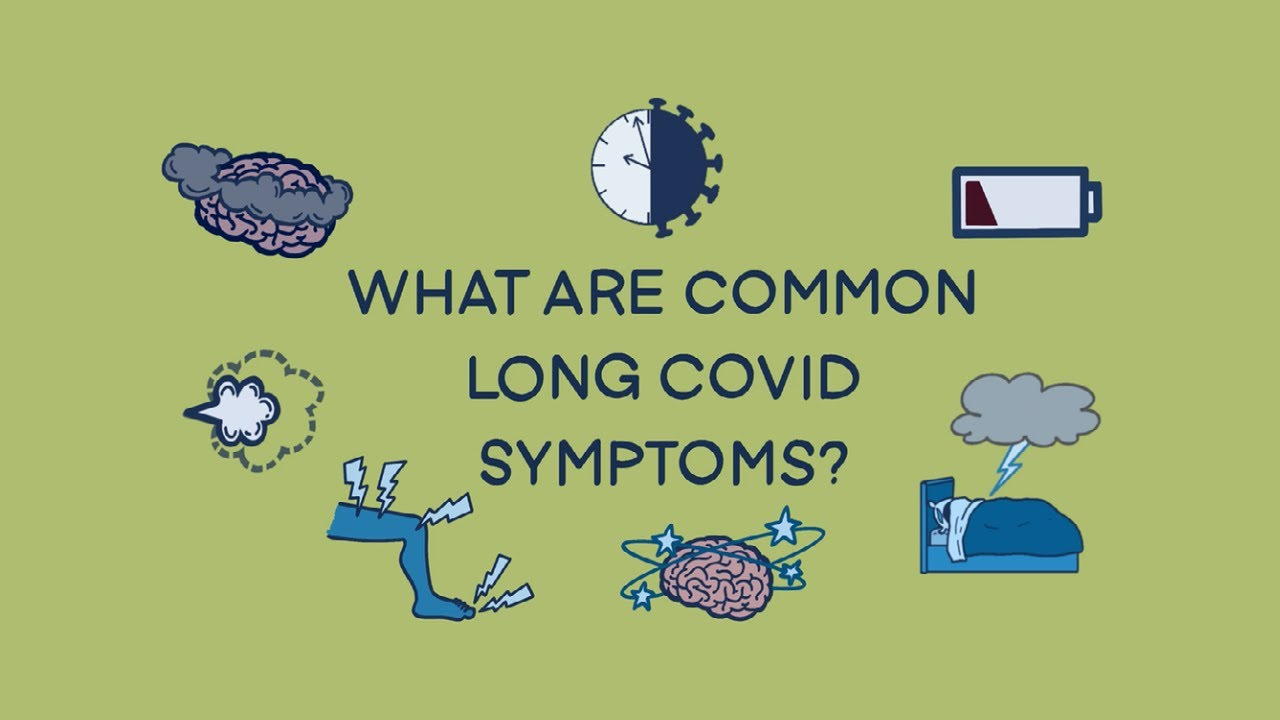
Long Covid prevalence vastly overestimated?

A group of scientists claim that flawed studies lacking control groups has mislead and increased public anxiety.

Our understanding of COVID is constantly evolving, much as the virus is itself. For example, new evidence shows that anti viral drugs aiming to treat the disease may in fact be fueling the virus’ evolution. Scientists said antiviral use increases the genetic diversity of the virus in the wild and provided more options for future evolution.

Another area is long COVID. Some studies estimate the prevalence of post-COVID symptoms is 25-45%.

However, scientists have cast doubt on these studies.

An opinion piecein BMJ Evidence-Based Medicine claims these studies have been misleading and vastly overestimate the prevalence of long COVID.

“Overly broad definitions”, “methodological flaws”, “striking absence of control groups”: these are just some of the issues of long COVID research studies according to scientists writing in an influential medical journal.

The US authors believe poorly conducted studies and lack of clarity around how to diagnoselong COVID has led “undue concern and anxiety” in the public.

They claim that treatable conditions are commonly misdiagnosed as long COVID, which diverts attention and funds away from people who truly suffer from conditions not caused by COVID-19.

“I think this publication is important because it gives food for thought. The first thesis put forward by the authors is that the frequency of long COVID is overestimated. I partially agree with that,” said Andreas Stallmach, head of the long COVID Center, Jena University Hospital, Germany.

The researchers call for clearer definitions and diagnostic criteria for long COVID, and the use of longitudinal studies with appropriate controls to better monitor the illness.

Long COVID or post-COVID symptoms?

One of the major issues the piece highlights is the lack of consistent terminology around long COVID and related post-COVID syndromes and symptoms.

None of the definitions provided by health bodies like the World Health Organization (WHO) and the US Centers for Disease Control and Prevention (CD) requires a causal link between the COVID-19 virus and a long COVID diagnosis.

The piece highlights several studies which failed to confirm prior COVID-19 infection in patients included in long COVID studies.

Long Covid prevalence vastly overestimated?

“Many studies include a broad range of symptoms without any evidence of a causal link to SARS-CoV-2 infection,” the authors write.

“Over 200 symptoms are now associated with COVID-19. All are largely unspecific and without a causal connection to the disease,” Peter Berlit, Secretary General, German Society for Neurology (DGN), told media outlets.

According to Berlit, the only hallmark symptoms of COVID-19 are impaired sense of smell and taste.

“There are also quite specific patterns of neurocognitive disorders that can last longer. But very few long-lasting symptoms can be attributed solely to COVID-19,” he said.

Studies lack rigor

The authors also claim many studies lack control groups with people who didn’t test positive for COVID-19, highlight a recent systemic review which identified control groups were only included in 11% of long COVID studies.

“I agree with the shortcomings described in the BMJ analysis. For example, the initial lack of control groups, the lack of a clear definition of the disease. Such deficiencies can distort the risk of disease.” said Clara Leman, an infectious disease specialist at Cologne University Hospital.

Berlit added that inadequate control groups in many studies have certainly contributed to the disease risk being overestimated today.

“Even in the opinion of many doctors, the number of long COVID patients is far too high,” said Berlit.

Long Covid not as prevalent as thought?

The piece highlights several, rigorous, long COVID studies which the authors believe give an accurate, “more reassuring” picture of long COVID prevalence.

For example, the study would refute the WHO’s claims that 36 million people in Europe are suffering from long COVID.

For example, a UK study found that 12 common symptoms of long COVID were prevalent in 5% of people 12-16 weeks after a COVID-19 infection.

However, the same symptoms were found in 3.4% of people who did not have a COVID-19 infection, showing only a 1.4% difference.

These figures also show how relatively common symptoms are in the population at any given time, say the authors.

The study calls for a new definition of long COVID which should include continuous symptoms after confirmed COVID-19 infection, and take into considering physical and mental health, which may contribute to an individual’s post-COVID experience.

“The fundamental problem is that there are currently no clear biomarkers or radiological findings that allow a clear diagnosis of long COVID,” said Lehmann.

Long COVID still a major health issue for some

The fact remains that many people are still struggling with debilitating long COVID symptoms, with women less likely to recover from long COVID.

While the authors strongly criticized the state of long COVID research, they hope their recommendations for research of long COVID will improve standards of medicine for those who do have long COVID.

Berlit stated that he agrees, saying we need to know more about patients’ history and social situation, as many previous physical and mental illnesses lead to an increased risk of long COVID.

“I’m not talking about long COVID being an imaginary illness, but depending on your previous illness and your life situation, just dealing with the potentially serious infection can lead to long-lasting symptoms,” said Berlit.

Researchers have identified a number of risk factors, but are still trying to work out what exactly causes long COVID in some people, and not in others.

Read more at-https://shorturl.at/cHILV

Categories
Medical Equipments Medicine & Health

World Heart Day 2023: Sudden cardiac arrest, heart attack, heart failure; what’s the difference? Cardiologist explains

A cardiologist explains how the three CVD conditions – heart attacks, heart failure and sudden cardiac deaths, differ in condition, symptoms, and treatment.

Heart health has been one of the biggest casualties in the today’s fast-paced routine that leaves little time and space for developing healthy lifestyle habits which can go a long way in preventing onset of chronic diseases. Rise in heart attacks, sudden cardiac arrest and other cardiovascular conditions has become a cause of concern. Stress, alcohol, smoking, lack of exercise, poor diet are among the major factors that are affecting heart health of people of all age groups. While people are hitting gyms to stay in shape, they are hardly modifying their food habits and taking measures to control stress, which could be causing sudden cardiac events and deaths.

“India accounts for approximately a quarter of cardiovascular disease (CVDs) related deaths worldwide, with an estimated 17.9 million deaths annually. An equally disturbing number of hospitalizations supplement the alarming number of deaths due to multiple categories of cardiovascular conditions. A study published by the Asian Pacific Society of Cardiology (APSC) reports that this high number can be due to various factors, the most prominent being bad lifestyle choices and unhealthy diets. Despite trying to be physically fit, people suffer from poor health due to lifestyle behaviours such as food and drink choices, smoking, alcoholism, inadequate sleep and more,” says Dr H.N. Mishra, Senior Consultant Interventional Cardiologist, Apollo Hospital Bhubaneswar.

Unfortunately, most individuals do not take the onset of the conditions seriously until they become more critical, mainly due to the lack of understanding of the condition and their implications. Not only the public but also caregivers confuse the medical terms and use them interchangeably without understanding the repercussions.

“While heart complications and associated co-morbid conditions are interlinked, these conditions require distinct treatments based on a patient’s medical condition. Thus, it becomes essential to understand how the three most critical CVD conditions, heart attacks, heart failure and sudden cardiac deaths, differ in condition, symptoms, and treatment,” says Dr Mishra.

On the occasion of World Heart Day (September 29), let’s understand from Dr Mishra how heart attack, sudden cardiac arrest and heart failure are different from each other.

1. Heart attack

A heart attack occurs when blood flow to the heart is reduced or blocked. Blood clots, atherosclerosis, fat, or cholesterol deposits in the coronary arteries cause this blockage. During a heart attack, the heart continues to beat, but oxygen-rich blood can’t reach the organ for proper functioning. The longer the treatment is delayed, the more damage happens, causing a heart attack possibly leading to sudden cardiac arrest.

The three types of heart attacks are:

  • Unstable angina: Damage to the heart due to reduced blood flow to the heart occurring at rest or on minimal exertion in the absence of damage of heart muscle is an unstable angina. This could lead to heart attack.
  • Non-ST segment elevation myocardial infarction (NSTEMI): When the coronary artery is partially blocked, blood flow is reduced, causing damage to the heart. This condition is referred to as NSTEMI, which is a severe condition.
  • ST segment elevation myocardial infarction (STEMI): When a coronary artery becomes completely blocked, and a large portion of the muscle stops receiving blood, the condition is referred to as STEMI or a major heart attack.
  • MINOCA: When the patient of heart attack with signs and symptoms of heart damage, investigations suggesting damage to heart and blood vessel supplying the heart is < 50% blocked and not obstructing the blood flow, then the condition is referred to as MINOCA or Myocardial Infarction with Non-Obstructive Coronary Arteries.
Symptoms of heart attack

Heart attack symptoms might vary based on age, gender, and lifestyle. However, some common signs include chest pain, shortness of breath, cold sweats, nausea, and vomiting, which usually develop slowly over time. If you or someone you know is experiencing these symptoms, an immediate visit to a cardiologist is recommended.

World Heart Day 2023: Sudden cardiac arrest, heart attack, heart failure; what's the difference? Cardiologist explains

2. Heart failure

When the heart cannot pump enough blood through the body, the condition is referred to as heart failure. The condition is caused by multiple underlying conditions such as coronary artery disease, high blood pressure or diabetes.

Symptoms of heart failure

The most common symptoms of heart failure are swelling of feet, ankles and legs as the heart’s pumping ability weakens, and blood and fluid travel back into the lungs. Some people also experience weakness, lethargy, and shortness of breath. A cardiologist will determine the underlying cause of heart failure and then outline the treatment based on the cause.

3. Cardiac arrest

When there is a sudden loss of all heart activity due to an irregular heart rhythm, the condition is referred to as cardiac arrest. During a cardiac arrest, the person stops breathing and becomes unconscious, which could lead to death without immediate treatment. The underlying causes of cardiac arrest include coronary heart disease, physical stress, and hereditary disorders. However, cardiac arrest can also occur with no known cause. Emergency treatment with professional healthcare providers is required for sudden cardiac arrest. The line of treatment could include cardiopulmonary resuscitation (CPR) and shocks to the heart with an automated external defibrillator (AED).

“Any heart condition is serious and requires immediate medical intervention. Recognizing the warning signs early is crucial for timely intervention and preventing complications. Besides staying vigilant and seeking prompt medical attention when needed, people should go for regular check-ups with a cardiologist and maintaining a healthy lifestyle,” adds Dr Mishra.

Read more at-https://shorturl.at/nCG29

Categories
COVID-19 Government Guidelines Medical Updates Medicine & Health

‘Disease X’ could be 20 times deadlier than COVID-19, says expert

UK healthcare professionals are preparing for a potential new pandemic known as ‘Disease X,’ which could be more deadly than COVID-19, with the capacity to result in 20 times more fatalities. Disease X could potentially cause up to 50 million deaths.

As COVID-19 transitions into a recurring and more familiar health concern, healthcare professionals in the UK are now gearing up for a potential new pandemic known as “Disease X.” They caution that this new virus could have a similar impact to the devastating Spanish Flu of 1918-1920.

Health experts are sounding the alarm about “Disease X,” a term coined by the World Health Organization. They warn that this potential new pandemic has the capacity to result in 20 times more fatalities than the coronavirus. The COVID-19 pandemic began in 2020 and has tragically claimed the lives of over 2.5 million people worldwide. Here are the top 10 points about Disease X.

1. In an interview with the Daily Mail, Kate Bingham, who served as the chair of the UK’s Vaccine Taskforce from May to December 2020, expressed her belief that Disease X is expected to be considerably more perilous than COVID-19.


2. Based on expert estimates, Disease X could potentially result in up to 50 million fatalities. “Let me put it this way: the 1918-19 flu pandemic killed at least 50 million people worldwide, twice as many as were killed in World War I. Today, we could expect a similar death toll from one of the many viruses that already exist,” she told the Daily Mail.

In response to Disease X, Bingham asserted, “the world will have to prepare for mass vaccination drives and deliver the doses in record time.”

'Disease X' could be 20 times deadlier than COVID-19, says expert

3. She disclosed that while scientists have identified 25 virus families encompassing thousands of individual viruses, she holds the view that there are millions of viruses yet to be discovered, and these have the potential to evolve into pandemics.

4. “In a sense, we got lucky with Covid-19, despite the fact that it caused 20 million or more deaths across the world. The point is that the vast majority of people infected with the virus managed to recover. Imagine Disease X is as infectious as measles with the fatality rate of Ebola [67%]. Somewhere in the world, it’s replicating, and sooner or later, somebody will start feeling sick.”

5. The rise in outbreaks, according to Bingham, is attributed to the growing trend of more people congregating in urban areas. She also emphasizes that the continual destruction of millions of acres of natural habitat each year is contributing to this increase.

6. “This reason is particularly important, because around three-quarters of emerging infectious diseases originate in animals and then leap from species to species until they can, in certain circumstances, infect human beings.”

Mint is now on WhatsApp Channels :rocket: Subscribe today by clicking the link and stay updated with the latest financial insights! Click here!

7. According to Bingham, one of the initial actions that need to be taken is to allocate the necessary financial resources, essentially putting “the money on the table.” Bingham said, ” The monetary cost of inaction is seismic. After all, even Covid-19 – a milder virus than Disease X – managed to leave us holding a bill for $16 trillion in both lost output and public health expenditure.”

8. Regarding vaccines for Disease X, there are currently no approved vaccines available. Nevertheless, Bingham underscores the importance of scientists developing a collection of “different prototype vaccines for every threatening virus family”. She stressed that only a ‘head start’ on vaccines could help to target specific features of Disease X.

9. Bingham explained about the portfolio strategy – vaccines countering different facets of the virus. She explains by saying that ‘different types of vaccines stimulate different immune responses and therefore they provide different levels of protection’.

10. She further noted that the manufacturing capabilities vary enormously across countries and regions. Some vaccine formats may be suitable for large-scale production, while others may be easier to produce in the third world. Third, we need to address the shortcomings of current vaccines, not all of which are durable, easy to transport or cheap. Fourth, researchers must be encouraged to trial new technologies and approaches to vaccine design, potentially leading to more effective and efficient vaccines in the future.”

Read more at-https://shorturl.at/einQ3