Categories
COVID-19 Medical Updates

Gilead announces steps to expand availability of remdesivir in India

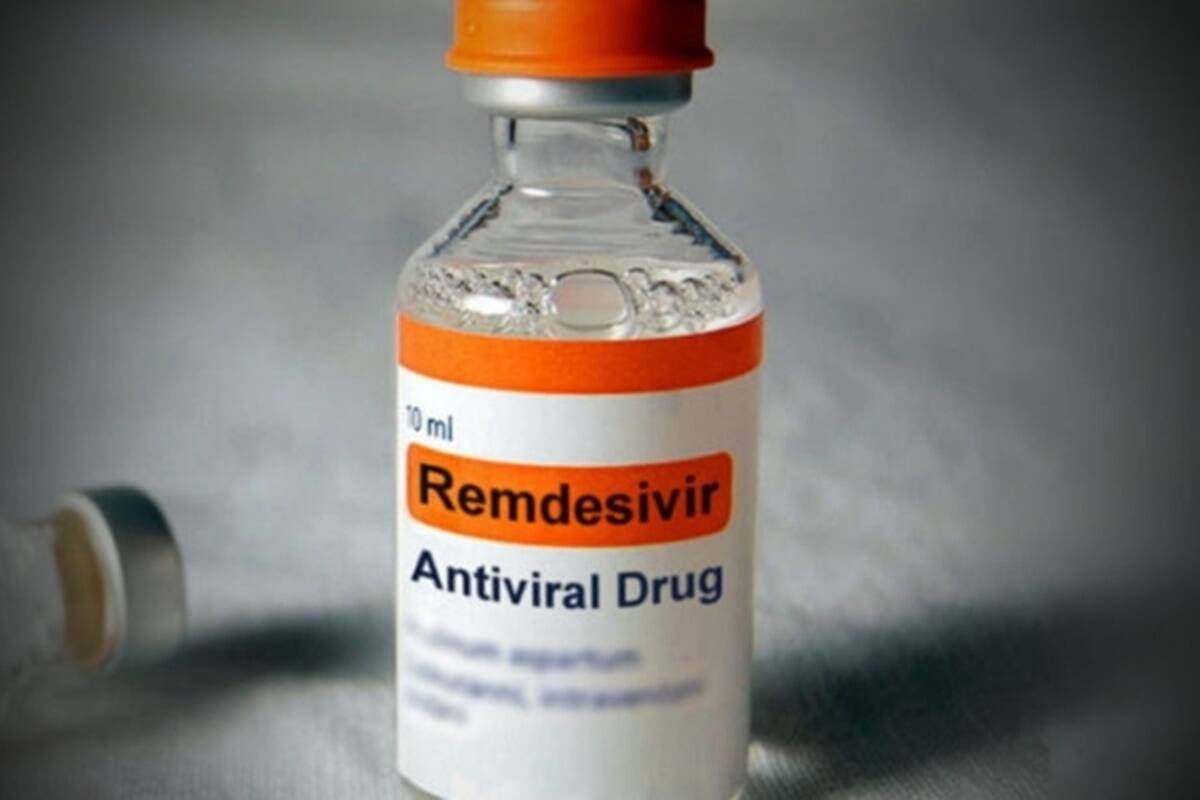
American biopharmaceutical company Gilead has announced steps to expand the availability of remdesivir, a key therapeutic medicine used in the treatment of COVID-19 patients, in India. The recent surge of COVID-19 cases in India is having a devastating impact on communities and has created unprecedented pressure on health systems, Johanna Mercier, chief commercial officer of Gilead Sciences said on Monday.

The company announced that it was providing its voluntary licensing partners technical assistance, support for addition of new local manufacturing facilities and donation of active pharmaceutical ingredient (API) to rapidly scale up the production of remdesivir. Remdesivir is approved in India for restricted emergency use for the treatment of suspected or laboratory-confirmed COVID-19 in adults and children hospitalised with severe disease.

In addition to providing support to its licensees to expand their local manufacturing capacity, Gilead will also donate at least 450,000 vials of Veklury (remdesivir) to help address the immediate needs of Indian patients, the company said. We are committed to doing our part to help tackle this crisis. Our immediate focus is to help address the needs of patients in India who may benefit from remdesivir as quickly as we can by working together with the government, health authorities and our voluntary licensees, Mercier said.

All seven of Gilead’s licensees based in India have significantly accelerated production of remdesivir by scaling up their batch sizes, adding new manufacturing facilities and/or onboarding local contract manufacturers across the country, it said. While these efforts are expected to increase the availability of remdesivir in the coming weeks, Gilead said that it will also donate at least 450,000 vials of Veklury to the government of India to help ease the immediate need for treatment.

Gilead’s voluntary licensing program for remdesivir, established in May 2020, has already enabled access to the drug for more than 2.3 million people in more than 60 low and middle-income countries. The program, which builds on Gilead’s pioneering voluntary licensing model for its HIV and viral hepatitis medicines, provides long-term licences to nine manufacturers, seven of which are based in India, to enable access to remdesivir in 127 countries.
Categories
COVID-19 Government Guidelines

Save India from lockdown, follow COVID-19 appropriate behaviour, says PM Narendra Modi

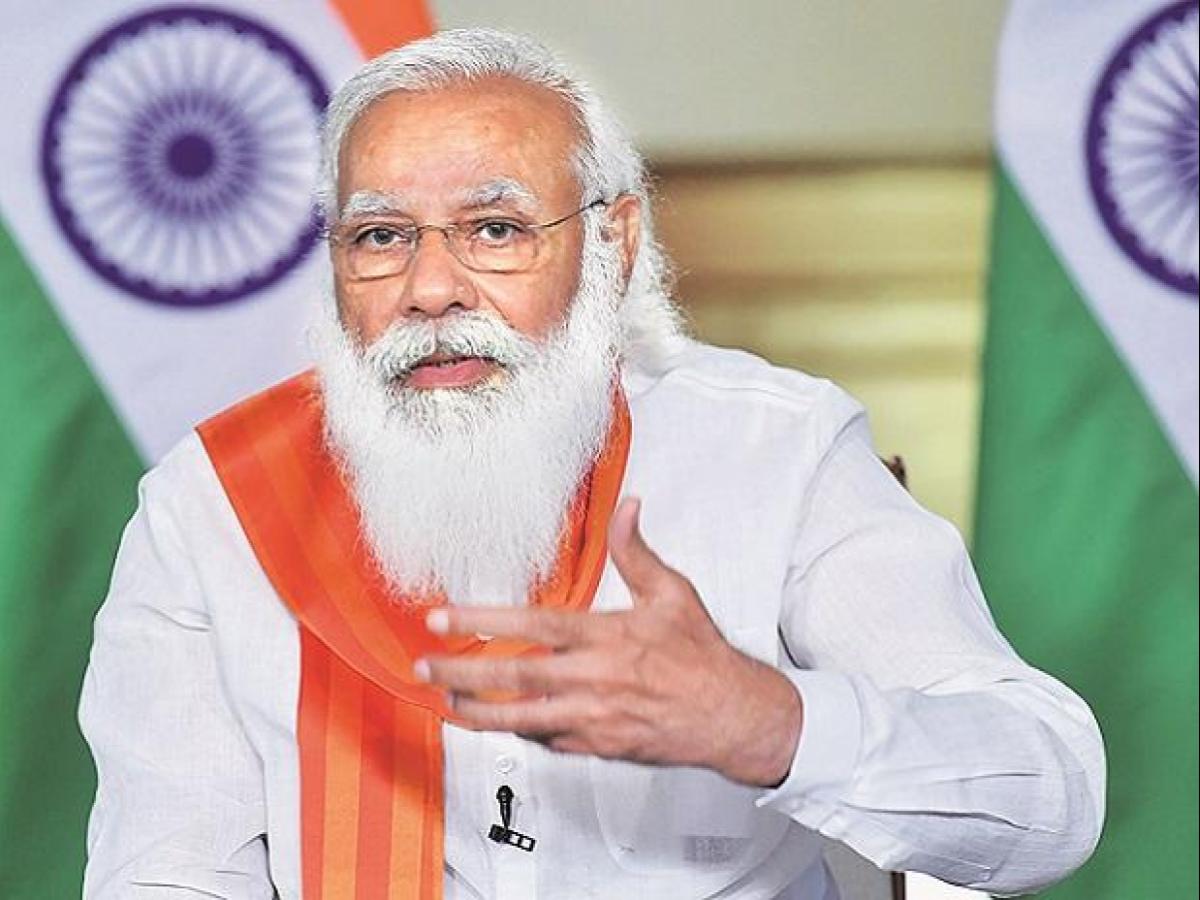
Prime Minister Narendra Modi on Tuesday said India has to be saved from a lockdown. He said the state governments should impose lockdown as a last resort. He said if people follow COVID-appropriate behaviour then lockdown, curfew will not be required. The remarks come amid a massive surge in coronavirus cases across the country.

“We have to save the country from a lockdown. States must use micro containment zones as the go-to strategy,” Modi said in his address to the nation on the COVID-19 situation in the country.

He appealed to the youth to help in enforcing COVID-19 appropriate behaviour. “People must not leave their homes unless really necessary. I appeal to children to make sure that family members do not step out without reason or work,” Modi said.

India’s total tally of COVID-19 cases crossed the 1.50-crore mark, while the active cases surpassed the 20-lakh mark, according to the latest Union Health Ministry data. “Things were under control a few weeks ago. The second wave of coronavirus has hit India like a storm. I express my condolences to the families of those who lost their dear ones,” said Modi.

Modi raised the issue of the increase in demand for oxygen and said steps are being taken to transport medical oxygen where needed. “Centre, states, and private sector are working to bridge oxygen deficit. Efforts are on at various levels to increase oxygen production & supply,” he said. He added that even pharma companies are working round the clock and medicines are being manufactured at a greater speed.

Over 12 crore people are being administered vaccine doses. “Today, the world’s cheapest vaccine is in India. We also took an important decision to vaccinate all those who are above 18 years of age from May 1,” he said. The vaccine would be provided free of cost at all the government hospitals. “Our aim is not only to save lives but also ensure that economic activity is least disrupted,” he said.

Modi urged the migrant workers to stay in the cities wherever they are. He said that the states would arrange for their vaccination. This comes after hundreds were seen leaving the cities where lockdown and curfews were announced.

Modi thanked doctors, paramedical staff, sanitation workers, police staff for their selfless service to save people’s lives in this difficult time.

Modi also had a meeting with vaccine manufacturers in the evening and applauded their achievements and professionalism. He said that the biggest strengths of the vaccine industry are its ‘Samarthya, Sansadhan and Seva Bhaav’.

On Monday, Modi interacted with leading doctors from across the country and with top pharma companies via video conferencing, officials said. Modi has been holding regular meetings to deal with the emerging pandemic situation.

source: https://www.cnbctv18.com/

Categories
COVID-19 Government Guidelines

COVID-19 vaccinations near 12 crore-mark in India: Health Ministry

A total of 66,689 COVID Vaccination Centres (CVCs) were operational, marking a rise of an average of 21,689 operational centres (45,000 CVCs on an average are functional on any given day).

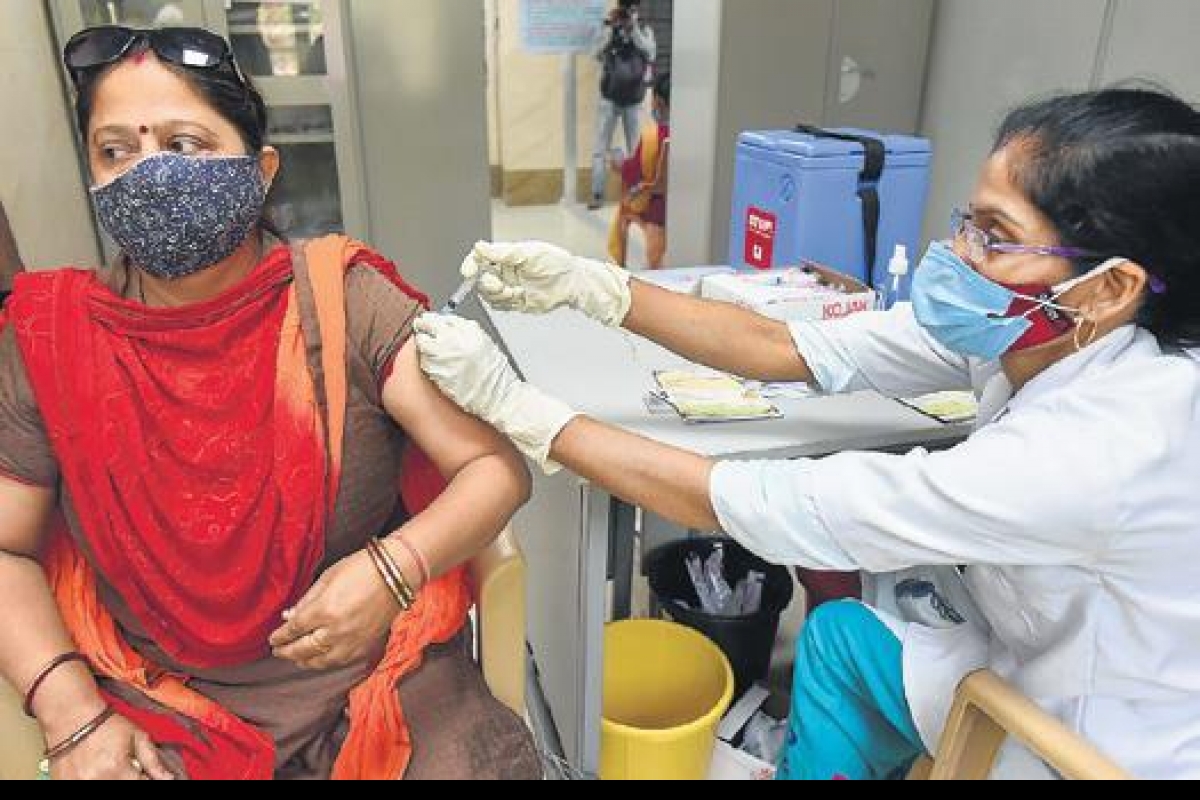
The total number of COVID-19 vaccine doses administered in the country approached the 12 crore-mark on Friday with more than 26.14 lakh doses being given till 8 pm, the Union Health Ministry said on Friday.

A total of 66,689 COVID Vaccination Centres (CVCs) were operational, marking a rise of an average of 21,689 operational centres (45,000 CVCs on an average are functional on any given day).

Workplace vaccinations have also enabled such a high turnout of beneficiaries, it said. The cumulative number of COVID-19 vaccine doses administered in the country stands at 11,97,87,239, according to the 8 pm provisional report.

These include 91,04,680 healthcare workers (HCWs) who have taken the first dose and 56,69,734 HCWs who have taken the second dose, 1,06,58,497 frontline workers (FLWs) who have received the first dose and 52,94,889 FLWs who have taken the second dose.

Besides, 3,96,39,132 and 10,44,958 beneficiaries over 45 to 60 years old have been administered the first and second dose, respectively, while 4,48,99,446 and 34,75,903 people aged above 60 have taken the first and second dose, respectively.

Total 26,14,326 vaccine doses were given till 8 pm on Friday, the ninety-first day of the nationwide COVID-19 vaccination drive.

Out of which 19,91,780 beneficiaries were vaccinated for the first dose and 6,22,546 beneficiaries received the second dose of the vaccine according to the provisional report, the ministry said, adding that final reports would be completed for the day by late night.

The countrywide vaccination drive was rolled out on January 16 with healthcare workers getting inoculated and vaccination of frontline workers started from February 2.

The next phase of COVID-19 vaccination commenced from March 1 for those over 60 years of age and for people aged 45 and above with specified co-morbid conditions. India launched vaccination for all people aged more than 45 from April 1.

source: https://www.newindianexpress.com/

Categories
COVID-19 Medical Updates

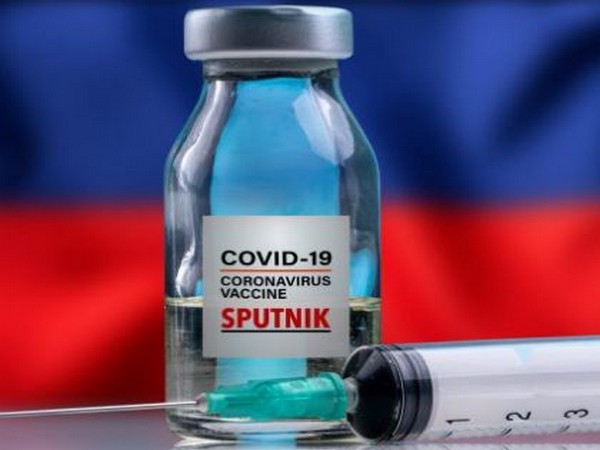
DCGI approves SEC’s emergency use recommendation for Sputnik V vaccine

Sputnik V, backed by the RDIF, already has production agreements in India to produce 852 million doses.

India has authorized emergency use of Russia’s Sputnik V Covid-19 vaccine, the health ministry said Tuesday, as infection rates soar to record highs and some major cities boost their hospital bed capacity. Sputnik V is the third vaccine to be approved by India after the Oxford-AstraZeneca shot and Covaxin, which was developed by Indian firm Bharat Biotech. The recommendation of an expert panel(SEC) had been accepted to authorize its use, the health ministry said in a statement.

“The SEC recommended for grant of permission for restricted use in emergency situations subject to various regulatory provisions.”

G.V. Prasad, the co-chair of pharmaceutical company Dr. Reddy’s Laboratories, said his firm was “very pleased to obtain the emergency use authorization”.

“With the rising cases in India, vaccination is the most effective tool in our battle against COVID-19,” he added.

The South Asian nation of 1.3 billion people has been battling a huge surge in virus cases in recent weeks that has prompted night curfews and a clampdown on movement and activities.

India on Monday reported more than 161,000 new cases – the seventh consecutive day that more than 100,000 infections have been recorded.

In India’s financial and film capital Mumbai, city authorities said Monday that three more field hospitals, each with 2,000 beds including 200 for intensive care, would be built in the next six weeks.

In the national capital New Delhi, officials said Monday that the number of beds for Covid-19 patients would be ramped up, while 14 larger hospitals would be turned into dedicated virus facilities.

The chief minister in New Delhi has said that two-thirds of new COVID-19 patients were younger than 45.

Sputnik V, backed by the Russian Direct Investment Fund (RDIF), already has production agreements in India to produce 852 million doses.

RDIF chief executive Kirill Dmitriev said in a statement that the approval was a “major milestone” after “extensive cooperation” on clinical trials of the shot in India.

Experts welcomed the authorization but warned that the vaccine was unlikely to be available for use in the near term.

“It’s good news as it will boost the supply of vaccines in India… but it’s not going to do too much for the current surge (in cases),” virologist Shahid Jameel told AFP.

Dmitriev told Indian broadcaster NDTV that the first doses could be ready by late April or May, with ramped up production by June.

“We believe by June, we will really be at good production capacity in India and will become a very meaningful player in vaccination program in India,” he added.

India, home to the world’s biggest vaccine manufacturer, kicked off its inoculation drive in mid-January and has administered more than 108 million shots so far.

But the government’s ambitious goal of vaccinating 300 million people by the end of July has been hit by reports of stock shortages in some states and vaccine hesitancy.

The government has also slowed its export of jabs due to the rise in cases

Categories
Government Guidelines Medical Updates

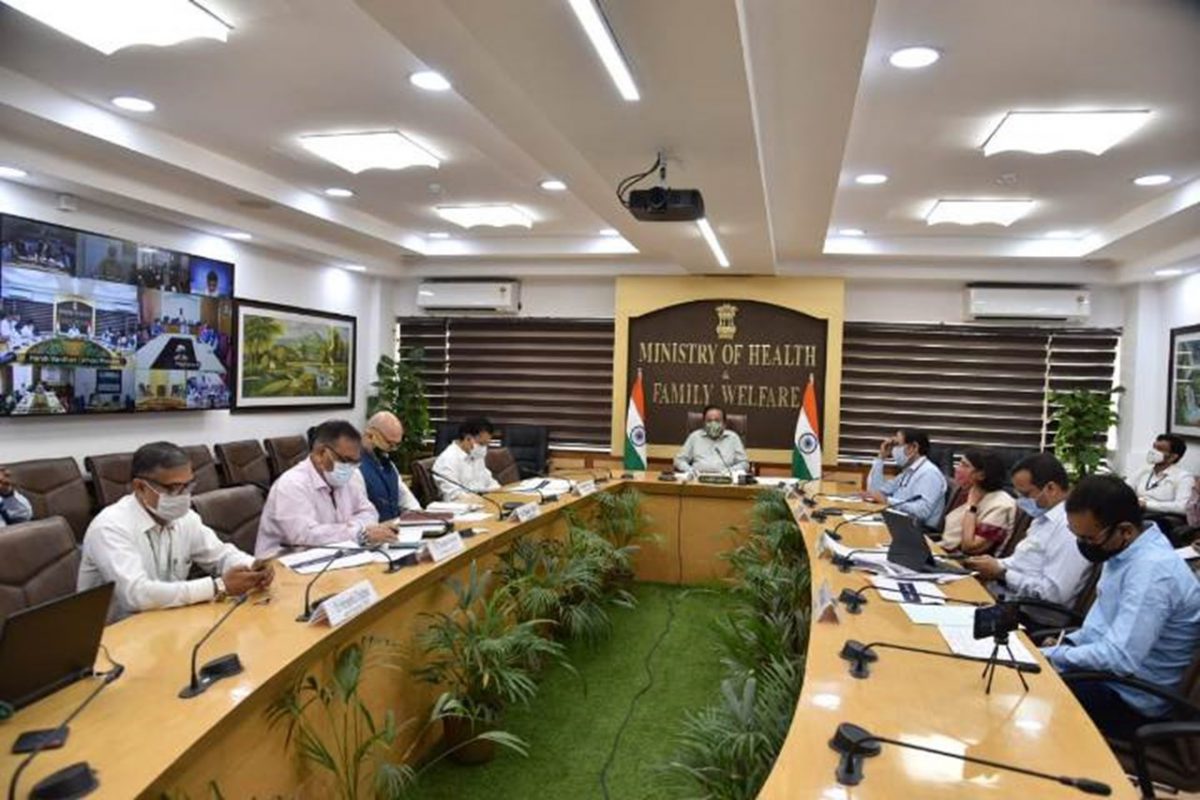
Harsh Vardhan launches Integrated Health Information Platform

Union Minister of Health and Family Welfare Dr Harsh Vardhan virtually launched the Integrated Health Information Platform (IHIP) here on Monday.

Expressing his enthusiasm at the brave, futuristic, and pertinent amalgamation of healthcare and technology, Dr. Harsh Vardhan stated that “This day shall be written in Golden Letters as a day that marks a milestone in the history of disease surveillance. We have started a new chapter in India’s public health trajectory. India is the first country in the world to adopt such an advanced disease surveillance system.”

He pointed out that the new version of IHIP will house the data entry and management for India’s disease surveillance program.

“In addition to tracking 33 diseases now as compared to the earlier 18 diseases, it shall ensure near-real-time data in digital mode, having done away with the paper-mode of working,” the health minister said.

Terming this as the world’s biggest online disease surveillance platform, he stated that it is in sync with the National Digital Health Mission and fully compatible with the other digital information systems presently being used in India.

The refined IHIP with automated -data will help in a big way in real-time data collection, aggregation & further analysis of data that will aid and enable evidence-based policymaking, Vardhan explained.

The health minister said that IHIP will provide a health information system developed for real-time, case-based information, integrated analytics, advanced visualization capability.

“It will provide analyzed reports on mobile or other electronic devices. In addition, outbreak investigation activities can be initiated and monitored electronically. It can easily be integrated with other ongoing surveillance program while having the feature of addition of special surveillance modules,”.

Dr Harsh Vardhan stated that such an advanced digital platform for scouting the earliest signs of disease spread in the smallest of villages and blocks in the country will immensely help in nipping in the bud any potential outbreak or epidemic. He applauded the hard work and commitment of all the grassroots and frontline healthcare workers who have toiled the whole of last year during the COVID pandemic

Terming this as a ‘historic day’ not only for India for global public health, Dr Roderico Ofrin, WHO Representative to India stated that this refined digital surveillance platform will help to provide and connect data and move towards ‘One Health’ approach.

He mentioned that the portal is a great resource for timely health response measures to be mounted; not only programming but also disease prioritization. He applauded India for this timely development.