Categories
Medical Updates Medicine & Health

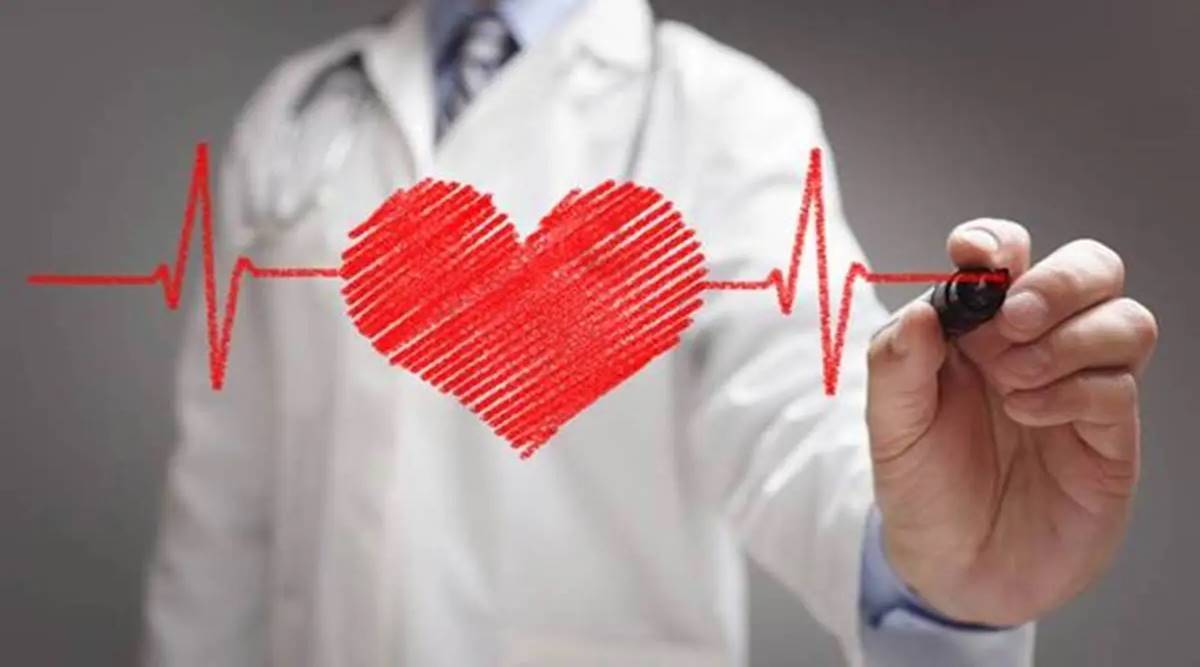
World Heart Day 2022: Simple habits to keep your heart healthy

“Indians and Southeast Asians are at a higher risk of contracting a heart condition than their Western counterparts,” said Dr Prashant Pawar, consultant cardiologist.

Actor-comedian Raju Srivastava’s death, after being hospitalised for over 40 days, has once again highlighted the high fatality rate caused by heart diseases. Across the world, cardiovascular diseases (CVDs) are one of the leading causes of mortality. An estimated 17.9 million people perished due to CVDs in 2019, contributing to 32 per cent of deaths globally. Out of all the people who died from CVD, 85 per cent suffered a stroke and heart attack. Further, a quarter of these CVD deaths occur in low and middle-income countries, according to the World Health Organization.

Keeping these statistics in mind, experts stress on the enormous need for awareness about the prevention of heart disease. As such, World Heart Day is an incredible platform to spread awareness about how people can prevent cardiac issues and reduce the burden caused by this condition, said Dr Prashant Pawar, consultant cardiologist, Fortis Hospital Vashi. “Since the heart is crucial to a person’s survival, it is important to keep it healthy with a well-balanced diet, adequate sleep, and stress busters like meditation and yoga coupled with daily physical exercise while avoiding things like smoking and alcohol that can damage its arteries,” said Dr Pawar.
World Heart Day 2022: Simple habits to keep your heart healthy


Lack of physical activities

According to National Center for Chronic Disease Prevention and Health, a lack of physical activity can increase the risk of cardiac issues, even if a person does not have any other risk factors. Besides cardiac problems, being sedentary can also increase the likelihood of several other chronic diseases like obesity, high blood pressure, high blood cholesterol, and type 2 diabetes.

Timely treatment is essential

Coronary arteries are only about 3-4 mm in diameter. Over time, a person consuming too many processed foods, including fatty and greasy items, can cause extreme damage to them. Additionally, if any significant heart artery is blocked for more than 30 minutes, it can impact the muscles in the heart, leading to a severe medical condition. This is a sign of a heart attack or cardiac issues; if a person suffers from it, they require immediate medical attention. In such a scenario, a common symptom is chest pain that must be brought to a doctor’s attention immediately.

The risk of blood pressure increases with age

Dr Pawar mentioned that in people above the age of 80, there is a 60 per cent chance of them having high blood pressure. This is mainly because as we get older, the arteries in our body get stiffer, affecting the blood pressure level. This can be true even for people with heart-healthy habits. Hence, the vulnerable population must monitor blood pressure regularly. A recent nationwide survey by ICMR has shown that 28 per cent of adults in India have hypertension, and nearly 77 per cent are undiagnosed, leading to a high burden of hypertension in the country.

The prevalence of coronary heart disease has increased in India

“Indians and Southeast Asians are at a higher risk of contracting a heart condition than their Western counterparts. This is evident in the prevalence of heart-related diseases that have substantially increased in rural and urban India over the past several decades. The rate of coronary incidences has risen from 1.6 per cent to 7.4 per cent in rural people and from 1 per cent to 13.2 per cent in urban populations. In 2021 there was a six-fold rise in cases related to cardiac issues in Mumbai,” Dr Pawar said.

Today, this condition claims as many lives each year as cancer, chronic lung diseases, accidents and diabetes combined. Some simple habits that can help you prevent a heart attack include the following

World Heart Day 2022: Simple habits to keep your heart healthy

*Focus on a diet rich in fibre, high protein, and low fat.
*Have a hearty breakfast that keeps you full for the day. Your lunch and dinner should be smaller in comparison.
*Be physically active for at least 30 minutes daily, at least five days a week.
*Use the staircase whenever possible and avoid lifts. Alternatively, it would help if you also chose to walk small distances instead of using vehicles.
*Get adequate sound sleep for at least eight hours a day.
*Quit smoking and reduce alcohol consumption as far as possible.
*Practice stress busters like meditation, yoga, and breathing tactics.

Read More At:-https://bit.ly/3fs9tke
Categories
Medical Updates Medicine & Health

Can knee osteoarthritis be treated without surgery?

Knee osteoarthritis or knee joint pain is a non-inflammatory, degenerative joint disease that causes progressive loss of articular cartilage. “Cartilage is a strong, flexible tissue that helps avoids injury by preventing the bones from rubbing against one another,” said Dr Vivek Loomba, Consultant Pain Physician at the Indian Spinal Injuries Centre, New Delhi, adding that as the cartilage degrades and the bones rub against one another, it may lead to knee osteoarthritis. “It is one of the most common reasons for knee pain and disability in older adults,” he told.

Who is at risk?

Osteoarthritis of the knee is more common in “women than in males”. “Some other factors that can contribute to the condition of the knee include advanced age, being overweight or obese, previous knee injuries or surgery, and certain jobs that require constant knee bending,” he shared.

Symptoms

The primary symptom of knee osteoarthritis is pain. In addition to pain, patients may have swelling, knee stiffness, function-limiting knee discomfort, loss of flexibility, pain while resting or at night, cracking or grinding noise while moving their knee, and impact on walking distances.

How is osteoarthritis of the knee diagnosed?

In addition to a complete medical history and physical examination, the patients may require further tests like:
*Blood tests
*X- Ray
*Arthrocentesis: A clinical procedure that is performed using a sterile needle, to obtain synovial fluid to determine the cause of arthritis.
*Arthroscopy: A surgical method where a camera is inserted into the afflicted joint to obtain visual data of the deterioration caused to the joint because of OA
MRI (magnetic resonance imaging)

According to Dr Loomba, “Knee osteoarthritis develops slowly over years, interfering with daily activities and the ability to work. So, efforts should be made to stop the condition from getting worse by seeking early treatment.”

Can knee osteoarthritis be treated without surgery?

Can it be managed without surgery?

Most people suffering from knee osteoarthritis fear that they might have to undergo surgery to get relief from the pain and discomfort. However, there are several pain management options that can help in relieving the pain. As per Dr Loomba, various strategies for management of the condition include:

Non pharmacological

Exercise like walking, cycling, isometric and isotonic knee exercises.
Weight Reduction: Even a slight decrease in weight, by 2-5 kg, will help in decreasing the pain and degeneration of the knee joint.
Aquatic (water based) therapies.

pharmacological

Medications like acetaminophen, NSAIDS like ibuprofen or etoshine, local NSAIDS like Volini gel are used as first line management.
If the pain persists, weak opioids like tramadol (ultracet) can be prescribed.
In severe cases, stronger opioids like morphine can be added to the treatment regimen.

Intra Articular knee joint injections – This includes corticosteroid and/or hyaluronidase injections administered into the knee joint. The corticosteroid helps in decreasing inflammation while hyaluronidase provides lubrication.

Radiofrequency ablation: The radiofrequency ablation of the nerves supplying the knee joint is reserved for refractory cases, and may provide pain relief for up to 1 year. This procedure may serve as a boon for patients who are unfit or do not want to undergo knee replacement surgery.

Read more at:-https://bit.ly/3LMKRif

Categories
Government Guidelines Medical Updates Medicine & Health

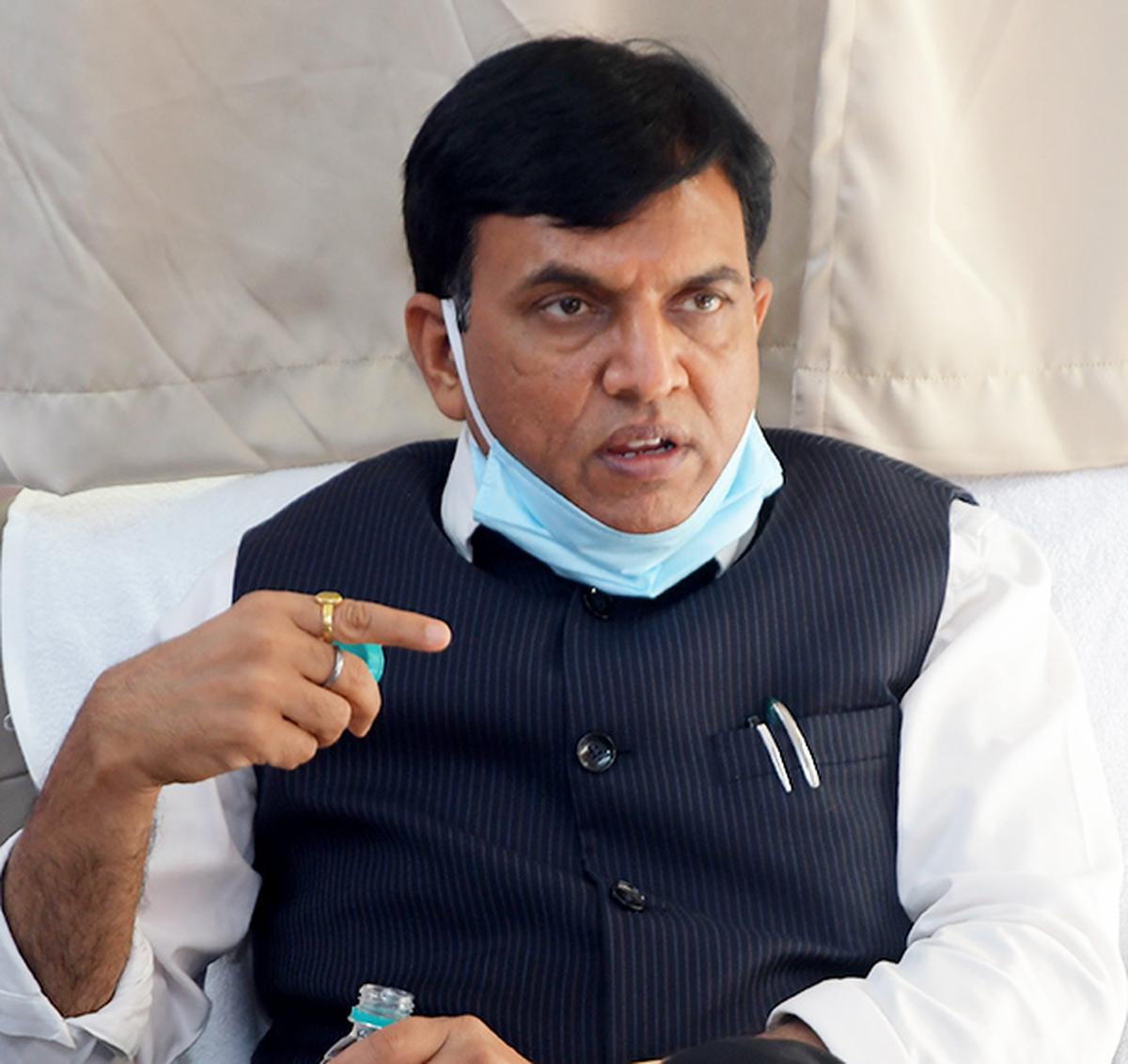
New India prepared to deal with any threat in healthcare sector: Health Minister Mansukh Mandaviya

Synopsis

The difference has been made by the proactive planning of the prime minister, he said, adding health infrastructure is being propagated across the country via the PPP model with a microcosm of public hospitals mushrooming along with private medical colleges.

Union Health Minister Mansukh Mandaviya on Friday underlined the need for de-politicising the discussions on health policy and infrastructure and adopting a more holistic approach across the whole spectrum of the populace. He also asserted that a new India is prepared to deal with any threat in the healthcare sector.

“A healthy India will be a wealthy India,” Mandaviya said speaking at the Public Affairs Forum of India’s (PAFI) 9th Annual Forum 2022.

He said the new India under the leadership of Prime Minister Narendra Modi is an empowered nation and is well prepared to face any crisis.

New India prepared to deal with any threat in healthcare sector: Health Minister Mansukh Mandaviya

The difference has been made by the proactive planning of the prime minister, he said, adding health infrastructure is being propagated across the country via the PPP model with a microcosm of public hospitals mushrooming along with private medical colleges.

Mandaviya said 22 AIIMS have been planned across the country to improve the tertiary level of health infrastructure.

Elaborating on the country’s management of COVID-19, he said the government had started efforts to understand the virus much before it came to India, and accordingly planned and prepared beforehand to face the pandemic.

New India prepared to deal with any threat in healthcare sector: Health Minister Mansukh Mandaviya

Talking about why health infrastructure to GDP ratio is declining in India, Mandaviya said, “Every country has its own model specific to its people. In India, healthcare expenditure is lower as compared to other nations. Still, the Government is very much concerned about the health of its people and has assigned a budget of Rs 100 crore for each district to implement the Ayushman Bharat Scheme in the next five years.”

Giving the details of the PPP model in healthcare, Mandaviya said the government is following a holistic approach in planning and building healthcare models for the country.

He said the government is following two models for healthcare.

While under one it has launched the Nishchay Mitra scheme for the eradication of TB from India by 2025 and asked people to adopt nine lakh TB patients, under the second PPP arrangement, the Ayushman Bharat Scheme has been extended to 24,000 plus private hospitals, enabling business to private hospitals and ensuring healthcare for all.
Read more at:-shorturl.at/afsU2


Categories
COVID-19 Medical Equipments Medicine & Health

Novel test can identify patients at risk of severe COVID-19

The test proved over 90 per cent accurate at predicting patient outcomes for COVID-19 among over two dozen patients in intensive care and 100 patients from publicly available data, the researchers said.

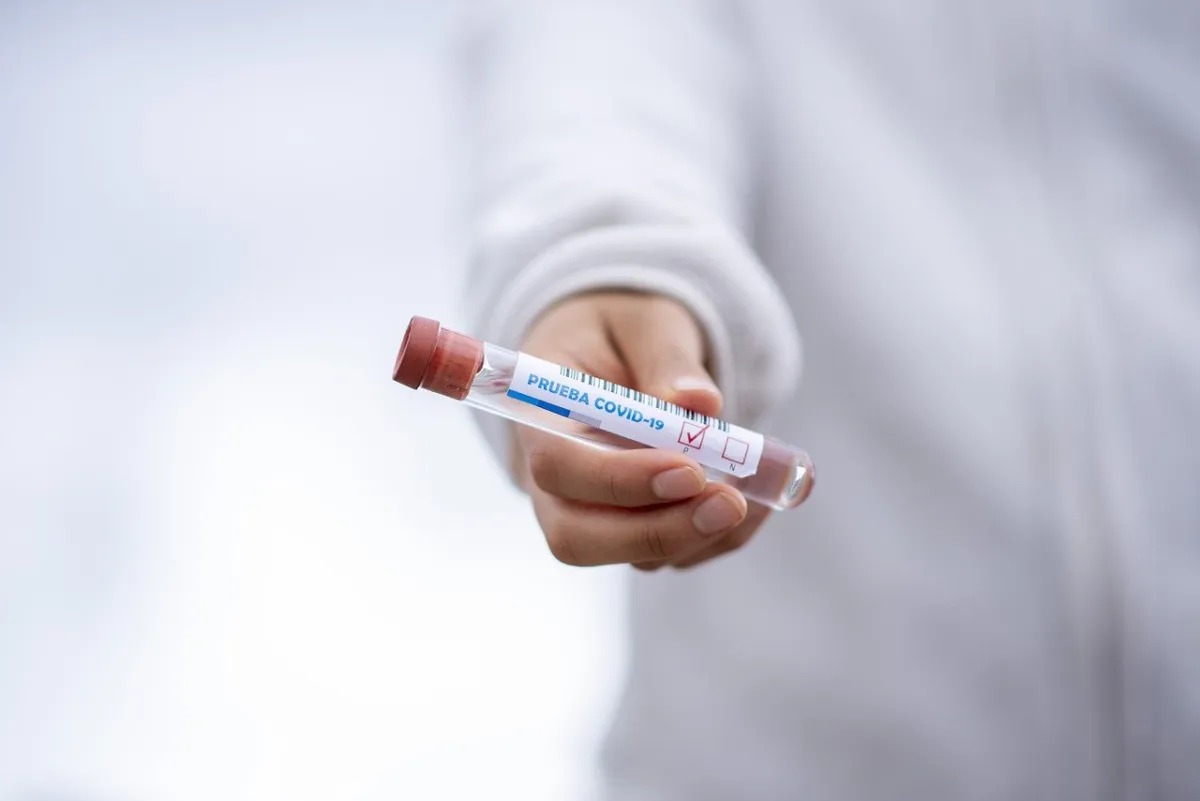
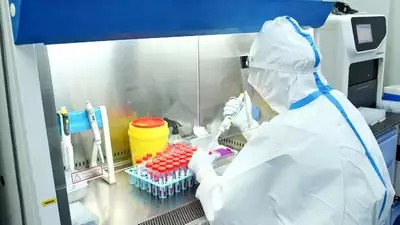
Scientists in the US have developed a new genomic test that can predict a patient’s risk of developing severe COVID-19, an advance that could help doctors quickly begin tailored treatment. The test proved over 90 per cent accurate at predicting patient outcomes for COVID-19 among over two dozen patients in intensive care and 100 patients from publicly available data, the researchers said.

The test, called CovGENE, analyses genes expressed in a person’s blood to determine whether they may experience a severe disease course with increased risk of death, they said. “We have come far in the prevention and treatment of COVID-19 in the past two years. Regardless, we still struggle to identify patients at highest risk for severe disease,” said Alexandra Kadl, from the University of Virginia, US.

Novel test can identify patients at risk of severe COVID-19

“Our study uses a gene-analysis approach to identify an immune cell signature, distinct from other respiratory illnesses, that correlates with worse outcomes,” Kadl said in a statement. The approach, described recently in the journal Frontiers in Immunology, has the potential to help evaluate patients’ immune profile with commonly, readily available tests to identify patients at risk for bad outcomes.

Such patients would benefit from closer monitoring and advanced therapies to aid their recovery, the researchers said. Immune profiling helps to understand why one person may differ from another in their immune response to a virus, looking specifically at the immune markers (proteins) and cells present over time. This analysis can help determine the likelihood of disease, individual response to a virus and the impact of vaccinations. CovGENE’s developer, AMPEL Biosolutions, is seeking to partner with a diagnostic testing company or pharmaceutical company to bring the approach to market as a simple PCR-based blood test.

Novel test can identify patients at risk of severe COVID-19

“This unique collaboration with our colleagues from the University of Virginia has provided an easy and novel means to assess an individual patient’s response to the SARS-CoV-2 virus and predict the clinical outcome,” said Peter Lipsky, AMPEL’s CEO, chief medical officer and co-founder. “Now that this unique approach has been validated, we look forward to its rapid development as a precision-medicine tool that can improve the outcome of patients with COVID-19 and reduce the number of hospitalisations, especially the most vulnerable,” Lipsky added.

Read More At:-shorturl.at/NOZ26

Categories
Medical Updates Medicine & Health

9.5 lakh tuberculosis patients adopted under ‘Pradhan Mantri TB Mukt Bharat Abhiyan’

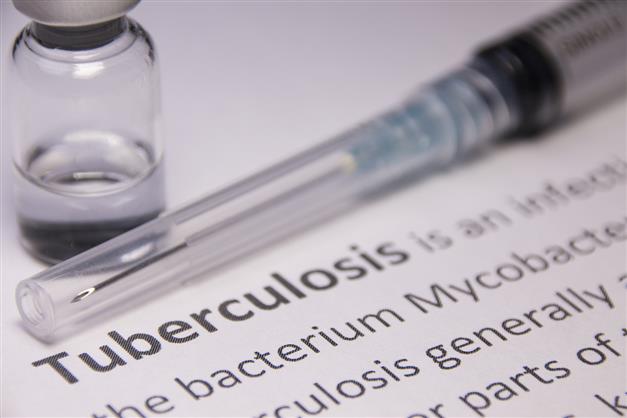
Over 9.5 lakh tuberculosis patients have been adopted under the ‘Pradhan Mantri TB Mukt Bharat Abhiyan’ which was launched by President Droupadi Murmu on September 9 with an aim to eliminate the disease five years ahead of the SDG (Sustainable Development Goal) target of 2030.

Under this community support programme, tuberculosis patients can be adopted and cared for by an individual, elected representatives or institutions through Ni-kshay 2.0 portal.

So far, the portal has seen 15,415 registrations of ‘Ni-kshay Mitras’ (TB patient care-takers) which include individuals, organisations, industries and elected representatives among others, an official said.

According to government data, of the total 13,53,443 TB patients, including the multi-drug resistant ones, presently on treatment in the country, 9.57 lakh patients have given their consent to be adopted — and almost all of them (9,56,352) have been adopted till Saturday.

The government aims to ensure the adoption of all consented TB patients by Prime Minister Narendra Modi’s birthday on September 17.

The people and institutions coming forward to take care of the patients are being called “Ni-kshay Mitra”. They can adopt blocks, districts or even an individual patient and provide nutritional and treatment support to help them recover.

The four-pronged support includes nutritional, additional diagnostic, additional nutritional supplements and vocational support. The donors could be a wide range of stakeholders from elected representatives, political parties to corporates, NGOs, institutions and individuals.

9.5 lakh tuberculosis patients adopted under ‘Pradhan Mantri TB Mukt Bharat Abhiyan’

Under the programme, a monthly food basket comprising three kg of rice, 1.5 kg of pulses, 250 grams of vegetable cooking oil and one kg of milk powder or six litres of milk or one kg of groundnut has been recommended for each tuberculosis patient. Thirty eggs can also be added to the basket, according to an official source.

“In addition to nutritional support, the donor organisation or individual may also provide vocational support, additional diagnostic help or nutritional supplements containing B complex vitamins, vitamin C and minerals,” the official said.

Explaining the vocational support part, he said presently, 65 to 70 per cent of the TB patients are in the age group of 15 to 45 years.

The minimum period of commitment for providing additional support to a TB patient shall be one year, he said, adding that there are options of a support programme for two and three years.

This is a voluntary initiative, he added.

The campaign is an expansion of the Union health ministry’s focus on the eradication of tuberculosis by ramping up community support.

Read More At:-shorturl.at/FJT37

Categories
Medical Updates Medicine & Health

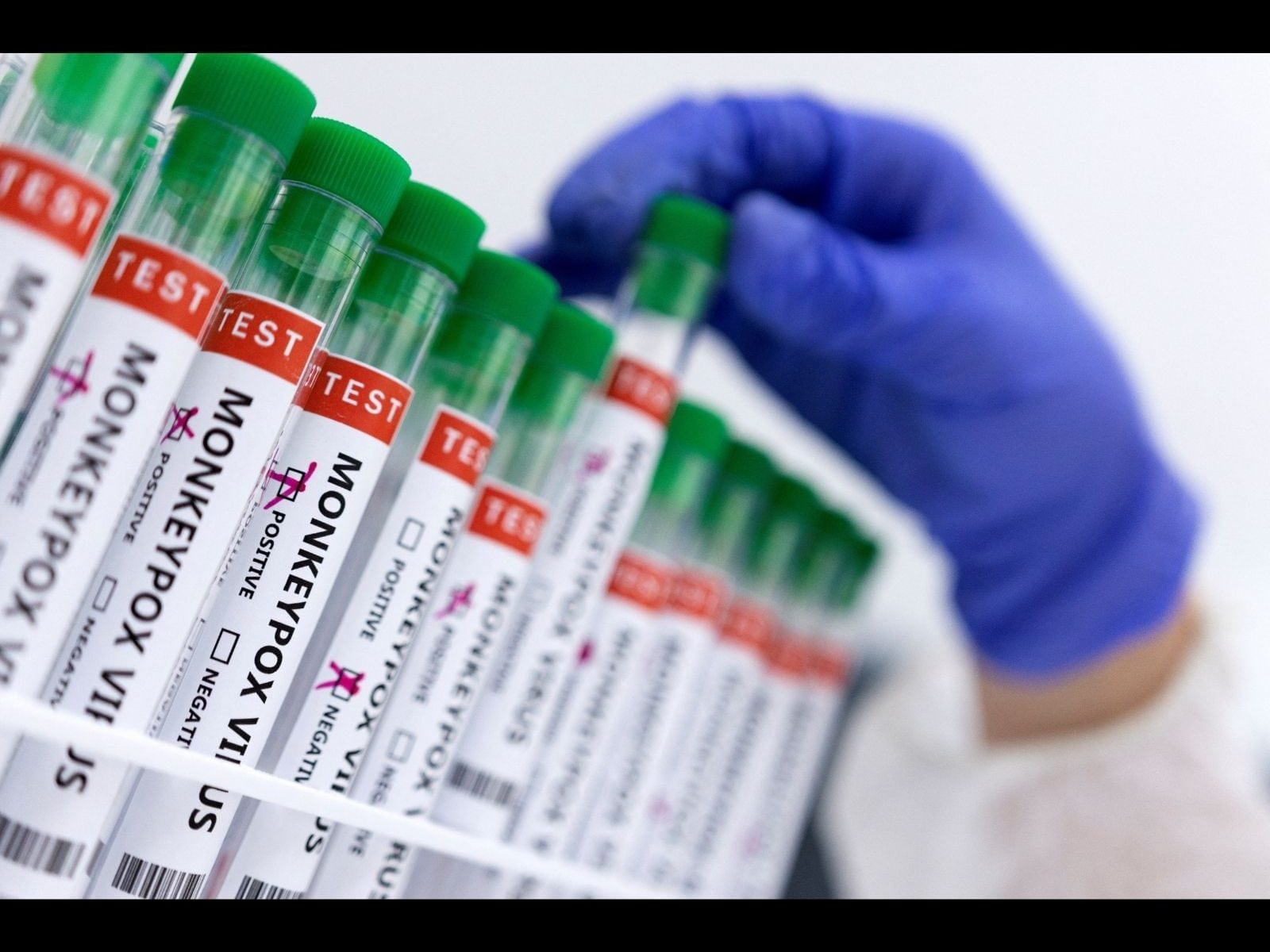
Delhi reports fresh case of Monkeypox! Nigerian woman tests positive – Details here

The monkeypox case tally in India has reached 13 after a 30-year-old Nigerian woman in Delhi reportedly tested positive. This is the 8th case of the viral infection in the national capital, the PTI reported quoting sources on Friday. The woman has been admitted to Lok Nayak Jai Prakash Narayan Hospital (LNJP), they added.

Another person suspected to be suffering from monkeypox has also been admitted to the Delhi government-run hospital, sources said. According to the sources, the woman’s condition is currently being monitored.

The early six cases have been treated and discharged, a senior doctor said. Monkeypox is a viral zoonotic disease having common symptoms such as fever, skin lesions, lymphadenopathy, headache, muscle aches, exhaustion, chills or sweats and sore throat and cough.

Delhi reports fresh case of Monkeypox! Nigerian woman tests positive

According to a recent study done by the LNJP and the Indian Council of Medical Research (ICMR), patients in the first five cases showed “mild to moderate grade intermittent fever, myalgia (muscle pain) and lesions on the genitals, groins, lower limb, trunk and upper limb”. Four of these cases had non-tender firm lymphadenopathy (swelling of lymph nodes).

The study further asserted that no secondary complications or sexually transmitted infections were recorded in these cases except for Hepatitis B in one case. In Delhi, the first case of monkeypox was reported on July 24. LNJP Hospital has been made the nodal facility to treat patients with the viral infection.

According to a WHO report last month, the number of monkeypox cases globally dropped by 21%, reversing a month-long trend of rising infections. The report further said that a possible signal of outbreak in Europe may be starting to decline as well.

As many as 60,799 monkeypox cases have been reported across the world, as per the data by Centres for Disease Control and Promotion. The global death toll from monkeypox currently stands at 20.

Read More At:-https://bit.ly/3Lp9uBj


Categories
COVID-19 Medical Updates Medicine & Health

90% high-risk Covid patients recover within 10 days due to Yoga, Ayurveda

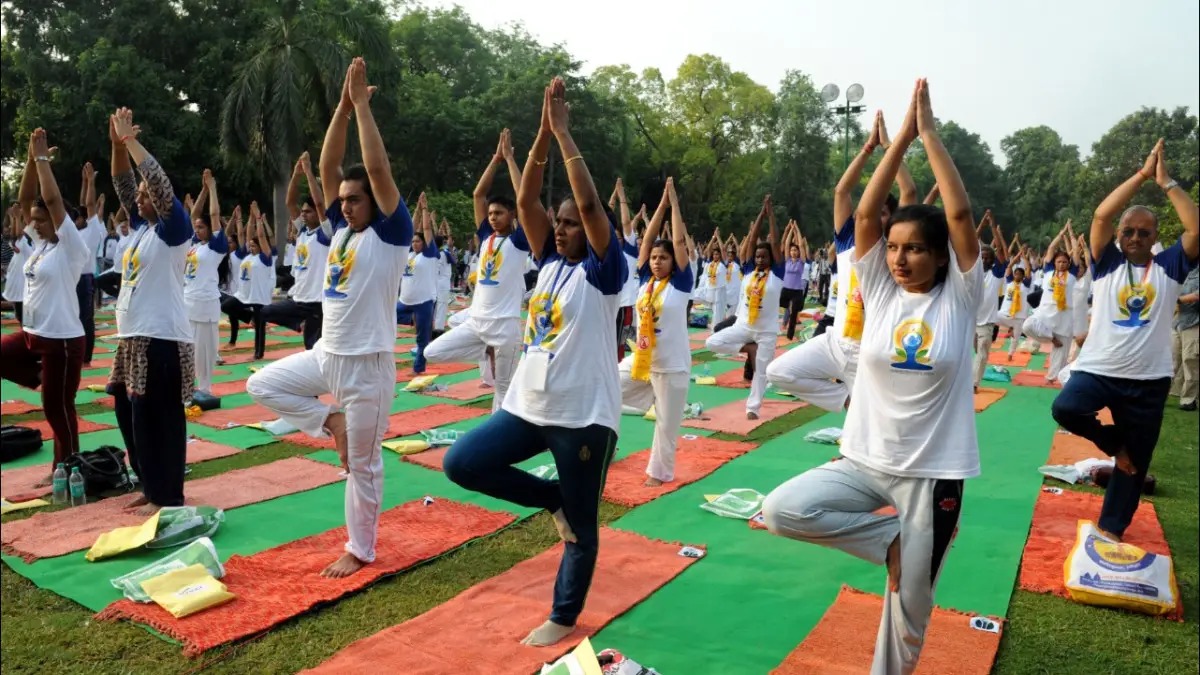
Yoga and ayurveda may be effective in the treatment of high-risk cases of Covid-19, according to a research by the IIT-Delhi and Dev Sanskriti Vishwavidyalaya, Haridwar.

NEW DELHI : In the latest of ways to fight Covid-19, Indian Institute of Delhi (IIT-D) has found that yoga and ayurveda has proven effective in the high risk cases of the fatal contagious disease. India lost millions to Covid-19 when the Delta variant was dominant. The research was conducted by the Indian Institute of Technology (IIT), Delhi and Dev Sanskriti Vishwavidyalaya, Haridwar.

90% high-risk Covid patients recover within 10 days due to Yoga, Ayurveda

The study has been published in the Indian Journal of Traditional Knowledge. The study has also stated that yoga and ayurveda has proven instrumental in relieving such patients from anxiety and aid in speedy post-treatment recovery from Covid-19.

The experiment

The study was conducted in 30 high-risk patients of Covid-19. Besides the standard care treatment according to guidelines, the patients were prescribed ayurvedic medicines through telemedicine, and administered a personalized therapeutic yoga programme using video conferencing.

“Almost all the patients were classified as high-risk owing to one or more of co- morbidities such as Diabetes Mellitus, Hypertension, Chronic Kidney Disease, Coronary Artery Disease (which are known to lead to severe outcomes in cases of COVID-19), and/or age above 60.

The treatment

The treatment included ayurvedic medicines, daily yoga-sessions including deep relaxation techniques, pranayama and basic asanas and some lifestyle modifications. Based on the administered treatment, the cases were categorized into YAS (Yoga-Ayurveda based treatment, with possibly allopathic supplements), YASP (Yoga-Ayurveda based treatment, with possibly allopathic Supplements and Paracetamol), YAM (Yoga-Ayurveda based treatment, and Modern Western Medicine (MWM).

The patients, most of whom presented with many symptoms prior to the Yoga and Ayurveda treatment, were followed-up telephonically regularly until recovery.

The treatment given to the patients was personalized (in accordance with the classical texts) and took account of each patient’s medical history and the symptoms presented, which made it more effective as compared to a fixed standardized treatment plan, a researcher stated.

Results

More than half of symptomatic patients started improving within five days (90 per cent within nine days) and more than 60% reported at least 90% recovery within 10 days.

“Six patients with oxygen saturation (SpO2) below 95 per cent, benefited through Makarasana and Shithilasana; none progressed to composite endpoints (consisting of admission to intensive care unit, invasive ventilation or death). Most patients reported that the therapy had a profound impact on their recovery process, with many experiencing improvements with respect to their comorbidities too.

“By the end of the treatment, several patients had decided to adopt yoga in their lifestyle, and several turned to the ayurveda doctors in the team for management and treatment of their comorbidities,” said Sonika Thakral, a scholar at IIT Delhi, who coordinated with the patients for routine follow-up.

Read More At:-https://bit.ly/3RWEhHY

Categories
Medical Updates Medicine & Health

New study finds the minimum blood sugar levels to avoid diabetes.

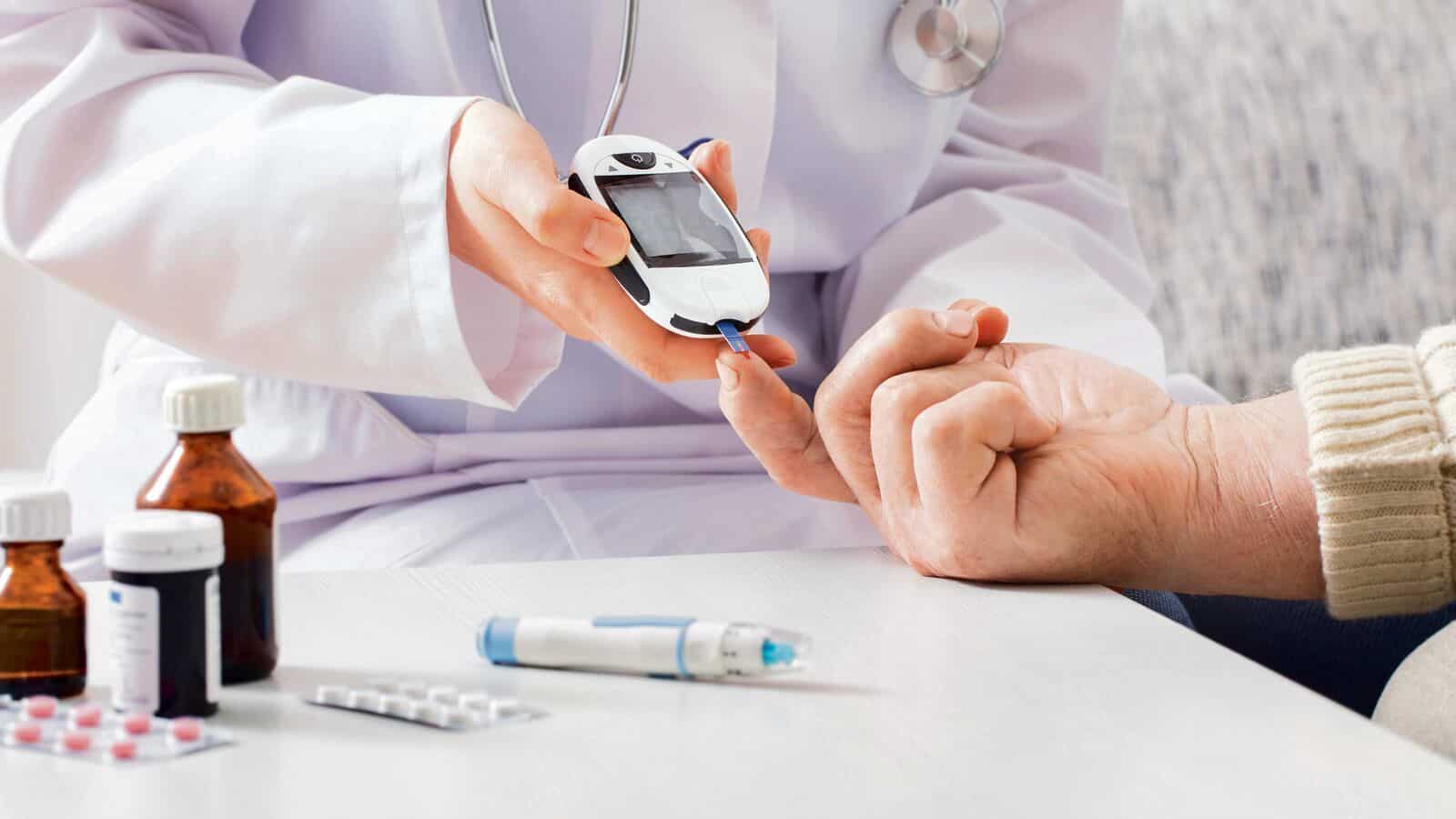
Long-term blood sugar levels, known as HbA1c, can be used to accurately predict the risk of a person with type 1 diabetes having eye and kidney problems.

A new research has revealed the minimum blood sugar levels that is required to avoid health complications related to diabetes. It is well known that long-term blood sugar levels, known as HbA1c, can be used to accurately predict the risk of a person with type 1 diabetes having eye and kidney problems, the new research states that this level should be lower than 53 mmol/mol (7%).

Notably, the study tracked people for more than 30 years after they were diagnosed with type 1 diabetes and the results were published in Diabetes Care, as per news agency ANI.

New study finds the minimum blood sugar levels to avoid diabetes.

Categories
COVID-19 Medical Updates Medicine & Health

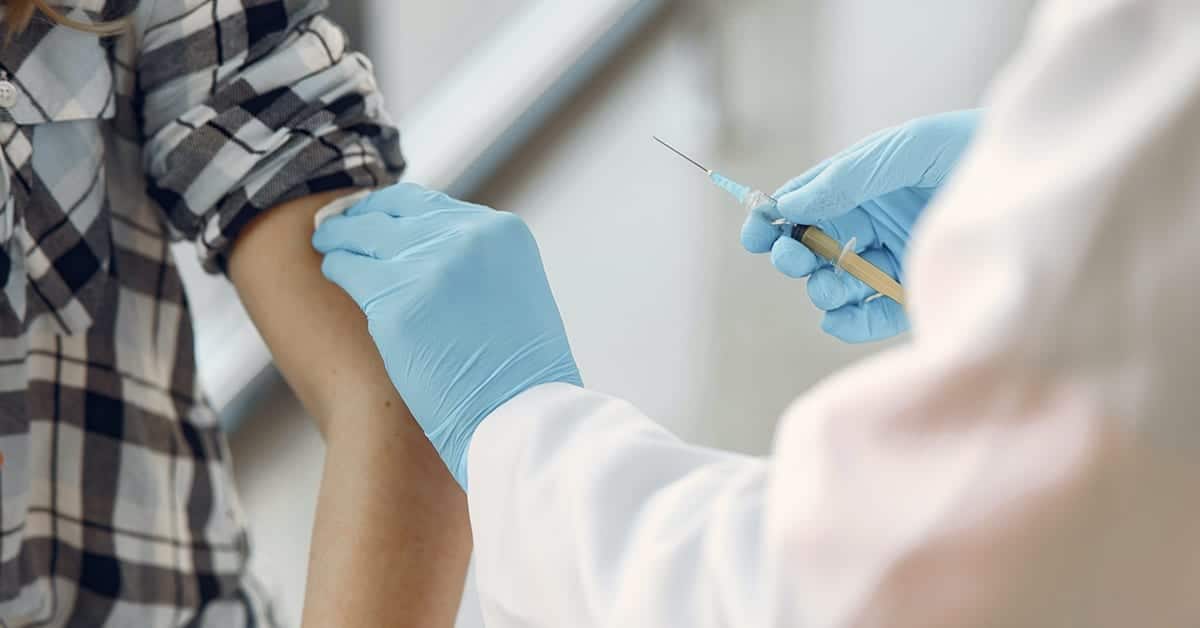
Did you get you annual flu vaccine? It can lower risk of heart attack, says study

Getting an annual flu vaccine shot may help to lower the risk of stroke, according to researchers.

A study published in the medical journal of the American Academy of Neurology says that getting your annual flu vaccine could lower the risk of stroke in people. Researchers have stated that the annual flu vaccine could lower the risk of stroke, however, it still remains a mystery whether the jab could prevent stroke altogether.

Did you get your annual flu vaccine? It can lower risk of heart attack, says study

“Studies have shown that getting the flu increases your risk of having a stroke, but research is still being collected on whether getting the flu vaccine can help protect against a stroke,” said study author Francisco J. de Abajo, MD, MPH, PhD, of the University of Alcala in Madrid, Spain.

“This observational study suggests that those who have a flu shot have a lower risk of stroke. To determine whether this is due to a protective effect of the vaccine itself or to other factors, more research is needed.”

How the study worked?

The study looked at ischemic stroke, which is caused by a blockage of blood flow to the brain and is the most common type of stroke.

For the study, researchers looked at a health care database in Spain and identified people who were at least 40 years old and had a first stroke over a 14-year period. Each person who had a stroke was compared to five people of the same age and sex. There were 14,322 people who had a stroke and 71,610 people who did not have a stroke.

Then the researchers looked at whether people had received the influenza vaccine at least 14 days before the stroke or before that same date for those who did not have a stroke.

A total of 41.4% of those who had a stroke had received the flu shot, compared to 40.5% of those who did not have a stroke. But the people who got the shot were more likely to be older and to have other conditions such as high blood pressure and high cholesterol that would make them more likely to have a stroke. Once researchers adjusted for those factors, they found that those who received a flu shot were 12% less likely to have a stroke than those who did not.

The researchers also looked at whether the pneumonia vaccine had any effect on the risk of stroke and found no protective effect.

Researcher speak

“These results are yet another reason for people to get their yearly flu shot, especially if they are at an increased risk of stroke,” de Abajo said. “To be able to reduce your risk of stroke by taking such a simple action is very compelling.”

Since the study was observational, it does not prove that getting the flu shot reduces the risk of stroke. It only shows an association. There could be other factors that were not measured that could affect the risk of stroke.

Incidences of heart attack

The study comes at a time, when several tragic deaths have been reported in India. From noted Bollywood singer Krishnakumar Kunnath, also known as KK, to investor and billionaire Rakesh Jhunjhunwala, suffered heart attack and passed away.

Further a news anchor from Oklahoma experienced the “beginning of a stroke” while reporting news on live TV. Anchor Julie Chin, who works for NBC affiliate KJRH was reading the news of the attempted launch of NASA’s Artemis 1 rocket when she began to stumble over her words.

Another incidence of heart attack happened in Jammu, where a performer was recorded collapsing in the middle of their performance, later confirmed to have died of heart attack.

Read More At:-https://bit.ly/3qG2HcO