
Categories
Medical Equipments Medical Updates

Eye drops slow nearsightedness progression in children: Study

The study shows that daily drop of low dose of atropine in each eye is better than placebo at limiting eyeglass prescription changes.

According to the findings of recent clinical research, the first medication therapy to reduce the onset of nearsightedness in children may be on the horizon.

The three-year study found that a daily drop in each eye of a low dose of atropine, a drug used to dilate pupils, was better than a placebo at limiting eyeglass prescription changes and inhibiting elongation of the eye in nearsighted children aged 6 to 10.

That elongation leads to myopia, or nearsightedness, which starts in young kids and continues to get worse into the teen years before leveling off in most people. In addition to requiring life-long vision correction, nearsightedness increases the risk for retinal detachment, macular degeneration, cataracts and glaucoma later in life – and most corrective lenses don’t do anything to stop myopia progression.

“The idea of keeping eyeballs smaller isn’t just so people’s glasses are thinner – it would also be so that in their 70s they don’t suffer visual impairment,” said lead study author Karla Zadnik, professor and dean of the College of Optometry at The Ohio State University.


“This is exciting work for the myopia research community, which I’ve been part of for 35 years. We’ve talked about treatment and control for decades,” she said. “And it’s exciting to think that there could be options in the future for millions of children we know are going to be myopic.”

The results of the CHAMP (Childhood Atropine for Myopia Progression) trial are published today (June 1, 2023) in JAMA Ophthalmology.

Eye drops slow nearsightedness progression in children: Study

About one in three adults worldwide is nearsighted, and the global prevalence of myopia is predicted to increase to 50% by 2050. Though one federally approved contact lens can slow progression of nearsightedness, no pharmaceutical products are approved in the United States or Europe to treat myopia.

Animal studies years ago hinted at atropine’s ability to slow the growth of the eye, but the full-strength drug’s interference with near vision and concerns about pupil dilation hindered early considerations of its potential as a human therapy for myopia. More recent research has suggested a low dose of atropine might be the ticket.

This new double-masked, randomized phase 3 trial assessed the safety and effectiveness of two low-dose solutions, with atropine concentrations of either .01% or .02%, versus placebo. Treatment for each of the 489 children aged 6 to 10 assessed for the drug’s effectiveness consisted of one daily drop per eye at bedtime, which minimized the disruption of any blurring effects atropine might have on vision.

Researchers were a bit surprised to find that the most significant improvements at all time points compared to placebo resulted from the solution containing .01% of atropine. Though the .02% atropine formulation was also better at slowing progression of myopia than placebo, the results were less consistent.

“The .01% story is clearer and more obvious in terms of significantly slowing both the growth of the eye as well as then resulting in a lower glasses prescription,” Zadnik said.

Including a measure of the eye’s growth was a key component of the study because “the field is actually moving toward axial elongation being as important as, or more important than, the glasses prescription in terms of the most meaningful outcome,” she said. “If we’re trying to slow eye growth to prevent bad outcomes for people in their 80s, measuring the eye growth directly is really important.”

The drugs’ safety was assessed in a larger sample of 573 participants that also included children as young as 3 and up to age 16. Both low-dose formulations were safe and well tolerated. The most common side effects were sensitivity to light, allergic conjunctivitis, eye irritation, dilated pupils and blurred vision, although reports of these side effects were few.

The CHAMP trial was the first study of low-dose atropine to include placebo controls for three years and to involve a large, diverse population recruited from 26 clinical sites in North America and five countries in Europe. In a second section of the trial, researchers are evaluating how the eyes respond when the treatment is over.

The experimental drug is made without preservatives and, if federally approved as a therapy, would be distributed in single-use packaging for convenience and to prevent contamination. Off-label low-dose atropine that can currently be obtained at compounding pharmacies may contain preservatives that can lead to dry eye and corneal irritation, researchers noted.

The experimental product studied in the CHAMP trial is manufactured by Vyluma, a New Jersey development-stage biopharmaceutical company with a focus on pharmaceutical treatments for refractive errors of the eye. A subsidiary of Nevakar Inc., Vyluma sponsored the trial, has submitted a New Drug Application to the FDA to seek approval in the U.S. and has partnered with two companies to commercialize the product outside the United States..

Zadnik led the study as a paid expert consultant to Vyluma. Jennifer Fogt, assistant professor at Ohio State, also worked on the trial. Additional co-authors Erica Schulman of SUNY College of Optometry; Ian Flitcroft of the Center for Eye Research in Dublin, Ireland; Louis Blumenfeld of Eye Physicians of Central Florida; and Tung Fong, Eric Lang, Houman Hemmati and Simon Chandler of Vyluma represented the CHAMP trial group investigators.

Read more at-https://shorturl.at/krDJ9
Categories
Government Guidelines Medical Equipments Medical Updates

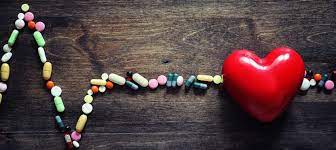
7 best supplements for a healthy heart

Here’s how we can fulfil the nutrition quota of our body and make our hearts happy and healthy with these seven supplements.

Heart issues are the leading cause of death across the globe affecting more than 17.9 million lives every year so, it is no secret that heart health is the most important in the human body and we don’t need studies to prove it. Your brain and heart pretty much shape the entire body and its functions where health experts believe that conditions like stroke and hypertension arise due to mental and physical issues in the body.

Yes, stress is also a leading factor in such matters but do you think your everyday diet provides enough for your heart? In an interview with HT Lifestyle, Dr Amit Deshpande, Founder and Director at Activist, shared, “If you are living in an urban environment, nothing you consume is 100% pure. “Adulterated” is a small word, your food items contain the unhealthiest substances if not washed properly. This creates a huge deficiency of essential nutrients in the body. And, supplements foster the bridging of this nutritional gap. Yes, people are still doubtful about their advantages and very few of us take them seriously.”

He added, “Supplements are readily available and do not even need a prescription at times, but there are better ways of taking this path. Consult an expert, don’t be one! Our busy schedules have no space for a nutrition-rich diet and we have become too comfortable with the sedentary lifestyle. Junk food, an imbalanced sleep routine, mental stress (cheers to hours and hours on social media platforms), and ignorance of health are significant factors that harm our heart health.”

7 best supplements for a healthy heart

According to him, we can fulfil the nutrition quota of our body and make our hearts happy and healthy with these seven supplements:

  1. Omega 3 Fatty Acids – These supplements work miraculously in lowering triglycerides (the most common type of fats in the body), inflammation, stroke, and other heart conditions. Food items like walnuts, chia seeds, fish, flaxseed oil, and canola oil are rich sources of Omega 3 Fatty Acids. One must work hard to keep up with a routine to add these items in adequate amounts if not possible via diet, taking the Omega 3 Fatty Acids capsules is a great option. It aids in the maintenance of cardiovascular functioning and the regulation of cholesterol levels while reducing plaque buildup in the arteries.
  2. Magnesium – According to a study, magnesium lowers blood pressure by 12 points. It is one of the 3 micro-minerals (along with calcium and zinc) responsible for around 300 biochemical reactions in the body. Magnesium deficiency can lead to muscle contractions, cramps, seizures, abnormal heart rhythms, personality changes, and coronary spasms. Cashew nuts, almonds, whole grains, legumes, seeds, and dairy products are some of the rich sources of magnesium. Managing them can be challenging hence, magnesium supplements will do the job better.
  3. Cod Liver Oil – This fish oil supplement is famous for its numerous benefits to the human body. Rich in antioxidants, healthy fats and minerals, cod liver oil can help reduce risk factors for heart diseases. The supplement can contribute a great deal to decreasing inflammation and reducing liver fat. It is also said that cod liver oil is excellent in the development & maintenance of healthy bones and teeth. These are often suggested by healthcare providers and that is the right method to consume them. Do not go for supplements without a prescription or doctor’s recommendations.
  4. Folate (folic acid) – It is said that folic acid (vitamin B) has been shown to lower the risk of heart attack and stroke in many people. Vegetables, beans, and citrus fruits are terrific sources of folate. The supplement is naturally present in many food items however in the form of a capsule or others it can be a part of your routine. If you are already on some medications, treatments or therapies, folic acid intake cannot be effective. You better have a word with an expert before beginning the dosage.
  5. Grape Seed Extract – If you are diagnosed with hypertension, grape seed extract is just the right thing to include in your routine. It is full of antioxidants and lowers blood pressure. According to a study, around 100mg-800mg of grape seed extract every day for 8-16 weeks can help maintain blood pressure if you have symptoms or are suffering from pre hypertension.
  6. Multivitamins – Scurvy, beriberi, pellagra, and rickets are some of the classic examples of vitamin deficiencies. While malnutrition is a silent culprit in developing countries, multivitamin supplements can make a big difference. A meal consisting of plenty of fruits, vegetables, whole grains, protein and more is good but at times not enough. For a person suffering from chronic conditions like cardiovascular diseases, it is already late to consider essential nutrition; however, you can begin consuming these supplements from an early age to avoid trouble.
  7. Ashwagandha – People with high blood pressure have a dire need for calming food items. While these are not always sufficient, supplements comprising Ashwagandha calm the brain, reduce swelling, lower blood pressure and help alter the immune system. Ashwagandha is used for ages now and works fantastically in reducing physical and mental stress of any kind. These days, ashwagandha has become a prime tea variant among premium beverages as well. One can include it in many ways to improve heart health.

Read more at-https://shorturl.at/cuBFP