Categories
Medical Updates

Climbing stairs vs walking; which is a better exercise for weight loss?

If there is one way to cheat the sedentary lifestyle and embark on a weight loss journey without earmarking a specific time of the day, it is to keep moving your body and avoid sitting for longer durations. People who start their day very early and wrap it up late, often struggle with finding time to exercise in a conventional way. The good news is that multiple short bursts of activities like walking while talking on your phone, climbing your office stairs, walking your dog or taking public transport instead of driving can help you lead a healthy lifestyle and even support weight loss. Being mindful of your movements can play a huge role in burning calories and achieving holistic wellness.

Climbing stairs vs walking; which is a better exercise for weight loss?

Experts say you can choose any one of them or both depending on your fitness level, health issues or your interest. People who do not have any joint issues, not feel strained and enjoy climbing the stairs, may prefer it to walking, as in terms of burning calories, the former is more effective. However, if climbing stairs makes you fatigued or strain your knees, walking is surely the best exercise

Perks of climbing stairs

Climbing stairs is not only good your muscle and bone health, it also can work wonders for your heart. The process of climbing up engages multiple muscle groups, including the legs and core. It elevates your heart rate, promoting better cardiovascular fitness. It also promotes better blood circulation throughout your body.

Elaborating on upside of climbing stairs, Dr Nasiruddin G shares that it can burn more calories per minute and engages a variety of muscles.

“The best choice depends on your individual preferences, fitness level, and any underlying health considerations. Both stair climbing and walking can be effective forms of exercise for weight loss when incorporated into a balanced fitness routine,” says Dr Nasiruddin G, Consultant-Internal Medicine at Fortis Hospital, Cunningham Road.

Climbing stairs is generally more intense and can burn more calories per minute compared to walking, especially if you’re climbing quickly or taking multiple steps at a time. However, the exact calorie burn depends on factors like your weight, speed, and intensity of the activity.

  • Muscle engagement: Stair climbing engages more muscles, including the glutes, hamstrings, quadriceps, and calves, due to the vertical movement. This can lead to greater muscle development and increased metabolic rate, potentially aiding in weight loss in the long term.
  • More intense: Stair climbing is usually more intense than walking on flat ground, which means it can elevate your heart rate more quickly and keep it elevated for a sustained period. This can lead to a higher calorie burn in a shorter amount of time compared to walking.

“Taking some time out regularly to maintain your weight and overall health is not an easy job. However, if your routine involves a brisk walk for weight loss, you might consider taking a flight of stairs instead. While it is good for your health, climbing stairs offers greater benefits in the same duration,” says Dr Chaudhry.

He opens up on more benefits of taking the stair route.

Helps to lose lower body fat

Just bringing your knee up to your chest to ascend stairs puts strain on your thighs, lower back, and core. This works like standing crunches. However, if your goal is to reduce weight, you should climb regularly and take a lot of steps. In fact, everyday stair climbing is good for ladies who tend to gain more fat on their lower body.

Boosts metabolism

In addition to strengthening and toning your core muscles, it also speeds up your metabolism by burning more calories. It is suggested that taking 30 steps at a time might help burn about 10 calories.

Aids in digestion

Climbing stairs increases your caloric burn, enhances your circulation, and puts strain on your abdominal muscles. All of these benefits also reduce constipation symptoms and help with digestion.

Enhances general health

Even a small daily stair climb of two floors is a wonderful aerobic workout. Cardiovascular activities improve heart health, decrease cholesterol, regulate diabetes, and maintain

…But walking is for everyone

Not everyone can climb stairs and it’s wise for elderly and people with mobility and joint issues to go for a walk with better control over movement. You can spend more time walking compared to climbing stairs with less fatigue. Walking consistently over a long period can actually lead to more weight loss compared to climbing stairs on and off. Dr Nasiruddin G builds an argument for those with mobility and joint pain issues.

  • Beneficial for people with joint issues: Walking is generally lower impact compared to stair climbing, which can be beneficial if you have joint issues or are recovering from an injury. Stair climbing puts more stress on the knees and ankles, so it may not be suitable for everyone, especially those with existing joint problems.
  • More sustainable: While stair climbing may burn more calories per minute, walking can be sustained for longer durations without as much fatigue. This means you may end up burning more calories overall during a longer walk compared to a shorter stair climbing session.

Any kind of physical activity leads to release of endorphins and helps release stress. If you are someone who doesn’t find the regular workouts appealing, short on time, or waiting to get to a certain fitness level, walking or climbing your way to your goal is a good idea.

Visit us – http://www.aarogyapath.in


Categories
Medical Updates

Drink saunf and mishri water on empty stomach for these wonderful benefits

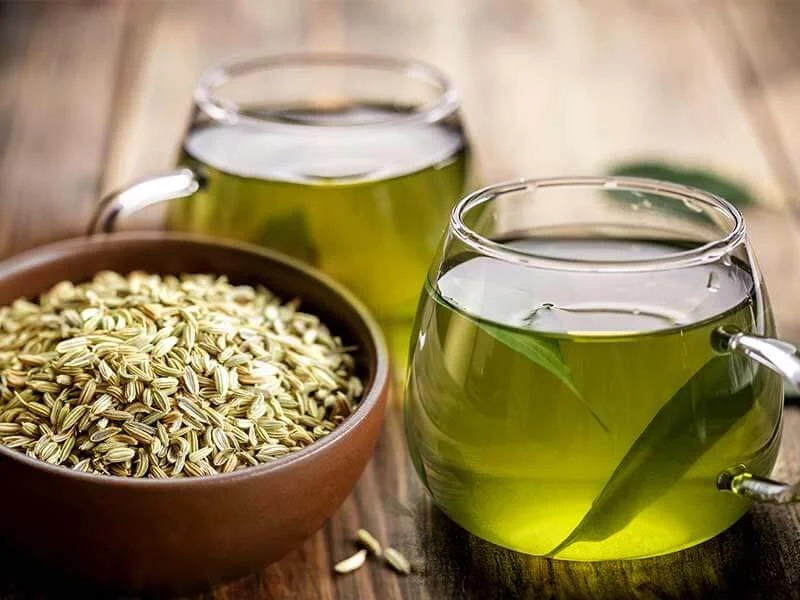
Fueling your body right in the morning can go a long way in achieving optimum well-being. In summer, low appetite and digestive issues are common as high temperatures can affect our body functions. Keeping the body naturally cool during heatwave and consuming foods that keep your digestive system on track is advisable. Saunf and mishri water, the ancient cure to treat heat-based illnesses as well as aid detox and digestion is a summer elixir that can bring a range of benefits for the body and the mind. Both Saunf or fennel seeds and mishri have cooling properties which can soothe your stomach, boost immunity, support weight loss and even beat stress

Drink saunf and mishri water on empty stomach for these wonderful benefits

Saunf or fennel seeds is a storehouse of calcium, Vitamin C, iron, magnesium and potassium. It also can anti-cancer properties due to its compound called anethole which as per research is effective at destroying breast cancer cells and even stopping spread of breast and liver cancer cells. Mishri is known to relieve fatigue and boost mental wellness.

As the extreme heat threatens to affect our physical and mental well-being, the combination of Saunf and mishri can come handy in dealing with the scorching summer.

Origin of this magical elixir

“In the pursuit of wellness, we often overlook the simple yet powerful remedies that nature generously provides. Among these is the age-old practice of consuming saunf (fennel seeds) and mishri (rock sugar) water on an empty stomach. Originating from traditional Ayurvedic and Indian medicinal practices, this ritual offers a myriad of health benefits that are worth exploring and incorporating into our daily routine,” says Dr. Neeti Sharma, Sr. Consultant – Nutrition & Dietetics, Marengo Asia Hospitals, Gurugram.

How to make saunf and mishri water

Incorporating saunf and mishri water into your morning routine is simple. Just soak a tablespoon of saunf and a small piece of mishri in a glass of water overnight and drink it on an empty stomach in the morning. Alternatively, you can boil the ingredients together for a few minutes, strain, and consume the infused water.

Why you should consume saunf and mishri water: Benefits

Here are six compelling reasons why starting your day with Saunf and mishri water could be a game-changer for your health, as per Dr Sharma.

1. Digestive aid: Saunf contains essential oils that stimulate the secretion of digestive juices, aiding in the digestion process. When consumed in the form of water, it helps alleviate bloating, indigestion, and constipation, promoting a healthy gut.

2. Detoxification: Both saunf and mishri possess detoxifying properties that help cleanse the body of toxins accumulated from daily exposure to pollutants, processed foods, and stress. Regular consumption of this water supports liver function and enhances the body’s natural detoxification mechanisms.

3. Weight management: Drinking saunf and mishri water can be beneficial for those aiming to manage their weight. The combination helps suppress appetite, curb cravings for unhealthy snacks, and boost metabolism, thereby aiding in weight loss efforts when accompanied by a balanced diet and regular exercise.

4. Improves oral health: Saunf is known for its antimicrobial properties, which can help prevent oral infections, bad breath, and gum disease. When consumed as water, it promotes oral hygiene by cleansing the mouth and reducing the growth of bacteria responsible for dental issues.

5. Anti-inflammatory effects: Both saunf and mishri exhibit anti-inflammatory properties that can help alleviate symptoms of inflammatory conditions such as arthritis, rheumatism, and muscle pain. Regular consumption of this water may contribute to reduced inflammation and improved joint mobility.

6. Stress relief: The aroma of saunf has a calming effect on the mind and body, making it an excellent natural remedy for stress relief and relaxation. Starting the day with saunf and mishri water can help set a positive tone for the day, promoting mental clarity and emotional well-being.

It’s essential to remember that while saunf and mishri water offers numerous health benefits, it is not a substitute for a balanced diet and healthy lifestyle practices. Consultation with a healthcare professional or nutritionist is recommended before making any significant changes to your diet or wellness routine.

visit us – http://www.aarogyapath.in


Categories
Medical Updates

Cucumber raita or lauki raita; which is better for your health as per Ayurveda?

As the sweltering summer heat takes over most parts of India, our bodies may find it hard to adjust to the weather conditions. Indulging in frozen foods and sugary cold drinks may bring temporary relief from heat but cause permanent damage to our health. Experts advise indulging in naturally cooling foods like juicy fruits, hydrating vegetables, kokum, coconut water, barley water, watermelon, curd and buttermilk. It is natural to lose appetite in summer due to intense heat. No wonder we generously add curd to our meals to improve taste and appetite as it makes the food more palatable in hot weather conditions

Cucumber raita or lauki raita; which is better for your health as per Ayurveda?

As much as you want to have curd with every meal, Ayurveda doesn’t support overconsumption of this nutrient-packed milk product. As per the ancient medicinal practice, curd is hot in nature and heavy to digest, which can affect your well-being in summer if eaten in wrong way. However, if eaten in a right amount and right way, one can benefit from its nutrients like calcium, phosphorous, Vitamin B12 and Vitamin B6.

Cucumber raita or lauki raita, which one is better for you?

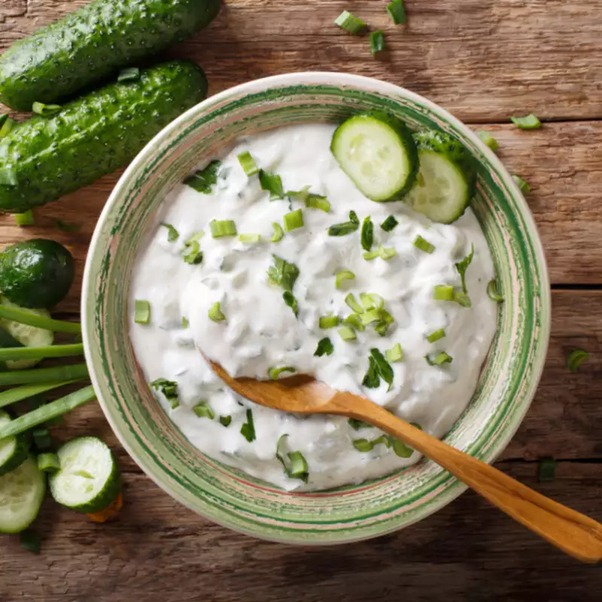
Raitas are summer staple and can be quite refreshing. However, not all curd combinations will bring the desired benefits. As per a Yoga teacher and nutritionist cucumber raita must be avoided in summer and lauki raita must be eaten instead.

“In Ayurveda, the combination of curd (yogurt) and cucumber is generally avoided because, these are mucus producing and when consumed together, they can potentially lead sinus congestion,” says Nutritionist and Yoga teacher Juhi Kapoor.

Lauki and curd combination on the other hand is healthy and can support digestion and combat constipation.

Rules to consume curd as per Ayurveda

Kapoor shares other rules of consuming curd as per Ayurveda to avoid harm to the body and maximize benefits.

1. Don’t pair it with curd: Avoid pairing curd with fried foods. According to Ayurvedic principles, curd is considered sour and heavy, while fried foods are considered to be heavy and difficult to digest. When combined, they hinder the digestive process.

2. Do not combine it with refined salt or sugar: Avoid pairing curd with refined salt and refined sugar. These refined items will harm the good bacteria present in curd ( probiotic)

3. Avoid taking curd during periods as it increases prostaglandins and may increase cramps, pain and menstrual discomfort.

4. Never pair curd (or dairy) with fruits: Curd is considered heavy and sour while fruits are typically light and sweet. When these contrasting properties are combined, it can potentially disturb the digestive fire or ‘agni’, leading to the production of toxins or ‘ama’ in the body.

5. Curd with meat or seafood is not a good combination. Why? When animal meat as protein is combined with dairy protein, then it becomes difficult for the human body to digest them together.

The right way to consume curd

As per Juhi Kapoor, here are some ways you can have curd in a healthy way.

  • Eat with jaggery, black salt or rock sugar.
  • Consume with low fat/less oily foods.
  • Eat with breakfast or lunch.

Visit us – http://www.aarogyapath.in
 

Categories
Medical Updates

Tender coconut water: Amazing health benefits and best time to consume the summer drink

Tender coconut water is one of the most refreshing and hydrating drinks to have in scorching summer. Slightly sweet and delightful, a glass of tender coconut water can rejuvenate you and fill you with energy. Instead of reaching for the cola or soda, grab a glass of this amazing drink to boost your bone health, beat fatigue and also summer heat. The natural drink rich in electrolytes like sodium, potassium and calcium is being preferred by fitness enthusiasts and athletes nowadays as a replacement for conventional sports drink, which is high in sugar and can cause weight gain and other chronic health issues. Here are all the benefits of the super-hydrating drink in summer.

Apart from hydrating you well, coconut water also aids in digestion in summer months. It helps relieve bloating and gas and being high in fibre, also helps in digestion. Coconut water replenishes the lost nutrients and provides you sustained energy throughout the day. Drinking coconut water regularly can also help strengthen your bones and prevent diseases like arthritis and osteoporosis. Coconut water can help control cholesterol levels, lower blood pressure, and hypertension.

Dr. Bhavna Sharma, Head – Nutrition Science, ITC Ltd in an interview with HT Digital shares best time to have tender coconut water and its many benefits.

Best time to have tender coconut water

One can drink tender coconut water at any time of the day; however, it is recommended to drink it in the morning or post work-out. It can be consumed by individuals of all age groups as well as children. Only people with elevated potassium levels or any established renal issues should be careful in consuming excess coconut water.

1. Hydration

One of the best ways to stay hydrated is by incorporating hydrating foods and beverages into one’s daily routine. Tender coconut is one of the most naturally hydrating and refreshing drink. Rich in natural essential minerals like potassium, calcium, sodium etc it instantly gives an energy boost and helps replenish electrolytes lost from perspiration.

2. Aids in digestion

Along with being one of the best hydrating drinks, tender coconut water has several other health benefits that aids to maintain overall wellbeing. To elaborate, it helps prevent indigestion, relieves heartburn, soothes the stomach and promotes overall digestive health.

3. Helps manage diabetes, boosts kidney function

The mildly sweet coconut water is low in calories, sugar, and carbs, and therefore can be enjoyed by diabetics as a part of their balanced diet. Coconut water is rich in potassium hence helps in kidney functions.

4. Great for skin and hair

Additionally, nutrients present in this natural juice is excellent for skin and hair, enhancing texture and promoting a radiant appearance due to its cooling and soothing properties.

5. Part of balanced diet

Proper hydration is the cornerstone of optimal mental and physical performance, especially as we head into the summer months. By incorporating tender coconut water as a part of a diversified balanced diet, one can ensure that the body stays hydrated and energized throughout the day.


Categories
Medical Updates

World Malaria Day 2024: Avoid these factors that increase malaria risk

Introduction: As we commemorate World Malaria Day 2024, it’s imperative to shed light on the ongoing battle against this deadly disease. Malaria, caused by the Plasmodium parasite transmitted through the bite of infected mosquitoes, continues to pose a significant global health threat. While progress has been made in combating malaria, much remains to be done. Understanding the factors that increase malaria risk is key to prevention efforts. Let’s delve into these factors and learn how to mitigate them.

World Malaria Day 2024: Avoid these factors that increase malaria risk

Factors Increasing Malaria Risk:

  1. Mosquito Exposure: Mosquitoes are the primary vectors of malaria. Being in areas with high mosquito populations significantly increases the risk of contracting the disease. Factors such as living or traveling to endemic regions, outdoor activities during dusk and dawn when mosquitoes are most active, and inadequate mosquito control measures contribute to increased exposure.
  2. Lack of Protective Measures: Failure to use preventive measures like insecticide-treated bed nets (ITNs) and wearing appropriate clothing to cover exposed skin can heighten the risk of mosquito bites. Additionally, not using mosquito repellents or indoor residual sprays in malaria-endemic areas increases vulnerability to infection.
  3. Stagnant Water: Mosquitoes breed in stagnant water, making areas with poor drainage, uncovered water containers, and stagnant ponds or puddles breeding grounds for these disease vectors. Living or spending time in such environments raises the risk of malaria transmission.
  4. Weakened Immune System: Individuals with compromised immune systems, such as young children, pregnant women, and those living with HIV/AIDS, are more susceptible to severe malaria infections. Poor nutrition, lack of access to healthcare, and co-infections can further weaken the immune system, increasing the likelihood of contracting malaria and experiencing severe complications.

Prevention Strategies:

  1. Use of Insecticide-Treated Bed Nets (ITNs): Sleeping under ITNs can significantly reduce the risk of mosquito bites, particularly during the night when Anopheles mosquitoes, the malaria vectors, are active. Ensuring that bed nets are properly installed and maintained is essential for their effectiveness.
  2. Mosquito Repellents: Applying mosquito repellents containing DEET, picaridin, or oil of lemon eucalyptus on exposed skin provides an additional layer of protection against mosquito bites. Reapply repellents as directed, especially when spending extended periods outdoors.
  3. Environmental Management: Eliminating mosquito breeding sites by draining stagnant water, covering water containers, and improving drainage systems helps reduce mosquito populations. Community-based efforts to promote environmental sanitation play a crucial role in malaria prevention.
  4. Access to Healthcare: Timely diagnosis and treatment of malaria are vital for preventing severe illness and complications. Access to healthcare facilities offering malaria testing and appropriate antimalarial medications is essential, particularly in endemic areas.
  5. Public Awareness and Education: Raising awareness about malaria transmission, prevention strategies, and the importance of early diagnosis and treatment empowers individuals and communities to take proactive measures against the disease. Community-based education programs, media campaigns, and school health initiatives contribute to building knowledge and fostering behavior change.

Conclusion: On World Malaria Day 2024, let’s reaffirm our commitment to combating malaria by addressing the factors that increase malaria risk and implementing effective prevention strategies. By prioritizing mosquito control, promoting the use of preventive measures, strengthening healthcare systems, and fostering community engagement, we can work towards a malaria-free future for all.

Visit us – http://www.aarogyapath.in

Categories
Medical Updates

5 diabetic-friendly breakfast recipes that are super-delicious

Healthy Indian breakfast recipes for diabetics

For individuals managing diabetes, maintaining a healthy and balanced diet is crucial, especially when it comes to the first meal of the day. Breakfast sets the tone for the rest of the day, and choosing the right foods can help stabilise blood sugar levels and provide sustained energy. By choosing whole grains, lean proteins, and plenty of vegetables, individuals with diabetes can enjoy a variety of tasty breakfast options that promote overall health and well-being. Here are 5 delicious and diabetic-friendly Indian breakfast recipes that are both nutritious and satisfying.

Oats Upma

Oats are a nutritious whole grain that is low on the glycaemic index, making them an ideal choice for individuals with diabetes. To prepare oats upma, dry roast oats in a pan until lightly golden. In a separate pan, heat oil and saute mustard seeds, curry leaves, chopped onions, green chillies, and grated ginger. Add diced vegetables like carrots, peas, and bell peppers, and cook until tender. Stir in the roasted oats and add water, salt, and turmeric powder. Cook until the oats are soft and the mixture is dry. Garnish with chopped coriander leaves and serve hot.

Moong Dal Cheela

Moong dal cheela, also known as lentil pancakes, is a protein-packed breakfast option that is low in carbohydrates and rich in fibre. To make moong dal cheela, soak split yellow moong dal in water for a few hours, then blend it into a smooth batter. Add finely chopped onions, tomatoes, green chillies, and coriander leaves to the batter, along with salt and spices like cumin powder and red chilli powder. Heat a non-stick pan and pour a ladleful of batter onto it, spreading it into a thin circle. Cook until golden brown on both sides, then serve with mint chutney or low-fat yoghurt.

5 diabetic-friendly breakfast recipes that are super-delicious

Vegetable Dalia

Dalia is a nutritious whole grain that is high in fibre and low in glycaemic index. To prepare vegetable dalia, dry roast dalia in a pan until lightly browned. In a separate pan, heat oil and saute chopped onions, ginger, and garlic until golden brown. Add diced vegetables like carrots, beans, and peas, and cook until tender. Stir in the roasted dalia and add water, salt, and spices like turmeric powder and garam masala. Cook until the dalia is soft and the mixture is thick. Garnish with chopped coriander leaves and serve hot.

Besan Cheela

Besan cheela are a popular breakfast option in India that is both delicious and diabetic-friendly. To make besan cheela, mix besan with water to form a smooth batter. Add finely chopped onions, tomatoes, green chillies, and coriander leaves, along with salt and spices like turmeric powder and ajwain. Heat a non-stick pan and pour a ladleful of batter onto it, spreading it into a thin circle. Cook until golden brown on both sides, then serve with mint chutney or low-fat yoghurt.

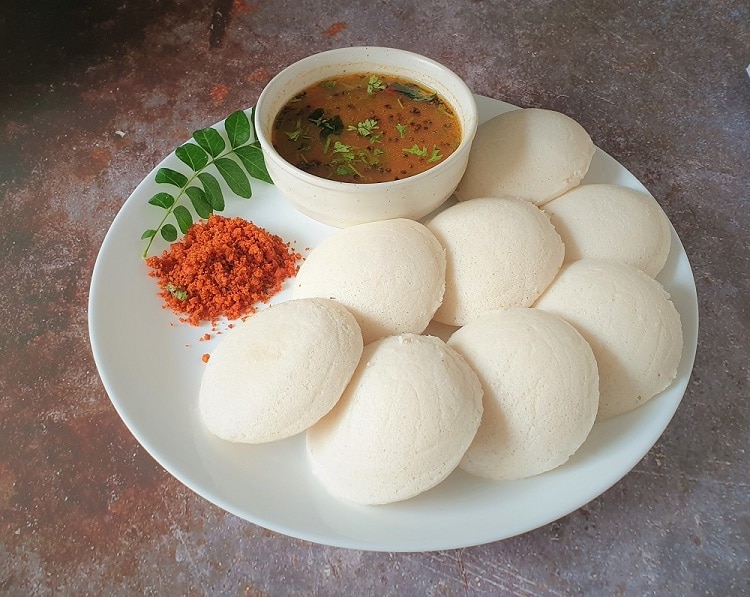
Idli Sambhar

When it comes to healthy breakfast for diabetics, Idli Sambhar is something that stands out from the rest. This popular South Indian breakfast option is said to be low in glycaemic index and high in protein. To make idli, soak rice and urad dal in water for a few hours, then grind them into a smooth batter. Ferment the batter overnight, then pour it into idli molds and steam until cooked through. Serve hot with sambhar, a flavourful lentil-based vegetable stew, and coconut chutney for a delicious and nutritious breakfast.

Visit us – http://www.aarogyapath.in

 

Categories
Medical Updates

Drink sattu with lemon on empty stomach for these 10 amazing benefits

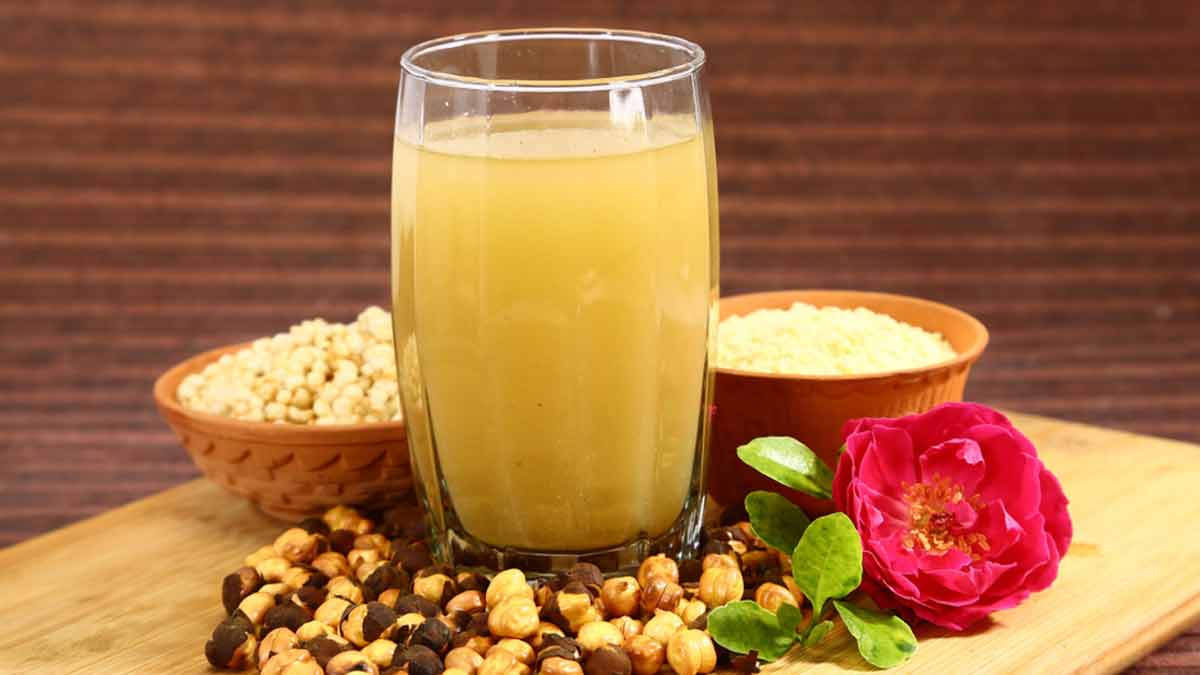
Sattu sharbat, the staple drink of Bihar, has gained country-wide popularity, thanks to celebrities like Shilpa Shetty and Ayushmann Khurrana taking a liking for it and promoting its recipe from their social media handle. The protein-rich drink is a storehouse of wonderful nutrients and its benefits in scorching summer are especially evident. From cooling the body, controlling blood sugar to curbing appetite, sattu sharbat is the perfect summer ‘super drink’ that can transform your well-being.

The benefits of this drink on an empty stomach are many, and adding a dash of lemon can enhance its positive effects on your health. Not only does lemon provide you with Vitamin C, but it also helps detox the body.

Drink sattu with lemon on empty stomach for these 10 amazing benefits

The benefits of this drink on an empty stomach are many, and adding a dash of lemon can enhance its positive effects on your health. Not only does lemon provide you with Vitamin C, but it also helps detox the body.

Sattu is also high in fibre which makes it ideal for cutting cholesterol and safeguarding your heart. Lemon that comes packed with potassium can have benefits for controlling your blood pressure and also supporting your cardiovascular health.

BENEFITS OF SATTU WITH LEMON ON EMPTY STOMACH

“In the quest for optimal health, individuals often seek natural remedies and dietary practices that can enhance their well-being. One such powerhouse combination gaining attention is the mixture of sattu and lemon, known for its numerous health benefits.,” says Dr. Neeti Sharma, Senior Consultant in Nutrition & Dietetics at Marengo Asia Hospitals in Gurugram, as she sheds light on the remarkable advantages of incorporating this simple yet potent concoction into your daily routine.

1. Boosts digestion: Sattu, a flour made from roasted gram, is rich in fibre, aiding digestion. Lemon’s acidic properties stimulate the production of digestive enzymes, promoting efficient digestion.

2. Enhances hydration: Lemon-infused sattu water is an excellent way to stay hydrated, especially in the morning when the body requires replenishment after hours of fasting.

3. Balances pH levels: Despite lemon’s acidic nature, it has an alkalizing effect on the body once metabolized. This helps maintain optimal pH levels, crucial for overall health.

4. Provides essential nutrients: Sattu is a nutritional powerhouse, packed with proteins, carbohydrates, fibre, vitamins, and minerals. Lemon adds a dose of vitamin C, antioxidants, and flavonoids, further enhancing its nutritional profile.

5. Aids weight management: Sattu’s high fibre content promotes satiety, curbing hunger pangs and aiding weight management. Lemon’s detoxifying properties support the body’s natural cleansing processes.

6. Regulates blood sugar: Sattu has a low glycaemic index, meaning it releases glucose slowly into the bloodstream, preventing sudden spikes in blood sugar levels. This makes it an excellent choice for individuals with diabetes or those aiming to manage their blood sugar levels.

7. Boosts immunity: The vitamin C in lemon strengthens the immune system, while sattu’s nutrient-rich composition provides essential vitamins and minerals vital for immune function, helping the body ward off infections and illnesses.

8. Improves skin health: The combination of sattu and lemon helps detoxify the body, promoting clearer skin and a radiant complexion. The antioxidants in lemon combat free radicals, reducing signs of aging and promoting skin elasticity.

9. Enhances energy levels: Sattu is a natural source of energy, providing a sustained release of energy throughout the day. Lemon’s refreshing flavour and vitamin C content also contribute to increased vitality and alertness.

10. Supports heart health: Sattu’s fibre content aids in lowering cholesterol levels, reducing the risk of heart disease. Lemon’s potassium content helps regulate blood pressure, further supporting cardiovascular health.

Incorporating sattu with lemon into your morning routine can be a simple yet effective way to kickstart your day on a healthy note. With its array of benefits, this natural elixir has the potential to transform your health from the inside out.

Visit us – http://www.aarogyapath.in

 

Categories
Medical Updates

Poha vs idli; which is better to prevent blood sugar spike?

While both poha and idli have their own set of benefits and drawbacks, we asked an Ayurveda expert which is a better breakfast choice for people with diabetes.

When it comes to blood sugar management, people with diabetes often struggle with picking the right foods to prevent blood sugar spikes. Breakfast is considered an important meal for those who suffer from the metabolic disorder as eating a balanced diet can keep the glucose levels stable. Experts recommend breakfast choices that are high in protein, healthy fat, fibre and complex carbs for diabetics as eating these foods can prevent sugar spikes throughout the day and keep one energised and healthy in long run

Poha vs idli; which is better to prevent blood sugar spike?

Poha and idli are among the popular choices for breakfast. While poha is full of fibre, iron and vitamins, idli is oil-free and is considered gut-friendly. While both of these food items have their own set of benefits and drawbacks, we asked an Ayurveda expert which is a better breakfast choice for people with diabetes.

Benefits of poha

“Poha is also called as flattened rice, which is a rich source of iron and Vitamin B. When cooked well with condiments like peanuts, lemon, coriander and other ingredients, it becomes a wholesome meal that provides carbs, nutrients, and minerals. Poha is also an excellent dish for weight loss, and is healthy for heart related ailments, digestive health, cholesterol, high blood pressure and cancer,” Dr Dimple Jangda, Ayurvedic Coach and gut specialist.

Is poha beneficial for people with diabetes?

Dr Jangda says it’s a healthy alternative for diabetic patients compared to white rice, as it contains fibre which slows down the release of sugar into bloodstream.

“It is a rich source of carbs and good fats and is also a healthy probiotic with good bacteria for the gut. It enhances then gut bacteria and thus allows better digestive health, metabolism and coping mechanism with lifestyle disorders like diabetes. The process of making poha, is by parboiling paddy, drying it in the sun, and then beating it flat. This allows the good microbes to remain during the fermentation process, which further enhances our digestive health. It is low on calories and is a healthy alternative for diabetic patients, and also an excellent choice for those with anaemia,” explains Dr Jangda

Benefits of idli

Idli is made with cooked rice, and steamed without the use of any cooking oils which makes it one of the healthiest and lightest dishes for breakfast, for people of all age groups. There are no spices, oils or cooking process required to make idlis.

But is it good for people with diabetes?

While idli is oil-free, white rice in it can raise blood sugar levels in people with diabetes. A little tweak in ingredients like using millets or lentils instead of white rice can however make it suitable for those with the metabolic disorder.

“Idli is also a healthy source of nutrients like protein, carbohydrates, vitamins and minerals that are good for your health. But the main ingredient in the traditional white idli is white rice and black lentils (urad daal), which is a source of high carb and starch which can spike your sugar levels. It can release glucose in your bloodstream quickly, causing concern for those with diabetes. It is advisable to replace the ingredient with ragi, moong daal, any millet, and even vegetables like carrot and beetroot,” says Dr Jangda.

Healthy idlis for diabetics

If you are trying to control your blood sugar levels, you can give your idli a healthy makeover by using millet, lentils, or ragi. This will also make sure your breakfast has essential micronutrients like iron, fibre, protein, etc. Dr Jangda suggests a few options:

1. Ragi idlis have dietary fibre which slows down the sugar spike and is a good alternative to mainstream foods like rice and wheat. It helps in maintaining blood sugar levels, cholesterol and also strengthens the bones and improves density. It also fills you up well and prevents hunger pangs, overeating and feeling of hunger. It is loaded with plant-based calcium, and vitamin D which is excellent for bone health. It is gluten free, and hence can be consumed by all for good gut health.

2. Millet idli is also an excellent replacement to the traditional rice idli, for diabetic patients. Millets are rich in nutrients, fibre, that aids digestion and creates a sense of fullness preventing overeating. It also helps regular blood sugar levels by preventing sugar spikes. You can make millet idli of any millets like proso, kodo, barnyard, little millet, buckwheat and others.

3. Lentil idli is also a healthy alternative to rice idli, and offers a rich source of potassium, folate, iron, fibre and protein. It can also help lower cholesterol, regulate blood sugar levels by preventing sugar spikes, and offers protections against colon cancer.

Poha or idli, which is healthier?

As per the Ayurveda expert, between poha and rice idli, the former is a healthier choice for diabetic patients. But switching the ingredients in idli, can help you get health benefits of steamed foods without complex cooking process that supports the health of diabetic patients.

Visit us – http://www.aarogyapath.in



Categories
Medical Updates

Pani Puri to ice cream, 6 street foods you must avoid this summer to prevent digestive issues

As Mumbai, Pune, Gujarat among other cities in India reel under heatwave conditions, it’s important to take care of your gut health. Among the body functions that are most affected during hot summer months is your digestive system. During extreme heat conditions, our metabolism tends to slow down finding it hard to digest high-calorie and fatty foods. In high temperatures, bacteria and microbes thrive and this can increase risk of food-borne infections and digestive issues. Eating street foods without considering hygiene factors can be problematic during this time as one can contract typhoid, jaundice and other gut health issues.

Pani Puri to ice cream, 6 street foods you must avoid this summer to prevent digestive issues

Avoid buying foods like pani puri, ice cream, and lemonade from street vendors as contaminated water used in these items can cause digestive issues such as cramps, dysentery, and pain.

Summer is here! It is the time when children indulge in delicious and tempting street food delicacies that are available on the streets in the country. Popular items that children often love eating are pani puri, and the creamy and sweet ice cream. These treats can help satisfy the child’s cravings during the scorching heat of summer. However, it’s essential to be cautious about where one sources these snacks as the place can be unhygienic. Even improper handling and poor sanitation can lead to dangerous consequences such as typhoid, jaundice, and dysentery,” says Dr Amit P Ghawade, Consultant- Pediatrician and Neonatologist, Motherhood Hospitals, Kharghar, Mumbai.

Dr Ghawade points out that the increasing number of typhoid and jaundice cases are linked to contaminated water used in the ice cream or pani puri which in turn can also cause abdominal distress such as cramps, dysentery, and unbearable pain.

STREET FOODS TO AVOID THIS SUMMER

Dr Manjusha Agarwal, Senior Consultant Internal Medicine Gleneagles Hospitals Parel Mumbai shares a list of street foods one must consider avoiding this summer to protect health.

1. Cut fruits and vegetables: While fresh fruits and salads may seem like a healthy choice, those that are left uncovered and exposed to the heat can quickly become a breeding ground for bacteria. Consuming contaminated fruits and vegetables can lead to food poisoning and gastrointestinal issues.

2. Seafood: Fish tacos, ceviche, and shrimp skewers are popular street food items, especially in coastal regions. However, seafood is highly perishable and can spoil quickly in the heat, increasing the risk of foodborne illnesses like bacterial infections and parasitic diseases.

3. Dairy-based desserts: Ice cream, kulfi, and milkshakes are popular summer treats. However, these desserts require proper refrigeration to prevent bacterial growth. Consuming dairy products that have been left out in the heat can lead to stomach upset and foodborne illnesses.

4. Grilled meat skewers and kebabs: They may be a staple of summer street food festivals, but they can be risky if not cooked thoroughly. Undercooked or improperly handled meat can harbour harmful bacteria like E. coli and Salmonella, causing severe food poisoning.

5. Chutney: Street food vendors often use homemade or unpasteurized sauces, chutneys, and condiments to enhance the flavour of their dishes. These condiments can be a hidden source of contamination if not stored and handled properly. Consuming contaminated sauces and condiments can increase the risk of foodborne illnesses.

6. Lemonade: Freshly squeezed juices, lemonades, and other beverages may seem refreshing, but they can pose a risk if made with unpasteurised or contaminated ingredients. Unpasteurised juices can lead to infections and gastrointestinal problems.

“To deal with typhoid, jaundice, and dysentery in children will require prompt medical intervention for quick recovery. Take the medication prescribed by the doctor, eat home-cooked nutritious food, ensure proper sanitation, maintain personal hygiene, and wash hands before eating. To manage dysentery, give oral rehydration solution to the child. Follow these guidelines and make sure that the child stays happy and healthy during summer. In case, your child wants to eat chaat prepare it at home under hygienic conditions,” concludes Dr Ghawade.

Visit us – http://www.aarogyapath.in
Categories
Medicine & Health

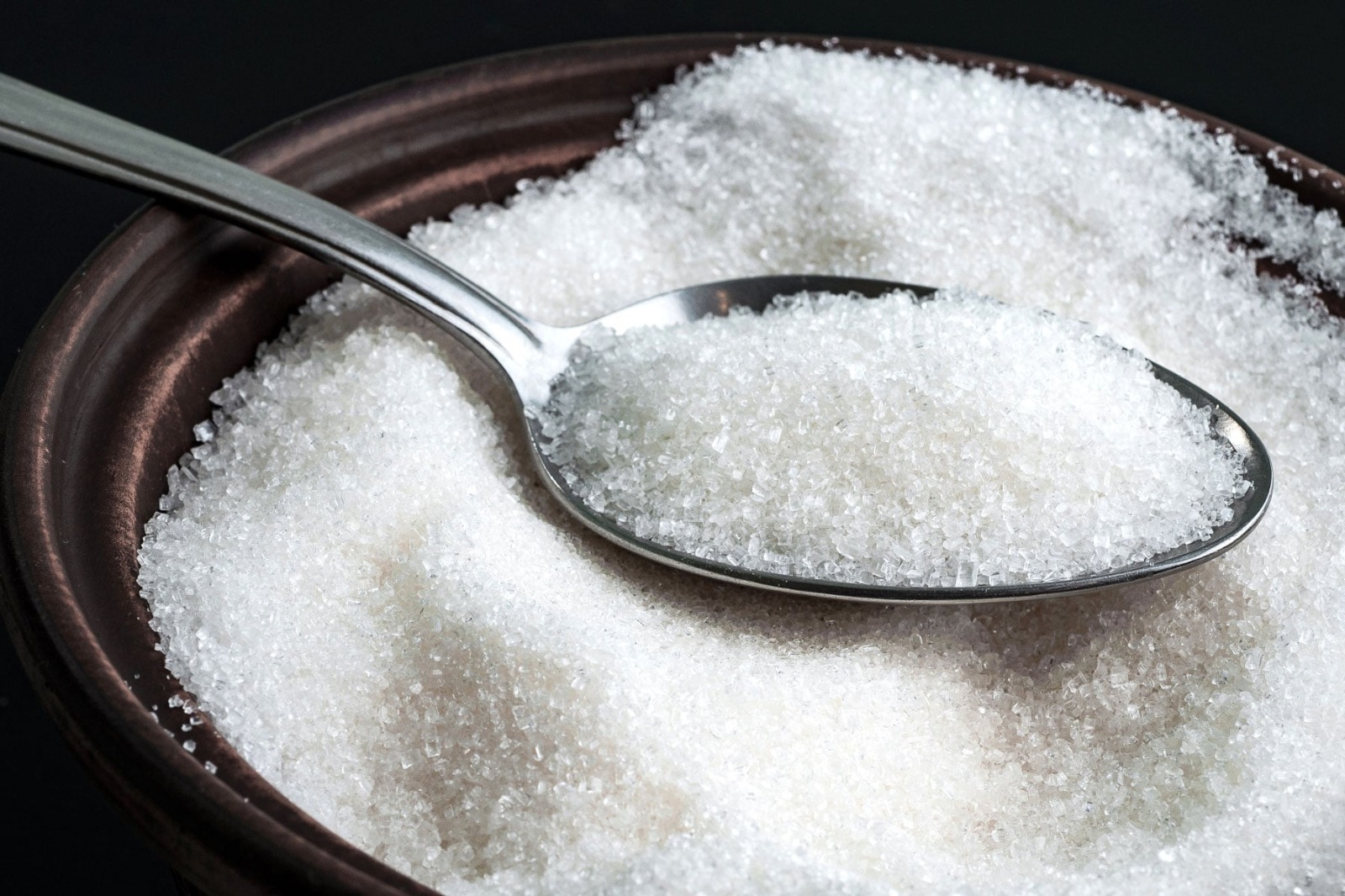
What happens to your liver when you eat too much sugar?

We all know that too much sugar can be harmful to our health. It is often associated with diabetes or heart disease. But did you know that excess sugar in diet takes a toll on the liver health too?

What happens to the liver when you eat too much sugar?

The human body has biochemical systems that help interchange protein, starch, and fats — it can turn protein into fat or starch. Whatever food we eat, if it is in excess, it gets stored in the form of fat. Now, sugar and other sweets are starch (carbohydrate) and are broken down into glucose by the body A small percentage of this glucose is used for physical exertion, but most of it is converted into fat. In people who do not do physical exercise and lead a sedentary lifestyle, the rate of becoming fat is higher. Excessive consumption of sugar can lead to weight gain and obesity, but can also affect internal organs like the liver. This is how non-alcoholic fatty liver disease is caused.

Surprisingly, you don’t need a diet full of greasy food for fatty liver – too many carbs and sweets, a common issue in India, can be just as detrimental.

What happens to your liver when you eat too much sugar?

Sugar consumption also triggers dopamine release, the “feel-good” hormone. People struggling with stress or depression may crave sweets for this dopamine surge. However, most of this sugary comfort food gets stored as fat, eventually harming the liver. This unhealthy cycle can lead to fatty liver disease, cirrhosis (scarring), and even cancer.

Good bacteria in the intestines are necessary — not only for the smooth functioning of the digestive system but also for your body’s general health. Excessive sweetness in the diet affects the habitat of these gut bacteria (Dysbiosis). This alteration in gut bacteria also causes liver dysmetabolism and damage. Free radicals, which cause liver cancer, are also linked to excessive consumption of sugar.

Can fruits cause fatty liver?

The sugar molecule in fruits exist in the form of fructose. The amount is different for each fruit, higher in succulent fruits like grapes, oranges, watermelon etc; lower in fleshy fruits like guava, apple, kiwi.

Though fruits are generally considered to be good for health, but their excessive consumption transforms fructose to fat in the liver, causing fatty liver.

The hidden sweetness in packaged foods

Apart from sweets, candies, pastries which are sold in the market, packaged foods though considered not to have sugar also contain covertly added sugar in it.

Though fruits are generally considered to be good for health, but their excessive consumption transforms fructose to fat in the liver, causing fatty liver.

The hidden sweetness in packaged foods

Apart from sweets, candies, pastries which are sold in the market, packaged foods though considered not to have sugar also contain covertly added sugar in it.

Why is sugar tax important?

The UK was the first country in the world to introduce a sugar tax in 2016. The sugar tax was introduced in view of the health problems caused by the overabundance of sugar in packaged food items. Since 2016, the food industry in England has made significant changes in the way packaged food is produced; with the amount of covert sugar additives coming down!

There is a secret interest behind the addition of sugar, even in the most unexpected of children’s food like cereal. It is a marketing strategy that makes children addicted to sweets at an early age. Recently, the Ministry of Commerce and Industry had recommended removing Bournvita from the category of health drinks on the grounds that it is not a health drink since it has sugar content beyond permissible limit.

Other than staying away from sugar, here are 10 things you can do for a healthy liver:

1. Do regular exercises and lead an active lifestyle: Regular aerobic exercise is the key for fatty liver disease prevention.

2. Limit your alcohol intake. Especially those with metabolic syndromes like diabetes, hypertension, high cholesterol as both of these together can enhance liver damage.

3. Eat a balanced diet: Eat less fatty foods and more fibre. The diet should include low carbohydrate, high dietary fibre. Sweets and red meat to be avoided.

4. Watch your body weight: Liver disease risk is much less if you maintain an ideal BMI.

5. Avoid herbal supplements and traditional remedies, especially those which do not have a drug licence, as most of these are sold as “food supplements”.

6. Get vaccinated against Hepatitis B

8. Practice safe sex. Blood and body fluid borne viruses HBV and HCV can cause liver cirrhosis and liver cancer.

9. Screening for liver disease from the age of 40.

10. Keep away from weight loss pills and unscientific magic remedies propagated in social media.

Visit us – http://www.aarogyapath.in