Categories
COVID-19 Medical Equipments Medical Updates

Covid-19 antibodies making dengue more severe, says study; what experts say

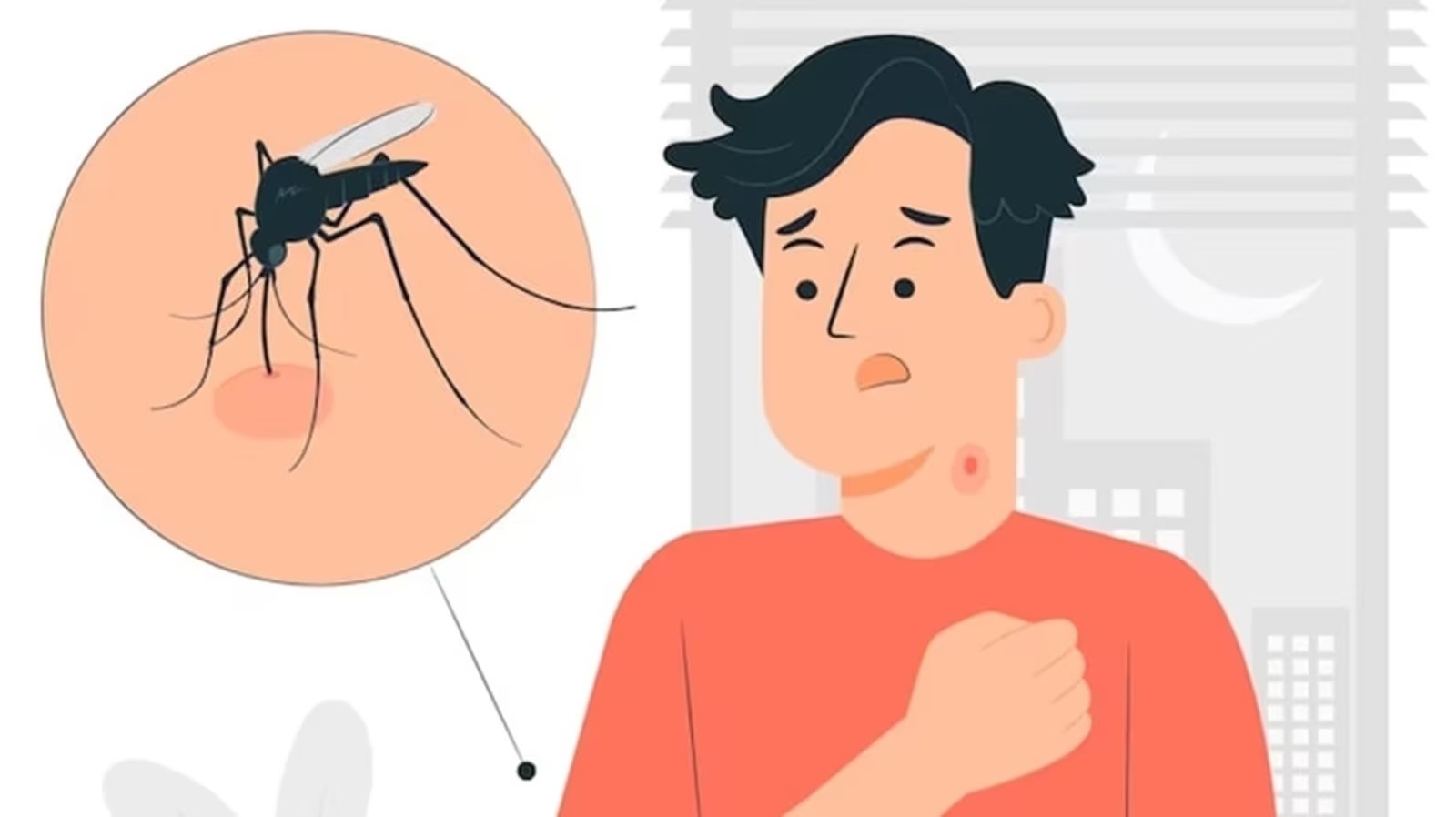
As per a new study, Covid-19 antibodies can cross-react with DENV-2 and can worsen dengue infection. Here’re possible reasons why this may be happening.

While the rise in number of dengue cases in India is being attributed to heavy rains and waterlogging in many areas, Covid-19 antibodies may have been adding to the vector-borne disease’s severity, according to a new study. The analysis titled ‘SARS-CoV-2 antibodies cross-react and enhance dengue infection’ has been done at the Translational Health Science and Technology Institute (THSTI) under the central government’s department of biotechnology; the yet-to-be peer-reviewed study has been published in bioRxiv, the preprint server for medical sciences.

“This study is the first to demonstrate that anti-SARS-CoV-2 antibodies can cross-react with DENV-2 (dengue virus 2) and can enhance its infection through antibody- dependent enhancement (the ability of antibodies from a previous infection to help a virus infect greater numbers of cells than it would have on its own),” it said.

Dr Harish Chafle, Extensive experience in Pulmonology and Critical Care, Global Hospitals Parel Mumbai offers insights into the potential link between Covid-19 antibodies and worsening dengue cases.
Covid-19 antibodies making dengue more severe, says study; what experts say

“As we delve into the complex interactions of viral infections, we must consider the possibility of cross-reactivity between Covid-19 antibodies and dengue. The human immune system is a highly intricate network, and sometimes, antibodies produced in response to one virus can influence the body’s response to another. In the case of Covid-19 antibodies and dengue, it’s crucial to investigate if the presence of Covid-19 antibodies may inadvertently enhance the severity of dengue infection. This phenomenon is not entirely unexpected, as such interactions have been observed in other viral co-infections. The key lies in understanding the specific mechanisms at play, and whether these interactions can be harnessed for therapeutic strategies or if precautions should be taken for individuals at risk for both infections. More research is needed to shed light on this intricate relationship and its implications for public health,” says Dr Chafle.

Dr. Aditya S Chowti, Senior consultant, Internal Medicine, Fortis Cunningham, Bengaluru says there are several plausible explanations for how Covid-19 antibodies might exacerbate dengue infection:

1. Antibody-dependent enhancement (ADE) is a possibility where Covid-19 antibodies attach to dengue viruses without neutralizing them, potentially aiding the viruses in entering cells more effectively.

2. Another scenario involves Covid-19 antibodies triggering an exaggerated immune response, causing inflammation and tissue damage, which can intensify dengue symptoms.

3. Covid-19 infection might weaken the immune system, rendering individuals more susceptible to dengue and increasing the likelihood of severe disease.

“Further research is essential to comprehensively comprehend these mechanisms. It is crucial to acknowledge this potential risk, particularly for those who have had Covid-19 in dengue-endemic regions. In the interim, individuals should take steps to safeguard themselves against both Covid-19 and dengue, such as receiving the Covid-19 vaccine and practicing mosquito bite prevention, like using insect repellent and wearing protective clothing when outdoors,” adds Dr Chowti.

Read more at-https://shorturl.at/dfxC0

Categories
COVID-19 Government Guidelines Medical Updates Medicine & Health

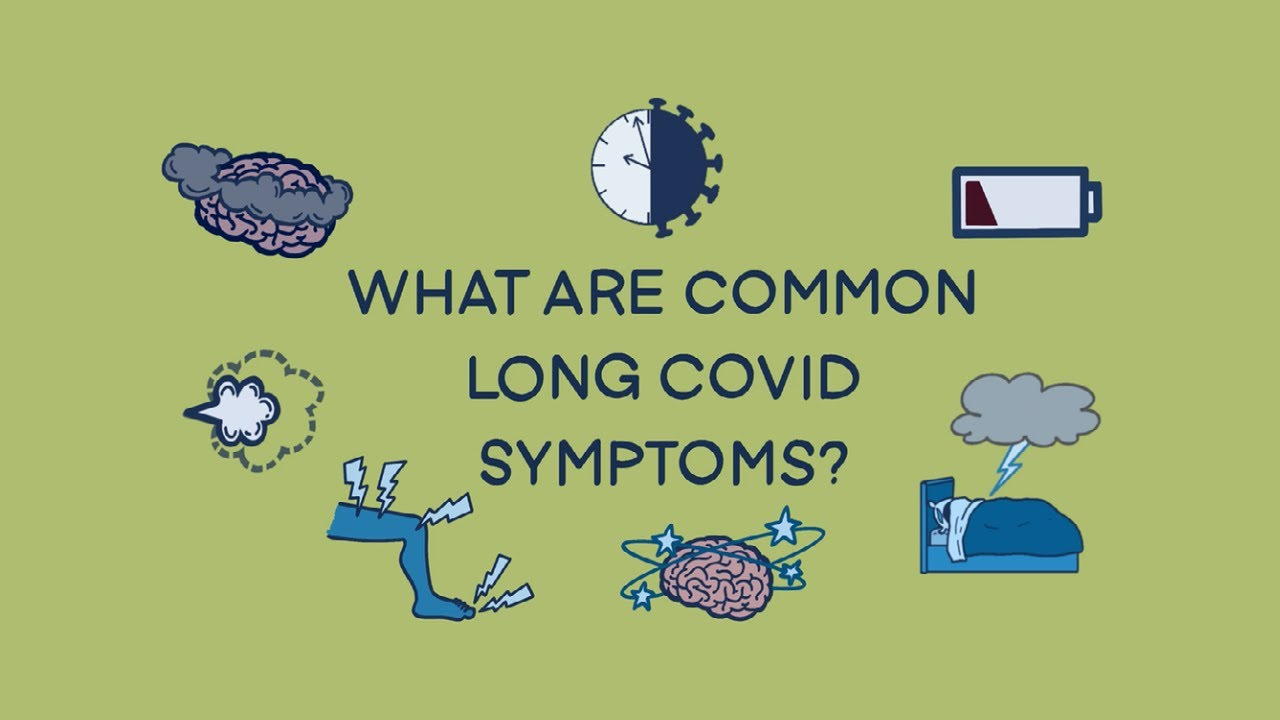
Long Covid study links lingering virus with bowel-to-brain havoc

The findings of the study provides an explanation for poor concentration, memory problems and other neurocognitive symptoms in long Covid.

Covid may trigger complex biological reactions from the bowel to the brain, leading to persistent neurological symptoms in some people, according to a study that points the way toward a treatment.

Viral vestiges in the gastrointestinal tracts of a subset of long-Covid patients may drive chronic inflammation that interferes with a key chemical messenger involved in nerve activity, brain function and memory, researchers at the University of Pennsylvania reported Monday in the journal Cell.

The findings provide an explanation for poor concentration, memory problems and other neurocognitive symptoms in long Covid, they said. Importantly, their experiments identified Prozac and other drugs that boost levels of the chemical messenger — serotonin — as promising targets for future study.

More than 200 symptoms have been associated with long Covid, an umbrella term applied to the often debilitating health problems estimated to afflict 10% or more of people who have had Covid-19. The new research suggests some hallmark symptoms “may converge on common pathways,” said co-author Christoph Thaiss, an assistant professor of microbiology at the Penn Institute for Immunology in Philadelphia.

Long Covid study links lingering virus with bowel-to-brain havoc

Further research may determine how many long Covid sufferers are affected by this cascade of reactions and uncover additional potential therapies, he said. The implications of the study may also extend to other post-viral syndromes.

While serotonin is most widely associated with mood and mental health, the researchers had a different focus as they sought to unravel drivers of long Covid. Thaiss and colleagues found that ongoing inflammation in the gut, which they link to a persistent reservoir of the virus, sabotages circulating levels of the neurotransmitter in multiple ways, including through blood clotting abnormalities.

‘Unifying Framework’

“This is as close as I have seen to a unifying framework for long Covid,” said Ziyad Al-Aly, director of the clinical epidemiology center at the Veterans Affairs St. Louis Health Care System in Missouri, whose research has led to important long Covid findings. “This is a very important advance in the field.”

Cohort studies and lab experiments were used to interpret the cause of serotonin depletion and its downstream effects. The researchers focused on the molecule’s activity on the vagus nerve, which innervates internal organs and is thought to stimulate neurons in the hippocampus, a brain region involved in learning, memory and cognition.

“The fact that we see serotonin being dysregulated in some individuals with long Covid can potentially explain why there’s such a broad spectrum of symptoms,” spanning brain fog and mood to problems sleeping and gastric upset, Thaiss said.

Low serotonin has been observed across several long-Covid studies, including patients with different but over-lapping symptoms, he said.

“The sicker the person is in terms of the number of symptoms they present with, the lower their serotonin,” Thaiss said.

No Silver Bullet

A single biological pathway isn’t likely to explain all long Covid cases, said Akiko Iwasaki, a professor of immunobiology at the Yale School of Medicine in New Haven, who also studies the condition. Other proposed drivers of neurologic symptoms include persistent neuroinflammation, possibly from a deficient immune response that allows the virus to linger in the brain.

“But still, it’s a very important mechanism that deserves a lot of attention,” Iwasaki said in an interview. Serotonin might help gauge the effects of treatments in studies, including a trial of Pfizer Inc.’s antiviral Paxlovid that she is working on.

“If serotonin is really the key marker, we definitely should be including that,” Iwasaki said.

Not all scientists are convinced that low serotonin is playing a key role or acting in isolation in long Covid. Also many sufferers have taken the medicines without benefit.

Avindra Nath, clinical director of the National Institute of Neurological Disorders and Stroke in Bethesda, Maryland, praised the study for its extensive body of research, but said that except in some rare disorders or micronutrient and vitamin deficiencies, it’s unlikely alterations in levels of a single molecule can be blamed for starting a disease process, especially one triggered by an infection.

Targeted Studies

Strategies aimed at increasing serotonin levels or targeting its signaling should be examined in randomized, controlled trials of patients most likely to benefit from the approach, said Liam O’Mahony, a professor of immunology at University College Cork, whose own research found serotonin depletion in long Covid patients.

Prozac, Luvox and other antidepressants that work by increasing serotonin in the brain have been studied during the pandemic to both prevent and treat Covid due to their potential to disrupt the biological processes of infection, but results have been mixed. People taking them when they caught Covid had about a 25% lower risk of developing long Covid, scientists at the National Institutes of Health found in a retrospective study released in November before peer-review and publication.

“It may be a combination of therapies that ends up being the most effective for patients and not one drug in isolation,” said study co-author Benjamin Abramoff, director of Penn Medicine’s Post-Covid Assessment and Recovery Clinic.

Read more at-https://shorturl.at/chmx3

Categories
COVID-19 Medical Updates Medicine & Health

Cough sound analysis assists in determining severity of Covid-19 patients

The study states that assessing the cough sounds can help in detecting the risk of severe pneumonia

While most persons infected with COVID-19 experience minor symptoms and recover in a matter of weeks, the global pandemic caused by the SARS-CoV-2 virus remains a significant health danger.

Some of those infected may develop more severe illness and pneumonia, resulting in a more bleak outlook.

Although techniques for assessing patients’ risk have been created, diagnostic and prognostic tools rely mostly on expensive and less accessible imaging technologies such as radiography, ultrasonography, or computed tomography (CT).

As a result, there is a need for the development of a simpler and more easily accessible prognostic tool that allows healthcare providers to identify individuals who have developed or are at risk of getting severe disease. This would simplify patient triage and allow for earlier intervention, even at home or in primary care settings.

In the early stages of COVID-19, a research team directed by IBEC and Hospital del Mar, with support from the Universitat Politècnica de Catalunya (UPC), CIBER-BBN, and CIBERES, conducted a study based on the analysis and interpretation of cough sounds.

Cough sound analysis assists in determining severity of Covid-19 patients

This method is given as a potentially predictive, straightforward, and user-friendly tool for assessing the risk of severe pneumonia.

The study included smartphone recordings of voluntarily coughing sounds from 70 patients with SARS-CoV-2 infection, all taken within the first 24 hours of their hospitalisation.

IBEC performed an acoustic analysis of these recordings, which revealed significant changes in cough sounds depending on the severity of the respiratory ailment, which had previously been confirmed by imaging tests and the requirement for supplemental oxygen.

According to the findings, this approach might be utilised to classify COVID-19 patients as mild, moderate, or severe, as well as to monitor patients with chronic COVID-19. The study used data obtained at Hospital del Mar between April 2020 and May 2021, and the results were published in the European Respiratory Journal Open Research.

Read more at-https://shorturl.at/dlnuI

Categories
COVID-19 Medical Updates Medicine & Health

Long Covid prevalence vastly overestimated?

A group of scientists claim that flawed studies lacking control groups has mislead and increased public anxiety.

Our understanding of COVID is constantly evolving, much as the virus is itself. For example, new evidence shows that anti viral drugs aiming to treat the disease may in fact be fueling the virus’ evolution. Scientists said antiviral use increases the genetic diversity of the virus in the wild and provided more options for future evolution.

Another area is long COVID. Some studies estimate the prevalence of post-COVID symptoms is 25-45%.

However, scientists have cast doubt on these studies.

An opinion piecein BMJ Evidence-Based Medicine claims these studies have been misleading and vastly overestimate the prevalence of long COVID.

“Overly broad definitions”, “methodological flaws”, “striking absence of control groups”: these are just some of the issues of long COVID research studies according to scientists writing in an influential medical journal.

The US authors believe poorly conducted studies and lack of clarity around how to diagnoselong COVID has led “undue concern and anxiety” in the public.

They claim that treatable conditions are commonly misdiagnosed as long COVID, which diverts attention and funds away from people who truly suffer from conditions not caused by COVID-19.

“I think this publication is important because it gives food for thought. The first thesis put forward by the authors is that the frequency of long COVID is overestimated. I partially agree with that,” said Andreas Stallmach, head of the long COVID Center, Jena University Hospital, Germany.

The researchers call for clearer definitions and diagnostic criteria for long COVID, and the use of longitudinal studies with appropriate controls to better monitor the illness.

Long COVID or post-COVID symptoms?

One of the major issues the piece highlights is the lack of consistent terminology around long COVID and related post-COVID syndromes and symptoms.

None of the definitions provided by health bodies like the World Health Organization (WHO) and the US Centers for Disease Control and Prevention (CD) requires a causal link between the COVID-19 virus and a long COVID diagnosis.

The piece highlights several studies which failed to confirm prior COVID-19 infection in patients included in long COVID studies.

Long Covid prevalence vastly overestimated?

“Many studies include a broad range of symptoms without any evidence of a causal link to SARS-CoV-2 infection,” the authors write.

“Over 200 symptoms are now associated with COVID-19. All are largely unspecific and without a causal connection to the disease,” Peter Berlit, Secretary General, German Society for Neurology (DGN), told media outlets.

According to Berlit, the only hallmark symptoms of COVID-19 are impaired sense of smell and taste.

“There are also quite specific patterns of neurocognitive disorders that can last longer. But very few long-lasting symptoms can be attributed solely to COVID-19,” he said.

Studies lack rigor

The authors also claim many studies lack control groups with people who didn’t test positive for COVID-19, highlight a recent systemic review which identified control groups were only included in 11% of long COVID studies.

“I agree with the shortcomings described in the BMJ analysis. For example, the initial lack of control groups, the lack of a clear definition of the disease. Such deficiencies can distort the risk of disease.” said Clara Leman, an infectious disease specialist at Cologne University Hospital.

Berlit added that inadequate control groups in many studies have certainly contributed to the disease risk being overestimated today.

“Even in the opinion of many doctors, the number of long COVID patients is far too high,” said Berlit.

Long Covid not as prevalent as thought?

The piece highlights several, rigorous, long COVID studies which the authors believe give an accurate, “more reassuring” picture of long COVID prevalence.

For example, the study would refute the WHO’s claims that 36 million people in Europe are suffering from long COVID.

For example, a UK study found that 12 common symptoms of long COVID were prevalent in 5% of people 12-16 weeks after a COVID-19 infection.

However, the same symptoms were found in 3.4% of people who did not have a COVID-19 infection, showing only a 1.4% difference.

These figures also show how relatively common symptoms are in the population at any given time, say the authors.

The study calls for a new definition of long COVID which should include continuous symptoms after confirmed COVID-19 infection, and take into considering physical and mental health, which may contribute to an individual’s post-COVID experience.

“The fundamental problem is that there are currently no clear biomarkers or radiological findings that allow a clear diagnosis of long COVID,” said Lehmann.

Long COVID still a major health issue for some

The fact remains that many people are still struggling with debilitating long COVID symptoms, with women less likely to recover from long COVID.

While the authors strongly criticized the state of long COVID research, they hope their recommendations for research of long COVID will improve standards of medicine for those who do have long COVID.

Berlit stated that he agrees, saying we need to know more about patients’ history and social situation, as many previous physical and mental illnesses lead to an increased risk of long COVID.

“I’m not talking about long COVID being an imaginary illness, but depending on your previous illness and your life situation, just dealing with the potentially serious infection can lead to long-lasting symptoms,” said Berlit.

Researchers have identified a number of risk factors, but are still trying to work out what exactly causes long COVID in some people, and not in others.

Read more at-https://shorturl.at/cHILV

Categories
COVID-19 Medical Equipments Medicine & Health

What is Disease X; can this potential threat be deadlier than Covid? Doctor explains

While Covid-19 pandemic is almost over, healthcare professionals are now preparing for a potential new pandemic called Disease X.

The next pandemic could take 50 million lives said Dame Kate Bingham, who chaired the UK’s Vaccine Taskforce saying that it might already be on its way and that Covid-19 was not that lethal. The new pandemic has been dubbed Disease X by World Health Organisation (WHO) and Bingham says it could be 20 times deadlier than Coronavirus. Bingham told Daily Mail, “The world will have to prepare for mass vaccination drives and deliver the doses in record time…Imagine Disease X is as infectious as measles with the fatality rate of Ebola (67 per cent). Somewhere in the world, it’s replicating, and sooner or later, somebody will start feeling sick.”

According to Bingham, while scientists have identified 25 virus families encompassing thousands of individual viruses, there are millions of other viruses yet to be discovered, reported the Daily Mail.

“While Covid-19 and its variants have impact in terms of recurring and familiar health issues, healthcare professionals are now preparing for a potential new pandemic called Disease X. Healthcare experts have issued a caution that this new virus can be as devastating as the Spanish Flu. According to the World Health Organization (WHO), “Disease X refers to pathogen – known/potentially unknown that can cause large scale, serious pandemic leading to mass scale human disease,” says Dr Neha Rastogi, Consultant, infectious disease, Fortis Memorial Research Institute, Gurugram.

What is Disease X?

“Disease X is possibly and plausibly caused by a ‘pathogen X’. It could be related to zoonotic disease likely an RNA virus, emerging from an area where the epidemiological triad – environment host favours sustained transmission. These emerging/re-emerging z pathogens can be labelled as X and they are a threat which mandates intense and ongoing active surveillance and monitoring,” says Dr Rastogi.

What is Disease X; can this potential threat be deadlier than Covid? Doctor explains

There are postulated data about the possibility of syndrome X as an engineered pandemic pathogen. Incidental laboratory accidents or as an act of bioterrorism, might lead to a disastrous Disease X which can be potentially pose global catastrophic risk, says the expert.

Prevention

“Containment and mitigation strategies involve development and implementation of uniform international guidelines to control bioterrorism. Immediate and appropriate travel restrictions including strict airport screening requires to be implemented to contain the spread of pathogen X across borders. It also necessitates collaborative approach of global leaders, scientists, epidemiologists, and infectious disease experts to investigate, control, and eliminate disease X. Widespread and mass testing, surveillance and aggressive contact tracing are potential effective tools to timely contain outbreak like situations,” says Dr Rastogi.

“Concentrated efforts to accelerate the access, rapid availability of immediate medical measures – test kits, vaccines, and first aid required before and during the pandemic. Ongoing continuum of research on preventive aspect – development and process of vaccines needs boost and heightened priorities to abate and combat severe adverse consequences of disease X,” she says.

“A One Health approach which aims at bridging institutional gaps, building and stratifying priority risk and alert pathogens and emphasizing on mitigation strategies for emerging and re-emerging pathogens – potential disease X should be the need of an hour to prevent these global and global catastrophes,” concludes the expert.

Read more at-https://shorturl.at/kntxU

Categories
COVID-19 Government Guidelines Medical Updates Medicine & Health

‘Disease X’ could be 20 times deadlier than COVID-19, says expert

UK healthcare professionals are preparing for a potential new pandemic known as ‘Disease X,’ which could be more deadly than COVID-19, with the capacity to result in 20 times more fatalities. Disease X could potentially cause up to 50 million deaths.

As COVID-19 transitions into a recurring and more familiar health concern, healthcare professionals in the UK are now gearing up for a potential new pandemic known as “Disease X.” They caution that this new virus could have a similar impact to the devastating Spanish Flu of 1918-1920.

Health experts are sounding the alarm about “Disease X,” a term coined by the World Health Organization. They warn that this potential new pandemic has the capacity to result in 20 times more fatalities than the coronavirus. The COVID-19 pandemic began in 2020 and has tragically claimed the lives of over 2.5 million people worldwide. Here are the top 10 points about Disease X.

1. In an interview with the Daily Mail, Kate Bingham, who served as the chair of the UK’s Vaccine Taskforce from May to December 2020, expressed her belief that Disease X is expected to be considerably more perilous than COVID-19.


2. Based on expert estimates, Disease X could potentially result in up to 50 million fatalities. “Let me put it this way: the 1918-19 flu pandemic killed at least 50 million people worldwide, twice as many as were killed in World War I. Today, we could expect a similar death toll from one of the many viruses that already exist,” she told the Daily Mail.

In response to Disease X, Bingham asserted, “the world will have to prepare for mass vaccination drives and deliver the doses in record time.”

'Disease X' could be 20 times deadlier than COVID-19, says expert

3. She disclosed that while scientists have identified 25 virus families encompassing thousands of individual viruses, she holds the view that there are millions of viruses yet to be discovered, and these have the potential to evolve into pandemics.

4. “In a sense, we got lucky with Covid-19, despite the fact that it caused 20 million or more deaths across the world. The point is that the vast majority of people infected with the virus managed to recover. Imagine Disease X is as infectious as measles with the fatality rate of Ebola [67%]. Somewhere in the world, it’s replicating, and sooner or later, somebody will start feeling sick.”

5. The rise in outbreaks, according to Bingham, is attributed to the growing trend of more people congregating in urban areas. She also emphasizes that the continual destruction of millions of acres of natural habitat each year is contributing to this increase.

6. “This reason is particularly important, because around three-quarters of emerging infectious diseases originate in animals and then leap from species to species until they can, in certain circumstances, infect human beings.”

Mint is now on WhatsApp Channels :rocket: Subscribe today by clicking the link and stay updated with the latest financial insights! Click here!

7. According to Bingham, one of the initial actions that need to be taken is to allocate the necessary financial resources, essentially putting “the money on the table.” Bingham said, ” The monetary cost of inaction is seismic. After all, even Covid-19 – a milder virus than Disease X – managed to leave us holding a bill for $16 trillion in both lost output and public health expenditure.”

8. Regarding vaccines for Disease X, there are currently no approved vaccines available. Nevertheless, Bingham underscores the importance of scientists developing a collection of “different prototype vaccines for every threatening virus family”. She stressed that only a ‘head start’ on vaccines could help to target specific features of Disease X.

9. Bingham explained about the portfolio strategy – vaccines countering different facets of the virus. She explains by saying that ‘different types of vaccines stimulate different immune responses and therefore they provide different levels of protection’.

10. She further noted that the manufacturing capabilities vary enormously across countries and regions. Some vaccine formats may be suitable for large-scale production, while others may be easier to produce in the third world. Third, we need to address the shortcomings of current vaccines, not all of which are durable, easy to transport or cheap. Fourth, researchers must be encouraged to trial new technologies and approaches to vaccine design, potentially leading to more effective and efficient vaccines in the future.”

Read more at-https://shorturl.at/einQ3


Categories
COVID-19 Government Guidelines Medical Equipments Medical Updates

Immune cells are critical to efficacy of coronavirus vaccinations: Study

The study shows that vital subset of immune system cells that are required for successful vaccination of covid.

A study has provided fresh information on a vital subset of immune system cells required for successful vaccination against the SARS-CoV-2 pandemic virus.

The study, led by researchers at NYU Grossman School of Medicine and the New York Genome Centre, focused on T cells, which, along with B cells, form the human immune system’s response to invading viruses and bacteria. T lymphocytes labelled with the surface protein CD8 generate chemicals that kill infected cells directly. B cells secrete antibodies, which neutralise and mark contaminated cells for removal from the body.’

Vaccines expose patients to a bit of an invading bacterium in order to generate responses such as B and T cell activation so that the system is ready for the invader if it is met again. The COVID-19 mRNA vaccines were based on RNA, a genetic material utilised to encode the spike protein required by the virus to adhere to human cells. When mRNA instructions are injected, the spike is generated, and the immune response is activated.

In the rush to create vaccines against SARS-CoV-2, clinical trials relied mostly on antibody levels, when efficient diagnostics were available, to determine whether patients’ immune responses to mRNA vaccine candidates were protective. However, clinical protection was observed as early as ten days following the initial vaccine dose, well before neutralising antibodies could be produced. T cells were thought to be at least as significant in this protection, but normal methods for tracking them were too sluggish, so careful examinations of CD8 T cell responses were put on hold.

Immune cells are critical to efficacy of coronavirus vaccinations: Study

The study published in Nature Immunology describes a quick (high-throughput) approach for tracking T cell responses, demonstrates that they are critical to the early protection afforded by mRNA vaccines against COVID-19, and identifies the T cell subsets most responsible for it.

Our study identified markers for the CD8 T cells that arise from mRNA vaccination and that track closely with successful vaccination, which had previously been difficult to quantify on the population level,” said co-first study author Rabi Upadhyay, MD, assistant professor in the Department of Medicine at NYU Langone Health, and faculty in its Perlmutter Cancer Center.

“Although our study looks at mRNA vaccination against coronavirus, the antigen-specific CD8 T cell subpopulations we uncover represent key features of immune responses more broadly, and may help us to study T cells in other disease settings.”

For the current study, the research team analyzed gene expression over time in single T cells collected before and after immunization with the mRNA vaccine produced by BioNTech and Pfizer against SARS-CoV-2.

The researchers found distinct subsets of CD8 T cells that reliably multiplied (proliferated) 21 days after the original vaccination, specifically targeting and attacking key proteins (antigens) that make up the pandemic virus.

In looking at the genetic makeup of the most effective T cells, the researchers observed that cells lacking a surface protein called KLRG1, which stands for co-inhibitory receptor killer-cell lectin-like receptor G1, were the most likely to multiply quickly after mRNA vaccination and specifically attack.

When study authors checked for these profiles in hospitalized COVID-19 patients, those with the most “properly programmed” T cells – lacking KLRG1 but expressing other markers such as CD38 and HLA-DR – were the most likely to successfully recover from their infections.

In the years since the pandemic began, mRNA vaccines, first used against the virus, are now in clinical trials wherein they direct the body’s immune system to attack cancerous cells.

By clarifying T cell markers (e.g. KLRG1, CD38, HLA-DR), and the timeline for when CD8 T cells arise in the blood after vaccination, the new work may enable clinical teams to tell which patients are responding to the vaccines within days or weeks, say the authors.

That compares to the more than two months that oncologists must currently wait after mRNA vaccination to perform CT scans and assess whether their lung, breast, or prostate cancer patients responded to an mRNA vaccine.

If they are validated in this setting and dramatically shorten such wait times, the new profiling methods promise to help patients pivot more quickly to other treatments if necessary, the researchers say.

Furthermore, the study authors refer to a recent study led by a different research team which found that T cells with very similar attributes, again involving KLRG1, CD38, and HLA-DR, were the most effective at attacking cancer cells after treatment with an immune system-triggering drug (immunotherapy), just as they were the most effective at attacking the SARS-CoV-2 virus in the current study.

“It is remarkable that T cell attributes found after treatment with an effective immunotherapy mirrored those that we found to track with patient recovery from COVID-19,” said co-corresponding author Dan Littman, MD, PhD, the Helen L. and Martin S. Kimmel Professor of Molecular Immunology in the Department of Cell Biology at NYU Langone. “This pattern suggests that the close monitoring of antigen-specific CD8 T cell subpopulations will be central to future efforts to design treatments and vaccines against either viruses or tumours.”

Read more at-https://shorturl.at/HKRY1

Categories
COVID-19 Medical Updates Medicine & Health

Tips to unlock your happy hormones and move from stressed to calm

From releasing emotions to stretching exercises, here are a few ways to unlock happy hormones.

Often, we feel that we are moving from one stressful experience to another. This can be extremely mentally draining and frustrating, and it can make us feel clueless about what to do next. Stress can impact the body and make us feel tired all the time. In such times, it is important to make conscious efforts to unlock the happy hormones that will help us see the positive. “Consciously remembering and reintroducing the things that used to make you smile and give you joy. Bringing in ways to help you relax and feel safe which will help you sleep,” wrote Psychotherapist Nikola Jack as she explained the importance of moving from stress with the help of happy hormones.

“After an unpleasant or stressful experience prioritising comfort, releasing stress hormones to make way for happy hormones can help us switch from stressed to calm,” added Nikola. She further suggested a few ways by which we can unlock the happy hormones:

Tips to unlock your happy hormones and move from stressed to calm

Releasing emotions: Be it talking about it to loved ones, or going for a walk to shake things off, or maintaining a journal of thoughts, we should find ways to release pent-up emotions and seek ways to release them in a healthy way.

Get warm and cozy: Wearing comfortable pajamas and getting inside a weighted blanket will help us feel that we are safe and happy in the environment. This will help us to further combat signs of stress.

Do the things you love: We all have a list of things that we love doing – be it painting, singing, dancing or just sitting and watching our favourite comfort movies all over again. Sometimes spending time with our pets and lying down while cuddling them can also make us happy.

Breathe and stretch: Doing stretching exercises such as the Child’s Pose, or Box Breathing, or meditation can help in having a better perspective on things.

Read more at-https://shorturl.at/hsNY5

Categories
COVID-19 Medical Equipments Medical Updates Medicine & Health

Older adults with COPD had depression during COVID pandemic: Study

According to a new longitudinal study published online in the International Journal of Chronic Obstructive Pulmonary Disease (COPD), older persons with COPD were at a higher risk of depression during the early phases of the COVID-19 epidemic

The study looked at 875 people with COPD from the Canadian Longitudinal Study on Ageing, a national study of Canadian seniors. Using longitudinal data, researchers were able to distinguish between 369 COPD patients who had a history of depression previous to the pandemic and 506 patients who had never experienced depression prior to the pandemic.

Researchers discovered that 1 in 6 people with COPD who had no prior history of depression experienced depression for the first time during the early phases of the pandemic. These findings show the toll that the epidemic inflicted on many people who had previously been depression-free.

“Our findings highlight the substantial burden of COVID-19 on those who were mentally healthy prior to the pandemic,” said first author Aneisha Taunque, research assistant at the Institute for Life Course and Aging at the University of Toronto. “It is evident that the pandemic has had a detrimental impact on the mental health of many individuals, even those who had no lifetime history of depression.”

When the analysis was restricted to those who had a history of depression prior to the pandemic, the prevalence of depression was substantially higher, with approximately one-half of these individuals experiencing a recurrence or persistence of depression during the autumn of 2020.

Older adults with COPD had depression during COVID pandemic: Study

“Older adults who have a history of depressive episodes are a highly vulnerable subset of the population, particularly those who faced numerous challenges with managing their chronic health conditions during the pandemic when access to regular health care was severely disrupted,” said co-author Grace Li, PhD candidate in the Sociology Department at the University of Victoria.

“The COVID-19 pandemic further exacerbated the risk of depression among those with COPD,” says co-author Ishnaa Gulati, a Master of Public Health Student at the University of Toronto’s Dalla Lana School of Public Health. “There was already an established higher risk of depression among individuals with COPD when compared to those without COPD prior to the pandemic,” Gulati said. “When considering the mental health stressors during the pandemic, such as extended periods of lockdown, economic precarity, and concerns about contracting or spreading COVID-19, it is unsurprising that this group experienced major mental health challenges during this period.”

Although there is a burgeoning body of research examining depression during the pandemic, very little research has specifically examined the vulnerabilities among those with COPD. Understanding the risk factors for depression in subpopulations of older adults can aid health professionals in more effectively targeting treatment.

The study’s researchers highlighted several risk factors for both incident and recurrent depression among those with COPD, including loneliness, family conflict, and functional limitations.

“We found that experiencing functional limitations approximately doubled the risk of depression among older adults with COPD,” said co-author Ying Jiang, Senior Epidemiologist at the Public Health Agency of Canada.

“Physical activity is integral for maintaining functional status and reducing functional limitations among COPD patients, however many individuals with COPD are hesitant to engage in physical activity. Increases in time spent sedentary during periods of lockdown may have further ramifications for this population, potentially contributing to increases in depression.”

Women with COPD also had nearly double the risk of recurrent depression when compared to their male counterparts.

“During the pandemic, many women experienced an exacerbation of gendered roles, such as increased time spent caregiving and doing household labour, which may have contributed to declines in their mental health,” said co-author Margaret de Groh, Scientific Manager at the Public Health Agency of Canada.

Among individuals with no history of depression, experiencing disruptions to healthcare access was associated with approximately double the risk of incident depression.

“Many people with COPD encountered difficulties accessing pulmonary rehabilitation services during the pandemic, which are essential for supporting both the physical and mental health of COPD patients,” said co-author Andie MacNeil, research assistant at the University of Toronto’s Factor Inwentash Faculty of Social Work (FIFSW).

“Our finding that disruptions to healthcare access were associated with incident depression highlights the reverberating consequences when healthcare is inaccessible.”

Senior author, Esme Fuller-Thomson, a Professor at FIFSW and Director of the Institute for Life Course & Aging says she hopes the study’s findings can help inform healthcare workers and social service providers about the pandemic’s impact on the mental health of people with COPD. “Future research should continue to examine depression among older adults with COPD to better understand the pandemic’s cascading impact, even in the post-COVID era,” Fuller-Thomson said.

Read more at-https://shorturl.at/lmEJV

Categories
COVID-19 Medical Updates Medicine & Health

Heart attack cases not rising due to Covid vaccine, but stress and other traditional factors, says cardiologist

Dr Mohit Gupta from GB Pant Hospital who was part of a new study published in the journal PLOS One, says Covid vaccine is in fact providing protection to heart.

The administration of Covid vaccines to a wide population across the globe has helped bring Coronavirus threat in control. While the virus continues to evolve and new variants are emerging, the symptoms are milder than early pandemic years. Irrespective of the role Covid vaccines played in controlling the spread of the virus, the reports of its side effects, especially its role in triggering heart attack is often debated by common people. A new observational study published in the journal PLOS One, determines the impact of Covid-19 vaccination on mortality following heart attack or acute myocardial infarction (AMI).

The study concludes that Covid vaccines Covishield and Covaxin do not pose as a risk factor for a heart attack and in fact have a protective effect on heart.

“The retrospective study used data from 1,578 people admitted to G B Pant hospital in Delhi between August 2021 and August 2022. As many as 1,086 (68.8 per cent) were vaccinated against COVID-19 while 492 (31.2 per cent) were unvaccinated,” reported PTI.

Among the vaccinated group, 1,047 (96 per cent) had received two doses of the vaccine while 39 (4 per cent) had received only a single dose.

Heart attack cases not rising due to Covid vaccine, but stress and other traditional factors, says cardiologist

“We analysed patients detected with heart attack in our set up. Many of them were vaccinated and some of them were not so retrospectively, we started analysing them and what we saw was very surprising. When these patients were taken for vaccination, the vaccine administration was absolutely safe, they didn’t have any significant side effects that could be linked to heart attack. It was concluded that there was no association between vaccine administration and occurrence of heart attack,” says Dr Mohit Gupta, Interventional Cardiologist and Professor of cardiology, who led the study, from G B Pant Hospital.

Dr Mohit added that they found that people who were vaccinated had lesser risk of heart attack compared to unvaccinated lot which means the vaccine in fact had a protective effect for cardiovascular health.

“This study conclusively point out that what we are using is safe and if one gets vaccinated it will give protection. Covid vaccination will be like influenza vaccine which would be given every year. With new variants, vaccines will be updated,” says Dr Mohit.

While the study rules out Covid vaccine’s role in triggering heart attack, the cases are on rise after pandemic.

“India is evolving into a world capital of heart attack because of many factors and traditional factors like diabetes, obesity, hypertension, smoking are always there. Patterns and prevalence of these diseases are changing due to genetics also. Indians are more prone to heart attack than earlier. Second, factors like psychosocial stress, like anger, they are now having third highest predictive value of heart attacks. Our own analysis of 1700 patients showed 95% of population is suffering from severe to moderate stress in some way or the other. We are still bind-folded and not accepting this risk factor. 25% of heart attack population is between 18 to 35 years of age. They study telomere length or genetic length. You would be surprised that without any risk factor, their body age was 25 to 30 years, but their genetic age was 60 to 90 years. This is happening because their telomere length was completely destroyed,” says Dr Mohit Gupta.

Read more at-https://shorturl.at/mGMS3