Categories
Government Guidelines Medical Updates Medicine & Health

Heart damage: Another reason to cut down on children’s screen time

Evidence indicates that excessive screen time is harmful both to neurological development and socialisation.

The effects of prolonged screen use during childhood have been extensively studied in recent years. Evidence indicates that excessive screen time is harmful both to neurological development and socialisation. This is because, among other things, they cause us to disconnect from our surroundings, leading to very real addictions that often require intervention from a mental health professional.

Additionally, screen use can cause neurocognitive learning disorders at the early stages of personality formation in childhood.

But above all, excessive time spent in front of televisions, video games, mobile phones and tablets during childhood and adolescence leads to a sedentary lifestyle.

In fact, there is already a proven link between overuse of screens and the increase in sedentary lifestyles among children.

Now, a new dimension can be added to all these reasons for limiting the time children spend in front of televisions, video games and mobile phones.

According to a new study, led by Andrew Agbaje at the University of Eastern Finland in Kuopio and presented at the European Society of Cardiology Congress 2023, sedentary children are at increased risk of heart damage in early adulthood.

Heart damage: Another reason to cut down on children’s screen time

In other words, inactivity during infancy may well set the stage for heart attacks and strokes later in life, even if weight and blood pressure are within the normal ranges.

Excessive screen time increases heart weight

The research analysed the cumulative effects of sedentary time on the heart, drawing data from Children of the 90s, a landmark multigenerational study that is unique in its breadth and depth of scope.

It tracked the health and lifestyles of 14,500 babies born in 1990 and 1991 into their adult lives.

Of the children included in the study, 766 –55 per cent of them girls and 45 per cent boys– were asked at age 11 to wear a smart watch that monitored their activity for seven days.

At age 15 they were asked to repeat this, and then again at 24. In parallel, an echocardiographical analysis was taken of each subject’s left ventricle at ages 17 and 24, which was then adjusted for height, sex, blood pressure, body fat, tobacco use, physical activity and socioeconomic status.

The results indicated that at age 11 the subjects were sedentary for an average of 362 minutes per day.

In adolescence (age 15) this increased to 474 minutes per day, and then went up to 531 minutes per day in adulthood (age 24).

Sedentary time increased by an average of 2.8 hours per day over the 13 years of the study.

A large amount of this sedentary time was spent in front of screens. `Most seriously, the echocardiography registered an increase in heart weight among young people that correlated directly to time spent being sedentary.

Once they entered adulthood, this increased the likelihood of heart attacks and strokes.

This direct relation between accumulated inactive time and heart damage was independent of body weight and blood pressure.

Tell me how much you moved as a child…

By now it is common knowledge that sedentary lifestyles increase the risk of metabolic conditions (such as obesity and type 2 diabetes), neurodegenerative disease and cardiovascular disease in adults.

The new study shows that sedentary behaviour at a very early age –especially unrestricted screen time– may lead to an earlier onset of cardiovascular disease in adulthood.

For this reason, it is of the utmost importance that parents encourage children and adolescents to move around more, and limit the time they spend watching television, or using social media and videogames.

As we have already suggested with regard to premature birth, the list of known, conventional cardiovascular risk factors (smoking, diabetes, hypertension, etc.) should be revised and updated as a result of the study to include the cumulative time spent engaging in sedentary behaviour in childhood.

We should all, from an early age, heed the words of Martin Luther King when he said “If you can’t fly, then run. If you can’t run, then walk. If you can’t walk, then crawl, but whatever you do, you have to keep moving.”

Read more at- https://shorturl.at/rvxO3
Categories
COVID-19 Medical Updates Medicine & Health

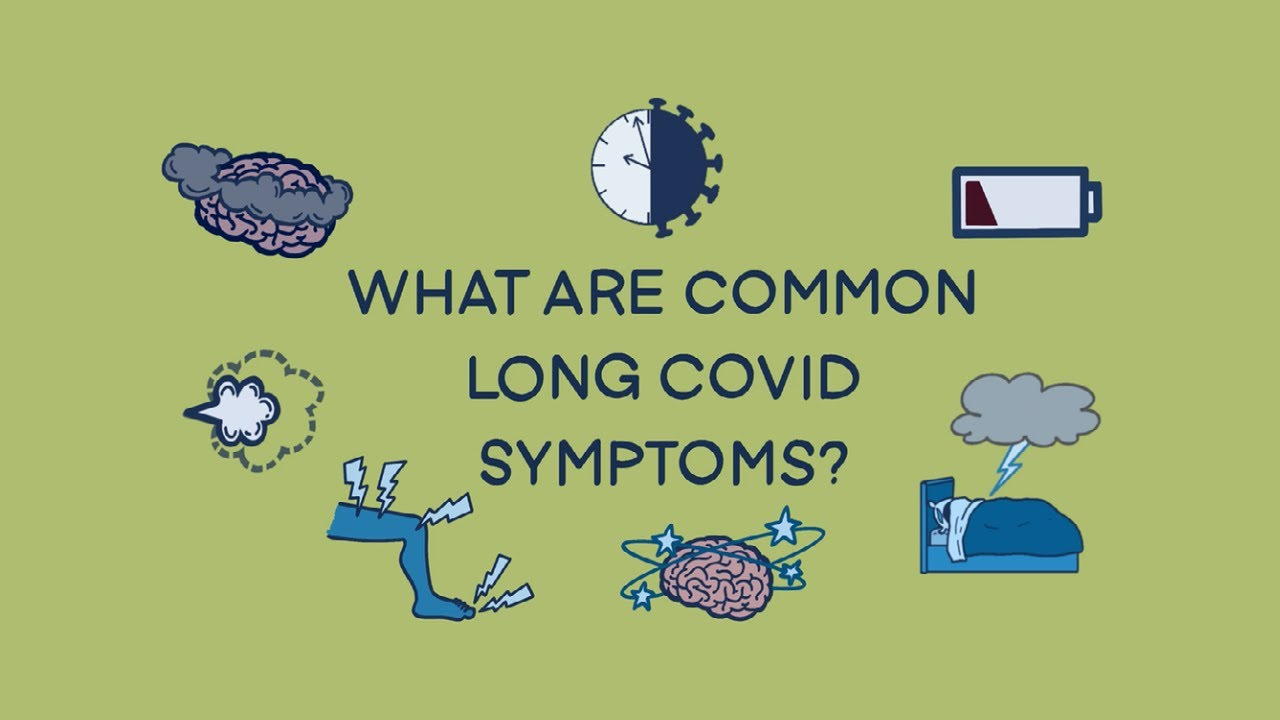
Long Covid prevalence vastly overestimated?

A group of scientists claim that flawed studies lacking control groups has mislead and increased public anxiety.

Our understanding of COVID is constantly evolving, much as the virus is itself. For example, new evidence shows that anti viral drugs aiming to treat the disease may in fact be fueling the virus’ evolution. Scientists said antiviral use increases the genetic diversity of the virus in the wild and provided more options for future evolution.

Another area is long COVID. Some studies estimate the prevalence of post-COVID symptoms is 25-45%.

However, scientists have cast doubt on these studies.

An opinion piecein BMJ Evidence-Based Medicine claims these studies have been misleading and vastly overestimate the prevalence of long COVID.

“Overly broad definitions”, “methodological flaws”, “striking absence of control groups”: these are just some of the issues of long COVID research studies according to scientists writing in an influential medical journal.

The US authors believe poorly conducted studies and lack of clarity around how to diagnoselong COVID has led “undue concern and anxiety” in the public.

They claim that treatable conditions are commonly misdiagnosed as long COVID, which diverts attention and funds away from people who truly suffer from conditions not caused by COVID-19.

“I think this publication is important because it gives food for thought. The first thesis put forward by the authors is that the frequency of long COVID is overestimated. I partially agree with that,” said Andreas Stallmach, head of the long COVID Center, Jena University Hospital, Germany.

The researchers call for clearer definitions and diagnostic criteria for long COVID, and the use of longitudinal studies with appropriate controls to better monitor the illness.

Long COVID or post-COVID symptoms?

One of the major issues the piece highlights is the lack of consistent terminology around long COVID and related post-COVID syndromes and symptoms.

None of the definitions provided by health bodies like the World Health Organization (WHO) and the US Centers for Disease Control and Prevention (CD) requires a causal link between the COVID-19 virus and a long COVID diagnosis.

The piece highlights several studies which failed to confirm prior COVID-19 infection in patients included in long COVID studies.

Long Covid prevalence vastly overestimated?

“Many studies include a broad range of symptoms without any evidence of a causal link to SARS-CoV-2 infection,” the authors write.

“Over 200 symptoms are now associated with COVID-19. All are largely unspecific and without a causal connection to the disease,” Peter Berlit, Secretary General, German Society for Neurology (DGN), told media outlets.

According to Berlit, the only hallmark symptoms of COVID-19 are impaired sense of smell and taste.

“There are also quite specific patterns of neurocognitive disorders that can last longer. But very few long-lasting symptoms can be attributed solely to COVID-19,” he said.

Studies lack rigor

The authors also claim many studies lack control groups with people who didn’t test positive for COVID-19, highlight a recent systemic review which identified control groups were only included in 11% of long COVID studies.

“I agree with the shortcomings described in the BMJ analysis. For example, the initial lack of control groups, the lack of a clear definition of the disease. Such deficiencies can distort the risk of disease.” said Clara Leman, an infectious disease specialist at Cologne University Hospital.

Berlit added that inadequate control groups in many studies have certainly contributed to the disease risk being overestimated today.

“Even in the opinion of many doctors, the number of long COVID patients is far too high,” said Berlit.

Long Covid not as prevalent as thought?

The piece highlights several, rigorous, long COVID studies which the authors believe give an accurate, “more reassuring” picture of long COVID prevalence.

For example, the study would refute the WHO’s claims that 36 million people in Europe are suffering from long COVID.

For example, a UK study found that 12 common symptoms of long COVID were prevalent in 5% of people 12-16 weeks after a COVID-19 infection.

However, the same symptoms were found in 3.4% of people who did not have a COVID-19 infection, showing only a 1.4% difference.

These figures also show how relatively common symptoms are in the population at any given time, say the authors.

The study calls for a new definition of long COVID which should include continuous symptoms after confirmed COVID-19 infection, and take into considering physical and mental health, which may contribute to an individual’s post-COVID experience.

“The fundamental problem is that there are currently no clear biomarkers or radiological findings that allow a clear diagnosis of long COVID,” said Lehmann.

Long COVID still a major health issue for some

The fact remains that many people are still struggling with debilitating long COVID symptoms, with women less likely to recover from long COVID.

While the authors strongly criticized the state of long COVID research, they hope their recommendations for research of long COVID will improve standards of medicine for those who do have long COVID.

Berlit stated that he agrees, saying we need to know more about patients’ history and social situation, as many previous physical and mental illnesses lead to an increased risk of long COVID.

“I’m not talking about long COVID being an imaginary illness, but depending on your previous illness and your life situation, just dealing with the potentially serious infection can lead to long-lasting symptoms,” said Berlit.

Researchers have identified a number of risk factors, but are still trying to work out what exactly causes long COVID in some people, and not in others.

Read more at-https://shorturl.at/cHILV

Categories
COVID-19 Government Guidelines Medical Updates Medicine & Health

‘Disease X’ could be 20 times deadlier than COVID-19, says expert

UK healthcare professionals are preparing for a potential new pandemic known as ‘Disease X,’ which could be more deadly than COVID-19, with the capacity to result in 20 times more fatalities. Disease X could potentially cause up to 50 million deaths.

As COVID-19 transitions into a recurring and more familiar health concern, healthcare professionals in the UK are now gearing up for a potential new pandemic known as “Disease X.” They caution that this new virus could have a similar impact to the devastating Spanish Flu of 1918-1920.

Health experts are sounding the alarm about “Disease X,” a term coined by the World Health Organization. They warn that this potential new pandemic has the capacity to result in 20 times more fatalities than the coronavirus. The COVID-19 pandemic began in 2020 and has tragically claimed the lives of over 2.5 million people worldwide. Here are the top 10 points about Disease X.

1. In an interview with the Daily Mail, Kate Bingham, who served as the chair of the UK’s Vaccine Taskforce from May to December 2020, expressed her belief that Disease X is expected to be considerably more perilous than COVID-19.


2. Based on expert estimates, Disease X could potentially result in up to 50 million fatalities. “Let me put it this way: the 1918-19 flu pandemic killed at least 50 million people worldwide, twice as many as were killed in World War I. Today, we could expect a similar death toll from one of the many viruses that already exist,” she told the Daily Mail.

In response to Disease X, Bingham asserted, “the world will have to prepare for mass vaccination drives and deliver the doses in record time.”

'Disease X' could be 20 times deadlier than COVID-19, says expert

3. She disclosed that while scientists have identified 25 virus families encompassing thousands of individual viruses, she holds the view that there are millions of viruses yet to be discovered, and these have the potential to evolve into pandemics.

4. “In a sense, we got lucky with Covid-19, despite the fact that it caused 20 million or more deaths across the world. The point is that the vast majority of people infected with the virus managed to recover. Imagine Disease X is as infectious as measles with the fatality rate of Ebola [67%]. Somewhere in the world, it’s replicating, and sooner or later, somebody will start feeling sick.”

5. The rise in outbreaks, according to Bingham, is attributed to the growing trend of more people congregating in urban areas. She also emphasizes that the continual destruction of millions of acres of natural habitat each year is contributing to this increase.

6. “This reason is particularly important, because around three-quarters of emerging infectious diseases originate in animals and then leap from species to species until they can, in certain circumstances, infect human beings.”

Mint is now on WhatsApp Channels :rocket: Subscribe today by clicking the link and stay updated with the latest financial insights! Click here!

7. According to Bingham, one of the initial actions that need to be taken is to allocate the necessary financial resources, essentially putting “the money on the table.” Bingham said, ” The monetary cost of inaction is seismic. After all, even Covid-19 – a milder virus than Disease X – managed to leave us holding a bill for $16 trillion in both lost output and public health expenditure.”

8. Regarding vaccines for Disease X, there are currently no approved vaccines available. Nevertheless, Bingham underscores the importance of scientists developing a collection of “different prototype vaccines for every threatening virus family”. She stressed that only a ‘head start’ on vaccines could help to target specific features of Disease X.

9. Bingham explained about the portfolio strategy – vaccines countering different facets of the virus. She explains by saying that ‘different types of vaccines stimulate different immune responses and therefore they provide different levels of protection’.

10. She further noted that the manufacturing capabilities vary enormously across countries and regions. Some vaccine formats may be suitable for large-scale production, while others may be easier to produce in the third world. Third, we need to address the shortcomings of current vaccines, not all of which are durable, easy to transport or cheap. Fourth, researchers must be encouraged to trial new technologies and approaches to vaccine design, potentially leading to more effective and efficient vaccines in the future.”

Read more at-https://shorturl.at/einQ3


Categories
COVID-19 Government Guidelines Medical Equipments Medical Updates

Immune cells are critical to efficacy of coronavirus vaccinations: Study

The study shows that vital subset of immune system cells that are required for successful vaccination of covid.

A study has provided fresh information on a vital subset of immune system cells required for successful vaccination against the SARS-CoV-2 pandemic virus.

The study, led by researchers at NYU Grossman School of Medicine and the New York Genome Centre, focused on T cells, which, along with B cells, form the human immune system’s response to invading viruses and bacteria. T lymphocytes labelled with the surface protein CD8 generate chemicals that kill infected cells directly. B cells secrete antibodies, which neutralise and mark contaminated cells for removal from the body.’

Vaccines expose patients to a bit of an invading bacterium in order to generate responses such as B and T cell activation so that the system is ready for the invader if it is met again. The COVID-19 mRNA vaccines were based on RNA, a genetic material utilised to encode the spike protein required by the virus to adhere to human cells. When mRNA instructions are injected, the spike is generated, and the immune response is activated.

In the rush to create vaccines against SARS-CoV-2, clinical trials relied mostly on antibody levels, when efficient diagnostics were available, to determine whether patients’ immune responses to mRNA vaccine candidates were protective. However, clinical protection was observed as early as ten days following the initial vaccine dose, well before neutralising antibodies could be produced. T cells were thought to be at least as significant in this protection, but normal methods for tracking them were too sluggish, so careful examinations of CD8 T cell responses were put on hold.

Immune cells are critical to efficacy of coronavirus vaccinations: Study

The study published in Nature Immunology describes a quick (high-throughput) approach for tracking T cell responses, demonstrates that they are critical to the early protection afforded by mRNA vaccines against COVID-19, and identifies the T cell subsets most responsible for it.

Our study identified markers for the CD8 T cells that arise from mRNA vaccination and that track closely with successful vaccination, which had previously been difficult to quantify on the population level,” said co-first study author Rabi Upadhyay, MD, assistant professor in the Department of Medicine at NYU Langone Health, and faculty in its Perlmutter Cancer Center.

“Although our study looks at mRNA vaccination against coronavirus, the antigen-specific CD8 T cell subpopulations we uncover represent key features of immune responses more broadly, and may help us to study T cells in other disease settings.”

For the current study, the research team analyzed gene expression over time in single T cells collected before and after immunization with the mRNA vaccine produced by BioNTech and Pfizer against SARS-CoV-2.

The researchers found distinct subsets of CD8 T cells that reliably multiplied (proliferated) 21 days after the original vaccination, specifically targeting and attacking key proteins (antigens) that make up the pandemic virus.

In looking at the genetic makeup of the most effective T cells, the researchers observed that cells lacking a surface protein called KLRG1, which stands for co-inhibitory receptor killer-cell lectin-like receptor G1, were the most likely to multiply quickly after mRNA vaccination and specifically attack.

When study authors checked for these profiles in hospitalized COVID-19 patients, those with the most “properly programmed” T cells – lacking KLRG1 but expressing other markers such as CD38 and HLA-DR – were the most likely to successfully recover from their infections.

In the years since the pandemic began, mRNA vaccines, first used against the virus, are now in clinical trials wherein they direct the body’s immune system to attack cancerous cells.

By clarifying T cell markers (e.g. KLRG1, CD38, HLA-DR), and the timeline for when CD8 T cells arise in the blood after vaccination, the new work may enable clinical teams to tell which patients are responding to the vaccines within days or weeks, say the authors.

That compares to the more than two months that oncologists must currently wait after mRNA vaccination to perform CT scans and assess whether their lung, breast, or prostate cancer patients responded to an mRNA vaccine.

If they are validated in this setting and dramatically shorten such wait times, the new profiling methods promise to help patients pivot more quickly to other treatments if necessary, the researchers say.

Furthermore, the study authors refer to a recent study led by a different research team which found that T cells with very similar attributes, again involving KLRG1, CD38, and HLA-DR, were the most effective at attacking cancer cells after treatment with an immune system-triggering drug (immunotherapy), just as they were the most effective at attacking the SARS-CoV-2 virus in the current study.

“It is remarkable that T cell attributes found after treatment with an effective immunotherapy mirrored those that we found to track with patient recovery from COVID-19,” said co-corresponding author Dan Littman, MD, PhD, the Helen L. and Martin S. Kimmel Professor of Molecular Immunology in the Department of Cell Biology at NYU Langone. “This pattern suggests that the close monitoring of antigen-specific CD8 T cell subpopulations will be central to future efforts to design treatments and vaccines against either viruses or tumours.”

Read more at-https://shorturl.at/HKRY1

Categories
COVID-19 Medical Equipments Medical Updates Medicine & Health

Older adults with COPD had depression during COVID pandemic: Study

According to a new longitudinal study published online in the International Journal of Chronic Obstructive Pulmonary Disease (COPD), older persons with COPD were at a higher risk of depression during the early phases of the COVID-19 epidemic

The study looked at 875 people with COPD from the Canadian Longitudinal Study on Ageing, a national study of Canadian seniors. Using longitudinal data, researchers were able to distinguish between 369 COPD patients who had a history of depression previous to the pandemic and 506 patients who had never experienced depression prior to the pandemic.

Researchers discovered that 1 in 6 people with COPD who had no prior history of depression experienced depression for the first time during the early phases of the pandemic. These findings show the toll that the epidemic inflicted on many people who had previously been depression-free.

“Our findings highlight the substantial burden of COVID-19 on those who were mentally healthy prior to the pandemic,” said first author Aneisha Taunque, research assistant at the Institute for Life Course and Aging at the University of Toronto. “It is evident that the pandemic has had a detrimental impact on the mental health of many individuals, even those who had no lifetime history of depression.”

When the analysis was restricted to those who had a history of depression prior to the pandemic, the prevalence of depression was substantially higher, with approximately one-half of these individuals experiencing a recurrence or persistence of depression during the autumn of 2020.

Older adults with COPD had depression during COVID pandemic: Study

“Older adults who have a history of depressive episodes are a highly vulnerable subset of the population, particularly those who faced numerous challenges with managing their chronic health conditions during the pandemic when access to regular health care was severely disrupted,” said co-author Grace Li, PhD candidate in the Sociology Department at the University of Victoria.

“The COVID-19 pandemic further exacerbated the risk of depression among those with COPD,” says co-author Ishnaa Gulati, a Master of Public Health Student at the University of Toronto’s Dalla Lana School of Public Health. “There was already an established higher risk of depression among individuals with COPD when compared to those without COPD prior to the pandemic,” Gulati said. “When considering the mental health stressors during the pandemic, such as extended periods of lockdown, economic precarity, and concerns about contracting or spreading COVID-19, it is unsurprising that this group experienced major mental health challenges during this period.”

Although there is a burgeoning body of research examining depression during the pandemic, very little research has specifically examined the vulnerabilities among those with COPD. Understanding the risk factors for depression in subpopulations of older adults can aid health professionals in more effectively targeting treatment.

The study’s researchers highlighted several risk factors for both incident and recurrent depression among those with COPD, including loneliness, family conflict, and functional limitations.

“We found that experiencing functional limitations approximately doubled the risk of depression among older adults with COPD,” said co-author Ying Jiang, Senior Epidemiologist at the Public Health Agency of Canada.

“Physical activity is integral for maintaining functional status and reducing functional limitations among COPD patients, however many individuals with COPD are hesitant to engage in physical activity. Increases in time spent sedentary during periods of lockdown may have further ramifications for this population, potentially contributing to increases in depression.”

Women with COPD also had nearly double the risk of recurrent depression when compared to their male counterparts.

“During the pandemic, many women experienced an exacerbation of gendered roles, such as increased time spent caregiving and doing household labour, which may have contributed to declines in their mental health,” said co-author Margaret de Groh, Scientific Manager at the Public Health Agency of Canada.

Among individuals with no history of depression, experiencing disruptions to healthcare access was associated with approximately double the risk of incident depression.

“Many people with COPD encountered difficulties accessing pulmonary rehabilitation services during the pandemic, which are essential for supporting both the physical and mental health of COPD patients,” said co-author Andie MacNeil, research assistant at the University of Toronto’s Factor Inwentash Faculty of Social Work (FIFSW).

“Our finding that disruptions to healthcare access were associated with incident depression highlights the reverberating consequences when healthcare is inaccessible.”

Senior author, Esme Fuller-Thomson, a Professor at FIFSW and Director of the Institute for Life Course & Aging says she hopes the study’s findings can help inform healthcare workers and social service providers about the pandemic’s impact on the mental health of people with COPD. “Future research should continue to examine depression among older adults with COPD to better understand the pandemic’s cascading impact, even in the post-COVID era,” Fuller-Thomson said.

Read more at-https://shorturl.at/lmEJV

Categories
Medical Updates Medicine & Health

World Alzheimer’s Day: 7 things you should do every day to cut Alzheimer’s disease risk

World Alzheimer’s Day: While there is no cure of Alzheimer’s the disease can be avoided by following certain lifestyle habits.

Alzheimer’s disease can have a devastating impact on one’s life. The neurological disease shrinks the brain and over a course of time diminishes thinking, memory, and social skills. In advanced stage, people with Alzheimer’s are completely dependent on their caretakers and eventually with severe loss of brain function, people can suffer from dehydration, malnutrition or infection. This can even turn fatal and cause death. Studies prove that chances of Alzheimer’s can be reduced with lifestyle modifications be it regular physical activity, good diet, managing stress and chronic conditions. (Also read: World Alzheimer’s Day 2023: Date, history, significance)

As per researchers, compared to people with no or one healthy lifestyle factors, the risk of Alzheimer’s was 37% lower in those with two to three, and 60% lower in those with four to five healthy lifestyle factors. The lifestyle factors in this study include at least 150 minutes per week of moderate to vigorous-intensity physical activity, not smoking, light-to-moderate alcohol consumption, a high-quality, mediterranean-DASH Intervention for Neurodegenerative Delay (MIND) diet and engagement in late-life cognitive activities.

“Alzheimer’s disease poses a devastating global challenge, impacting millions of individuals. While a definitive cure remains elusive, mounting evidence suggests that adopting specific lifestyle choices can mitigate the likelihood of developing this debilitating ailment. By integrating the following seven habits into your daily regimen, you can proactively safeguard your brain health and diminish the risk of Alzheimer’s,” says Dr Neha Kapoor, Associate Director & Head-Neurology, Asian Hospital Faridabad.

On the occasion of World Alzheimer’s Day (September 21), here are factors that can help reduce risk of the disease.

World Alzheimer's Day: 7 things you should do every day to cut Alzheimer's disease risk

Lifestyle habits that can help cut Alzheimer’s risk

1. Embrace a heart-healthy diet

Cultivate a diet abundant in fruits, vegetables, whole grains, and lean proteins to bolster brain health. Prioritize foods rich in antioxidants, such as berries and leafy greens, which combat brain inflammation and oxidative stress. Additionally, incorporate omega-3 fatty acids from sources like salmon and walnuts to further reduce Alzheimer’s risk.

2. Engage in regular physical activity

Establish a consistent exercise routine to enhance overall health and decrease Alzheimer’s susceptibility. Strive for a minimum of 150 minutes of moderate-intensity aerobic exercise or 75 minutes of vigorous-intensity activity weekly. Exercise stimulates improved cerebral blood circulation, fosters the release of brain-protective compounds, and maintains optimal brain tissue health.

3. Foster mental stimulation

Keep your cognitive faculties engaged through regular challenges. Activities like reading, puzzles, acquiring new skills, and participating in intellectually stimulating conversations fortify cognitive reserves, potentially delaying the onset of Alzheimer’s symptoms.

4. Prioritize quality sleep

Give your brain the restorative sleep it needs by aiming for 7-9 hours of nightly rest. Inadequate sleep patterns and sleep-related disorders are associated with heightened cognitive decline and Alzheimer’s risk.

5. Manage stress

Chronic stress can detrimentally impact brain health. Incorporate stress-reduction techniques into your daily routine, such as mindfulness meditation, yoga, deep breathing exercises, or enjoyable hobbies. Reducing stress levels can safeguard your brain against harm caused by excessive cortisol production.

6. Cultivate social connections

Social engagement is a cornerstone of brain health. Regular interaction with friends and family, participating in group activities, and nurturing social ties can preserve cognitive function. Loneliness and isolation are linked to an increased Alzheimer’s risk.

7. Monitor chronic health conditions

Maintain vigilance over your overall health, particularly conditions like hypertension, diabetes, and high cholesterol, as they elevate Alzheimer’s risk. Collaborate closely with your healthcare provider to effectively manage these conditions.

“Adopting these habits into your daily life can significantly diminish your Alzheimer’s risk. Consistent, long-term practice is crucial for their effectiveness. Additionally, consult a healthcare professional for personalized guidance in crafting a brain-healthy lifestyle tailored to your specific needs and risk factors. Proactive care for your brain enhances the prospect of enjoying a vibrant and cognitively sound life as you age,” says Dr Kapoor.

Read more at-https://shorturl.at/aPW79

Categories
Medical Updates Medicine & Health

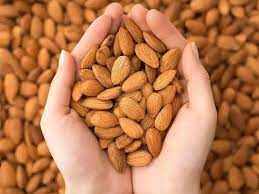
Almonds with energy-restricted diets aid in weight loss, improve cardiometabolic health: Study

When it comes to weight reduction, nuts often get a poor rap. However, recent research indicates that you can eat almonds and lose weight at the same time.

Researchers discovered that incorporating almonds into a low-energy diet not only helped participants lose weight but also improved their cardiometabolic health. The study was published in the journal Obesity.

When it comes to weight reduction, nuts often get a poor rap: while they’re high in protein, they’re also heavy in fat, which often puts people off. However, recent research from the University of South Australia indicates that you can eat almonds and lose weight at the same time.

Researchers showed that when energy-restricted diets were supplemented with Californian almonds or carbohydrate-rich snacks, both diets successfully lowered body weight by roughly 7kg.

More than 1.9 billion persons worldwide are overweight (650 million are obese). In Australia, two out of every three persons (about 12.5 million adults) are overweight or obese.

According to UniSA researcher Dr Sharayah Carter, the study shows how nuts can help with weight control and cardiometabolic health.

“Nuts, like almonds, are a great snack. They’re high in protein, and fibre, and packed with vitamins and minerals, but they also have a high fat content which people can associate with increased body weight,” Dr Carter said.

Almonds with energy-restricted diets aid in weight loss, improve cardiometabolic health: Study

“Nuts contain unsaturated fats – or healthy fats – which can improve blood cholesterol levels, ease inflammation, and contribute to a healthy heart.

“In this study, we examined the effects of an almond-supplemented diet with a nut-free diet to identify any influence on weight and cardiometabolic outcomes.

“Both the nut and nut-free diets resulted in approximately 9.3 per cent reduction in body weight over the trial.

“Yet the almond-supplemented diets also demonstrated statistically significant changes in some highly atherogenic lipoprotein subfractions, which may lead to improved cardiometabolic health in the longer term.

“Additionally, nuts have the added benefit of making you feel fuller for longer, which is always a pro when you’re trying to manage your weight.”

Read more at-https://shorturl.at/fikL5

Categories
Government Guidelines Medical Updates Medicine & Health

Nipah virus outbreak: Top 10 symptoms of the deadly virus; prevention and treatment tips

While Nipah virus starts with mild symptoms like headache, muscle pain, fatigue, nausea, it may progress to deadly symptoms as the disease advances.

Amid the outbreak of Nipah virus in Kerala, the state has been taking all the precautionary measures to control the spread. So far, two people have died and at least five have been infected by the virus which has high mortality rate but is less infectious.

WHO says the Nipah virus’s fatality rate may be between 40- 75 percent. Nipah virus is a viral infection and the name ‘Nipah’ comes from a Malaysian village, where the first outbreak was reported in 1998-1999 and it has high mortality.

While Nipah virus starts with mild symptoms like headache, muscle pain, fatigue, nausea, it may progress to mental confusion, seizures and encephalitis when the virus starts affecting brain function.

What is Nipah virus?

“Nipah virus (NiV) is a zoonotic virus that can cause severe illness in humans. It is primarily transmitted from animals to humans and can also spread from human to human. The symptoms of Nipah virus infection can range from mild to severe,” says Dr Ajay Aggarwal, Director – Internal Medicine, Fortis Hospital Noida.

“Nipah virus was first identified in 1998 during an outbreak in Malaysia. Nipah virus infection can lead to severe respiratory illness and encephalitis (inflammation of the brain),” says Dr G Sneha, Consultant – General Medicine, CARE Hospitals, Banjara Hills, Hyderabad.

“Nipah virus is primarily seen in Indo Bangladesh region. In Malaysia, the source of infection was nosocomial, the source being pigs and bats who had transmitted the virus to humans. Consecutively, human to human infection is the cause of spread of the infection through droplet infection. Recently, two unnatural deaths were reported in Kozhikode, Kerela suspected to be due to a new virus outbreak in the area. It is feared that the deaths might be caused due to the Nipah virus,” says Dr Tushar Tayal, Consultant, Internal Medicine, CK Birla Hospital, Gurugram.

Symptoms of Nipah virus

Initial symptoms of Nipah virus are non-specific such as fever, headache, dizziness, myalgia, vomiting and loose stools. This may progress to brain involvement in the form of seizures and encephalitis. There may also be respiratory involvement causing respiratory failure.

“Nipah infection has very high morbidity in the form of psychiatric and neurological complications (depression, personality changes, deficits in attention, verbal, and/or visual memory) after recovery. Mortality rate of Nipah is also very high as it is majorly untraceable, and has a fatality rate of 40 to 75 percent, according to the World Health Organisation (WHO),” says Dr Tayal.

Dr Ajay Agarwal shares Nipah virus’s symptoms in detail:

1. Fever: Nipah virus infection often starts with a high fever.

2. Headache: Headaches are a common early symptom.

3. Muscle pain: Muscle aches and pain may occur, similar to flu-like symptoms.

4. Fatigue: Profound weakness and fatigue can be present.

5. Nausea: Many individuals experience nausea, sometimes accompanied by vomiting.

6. Dizziness: Some people may feel dizzy or lightheaded.

7. Mental confusion: As the disease progresses, confusion and disorientation may develop.

8. Seizures: In severe cases, individuals may experience seizures due to neurological complications.

9. Respiratory symptoms: Respiratory distress, including difficulty breathing, can occur in severe cases.

10. Coma: In the most severe cases, individuals can slip into a coma.

Dr G Sneha shares the following symptoms for Nipah virus

Fever: Nipah virus infection often begins with a high fever, typically 3 to 14 days after exposure.

Headache: Severe headaches are common.

Dizziness: Patients may experience dizziness or disorientation.

Nausea and vomiting: Gastrointestinal symptoms like nausea and vomiting may occur.

Neck rigidity: Stiff neck and muscle pain can be early signs of the infection.

Mental confusion: As the disease progresses, patients may become disoriented and develop mental confusion.

Coma: In severe cases, Nipah virus infection can lead to a coma within 24-48 hours.

“Furthermore, it’s crucial to take precautions to prevent Nipah virus transmission, as it can spread from person to person through close contact, respiratory droplets, or contact with contaminated objects or surfaces. Public health measures such as isolation, quarantine, and infection control practices are essential to prevent outbreaks of Nipah virus infection. If you suspect a Nipah virus outbreak in your area or have concerns about potential exposure, it’s essential to contact local health authorities for guidance and follow recommended preventive measures,” says Dr Agarwal.

Nipah virus outbreak: Top 10 symptoms of the deadly virus; prevention and treatment tips

Treatment

Dr G Sneha says there is no specific antiviral treatment for Nipah virus infection and supportive care is the mainstay of treatment.

It may include:

1. Hospitalization: Infected individuals are usually hospitalized to receive appropriate medical care and to prevent the spread of the virus.

2. Supportive care: This includes intravenous fluids to maintain hydration, pain management, and mechanical ventilation in severe cases to assist with breathing.

3. Experimental treatments: In some cases, experimental antiviral drugs or therapies may be considered, but their effectiveness is not well established.

“Also, there are very few experimental medications such as Ribavirin and favipiravir which have shown some benefit, but the treatment remains primarily symptomatic,” says Dr Tayal.

Management

Dr G Sneha suggests Nipah virus patient should be isolated and quarantined. Here are points to remember:

1. Isolation and quarantine: Infected hould be isolated to prevent further transmission. Close contacts should be monitored and quarantined if necessary.

2. Infection control: Healthcare workers and caregivers should follow strict infection control measures to prevent the spread of the virus.

3. Preventive measures: In areas with known Nipah virus outbreaks, measures such as avoiding contact with sick animals, not consuming fruits contaminated by bat saliva or urine, and practicing good hygiene are important for prevention.

4. Vaccines: Research is ongoing, and vaccines are being developed, but as of my last update in September 2021, there was no licensed vaccine for Nipah virus.

“Hand hygiene and personal protective equipment (PPE) remain as pillars of comprehensive infection prevention. We have to remember our learning from Covid and use the same precautions that we have been following for the past few years that is hand hygiene, social distancing and usage of masks,” says Dr Tayal.

Read more at-https://shorturl.at/osuB2

Categories
Government Guidelines Medical Updates Medicine & Health

Tips to maintain a healthy diet during office hours

Maintaining a healthy diet during office hours is crucial for your well-being and productivity. Here are some tips to help you stay on track.

Within the conventional 9-to-5 grind at workplace, challenges arise as the fast-paced work rhythm strains even the most resilient individuals. Individuals who work at a workstation while in a seated position are more inclined to have unhealthy eating habits.

According to the National Family Health Survey, roughly 10% of Indians, primarily women, consume deep-fried meals on a daily basis and 36% on a weekly basis. In an interview with HT Lifestyle, Dr Mukesh Batra, Founder and Chairman Emeritus at Dr. Batra’s Healthcare, shared, “The gravitational pull towards readily available, calorie-laden junk food becomes a tempting escape, subtly leading to weight gain and associated health concerns. Such dietary choices take a toll on both productivity and overall well-being. The crux lies in a pivotal choice – to choose sustenance that rejuvenates rather than incapacitates.”

He suggested, “A collection of nutrient-rich alternatives stands ready – nuts, seeds, Greek yogurt, vibrant vegetables, succulent fruits, and the nourishing embrace of whole-grain crackers, each bestowing sustained energy and vitality. Amid the bustling work hours, committing to consuming 3 to 4 liters of water daily can become transformative. By resisting sugary drinks, indulge in herbal teas’ comfort instead. Also, by balancing hunger’s pull, people can learn that satisfaction doesn’t equate to excess. Mindfully embracing smaller portion sizes, aided by smaller plates and bowls, orchestrates moderation’s symphony and curbs overindulgence. The intentional nourishment of human bodies can become a declaration of empowerment.”

Tips to maintain a healthy diet during office hours

According to Dr Diti Makhija, Director at QMS MAS, maintaining a healthy diet during office hours is crucial for your well-being and productivity. She recommended some tips to help you stay on track –

1. Drink Adequate Water: Start your day by drinking a glass of water, and aim to continue sipping water throughout the day. Staying hydrated aids in digestion, helps control appetite, and keeps you energised.

2. Healthy Snacking: Instead of reaching for unhealthy snacks, keep a small box of nutritious options handy. Some good choices include a mix of almonds, dates, and raisins. These provide protein, fiber, and essential nutrients to keep you satisfied.

3. Limit Caffeine: While a cup of coffee or tea can provide a quick energy boost, excessive caffeine can lead to hyperacidity and jitters. Consider switching to healthier alternatives like herbal teas or fresh fruit juices.

4. Pack a Balanced Lunch: Prepare your lunch at home whenever possible. Include a variety of foods from different food groups: lean proteins, whole grains, vegetables, and fruits. This balanced meal will provide sustained energy throughout the day.

5. Healthy Cravings: When you’re craving a snack, opt for healthier options. Carry small packets of flavored Makhana (fox nuts) or protein bars. These choices are low in unhealthy fats and sugars and can satisfy your cravings without derailing your diet.

Remember, maintaining a healthy diet during office hours is about making conscious choices and planning ahead. By staying hydrated, snacking wisely, and having a balanced lunch, you’ll not only boost your productivity but also promote your overall health.

Read more at-https://shorturl.at/arC38

Categories
Medical Equipments Medical Updates Medicine & Health

New variant of chickenpox causing virus in India; know symptoms of Clade 9 and prevention tips

Chickenpox strain Clade 9 which is usually common in countries like UK and US is detected in India. Know its common symptoms.

A new variant of chickenpox namely Clade 9 has been detected in the country. The National Institute of Virology (NIV) has found the presence of Clade 9 variant of chickenpox-causing varicella-zoster virus (VZV) for the first time in India; the said variant is more common in countries like Germany, UK and US. Varicella-zoster virus is one of the nine herpes viruses and causes chickenpox in children, teens and shingles in adults. In India, so far Clade 1 and Clade 5 have been found, but Clade 9 has been detected for the first time.

What is Clade 9?

Clade 9 is a variant of varicella zoster virus (VZV) that causes chickenpox, a common childhood illness, says Dr Vineeta Taneja – Director – Internal Medicine – Fortis Hospital, Shalimar Bagh.

Common strains of Varicella zoster in India

“Varicella zoster is a virus which causes chickenpox in younger population and shingles in adults. Clade 1 and 5 were the variants of varicella zoster known to cause infection in Indian population. But in a recent survey, it was found that Clade 9 which is the dominant strain in western countries, has been found in circulation in the Indian subcontinent too,” says Dr Tushar Tayal, Consultant- Internal Medicine, CK Birla Hospital, Gurugram.

What are its symptoms?

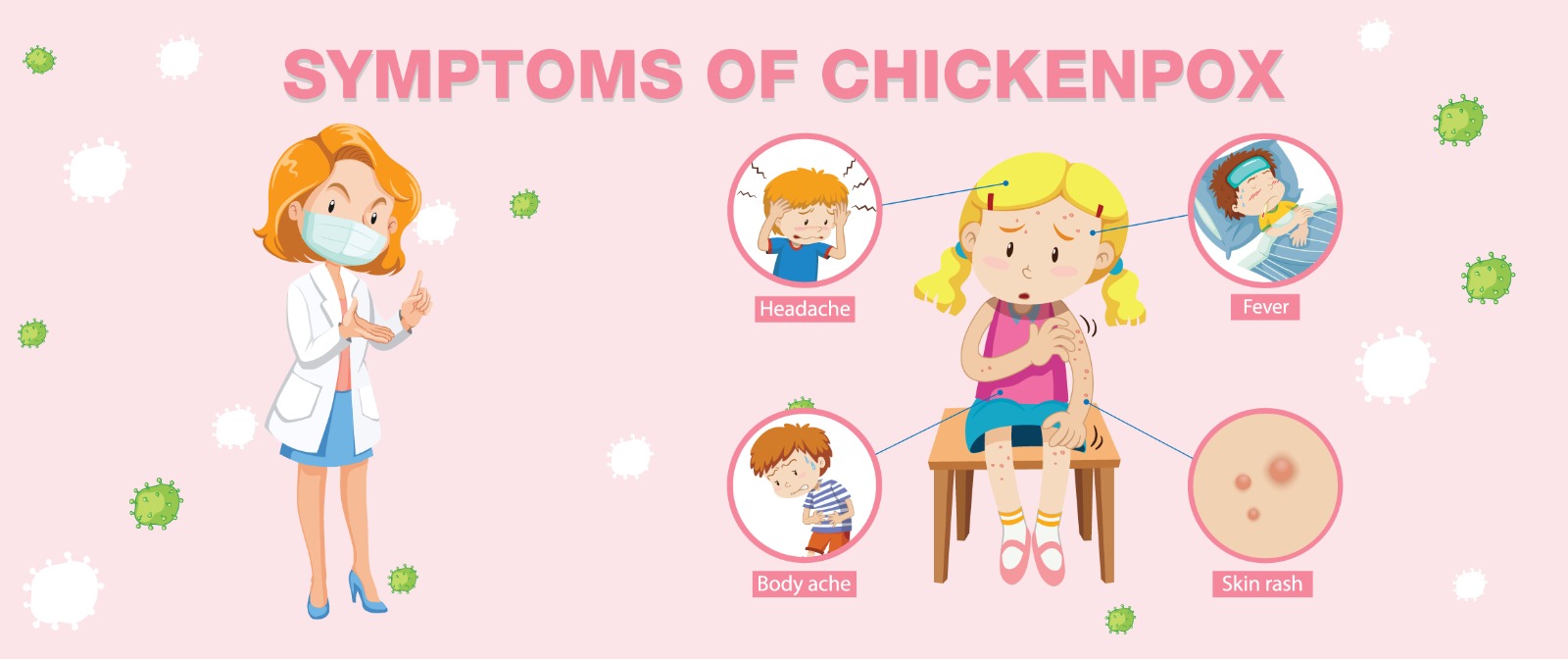
Some of the symptoms of Clade 9 includes rash, fever, loss of appetite, headache, fatigue and an overall sense of ill health, adds Dr Taneja.

The chicken pox rash appears 2-3 weeks after exposure to the virus. Prior to appearance of rash, patient develops fever, body ache and headache. The rash appears in form of bumps called papules followed by small fluid-filled blisters called vesicles which eventually heal with formation of scabs. The fever settles 1-2 days after the appearance of rash. The entire process happens over a period of 2 weeks and the person is infective to others 2 days prior to onset of rash and the infectivity continue till scab formation,” says Dr Tayal.

Is clade 9 more severe than previous variants?

“Presently there is no difference in the severity of infection with Clade 9 as compared to the previous variants,” adds Dr Tayal.

New variant of chickenpox causing virus in India; know symptoms of Clade 9 and prevention tips

Prevention tips

Dr Vineeta Taneja says the most effective way to prevent chickenpox is getting vaccinated. One should also practice good hygiene and regular handwashing can also help.

“In many countries, including the United States and several European countries, the Varicella vaccine is routinely administered to children as part of the immunization schedule. If you’re in a region where this vaccine is available, make sure you and your children are up-to-date with their vaccinations,” says Dr Taneja.

“Practicing good hygiene can help reduce the risk of VZV transmission. Encourage regular handwashing with soap and water, especially after coughing, sneezing, or touching the face. Avoid close contact with individuals who have chickenpox or shingles,” she adds.

Here are other prevention tips to follow:

Isolation: If someone in your household has chickenpox, try to isolate them from others, especially individuals who are at high risk of severe complications, such as pregnant women, newborns, and individuals with weakened immune systems.

Cover coughs and sneezes: Teach proper cough and sneeze etiquette to minimize the spread of respiratory droplets that may contain the virus. Use a tissue or your elbow to cover your mouth and nose when coughing or sneezing.

Avoid sharing personal items: Refrain from sharing personal items like towels, clothing, and utensils with someone who has chickenpox until they are no longer contagious.

Maintain a healthy lifestyle: A strong immune system can help prevent infections. Ensure you and your family members maintain a healthy lifestyle with a balanced diet, regular exercise, and adequate sleep.

Seek medical advice: If you or your child is exposed to chickenpox or develops symptoms, seek medical advice promptly. There may be specific recommendations from healthcare professionals to manage the situation, especially if you or your child are at higher risk of complications.

Post-exposure prophylaxis: In some cases, post-exposure prophylaxis with Varicella-Zoster Immune Globulin (VZIG) may be recommended for individuals at high risk of severe disease after exposure to chickenpox. Consult a healthcare provider for guidance.

Treatment

Antiviral medications: Antiviral drugs, such as acyclovir, valacyclovir, or famciclovir, are commonly prescribed to manage VZV infections. These medications can help reduce the severity and duration of symptoms, as well as the risk of complications. Treatment should ideally start within 72 hours of the rash onset for maximal effectiveness.

Pain management: Pain, itching, and discomfort are common symptoms of VZV infections. Over-the-counter pain relievers like acetaminophen or nonsteroidal anti-inflammatory drugs (NSAIDs) can help alleviate these symptoms.

Calamine lotion: Applying calamine lotion to the skin can help relieve itching and discomfort associated with chickenpox or shingles rashes.

Cool baths: Taking cool baths or applying cool, damp compresses to the affected areas may provide relief from itching.

Rest: Rest is important to support the body’s immune response and help with the healing process.

Antibiotics: Antibiotics may be prescribed if a secondary bacterial infection occurs as a complication of scratching the rash.

Topical antivirals: In some cases, topical antiviral creams or ointments may be used to manage skin lesions, particularly in cases of herpes zoster.

Antiviral prophylaxis: High-risk individuals, such as those with weakened immune systems, may be given antiviral medications as prophylaxis if they are exposed to VZV to prevent severe disease. Consult a healthcare provider for guidance.

Eye care: If the eye is affected by herpes zoster (ophthalmic shingles), consult an eye specialist (ophthalmologist) for proper evaluation and treatment.

Pregnant women: Special precautions and management may be required for pregnant women who develop chickenpox or shingles, as these infections can pose risks to the foetus. Consult a healthcare provider for guidance.

“Treatment of chicken pox is primarily symptomatic. Antivirals may be added for reducing the severity of infection and duration of recovery. Self isolation is extremely important to prevent spread of u infection to unvaccinated population and elderly. Prevention of chicken pox is with help of varicella zoster vaccine which is to be taken in 2 doses 4 months apart,” says Dr Tayal.

Read more at-https://shorturl.at/koruL