Categories
Government Guidelines Medical Updates Medicine & Health

Heart damage: Another reason to cut down on children’s screen time

Evidence indicates that excessive screen time is harmful both to neurological development and socialisation.

The effects of prolonged screen use during childhood have been extensively studied in recent years. Evidence indicates that excessive screen time is harmful both to neurological development and socialisation. This is because, among other things, they cause us to disconnect from our surroundings, leading to very real addictions that often require intervention from a mental health professional.

Additionally, screen use can cause neurocognitive learning disorders at the early stages of personality formation in childhood.

But above all, excessive time spent in front of televisions, video games, mobile phones and tablets during childhood and adolescence leads to a sedentary lifestyle.

In fact, there is already a proven link between overuse of screens and the increase in sedentary lifestyles among children.

Now, a new dimension can be added to all these reasons for limiting the time children spend in front of televisions, video games and mobile phones.

According to a new study, led by Andrew Agbaje at the University of Eastern Finland in Kuopio and presented at the European Society of Cardiology Congress 2023, sedentary children are at increased risk of heart damage in early adulthood.

Heart damage: Another reason to cut down on children’s screen time

In other words, inactivity during infancy may well set the stage for heart attacks and strokes later in life, even if weight and blood pressure are within the normal ranges.

Excessive screen time increases heart weight

The research analysed the cumulative effects of sedentary time on the heart, drawing data from Children of the 90s, a landmark multigenerational study that is unique in its breadth and depth of scope.

It tracked the health and lifestyles of 14,500 babies born in 1990 and 1991 into their adult lives.

Of the children included in the study, 766 –55 per cent of them girls and 45 per cent boys– were asked at age 11 to wear a smart watch that monitored their activity for seven days.

At age 15 they were asked to repeat this, and then again at 24. In parallel, an echocardiographical analysis was taken of each subject’s left ventricle at ages 17 and 24, which was then adjusted for height, sex, blood pressure, body fat, tobacco use, physical activity and socioeconomic status.

The results indicated that at age 11 the subjects were sedentary for an average of 362 minutes per day.

In adolescence (age 15) this increased to 474 minutes per day, and then went up to 531 minutes per day in adulthood (age 24).

Sedentary time increased by an average of 2.8 hours per day over the 13 years of the study.

A large amount of this sedentary time was spent in front of screens. `Most seriously, the echocardiography registered an increase in heart weight among young people that correlated directly to time spent being sedentary.

Once they entered adulthood, this increased the likelihood of heart attacks and strokes.

This direct relation between accumulated inactive time and heart damage was independent of body weight and blood pressure.

Tell me how much you moved as a child…

By now it is common knowledge that sedentary lifestyles increase the risk of metabolic conditions (such as obesity and type 2 diabetes), neurodegenerative disease and cardiovascular disease in adults.

The new study shows that sedentary behaviour at a very early age –especially unrestricted screen time– may lead to an earlier onset of cardiovascular disease in adulthood.

For this reason, it is of the utmost importance that parents encourage children and adolescents to move around more, and limit the time they spend watching television, or using social media and videogames.

As we have already suggested with regard to premature birth, the list of known, conventional cardiovascular risk factors (smoking, diabetes, hypertension, etc.) should be revised and updated as a result of the study to include the cumulative time spent engaging in sedentary behaviour in childhood.

We should all, from an early age, heed the words of Martin Luther King when he said “If you can’t fly, then run. If you can’t run, then walk. If you can’t walk, then crawl, but whatever you do, you have to keep moving.”

Read more at- https://shorturl.at/rvxO3

Categories
Medical Equipments Medical Updates Medicine & Health

5 nutrients that can help reduce anxiety

  • A good mental health not just requires rest, rejuvenation and de-stressing, but also nutrition. If you are suffering from anxiety, here are nutrients to add.

Your diet can be a secret weapon for mental well-being. Nutrients play a pivotal role in promoting good mental health and reducing anxiety,” says Nutritionist Lovneet Batra in her recent Instagram post.

Vitamin D: Vitamin D has immunomodulatory, neuroprotective, and neurotrophic properties and may affect the brain tissues involved in the pathophysiology of anxiety.

NAC: The anti-inflammatory activity of NAC is protective against chronic inflammation, which is implicated in the pathogenesis of many psychiatric disorders. NAC can influence the balance of a neurotransmitter called glutamate in the brain. Imbalances in glutamate are associated with anxiety disorders, and NAC may help restore this balance.

5 nutrients that can help reduce anxiety

Magnesium: Magnesium is involved in regulating neurotransmitters and the function of the central nervous system. It helps balance the excitatory and inhibitory signals in the brain, potentially reducing anxiety symptoms. Magnesium may stimulate the production of gamma-aminobutyric acid (GABA), a neurotransmitter that has a calming effect on the brain.

Probiotics: Probiotics have the ability to restore normal microbial balance, and therefore have a potential role in the treatment and prevention of anxiety. They can play a key role in mood regulation by helping to reduce inflammation in your body, produce feel-good neurotransmitters, and affect your stress response.

Probiotics: Probiotics have the ability to restore normal microbial balance, and therefore have a potential role in the treatment and prevention of anxiety. They can play a key role in mood regulation by helping to reduce inflammation in your body, produce feel-good neurotransmitters, and affect your stress response.

Read more at-https://shorturl.at/acEI9

Categories
Medical Equipments Medical Updates Medicine & Health

Things that you need to let go for your personal growth

From letting people’s opinion affect us to being afraid of change, here are a few things that we should let go for our personal growth.

As we grow up, we need to learn a lot of things that are good and healthy for our mental health. Besides learning, unlearning certain things is also important. Knowing what to hold on to and what to let go helps in determining the curve of personal growth that we are working on. When we start to identify things that are holding us back from developing ourselves and becoming a better version, we should learn to let them go slowly but steadily. Sometimes, we hold onto certain teachings, habits and patterns since childhood because of the orientation we received in the family and from past experiences. Personal growth involves understanding what is unhealthy for us and what no longer serves us and letting those things go.

Therapist Israa Nasir addressed this and shared a few things that we need to let go for our personal growth:

Things that you need to let go for your personal growth

Thinking that sacrifice and love are the same: We often mistake sacrifice with love. This happens because of how we have seen the older generation glorify sacrifices. However, these two are extremely different things, and love does not need to be conditional. We should set clear boundaries in love and understand that sacrifice is not always driven by love – it also often leads to resentment.

Letting other people’s opinions guide you: While we all need a little bit of guidance in life, we should know that the perspectives of others have nothing to do with us. How they perceive us is based on their orientation – we should learn to have our own perspectives of ourselves and love ourselves no matter what.

Feeling responsible for other people’s emotions: We always should take ownership of our own mistakes, but we should also identify things that we have no control over and learn to move on from them.

Comparing ourselves to others: Each person has their own set of strengths, weaknesses, boundaries and skills. When we start to compare our progress with that of others, we start to disrespect ourselves more. Instead, we should love and embrace ourselves.

Being afraid of change: Life demands changes with time. We should be able to make changes and adapt to the changing environments with time. That is the only way to move forward.

Read more at-https://t.ly/99B4a

Categories
Medical Updates Medicine & Health

Navratri 2023: How dandiya raas can help in weight loss, improve heart health. Know all benefits

Navratri is the festival of fasting and feasting. It is also the time to rejoice and have social gatherings. The nine-day festival is celebrated with diverse traditions across the country and notable one among them is Gujarat’s folk dance Dandiya Raas. Devotees in Gujarat and even other parts of the country participate in this highly energetic dance form, wearing beautiful and colourful traditional outfits. Dandiya Raas is performed used wooden sticks known as dandiyas. It is performed in large groups where men and women dance using these sticks for various dance moves. Playing Dandiya Raas is an exhilarating experience and not just brings benefits for physical but also mental health. It is quite a fun way to burn calories, release stress, and doing arm workout. The dance form is also a good cardiovascular workout and improves the heart rate.

Shardiya Navratri brings with it the opportunity to engage in the traditional dance form of Dandiya, and it is worth noting the numerous health benefits associated with this activity,” says Chitharesh Natesan, professional bodybuilder and gym trainer in an interview with HT Digital.

Chitharesh Natesan opens up on the range of health benefits playing dandiya can bring for your health this Navratri.

Navratri 2023: How dandiya raas can help in weight loss, improve heart health. Know all benefits

1. Heart health

Dancing to the lively beats of Dandiya serves as an effective cardiovascular exercise, promoting better blood circulation and oxygenation of cells due to the continuous and rhythmic movements involved. This can contribute to improved heart health.

2. Better coordination and balance

Dandiya can enhance coordination and balance, providing physical benefits by strengthening both body and mind.

3. Weight loss

Participating in Dandiya Raas is also an engaging way to burn calories, helping you maintain a healthy weight amidst the festive season. Indulging in some delicious festive food after a dandiya session can multiply the joy of the festival.

4. Flexibility

Dandiya is a fantastic way to stretch and flex all your body muscles, improving flexibility over time. The repetitive and energetic nature of the dance also aids in increasing stamina, making it an effective fitness routine.

5. Mental health

Beyond the physical advantages, Dandiya fosters social connections and a sense of community, promoting mental and emotional well-being. It allows individuals to come together and celebrate their cultural heritage, contributing to a sense of unity and joy.

Shardiya Navratri this year is set to begin October 15 and conclude on October 24 with Dussehra. The festival is dedicated to Maa Durga and her many avatars.

Read more at-https://rb.gy/vb0tf

Categories
Medical Updates Medicine & Health

World Sight Day: Screen time and meals for kids, tips to make mealtime relaxing and enjoyable

Poor psycho-social skills, lower cognitive development are seen in kids with increased screen time. On World Sight Day, here are tips on screen time and meals.

As kids grow up, it is difficult to feed them due to their altered food habits and it is a common sight at home to find kids eating meals with TV/tablet/mobile phones. As it takes time to feed kids, it becomes easy for parents to feed them with cartoons playing on the screen but various studies and research show that there are down-side to this habit.

In an interview with HT Lifestyle on World Sight Day, Susmita N, Clinical Nutritionist at Cloudnine Group of Hospitals in Bangalore, Bellandur and Jayanagar, recommended, “As kids grow, we should let them serve and feed themselves. This helps to know the body cues. Watching screen while eating keeps them distracted and they will not pay attention to what food is in the plate, food texture and quantity of food been consumed. It is also observed that there is an increased consumption of unhealthy junk food between meals as they are not able to remember the quantity of foods eaten for meal. Poor intake of vegetables and fruits are also seen in these children.”

Revealing that children who have an increased screen time have more exposure to junk food due to the advertisements that targets the young population, the nutrition expert said, “Kids get attracted to these junk food commercials and crave to eat them leading to alternation of their food habits. Making the children play outside builds up their appetite and they tend to what food is served. This can be taken as an advantage by parents by serving them healthy food options. Avoid junk food as snacks and serve fruits, milkshakes/smoothies, roasted nuts mix, makhana etc that have nutritional value. Keep healthy snacks options ready at home.”

She added, “Family plays an important role during meal time. Parents have to be a role models to children. Having a family meal time away from all distractions help in better eating habits, improve communication skills and help in better bonding. Studies have shown that children who eat together with family have better intake of vegetables, fruits and end up having healthy eating pattern. There is a positive correlation between eating together as a family and better cognitive skills in children leading to improved academic performances.”

World Sight Day: Screen time and meals for kids, tips to make mealtime relaxing and enjoyable

Susmita N suggested the following tips to make mealtime relaxing and enjoyable as possible –

  • Provide wholesome, acceptable foods.
  • Respect the child’s capability. If the child says he/she is full do not force them to empty the food in plate.
  • Allow them to choose from 2 or more healthy foods. Give them healthy options.
  • Don’t nag, bribe or force a child to eat. Always remember that children learn to hate the foods they are forced to eat.
  • Remove any kind of screened electronic devices from dining area.
  • Have age appropriate conversation with your kids. Ask them about how was their day, about their friends and discuss about topics of interest.
  • Plan for tomorrow’s meal keeping the child’s food interest in mind.
  • Be a role model and follow what you preach. Parents should not be distracted while feeding the kids.
  • Preplan the food a day prior. 3major meals and 2 snacks filled with nutrition. Keeping in mind to include grains, colorful vegetables, seasonal fruits and protein sources.
  • Have limited amount of screen time post meal.

She concluded, “Poor psycho-social skills, lower cognitive development are also observed in kids with increased screen time. Reduced physical activity leads to poor metabolism and causes obesity in children. Over a period of time these children grow up to become adults with eating disorders and are relatively obese.”

Read more at-https://shorturl.at/bntGI

Categories
Medical Updates Medicine & Health

7 signs of poor mental health you shouldn’t ignore

Poor mental health can take a heavy toll on physical health and may even lead to serious ailments and chronic health issues.

Poor mental health can directly affect your productivity, moods and relationships. If not addressed, it can put one at risk of mental health disorders. Unlike other illnesses, signs of mental health issues are not clear but some of the early signs of poor mental health are disrupted sleep, sullen mood and irritable behavior. Poor mental health can take a heavy toll on physical health and may even lead to serious ailments and chronic health issues. Like other aspects of health, our mental health also requires attention. If you are finding it difficult to focus, facing sleep issues, suffering from aches and pains or isolating yourself, you must consult a mental health expert to get into the root of your problems.

“Mental health encompasses an individual’s emotional, psychological, and social well-being, shaping their thoughts, emotions, and behaviors. Therefore, it is essential for individuals to remain vigilant for signs that could indicate a decline in their mental well-being. Some of these signs include lack of proper refreshing sleep, sustained mood change, significant changes in energy levels, losing interest, feeling quite insecure, odd experiences of hearing or seeing things that others cannot, thinking of harming self, and losing the meaning of life, sometimes accompanied by aggression,” says Dr Sameer Malhotra, Director and Head – Department of Mental Health and Behavioral Sciences, Max Super Specialist Hospital, Saket.

7 signs of poor mental health you shouldn't ignore

“Our mental health is as important as physical health, and recognizing the signs of struggling mental well-being is crucial for early intervention and support,” says Dr Jyoti Kapoor, Founder-Director and Senior Psychiatrist, Manasthali

Here are 7 poor mental health signs shares by Dr Jyoti Kapoor that one should never ignore:

1. Persistent mood swings: Feeling consistently sad, hopeless, or experiencing drastic mood swings that interfere with daily life can be a sign of depression or other mood disorders.

2. Social withdrawal: If you start isolating yourself, avoiding friends and family, it may indicate emotional distress or social anxiety.

3. Irregular sleeping patterns: Insomnia, oversleeping, or disrupted sleep can be linked to mental health issues.

4. Appetite and weight changes: Significant changes in appetite, whether overeating or undereating, can be indicative of emotional distress.

5. Difficulty in concentrating: Struggling to focus, making decisions, or complete tasks may be a sign of underlying mental health issues, such as anxiety or attention disorders.

6. Constant aches: Unexplained physical symptoms like headaches, stomach aches, or unexplained aches and pains can sometimes be manifestations of emotional distress.

7. Increased substance use: Escalating or excessive use of alcohol, drugs, or other substances as a coping mechanism can be a red flag for mental health problems.

If you or someone you know is exhibiting these signs, please reach out to a mental health professional or a counsellor.

Read more at-https://shorturl.at/aTXZ6

Categories
Medical Equipments Medical Updates Medicine & Health

10 things you can do for your mental health every day

Just as you prioritize physical fitness, it’s crucial to incorporate daily practices to nurture your mental health. Here are 10 daily habits to follow.

Unlike physical, signs of mental health issues are difficult to spot or not visible at first glimpse. However, a sound mental health is crucial for our overall well-being and can contribute greatly in helping us lead a happy, stress-free and disease-free life. While there are some mental health disorders that may be genetic, many others stem from lifestyle factors such as stress, lack of sleep, exercise, sunlight, and self care. One may take immediate measures for physical health conditions like fever, headache and muscle pain, but steps related to mental health are rarely taken. Like brushing teeth, taking a bath, and having a meal, there are things that people should do every day for a sound mental health.

On World Mental Health Day, Dr Jyoti Kapoor, Founder-Director and Senior Psychiatrist, Manasthali shares 10 everyday habits that can boost mental health.

10 things you can do for your mental health every day

TIPS TO BOOST MENTAL HEALTH

Taking care of your mental health is essential for overall well-being. Just as you prioritize physical fitness, it’s crucial to incorporate daily practices to nurture your mental health. Here are ten things you can do every day to promote emotional resilience and mental wellness.

1. Practice mindfulness meditation: Dedicate a few minutes each day to mindful meditation. It can help you stay grounded, reduce stress, and increase self-awareness.

2. Exercise regularly: Engage in physical activity that you enjoy, whether it’s a brisk walk, yoga, or a full workout. Exercise releases endorphins, which boost your mood.

3. Prioritize sleep: Aim for at least 8 hours of quality sleep each night. A well-rested mind is better equipped to handle daily stressors.

4. Connect with loved ones: Foster relationships with family and friends. Spending time with loved ones provides emotional support and strengthens your social connections.

5. Control screen time: Set boundaries on screen time, especially on social media and news consumption. Overexposure to negative information can contribute to anxiety.

6. Practice gratitude: Keep a gratitude journal and write down three things you’re thankful for each day. This practice promotes a positive mindset.

7. Learn something new: Stimulate your mind by acquiring new skills or knowledge. It can boost confidence and keep your brain active.

8. Establish a routine: Create a daily schedule that includes time for work, relaxation, and self-care. A routine provides structure and reduces uncertainty.

9. Express yourself: Find creative outlets like art, writing, or music to express your emotions. It can be therapeutic and help you process feelings.

10. Take Professional help if needed: Don’t hesitate to reach out to a mental health professional if you’re struggling with your mental health. Therapy can provide valuable support and coping strategies.

Read more at-https://shorturl.at/bX347

Categories
Medical Updates Medicine & Health

World Mental Health Day: Dietary choices to boost positivity, mental well-being and maintain healthy lifestyle

Ahead of World Mental Health Day 2023, experts reveal diet tips to boost positivity, mental, emotional, psychological wellbeing and maintain healthy lifestyle.

Can diet impact your emotional and mental wellbeing? We may not be directly co-relating our emotional wellbeing to food and a balanced diet is essential for sustenance as it will provide the body with all the nutrients it needs for growth, maintenance and building immunity but along with physical well-being, it is equally important to focus on mental health as emotional, psychological and social wellbeing are essential to maintaining good mental health and a healthy lifestyle.

In an interview with HT Lifestyle ahead of World Mental Health Day, Samantha Clayton, Vice-President – Sports Performance and Fitness Education at Herbalife, shared, “People work out regularly to maintain a healthy body but most of them are unaware of the connection between a balanced diet and mental health. Sports, Yoga, swimming or any other physical activity must be combined with a simple but essential element: a nutritious, well-balanced diet, which gives the brain the nourishment it requires. A nutritious diet keeps the human mind stable and improves memory, essential in our daily lives.”

She suggested, “Along with healthy dietary choices, mindful eating allows us to pause and think about the food we consume and the intake. Becoming aware of when and why we eat and taking the time to sit down and have a meal without any distractions enables us to enjoy our food, learn about our eating patterns and reap the benefits of healthy and nutritious meals. To eat healthily, we must also eat mindfully. Mindless eating can lead to unnecessary weight gain, fatigue, sluggishness, and other health consequences. All the essential proteins, vitamins, minerals, and antioxidants are beneficial for mental wellness and overall wellbeing. Vegetables, fruits and nuts are excellent dietary choices to boost positivity and improve mental health.”

World Mental Health Day: Dietary choices to boost positivity, mental well-being and maintain healthy lifestyle

According to her, the following foods need to be incorporated in your diet for a strong and healthy mind:

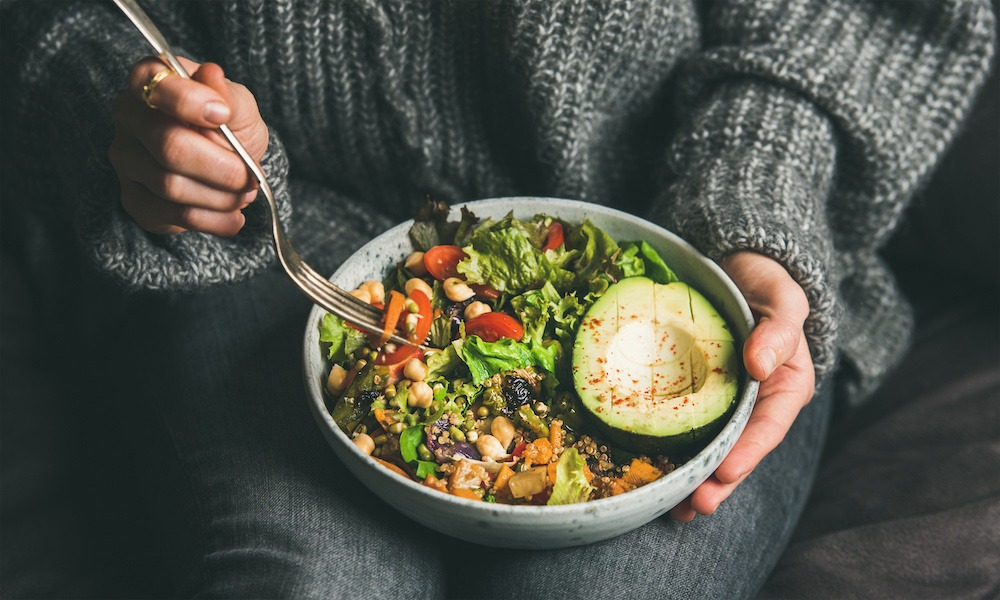
  • Fruits and Berries: Consuming fruits and berries can help enhance brain function. Both memory and anti-ageing processes can be improved by it. Studies have shown that fruit eaters are more likely to report higher levels of mental wellness and are less likely to experience depressive symptoms than non-fruit eaters. Fruits and berries are also rich sources of antioxidants.
  • Fish: Omega-3 fats are rich in fish. These lipids are crucial for the brain, and these fats must come from the diet because the human body cannot manufacture them. Epidemiological studies show a link between poor dietary intake of omega-3 fatty acids and depression. Seafood such as oily fish and fish supplements are excellent sources of Omega-3.
  • Green leafy vegetables: Because of their nutritional significance, nutritionists constantly advise including green leafy vegetables in our diet. Leafy vegetables contain antioxidants, dietary fibres, minerals, α-linoleic acid, and vitamins. Vegetables with leafy greens are a good source of Vitamin K. Studies have shown that Vitamin K can help prevent the development of anxiety and depression.
  • Nuts: Almonds and walnuts are excellent sources of antioxidants for improving mental wellbeing. Walnuts also contain Omega 3 fats, just like fatty fish. On the other hand, almonds are a good source of Vitamin E and may support memory enhancement.

Satyajit Hange, Co-Founder and Farmer at Two Brothers Organic Farms, highlighted, “Our dietary choices have a profound impact on our physical, mental, and emotional well-being. For example, consuming a diet high in processed sugar, artificial additives, and processed foods is well-known for causing inflammation in the body and affecting our mental health. Conversely, a well-balanced diet that includes whole grains can help us manage stress and enhance our mood. Incorporating fresh organic produce that is rich in vitamins, minerals, and antioxidants into our meals can reduce the risk of chronic diseases and alleviate symptoms.”

He recommended, “Similarly, substituting everyday foods in our diet with organic options like herbal jams packed with vitamin C and antioxidants or ghee infused with Indian herbs such as turmeric can provide essential fatty acids, vitamin C and antioxidants that support immunity, stress management and overall well-being. For those looking to reduce their sugar intake, alternatives like jaggery, raw unfiltered honey, or rock sugar are healthier options compared to regular table sugar. If you are someone who enjoys snacks, consider switching to gluten-free snacks, whole wheat crackers, energy balls made from dried fruits, dates, or roasted sesame seeds, as well as tasty Nutri bars to satisfy your cravings while enjoying nutritious flavors. It is important to recognize that maintaining a healthy diet is not about depriving yourself but rather about making choices that contribute to our overall well-being.”

Read more at-https://shorturl.at/tLQU8

Categories
Medical Updates Medicine & Health Uncategorized

Odisha will soon become hub of cancer care in east India: Chief Minister Naveen Patnaik

Synopsis

Odisha is set to become a hub for cancer care in eastern India, according to Chief Minister Naveen Patnaik. The state has recently inaugurated new facilities at the Acharya Harihar Post Graduate Institute of Cancer in Cuttack, including two linear accelerators for radiotherapy and a 30-bed day-care unit. The government’s focus is to develop infrastructure for cancer care in public health institutions and attract private investment in the development of cancer care hospitals. The government is also planning to establish more cancer care institutions in the coming years.

Bhubaneswar: Odisha will soon become a hub of cancer care in eastern India, Chief Minister Naveen Patnaik said on Friday, inaugurating new facilities at the Acharya Harihar Post Graduate Institute of Cancer in Cuttack. Patnaik inaugurated two linear accelerators for radiotherapy and a 30-bed day-care unit. With this, the number of linear accelerators at hospital rose to four.

With the new day-care unit, the number of day-care beds rose to 42. While the state spent Rs 38 crore for the linear accelerators, the new unit cost it Rs 6 crore.

Addressing the function through video conference, Patnaik said Odisha is witnessing a massive transformation in healthcare.

Apart from strengthening the infrastructure of various public health institutions and providing free quality healthcare, the government is now focused on making Odisha a major centre of cancer care in eastern India, he said.

Odisha will soon become hub of cancer care in east India: Chief Minister Naveen Patnaik

Besides infrastructure development for cancer care in public health institutions, the government is roping in private players for investment in the development of cancer care hospitals, he said.

A new cancer hospital is coming up in Jharsuguda, Patanaik said, maintaining that more such institutions will be developed in the next few years.

The chief minister said that the entire cost of treatment at AHPGIC is borne by the government.

Health Minister Niranjan Pujari said AHPGIC is a centre of excellence in cancer treatment, education and research.

The government is spending Rs 1,046 crore for free chemo-therapy and other facilities across the state, he said.

Read more at-https://shorturl.at/dqBN4

Categories
Medical Updates Medicine & Health

Ways to know yourself better: Therapist shares tips

From self-reflection to knowing strengths and weaknesses, here are a few ways to know ourselves better.

Self-awareness is a journey of its own. It’s a lifelong journey of finding out about us and knowing ourselves better. “Getting to know yourself is a lifelong journey of self-discovery and self-awareness. It’s a process that involves introspection, self-reflection, and a willingness to explore your thoughts, feelings, and experiences. The self-discovery journey is about developing a deep and evolving understanding of who you are, what you want, and how you can live a fulfilling life in alignment with your true self. Try to be patient and compassionate with yourself throughout this process,” wrote Therapist Lucille Shackleton as she shared a few tips on how we can know ourselves better.

Self-reflection: We should spend time knowing about the way we feel and the way we think. Investing time in our thoughts and emotions will help us to understand ourselves better and get more clarity.

How our past affects our present: Our past experiences play a significant role in growing our perspectives, triggers, glimmers, needs and behavioral patterns. We should carefully analyse past experiences and try to understand how they have impacted on our present situations and thought process.

Ways to know yourself better: Therapist shares tips

Explore interests: When we find a passion and a goal, no matter what, we should chase them and try to incorporate them in our daily lives. Doing things that make us happy will help us to see the brighter side of things.

Explore values: Everyone has their own belief system – it consists of the ethics, values and beliefs that we abide by. We should explore the belief system that we need for our lives and try to stick to it.

Strengths and weaknesses: Knowing about our abilities, strengths and weaknesses will help us to get more clarity on the things that we are good at and the things that we need to work on.

Mindfulness: Practicing mindfulness and meditation brings us closer to our own thoughts and beliefs. This helps us to know our perspectives and opinions better.

Seek feedback: We should always be open to constructive feedback to understand what we are doing wrong – we should work on those areas.

Read more at-https://shorturl.at/jpGN8