Categories
Medical Updates Medicine & Health

World Sight Day: Screen time and meals for kids, tips to make mealtime relaxing and enjoyable

Poor psycho-social skills, lower cognitive development are seen in kids with increased screen time. On World Sight Day, here are tips on screen time and meals.

As kids grow up, it is difficult to feed them due to their altered food habits and it is a common sight at home to find kids eating meals with TV/tablet/mobile phones. As it takes time to feed kids, it becomes easy for parents to feed them with cartoons playing on the screen but various studies and research show that there are down-side to this habit.

In an interview with HT Lifestyle on World Sight Day, Susmita N, Clinical Nutritionist at Cloudnine Group of Hospitals in Bangalore, Bellandur and Jayanagar, recommended, “As kids grow, we should let them serve and feed themselves. This helps to know the body cues. Watching screen while eating keeps them distracted and they will not pay attention to what food is in the plate, food texture and quantity of food been consumed. It is also observed that there is an increased consumption of unhealthy junk food between meals as they are not able to remember the quantity of foods eaten for meal. Poor intake of vegetables and fruits are also seen in these children.”

Revealing that children who have an increased screen time have more exposure to junk food due to the advertisements that targets the young population, the nutrition expert said, “Kids get attracted to these junk food commercials and crave to eat them leading to alternation of their food habits. Making the children play outside builds up their appetite and they tend to what food is served. This can be taken as an advantage by parents by serving them healthy food options. Avoid junk food as snacks and serve fruits, milkshakes/smoothies, roasted nuts mix, makhana etc that have nutritional value. Keep healthy snacks options ready at home.”

She added, “Family plays an important role during meal time. Parents have to be a role models to children. Having a family meal time away from all distractions help in better eating habits, improve communication skills and help in better bonding. Studies have shown that children who eat together with family have better intake of vegetables, fruits and end up having healthy eating pattern. There is a positive correlation between eating together as a family and better cognitive skills in children leading to improved academic performances.”

World Sight Day: Screen time and meals for kids, tips to make mealtime relaxing and enjoyable

Susmita N suggested the following tips to make mealtime relaxing and enjoyable as possible –

  • Provide wholesome, acceptable foods.
  • Respect the child’s capability. If the child says he/she is full do not force them to empty the food in plate.
  • Allow them to choose from 2 or more healthy foods. Give them healthy options.
  • Don’t nag, bribe or force a child to eat. Always remember that children learn to hate the foods they are forced to eat.
  • Remove any kind of screened electronic devices from dining area.
  • Have age appropriate conversation with your kids. Ask them about how was their day, about their friends and discuss about topics of interest.
  • Plan for tomorrow’s meal keeping the child’s food interest in mind.
  • Be a role model and follow what you preach. Parents should not be distracted while feeding the kids.
  • Preplan the food a day prior. 3major meals and 2 snacks filled with nutrition. Keeping in mind to include grains, colorful vegetables, seasonal fruits and protein sources.
  • Have limited amount of screen time post meal.

She concluded, “Poor psycho-social skills, lower cognitive development are also observed in kids with increased screen time. Reduced physical activity leads to poor metabolism and causes obesity in children. Over a period of time these children grow up to become adults with eating disorders and are relatively obese.”

Read more at-https://shorturl.at/bntGI

Categories
Medical Updates Medicine & Health

Holistic healing for headache: Ayurveda’s approach to migraine relief

Ayurveda expert reveal Ayurvedic tips to effectively manage and reduce the frequency and severity of migraine attacks.

A migraine is a neurological disorder characterised by recurring, intense headaches often accompanied by symptoms like nausea, vomiting and sensitivity to light and sound. There is no known permanent cure for migraines however, various treatments and lifestyle changes can effectively manage and reduce the frequency and severity of migraine attacks.

In an interview with HT Lifestyle, Shreedha Singh, Co-founder and CEO at The Ayurveda Company, suggested medications, stress management, identifying triggers and adopting a healthy lifestyle and shared, “Ayurveda addresses migraines through ingredients like ashwagandha, butterbur, feverfew and white willow and promotes balance in bodily energies. Ashwagandha is known for its adaptogenic properties; it helps manage stress and anxiety, which are often migraine triggers. Butterbur has shown tremendous results in reducing the frequency and intensity of migraines, possibly by acting as a vasodilator and anti-inflammatory agent.”

She revealed, “Feverfew is renowned for its analgesic and anti-inflammatory effects and has been used traditionally to alleviate migraine symptoms. Its compounds can inhibit the release of inflammatory substances and constrict blood vessels, potentially reducing migraine onset. White willow contains salicin, a natural precursor to aspirin; it may alleviate migraine discomfort by reducing inflammation and inhibiting pain-inducing chemicals. This holistic approach aims to relieve symptoms and prevent future occurrences. In Ayurveda, personalised approaches are critical. These ingredients might be integrated into therapies based on an individual’s dosha (constitution) to address underlying imbalances contributing to migraines. However, consulting an Ayurvedic practitioner is crucial for a tailored treatment plan.”

Holistic healing for headache: Ayurveda's approach to migraine relief

Bringing her expertise to the same, Dolly Kumar, Founder and Director of Gaia, said, “In the midst of pain, hope remains, guiding us through the storm of migraine towards tougher days. It is important to note that migraine should not be get ignored. Within the delicate embrace of Green Tea, Tulsi Tea and Hibiscus, tea has hydrating and anti-inflammatory properties that come from catechins –antioxidants. A harmonious symphony of Ayurvedic wisdom unfolds, weaving nature’s tender touch with the essence of relief for migraines. As each sip graces your senses, it brings a journey, where the ancient secrets of herbs and leaves come together to serenade your mind, easing the burden of migraines, nurturing a heaven of calm, enhancing the body’s metabolism and leading to improved digestion. One should get it to reduce stress and fatigue.”

Asserting that migraines are becoming an increasingly common problem in today’s culture, Palak Midha, Co-Founder of Miduty, said, “The ideal storm for migraine episodes has been produced by stress, inconsistent sleep habits, excessive screen time, and poor nutritional choices. What’s more alarming is the rise in the number of children who suffer from migraines as a result of excessive screen time, insufficient sleep and poor eating habits. Changing our lifestyle choices is the first step in resolving migraine issues. As a health advisor, what I have seen is that while these lifestyle adjustments are advantageous.”

She added, “One factor that is sometimes forgotten is Magnesium. This essential mineral is anti-inflammatory and has the potential to relax blood vessels, resulting in less constriction during a migraine. While magnesium can be found in a variety of foods such as almonds, spinach and avocados, many people find it difficult to receive enough magnesium from diet alone. Magnesium supplements can be an invaluable ally in the fight against migraines, assisting you in finding relief from this agonising disease.”

Read more at- https://shorturl.at/gqF45

Categories
Medical Equipments Medical Updates Medicine & Health

World Suicide Prevention Day: Are suicidal thoughts normal? An expert guide on how to deal with them

From taking a stroll to talking to a family member, here are effective ways to deal with suicidal thoughts.

Our brain works non-stop doing a series of functions which also includes thinking a wide variety of thoughts. Some can pertain to managing daily chores, others can be imaginative, creative, analytical or ruminative. Suicidal thoughts, if fleeting in nature, can occur sometimes and usually are not a cause of any worry. However, frequent suicidal thoughts are not normal and need to be addressed. People with depression, chronic pain or drug addicts may have such thoughts.

“Regardless of age or gender, a passing thought about suicide is something that many may have experienced at some point of time, however, frequent suicidal thoughts are not normal. Before we learn how to deal with them, it is important to understand that having suicidal thoughts does not make a person weak or abnormal and you don’t need to feel guilty or ashamed, no matter your situation,” says Dr Sneha Sharma, Consultant, Psychiatry and Drug Deaddiction, Aakash Healthcare, New Delhi.

Dr Sneha says if suicidal thoughts have been on mind for sometime there are certain steps one can take to stay safe before getting further support.

Speaking with an expert is the effective way to deal with thoughts of suicide. A therapist can provide direction in pinpointing potential triggers, researching available treatments, and formulating a safety plan.

On the occasion of World Suicide Prevention Day (September 10), Dr Sneha shares effective ways to deal with suicidal thoughts:

World Suicide Prevention Day: Are suicidal thoughts normal? An expert guide on how to deal with them

• Speak up

Family members you can trust can listen and provide emotional support. They can also aid in keeping you secure. A crisis counsellor is a good place to start if you’re not sure who to contact. They’ll compassionately listen and give advice on how to reach out.

• Look for a safe haven

A safe, secure and happy place like a friend’s home, library or other public area helps to prevent working on suicide ideas. You may even try a new room in your own home.

• Avoid access to weapons

Safety also includes having no access to drugs, guns, and other potential suicide things and techniques. If you need to continue taking medicine, a friend or family member can stay with you while you remove these things. So that you don’t have access to more tablets, they might provide one dose at a time.

• Steer clear of alcohol and other drugs

Alcohol and other drugs may seem like a good way to dull unpleasant feelings, but you may find that they make depression and suicidal thoughts worse.

• Try grounding strategies

A few grounding exercises include taking a little stroll, petting a pet, and doing 4-7-8 breathing when you’re feeling very distressed. Not sure where to begin? A crisis counsellor can also walk you through testing them out over the phone or via text.

• Take a break

You might feel calmer and less anxious by enjoying your favourite food or drink, listening to music, or viewing pictures (or videos) of loved ones and animals.

• Prioritize self-care

Taking care of your bodily requirements may not always help to lessen suicidal thoughts. However, if your bodily requirements are being satisfied, you might find it simpler to control them. Try to eat balanced meals, drink enough of water, engage in some physical exercise (even if it’s just moving about the house or stretching), and aim for sufficient hours of sleep each night.

Read more at-https://shorturl.at/bvFN9

Categories
COVID-19 Government Guidelines Medical Equipments Medicine & Health

ICMR study: Who’s more at risk after leaving the hospital with COVID-19?

The Indian Council of Medical Research (ICMR) recently published a research paper highlighting varying vulnerability to post-discharge mortality in COVID-19 cases. The study highlights three risk factors for death after discharge while also highlighting the importance of vaccinating prior to contracting the coronavirus.

“Post-discharge mortality” refers to the occurrence of death after a person has been discharged from a medical facility, such as a hospital, following treatment for a specific medical condition.
The new ICMR study, titled “Determinants of post-discharge mortality among hospitalized COVID-19 patients,” identifies three prominent risk factors associated with post-discharge mortality among COVID-19 survivors. People over the age of 40, men with co-morbidities and individuals who endured moderate to severe COVID-19 cases have a more pronounced risk of post-charge mortality.
On a more positive note, the study reveals that those who received at least one dose of the SARS-CoV-2 vaccine before contracting the virus experienced a 60 percent reduction in the risk of post-discharge mortality.
The research accumulated results from 14,419 participants hailing from 31 hospitals nationwide, who were followed up for a period ranging from four weeks to one-year post-discharge. 942 individuals (6.5 percent) had succumbed, while the remaining 93.5 percent were documented as alive during the year-long follow-up.
“Similar trends were seen in participants, 18-45 years of age,” the ICMR team said.
ICMR study: Who's more at risk after leaving the hospital with COVID-19?
While the findings offer valuable insights, the study acknowledges limitations stemming from telephonic follow-ups, which could lead to symptom underreporting. Also, the study’s focus was exclusively on hospitalised COVID-19 patients, which restricts the generalisability of the conclusions to the broader population.
In parallel to this study, the ICMR is currently overseeing a multicentric hospital-based matched case-control study, which seeks to investigate the impact of the COVID-19 vaccine on heart attacks among individuals aged 18–45 years in India.
Furthermore, the ICMR is actively researching factors associated with sudden deaths among adults aged 18–45 years in India.
Meanwhile, PK Mishra, the principal secretary to Prime Minister Narendra Modi, on Monday, held a high-level meeting to review the global and national COVID-19 situation in view of the new variants, Pirola (BA.2.86) and Eris (EG.5).
During the meeting, Mishra highlighted the need for states to monitor trends of influenza-like illnesses despite the stable COVID-19 situation, and prepared healthcare systems. He also focused on the need to send enough samples for genome sequencing.
Read more at-https://tinyurl.com/v7zjzezx
Categories
COVID-19 Government Guidelines Medical Equipments Medical Updates Medicine & Health

Eyes, allergies and monsoon: Tips on coping with seasonal eye allergies in rainy season

As the humidity rises, let’s explore the link between allergies, infections and rains and learn some essential tips to cope with pesky eye issues this monsoon

Monsoon, the much-awaited respite from scorching heat, brings with it a mix of delight and distress because while the raindrops dance merrily, our eyes often find themselves struggling to keep up with the joy as it is that time of the year again when seasonal eye allergies and infections make their unwelcome appearance. As the heavens open up and the humidity rises, let’s explore the connection between allergies, infections, the rains and discover some essential tips to cope with these pesky eye issues.

Connection between allergies and monsoon

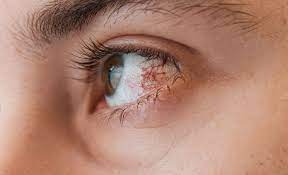
In an interview with HT Lifestyle, Dr Vijay Mathur, Senior Consultant at Sharp Sight Eye Hospitals , shared, “Monsoon is notorious for triggering eye allergies and infections. The dampness fosters the growth of viruses and fungi, leading to conjunctivitis, commonly known as “pink eye.” Symptoms include redness, itching, grittiness and excessive tearing with discharge. Pollen, dust, and other airborne particles carried by the monsoon winds can further aggravate eye irritation, causing discomfort to even non-allergic individuals.”

Common eye-related problems in monsoon

Dr Vijay Mathur highlighted –

1. Epidemic infectious conjunctivitis: Is the leading culprit. This condition causes red, itchy, gritty and watery eyes due to infection caused by viruses (adenovirus is the most common) in the air. This condition is highly infectious and can easily transmit from one person to another. Personal hygiene including hand washing is an effective way to prevent person to person transmission.

2. Allergic conjunctivitis: Monsoon is a time when fungi and moulds multiply. This leads to allergies in susceptible individuals.

3. Styes and chalazion: The damp environment fosters bacterial growth, leading to painful styes and chalazion on the eyelids.

4. All other eye infections: Bacteria and viruses thrive in the monsoon, increasing the risk of eye infections like Keratitis and Dacrocystitis.

Coping strategies:

Bringing his expertise to the same, Dr Rishi Raj Borah, Country Director – India, Orbis, revealed, “During the monsoon season, it is essential to focus more on our eyes since the rains and increasing humidity offer an ideal environment for pathogenic organisms such as bacteria, viruses, and fungal moulds to develop and multiply. Eye conditions such as allergies and conjunctivitis are prevalent during the rainy season. They usually cause red, itchy, and watery eyes. Identifying and suppressing the root cause is the best approach to avoid all the sufferings associated with eye allergies. This means that if a person knows they are allergic to a specific substance, such as a fungal mould, they should avoid going to wet regions where they might come into contact with mould.”

Eyes, allergies and monsoon: Tips on coping with seasonal eye allergies in rainy season

He added, “Similarly, if someone is allergic to pollen, they should avoid stepping out of the house during the period when the pollen concentration is high in the air. Furthermore, wearing eyeglasses when going outside is a good practice that everyone should undertake. Maintaining personal hygiene by often washing hands with soap and water is essential. To reduce the chances of introducing irritants from the surroundings into the eyes, avoid touching the face and eyes frequently. Even when humidity levels are at their highest during the monsoon, dry eyes can occur.”

Dr Rishi Raj Borah suggested, “In such circumstances, artificial tears can assist to relieve discomfort while also moisturising the eyes. Furthermore, sharing personal belongings like towels and makeup should be avoided. It is also preferable to avoid utilising public swimming pools during the rainy season, since these might serve as breeding grounds for the spread of bacterial illnesses. Seeking professional medical assistance should be the norm for anyone experiencing symptoms of an eye allergy and if you are unsure of the underlying cause, an eye doctor or ophthalmologist will be able to help find out the probable root cause and offer therapies to relieve the symptoms.”

According to Dr Vijay Mathur, to combat these monsoon-related eye issues, follow these essential coping strategies –

1. Cleanliness first: Regularly clean your living space to reduce mold and dust accumulation.

2. Hand hygiene: Maintain good hand hygiene to prevent eye infections by refraining from touching your eyes with unwashed hands.

3. Use eye drops: Over-the-counter artificial tears provide relief from dryness and flush out allergens.

4. Stay dry: Avoid getting drenched in rain and getting splashed with dirty water in puddles to minimise exposure to allergens and infectious agents.

5. Consult your doctor: If symptoms persist, seek professional help for proper diagnosis and treatment.

With a little vigilance and proactive care, you can ensure that your eyes remain resilient during the monsoon. Welcome the rains with open arms and remember to shield your precious vision from seasonal woes.

Read more at-https://shorturl.at/psuH0

Categories
COVID-19 Government Guidelines Medical Equipments Medical Updates Medicine & Health

Long covid symptoms may appear months after infection: Study

The study states that the symptoms of long covid can last even after a year after the sickness has subsided.

According to the most thorough examination of how symptoms develop over a year, long COVID-19 can last at least a year after the acute sickness has subsided.

The multicenter study, a collaboration between UC San Francisco, the Centers for Disease Control, and seven other sites, advances understanding of post-COVID-19 conditions by describing trends in greater detail than prior research and highlighting the significant effects the epidemic has had on the American health care system.

The study appeared in Morbidity and Mortality Weekly Report (MMWR), a publication of the CDC.

For about 16 per cent of the COVID-positive people in the study, symptoms lasted for at least a year; but for others, they came and went. The study assessed symptoms every three months, enabling researchers to differentiate between symptoms that improve and those that emerge months after the initial infection.

“It was common for symptoms to resolve then re-emerge months later,” said lead author Juan Carlos Montoy, MD, PhD, associate professor at UCSF’s Department of Emergency Medicine. “A lot of prior research has focused on symptoms at one or two points in time, but we were able to describe symptom trajectory with greater clarity and nuance. It suggests that measurements at a single point in time could underestimate or mischaracterizes the true burden of disease.”

Long covid symptoms may appear months after infection: Study

Fluctuating Nature of Disease:

Long Covid involves a range of symptoms that persist or develop about a month after initial infection. These symptoms are associated with significant morbidity or reduced quality of life.

The study involved 1,741 participants – two-thirds of them female – who sought COVID-19 testing at eight major healthcare systems across the country. Three-quarters tested positive for Covid-19, but those who tested negative may also have had an infection of some type, since they were experiencing symptoms. These included fatigue, runny nose, headache, sore throat, shortness of breath, chest pain, diarrhoea, forgetfulness and difficulty thinking or concentrating.

Covid positive participants were more likely to have symptoms in each of the symptom categories at baseline, but by the end of the year, there was no difference between those who were Covid-positive and negative.

“We were surprised to see how similar the patterns were between the Covid positive and Covid negative groups,” said Montoy. “It shows that the burden after Covid may be high, but it might also be high for other non-Covid illnesses. We have a lot to learn about post-illness processes for Covid and other conditions.”

Read more at-https://shorturl.at/avL29

Categories
Government Guidelines Medical Equipments Medical Updates Medicine & Health

Customs duty adjustment, banning imports of used equipment to help medical devices industry reach USD 50 bn by 2030′

Synopsis

“The Indian medical devices industry can expand from USD 12 billion to USD 50 billion by 2030, reducing import reliance to 35 per cent and boosting exports to USD 18 billion from USD 3.4 billion at present. The industry’s growth potential could surpass that of the smartphone sector due to India’s expanding health sector, projected to reach USD 600 billion by 2030,” GTRI Co-founder Ajay Srivastava said.

Steps such as raising customs duty on certain items, banning import of used or old equipment, and introduction of performance linked incentive scheme for value-added production will help India’s medical devices industry touch USD 50 billion by 2030, a report by think tank GTRI said. Suggesting six action points for the government and industry for accelerating growth of the sector, the Global Trade Research Initiative (GTRI) also asked the government to not allow input tax credit (ITC) for  the IGST paid on import of items where basic customs duty is zero; combatting foreign influence; and encourage local sourcing for essential Make in India products.

The Indian medical devices industry can expand from USD 12 billion to USD 50 billion by 2030, reducing import reliance to 35 per cent and boosting exports to USD 18 billion from USD 3.4 billion at present. The industry’s growth potential could surpass that of the smartphone sector due to India’s expanding health sector, projected to reach USD 600 billion by 2030,” GTRI Co-founder Ajay Srivastava said.

He said this shift could generate over 1.5 million jobs in medical device manufacturing and healthcare services like hospitals and labs.

It has also suggested that basic customs duty be raised from the current 0-7.5 per cent to 15-20 per cent for devices not covered under WTO’s Information Technology Agreement – 1.

“This approach is WTO (World Trade Organization) compatible, as bound duties stand at 40 per cent. Initial duty hike should apply to products with demonstrated quality production and exports of around Rs 20 crore,” it said.

Customs duty adjustment, banning imports of used equipment to help medical devices industry reach USD 50 bn by 2030'

Global import duties for medical devices vary such as in Brazil it is 14 per cent, Russia (0-15 per cent), India (0-7.5 per cent), China (3.3-17 per cent), South Africa (0-20 per cent). It also said that developed countries, and China does not allow import of used products.

Old devices used for MRI or ultrasound scanning, X rays, Mammography may provide faulty prognosis and threaten lives, the report said adding many old devices are at risk of spreading harmful contaminants like depleted Uranium. It asked for a Performance Linked Incentive (PLI) plus scheme for high import-intensive products, such as diagnostic reagent kits, surgical instruments, and other medical devices.

Offer incentives to companies that add significant value in India rather than just assembling imported components,” the report said adding India should guard against foreign interests dictating policy outcomes reports of foreign lobbies.

It added that the government should ensure that Indian manufacturers can compete effectively with foreign imports for vital supplies, including masks, oximeters, syringes, thermometers, examination gloves, and blood collection tubes, in government tenders and critical healthcare scenarios.

The government notified the National Medical Devices Policy in April but the current domestic supply and exports are far below potential, the report said.

“Local firms fulfil just 34.6 per cent of the USD 12 billion Indian market needs, while imports cover the remaining 64.4 per cent, costing USD 7.6 billion in FY’2023,” Srivastava said adding achieving the full potential of the sector will require further support as the sector faces 15 per cent cost disability due to high cost of power supply chain inefficiencies.

Government support is needed to check dumping, ramp up domestic production and cut imports. India has 1,200 local companies and multinational corporations that manufacture a wide range of devices, except for advanced high-tech ones.

The sector showcased its capabilities during the COVID-19 pandemic by swiftly scaling up the production of essential items like ventilators, Rapid Antigen Test kits, PPE kits, and N-95 masks for both domestic and global use. Currently, India produces around USD 7.6 billion worth of medical devices, out of which USD 3.4 billion is exported, and the remaining USD 4.2 billion is used domestically.

However, the annual demand for medical devices in India is valued at USD 11.8 billion, with the rest being covered by imports totalling USD 7.6 billion.

Commenting on the sector, Administration in charge of Patna-based Sanjeevani hospital Manish Singh said the government should adopt a three pronged strategy to boost growth of this segment.

Singh suggested domestic industries to manufacture technology driven medical equipment of high quality at minimum possible prices; gradual substitution of foreign-made devices in big private hospitals with the Indian ones; and creation of a department of trained sales force armed with sufficient data to target the world market.

Echoing similar views, Richa Chauhan, Senior consultant (Oncologist), Mahavir Cancer Sansthan, said Government of India’s initiative to give a push to medical equipment manufacturing in the country is a “highly appreciable” decision.

The diagnosis and treatment of many diseases including the life threatening cancer requires high-end machines like CT Scan, MRI, Cobalt-based Radiotherapy units, and linear accelerators.

With only a few manufacturers across the world for radiotherapy machines, there is an urgent need for indigenous production of these machines,” Chauhan said. She suggested that the manufacturers should work in close collaboration with the users of the machine to rectify or modify the devices accordingly.

“With no dearth of talent in our country, I am sure we can utilise this opportunity and become a leading manufacturer and importer of medical devices,” she added.

Read more at-https://rb.gy/w7ctb

Categories
Medical Equipments Medical Updates Medicine & Health

India aims to tighten quality of drugs

In a move to improve quality of drugs manufactured in India and mend its image as the pharmacy of the world, the Central Government has decided to implement Schedule M to tighten the manufacturing practices of pharmaceutical companies in India.

The Good Manufacturing Practice System was first incorporated in 1988 in Schedule M of the Drugs and Cosmetics Act, 1945. New GMP Standard in Schedule M was made in 2001 and implemented in 2005.
Schedule M prescribes requirements to facilities for maintenance, manufacturing, control and safety testing, storage and transport material, written procedures and records, traceability etc.
Issues according to the ministry, which inspected over 160 units and 14 public testing labs range from poor documentation, absence of testing incoming raw material, quality failure investigation, professionally qualified employees amongst others.
Companies have been given six to 12 months to adhere to requirements starting August 1. Companies with a turnover of over Rs 250 crore will be given six months and those with a turnover of below Rs 250 crore 1 year to comply to standards. The certification will be valid for 3 years.
While this step is expected to be positive especially at a time when Indian companies have been in the dock due to recent global incidents of substandard drugs, there are some concerns point out experts.
India aims to tighten quality of drugs
For example, one of big concerns is that currently the pharma companies come under the purview of state regulators. Hence the power to issue or cancel licenses is with state governments. The concern then is that the central government does not have the power to implement the compliance standards.
Also, while Schedule M became mandatory in the law in 2005 companies have struggled to implement it for the last 18 years. Many of the smaller companies for example might need to upgrade their existing facilities to comply with the standards, to do so they will require capital and infrastructure, which they might lack. An example of this is quality control labs, which were made compulsory in 2005 but companies did not comply due to inability to afford setting up the units.
Lastly, the timelines of 6 months to 1 year might not be feasible for the large number companies to adhere to the standards. India currently has around 10,500 drug manufacturers including MSMEs but only 2,000 companies mainly exporters are expected to have a good manufacturing certificate. That means 8,000 companies needing to comply to standards set out in Schedule M in just the span of a year might be a tall task.
Read more at- https://rb.gy/rp3no  
Categories
COVID-19 Government Guidelines Medical Equipments Medical Updates Medicine & Health

Panic attack: 3 tips to help someone who’s having a panic attack

Panic attacks can occur unexpectedly and have a significant impact on daily life. If you know someone who experiences frequent panic attacks, here are some tips to help them during an episode.

panic attack is a sudden and unexpected episode of intense fear or anxiety that can lead to physical as well as emotional discomfort. One having panic attack may feel they are going to die or have a heart attack. However, one experiencing it does not realise at that time that it’s not actually life threatening. Panic attacks have certain triggers and research suggests that it is your body’s natural fight-or-flight response to danger. A racing heartbeat, sweating, trembling, difficulty breathing, stomach cramps, dizziness, nausea or choking sensation are the common symptoms of panic attacks. One must get to the root of their panic attack and get in touch with an expert as it can affect one’s quality of life severely.

While a person tends to lose control during a panic attack and feels that all the physical symptoms are real, their near and dear ones can help them deal with it with the help of certain tips. Nutritionist Lovneet Batra in her recent Instagram post offered useful suggestions to help someone who’s having a panic attack.

“Panic attacks are sudden, intense surges of fear, panic, or anxiety. They are often extremely overwhelming, and they have physical as well as emotional symptoms. Panic attacks can occur unexpectedly and have a significant impact on your daily life. Due to the extreme nature of the symptoms, it is important to understand how to react and help when someone undergoes a panic attack, as they may feel as if they are dying during an episode. However, if a person present around them is able to help them, they might feel a little better or understood. Certain strategies and methods can help alleviate panic, ease the situation, and even stop the symptoms from getting worse. Each one of us must know how to react and offer help in such situations,” says Lovneet Batra.

Panic attack: 3 tips to help someone who's having a panic attack

If you know someone who experiences panic attacks, guide them with things you can do (and avoid doing) to help them at the moment.

“Many people hesitate in helping someone facing panic attacks mostly because they don’t know what to do and they fear making the situation even worse,” says Batra.

She shared the three things that can be helpful in such situations:

Give them water

Water has calming effect. In fact, drinking cold water triggers parasympathetic nervous system to keep a person calm. What can also be helpful is physical contact with water. So, either, keeping a person’s hand or feet in water or giving them cold water to put on the face around the neck that can help easing the anxiety.

Ask if they need to sit

Help them find a comfortable chair. Let them sit as this can have a literal grounding effect that can be healing and that can be calming for their anxiety.

Use grounding technique

A grounding technique uses all five senses in calming a person. A very common grounding technique is 5-4-3-2-1 where you can ask a person to list five things they see, four things they can touch, three things they hear, two things they can smell and one thing they can taste. This in fact helps in focussing their thoughts in those questions and helps you release anxiety.

Read more at-https://bit.ly/3Hkz8Wn

Categories
COVID-19 Medical Equipments Medical Updates

BXX variant of Covid virus spreads, but less severe

Synopsis

According to him the proportion of BXX which is a recombinant variant has increased gradually by20-30% in the country. BA2.75 continues to be the dominant variant accounting for 60% of Covid-19 cases. An INSACOG member said they are monitoring the spread. A review meeting was held on Friday to evaluate the Covid-19 situation across the country.

The Indian Sars-CoV-2 Consortium on Genomics (INSACOG), a network of laboratories monitoring genomic variations of the Covid-19 virus, has found the proportion of BXX sub-variant increasing in the country. However, the good news is that the severity and hospitalisation have not increased, a member told ET.

According to him the proportion of BXX which is a recombinant variant has increased gradually by20-30% in the country. BA2.75 continues to be the dominant variant accounting for 60% of Covid-19 cases.

BXX variant of Covid virus spreads, but less severe

An INSACOG member said they are monitoring the spread. A review meeting was held on Friday to evaluate the Covid-19 situation across the country.

In the last few weeks multiple Omicron subvariants like BQ.1, and BXX have been detected along with other emerging sub-variants like BA5.1.7 and BF.7. BQ.1 is an offshoot of the variant related to the BA.5 version that drove the surge in the US.

Keeping in view the expected rise in the number of cases due to the festival season, the Union health minister also held a meeting to review the situation last week.

Read more at-https://bit.ly/3Fp3Lul