Categories
COVID-19 Government Guidelines Medical Equipments Medical Updates Medicine & Health

Long covid symptoms may appear months after infection: Study

The study states that the symptoms of long covid can last even after a year after the sickness has subsided.

According to the most thorough examination of how symptoms develop over a year, long COVID-19 can last at least a year after the acute sickness has subsided.

The multicenter study, a collaboration between UC San Francisco, the Centers for Disease Control, and seven other sites, advances understanding of post-COVID-19 conditions by describing trends in greater detail than prior research and highlighting the significant effects the epidemic has had on the American health care system.

The study appeared in Morbidity and Mortality Weekly Report (MMWR), a publication of the CDC.

For about 16 per cent of the COVID-positive people in the study, symptoms lasted for at least a year; but for others, they came and went. The study assessed symptoms every three months, enabling researchers to differentiate between symptoms that improve and those that emerge months after the initial infection.

“It was common for symptoms to resolve then re-emerge months later,” said lead author Juan Carlos Montoy, MD, PhD, associate professor at UCSF’s Department of Emergency Medicine. “A lot of prior research has focused on symptoms at one or two points in time, but we were able to describe symptom trajectory with greater clarity and nuance. It suggests that measurements at a single point in time could underestimate or mischaracterizes the true burden of disease.”

Long covid symptoms may appear months after infection: Study

Fluctuating Nature of Disease:

Long Covid involves a range of symptoms that persist or develop about a month after initial infection. These symptoms are associated with significant morbidity or reduced quality of life.

The study involved 1,741 participants – two-thirds of them female – who sought COVID-19 testing at eight major healthcare systems across the country. Three-quarters tested positive for Covid-19, but those who tested negative may also have had an infection of some type, since they were experiencing symptoms. These included fatigue, runny nose, headache, sore throat, shortness of breath, chest pain, diarrhoea, forgetfulness and difficulty thinking or concentrating.

Covid positive participants were more likely to have symptoms in each of the symptom categories at baseline, but by the end of the year, there was no difference between those who were Covid-positive and negative.

“We were surprised to see how similar the patterns were between the Covid positive and Covid negative groups,” said Montoy. “It shows that the burden after Covid may be high, but it might also be high for other non-Covid illnesses. We have a lot to learn about post-illness processes for Covid and other conditions.”

Read more at-https://shorturl.at/avL29

Categories
COVID-19 Government Guidelines Medical Equipments Medical Updates

Covid-19 cases in children on rise; watch out for these signs and symptoms, preventive measures

Experts say that many kids are suffering from high grade fever, persistent cough and diarrhoea as the Covid cases across the country are on rise.

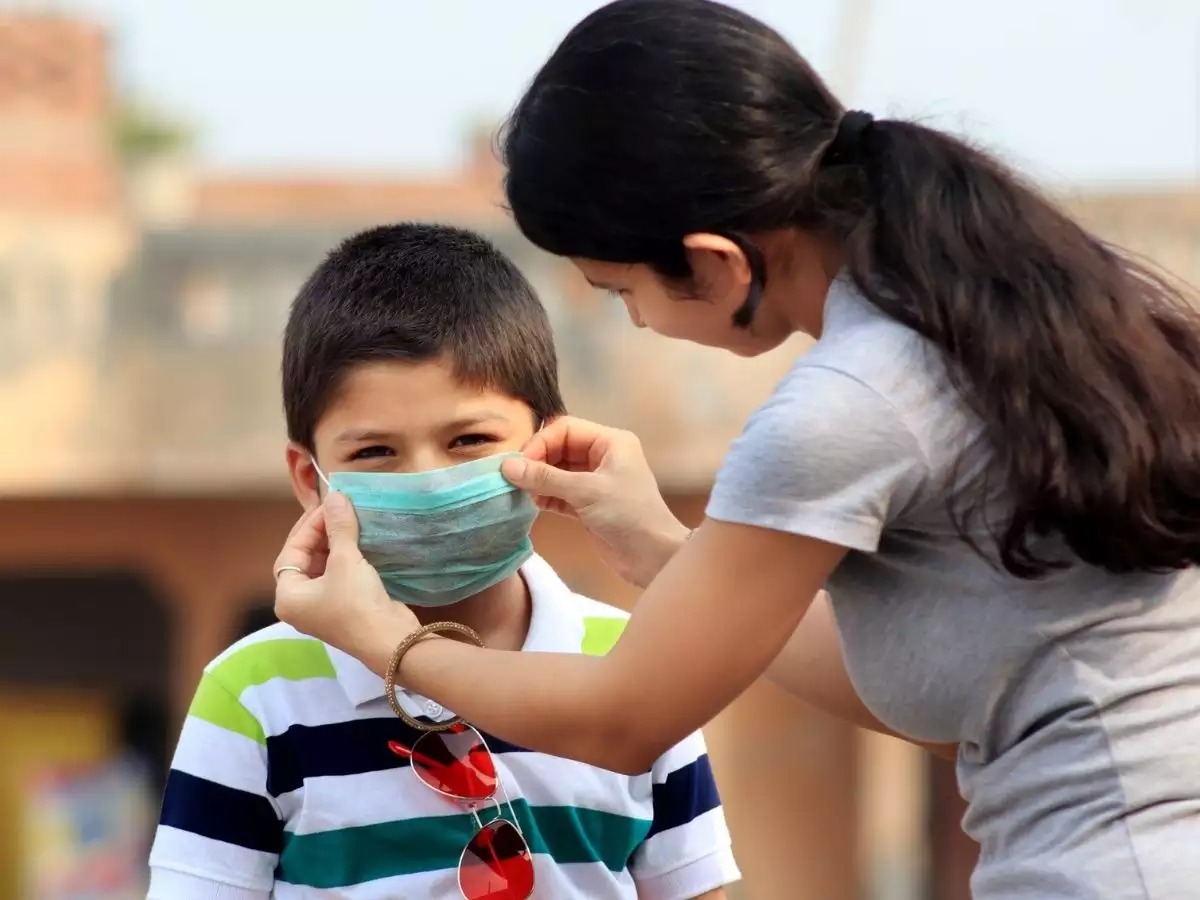
Covid-19 cases in children have been on rise in the past few days in kids under 15 years of age and while the symptoms are mostly mild in the little ones, experts have warned parents to take Covid-appropriate measures for preventing spread. Considering kids are vulnerable to viral infections and diseases like RSV (Respiratory Syncytial Virus), flu, adenovirus and Covid are on rise, it’s imperative to get them vaccinated if eligible, promote regular handwashing, and wearing masks (kids over 5 years). Children who have cough, cold, stomach flu and other flu-like symptoms should not be sent to school and get tested for Covid. Experts say one should not take the current surge in Covid cases lightly. Especially when it comes to high-risk children who have any kind of health complication like diabetes, asthma, heart disease among other issues, symptoms should be monitored closely.

Signs of Covid in kids

“In the past few days there have been reports of children less than 15 years getting infected with Covid. The cases though are mild and not very severe. The symptoms to watch out among kids remain same as we have seen in recent times which primarily include high fever, coughing, head and body ache, fatigue, runny nose to name a few which are very similar to other flu and adenovirus symptoms. In adenovirus though, other symptoms like redness of eyes, conjunctivitis and watery eyes can be seen through which we can differentiate between the two, says Dr. Kuldeep Kumar Grover, Head of critical care & Pulmonology – CK Birla Hospital, Gurgaon.

“Covid is a viral infection and like many other viruses, it has been around for some time. Symptoms of Covid like any other viral infection will be fever, cold, a bit of cough, stomach flu, diarrhoea, conjunctivitis, body pain etc. In adenovirus we see a little more conjunctivitis, swollen lymph nodes – these are just like tonsils that we have outside body also, lympth nodes are the tissue collections that can get swollen or painful just at the back of the neck or under the chin area. Other thing with Covid is that the symptoms are more gradual. The fever comes in gradually and may rise later on. In common flu, the symptom onset is usually very dramatic with sudden muscle ache, fatigue and high-grade fever. So, there’s no real one sign that can help differentiate between Covid and other viruses,” says Dr Poonam Sidana, Director Neonatology and Pediatrics, C K Birla Hospital Delhi.

“For the past one month, there has been a rapid rise in OPD footfalls of children who are suffering from symptoms like sore throat, cold, cough, diarrhoea, vomiting, abdominal pain and the fever which is high grade, reaching up to 103 degree or more. The cough is quite severe in these cases and in some cases even lasting for more than 3 weeks. Considering the symptoms of Covid, adenovirus, and RSV are similar, it’s difficult for parents to distinguish between the two. While fever, cough, cold, abdominal issues, vomiting are more common in Covid and other viral illnesses that are spreading nowadays, red eyes, sticky eyes and conjunctivitis is more common in case of adenovirus,” says Dr Somalika Pal, Senior Consultant, Department of Neonatology and Paediatrics, Cloudnine Group of Hospitals, New Delhi (East of Kailash)
Covid-19 cases in children on rise; watch out for these signs and symptoms, preventive measures

“Flu viruses such as SARS CoV-2 and Influenza virus, predominantly causes respiratory tract illness, while Adenovirus, a DNA virus, causes a variety of illness in addition to respiratory tract infections, such as conjunctivitis, ear infections, gastroenteritis, hepatitis, myocarditis, meningoencephalitis etc. The symptoms are usually fever, sore throat, running nose, cough, body ache, fatigue, shortness of breath, diarrhoea etc. In most cases, it is difficult to differentiate these based on symptoms alone,” says Dr Rohit Kumar Garg, Consultant, Department of Infectious Diseases at Amrita Hospital, Faridabad.

Signs of severe Covid in kids

“Parents must be watchful of symptoms and if high-grade fever is lasting for beyond 5 days or the cough is worsening, if the kid is lethargic, unable to feed, finding it difficult to breath, diarrhoea is worsening or the lips are seen parched or peeled, it’s a sign that your child may need hospital care,” says Dr Pal.

“Some patients may develop severe illness, such as pneumonia. Symptoms like persistent fever, severe cough, shortness of breath, low oxygen saturation, troubled, fast, noisy breathing, may help to suspect severe illness,” says Dr Garg.

Preventive measures for kids

“It is still critical for the kids and most importantly their parents to remain vigilant and protect themselves and their kids by teaching them to follow the Covid preventive measures in schools and nearby areas where they play with other kids like regular masking, self-hygiene and washing their hands and face frequently after coming from outside, sanitizing themselves properly at regular intervals. Also, parents are advised to undergo the RT-PCR test in case they see any symptoms as a precautionary step, says Dr Grover.

“Any child having fever, cough, cold, as a general principal should not be sent to school and get tested. Sports and other activities where kids are in close contact should be avoided in schools. Frequent handwashing, not touching nose or mouth is important. Kids over 5 years should be wearing masks and overcrowding in social gatherings and outings must be avoided,” says Dr Sidana.

Why Covid cases have been on rise in India

Dr. Pavithra Venkatagopalan, Coronavirologist and Covid Awareness Specialist, Rotary Club of Madras NextGen sheds light on why the number of Covid cases have been on rise for a couple of weeks in India.

“The number of cases of coronavirus has increased in the last few weeks in India. We have to first look at if the number of tests has increased. We are a country that is quite crowded giving a lot of infections a good environment to breed. Nowadays, a lot of respiratory infections are going on and some of them are taking a long time to heal, people are suffering for a longer time. Typically, this has been the flu but doctors will diagnose you when you are going through a severe respiratory infection, and they will have you test for known respiratory infections which are flu and cold.

While the XBB 1.16 has a change in the spike that allows it to infect people easily, it does not have a direct impact on the number of hospitalisations,” says Dr Pavithra.

Need for booster campaign

“It is also time for us to start with a booster campaign for Covid. It has to become like an annual booster that we all should be taking once a year. These thing matter, especially to people who are more vulnerable than the average population. Young children from 12-13 years onwards have been vaccinated, schools have had vaccination campaigns, most adults have had two doses, some have had one booster shot and some even had two booster shots. We have to work on the enthusiasm of people to get the annual vaccines as they become available so that the number of people carrying the infection will be reduced. This will help protect people whose immune systems are weaker like people with comorbidities, immuno-supressed people, people who have had transplants, women who are pregnant, and the population that can’t be vaccinated just yet. We have to bring that campaign back and increase awareness around vaccinations so that the number of people that can transmit the particles are reduced and thereby reducing the number of infections and severe cases,” adds Dr Pavithra.

Read more at-https://bit.ly/3KghEf6

Categories
Medical Updates Medicine & Health

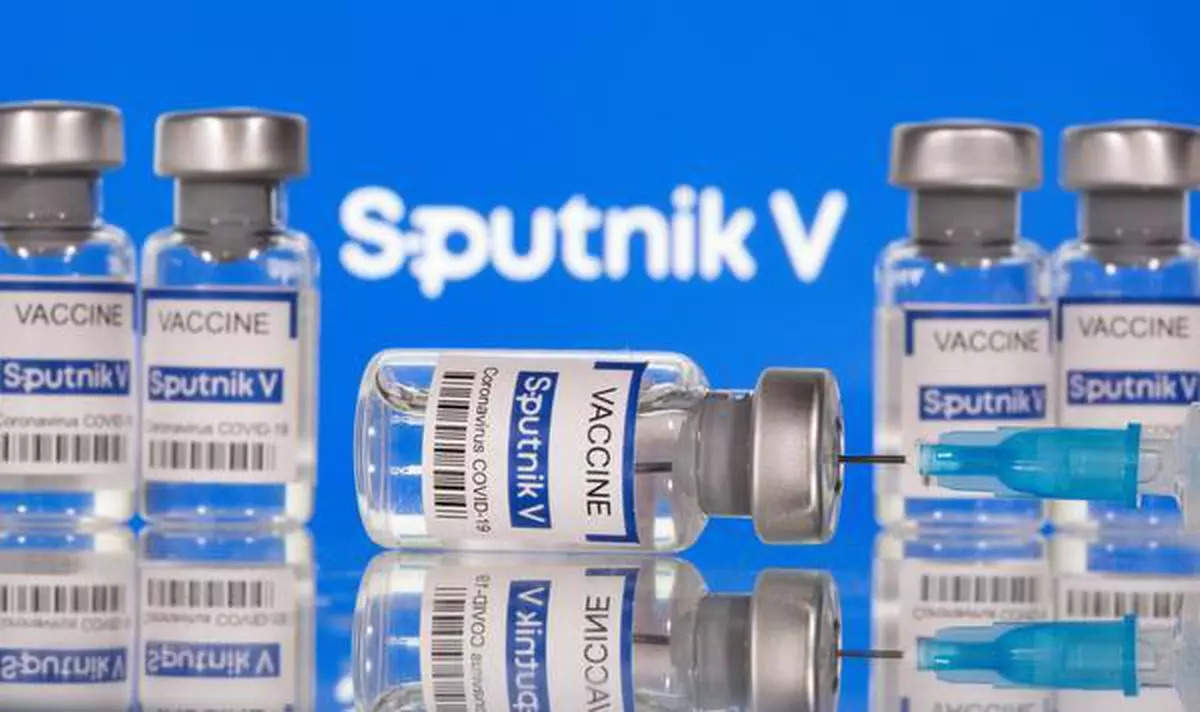
Sputnik takers in a fix as Russian vaccine is still not widely accepted

Synopsis

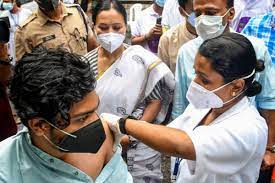
Sputnik-V is one of the three main vaccines that was used in India. The vaccine is based on human adenoviral vectors and uses two different vectors for the two shots. India had approved a gap of 21 days between the two doses.

There seems to be no end to hurdles for the takers of Sputnik vaccine for Covid-19. Vishal Patil, an IT executive in Pune, has not been able to attend a conference in Paris as he was vaccinated with Sputnik, which is not an accepted vaccine in France.

Like Patil, some of the Sputnik recipients have approached the government now to allow them revaccination so that they can generate a new certificate, which they can use when they travel.

Sputnik takers in a fix as Russian vaccine is still not widely accepted

“I was supposed to attend a conference in Paris in November but could not due to the vaccine issue. There are a few countries that allow travel with a Covid negative report but there are some in Europe and US which do not allow longer duration of stay,” Patil told ET.

He said that there are many countries mandating vaccines to visit them and many do not recognise Russia’s Sputnik vaccine. “This is making it difficult to travel or get a visa even if it is for a temporary company work or job,” he said.

Patil said that a set of people who are facing the issue have approached the government to allow paid revaccination. “As this would solve our problem. We can take a WHO-approved vaccine and travel with a new vaccine certificate,” he added.

Sputnik-V is one of the three main vaccines that was used in India. The vaccine is based on human adenoviral vectors and uses two different vectors for the two shots. India had approved a gap of 21 days between the two doses.
Read More At-https://bit.ly/3OGiEet

Categories
COVID-19 Government Guidelines Medical Updates Medicine & Health

India adds 1,604 Covid-19 cases, active caseloads fall by 485

Synopsis
According to the health ministry, the active cases comprise 0.04 percent of the total infections, while the national Covid-19 recovery rate was recorded at 98.77 percent. Active Covid-19 caseloads fell by 485 in a span of 24 hours.

India’s coronavirus caseloads rose by 1,604 in the last 24 hours to take the total tally to 4,46,52,266, while the active cases fell to 18,317, the Union Health Ministry said.

With eight more fatalities, the death toll has climbed to 5,29,016, the data updated by the government at 8 am said.

The new fatalities include three deaths reconciled by Kerala.

India adds 1,604 Covid-19 cases, active caseloads fall by 485

According to the health ministry, the active cases comprise 0.04 percent of the total infections, while the national Covid-19 recovery rate was recorded at 98.77 percent.

Active Covid-19 caseloads fell by 485 in a span of 24 hours.

Daily positivity rate stood at 1.02 percent, and the weekly positivity rate was at 1.08 per cent.

Case fatalitity rate was at 1.18 percent, while the number of people who have recuperated from the disease rose to 4,41,04,933.

India’s COVID-19 tally had crossed the 20-lakh mark on August 7, 2020, 30 lakh on August 23, 40 lakh on September 5 and 50 lakh on September 16. It went past 60 lakh on September 28, 70 lakh on October 11, crossed 80 lakh on October 29, 90 lakh on November 20 and surpassed the one-crore mark on December 19.

The country crossed the grim milestone of two crore on May 4 and three crore on June 23 last year. It crossed the four-crore mark on January 25 this year.

According to ministry data, 219.63 crore doses of vaccines have been administered in the country so far under the Covid-19 vaccination drive.
Read more at-https://bit.ly/3FGSFkB

Categories
COVID-19 Medical Equipments Medical Updates

BXX variant of Covid virus spreads, but less severe

Synopsis

According to him the proportion of BXX which is a recombinant variant has increased gradually by20-30% in the country. BA2.75 continues to be the dominant variant accounting for 60% of Covid-19 cases. An INSACOG member said they are monitoring the spread. A review meeting was held on Friday to evaluate the Covid-19 situation across the country.

The Indian Sars-CoV-2 Consortium on Genomics (INSACOG), a network of laboratories monitoring genomic variations of the Covid-19 virus, has found the proportion of BXX sub-variant increasing in the country. However, the good news is that the severity and hospitalisation have not increased, a member told ET.

According to him the proportion of BXX which is a recombinant variant has increased gradually by20-30% in the country. BA2.75 continues to be the dominant variant accounting for 60% of Covid-19 cases.

BXX variant of Covid virus spreads, but less severe

An INSACOG member said they are monitoring the spread. A review meeting was held on Friday to evaluate the Covid-19 situation across the country.

In the last few weeks multiple Omicron subvariants like BQ.1, and BXX have been detected along with other emerging sub-variants like BA5.1.7 and BF.7. BQ.1 is an offshoot of the variant related to the BA.5 version that drove the surge in the US.

Keeping in view the expected rise in the number of cases due to the festival season, the Union health minister also held a meeting to review the situation last week.

Read more at-https://bit.ly/3Fp3Lul

Categories
COVID-19 Government Guidelines Medical Equipments Medical Updates Medicine & Health

Global roll-out of 12 billion COVID-19 vaccine doses largest-ever but access an issue: WHO

Synopsis

Addressing the annual general meeting of the Developing Countries Vaccine Manufacturers Network (DCVMN) virtually on Thursday, he flagged the issue of inequities in access to COVID-19 vaccines.

World Health Organization (WHO) director-general Dr Tedros Adhanom Ghebreyesus has said that global roll-out of more than 12 billion COVID-19 vaccine doses is the largest and fastest in human history.
Addressing the annual general meeting of the Developing Countries Vaccine Manufacturers Network (DCVMN) virtually on Thursday, he flagged the issue of inequities in access to COVID-19 vaccines.

The three-day event is being co-hosted by the Pune-based Serum Institute of India (SII), the world’s largest vaccine manufacturer by volume, said a statement.
“Global roll-out of more than 12 billion COVID-19 vaccine doses is the largest and fastest in history with an estimated 60 per cent doses produced by manufacturers in developing countries. Despite this achievement, stark inequities in access to COVID-19 vaccines remain,” he said.

Global roll-out of 12 billion COVID-19 vaccine doses largest-ever but access an issue: WHO

“These inequities are due partly to the fact that globally vaccine production is too concentrated. To address this, the WHO and our partners have established the mRNA Tech Transfer hub in South Africa to facilitate the know-how in low & middle-income countries,” Ghebreyesus said.
Adar Poonawalla, CEO of SII, said it was a proud moment for his company to co-host the 23rd DCVMN annual general meeting in Pune.

“Today, the world is more aware and focused on chalking out an ambition-to-action roadmap for future pandemic preparedness. For that, building the infrastructure and regulations to ensure global equity and timely access to vaccines is the foremost priority,” Poonawalla said.

Union Minister for Health and Family Welfare Mansukh Mandaviya delivered the inaugural address.
DCVMN is an international alliance of manufacturers from developing countries who are engaged in innovation, research, development, manufacturing and supply of high-quality vaccines to 170 countries.

The organisation aims to protect people against known and emerging infectious diseases globally by increasing the production of high-quality vaccines in developing countries.

Read more at-https://bit.ly/3gKtK55

Categories
COVID-19 Government Guidelines Medical Updates Medicine & Health

Harnessing the power of partnerships in expanding Covid vaccine coverage

On the first anniversary of India’s COVID-19 vaccination drive, the Hon’ble Health Minister, Mansukh Mandaviya, observed that Jan Bhagidari helped to fuel India’s achievements in its successful vaccination journey. This, in fact, echoes the sentiment of Hon’ble Prime Minister of India, Narendra Modi, who emphasizes that the functioning of any robust democracy lies in the power of the collective that Jan Bhagidari stands for.

As someone with extensive experience in of public health, this principle has always resonated with me. I do believe that it’s the coming together of so many people – healthcare professionals, the larger scientific community, vaccine manufacturers, development partners, local leaders and frontline health workers all under the leadership of the Government of India – that has ensured India’s success in administering more than 2 billion COVID-19 vaccine doses to its eligible population in record time.

I am proud to be associated with a project that has contributed in its own way toward India’s exceptional vaccination trajectory: the MOMENTUM Routine Immunization Transformation and Equity Project. Operational across 18 states and union territories, and supported by USAID, the project has been a key driver in augmenting the efforts of the Ministry of Health and Family Welfare to improve the uptake of COVID-19 vaccination across states in record time. In many ways, it carries forward the country’s legacy of reaching the unreached, leaving no one behind and ensuring everyone has equitable access to vaccines.

Harnessing the power of partnerships in expanding Covid vaccine coverage

From hard-to-reach areas; tribal communities where confidence in and awareness about vaccines tends to be lower; vulnerable groups such as migrant workers, transgenders, elderly, disabled people, pregnant and lactating mothers– the project has helped to weave a safety net for those at the margins. Most importantly, the project has reiterated the country’s strength of successful collaborations — in this case, with multiple local partners at the state and community levels across a diverse mix — health workers, community champions, faith-based leaders, beneficiaries-turned-influencers and others.

For instance, in Chhattisgarh, an influencer from the trans community ensured that gender doesn’t become a barrier to availing the benefits of a life-saving vaccine. This influencer, Kanchan Sendre, worked hard to ensure an uptick in vaccinations for her community – she was so effective that she earned the title, ‘Vaccine Didi’. In Punjab, collaborations were done with the Shiromani Gurdwara Parbandhak Committee which ensured that all visitors could undergo the immunization process during their visit to the iconic Golden temple. In Madhya Pradesh, key religious and community leaders of Taj-Ul Masjid — one of Asia’s biggest mosques — came forward to help organize a large-scale COVID-19 vaccination-cum-awareness session. More than 400 key religious leaders from various parts of the state and the Director of Immunization of MP participated to increase awareness levels about COVID-19 and the vaccine.

Assam saw the innovative ‘Wellness on Wheels’ initiative — a vehicle with Covid-19 vaccination messages. The vehicle enabled vaccinators to reach out to remote villages and vaccinate vulnerable people who may otherwise struggle to access healthcare. In fact, this initiative saw a total of over 51,000 vaccinations (as on Sep 30, 2022), covering over 1200 villages.

To a large extent, the project typifies the essence of Jan Bhagidari. At every level, every stakeholder has played a significant role to ensure that the greater goal of vaccines for all is achieved. It is only apt to say that that these achievements have come at a time when India is celebrating Azadi ka Amrit Mahotsav. This is also a time to acknowledge that projects such as this have successfully developed strategies to mobilize communities by developing locally contextual interventions.

In this context, there are two standout cases illustrative of the power of people: polio and tuberculosis. In Uttar Pradesh, perhaps the most inventive tool was the Bulawa Toli – a children’s brigade would go through neighborhoods shouting slogans and inviting younger children to visit the nearest polio booth for the vaccine. When it comes to TB, community engagement has been critical too. Earlier this year, another strong example of community-focused initiative by the government came in the form of the Ni-kshay Mitra under the ‘Pradhan Mantri TB-Mukt Bharat Abhiyaan.’ As part of this initiative, a range of stakeholders – cooperative societies, corporate entities, elected representatives, non-governmental organizations, political parties and individuals etc. – can consider supporting and adopting districts and blocks or even one or more TB patients across states in India, in the fight against TB.

From the time of its launch on September 9, approximately 10.5 lakh TB patients have consented to receive nutritional, diagnostic, and vocational support in their journey of battling TB. As of now, over 33,000 people from various backgrounds have signed up as Ni-kshay Mitras, who will now be providing nutrition and other support to over 10.2 lakh patients – an example of how society can truly unite to overcome any adversity. And the numbers are increasing at a rapid pace.

Across different public health issues, the nature of interventions may change. But what has consistently helped our country overcome all obstacles, has been the ability to galvanize the community. And to further strengthen the efficacy of community action vis-à-vis public health, it’s important to continually work toward devising locally-relevant solutions for optimal impact. All this ties in with the broader tenets of Jan Bhagidari, too. I am confident that with such strong foundations, the country’s healthcare systems will be secure and stronger than ever before.

Read more At-https://bit.ly/3sfkHve


Categories
COVID-19 Medical Equipments Medical Updates Medicine & Health

Indonesia approves first home-grown COVID vaccine for emergency use

The Indovac vaccine has been developed by Indonesia’s state-owned pharmaceutical company Bio Farma and the Texas Children’s Hospital Center for Vaccine Development at Baylor College of Medicine.

Indonesia has approved its first domestically-produced COVID-19 vaccine for emergency use for people over 18, the chief of the country’s food and drugs agency (BPOM) was quoted by news media as saying on Wednesday. The Indovac vaccine has been developed by Indonesia’s state-owned pharmaceutical company Bio Farma and the Texas Children’s Hospital Center for Vaccine Development at Baylor College of Medicine.

Indonesia approves first home-grown COVID vaccine for emergency use

Penny Lukito, the head of BPOM, was cited by news portal CNN Indonesia as saying the approval was “given as a primary vaccine for adults. “Penny and a Bio Farma spokesperson did not immediately respond to requests for comment. Bio Farma said this month it would produce 20 million doses of the vaccine in 2022 and 100 million doses by 2024. It has also said it has sought a halal certificate – which would make the vaccine permissible under Islam – from relevant authorities. Indonesia is the world’s biggest Muslim-majority nation.

Bio Farma chief Honesti Basyir said earlier this month that the vaccines were intended to “help reduce the nation’s dependency on imported vaccines,” adding 80% of Indovac is locally-sourced.

Indonesia, which reported one of the highest transmission rates of COVID-19 in the world last year, has used vaccines produced by China’s Sinovac Biotech, Pfizer Inc and BioNTech as well as Moderna Inc. Bio Farma has said it has also sought an emergency use approval from the World Health Organization (WHO). Indonesia is also developing another home-grown vaccine called Inavac.

Read more at-http://surl.li/dftch

Categories
COVID-19 Medical Equipments Medical Updates

Days Away From 1 Billion Vaccine Milestone, India Plans Big Celebration

The Health Ministry is preparing to celebrate administering 100 crore, or a billion vaccine doses with a variety of events across the country, sources.

The Health Ministry expects that India should be able to reach the milestone next week by Monday or Tuesday, the sources said, adding that Prime Minister Narendra Modi may also address the nation to thank healthcare workers for their immense contribution to India’s vaccine drive.

The Union Health Ministry is planning to celebrate the day with events across India, sources told News18, adding that it plans to involve Covid-19 warriors and ground-level healthcare staff, who are key to the vaccination drive.

Health Minister Mansukh Mandaviya has also sought ideas from the Ministry’s officials on how to honor Covid-19 warriors during the celebrations of 100 crore doses, including those who lost their lives in the line of duty.

Special recognition will also likely be announced to motivate the healthcare workers and professionals, and ASHA and Anganwadi workers who have been working tirelessly in the fight against Covid.

The BJP also plans to hold various activities across the country which may include a thank-you drive for doctors and professionals.

On October 10, Mandaviya had hailed India’s vaccine drive after the country crossed the 95 crore-landmark on Sunday, adding that the country is “marching rapidly towards administering 100 crore vaccine doses”.

According to the Cowin dashboard, 96,74,52,484 vaccine doses have been administered as of yet in the country. Thirty-two lakh vaccine doses have been administered on Wednesday till 7 PM.

Meanwhile, more than 97.79 crore COVID-19 vaccine doses have been provided to states and UTs so far, the Union Health Ministry said on Wednesday. Over 8.43 crore balance and unutilized vaccine doses are still available with the states and UTs to be administered, it said.

The vaccination drive has been ramped up through availability of more vaccines, advance visibility of vaccine availability to states and UTs for enabling better planning by them, and streamlining the vaccine supply chain, the ministry said.

More than 97.79 crore vaccine doses have been provided to States/UTs so far through Govt of India (free of cost channel) and through direct state procurement category, the ministry said.

The countrywide vaccination drive was rolled out on January 16 with healthcare workers (HCWs) getting inoculated in the first phase. The vaccination of frontline workers (FLWs) started from February 2.

The next phase of COVID-19 vaccination commenced from March 1 for people over 60 years of age and those aged 45 and above with specified co-morbid conditions. The country launched vaccination for all people aged more than 45 years from April 1.

The government then decided to expand its vaccination drive by allowing everyone above 18 to be vaccinated from May 1. Meanwhile, the Union Health Ministry said that more than 95.96 crore Covid vaccine doses have been provided to states and Union Territories so far.

source: https://www.news18.com/

Categories
COVID-19 Medical Updates

Covid vaccine: Over 92 cr doses administered in India so far, says Health Ministry

The cumulative coronavirus vaccine doses administered in India crossed 92 crores on Tuesday, the Union Ministry of Health and Family Welfare said.

More than 54 lakh vaccine doses have been administered in the country till 7 pm today and the tally is expected to increase with the compilation of the final reports by late in the night, the ministry said.

The Covid-19 vaccination campaign as a tool to protect the most vulnerable population groups in the country from the deadly virus continues to be regularly reviewed and monitored at the highest level, the ministry underlined.

The nationwide vaccination program was rolled out on January 16 with healthcare workers getting inoculated in the first phase. Vaccination of frontline workers started on February 2.

The next phase of Covid-19 vaccination commenced from March 1 for people over 60 years and those aged 45 and above with specified co-morbid conditions. The country launched vaccination for all people aged more than 45 years from April 1.

The Centre then decided to expand its vaccination drive by allowing everyone above 18 to be vaccinated from May 1.

Meanwhile, India logged 18,346 new Covid-19 infections, the lowest in 209 days, taking the total tally of Covid-19 cases to 3,38,53,048, while the active cases declined to 2,52,902, the lowest in 201 days, according to the government data.

The death toll climbed to 4,49,260 with 263 fresh fatalities, according to the data updated at 8 am.

The daily rise in new coronavirus infections has remained below 30,000 for 11 straight days.

The active Covid-19 cases comprise 0.75 percent of the total infections, the lowest since March 2020, while the national Covid-19 recovery rate was recorded at 97.93 percent, the highest since March 2020, the ministry said.

A decrease of 11,556 cases has been recorded in the active coronavirus caseload in a span of 24 hours.

source: https://www.livemint.com/