Categories
Medical Updates

Sweets Without Regrets! Nutritionist Shares Guilt-Free Dessert Recipes To Enjoy This Festive Season

As the festive season approaches, where twinkling lights adorn streets, and hearts resonate with cheer. The holiday season beckons, offering a respite—a time to reflect, connect, and embrace the magic of traditions. The anticipation of indulging in delectable treats becomes a highlight for many. However, for those on a health and fitness journey, the fear of compromising their goals can cast a shadow on the celebrations.

As we navigate the whirlwind of festivities, let’s delve into the essence of the season, celebrating love, gratitude, and the simple pleasures that make this time of year truly special. Nutritionist Aman Puri, Founder of Steadfast Nutrition comes to the rescue with guilt-free dessert recipes that promise to add sweetness to your festivities without any regrets.

Dry Fruit Ladoos: Nutrient-packed Delight

Bid farewell to the guilt associated with traditional ladoos laden with sugar and ghee. Puri’s dry fruit ladoos are a healthier alternative. Begin by blending de-seeded dates, incorporating finely-chopped almonds, cashews, figs, pistachios, and raisins.
Sauté the mixture in a touch of ghee until the nuts release their aroma. To this, add a pinch of cardamom powder and desiccated coconut. Allow the concoction to cool for a few minutes before shaping it into your preferred-sized ladoos.

Pumpkin Barfi: Orange-Colored Nutrient Powerhouse

Featuring the goodness of beta-carotene, vitamins C and E, potassium, magnesium, and iron, Puri’s pumpkin barfi is a delightful and nutritious addition to your festive menu. Roast besan until aromatic, sauté grated pumpkin in ghee until its rawness subsides, and then combine with milk and jaggery powder.
Stir continuously over medium heat until the mixture thickens, adding ghee until it leaves the sides. Sprinkle cardamom powder, let it cool, and cut it into your desired shapes after greasing a plate with ghee.

Quinoa Phirni: Superfood Twist

Embrace the superfood craze with Quinoa Phirni, a complete meal that caters to gluten intolerance. Roast quinoa until golden brown, cook it with water until reduced by half, and add preferred milk and kesar-infused milk.
Sweeten with stevia or jaggery powder, sprinkle cardamom, and simmer until perfection. Garnish with chopped cashews, almonds, and raisins for a festive finish.

These guilt-free dessert recipes from Nutritionist Aman Puri redefine the celebration of sweetness during festivals. Embrace the joy of festive indulgence without compromising your health and fitness goals. After all, a celebration that nourishes the body is truly a cause for happiness.

visit us – www.aarogyapath.in

Categories
Medical Updates

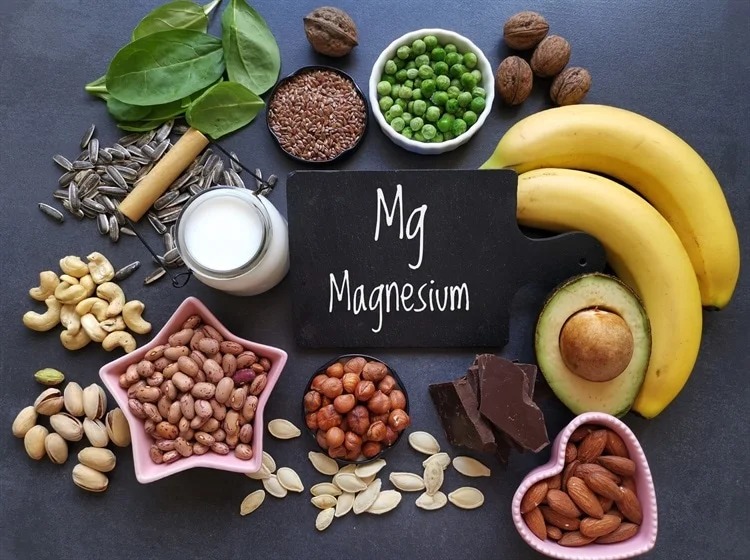
​Having just a spoonful of these foods can help meet your daily requirement of magnesium​

​Why is Magnesium essential?​

Magnesium is a vital mineral that plays a crucial role in the proper functioning of our bodies. It is involved in over 300 biochemical processes, from muscle and nerve function to bone health and energy production. Meeting your daily magnesium requirement is essential for maintaining overall well-being. The human body needs 310 to 420 mg of magnesium in a day. While it’s always best to get your nutrients from a balanced diet, there are certain foods where just a spoonful can provide a significant portion of your daily magnesium needs.

​Having just a spoonful of these foods can help meet your daily requirement of magnesium​

​Quinoa​

A tablespoon of cooked quinoa contains approximately 15 milligrams of magnesium. This versatile grain is not only a good source of magnesium but also offers a complete protein profile.

​Dark chocolate​

For those with a sweet tooth, there’s good news. Dark chocolate with a high cocoa content contains approximately 25 milligrams of magnesium per tablespoon. However, be mindful of portion control due to its calorie content.

​Sunflower seed

Just one tablespoon of sunflower seeds contains about 11 milligrams of magnesium. They are also a source of vitamin E and other antioxidants.

​Pumpkin seeds​

A single tablespoon of pumpkin seeds contains approximately 37 milligrams of magnesium, making them a nutritious and convenient magnesium source. These small seeds are also packed with protein, fibre, and healthy fats.

​Spinach​

Dark leafy greens like spinach are a great source of magnesium. A tablespoon of cooked spinach provides roughly 20 milligrams of magnesium. Incorporating more greens into your diet can offer numerous health benefits.

Chia seeds

Chia seeds are another magnesium-rich option, offering around 15 milligrams of magnesium per tablespoon. They are also high in fibre, omega-3 fatty acids, and other essential nutrients.

​Almonds​

A tablespoon of almonds provides about 12 milligrams of magnesium. Almonds are a tasty and portable snack that can easily contribute to your magnesium intake.

Cashews​

Cashews contain roughly 18 milligrams of magnesium in a single tablespoon. They are not only delicious but also a good source of healthy fats and protein.

Sesame seeds​

Sesame seeds are rich in magnesium, offering around 32 milligrams per tablespoon. They are commonly used in cooking and baking and can be sprinkled on various dishes for added flavour and nutrition.

Health benefits of magnesium​

Magnesium is essential for proper muscle and nerve function. It helps muscles relax and contract, and it supports the functioning of the nervous system. Magnesium plays a role in maintaining a steady heartbeat and may help lower blood pressure. It works in harmony with calcium and vitamin D to keep bones strong. It can help regulate blood sugar levels and reduce the risk of developing type 2 diabetes. Magnesium has been linked to improved mood and sleep quality, making it important for overall mental well-being.

Health tips​

The amount of magnesium each of these food items contains might vary depending on the quality and other factors. It is important to check the symptoms of magnesium deficiency and consult a doctor. A health expert can guide you and recommend you the right kind of dosage. While some patients can fill the magnesium deficiency with just foods, some others need supplements.

visit – https://shorturl.at/wyR35

Categories
Government Guidelines Medical Updates Medicine & Health

Heart damage: Another reason to cut down on children’s screen time

Evidence indicates that excessive screen time is harmful both to neurological development and socialisation.

The effects of prolonged screen use during childhood have been extensively studied in recent years. Evidence indicates that excessive screen time is harmful both to neurological development and socialisation. This is because, among other things, they cause us to disconnect from our surroundings, leading to very real addictions that often require intervention from a mental health professional.

Additionally, screen use can cause neurocognitive learning disorders at the early stages of personality formation in childhood.

But above all, excessive time spent in front of televisions, video games, mobile phones and tablets during childhood and adolescence leads to a sedentary lifestyle.

In fact, there is already a proven link between overuse of screens and the increase in sedentary lifestyles among children.

Now, a new dimension can be added to all these reasons for limiting the time children spend in front of televisions, video games and mobile phones.

According to a new study, led by Andrew Agbaje at the University of Eastern Finland in Kuopio and presented at the European Society of Cardiology Congress 2023, sedentary children are at increased risk of heart damage in early adulthood.

Heart damage: Another reason to cut down on children’s screen time

In other words, inactivity during infancy may well set the stage for heart attacks and strokes later in life, even if weight and blood pressure are within the normal ranges.

Excessive screen time increases heart weight

The research analysed the cumulative effects of sedentary time on the heart, drawing data from Children of the 90s, a landmark multigenerational study that is unique in its breadth and depth of scope.

It tracked the health and lifestyles of 14,500 babies born in 1990 and 1991 into their adult lives.

Of the children included in the study, 766 –55 per cent of them girls and 45 per cent boys– were asked at age 11 to wear a smart watch that monitored their activity for seven days.

At age 15 they were asked to repeat this, and then again at 24. In parallel, an echocardiographical analysis was taken of each subject’s left ventricle at ages 17 and 24, which was then adjusted for height, sex, blood pressure, body fat, tobacco use, physical activity and socioeconomic status.

The results indicated that at age 11 the subjects were sedentary for an average of 362 minutes per day.

In adolescence (age 15) this increased to 474 minutes per day, and then went up to 531 minutes per day in adulthood (age 24).

Sedentary time increased by an average of 2.8 hours per day over the 13 years of the study.

A large amount of this sedentary time was spent in front of screens. `Most seriously, the echocardiography registered an increase in heart weight among young people that correlated directly to time spent being sedentary.

Once they entered adulthood, this increased the likelihood of heart attacks and strokes.

This direct relation between accumulated inactive time and heart damage was independent of body weight and blood pressure.

Tell me how much you moved as a child…

By now it is common knowledge that sedentary lifestyles increase the risk of metabolic conditions (such as obesity and type 2 diabetes), neurodegenerative disease and cardiovascular disease in adults.

The new study shows that sedentary behaviour at a very early age –especially unrestricted screen time– may lead to an earlier onset of cardiovascular disease in adulthood.

For this reason, it is of the utmost importance that parents encourage children and adolescents to move around more, and limit the time they spend watching television, or using social media and videogames.

As we have already suggested with regard to premature birth, the list of known, conventional cardiovascular risk factors (smoking, diabetes, hypertension, etc.) should be revised and updated as a result of the study to include the cumulative time spent engaging in sedentary behaviour in childhood.

We should all, from an early age, heed the words of Martin Luther King when he said “If you can’t fly, then run. If you can’t run, then walk. If you can’t walk, then crawl, but whatever you do, you have to keep moving.”

Read more at- https://shorturl.at/rvxO3

Categories
Medical Equipments Medical Updates Medicine & Health

5 nutrients that can help reduce anxiety

  • A good mental health not just requires rest, rejuvenation and de-stressing, but also nutrition. If you are suffering from anxiety, here are nutrients to add.

Your diet can be a secret weapon for mental well-being. Nutrients play a pivotal role in promoting good mental health and reducing anxiety,” says Nutritionist Lovneet Batra in her recent Instagram post.

Vitamin D: Vitamin D has immunomodulatory, neuroprotective, and neurotrophic properties and may affect the brain tissues involved in the pathophysiology of anxiety.

NAC: The anti-inflammatory activity of NAC is protective against chronic inflammation, which is implicated in the pathogenesis of many psychiatric disorders. NAC can influence the balance of a neurotransmitter called glutamate in the brain. Imbalances in glutamate are associated with anxiety disorders, and NAC may help restore this balance.

5 nutrients that can help reduce anxiety

Magnesium: Magnesium is involved in regulating neurotransmitters and the function of the central nervous system. It helps balance the excitatory and inhibitory signals in the brain, potentially reducing anxiety symptoms. Magnesium may stimulate the production of gamma-aminobutyric acid (GABA), a neurotransmitter that has a calming effect on the brain.

Probiotics: Probiotics have the ability to restore normal microbial balance, and therefore have a potential role in the treatment and prevention of anxiety. They can play a key role in mood regulation by helping to reduce inflammation in your body, produce feel-good neurotransmitters, and affect your stress response.

Probiotics: Probiotics have the ability to restore normal microbial balance, and therefore have a potential role in the treatment and prevention of anxiety. They can play a key role in mood regulation by helping to reduce inflammation in your body, produce feel-good neurotransmitters, and affect your stress response.

Read more at-https://shorturl.at/acEI9

Categories
Medical Updates Medicine & Health

Early eating habits shape celiac disease risk in young kids, study shows

A recent study published in The American Journal of Clinical Nutrition investigated the hypothesis that higher gluten intake during early childhood may be associated with a higher risk of developing celiac disease autoimmunity (CDA) and celiac disease. They further evaluated dietary patterns independent of gluten for their relative contributions to CDA and celiac disease risk in children genetically predisposed to these conditions. Results from their large cohort, long-term study revealed that high vegetable fats and milk intake at age nine months was associated with reduced CDA risk. At age 24 months, high vegetable fats, juices, and wheat intake increased CDA risk, which was exuberated by low milk, meat, and oats consumption. These findings establish the association between diet and autoimmune risk in genetically susceptible children during the first two years of their lives.

Celiac disease and diet

Celiac disease is a chronic autoimmune disorder characterized by an immune reaction to dietary gluten, resulting in damage to the small intestine’s lining. Symptoms include diarrhea, bloating, fatigue, anemia, and, in severe cases, osteoporosis. Celiac disease is a common condition estimated to affect 1.4% of all humans globally. Research has identified the human leukocyte antigen (HLA)-DQ2 and DQ8 haplotypes as being strongly associated with the disease. However, this genetic predisposition accounts for only half of the overall disease risk, suggesting that environmental exposure (diet) plays a significant role in disease manifestation.

Studies on the association between dietary patterns (total dietary exposure) and subsequent health outcomes are superior to conventionally studied single food/nutrient investigations, as they help establish the synergistic effects between multiple nutrients. For example, western diets, composed of higher quantities of sugar, saturated fats, and ultra-processed foods alongside lower fiber intake, have been associated with enhanced risk of proinflammatory biomarkers and allergic risk compared to traditional diets rich in minimally processed foods and higher fruits and vegetables.

Recent research has identified high dietary exposure to pasta, potatoes, vegetables, and rice, alongside lower intake of sweetened beverages and refined cereals, as beneficial to children susceptible to celiac disease autoimmunity (CDA). However, this study included a small cohort, was short-term, and has yet to be verified by follow-up research, necessitating a comprehensive analysis of the dietary patterns responsible for CDA risk and those that may confer resistance against the condition.

About the study

In the present study, researchers aimed to investigate the associations between early childhood (9 to 24 months) dietary patterns that impacted CDA and celiac disease risk in children genetically predisposed to these conditions. Participants were enrolled from the Environmental Determinants of Diabetes in the Young (TEDDY) cohort, across the United States (US), Sweden, Germany, and Finland. TEDDY comprises 8,676 children genetically susceptible to type 1 diabetes, of which 6,677 were recruited into the present study, with the remaining excluded due to a lack of dietary data or clinical celiac disease screening.

Three-day food records were used to assess daily dietary intake. These composite records were collected at 9, 12, 18, and 24 months of age and, during analysis, were disaggregated and recategorized into one of 27 food cohorts based on the preexisting TEDDY database. A total of 22,410 records were collected for this study.

Early eating habits shape celiac disease risk in young kids, study shows

The radiobinding assay was used to assess tissue transglutaminase autoantibodies (tTGAs) as a proxy for celiac disease prevalence. Screening was first conducted at 24 months of age, with follow-up screening every subsequent three months. In children positive for CDA at 24 months, routine blood samples collected as a part of the TEDDY methodology were analyzed to identify the first instance of seropositivity.

Statistical analyses involved using principle component analysis (PCA) to evaluate dietary patterns of children at months 9, 12, 18, and 24. Food groups were coded as predictors and dietary patterns as components, with the exploratory analyses attempting to resolve predictors that explained maximum variation in the observed data. Individual adherence scores were calculated for each child to estimate their dietary intake in relation to their identified dietary pattern.

Finally, Cox proportional hazards regression was employed to elucidate associations between dietary adherence (for each age period) and CDA/celiac disease risk. Regression models were corrected for risk factors previously reported as being associated with CDA. These association analyses were only carried out for individuals with complete genetic, clinical, and dietary data.

Study findings

This study revealed that dietary patterns during the first 24 months of a child’s life significantly increased their risk of contracting CDA or celiac disease. The associations elucidated were independent of their quanta of gluten intake, suggesting that additional dietary factors following weaning may contribute to CDA and celiac disease in children.

The ‘Vegetable fats and Milk’ dietary pattern at nine months of age was associated with reduced CDA risk, even after adjusting for overall gluten intake. Children from the US and Finland showed the most robust adherence to this dietary pattern. Surprisingly, vegetable fats (alongside wheat consumption) at 18 and 24 months resulted in increased CDA risk, though this association was weaker than that at nine months.

The dietary pattern ‘Meat, Rice and GF grains’ depicted reduced risk of celiac disease at age 18 months. Similar to results from the CDA analyses, at 24 months, ‘Vegetable fats and Milk’ dietary patterns showed a direct positive association with increased celiac disease risk.

Conclusions

In the present study, researchers aimed to investigate the associations between early-life dietary patterns and CDA or celiac disease risk in a large cohort (TEDDY), long-term (24 months) analysis. Their findings reveal that adherence to specific dietary regimes during the first two years of life can significantly alter CDA/celiac disease risk, independent of gluten intake. Significantly, wheat, juice, vegetable fats, and processed meats were associated with higher CDA and celiac disease risk. This association was exuberated by low milk, oats, meat, and legume consumption during the second year of a child’s life.

visit more at -https://shorturl.at/U2378

Categories
Medical Equipments Medical Updates Medicine & Health

Things that you need to let go for your personal growth

From letting people’s opinion affect us to being afraid of change, here are a few things that we should let go for our personal growth.

As we grow up, we need to learn a lot of things that are good and healthy for our mental health. Besides learning, unlearning certain things is also important. Knowing what to hold on to and what to let go helps in determining the curve of personal growth that we are working on. When we start to identify things that are holding us back from developing ourselves and becoming a better version, we should learn to let them go slowly but steadily. Sometimes, we hold onto certain teachings, habits and patterns since childhood because of the orientation we received in the family and from past experiences. Personal growth involves understanding what is unhealthy for us and what no longer serves us and letting those things go.

Therapist Israa Nasir addressed this and shared a few things that we need to let go for our personal growth:

Things that you need to let go for your personal growth

Thinking that sacrifice and love are the same: We often mistake sacrifice with love. This happens because of how we have seen the older generation glorify sacrifices. However, these two are extremely different things, and love does not need to be conditional. We should set clear boundaries in love and understand that sacrifice is not always driven by love – it also often leads to resentment.

Letting other people’s opinions guide you: While we all need a little bit of guidance in life, we should know that the perspectives of others have nothing to do with us. How they perceive us is based on their orientation – we should learn to have our own perspectives of ourselves and love ourselves no matter what.

Feeling responsible for other people’s emotions: We always should take ownership of our own mistakes, but we should also identify things that we have no control over and learn to move on from them.

Comparing ourselves to others: Each person has their own set of strengths, weaknesses, boundaries and skills. When we start to compare our progress with that of others, we start to disrespect ourselves more. Instead, we should love and embrace ourselves.

Being afraid of change: Life demands changes with time. We should be able to make changes and adapt to the changing environments with time. That is the only way to move forward.

Read more at-https://t.ly/99B4a

Categories
Medical Updates Medicine & Health

Ways to know yourself better: Therapist shares tips

From self-reflection to knowing strengths and weaknesses, here are a few ways to know ourselves better.

Self-awareness is a journey of its own. It’s a lifelong journey of finding out about us and knowing ourselves better. “Getting to know yourself is a lifelong journey of self-discovery and self-awareness. It’s a process that involves introspection, self-reflection, and a willingness to explore your thoughts, feelings, and experiences. The self-discovery journey is about developing a deep and evolving understanding of who you are, what you want, and how you can live a fulfilling life in alignment with your true self. Try to be patient and compassionate with yourself throughout this process,” wrote Therapist Lucille Shackleton as she shared a few tips on how we can know ourselves better.

Self-reflection: We should spend time knowing about the way we feel and the way we think. Investing time in our thoughts and emotions will help us to understand ourselves better and get more clarity.

How our past affects our present: Our past experiences play a significant role in growing our perspectives, triggers, glimmers, needs and behavioral patterns. We should carefully analyse past experiences and try to understand how they have impacted on our present situations and thought process.

Ways to know yourself better: Therapist shares tips

Explore interests: When we find a passion and a goal, no matter what, we should chase them and try to incorporate them in our daily lives. Doing things that make us happy will help us to see the brighter side of things.

Explore values: Everyone has their own belief system – it consists of the ethics, values and beliefs that we abide by. We should explore the belief system that we need for our lives and try to stick to it.

Strengths and weaknesses: Knowing about our abilities, strengths and weaknesses will help us to get more clarity on the things that we are good at and the things that we need to work on.

Mindfulness: Practicing mindfulness and meditation brings us closer to our own thoughts and beliefs. This helps us to know our perspectives and opinions better.

Seek feedback: We should always be open to constructive feedback to understand what we are doing wrong – we should work on those areas.

Read more at-https://shorturl.at/jpGN8

Categories
Medical Equipments Medical Updates Medicine & Health

Increasing daily steps by 3,000 can reduce blood pressure in older adults

The study explores how 3000 daily steps can help in regulating blood pressure in older adults.

A new study discovered that increasing exercise by 3,000 steps per day can significantly reduce high blood pressure in older persons.

Pescatello worked in Duck-Chun Lee’s lab at Iowa State University with Elizabeth Lefferts, the paper’s primary author, and others.

The findings were published in the Journal of Cardiovascular Development and Disease.

“We’ll all get high blood pressure if we live long enough, at least in this country,” Pescatello said. “That’s how prevalent it is.”

Pescatello is an expert on hypertension (the clinical term for high blood pressure) and exercise. Her previous research has demonstrated that exercise can have a significant immediate and long-lasting impact on lowering blood pressure in hypertensive adults.

This study sought to determine if older adults with hypertension could receive these benefits by moderately increasing their daily walking, which is one of the easiest and most popular forms of physical activity for this population.

It’s easy to do, they don’t need any equipment, they can do it anywhere at almost any time,” Lee said.

The study focused on a group of sedentary older adults between ages 68 and 78 who walked an average of about 4,000 steps per day before the study.

After consulting existing studies, Lee determined that 3,000 steps would be a reasonable goal. This would also put most participants at 7,000 daily steps, in line with the American College of Sports Medicine’s recommendation.

“3,000 steps is large enough but not too challenging to achieve for health benefits,” Lee said.

The team conducted the study during the height of the COVID-19 pandemic, which meant they had to do everything remotely.

The researchers sent participants a kit with pedometers, blood pressure monitors, and step diaries for participants to log how much they were walking each day.

Increasing daily steps by 3,000 can reduce blood pressure in older adults

On average, participants’ systolic and diastolic blood pressure decreased by an average of seven and four points, respectively, after the intervention.

“It’s exciting that a simple lifestyle intervention can be just as effective as structured exercise and some medications,” Lefferts saud.

The findings suggest that the 7,000-step regimen the participants in the study achieved is on-par with reductions seen with anti-hypertensive medications. Eight of the 21 participants were already on anti-hypertensive medications. Those participants still saw improvements in systolic blood pressure from increasing their daily activity.

“In a previous study, we found that when exercise is combined with medication, exercise bolsters the effects of blood pressure medication alone,” Pescatello said. “It just speaks to the value of exercise as anti-hypertensive therapy. It’s not to negate the effects of medication at all, but it’s part of the treatment arsenal.”

The researchers found that walking speed and walking in continuous bouts did not matter as much as simply increasing total steps.

“We saw that the volume of physical activity is what’s really important here, not the intensity,” Pescatello said.

“Using the volume as a target, whatever fits in and whatever works convey health benefits.”

Read more at-https://shorturl.at/ekmF5

Categories
COVID-19 Medical Updates Medicine & Health

Cough sound analysis assists in determining severity of Covid-19 patients

The study states that assessing the cough sounds can help in detecting the risk of severe pneumonia

While most persons infected with COVID-19 experience minor symptoms and recover in a matter of weeks, the global pandemic caused by the SARS-CoV-2 virus remains a significant health danger.

Some of those infected may develop more severe illness and pneumonia, resulting in a more bleak outlook.

Although techniques for assessing patients’ risk have been created, diagnostic and prognostic tools rely mostly on expensive and less accessible imaging technologies such as radiography, ultrasonography, or computed tomography (CT).

As a result, there is a need for the development of a simpler and more easily accessible prognostic tool that allows healthcare providers to identify individuals who have developed or are at risk of getting severe disease. This would simplify patient triage and allow for earlier intervention, even at home or in primary care settings.

In the early stages of COVID-19, a research team directed by IBEC and Hospital del Mar, with support from the Universitat Politècnica de Catalunya (UPC), CIBER-BBN, and CIBERES, conducted a study based on the analysis and interpretation of cough sounds.

Cough sound analysis assists in determining severity of Covid-19 patients

This method is given as a potentially predictive, straightforward, and user-friendly tool for assessing the risk of severe pneumonia.

The study included smartphone recordings of voluntarily coughing sounds from 70 patients with SARS-CoV-2 infection, all taken within the first 24 hours of their hospitalisation.

IBEC performed an acoustic analysis of these recordings, which revealed significant changes in cough sounds depending on the severity of the respiratory ailment, which had previously been confirmed by imaging tests and the requirement for supplemental oxygen.

According to the findings, this approach might be utilised to classify COVID-19 patients as mild, moderate, or severe, as well as to monitor patients with chronic COVID-19. The study used data obtained at Hospital del Mar between April 2020 and May 2021, and the results were published in the European Respiratory Journal Open Research.

Read more at-https://shorturl.at/dlnuI

Categories
Medical Equipments Medicine & Health

World Heart Day 2023: Sudden cardiac arrest, heart attack, heart failure; what’s the difference? Cardiologist explains

A cardiologist explains how the three CVD conditions – heart attacks, heart failure and sudden cardiac deaths, differ in condition, symptoms, and treatment.

Heart health has been one of the biggest casualties in the today’s fast-paced routine that leaves little time and space for developing healthy lifestyle habits which can go a long way in preventing onset of chronic diseases. Rise in heart attacks, sudden cardiac arrest and other cardiovascular conditions has become a cause of concern. Stress, alcohol, smoking, lack of exercise, poor diet are among the major factors that are affecting heart health of people of all age groups. While people are hitting gyms to stay in shape, they are hardly modifying their food habits and taking measures to control stress, which could be causing sudden cardiac events and deaths.

“India accounts for approximately a quarter of cardiovascular disease (CVDs) related deaths worldwide, with an estimated 17.9 million deaths annually. An equally disturbing number of hospitalizations supplement the alarming number of deaths due to multiple categories of cardiovascular conditions. A study published by the Asian Pacific Society of Cardiology (APSC) reports that this high number can be due to various factors, the most prominent being bad lifestyle choices and unhealthy diets. Despite trying to be physically fit, people suffer from poor health due to lifestyle behaviours such as food and drink choices, smoking, alcoholism, inadequate sleep and more,” says Dr H.N. Mishra, Senior Consultant Interventional Cardiologist, Apollo Hospital Bhubaneswar.

Unfortunately, most individuals do not take the onset of the conditions seriously until they become more critical, mainly due to the lack of understanding of the condition and their implications. Not only the public but also caregivers confuse the medical terms and use them interchangeably without understanding the repercussions.

“While heart complications and associated co-morbid conditions are interlinked, these conditions require distinct treatments based on a patient’s medical condition. Thus, it becomes essential to understand how the three most critical CVD conditions, heart attacks, heart failure and sudden cardiac deaths, differ in condition, symptoms, and treatment,” says Dr Mishra.

On the occasion of World Heart Day (September 29), let’s understand from Dr Mishra how heart attack, sudden cardiac arrest and heart failure are different from each other.

1. Heart attack

A heart attack occurs when blood flow to the heart is reduced or blocked. Blood clots, atherosclerosis, fat, or cholesterol deposits in the coronary arteries cause this blockage. During a heart attack, the heart continues to beat, but oxygen-rich blood can’t reach the organ for proper functioning. The longer the treatment is delayed, the more damage happens, causing a heart attack possibly leading to sudden cardiac arrest.

The three types of heart attacks are:

  • Unstable angina: Damage to the heart due to reduced blood flow to the heart occurring at rest or on minimal exertion in the absence of damage of heart muscle is an unstable angina. This could lead to heart attack.
  • Non-ST segment elevation myocardial infarction (NSTEMI): When the coronary artery is partially blocked, blood flow is reduced, causing damage to the heart. This condition is referred to as NSTEMI, which is a severe condition.
  • ST segment elevation myocardial infarction (STEMI): When a coronary artery becomes completely blocked, and a large portion of the muscle stops receiving blood, the condition is referred to as STEMI or a major heart attack.
  • MINOCA: When the patient of heart attack with signs and symptoms of heart damage, investigations suggesting damage to heart and blood vessel supplying the heart is < 50% blocked and not obstructing the blood flow, then the condition is referred to as MINOCA or Myocardial Infarction with Non-Obstructive Coronary Arteries.
Symptoms of heart attack

Heart attack symptoms might vary based on age, gender, and lifestyle. However, some common signs include chest pain, shortness of breath, cold sweats, nausea, and vomiting, which usually develop slowly over time. If you or someone you know is experiencing these symptoms, an immediate visit to a cardiologist is recommended.

World Heart Day 2023: Sudden cardiac arrest, heart attack, heart failure; what's the difference? Cardiologist explains

2. Heart failure

When the heart cannot pump enough blood through the body, the condition is referred to as heart failure. The condition is caused by multiple underlying conditions such as coronary artery disease, high blood pressure or diabetes.

Symptoms of heart failure

The most common symptoms of heart failure are swelling of feet, ankles and legs as the heart’s pumping ability weakens, and blood and fluid travel back into the lungs. Some people also experience weakness, lethargy, and shortness of breath. A cardiologist will determine the underlying cause of heart failure and then outline the treatment based on the cause.

3. Cardiac arrest

When there is a sudden loss of all heart activity due to an irregular heart rhythm, the condition is referred to as cardiac arrest. During a cardiac arrest, the person stops breathing and becomes unconscious, which could lead to death without immediate treatment. The underlying causes of cardiac arrest include coronary heart disease, physical stress, and hereditary disorders. However, cardiac arrest can also occur with no known cause. Emergency treatment with professional healthcare providers is required for sudden cardiac arrest. The line of treatment could include cardiopulmonary resuscitation (CPR) and shocks to the heart with an automated external defibrillator (AED).

“Any heart condition is serious and requires immediate medical intervention. Recognizing the warning signs early is crucial for timely intervention and preventing complications. Besides staying vigilant and seeking prompt medical attention when needed, people should go for regular check-ups with a cardiologist and maintaining a healthy lifestyle,” adds Dr Mishra.

Read more at-https://shorturl.at/nCG29