Categories
Medical Updates

10 winter-friendly beverages to boost immunity, hydration

Winter can invite many seasonal ailments but eating and drinking according to the season can give a boost to your immunity. When it comes to beverages, tea and coffee are preferred by most over other warm drinks in winter. However, excess of high-caffeine drinks can lead to dehydration which may further cause constipation, burning sensation in stomach and exacerbation in anxiety symptoms. While your first instinct might be to reach for a hot cup of tea, to avoid winter-specific ailments you must swap it for a more nourishing and hydrating drink. Soups, infused water, cinnamon tea, jeera water, ragi malt are some of the warm beverages that are perfect in biting cold and at the same time hydrate you well.

10 winter-friendly beverages to boost immunity, hydration10 winter-friendly beverages to boost immunity, hydration

While winter may reduce the sensation of feeling the thirst, but it remains crucial to sustain proper hydration to support the body’s temperature regulation and functions throughout the day. Despite the diminished inclination to drink water in colder weather, maintaining adequate hydration is essential for overall well-being. Consistent hydration ensures that the body’s vital processes continue to function optimally, even in the face of lower temperatures, promoting overall health and comfort during the winter season,” says Vyuhitha Motupalli, Executive Nutritionist, Cloudnine Group of Hospitals, Bengaluru, Electronic City.

Choosing warm or hot soups and beverages, along with a daily intake of eight glasses of warm water, is a recommended practice during the winter months. The thermogenic properties of warm drinks aid the body in preserving warmth, promoting activity, and ensuring consistent hydration in the face of cold weather. This approach not only contributes to maintaining a comfortable body temperature but also supports overall well-being during the winter season,” adds Motupalli.

BEST WINTER BEVERAGES TO COMBAT DEHYDRATION

The nutritionist also shared a list of 10 winter-friendly warm beverages that can help maintain immunity and hydration.

1. Herbal teas: If you are a tea person, you can go for herbal teas like peppermint, green tea, chamomile, ginger, and lemon. To add in healthy twist to the teas, 2 tablespoons of soaked chia seeds can be added which are good source of omega 3 FFA.

2. Sattu drink: Sattu is a nutritious flour made from roasted chickpeas (chana) which is a good source of energy and protein. Mix it with hot water, a pinch of black salt and a dash of lemon juice for a satisfying and protein-rich drink. To add flavour, it can be combined with roasted cumin powder and jaggery powder (optional). It is a healthy drink for pregnant and lactating mothers.

. Warm winter fruit punch: Take fruit juice of ½ litre orange, 250 ml pineapple juice and 250 ml apple juice. Heat the mix of all fruit juices in a saucepan and add 1 medium sized cinnamon stick, few cloves, nutmeg and cinnamon powder. Heat over low flame, simmer for 20 minutes and turn off the stove. Let it cool slightly. Once it turns warm, filter it and serve it by adding fresh cut fruits like oranges, apple, lemon juice and 2-3 tablespoons soaked chia seeds as they are good source of omega 3 FFA and garnish with mint leaves and serve warm. As it contains citrus juice and spices too, they help in fighting against the infection and also maintain the body temperature.

. Warm infused water: A healthy and delightful infused drink can be made by adding slices of cucumber, lemon, orange, mint, piece of ginger to a pitcher of hot water. Once the mix turns lukewarm, filter the infused water and serve it with soaked chia seeds and 1.2 tsp honey (optional) which is a healthy alternative for hydration. It also works as a detoxifier.

5. Soups: Healthy as well nutritious, veg soups or meat broths which are rich in vitamins and minerals can be taken to maintain hydration, warmth and energy. Sprinkling pepper definitely helps in case of cold/nose congestion.

6. Golden milk: In a sauce pan, add 2 cups milk, pinch each of turmeric powder, pepper, cinnamon and grated ginger (½ inch). Mix all the ingredients and bring it to boil. Lower the heat and let it boil for another 5 minutes and serve hot. For sweetness, 1 tsp of honey can be added (optional) . Turmeric has anti-inflammatory properties, which helps to keep the infections at bay during winter. All the spices provide warmth to the body.

. Warm jeera water: Add one cup of water and one teaspoon of jeera or 1 tbs of jeera powder in a saucepan and boil well. Strain it and drink warm. During winter, consumption of lukewarm jeera water helps to provide relief from cold and sore throat due to its hot nature. It has strong anti-congestive property and it helps in clearing the mucus collected in the chest/respiratory tract. The anti-bacterial property of jeera water aids in fighting against infection-causing bacteria.

8. Cinnamon tea: A pinch of powdered cinnamon can be added to the boiling water and simmered for sometime. It can then be filtered and consumed with a few drops of honey and lemon. It a healthy and refreshing drink which also helps in boosting the metabolism during winters.

. Hot barley water: Take ½ cup of barley along with 4 cups of water. After washing the barley, add it to the water and pressure cook for 3 whistles. Strain the water and add flavouring of your choice like black salt, lemon, pepper, honey etc. Barley has excellent antioxidant properties and it also helps to maintain the body temperature and hydration in winter.

10. Classic warm ragi malt: Add 2-3 tbs of ragi malt to a cup of hot milk and mix well without forming lumps. Add jaggery for taste (optional) along with a pinch of cinnamon and elaichi powder. Ragi is a good source of calcium and iron apart from providing warmth. Hence, it’s a good option for pregnant women and growing children due to its nutritional benefits.

Visit us – www.aarogyapath.in for more details .
Categories
Medical Updates

Wonderful benefits of basil seeds water on empty stomach

Basil seeds water on empty stomach can help support your weight loss journey as well as gut health. Know all the benefits of this amazing elixit.

Your immunity needs an extra boost in winter months and starting your day with the right nutrients can make a great difference to the overall health. Having infused water on empty stomach is a wonderful way to stay hydrated and nourish the body with fibre and important vitamins and minerals. Basil seeds water is one such morning drink that is gaining popularity among wellness enthusiasts. The healthful elixir can be made conveniently by soaking basil seeds overnight in water and can work wonders for your weight loss journey.

Basil seeds, scientifically known as Ocimum basilicum, have been in use for thousands of years. Basil seeds are a popular flavouring agent as well as medicinal ingredient. In ancient times, basil seeds were crushed and combined with honey or water to create tonics to boost immunity and other aspects of well-being. In India, basil seeds have been used to address digestive issues and balance doshas as per Ayurveda. Sweet basil seeds are different from holy basil seeds or Tulsi and have different application than the latter.

Wonderful benefits of basil seeds water on empty stomach

“Drinking basil seed-infused water on an empty stomach provides a myriad of health advantages. Basil seeds are a nutrient-rich powerhouse containing essential elements like fibre, vitamins, and minerals, contributing to overall well-being.

The significant fibre content supports digestion, fostering a healthy gut and preventing constipation. Basil seeds reduce oxidative stress, boast antioxidant properties, and help aid in the neutralisation of free radicals in the body,” says Ayush Aggarwal, Founder, Rasayanam.

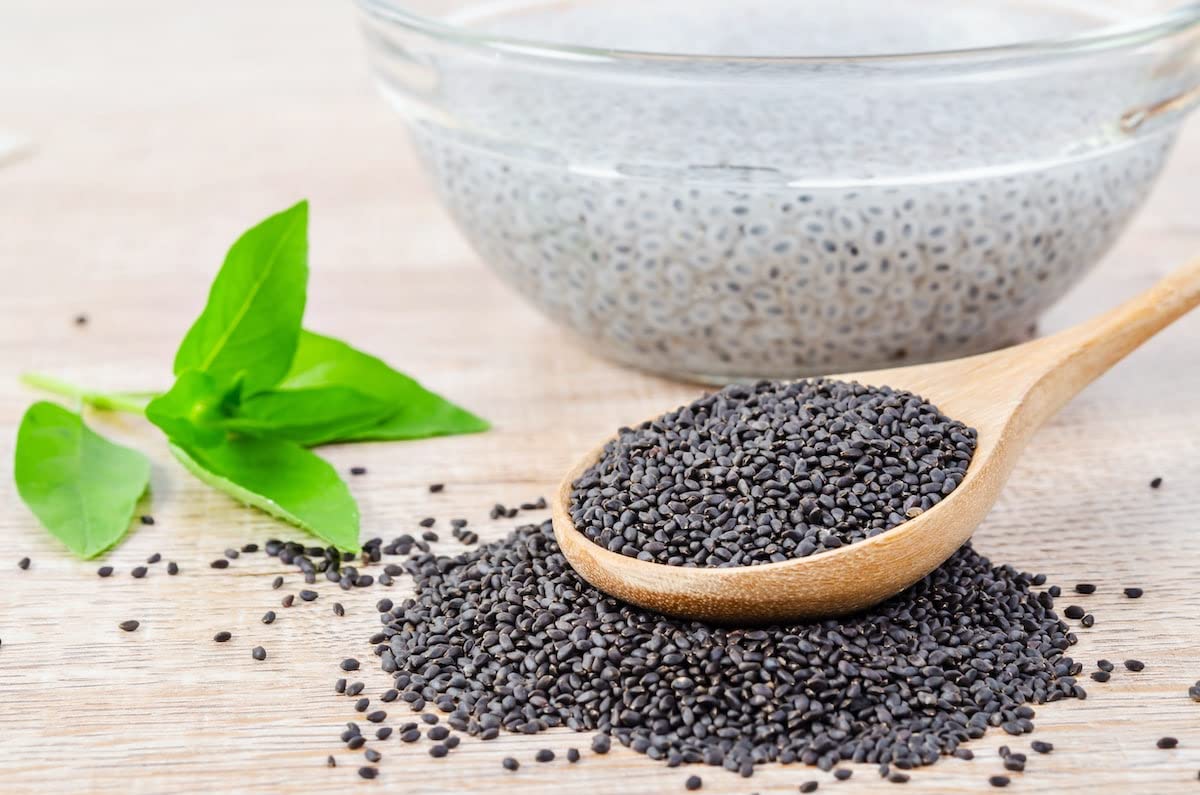
Basil seeds are small, black and round in shape and considering they are flavourful too, they are a popular addition in smoothies, juices and bakery products. High in nutrients like Vitamin A, E, B and K, calcium, iron, phosphorous, basil seeds are also the preferred choice for weight-loss enthusiasts due to their ability to promote satiety. They also help in burning fat and lower cholesterol. Basil seeds also help in boosting gut health which further helps prevent diseases.

“Basil seeds can aid in weight management by inducing a sense of fullness, thereby curbing unnecessary cravings. They have been linked to regulating blood sugar levels, making them advantageous for individuals dealing with diabetes. Additionally, the anti-inflammatory properties of basil seeds may contribute to alleviating conditions associated with inflammation,” says Aggarwal.

How were basil seeds consumed in ancient times

The origin of aromatic seeds goes back to thousands of years back, where the ancient herb was preferred not just for culinary use but also crafting medicines.

In ancient times, basil seeds were integral to various culinary and medicinal practices. Historical records reveal that civilizations like the Greeks and Romans valued basil not only for its aromatic qualities but also for its perceived health benefits. Basil seeds were commonly crushed and combined with honey or water to create tonics believed to enhance vitality and promote good health,” says Aggarwal.

“In Ayurvedic medicine, an ancient Indian healing system, basil seeds were embraced for their cooling properties. They were soaked in water and ingested to address digestive issues, reduce body heat, and balance doshas. Across cultures, basil seeds were esteemed for their versatility, making their way into soups, stews, and traditional remedies,” adds the expert.

Other ways to consume basil seeds

Aside from basil seed water, there are numerous creative ways to integrate these nutritious seeds into your diet, as per Aggarwal.

  • Basil seeds can be incorporated into smoothies, yogurt, or fruit salads for an additional nutritional boost.
  • Due to their gelatinous texture when soaked, basil seeds can serve as a thickening agent in soups and gravies.
  • For a delightful twist, consider combining basil seeds with your preferred beverages, such as lemonade or iced tea.
  • Adding them to homemade energy bars or puddings presents an innovative and flavourful approach to enjoying their health benefits.
  • Who shouldn’t have basil seeds

    While basil seeds offer numerous health benefits, certain individuals should exercise caution or abstain from consuming them.

    “People with allergies to basil or related plants should avoid basil seeds. It is advised to consult healthcare professionals if you are pregnant or breastfeeding before incorporating basil seeds into your diet due to limited research on their safety in these situations,” says Aggarwal

  • “Individuals with pre-existing medical conditions, such as gastrointestinal disorders or low blood pressure, should seek medical advice before regularly consuming basil seeds. Approaching dietary changes is crucial, along with awareness of regular health conditions and following a healthcare professional’s advice when in doubt,” concludes the expert.

Visit us – www.aarogyapath.in for more details

Categories
Medical Updates

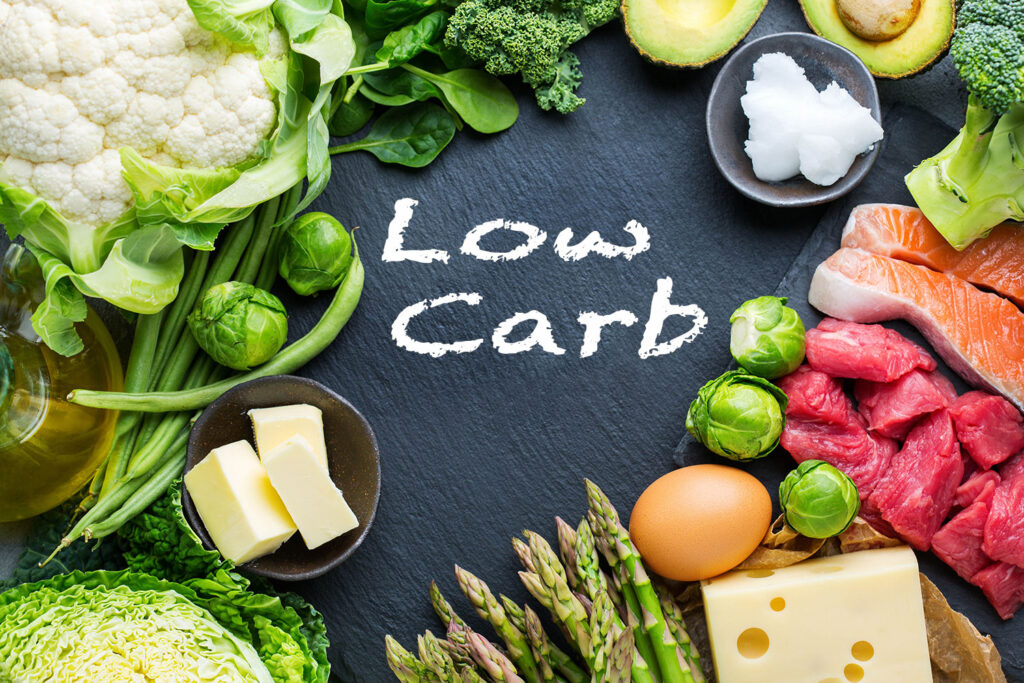
These are the type of low-carb foods that help slow weight gain, new study shows

Eating fewer carbohydrates can slow weight gain over time. But it’s not enough to just cut back on carbs.

An analysis of data from nearly 125,000 healthy adults revealed that replacing refined carbs — white bread, white rice or sugary cereals —with whole grain foods and cutting back on animal-based fats and proteins appeared to lessen the amount of weight people gained over a four-year period, according to the report published Wednesday in JAMA Network Open.

“When it comes to a low-carbohydrate diet, quality is paramount,” said the study’s senior author, Dr. Qi Sun, an associate professor in the departments of nutrition and epidemiology at the Harvard T.H. Chan School of Public Health. “The things people need to pay attention to are high-quality carbohydrates.”

What are high-quality carbohydrates?

  • Whole grains, such as oatmeal, whole grain pasta or breads.
  • Fats from vegetable oils, though not tropical ones, such as coconut or palm which are high in saturated fat.
  • Plant proteins, such as beans, nuts and soy.
  • Fruits.
  • Vegetables.

It’s best to stay away from refined grains, like white flour, red and processed meats and saturated fats, Sun said.

The best animal protein would be fish, and then poultry, he said.

The new research adds to the growing evidence that diets heavy on healthy carbohydrates and plant-based proteins and fats are associated with significantly slower long-term weight gain.

To take a closer look at the impact of nutrient choices, Sun and his colleagues turned to three databases: the Nurses’ Health Study, which enrolled 121,700 female nurses aged 30 to 55; the Nurses’ Health Study II, which followed 116,340 females nurses who were aged 25-42 at the outset; and the Health Professionals Follow-up Study, which enrolled 51,529 male health professionals aged 40 to 75.

For their analysis, Sun and his team focused on 123,332 men and women who had no chronic health conditions.

The researchers were not looking at very low-carb diets, like keto, Atkins or paleo.

In general, Americans tend to consume a diet that contains 50% to 60% carbohydrates, Sun said. A low-carb diet typically contains 30% to 40% carbohydrates.

The researchers scored people’s diets based on the quality of their diets and assigned them to categories based on those scores:

  • Animal-based low-carbohydrate diet (ALCD).
  • Vegetable-based low-carbohydrate diet (VLCD).
  • Healthy low-carbohydrate diet (HLCD), which emphasized plant-based proteins, healthy fats and fewer refined carbohydrates.
  • Unhealthy low-carbohydrate diet (ULCD), which emphasized animal proteins, unhealthy fats and refined carbohydrates, including processed breads and cereals.

The researchers found that when people improved the quality of their diets, they gained less weight over the four years of the study

For more info – https://shorturl.at/anQ36

Categories
Medical Updates Medicine & Health

India bans use of anti-cold drug combination for kids below 4 years

India’s drugs regulator has banned the use of an anti-cold drug combination for children below four years of age and said drugs should be labelled accordingly, reported Reuters.

The regulatory body addressed concerns regarding the promotion of an unapproved anti-cold drug formulation for infants, leading to a discussion and a subsequent recommendation against using the combination for that age group.

India bans use of anti-cold drug combination for kids below 4 years

This directive follows a series of child deaths in India since 2019, linked to toxic cough syrups produced domestically. These incidents, which include at least 141 deaths in Gambia, Uzbekistan, and Cameroon since the middle of last year, have raised questions about the quality of pharmaceutical exports from India, often referred to as the “world’s pharmacy” due to its provision of life-saving drugs at affordable prices.

The regulator issued an order on December 18, publicly disclosed on Wednesday, mandating drug manufacturers to label their products with a warning that the fixed-drug combination (FDC) “should not be used in children below 4 years of age.” This FDC comprises chlorpheniramine maleate and phenylephrine, commonly used in syrups or tablets to address common cold symptoms. Notably, the World Health Organisation does not recommend the use of over-the-counter cough syrups or medicines for treating coughs and cold symptoms in children under five years old.

Since June, India has implemented mandatory testing for cough syrup exports and intensified scrutiny of drug manufacturers. Despite these measures, companies whose cough syrups were associated with child deaths have consistently denied any wrongdoing.

Visit us – https://shorturl.at/stzCR
Categories
Government Guidelines Medical Updates Medicine & Health

JDRF International with William J Clinton Foundation to improve Type 1 diabetes care in India

JDRF International, the leading global type 1 diabetes (T1D) research and advocacy organisation, in partnership with the community, clinical partners and William J Clinton Foundation (WJCF), an affiliate of the Clinton Health Access Initiative in India, announced a sweeping set of collaborations that aims to drastically improve T1D care.

THIS CAN BE YOUR ADVERTISEMENT

The efforts include supporting public health programmes, innovative grassroots initiatives, and dedicated clinician networks converging to create a multi-dimensional strategy to tackle T1D. This approach reflects a holistic understanding of health care. Ensuring that essential social and educational needs are met, as all partners work in concert to promote more effective diabetes management for people living with T1D in India. 

JDRF International with William J Clinton Foundation to improve Type 1 diabetes care in India

“We are incredibly humbled to have the opportunity to work closely with our Indian colleagues who are making great strides in removing barriers to access and improving outcomes around the country,” said Sanjoy Dutta, Chief Scientific Officer, JDRF. “Increasing care for people living with type 1 diabetes in India is vital to JDRF’s global access work.”

According to the T1D Index, a first-of-its-kind data simulation tool that measures the human and public health impact of type 1 diabetes, India has the largest ‘missing’ prevalence of type 1 diabetes in the world. Increasing focus on screening for diagnosing T1D and helping manage care will improve longevity and quality of life for them. 

As part of this process, the Government of India has initiated several comprehensive programs that address immediate health care needs and pave the way for long-term systemic improvements in T1D care. Several Indian states are at the forefront, with significant T1D programmes, serving as models of innovation and effectiveness and select states will be served by the support currently being developed in partnership with JDRF International, William J Clinton Foundation, The Helmsley Charitable Trust with support from Eli Lilly and Company. 

At William J Clinton Foundation, we are deeply committed to partnering with and supporting public health programmes for comprehensive management of type 1 diabetes in select states of India. Our approach is that of collaboration and facilitation and our partnership with JDRF is designed to complement and enhance government-led diabetes care programs,” said Harkesh Dabas, Managing Director, William J Clinton Foundation. “We aim to bolster the implementation and scaling of these important initiatives. Our involvement underscores a public healthcare-owned and led initiative and collaborative spirit, ensuring that the strides made in type 1 diabetes care are both impactful and sustainable, and reach every individual in need across the country.” 

These dramatic advances in diabetes care are supported by The Impatient Network, a dynamic coalition of grassroots and community-based diabetes advocates working across India. Made up of people living with diabetes and their loved ones, The Impatient Network is working with partner organisations to provide access to peer-led education, support services and resources that will help to combat stigma and raise T1D awareness. 

As someone who personally navigates the challenges of type 1 diabetes, I’ve seen firsthand the critical need for comprehensive support and care. My involvement with The Impatient Network, starting from its first meeting, has been a journey of hope”, said Princess Padmaja Kumari Parmar, Founder and President of Friends of Mewar. “This network is a vital link in the collaboration between people with diabetes, government bodies, and clinicians. By joining hands with policymakers and medical experts, we are not just voicing our needs; we’re actively shaping a future where diabetes care is inclusive, innovative, and accessible to all. This collaborative approach is key to ensuring that every person with type 1 diabetes in India has access to the best possible care and support.” 

“The Impatient Network stands as a beacon of hope and change in India’s type 1 diabetes landscape. As a united force of grassroots advocates, we embody the collective voice and determination of communities striving for better diabetes care,” said Jazz Sethi, global diabetes advocate, Impatient Network member, and founder of The Diabesties Foundation. “Our focus on peer-led education and innovative awareness initiatives is more than just filling gaps in health care; it is about building trust, understanding, and a sustainable framework for comprehensive diabetes management. We’re crafting a future where type 1 diabetes care is accessible, empathetic, and effectively meets the real needs of those it serves.” 

The initiative aims to create a synergy between medical experts and peer groups, fostering a cooperative environment where clinical knowledge meets community wisdom. This work is essential in making diabetes care more accessible and tailored to the needs of people living with T1D in India. 

“In our mission to advance T1D care in India, collaboration is key. A key part of that is a partnership with the existing work being done by clinical communities such as the Diabesties & Blue Circle and institutions such as RSSDI, ISPAE, and ESI,” said Professor Partha Kar, NHS National Specialty Advisor in Diabetes. “Our Clinical Stewardship Program embodies this collaborative ethos, bridging the gap between medical professionals and the T1D communities we serve. It is a personal privilege to be given this opportunity by JDRF – to be able to give back something to the country to which I owe so much of my life. As the saying goes: ‘Phir Bhi Dil Hai Hindustani’ (still my heart is Indian).”

Visit us – www.arogyapath.in  

Categories
Medical Updates

Sweets Without Regrets! Nutritionist Shares Guilt-Free Dessert Recipes To Enjoy This Festive Season

As the festive season approaches, where twinkling lights adorn streets, and hearts resonate with cheer. The holiday season beckons, offering a respite—a time to reflect, connect, and embrace the magic of traditions. The anticipation of indulging in delectable treats becomes a highlight for many. However, for those on a health and fitness journey, the fear of compromising their goals can cast a shadow on the celebrations.

As we navigate the whirlwind of festivities, let’s delve into the essence of the season, celebrating love, gratitude, and the simple pleasures that make this time of year truly special. Nutritionist Aman Puri, Founder of Steadfast Nutrition comes to the rescue with guilt-free dessert recipes that promise to add sweetness to your festivities without any regrets.

Dry Fruit Ladoos: Nutrient-packed Delight

Bid farewell to the guilt associated with traditional ladoos laden with sugar and ghee. Puri’s dry fruit ladoos are a healthier alternative. Begin by blending de-seeded dates, incorporating finely-chopped almonds, cashews, figs, pistachios, and raisins.
Sauté the mixture in a touch of ghee until the nuts release their aroma. To this, add a pinch of cardamom powder and desiccated coconut. Allow the concoction to cool for a few minutes before shaping it into your preferred-sized ladoos.

Pumpkin Barfi: Orange-Colored Nutrient Powerhouse

Featuring the goodness of beta-carotene, vitamins C and E, potassium, magnesium, and iron, Puri’s pumpkin barfi is a delightful and nutritious addition to your festive menu. Roast besan until aromatic, sauté grated pumpkin in ghee until its rawness subsides, and then combine with milk and jaggery powder.
Stir continuously over medium heat until the mixture thickens, adding ghee until it leaves the sides. Sprinkle cardamom powder, let it cool, and cut it into your desired shapes after greasing a plate with ghee.

Quinoa Phirni: Superfood Twist

Embrace the superfood craze with Quinoa Phirni, a complete meal that caters to gluten intolerance. Roast quinoa until golden brown, cook it with water until reduced by half, and add preferred milk and kesar-infused milk.
Sweeten with stevia or jaggery powder, sprinkle cardamom, and simmer until perfection. Garnish with chopped cashews, almonds, and raisins for a festive finish.

These guilt-free dessert recipes from Nutritionist Aman Puri redefine the celebration of sweetness during festivals. Embrace the joy of festive indulgence without compromising your health and fitness goals. After all, a celebration that nourishes the body is truly a cause for happiness.

visit us – www.aarogyapath.in

Categories
Medical Updates

Cold Weather, Hot Risk! Understanding Winter Dehydration And Tips To Prevent, Expert Shares

The key to winter health is not just bundling up against the cold but also staying hydrated from the inside out. Here are some expert tips on how to prevent winter dehydration and take care of your health.

As winter blankets the world in a frosty embrace, the risk of dehydration may not be the first concern on your mind. While dehydration is commonly associated with scorching summer temperatures, the cold weather brings its own set of challenges that can jeopardize your body’s hydration balance.

Cold Weather, Hot Risk! Understanding Winter Dehydration And Tips To Prevent, Expert Shares

In an interview with Zee News English, Dr Disha Sheth, Consultant Physician, Ruby hall Clinic Wanowrie, Pune shares the health risks associated with dehydration in winters and tips to prevent it.

Understanding the dynamics of winter dehydration and implementing preventive measures are essential for maintaining optimal health during the chilly months.

Preventing Dehydration in Winter

Contrary to popular belief, cold weather can increase the risk of dehydration. The lower temperatures may diminish our perception of thirst, leading to reduced water intake. Additionally, the cold can induce more frequent urination as the body works to regulate its temperature. To combat this, health experts recommend a daily water intake of 8-10 glasses, even if you don’t feel thirsty. Opting for electrolyte-fluid replacement beverages containing moderate amounts of glucose, sodium, and potassium aids in better water absorption and retention.

Including fruits and vegetables with high water content in your diet is equally crucial. Gastrointestinal diseases, a common cause of dehydration, may manifest during winter and can lead to vomiting and diarrhea. Children are particularly vulnerable, and prompt administration of oral rehydration solutions is advised to replenish fluid and electrolyte loss. Boiled water consumption and avoidance of contaminated food and water sources are vital precautions to prevent winter dehydration.

Humidity-Induced Sweating and Winter Dehydration

In winter, humidity-induced sweating poses a unique challenge. While the cold air may not trigger the same perceptible sweat response as summer heat, the body still loses water through evaporation. However, in humid conditions, the air is saturated with water, hindering the evaporation process. This results in increased sweating as the body struggles to release heat, potentially leading to dehydration.

Mild dehydration, defined by a 5% loss of total body water, can cause symptoms such as headaches, dry mucous membranes, and reduced urine output. Recognizing these signs is crucial, as moderate (5%-10%) and severe (10%-15%) dehydration can be life-threatening. Immediate medical attention is recommended in severe cases.

As winter settles in, it’s essential to remain vigilant against dehydration. By staying hydrated, incorporating water-rich foods into your diet, and recognizing the signs of dehydration, you can ensure your well-being throughout the cold season.

visit – https://shorturl.at/bisN8

Categories
Medical Updates

Gut-Heart Harmony: Understanding Powerful Link Between Gut Health And Cardiovascular Diseases

Cardiovascular diseases claim millions of lives yearly, prompting a search for innovative approaches to boost heart health. Recent studies reveal an intriguing link between heart well-being and probiotics, the beneficial bacteria in our gut.

According to WHO, cardiovascular diseases (CVDs) account for approximately 17.9 million deaths each year, making it the leading cause of death globally. Studies have shown that an imbalance in the gut microbiota, known as dysbiosis, may contribute to chronic inflammation, obesity, and other risk factors for CVD. Inflammation, in particular, has been recognized as a key driver of atherosclerosis, a condition in which plaque builds up in arteries that can lead to heart attacks and strokes. Some gut microbe derived metabolites have been implicated in atherosclerosis.

Gut-Heart Harmony: Understanding Powerful Link Between Gut Health And Cardiovascular Diseases

As the scientific community continues to unravel the intricate web of connections between our gut microbiota and heart function, the potential for probiotics to revolutionize cardiovascular health remains a topic of great significance and interest.

According to Dr Debojyoti Dhar, Co-Founder and Director (Business Development and Innovation), Leucine Rich Bio Pvt Ltd explains, “An imbalance in gut bacteria contributes to chronic inflammation and obesity, key factors in CVD. Probiotics, specifically strains like Lactobacillus rhamnosus GG, show promise in reducing risk factors, such as Trimethylamine N-oxide (TMAO) linked to atherosclerosis.”

“Emphasizes probiotics’ potential to enhance heart function by regulating inflammation, hypertension, and cholesterol levels. These are critical factors in heart disease”, says Dr Vikas Chopra, Sr. Consultant Interventional Cardiologist, Primus Super Speciality Hospital.

Dr Srikanth H.S, Assistant Chief Officer at Jindal Naturecure Institute, highlights probiotics evolving role in cardiovascular well-being. Traditionally known for digestive health, probiotics now offer promise in reducing oxidative stress, managing blood pressure and cholesterol, and improving metabolic health.

“Studies have hinted at potential connections between probiotics and oxidative stress in metabolic disorders like heart disease, including blood pressure regulation, cholesterol management, inflammation reduction, and metabolic health improvement”, comments Dr Srikanth.

While incorporating probiotics into daily routines seems promising, caution is crucial. Consulting healthcare professionals before significant dietary changes is advised. Probiotics may become a complementary strategy for heart health, but ongoing research is needed to define their precise role.

As science uncovers the links between gut health and heart function, the potential for probiotics to enhance cardiovascular health remains an exciting area of exploration.

visit – https://shorturl.at/bjmuQ

Categories
Medical Updates

What are the healthiest types of salt? Know which one is the best for you

When it comes to choosing the healthiest types of salt, the debate often centres on the mineral content and processing methods.

While no one type of salt can be crowned the healthiest due to their similar sodium content, some salts are favoured for their additional trace minerals and less processed nature.

What are the healthiest types of salt? Know which one is the best for you

But first, one needs to understand why salt is important for your health. Salt is required to maintain the balance of electrolytes and fluids in the body that carry nutrients to the cells.

It helps regulate acid-base balance and supports the transfer of nerve impulses while also maintaining the body’s blood pressure.

TYPES OF SALT

Himalayan pink salt

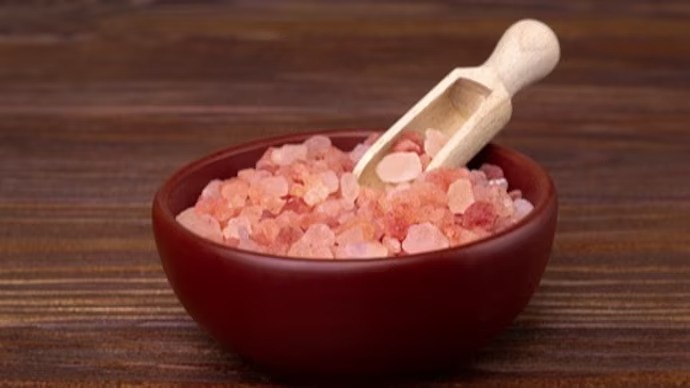
Pink Himalayan salt exhibits a pinkish tint and contains trace amounts of minerals like potassium, magnesium, and calcium. These minerals can contribute to the overall nutrient intake, although the amounts are too small to have a significant health impact.

Sea salt

Sea salts, such as Celtic or French fleur de sel, are harvested through the evaporation of seawater and retain trace minerals from the marine source.

These can offer a different flavour profile but, like Himalayan salt, do not provide substantial health benefits when consumed in typical dietary amounts. The mineral content in sea salt is considered negligible in terms of health impact.

Potassium salt

Potassium salts are another alternative, containing up to 70% less sodium than standard table salt. They may benefit blood pressure due to potassium’s antagonistic effects on sodium.

A modest reduction in dietary sodium can improve blood pressure by about 5 to 6 mm Hg, highlighting the importance of choosing lower-sodium options for those with hypertension.

Table salt

Table salt stands as the household’s predominant salt variety, sourced from seawater or salt lakes through solar evaporation. This salt undergoes extensive refinement to eliminate impurities and incorporates anti-caking agents for enhanced flow.

A prevalent form of table salt is “iodized salt,” where iodine is introduced to address global iodine deficiency. This method utilizes salt as a widespread vehicle for iodine distribution, simultaneously benefiting large population groups.

It’s essential to consider that all salts contain roughly the same amount of sodium by weight.

visit – www.kisansabha.in

Categories
Medical Updates

Most effective breathing exercises to cleanse & boost your lungs: Here’s how you exercise safely, as air pollution rises

It’s very unfortunate that, come winter, the smog and pollution levels in India skyrocket. Poor air quality and chilly temperatures can make exercising outdoors difficult or even dangerous. However, it’s important to keep in mind that you can maintain an active lifestyle and improve lung health indoors too.

Aerobic exercises like spot jogging or cycling using a stationary bike can improve the condition of your heart and lungs, increase muscular strength, endurance, and motor fitness. Jumping jacks, which involve softly bouncing over the ground and gently landing back down, are an excellent cardiovascular workout to strengthen your heart.

However, when your cities are experiencing such high pollution levels, two indoor exercises stand out: breathing exercises and yoga.

Breathing exercises

Breathing exercises are so powerful that they can help you eliminate physiological and psychological toxins from the body and mind. Taking a deep breath in and a deep breath out through the nose can help filter out dust and allergens, dilute your sinuses, and elevate your temperature, especially during exercise. Deep breathing, in one sense, is good, but heavy taxing exercises are ruled out. Especially in smog and pollution conditions, I would advise that alternate nostril breathing could be the best approach. While doing your exercises, breathe slowly and deeply, maintaining a smooth rhythm and flow. This will empower your lungs, save your lungs, and enhance your body’s filter mechanism.

I would also recommend “Double Breathing.” Double breathing oxygenates the blood and energizes the body, drawing cosmic energy into the body through the medulla oblongata, which is where the skull joins the spinal column.

For the Double Breathing exercise, stand comfortably with your feet apart. Inhale through the nose with a short, sharp inhalation followed by a long, strong inhalation. Exhale twice through the mouth with a short, then long exhalation. While breathing in, stand tall with your spine erect, and while exhaling, squat a little.

Yoga

Yoga is excellent for strengthening and flexing the heart and lung muscles. Chest-opening asanas like Setu Bandhasana, Ustrasana, and upward stretching Tadasana are very effective. Surya Namaskar is also highly recommended for optimum utilization of the lungs and the respiratory system, expanding and contracting the air sacs or alveoli of the lungs and preventing the buildup of germs and respiratory diseases. You can do 15, 20, or 30 Surya Namaskars in a row, and in between every 8 to 10 Surya Namaskars, you can incorporate forward bending, backward bending, side bending, and gentle twisting to aid in recovery. During the winter season, we can also perform Surya Bhedi pranayama which activates the right nostril, thus increasing body heat.

visit – https://shorturl.at/yLW28