Categories
Medical Updates

Red rice vs black rice: Can south Indian varieties work for your heart, cholesterol, diabetes and haemoglobin?

Not all rice is bad if eaten in moderation and made a part of the total recommended daily calorie allowance. Also, rice should be combined with adequate protein and green leafy vegetables. Particularly South India’s heirloom rice varieties are a treasure house of nutritional and therapeutic properties. Of late, some research has also started validating the superfood value of indigenous rice varieties. These are rich in bioactive compounds that boost the nutritional value of foods.

KAVUNI: Red Kavuni is an aromatic, red-grained rice grown in Tamil Nadu that derives its rich colour from high levels of anthocyanins. It has been used traditionally as a cooling food during summer months and is valued for its anti-microbial properties that aid digestion.

KAIVARA SAMBA: This is a widely adaptable rice variety that can grow even in marginal soils. It is good for dehydration and having a low glycaemic index and high fibre, can be used to regulate blood sugar levels. The high fibre lends bulk to the dish and automatically helps in portion control. This rice contains selenium, which helps to make DNA and protects against cell damage, abnormal cancerous growth and infection.

POONGAR: This is a sweet-scented rice grown specifically for making rice flakes and fermenting. In parts of Karnataka and Tamil Nadu, it is customarily given to women after puberty and during pregnancy as it is believed to ease gynaecological problems. It has no cholesterol and is high on resistant starch, which is good for the growth of gut bacteria. The fibre content helps lower cholesterol levels in the body while flavonoids reduce the risk of heart disease. Poongar rice has a low glycemic index while a compound called gamma-oryzanol helps reduce insulin resistance in the body. It is high in iron, magnesium and zinc and helps in increasing haemoglobin levels. It works for those with Celiac disease as it is 100 per cent gluten-free.

KATTU YANAM: A high-fibre red rice, it helps bring down cholesterol levels in the body. Its nutty flavour and texture make it a good source of energy. Its low glycaemic index makes it a top choice for people with diabetes. Easy to digest. It is a good source of Vitamin B, zinc, manganese and folic acid.

KOLIYAL: This is a brown hulled rice from Kerala that is used to make Puttu, an iconic breakfast dish of the region. A study by Naresuan University, Thailand, and published in PubMed Central, has shown how this rice improves sperm health parameters. These contain insoluble fibres and are low on sodium, which is good for those suffering from hypertension.

BLACK KAVUNI: This is yet another heritage rice from Tamil Nadu that derives its blackish-purple hue from high anthocyanin content. It is known for properties that cool the body, promote heart health and treat liver ailments. Its antioxidants help in managing heart health, it has a low glycaemic index and is, therefore, good for people with diabetes. It is a powerhouse of micronutrients like iron, magnesium and zinc.

THUYAMALLI: This rice is known for its vitamin B complex, especially B12, content. This strengthens the nervous system.

KARUN KURUVAI: A study published in the Journal of Agricultural and Food Chemistry found that the antioxidant activity of this kind of red rice is higher than that of other rice varieties, which may help protect the heart against oxidative stress. It has a lower glycemic index compared to other rice varieties, which means it causes a slower rise in blood sugar levels after consumption.

MAPPILLAI SAMBA: It contains vitamin B1 that helps in healing stomach and mouth ulcers. It improves blood circulation, boosts immunity and stamina, strengthens muscles and nerves.

Given these health benefits, there is a growing awareness of how important it is to conserve this agricultural heritage and traditional knowledge. But at the risk of repetition, moderation is the key even if they are used as substitutes of the milled and processed variety.

Visit us –http://www.aarogyapath.in

 

Categories
Medical Updates

Indian medtech industry urges govt action to reduce import dependency

In a bid to reduce India’s 80-85 per cent dependence on medical device imports, the Association of Indian Medical Device Industry in its pre-budget recommendations wants the government to address the soaring import bill, which currently stands over Rs 63,200 crore.
According to the Global Trade Research Initiative (GTRI) report from August 2023, the Indian medical devices industry has the potential to expand from $12 billion today to $50 billion by 2030. This expansion could reduce import reliance to 35 per cent and boost exports from the current $3.4 billion to $18 billion by 2030. The ripple effect of this shift could generate over 1.5 million jobs in medical device manufacturing and related healthcare services.
Indian medtech industry urges govt action to reduce import dependency
Rajiv Nath, Forum Coordinator at AiMeD, emphasises the need for the government to withdraw Duty Exemption notifications on medical devices and provide nominal protection to neutralise competitiveness disabilities in manufacturing medical devices in India. Additionally, the industry seeks a phased approach to custom duty increases on critical components, ensuring the viability of manufacturing and avoiding erosion of competitiveness with zero-duty Free Trade Agreement (FTA) countries.
“Consumers do need to be protected but instead of a low duty strategy, we have been recommending for Customs to monitor MRP of imports and when found unreasonably higher than imports’ landed price, recommend to NPPA to consider capping MRP,” Nath further added.
Categories
Medical Updates

Cold wave hits north India: How to increase vitamin D intake during foggy days

The capital city and the areas surrounding it are covered with dense fog with people waking up to cloudy mornings at 6 degrees Celsius. The India Meteorological Department (IMD) forecasted a cold wave looming across Delhi and several parts of north India, including Punjab, Haryana, Chandigarh and Uttar Pradesh.

With temperatures dropping gradually for the next few days, many people have been experiencing joint pains, swelling and even depression due to lack of sunlight, especially low levels of vitamin D.

Cold wave hits north India: How to increase vitamin D intake during foggy days

Sunlight, more especially ultraviolet B (UVB) rays, is the main source of vitamin D. Skin exposure to sunlight initiates the synthesis of vitamin D. Shorter days and lower temperatures in the cold months can make it harder to spend time outside, which lowers vitamin D levels,” said Dr G Krishna Mohan Reddy, Consultant Physician and Diabetologist, Yashoda Hospitals, Hyderabad.

Typically, an adult needs 600 to 800 IUs (international units) of vitamin D each day. These amounts are important. Not enough can lead to serious health issues. In the long term, lack of vitamin D can lead to fragile bones or osteoporosis.

Speaking to India Today. In earlier, Dr Gaurav Prakash Bhardwaj, Director, Sports Injury, Joint Preservation & Replacement Surgery at PSRI Hospital, said that besides bone health, vitamin D makes the muscles strong to protect the lungs, heart and kidneys.

The main sources of vitamin D are one’s diet and the sunlight. While sun exposure helps with vitamin D synthesis in the body, factors like sunblock, clothing and even melanin percentage can affect the amount absorbed by the skin.

How to get vitamin D from the sun in winter?

Dr Karishma Mohan Reddy advised aiming for brief periods of sun exposure on the face, arms, and legs.

“The duration required varies based on factors such as skin type, time of day, and geographic location. Generally, 10 to 30 minutes of sunlight at least twice a week is recommended,” said the expert.

For those spending more time indoors, Dr Reddy added, “Positioning yourself near windows can maximise exposure to natural light. Engage in indoor activities near windows and incorporate exercise into your daily routine.”

Vitamin D and your diet

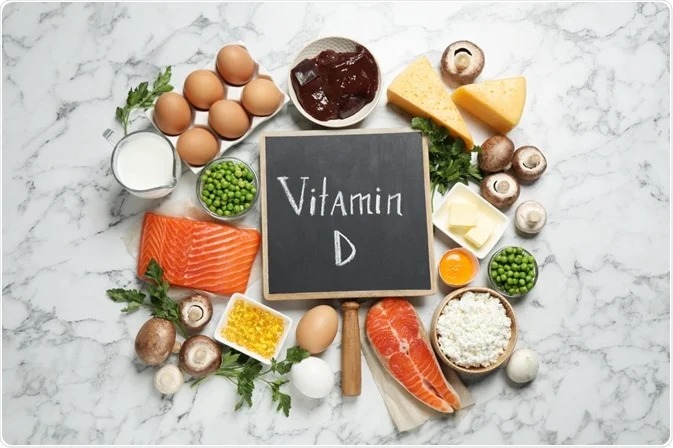
Diet plays an important role in getting vitamin D as well. Food items such as egg yolks, fortified dairy products, fatty fish (tuna, salmon, and mackerel), and some types of mushrooms are some sources of vitamin D.

“But depending only on dietary sources might not be enough, particularly for people who have restricted diets or limited access to certain foods,” said Dr Reddy, implying that many times supplements can help after consulting a medical professional.

“Supplementation is a viable option to ensure adequate vitamin D intake. Consultation with a healthcare professional is important before starting any supplementation, as individual needs vary. One requires a blood test to assess vitamin D levels, helping tailor the approach to the specific requirements of the individual,” said Dr Reddy.

Visit us – www.aarogyapath.in

Categories
Medical Updates

10 winter-friendly beverages to boost immunity, hydration

Winter can invite many seasonal ailments but eating and drinking according to the season can give a boost to your immunity. When it comes to beverages, tea and coffee are preferred by most over other warm drinks in winter. However, excess of high-caffeine drinks can lead to dehydration which may further cause constipation, burning sensation in stomach and exacerbation in anxiety symptoms. While your first instinct might be to reach for a hot cup of tea, to avoid winter-specific ailments you must swap it for a more nourishing and hydrating drink. Soups, infused water, cinnamon tea, jeera water, ragi malt are some of the warm beverages that are perfect in biting cold and at the same time hydrate you well.

10 winter-friendly beverages to boost immunity, hydration10 winter-friendly beverages to boost immunity, hydration

While winter may reduce the sensation of feeling the thirst, but it remains crucial to sustain proper hydration to support the body’s temperature regulation and functions throughout the day. Despite the diminished inclination to drink water in colder weather, maintaining adequate hydration is essential for overall well-being. Consistent hydration ensures that the body’s vital processes continue to function optimally, even in the face of lower temperatures, promoting overall health and comfort during the winter season,” says Vyuhitha Motupalli, Executive Nutritionist, Cloudnine Group of Hospitals, Bengaluru, Electronic City.

Choosing warm or hot soups and beverages, along with a daily intake of eight glasses of warm water, is a recommended practice during the winter months. The thermogenic properties of warm drinks aid the body in preserving warmth, promoting activity, and ensuring consistent hydration in the face of cold weather. This approach not only contributes to maintaining a comfortable body temperature but also supports overall well-being during the winter season,” adds Motupalli.

BEST WINTER BEVERAGES TO COMBAT DEHYDRATION

The nutritionist also shared a list of 10 winter-friendly warm beverages that can help maintain immunity and hydration.

1. Herbal teas: If you are a tea person, you can go for herbal teas like peppermint, green tea, chamomile, ginger, and lemon. To add in healthy twist to the teas, 2 tablespoons of soaked chia seeds can be added which are good source of omega 3 FFA.

2. Sattu drink: Sattu is a nutritious flour made from roasted chickpeas (chana) which is a good source of energy and protein. Mix it with hot water, a pinch of black salt and a dash of lemon juice for a satisfying and protein-rich drink. To add flavour, it can be combined with roasted cumin powder and jaggery powder (optional). It is a healthy drink for pregnant and lactating mothers.

. Warm winter fruit punch: Take fruit juice of ½ litre orange, 250 ml pineapple juice and 250 ml apple juice. Heat the mix of all fruit juices in a saucepan and add 1 medium sized cinnamon stick, few cloves, nutmeg and cinnamon powder. Heat over low flame, simmer for 20 minutes and turn off the stove. Let it cool slightly. Once it turns warm, filter it and serve it by adding fresh cut fruits like oranges, apple, lemon juice and 2-3 tablespoons soaked chia seeds as they are good source of omega 3 FFA and garnish with mint leaves and serve warm. As it contains citrus juice and spices too, they help in fighting against the infection and also maintain the body temperature.

. Warm infused water: A healthy and delightful infused drink can be made by adding slices of cucumber, lemon, orange, mint, piece of ginger to a pitcher of hot water. Once the mix turns lukewarm, filter the infused water and serve it with soaked chia seeds and 1.2 tsp honey (optional) which is a healthy alternative for hydration. It also works as a detoxifier.

5. Soups: Healthy as well nutritious, veg soups or meat broths which are rich in vitamins and minerals can be taken to maintain hydration, warmth and energy. Sprinkling pepper definitely helps in case of cold/nose congestion.

6. Golden milk: In a sauce pan, add 2 cups milk, pinch each of turmeric powder, pepper, cinnamon and grated ginger (½ inch). Mix all the ingredients and bring it to boil. Lower the heat and let it boil for another 5 minutes and serve hot. For sweetness, 1 tsp of honey can be added (optional) . Turmeric has anti-inflammatory properties, which helps to keep the infections at bay during winter. All the spices provide warmth to the body.

. Warm jeera water: Add one cup of water and one teaspoon of jeera or 1 tbs of jeera powder in a saucepan and boil well. Strain it and drink warm. During winter, consumption of lukewarm jeera water helps to provide relief from cold and sore throat due to its hot nature. It has strong anti-congestive property and it helps in clearing the mucus collected in the chest/respiratory tract. The anti-bacterial property of jeera water aids in fighting against infection-causing bacteria.

8. Cinnamon tea: A pinch of powdered cinnamon can be added to the boiling water and simmered for sometime. It can then be filtered and consumed with a few drops of honey and lemon. It a healthy and refreshing drink which also helps in boosting the metabolism during winters.

. Hot barley water: Take ½ cup of barley along with 4 cups of water. After washing the barley, add it to the water and pressure cook for 3 whistles. Strain the water and add flavouring of your choice like black salt, lemon, pepper, honey etc. Barley has excellent antioxidant properties and it also helps to maintain the body temperature and hydration in winter.

10. Classic warm ragi malt: Add 2-3 tbs of ragi malt to a cup of hot milk and mix well without forming lumps. Add jaggery for taste (optional) along with a pinch of cinnamon and elaichi powder. Ragi is a good source of calcium and iron apart from providing warmth. Hence, it’s a good option for pregnant women and growing children due to its nutritional benefits.

Visit us – www.aarogyapath.in for more details .

Categories
Medical Updates

Wonderful benefits of basil seeds water on empty stomach

Basil seeds water on empty stomach can help support your weight loss journey as well as gut health. Know all the benefits of this amazing elixit.

Your immunity needs an extra boost in winter months and starting your day with the right nutrients can make a great difference to the overall health. Having infused water on empty stomach is a wonderful way to stay hydrated and nourish the body with fibre and important vitamins and minerals. Basil seeds water is one such morning drink that is gaining popularity among wellness enthusiasts. The healthful elixir can be made conveniently by soaking basil seeds overnight in water and can work wonders for your weight loss journey.

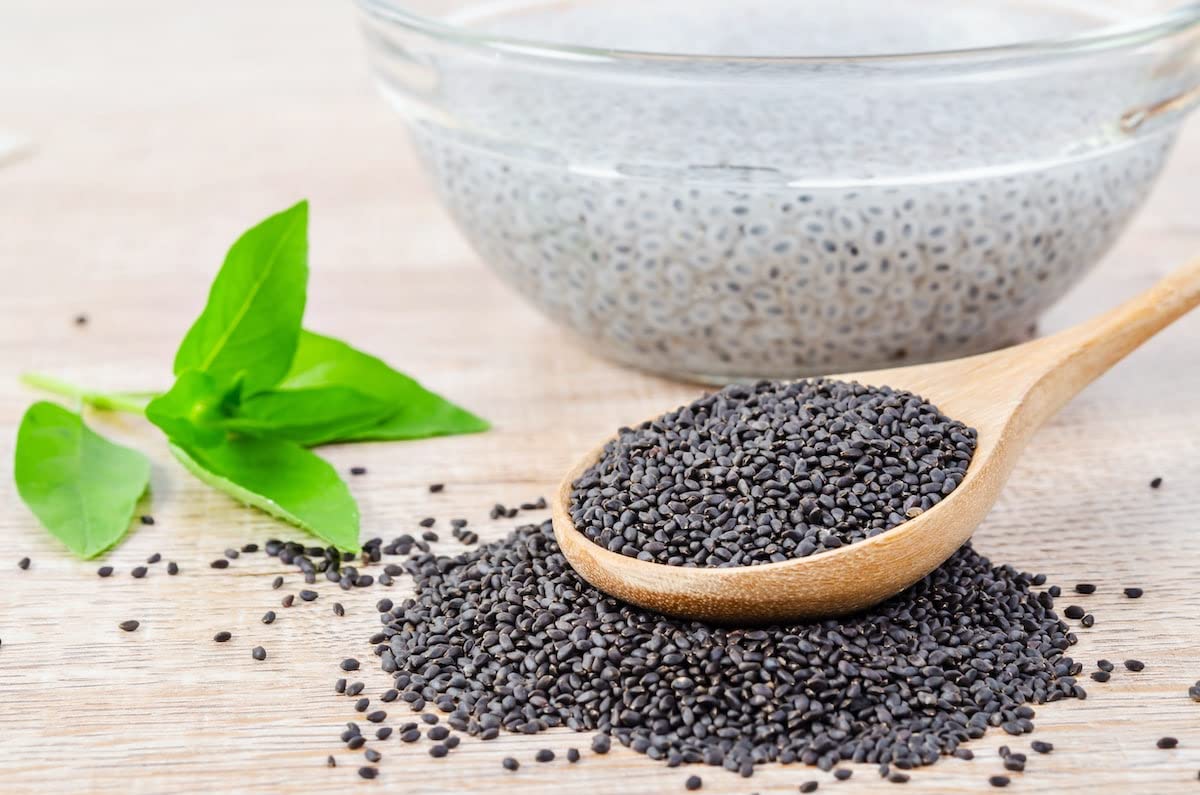
Basil seeds, scientifically known as Ocimum basilicum, have been in use for thousands of years. Basil seeds are a popular flavouring agent as well as medicinal ingredient. In ancient times, basil seeds were crushed and combined with honey or water to create tonics to boost immunity and other aspects of well-being. In India, basil seeds have been used to address digestive issues and balance doshas as per Ayurveda. Sweet basil seeds are different from holy basil seeds or Tulsi and have different application than the latter.

Wonderful benefits of basil seeds water on empty stomach

“Drinking basil seed-infused water on an empty stomach provides a myriad of health advantages. Basil seeds are a nutrient-rich powerhouse containing essential elements like fibre, vitamins, and minerals, contributing to overall well-being.

The significant fibre content supports digestion, fostering a healthy gut and preventing constipation. Basil seeds reduce oxidative stress, boast antioxidant properties, and help aid in the neutralisation of free radicals in the body,” says Ayush Aggarwal, Founder, Rasayanam.

Basil seeds are small, black and round in shape and considering they are flavourful too, they are a popular addition in smoothies, juices and bakery products. High in nutrients like Vitamin A, E, B and K, calcium, iron, phosphorous, basil seeds are also the preferred choice for weight-loss enthusiasts due to their ability to promote satiety. They also help in burning fat and lower cholesterol. Basil seeds also help in boosting gut health which further helps prevent diseases.

“Basil seeds can aid in weight management by inducing a sense of fullness, thereby curbing unnecessary cravings. They have been linked to regulating blood sugar levels, making them advantageous for individuals dealing with diabetes. Additionally, the anti-inflammatory properties of basil seeds may contribute to alleviating conditions associated with inflammation,” says Aggarwal.

How were basil seeds consumed in ancient times

The origin of aromatic seeds goes back to thousands of years back, where the ancient herb was preferred not just for culinary use but also crafting medicines.

In ancient times, basil seeds were integral to various culinary and medicinal practices. Historical records reveal that civilizations like the Greeks and Romans valued basil not only for its aromatic qualities but also for its perceived health benefits. Basil seeds were commonly crushed and combined with honey or water to create tonics believed to enhance vitality and promote good health,” says Aggarwal.

“In Ayurvedic medicine, an ancient Indian healing system, basil seeds were embraced for their cooling properties. They were soaked in water and ingested to address digestive issues, reduce body heat, and balance doshas. Across cultures, basil seeds were esteemed for their versatility, making their way into soups, stews, and traditional remedies,” adds the expert.

Other ways to consume basil seeds

Aside from basil seed water, there are numerous creative ways to integrate these nutritious seeds into your diet, as per Aggarwal.

  • Basil seeds can be incorporated into smoothies, yogurt, or fruit salads for an additional nutritional boost.
  • Due to their gelatinous texture when soaked, basil seeds can serve as a thickening agent in soups and gravies.
  • For a delightful twist, consider combining basil seeds with your preferred beverages, such as lemonade or iced tea.
  • Adding them to homemade energy bars or puddings presents an innovative and flavourful approach to enjoying their health benefits.
  • Who shouldn’t have basil seeds

    While basil seeds offer numerous health benefits, certain individuals should exercise caution or abstain from consuming them.

    “People with allergies to basil or related plants should avoid basil seeds. It is advised to consult healthcare professionals if you are pregnant or breastfeeding before incorporating basil seeds into your diet due to limited research on their safety in these situations,” says Aggarwal

  • “Individuals with pre-existing medical conditions, such as gastrointestinal disorders or low blood pressure, should seek medical advice before regularly consuming basil seeds. Approaching dietary changes is crucial, along with awareness of regular health conditions and following a healthcare professional’s advice when in doubt,” concludes the expert.

Visit us – www.aarogyapath.in for more details

Categories
Medical Updates Medicine & Health

​Signs of vitamin D deficiency that are mostly ignored​

​Key facts about the sunshine vitamin​

From maintaining strong bones to supporting the immune system, vitamin D or the sunshine vitamin plays a crucial role in human body. Despite its significance, many people worldwide experience vitamin D deficiency, which can lead to a range of health issues. Unfortunately, many people do not identify the signs of vitamin D deficiency. Here is a list of symptoms exclusively seen when the body does not have sufficient vitamin D to function.

​Signs of vitamin D deficiency that are mostly ignored​

​Slow wound healing​

Vitamin D deficiency can contribute to slow wound healing due to its vital role in the immune system and tissue repair. The vitamin is essential for promoting cell growth and division, crucial elements in the healing process. Insufficient vitamin D levels may impair the body’s ability to combat infections and generate new, healthy tissue, resulting in delayed wound healing. If you notice that your wounds take longer to heal than usual, it could be a sign of vitamin D deficiency.

​Fatigue and weakness​

One of the early signs of vitamin D deficiency is persistent fatigue and weakness. Vitamin D deficiency has been associated with fatigue due to its crucial role in energy metabolism. Insufficient levels may lead to feelings of tiredness and weakness. Vitamin D regulates the synthesis of adenosine triphosphate (ATP), the primary energy currency of cells. Inadequate ATP production can contribute to persistent fatigue. Moreover, vitamin D supports muscle function, and its deficiency may result in muscle weakness, further contributing to fatigue. If you often feel tired despite getting adequate rest, it may be worth considering your vitamin D levels.

Frequent illnesses and infections​

Vitamin D plays a crucial role in supporting the immune system. If you find yourself falling ill frequently or experiencing prolonged recovery from infections, it could be a sign of deficient vitamin D levels.

​Hair loss​

Although not as well-established as other symptoms, some research suggests that vitamin D deficiency may contribute to hair loss. If you notice significant hair thinning or loss, it’s worth considering your overall nutritional status.

Depression and mood disorders​

Vitamin D deficiency has been linked to depression and mood disorders, although the relationship is complex and multifactorial. The vitamin plays a role in neurotransmitter synthesis and brain function. Low levels may contribute to an increased risk of mood disturbances. Sunlight exposure, a primary source of vitamin D, also influences serotonin levels, impacting mood regulation.

Bone loss​

Vitamin D is integral to bone health, as it aids in the absorption of calcium, essential for bone strength. Insufficient vitamin D levels can lead to bone loss, weakening the skeletal structure and increasing the risk of conditions like osteoporosis. Without proper vitamin D, the body struggles to utilize calcium effectively, resulting in decreased bone density. Over time, this can lead to brittle bones and an elevated susceptibility to fractures. In more severe cases, vitamin D deficiency can contribute to the development of osteoporosis. This condition makes bones fragile and more prone to fractures.

Visit us – http://surl.li/ovmhk

Categories
Medical Updates

Light exercise can be key to reducing childhood obesity linked to inactivity: Study

Childhood obesity is directly connected to increased sedentary time as a youngster through puberty, but new research has discovered that mild physical activity can totally reverse the negative trend.

The study, published in Nature Communications, was conducted in collaboration with the Universities of Exeter, Eastern Finland, Bristol, and Colorado, and is the largest and longest follow-up to objectively measure physical activity and fat mass using data from the University of Bristol’s Children of the 90s (also known as the Avon Longitudinal Study of Parents and Children). The study comprised 6,059 11-year-old children (53 percent of whom were female) who were followed up on until the age of 24.

Light exercise can be key to reducing childhood obesity linked to inactivity

Recent reports concluded that more than 80 percent of adolescents across the globe do not meet the World Health Organization’s (WHO) recommended average of 60 minutes a day of moderate-to-vigorous physical activity. It is estimated that physical inactivity will have caused 500 million new cases of heart disease, obesity, diabetes, or other noncommunicable diseases by 2030, costing £21-million annually. This alarming forecast regarding the morbid danger of physical inactivity necessitates urgent research on the most effective preventive approach.

Yet results from this new study shows that moderate-to-vigorous physical activity is up to ten times less effective than light physical activity in decreasing overall gain in fat mass.

Dr Andrew Agbaje of the University of Exeter led the study and said: “These new findings strongly emphasise that light physical activity may be an unsung hero in preventing fat mass obesity from early life. It is about time the world replaced the mantra of ‘an average of 60 minutes a day of moderate-to-vigorous physical activity’ with ‘at least 3 hours a day of light physical activity’. Light physical activity appears to be the antidote to the catastrophic effect of sedentary time in the young population.”

During the study, a waist-worn accelerometer measured sedentary time, light physical activity, and moderate-to-vigorous physical activity among participants at ages 11, 15, and 24 years. Dual-energy X-ray absorptiometry-measured fat mass and skeletal muscle mass were also collected at the same ages and fasting blood samples were repeatedly measured for glucose, insulin, high-density lipoprotein cholesterol, low-density lipoprotein cholesterol, triglyceride, and high-sensitivity C-reactive protein. In addition, blood pressure, heart rate, smoking status, socio-economic status, and family history of cardiovascular disease were measured and controlled for in the analyses.

During the 13-year follow-up, sedentary time increased from approximately six hours a day in childhood to nine hours a day in young adulthood. Light physical activity decreased from six hours a day to three hours a day, while moderate-to-vigorous physical activity was relatively stable at around 50 minutes a day from childhood through young adulthood.

It was observed that each minute spent sedentary was associated with a 1.3-gram increase in total body fat mass. Both male and female children gained an average of 10kg of fat mass during growth from childhood until young adulthood. However, sedentary time potentially contributed 700 grams to 1kg of fat mass (approximately seven to ten percent) of the total fat mass gained during growth from childhood until young adulthood. A 1kg increase in fat has been linked to a 60-percent higher risk of premature death in a person’s early 50s.

Each minute spent in light physical activity during growth from childhood through young adulthood was associated with a 3.6-gram reduction in total body fat mass. This implies that cumulative light physical activity decreased total body fat mass by 950 grams to 1.5kg during growth from childhood to young adulthood, (approximately 9.5 to 15 percent decrease in overall gain in fat mass during the 13-year observation period). Examples of light physical activity are long walks, house chores, slow dancing, slow swimming, and slow bicycling.

In contrast, time spent in moderate-to-vigorous physical activity — including meeting the 60 minutes a day recommended by the WHO — during growth from childhood through young adulthood was associated with 70 to 170 grams (approximately 0.7 to 1.7 percent) reduction in total body fat mass. Prior to this study, it has not been possible to quantify the long-term contribution of sedentary time to fat mass obesity and the magnitude by which physical activity may reduce it. But this study confirmed the report from a recent meta-analysis of 140 school-based randomised controlled trials across the globe that engaging in moderate-to-vigorous physical activity had minimal or no effect in reducing childhood BMI-obesity.

Dr Andrew Agbaje of the University of Exeter said: “Our study provides novel information that would be useful in updating future health guidelines and policy statements. Public health experts, health policymakers, health journalists and bloggers, paediatricians, and parents should encourage continued and sustained participation in light physical activity to prevent childhood obesity.”

Visit us – https://shorturl.at/bANR3

Categories
Medical Updates

Nutrition alert: Here’s what a 100-gram serving of cinnamon contains

Cinnamon, with its warm and aromatic essence, has long been more than just a spice to tantalise our taste buds. Beyond its culinary uses, cinnamon boasts a rich history intertwined with medicinal and cultural significance.

From cinnamon’s unique compounds to its potential health perks, Ekta Singhwal, Dietician, Ujala Cygnus Group of Hospitals explained the nutritional treasures hidden within the fragrant bark of this beloved spice.

Nutrition alert: Here’s what a 100-gram serving of cinnamon contains
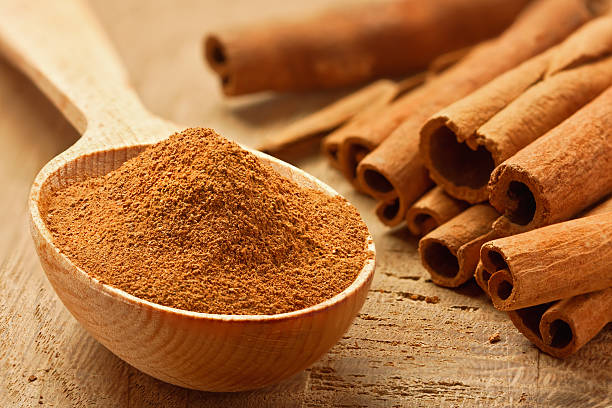
Cinnamon sticks and powder, studio shot, wood surface,

Nutritional profile of cinnamon

The nutritional profile of 100 grams of ground cinnamon is as follows:

Calories: 247 kcal
– Carbohydrates: 80.59 grams
– Dietary Fibre: 53.1 grams
– Sugars: 2.17 grams
– Protein: 4 grams
– Fat: 1.24 grams

Health benefits of cinnamon

– Immunity: Cinnamon has antimicrobial and antioxidant properties that may contribute to immune system support.

Diabetes Control: Cinnamon has shown promise in improving insulin sensitivity and may help lower blood sugar levels, making it beneficial for individuals with type 2 diabetes.

– Digestive Health: Cinnamon’s high fibre content can aid in digestion by promoting regular bowel movements and relieving gastrointestinal discomfort.

Heart Health: Cinnamon may have a positive impact on heart health by reducing risk factors like high cholesterol and triglyceride levels.

– Anti-inflammatory: Cinnamon contains compounds with anti-inflammatory properties, potentially beneficial for conditions involving inflammation.

Can diabetics consume cinnamon?

Individuals with diabetes can consume cinnamon. It may help improve insulin sensitivity and regulate blood sugar levels. However, it’s crucial to consult with a healthcare professional for personalised advice.

Is it beneficial for pregnant women?

Moderate consumption of cinnamon can be beneficial for pregnant women. It does not pose significant risks and may offer some antioxidant benefits. However, excessive intake should be avoided.

Things to keep in mind

  • Be cautious about potential allergies to cinnamon.
  • Monitor sugar intake, as some cinnamon products may contain added sugars.
  • Overconsumption can lead to digestive issues, and individuals on specific medications should consult a doctor.

Visit us – www.aarogyapath.in

Categories
Medical Updates

These are the type of low-carb foods that help slow weight gain, new study shows

Eating fewer carbohydrates can slow weight gain over time. But it’s not enough to just cut back on carbs.

An analysis of data from nearly 125,000 healthy adults revealed that replacing refined carbs — white bread, white rice or sugary cereals —with whole grain foods and cutting back on animal-based fats and proteins appeared to lessen the amount of weight people gained over a four-year period, according to the report published Wednesday in JAMA Network Open.

“When it comes to a low-carbohydrate diet, quality is paramount,” said the study’s senior author, Dr. Qi Sun, an associate professor in the departments of nutrition and epidemiology at the Harvard T.H. Chan School of Public Health. “The things people need to pay attention to are high-quality carbohydrates.”

What are high-quality carbohydrates?

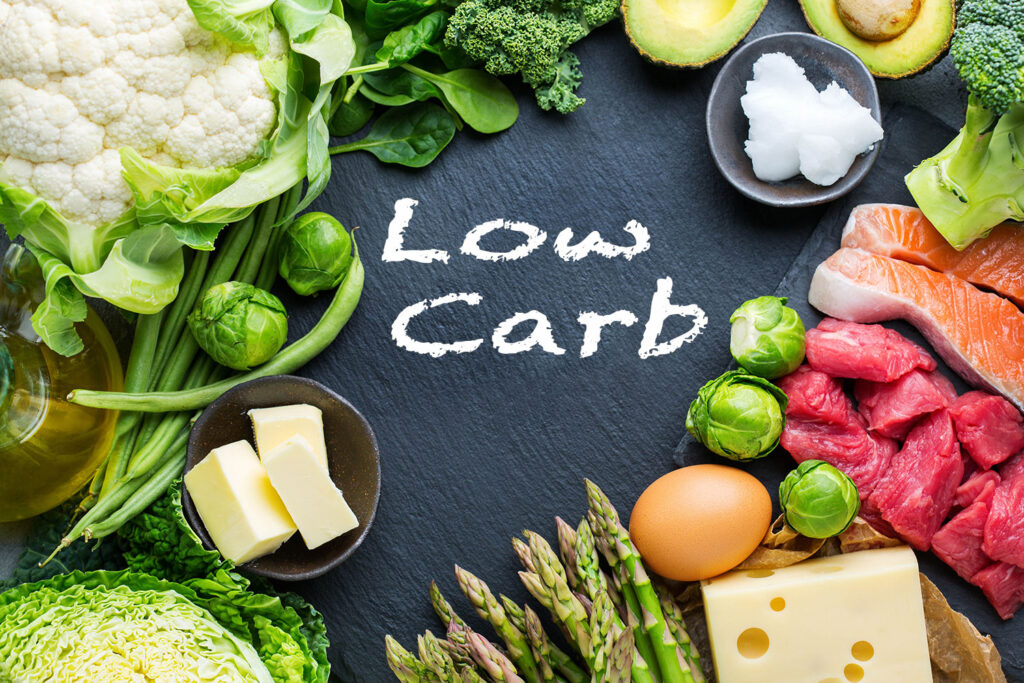
  • Whole grains, such as oatmeal, whole grain pasta or breads.
  • Fats from vegetable oils, though not tropical ones, such as coconut or palm which are high in saturated fat.
  • Plant proteins, such as beans, nuts and soy.
  • Fruits.
  • Vegetables.

It’s best to stay away from refined grains, like white flour, red and processed meats and saturated fats, Sun said.

The best animal protein would be fish, and then poultry, he said.

The new research adds to the growing evidence that diets heavy on healthy carbohydrates and plant-based proteins and fats are associated with significantly slower long-term weight gain.

To take a closer look at the impact of nutrient choices, Sun and his colleagues turned to three databases: the Nurses’ Health Study, which enrolled 121,700 female nurses aged 30 to 55; the Nurses’ Health Study II, which followed 116,340 females nurses who were aged 25-42 at the outset; and the Health Professionals Follow-up Study, which enrolled 51,529 male health professionals aged 40 to 75.

For their analysis, Sun and his team focused on 123,332 men and women who had no chronic health conditions.

The researchers were not looking at very low-carb diets, like keto, Atkins or paleo.

In general, Americans tend to consume a diet that contains 50% to 60% carbohydrates, Sun said. A low-carb diet typically contains 30% to 40% carbohydrates.

The researchers scored people’s diets based on the quality of their diets and assigned them to categories based on those scores:

  • Animal-based low-carbohydrate diet (ALCD).
  • Vegetable-based low-carbohydrate diet (VLCD).
  • Healthy low-carbohydrate diet (HLCD), which emphasized plant-based proteins, healthy fats and fewer refined carbohydrates.
  • Unhealthy low-carbohydrate diet (ULCD), which emphasized animal proteins, unhealthy fats and refined carbohydrates, including processed breads and cereals.

The researchers found that when people improved the quality of their diets, they gained less weight over the four years of the study

For more info – https://shorturl.at/anQ36

Categories
Medical Updates Medicine & Health

India bans use of anti-cold drug combination for kids below 4 years

India’s drugs regulator has banned the use of an anti-cold drug combination for children below four years of age and said drugs should be labelled accordingly, reported Reuters.

The regulatory body addressed concerns regarding the promotion of an unapproved anti-cold drug formulation for infants, leading to a discussion and a subsequent recommendation against using the combination for that age group.

India bans use of anti-cold drug combination for kids below 4 years

This directive follows a series of child deaths in India since 2019, linked to toxic cough syrups produced domestically. These incidents, which include at least 141 deaths in Gambia, Uzbekistan, and Cameroon since the middle of last year, have raised questions about the quality of pharmaceutical exports from India, often referred to as the “world’s pharmacy” due to its provision of life-saving drugs at affordable prices.

The regulator issued an order on December 18, publicly disclosed on Wednesday, mandating drug manufacturers to label their products with a warning that the fixed-drug combination (FDC) “should not be used in children below 4 years of age.” This FDC comprises chlorpheniramine maleate and phenylephrine, commonly used in syrups or tablets to address common cold symptoms. Notably, the World Health Organisation does not recommend the use of over-the-counter cough syrups or medicines for treating coughs and cold symptoms in children under five years old.

Since June, India has implemented mandatory testing for cough syrup exports and intensified scrutiny of drug manufacturers. Despite these measures, companies whose cough syrups were associated with child deaths have consistently denied any wrongdoing.

Visit us – https://shorturl.at/stzCR