Categories
Medical Updates

Wonderful benefits of basil seeds water on empty stomach

Basil seeds water on empty stomach can help support your weight loss journey as well as gut health. Know all the benefits of this amazing elixit.

Your immunity needs an extra boost in winter months and starting your day with the right nutrients can make a great difference to the overall health. Having infused water on empty stomach is a wonderful way to stay hydrated and nourish the body with fibre and important vitamins and minerals. Basil seeds water is one such morning drink that is gaining popularity among wellness enthusiasts. The healthful elixir can be made conveniently by soaking basil seeds overnight in water and can work wonders for your weight loss journey.

Basil seeds, scientifically known as Ocimum basilicum, have been in use for thousands of years. Basil seeds are a popular flavouring agent as well as medicinal ingredient. In ancient times, basil seeds were crushed and combined with honey or water to create tonics to boost immunity and other aspects of well-being. In India, basil seeds have been used to address digestive issues and balance doshas as per Ayurveda. Sweet basil seeds are different from holy basil seeds or Tulsi and have different application than the latter.
Wonderful benefits of basil seeds water on empty stomach

“Drinking basil seed-infused water on an empty stomach provides a myriad of health advantages. Basil seeds are a nutrient-rich powerhouse containing essential elements like fibre, vitamins, and minerals, contributing to overall well-being.

The significant fibre content supports digestion, fostering a healthy gut and preventing constipation. Basil seeds reduce oxidative stress, boast antioxidant properties, and help aid in the neutralisation of free radicals in the body,” says Ayush Aggarwal, Founder, Rasayanam.

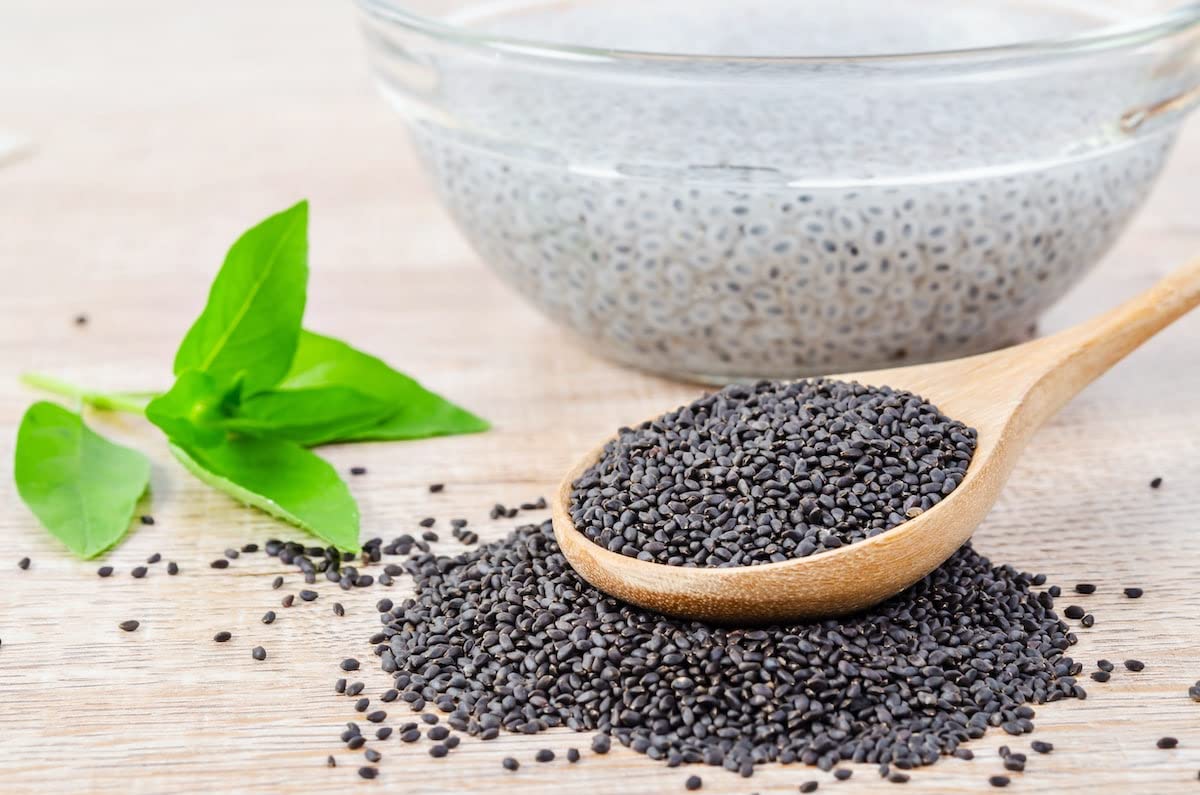
Basil seeds are small, black and round in shape and considering they are flavourful too, they are a popular addition in smoothies, juices and bakery products. High in nutrients like Vitamin A, E, B and K, calcium, iron, phosphorous, basil seeds are also the preferred choice for weight-loss enthusiasts due to their ability to promote satiety. They also help in burning fat and lower cholesterol. Basil seeds also help in boosting gut health which further helps prevent diseases.

“Basil seeds can aid in weight management by inducing a sense of fullness, thereby curbing unnecessary cravings. They have been linked to regulating blood sugar levels, making them advantageous for individuals dealing with diabetes. Additionally, the anti-inflammatory properties of basil seeds may contribute to alleviating conditions associated with inflammation,” says Aggarwal.

How were basil seeds consumed in ancient times

The origin of aromatic seeds goes back to thousands of years back, where the ancient herb was preferred not just for culinary use but also crafting medicines.

In ancient times, basil seeds were integral to various culinary and medicinal practices. Historical records reveal that civilizations like the Greeks and Romans valued basil not only for its aromatic qualities but also for its perceived health benefits. Basil seeds were commonly crushed and combined with honey or water to create tonics believed to enhance vitality and promote good health,” says Aggarwal.

“In Ayurvedic medicine, an ancient Indian healing system, basil seeds were embraced for their cooling properties. They were soaked in water and ingested to address digestive issues, reduce body heat, and balance doshas. Across cultures, basil seeds were esteemed for their versatility, making their way into soups, stews, and traditional remedies,” adds the expert.

Other ways to consume basil seeds

Aside from basil seed water, there are numerous creative ways to integrate these nutritious seeds into your diet, as per Aggarwal.

  • Basil seeds can be incorporated into smoothies, yogurt, or fruit salads for an additional nutritional boost.
  • Due to their gelatinous texture when soaked, basil seeds can serve as a thickening agent in soups and gravies.
  • For a delightful twist, consider combining basil seeds with your preferred beverages, such as lemonade or iced tea.
  • Adding them to homemade energy bars or puddings presents an innovative and flavourful approach to enjoying their health benefits.
  • Who shouldn’t have basil seeds

    While basil seeds offer numerous health benefits, certain individuals should exercise caution or abstain from consuming them.

    “People with allergies to basil or related plants should avoid basil seeds. It is advised to consult healthcare professionals if you are pregnant or breastfeeding before incorporating basil seeds into your diet due to limited research on their safety in these situations,” says Aggarwal

  • “Individuals with pre-existing medical conditions, such as gastrointestinal disorders or low blood pressure, should seek medical advice before regularly consuming basil seeds. Approaching dietary changes is crucial, along with awareness of regular health conditions and following a healthcare professional’s advice when in doubt,” concludes the expert.

Visit us – www.aarogyapath.in for more details
Categories
Medical Updates Medicine & Health

​Signs of vitamin D deficiency that are mostly ignored​

​Key facts about the sunshine vitamin​

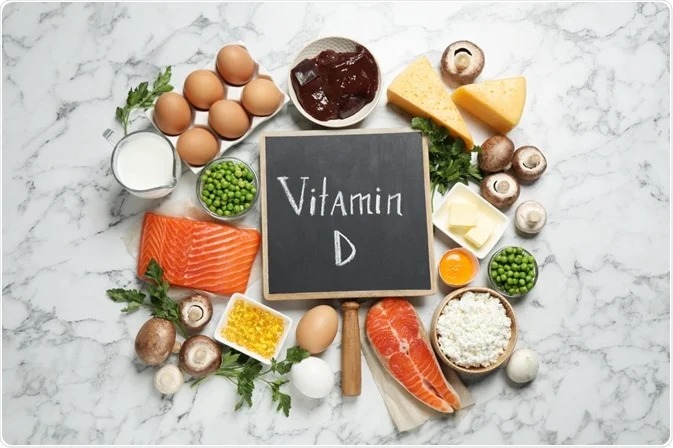
From maintaining strong bones to supporting the immune system, vitamin D or the sunshine vitamin plays a crucial role in human body. Despite its significance, many people worldwide experience vitamin D deficiency, which can lead to a range of health issues. Unfortunately, many people do not identify the signs of vitamin D deficiency. Here is a list of symptoms exclusively seen when the body does not have sufficient vitamin D to function.

​Signs of vitamin D deficiency that are mostly ignored​

​Slow wound healing​

Vitamin D deficiency can contribute to slow wound healing due to its vital role in the immune system and tissue repair. The vitamin is essential for promoting cell growth and division, crucial elements in the healing process. Insufficient vitamin D levels may impair the body’s ability to combat infections and generate new, healthy tissue, resulting in delayed wound healing. If you notice that your wounds take longer to heal than usual, it could be a sign of vitamin D deficiency.

​Fatigue and weakness​

One of the early signs of vitamin D deficiency is persistent fatigue and weakness. Vitamin D deficiency has been associated with fatigue due to its crucial role in energy metabolism. Insufficient levels may lead to feelings of tiredness and weakness. Vitamin D regulates the synthesis of adenosine triphosphate (ATP), the primary energy currency of cells. Inadequate ATP production can contribute to persistent fatigue. Moreover, vitamin D supports muscle function, and its deficiency may result in muscle weakness, further contributing to fatigue. If you often feel tired despite getting adequate rest, it may be worth considering your vitamin D levels.

Frequent illnesses and infections​

Vitamin D plays a crucial role in supporting the immune system. If you find yourself falling ill frequently or experiencing prolonged recovery from infections, it could be a sign of deficient vitamin D levels.

​Hair loss​

Although not as well-established as other symptoms, some research suggests that vitamin D deficiency may contribute to hair loss. If you notice significant hair thinning or loss, it’s worth considering your overall nutritional status.

Depression and mood disorders​

Vitamin D deficiency has been linked to depression and mood disorders, although the relationship is complex and multifactorial. The vitamin plays a role in neurotransmitter synthesis and brain function. Low levels may contribute to an increased risk of mood disturbances. Sunlight exposure, a primary source of vitamin D, also influences serotonin levels, impacting mood regulation.

Bone loss​

Vitamin D is integral to bone health, as it aids in the absorption of calcium, essential for bone strength. Insufficient vitamin D levels can lead to bone loss, weakening the skeletal structure and increasing the risk of conditions like osteoporosis. Without proper vitamin D, the body struggles to utilize calcium effectively, resulting in decreased bone density. Over time, this can lead to brittle bones and an elevated susceptibility to fractures. In more severe cases, vitamin D deficiency can contribute to the development of osteoporosis. This condition makes bones fragile and more prone to fractures.

Visit us – http://surl.li/ovmhk

Categories
Medical Updates

Light exercise can be key to reducing childhood obesity linked to inactivity: Study

Childhood obesity is directly connected to increased sedentary time as a youngster through puberty, but new research has discovered that mild physical activity can totally reverse the negative trend.

The study, published in Nature Communications, was conducted in collaboration with the Universities of Exeter, Eastern Finland, Bristol, and Colorado, and is the largest and longest follow-up to objectively measure physical activity and fat mass using data from the University of Bristol’s Children of the 90s (also known as the Avon Longitudinal Study of Parents and Children). The study comprised 6,059 11-year-old children (53 percent of whom were female) who were followed up on until the age of 24.

Light exercise can be key to reducing childhood obesity linked to inactivity

Recent reports concluded that more than 80 percent of adolescents across the globe do not meet the World Health Organization’s (WHO) recommended average of 60 minutes a day of moderate-to-vigorous physical activity. It is estimated that physical inactivity will have caused 500 million new cases of heart disease, obesity, diabetes, or other noncommunicable diseases by 2030, costing £21-million annually. This alarming forecast regarding the morbid danger of physical inactivity necessitates urgent research on the most effective preventive approach.

Yet results from this new study shows that moderate-to-vigorous physical activity is up to ten times less effective than light physical activity in decreasing overall gain in fat mass.

Dr Andrew Agbaje of the University of Exeter led the study and said: “These new findings strongly emphasise that light physical activity may be an unsung hero in preventing fat mass obesity from early life. It is about time the world replaced the mantra of ‘an average of 60 minutes a day of moderate-to-vigorous physical activity’ with ‘at least 3 hours a day of light physical activity’. Light physical activity appears to be the antidote to the catastrophic effect of sedentary time in the young population.”

During the study, a waist-worn accelerometer measured sedentary time, light physical activity, and moderate-to-vigorous physical activity among participants at ages 11, 15, and 24 years. Dual-energy X-ray absorptiometry-measured fat mass and skeletal muscle mass were also collected at the same ages and fasting blood samples were repeatedly measured for glucose, insulin, high-density lipoprotein cholesterol, low-density lipoprotein cholesterol, triglyceride, and high-sensitivity C-reactive protein. In addition, blood pressure, heart rate, smoking status, socio-economic status, and family history of cardiovascular disease were measured and controlled for in the analyses.

During the 13-year follow-up, sedentary time increased from approximately six hours a day in childhood to nine hours a day in young adulthood. Light physical activity decreased from six hours a day to three hours a day, while moderate-to-vigorous physical activity was relatively stable at around 50 minutes a day from childhood through young adulthood.

It was observed that each minute spent sedentary was associated with a 1.3-gram increase in total body fat mass. Both male and female children gained an average of 10kg of fat mass during growth from childhood until young adulthood. However, sedentary time potentially contributed 700 grams to 1kg of fat mass (approximately seven to ten percent) of the total fat mass gained during growth from childhood until young adulthood. A 1kg increase in fat has been linked to a 60-percent higher risk of premature death in a person’s early 50s.

Each minute spent in light physical activity during growth from childhood through young adulthood was associated with a 3.6-gram reduction in total body fat mass. This implies that cumulative light physical activity decreased total body fat mass by 950 grams to 1.5kg during growth from childhood to young adulthood, (approximately 9.5 to 15 percent decrease in overall gain in fat mass during the 13-year observation period). Examples of light physical activity are long walks, house chores, slow dancing, slow swimming, and slow bicycling.

In contrast, time spent in moderate-to-vigorous physical activity — including meeting the 60 minutes a day recommended by the WHO — during growth from childhood through young adulthood was associated with 70 to 170 grams (approximately 0.7 to 1.7 percent) reduction in total body fat mass. Prior to this study, it has not been possible to quantify the long-term contribution of sedentary time to fat mass obesity and the magnitude by which physical activity may reduce it. But this study confirmed the report from a recent meta-analysis of 140 school-based randomised controlled trials across the globe that engaging in moderate-to-vigorous physical activity had minimal or no effect in reducing childhood BMI-obesity.

Dr Andrew Agbaje of the University of Exeter said: “Our study provides novel information that would be useful in updating future health guidelines and policy statements. Public health experts, health policymakers, health journalists and bloggers, paediatricians, and parents should encourage continued and sustained participation in light physical activity to prevent childhood obesity.”

Visit us – https://shorturl.at/bANR3

Categories
Medical Updates Medicine & Health

Ayurveda: The ache antidote

Headaches are a common issue, and when accompanied by symptoms such as severe intolerance to sound, vomiting sensation and throbbing pain, it falls under the category of migraine. Instead of delving into contemporary pathophysiology, let’s explore Ayurvedic insights into the condition and preventive measures.

The spectrum of shirashoola: Ayurveda categorises shirashoola—‘shiras’ means head, and ‘shoola’ refers to ache—into various types based on symptoms, pathophysiology and clinical presentation, such as Vatika shirashoola, Paithika shirasoola, Kaphaja shirashoola, Ardhawa bhedaka, Surya vartha, etc. The severity of headaches varies with the diurnal rhythm, with some peaking in the afternoon (pitta dominance), or after sunset (kapha and vata dominance). Different types of pain, like dull, throbbing, or burning, must be distinguished from other conditions like trigeminal neuralgia and hypertensive headaches.

Relation between headaches and gut: Ayurveda emphasises a direct connection between the head (shiras) and the alimentary tract (koshtam). Chronic constipation can manifest as shiroruk (headache). Therefore, maintaining a clear gut is the primary approach to managing headaches. Proper digestion and assimilation, driven by the agni (metabolic fire) in the koshta, play a crucial role. Pitta dominance can lead to acidity-triggered headaches, while indigestion may cause a dull headache with head heaviness. Stress often precedes headaches, and continuous exposure to a stressful environment or emotional distress can contribute to their occurrence.

What to and what not to do: Minimise exposure to light and sound as the episode begins. If there’s a vomiting tendency, inducing vomiting by tickling the upper palate can provide relief. Applying dry heat, such as a cloth heated on a tawa, may alleviate pain in some cases. Skipping meals, late-night dinners, and excessive sun exposure followed by a head bath can trigger migraines. Timely intake of fluid-rich foods is recommended, while dry, stale,  spicy and frozen foods should be avoided.

Treatment possibilities: Internal medications fall under shaman chikitsa, while shodana chikitsa aims to purify the body for chronic severe cases. Various internal medications, such as kashyams like pathykshadhtyadi and chiruviwaditabs like shirashoola vajrarasam, are prescribed. Procedures like virechana, vasthi, shirodhara, takradhara and nasyam (nasal application of medicine) are practiced with different materials based on individual cases.

How to prevent: Individuals prone to continuous migraine attacks can undergo yearly panchakarma to maintain overall system health. Prioritising gut health through good sleep, dietary modifications, practicing meditation, pranayama, regular exercise, hydration, and exposure to natural sunlight and wind can contribute to a healthier lifestyle.

By embracing Ayurvedic principles, we can aim to alleviate migraines and lead happier, headache-free lives.

Visit us – www.aarogyapath.in

Categories
Medical Updates

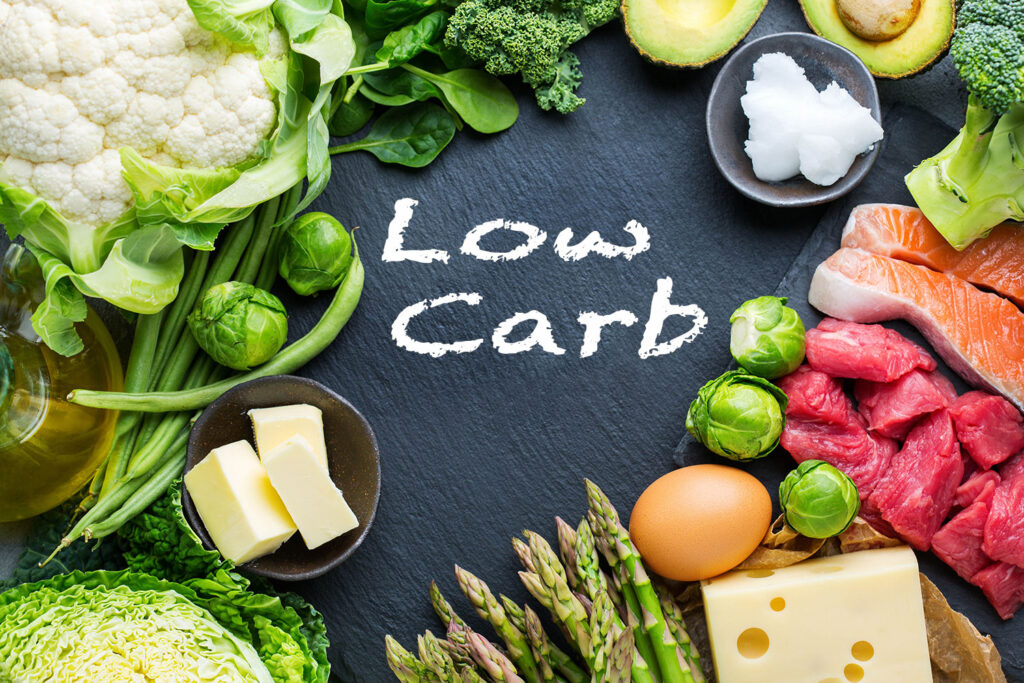
These are the type of low-carb foods that help slow weight gain, new study shows

Eating fewer carbohydrates can slow weight gain over time. But it’s not enough to just cut back on carbs.

An analysis of data from nearly 125,000 healthy adults revealed that replacing refined carbs — white bread, white rice or sugary cereals —with whole grain foods and cutting back on animal-based fats and proteins appeared to lessen the amount of weight people gained over a four-year period, according to the report published Wednesday in JAMA Network Open.

“When it comes to a low-carbohydrate diet, quality is paramount,” said the study’s senior author, Dr. Qi Sun, an associate professor in the departments of nutrition and epidemiology at the Harvard T.H. Chan School of Public Health. “The things people need to pay attention to are high-quality carbohydrates.”

What are high-quality carbohydrates?

  • Whole grains, such as oatmeal, whole grain pasta or breads.
  • Fats from vegetable oils, though not tropical ones, such as coconut or palm which are high in saturated fat.
  • Plant proteins, such as beans, nuts and soy.
  • Fruits.
  • Vegetables.

It’s best to stay away from refined grains, like white flour, red and processed meats and saturated fats, Sun said.

The best animal protein would be fish, and then poultry, he said.

The new research adds to the growing evidence that diets heavy on healthy carbohydrates and plant-based proteins and fats are associated with significantly slower long-term weight gain.

To take a closer look at the impact of nutrient choices, Sun and his colleagues turned to three databases: the Nurses’ Health Study, which enrolled 121,700 female nurses aged 30 to 55; the Nurses’ Health Study II, which followed 116,340 females nurses who were aged 25-42 at the outset; and the Health Professionals Follow-up Study, which enrolled 51,529 male health professionals aged 40 to 75.

For their analysis, Sun and his team focused on 123,332 men and women who had no chronic health conditions.

The researchers were not looking at very low-carb diets, like keto, Atkins or paleo.

In general, Americans tend to consume a diet that contains 50% to 60% carbohydrates, Sun said. A low-carb diet typically contains 30% to 40% carbohydrates.

The researchers scored people’s diets based on the quality of their diets and assigned them to categories based on those scores:

  • Animal-based low-carbohydrate diet (ALCD).
  • Vegetable-based low-carbohydrate diet (VLCD).
  • Healthy low-carbohydrate diet (HLCD), which emphasized plant-based proteins, healthy fats and fewer refined carbohydrates.
  • Unhealthy low-carbohydrate diet (ULCD), which emphasized animal proteins, unhealthy fats and refined carbohydrates, including processed breads and cereals.

The researchers found that when people improved the quality of their diets, they gained less weight over the four years of the study

For more info – https://shorturl.at/anQ36

Categories
Medical Updates Medicine & Health

Employer sponsored health insurance cost to rise 11% in 2024:

Employer health insurance costs are expected to grow 11 per cent in India in 2024 as compared to the projection of 9.6 per cent in 2023, according to the Mercer Marsh Health Trends Report 2024. Globally, it is likely to increase to 12.3 per cent in 2024 as against 11.6 per cent that was forecasted in 2023, the report added.
The report is based on responses from 223 insurers across 58 countries, analysing the key trends that are shaping the future of health care provided by employers.
Employer sponsored health insurance cost to rise 11% in 2024
According to the report, plan improvements and delivering increasingly sought after ailment and demography-specific employee health benefits will be the key drivers to cost containment in 2024. Fifty-seven per cent of insurers globally expect employers to seek plan improvements instead of cost-cutting measures that will limit coverage.
Further, health systems are getting transformed with people moving to digital healthcare — including tele- or video consultations with doctors, wearable devices, and remote patient monitoring. Seventy per cent of insurers expect the use of AI for first-line diagnosis and navigation to have a transformative impact on employer-sponsored health care over the next five years.
Further, non-communicable diseases like cancer, those linked to the circulatory system such as hypertension and cardiovascular disease, and respiratory ailments are identified as the top three causes of rising claims globally.
The research also found that insurers are including the under-represented sections — with 31 per cent of them considering adding diagnosis, learning support or occupational therapy to support neurodiversity. Meanwhile, diversity and inclusion gaps continue to persist in India, especially for benefits relating to mental health, women’s health, and people with disabilities.
Prawal Kalita, employee benefits leader of Marsh India, said, “Organisations in India are faced with mounting financial pressures associated with rising premiums. This is necessitating a renewed focus on balancing cost containment in the short term, with the provision of high-quality benefits that support the needs of an evolving workforce and aid talent attraction and retention in the longer term.”
“By embracing outpatient primary health care and digital health care solutions, refreshing benefits strategies through flexible benefits programmes, and bridging coverage gaps, organisations in India can manage rising costs more effectively and pave the way for accessible and effective health care plans for all,” Kalita added.
Visit us – https://rb.gy/iokhsj
Categories
Medical Updates Medicine & Health

India bans use of anti-cold drug combination for kids below 4 years

India’s drugs regulator has banned the use of an anti-cold drug combination for children below four years of age and said drugs should be labelled accordingly, reported Reuters.

The regulatory body addressed concerns regarding the promotion of an unapproved anti-cold drug formulation for infants, leading to a discussion and a subsequent recommendation against using the combination for that age group.

India bans use of anti-cold drug combination for kids below 4 years

This directive follows a series of child deaths in India since 2019, linked to toxic cough syrups produced domestically. These incidents, which include at least 141 deaths in Gambia, Uzbekistan, and Cameroon since the middle of last year, have raised questions about the quality of pharmaceutical exports from India, often referred to as the “world’s pharmacy” due to its provision of life-saving drugs at affordable prices.

The regulator issued an order on December 18, publicly disclosed on Wednesday, mandating drug manufacturers to label their products with a warning that the fixed-drug combination (FDC) “should not be used in children below 4 years of age.” This FDC comprises chlorpheniramine maleate and phenylephrine, commonly used in syrups or tablets to address common cold symptoms. Notably, the World Health Organisation does not recommend the use of over-the-counter cough syrups or medicines for treating coughs and cold symptoms in children under five years old.

Since June, India has implemented mandatory testing for cough syrup exports and intensified scrutiny of drug manufacturers. Despite these measures, companies whose cough syrups were associated with child deaths have consistently denied any wrongdoing.

Visit us – https://shorturl.at/stzCR
Categories
Medical Updates

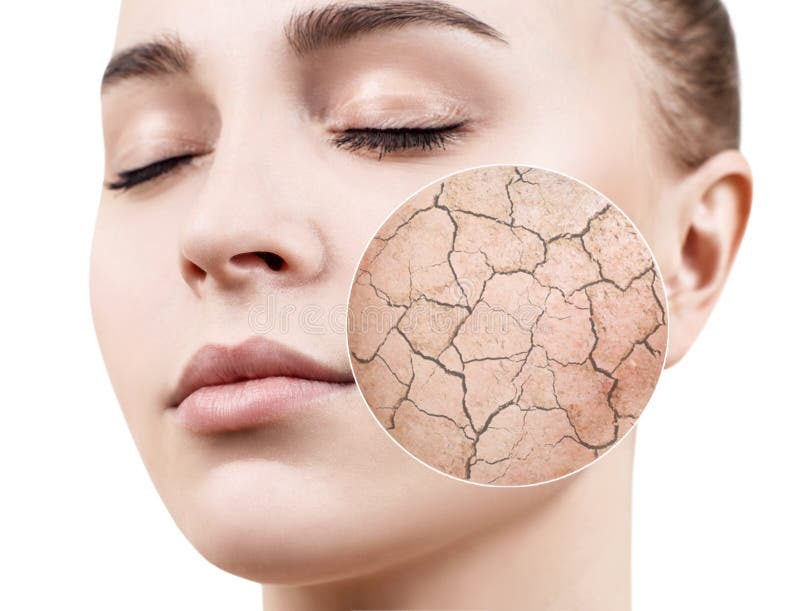
Itching and dry skin in winter? Best natural remedies to treat winter skin issues

Common winter skin problems

During the winter, additional care for our skin is essential as low humidity and extremely low temperatures can make our skin more sensitive than usual. In this season, we are prone to taking hot showers that can lead to dry skin, eczema, and psoriasis causing discomfort and itchiness. One of the main causes behind these are pollution, dust, and environmental disturbances. However, you do not need to spend much money on costly lotions and moisturizers to cure your skin issues. Maintain your skin’s hydration and softness by adopting the following natural remedies and holistic approaches throughout the winter.

Itching and dry skin in winter? Best natural remedies to treat winter skin issues

​​Coconut Oil​

This oil is known as a natural moisturizer which is extracted from coconut milk and is highly absorbable into the skin. It is a safe and effective natural remedy for issues like skin dryness, eczema, and psoriasis. Its anti-inflammatory properties help the skin protect from inflammation and pain. According to the National Eczema Association, coconut oil has antibacterial qualities which protect the skin from infection. Always make sure to choose cold-pressed coconut oil that is processed without the use of chemicals. It helps you to moisturize and soothe your skin and also reduces the itchiness and discomfort.

Aloe vera gel​

It is one of the best natural remedies that you can find in every home. It has soothing and anti-inflammatory properties that are known to reduce redness, itching, and skin irritations associated with dryness, eczema, and psoriasis. This gel is enriched with nutrients like Vitamin A & E which is wonderful for the skin. It is an organic moisturizer that contains 96% water which provides relief in hydrating and soothing dry and irritated skin.

Turmeric​

According to Dr. Mugdha Agarwal, Director of Medicine, Healthmug Pvt. Ltd, “This natural remedy is not only limited to the kitchen but is also a secret for skin issues. It is renowned for its ability to reduce inflammation which is used as a healing remedy in numerous skin infections. It is enriched with Curcumin which reduces inflammatory cytokines, which is helpful in the treatment of psoriasis. Applying a diluted turmeric paste directly with water or oil not only reduces redness and itching but also strengthens the immune system by enhancing the overall health and well-being of the skin.”

​​Sunflower Oil​

This natural oil is extracted from sunflower seeds and is known to protect the top layer of the skin. It keeps the skin moisturized and helps in healing skin infections by preventing the entry of bacteria. You can use it directly on your skin to reduce inflammation and itching which is usually caused by eczema and psoriasis.

​​Holistic practices to treat dry skin​

Having a nutritious diet which will be rich in fruits and vegetables can be beneficial by providing essential nutrients for healthy skin.
Get yourself in the habit of doing yoga and meditation as it will help keep your inner self healthy which indirectly helps your skin to glow.
Stay hydrated by drinking plenty of water
Try using 100% cotton blended clothes as it can protect your body from eczema and allow your skin to breathe.

Visit us – www.Aarogyapath.in for more details !!

Categories
Government Guidelines Medical Updates Medicine & Health

JDRF International with William J Clinton Foundation to improve Type 1 diabetes care in India

JDRF International, the leading global type 1 diabetes (T1D) research and advocacy organisation, in partnership with the community, clinical partners and William J Clinton Foundation (WJCF), an affiliate of the Clinton Health Access Initiative in India, announced a sweeping set of collaborations that aims to drastically improve T1D care.

THIS CAN BE YOUR ADVERTISEMENT

The efforts include supporting public health programmes, innovative grassroots initiatives, and dedicated clinician networks converging to create a multi-dimensional strategy to tackle T1D. This approach reflects a holistic understanding of health care. Ensuring that essential social and educational needs are met, as all partners work in concert to promote more effective diabetes management for people living with T1D in India. 

JDRF International with William J Clinton Foundation to improve Type 1 diabetes care in India

“We are incredibly humbled to have the opportunity to work closely with our Indian colleagues who are making great strides in removing barriers to access and improving outcomes around the country,” said Sanjoy Dutta, Chief Scientific Officer, JDRF. “Increasing care for people living with type 1 diabetes in India is vital to JDRF’s global access work.”

According to the T1D Index, a first-of-its-kind data simulation tool that measures the human and public health impact of type 1 diabetes, India has the largest ‘missing’ prevalence of type 1 diabetes in the world. Increasing focus on screening for diagnosing T1D and helping manage care will improve longevity and quality of life for them. 

As part of this process, the Government of India has initiated several comprehensive programs that address immediate health care needs and pave the way for long-term systemic improvements in T1D care. Several Indian states are at the forefront, with significant T1D programmes, serving as models of innovation and effectiveness and select states will be served by the support currently being developed in partnership with JDRF International, William J Clinton Foundation, The Helmsley Charitable Trust with support from Eli Lilly and Company. 

At William J Clinton Foundation, we are deeply committed to partnering with and supporting public health programmes for comprehensive management of type 1 diabetes in select states of India. Our approach is that of collaboration and facilitation and our partnership with JDRF is designed to complement and enhance government-led diabetes care programs,” said Harkesh Dabas, Managing Director, William J Clinton Foundation. “We aim to bolster the implementation and scaling of these important initiatives. Our involvement underscores a public healthcare-owned and led initiative and collaborative spirit, ensuring that the strides made in type 1 diabetes care are both impactful and sustainable, and reach every individual in need across the country.” 

These dramatic advances in diabetes care are supported by The Impatient Network, a dynamic coalition of grassroots and community-based diabetes advocates working across India. Made up of people living with diabetes and their loved ones, The Impatient Network is working with partner organisations to provide access to peer-led education, support services and resources that will help to combat stigma and raise T1D awareness. 

As someone who personally navigates the challenges of type 1 diabetes, I’ve seen firsthand the critical need for comprehensive support and care. My involvement with The Impatient Network, starting from its first meeting, has been a journey of hope”, said Princess Padmaja Kumari Parmar, Founder and President of Friends of Mewar. “This network is a vital link in the collaboration between people with diabetes, government bodies, and clinicians. By joining hands with policymakers and medical experts, we are not just voicing our needs; we’re actively shaping a future where diabetes care is inclusive, innovative, and accessible to all. This collaborative approach is key to ensuring that every person with type 1 diabetes in India has access to the best possible care and support.” 

“The Impatient Network stands as a beacon of hope and change in India’s type 1 diabetes landscape. As a united force of grassroots advocates, we embody the collective voice and determination of communities striving for better diabetes care,” said Jazz Sethi, global diabetes advocate, Impatient Network member, and founder of The Diabesties Foundation. “Our focus on peer-led education and innovative awareness initiatives is more than just filling gaps in health care; it is about building trust, understanding, and a sustainable framework for comprehensive diabetes management. We’re crafting a future where type 1 diabetes care is accessible, empathetic, and effectively meets the real needs of those it serves.” 

The initiative aims to create a synergy between medical experts and peer groups, fostering a cooperative environment where clinical knowledge meets community wisdom. This work is essential in making diabetes care more accessible and tailored to the needs of people living with T1D in India. 

“In our mission to advance T1D care in India, collaboration is key. A key part of that is a partnership with the existing work being done by clinical communities such as the Diabesties & Blue Circle and institutions such as RSSDI, ISPAE, and ESI,” said Professor Partha Kar, NHS National Specialty Advisor in Diabetes. “Our Clinical Stewardship Program embodies this collaborative ethos, bridging the gap between medical professionals and the T1D communities we serve. It is a personal privilege to be given this opportunity by JDRF – to be able to give back something to the country to which I owe so much of my life. As the saying goes: ‘Phir Bhi Dil Hai Hindustani’ (still my heart is Indian).”

Visit us – www.arogyapath.in  

Categories
Medical Updates Medicine & Health

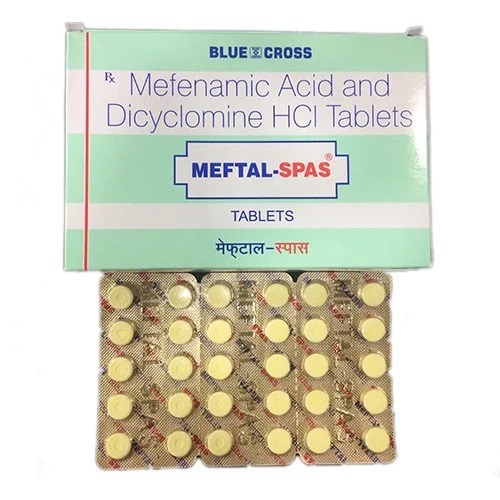
Meftal: Alert does not compromise the safety, says Blue Cross Laboratories

Blue Cross Laboratories, the pharmaceutical company behind the Meftal and Meftal Spas brands, has issued a clarification regarding the recent safety alert by the Indian Pharmacopeia Commission (IPC) concerning mefenamic acid, a key component in both medications.

According to the company, Meftal and Meftal-Spas are trusted brands recommended by doctors in India for addressing pain, fever and spasms. Both products contain mefenamic acid as an active ingredient.

Meftal: Alert does not compromise the safety, says Blue Cross Laboratories

In response to the IPC alert, Blue Cross Laboratories emphasised that the commission’s advisory aimed to encourage doctors and patients to monitor the potential occurrence of an adverse drug reaction (ADR) related to mefenamic acid.

However, the company stressed that this alert does not compromise the safety, effectiveness, or high quality of the established brands, which are backed by clinical studies and real-world evidence.

“We wish to issue a clarification regarding the recent media coverage of the alert issued by the Indian Pharmacopeia Commission (IPC) on mefenamic acid. The alert issued by IPC was to advise Doctors and patients to monitor the possibility of an adverse drug reaction (ADR) of mefenamic acid, which does not in any way impact the safety, efficacy and high quality of the brands that are established and supported by clinical studies and real-world evidence,” reads the company’s statement.

The company pointed out that mefenamic acid, under the names Meftal and Meftal-Spas, has been prescribed in countries such as the USA, UK, Japan, and others for over four decades. With billions of doses administered, the medication has benefitted millions of patients worldwide.

Regarding the specific adverse effect mentioned by the IPC – DRESS syndrome – the company highlighted that this is an extremely rare disease. Blue Cross Laboratories noted that DRESS syndrome, also known as ADR, is associated with various drugs, including widely used ones like paracetamol and ibuprofen.

“The ADR i.e. DRESS syndrome, mentioned in the IPC alert, is a very rare event that is previously documented in the medical literature, both in India and globally. It is a known ADR of many drugs and published reports are available for paracetamol and ibuprofen. When prescribing any medicine, doctors take patient history and other individual factors into account to reduce the risk of any ADR,” the statement reads.

Blue Cross Laboratories also highlighted its strong internal pharmacovigilance system and expressed support for the efforts of the Pharmacovigilance Programme of India (PVPI), operating under the IPC and the Health Ministry.

“The Pharmacovigilance Programme of India (PVPI) operates under the purview of IPC and the Ministry of Health and Family Welfare to collect data on adverse events of all drugs. It works in the interest of patients to ensure the safety and efficacy of all drugs for all disease conditions. Blue Cross Laboratories as a responsible company has a strong pharmacovigilance system internally and supports the efforts of PvPI,” reads the statement.

visit us -https://shorturl.at/gvxyV