Categories
Medical Updates

Orange juice vs green tea: Which is healthier for you? Ayurveda expert shares

Morning is the ideal time to work on your wellness and give your day a perfect start. What you eat in your first meal or breakfast can play a big role nutrient absorption, satiety and weight management. A balanced diet with protein, fibre, complex carbs and other essential micronutrients is important for a healthy functioning of the body. Many people like to start their day with green tea while others pair their breakfast with fruit juice. Ayurveda expert Dimple Jangda in an interview with HT Digital shares benefits and limitations of both these drinks for your overall health. According to Jangda, the best way to drink orange juice in the morning is to pair it with a handful of nuts to prevent blood sugar spike. However, one should avoid the temptation of having it with regular breakfast or dairy items. The Ayurveda expert warns that people with acidity issues or skin problems should avoid it .

Orange juice: Nutrient profile

 

Orange juice vs green tea: Which is healthier for you? Ayurveda expert shares

Orange juice is a rich source of Vitamin C, folate, and potassium. It is a rich source of antioxidants and helps give a boost of energy. It’s a great way to start the day, as orange juice helps reduce inflammation and helps flush toxins from the lower intestine and prevent kidney stones. It is also a great aid for heart health. It also helps clears the channels of the body, purifies blood vessels, and cleanses the gastrointestinal tract,” says Dimple Jangda, Gut Health Coach, Ayurvedic Researcher, Founder of Prana Healthcare Centre and National bestseller author of ‘Heal your gut, mind and emotions’.

How to have prevent sugar spikes while having orange juice

Orange juice is a rich source of fructose, which is 52 to 54 per cent of its total sugar content. Fructose is usually 1.2 to 1.8 times sweeter than sugar and causes sugar spike.

It’s best to pair orange juices with a handful of nuts to prevent the glucose spike. In Ayurveda, you are advised to eat fruit alone or leave it alone, as fruits react with all dairy products and cause metabolic waste that remains undigested in the gut, but nuts and fruits come from the same food group. Nuts also contain protein and are a good source of nutrients and take longer to digest. Pairing with orange juice will slow down digestion, absorption and assimilation of orange juice. You can also add a pinch of black pepper and cinnamon, as these are anti-inflammatory spices that prevent sugar spikes. And cinnamon slows down sugar levels and is great for diabetes,” says Jangda.

Who should have orange juice and who should avoid the drink?

“You can have orange juice as a hydrating drink, if you are physically active and do sports activities. However, if you have acidity or burning sensation, skin ailments, bleeding disorders and pitta disorders, it is best to avoid citric fruits. Instead, you can eat a bowl of orange in the early evening as a snack,” says the Ayurveda expert.

Orange juice is good for vata (ectomorph) body type but can increase pitta imbalances (overheat the body) for a pitta body type,” she adds.

Should you start your day with green tea?

Dr Jangda says that green tea is considered one of the best sources of polyphenols and antioxidants. So, should you start your day with green tea?

“While it is believed that green tea can help reduce weight, type 2 diabetes, and liver disorders, it also contains caffeine. It is best to avoid caffeine on an empty stomach and reserve green tea as a drink post meals,” says the Ayurveda expert.

Green tea substitutes for morning

Green tea contains flavonoid called catechins which stimulates metabolism and helps break down excess fat. Ayurveda has a variety of other herbal and spice teas made from cumin, fennel, coriander seeds, cardamom, and carrom seeds to aid digestion. There are also warm spices like cinnamon, clove, ginger, pepper, star anise that can be boiled in water along with lemon grass and cardamom to stimulate metabolism,” she adds.

So, in nutshell, green tea would be more beneficial for you post meals, while orange juice can be paired with dry fruits in the morning to prevent sugar spikes.

Visit us – https://shorturl.at/guBO8
 

Categories
Medical Updates

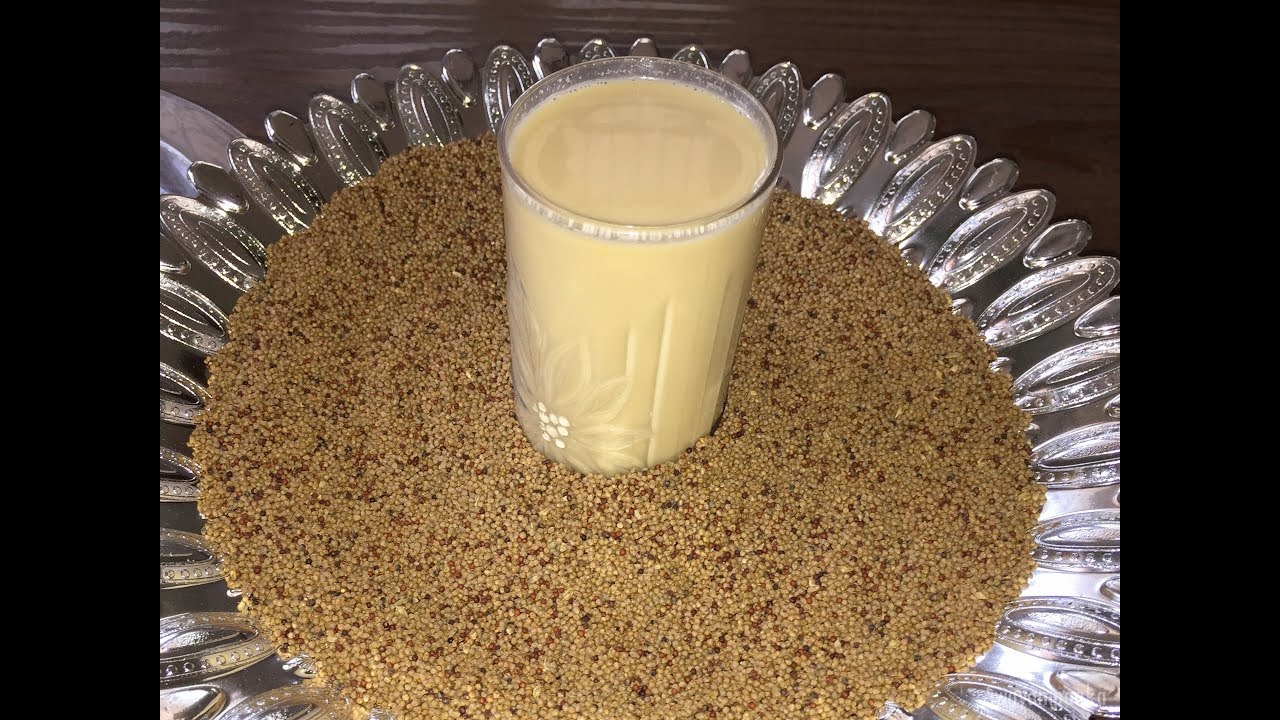
Millet Milk: This Beverage May Resolve Most of Your Health Issues

Millets are in the buzz these days because of the nutritional value they hold and the promotion of the cereal by the Government of India. Several entrepreneurs are striving to make millets tasty, without compromising on their nutritional parameters. A new addition to value-added products of millets is ‘millet milk’.

Like soy and almond milk, millet milk is gluten-free and helps the digestive system. It is a new product eagerly anticipated by vegans.

This Beverage May Resolve Most of Your Health Issues

How to Make Millet Milk

To make millet milk, take a cup of the millet of your choice, soak it, add water, grind it, and strain to extract the creamy flavor.

Nutritional Value

Millets are packed with iron, vitamins, magnesium, phosphorus, manganese, B-complex vitamins, and calcium. Unlike animal milk such as that of cows, buffaloes, and goats, millet milk is low on calories, good for weight loss. Millet milk is also a good option for those who are lactose intolerant or suffer from celiac disease.

Tasty and Healthy

Those who consume millet milk every day say it tastes earthy and nutty. Moreover, with its gluten-free properties, people with gastric problems can consume it every day. To make it tastier, you may add jaggery or stevia drops as a replacement for sugar. You can also make ice-creams, smoothies, and desserts using millet milk.

If you want to build your metabolism with a sufficient amount of protein, millet milk is among the best options for you. It also helps in balancing cholesterol in the body and is good for heart patients. For more benefits, millet milk should be consumed fresh.

Environment Friendly

Unlike wheat and paddy, millets require much less water to grow, and almost no fertilizers. With millet milk, the demand for the crop is only going to grow, making it a sustainable choice for the planet.

Millet milk stands out as an exceptional choice among plant-based milk alternatives, boasting a blend of nutritional excellence, eco-friendliness, and culinary adaptability. Whether you seek to diminish your carbon footprint or address dietary limitations, millet milk emerges as a healthful addition to your shopping cart.

With numerous millets, you get a choice to have the milk of different millets, such as foxtail, kodo, ragi, jowar, bajra, and many more, with each having its nutritional value. However, people allergic to millet should be cautious before consuming millet milk.

Visit us – http://www.aarogyapath.in

Categories
Medical Updates

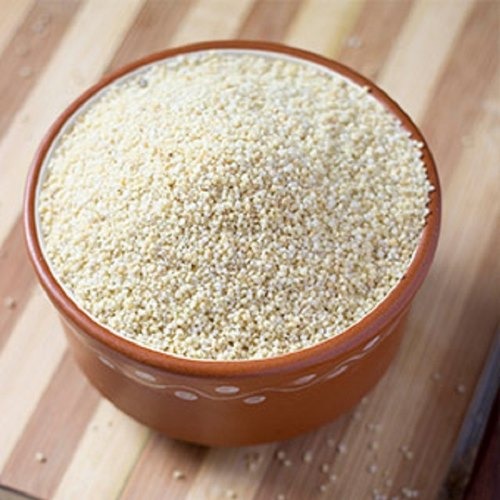
6 impressive health benefits of sama or barnyard millets

​​How to consume sama millet​

You can also eat sama plain. Additionally, vadas or pancakes made with sama millet can be eaten with curd or green chutney. You can also prepare a pulav made with sama grain. Its flour can be used to make chilla, dosa and uttapam. Sama grains should be kept dry and cold in an airtight container.

Sama or barnyard millet benefits


6 impressive health benefits of sama or barnyard millets

Millets are crops with two uses — as food and fodder. A special type of millet, Barnyard millet, commonly known as ‘sama’ grain in India is a gluten-free, nutrient-rich grain that has gained popularity in recent years due to its numerous health benefits. Native to India, this ancient grain has been a staple in traditional diets for centuries. Here are 6 benefits of including barnyard millet in your diet:

Rich in Nutrients​

Barnyard millet is a tiny grain that is bursting with vital nutrients. It is an excellent source of vitamins, minerals, dietary fiber, proteins, and carbs. Barnyard millet is a very nutrient-dense supplement to your meals because it has substantial amounts of iron, calcium, magnesium, phosphorus, and B vitamins.

​​Gluten-Free​

The inherent lack of gluten in barnyard millet is one of its main advantages. Barnyard millet is a healthy and gluten-free substitute for grains like wheat, barley, and rye that are known to cause gluten intolerance or celiac disease. It makes a wide range of foods safe for consumption by those with gluten-related diseases.

Low Glycemic Index​

The low GI of barnyard millet indicates that it does not quickly raise blood sugar levels following ingestion. Barnyard millet is a good choice for people with diabetes or those trying to maintain their blood sugar levels because foods with a low GI are good for controlling blood sugar levels.

​​Digestive Health​

By encouraging regular bowel movements and avoiding constipation, the dietary fiber in barnyard millet helps digestive health. In addition, fiber supports a healthy gut flora, which is critical for both immunological and general digestive health. Consuming sama millet as part of your diet can assist in maintaining a healthy digestive tract.

Weight management​

When it comes to managing weight, barnyard millet can be a useful ally. Barnyard millet lowers overall calorie consumption by promoting feelings of fullness and satiety due to its high fiber content and low calorie density. You can support your weight loss or maintenance objectives by controlling your appetite and adding barnyard millet to your meals.

​​Heart Health​

Regularly consuming sama millet may benefit your heart. Research has demonstrated a link between a lower risk of heart disease and diets high in whole grains, such as barnyard millet. Barnyard millet’s fiber, magnesium, and potassium contents assist control blood pressure, decrease cholesterol, and enhance cardiovascular health in general.

Visit us – https://shorturl.at/abnZ4

Categories
Medical Updates

6 positive dinner habits that can transform your health

An early and light dinner could be miraculous in your wellness journey, helping your control weight and blood sugar levels.

While people are usually mindful about morning nutrition, they are more likely to go wrong with the last meal of the day, which could lead to disastrous consequences. If you are someone who’s struggling with high cholesterol, fatty liver, diabetes or high blood pressure, what you eat in dinner could have a huge impact on your condition. An early and light dinner as opposed to a heavy and late dinner could be miraculous in your wellness journey helping control your weight, blood sugar levels and other chronic diseases. You can also turn dinner time to your advantage by slowly chewing every bite, relishing the meal with your family and sitting in a relaxed posture, following all the principles of mindful eating. A stroll after eating will make sure you digest your meal properly and also start preparing for bedtime.

6 positive dinner habits that can transform your health

“One major lifestyle factor affecting our metabolic system is eating meals at the wrong time. The liver is one of the major metabolic factors in the human physiological system. It works closely with the circadian rhythm of the body clock and helps in glucose formation or glycogen storage. The liver works in two cycles: breaking down substances to give glucose and building up the digested substances to form glycogen stores. Eating meals at the right time supports the liver in optional functioning. Eating dinner early at sunset, wherein the inner clock sets down on a different metabolic phase, helps the digestive system function efficiently,” says Dr Karthiyayini Mahadevan, M.B.B.S., DNB., PGDDN (Developmental Neurology), Head, Wellness and Wellbeing at Columbia Pacific Communities.

Health benefits of eating dinner on time

One of the most common afflictions of the liver, which is observed with the present-day lifestyle, is fatty liver. So, the benefits of having an early dinner before sunset includes:

  • Effective digestive function.
  • Effective function of the liver in detoxification.
  • Effective bowel movement and evacuation.
  • Adequate transit time for the gut flora to get nourished.
  • 6 positive dinner habits for health

    1. Eating dinner before sunset or preferably before 7 pm: Traditional wisdom and modern science both agree that having early dinner can work wonders for your digestion and metabolism. It makes sure the body doesn’t have to work extra hard during sleeping and gets the time for relaxation and rejuvenation.

    2. Avoiding oily and fried food during dinner meals: Dinner should be light and easy to digest. Fat doesn’t get digested well during dinner because of less bile production, as the liver is in the anabolic phase, which is building up glycogen.

  • 3. Hydrate well: Adequate hydration through warm soups with dinner helps aid digestion and if consumed with fibre-rich vegetables, it helps nourish the gut flora.

    4. Avoid animal protein in dinner meals: Digesting animal protein takes a lot of effort and will not be supported effectively by the liver because it is in the building-up phase. This can lead to partially digested protein lingering in the gut, which, when it gets putrefied, will affect the healthy gut flora.

    5. Consuming millet-based food at dinner: Millet-based dishes are rich in micronutrients and are also a great source of fibre which will nourish the gut flora. This will ensure better mental health and sound sleep too.

    6. Eating with mindfulness at all times, more so for dinner: Having a nutritious and light dinner is the best way to unwind after a hectic day. It will help close the metabolic system with gratefulness for the day.

  • Eating mindfully at the right time, quantity and quality adds life to years.

Visit us – http://www.aarogyapath.in

Categories
Medical Updates

7 amazing morning drinks to naturally lower cholesterol levels

From beetroot and carrot juice to strawberry smoothie, here are best morning drinks for lowering high cholesterol levels.

When it comes to taking chronic diseases head on, lifestyle modifications go aPar long way. Sedentary lifestyle can increase your risk of early death as it gives rise to a range of risk factors. Many of these issues like high blood pressure and high cholesterol levels may not have pronounced symptoms in the beginning, and the damage is done before you take corrective steps. High cholesterol levels or too much cholesterol in the blood is one of such hidden lifestyle problems that is on rise in modern times due to faulty eating habits and inactive lifestyle. Our body requires small amounts of cholesterol for functioning efficiently, but consuming fatty and sugary foods can lead to excess cholesterol. This can eventually increase your heart attack and stroke risk and not addressing it can greatly lower quality of life.

Apart from medication and regular exercise, dietary changes can be quite effective in managing high cholesterol levels. Foods rich in antioxidants, fibre and compounds that naturally lower cholesterol levels are recommended by wellness experts to tackle the chronic issue. Morning is the best time to supply a range of nutrients to your body.

Dr Pranav Ghody, Endocrinologist at Wockhardt Hospitals Mumbai Central says maintaining a heart-healthy diet is crucial for overall well-being, and incorporating specific food combinations into your daily routine can contribute to lower cholesterol levels.

BEST INFUSED-WATER DRINKS TO LOWER CHOLESTEROL

Dr Ghody share seven delicious and nutritious options to consider in the morning:

1. Green Tea

Green tea is rich in polyphenols, especially catechins, known for their anti-inflammatory properties. Research suggests that catechins can interact with cholesterol, leading to reduced absorption and lower blood cholesterol levels. Studies have demonstrated a decrease in total and LDL (Bad) cholesterol levels among individuals who regularly consume green tea.

2. Chia Seeds and Soy Milk

Combining chia seeds with soy milk can provide abundant fibre, protein, and omega-3 fatty acids. Chia seeds have been shown to modestly improve HDL (Good cholesterol) levels, while soy milk, compared to non-fat milk, can reduce LDL (Bad) cholesterol and increase HDL (Good) cholesterol.

3. Turmeric and Soy Milk

Studies, primarily in rodents and some in humans, indicate that turmeric can lower LDL (Bad cholesterol) and triglyceride levels. The active compound, curcumin, possesses antioxidant effects that combat free radicals in the body.

4. Beetroot and Carrot Juice

Beetroot is under investigation for its potential to lower cholesterol due to its high nitrate content. Carrots, rich in carotenoids like beta-carotene, have shown promise in modifying cholesterol absorption and lowering cholesterol levels. While studies are predominantly in rats, similar effects are anticipated in humans.

5. Ginger and Lemon Juice

Ginger has demonstrated the ability to reduce total cholesterol, LDL ((Bad cholesterol), and triglyceride levels, making it a flavourful addition to heart-healthy beverages.

6. Tomato Juice

Lycopene, the pigment responsible for the red colour in tomatoes, has been linked to reduced LDL (Bad) cholesterol, especially at higher doses (>25 mg/day). Its impact is comparable to taking a low-dose statin.

7. Strawberry Smoothie

A delightful option, strawberry smoothies contain dietary flavonoids that have been proven to enhance lipid and lipoprotein profiles in adults with abdominal adiposity, contributing to improved heart health

Incorporating these nutrient-rich combinations into your diet may not only tantalize your taste buds but also support your journey towards maintaining optimal cholesterol levels and promoting heart health.

Visit us – http://www.aarogyapath.in


Categories
Medical Updates

Yoga for happy stomach: Exercises for gut health and to ease digestion issues

Yoga experts claim that Yoga can play a significant role in promoting healthy digestion and alleviating symptoms of digestive disorders. They reason that the practice involves a combination of physical postures, breath control and mindfulness, contributing to improved overall digestive well-being.

Yoga asanas

In an interview with HT Lifestyle, Himalayan Siddhaa Akshar, Founder of Akshar Yoga Kendraa, shared, “One of the primary ways Yoga supports digestion is through the performance of specific asanas or poses. Poses like the seated forward bend (Paschimottanasana) and the spinal twist (Ardha Matsyendrasana) gently massage the abdominal organs, stimulating blood flow and enhancing digestive function. These postures help in relieving bloating, gas, and constipation.”

He revealed, “Certain Yoga postures specifically target organs associated with digestion. The Cobra Pose (Bhujangasana), for instance, engages the muscles of the abdomen and stimulates the digestive organs, enhancing their function. Regular practice of such poses contributes to a more efficient digestive process. Twisting poses, like the Revolved Triangle Pose (Parivrtta Trikonasana), are beneficial for wringing out toxins and tension from the digestive organs. These twists improve circulation in the abdominal area, fostering a healthier environment for digestion.”

Yoga for happy stomach: Exercises for gut health and to ease digestion issues

Pranayama techniques

Himalayan Siddhaa Akshar said, “Deep diaphragmatic breathing, a fundamental aspect of yoga, aids digestion by promoting the relaxation response of the parasympathetic nervous system. When we’re stressed, the sympathetic nervous system dominates, hindering proper digestion. Yoga’s emphasis on mindful breathing helps shift the body into a more relaxed state, facilitating optimal digestive processes.”

Cleansing and healing

According to Himalayan Siddhaa Akshar, specific Yoga practices, such as Kapalbhati Pranayama (skull-shining breath), are believed to cleanse the digestive system. This breathing technique involves forceful exhalations that engage and strengthen the abdominal muscles, promoting detoxification and enhancing digestive efficiency.

Easing digestive issues

Asserting that Yoga also addresses issues related to stress, a common factor in digestive disorders, Himalayan Siddhaa Akshar said, “Chronic stress can lead to conditions like irritable bowel syndrome (IBS) and inflammatory bowel disease (IBD). Through relaxation techniques like Savasana (Corpse Pose) and mindfulness meditation, Yoga helps manage stress levels, indirectly benefiting the digestive system. In addition to the physical and breath-focused aspects, yoga encourages mindful eating practices. Practitioners are often guided to eat slowly, savouring each bite and paying attention to their body’s hunger and fullness cues. This mindfulness in eating can prevent overeating, aid in proper digestion, and promote a healthier relationship with food.”

He added, “Siddha Walk has the ability to improve your emotional and spiritual wellness in addition to your bodily health. It is a dynamic system founded on science that has the power to fundamentally alter the human body and psyche. The figure 8 or infinity plays a significant part in this stroll. This image stands for connectedness and how we go from one work to another. It demonstrates how one’s actions or decisions from today affect the subsequent set of decisions or tasks that one must complete. Yoga’s impact on the nervous system is crucial for digestive health. The Vagus nerve, a major component of the parasympathetic nervous system, connects the brain to the digestive organs. Yoga practices activate the Vagus nerve, promoting better communication between the brain and the gut. This can result in improved digestive function and relief from symptoms associated with digestive disorders.”

He concluded, “Yoga offers a holistic approach to promoting healthy digestion and alleviating symptoms of digestive disorders. From specific postures that target the abdominal organs to mindful breathing and stress management techniques, the practice addresses various aspects of digestive well-being. Incorporating yoga into a routine can contribute to a healthier digestive system, fostering overall physical and mental wellness.”

Visit us – http://www.aarogyapath.in

Categories
Medical Updates Medicine & Health

5 essential blood tests you must do every year

Regular blood tests are crucial for monitoring overall health and detecting early signs of potential health issues. While specific recommendations may vary depending on individual health status and risk factors, there are several essential blood tests that individuals should consider undergoing annually as part of their preventive healthcare routine. Here are five key blood tests that can provide valuable insights into your health:

​Complete Blood Count (CBC)​

5 essential blood tests you must do every year

The Complete Blood Count (CBC) is a comprehensive test that evaluates various components of your blood, including red blood cells (RBCs), white blood cells (WBCs), and platelets. This test provides essential information about your overall blood health and can help identify conditions such as anemia, infection, and blood clotting disorders. Specifically, CBC measures parameters such as hemoglobin levels, hematocrit, red blood cell count, white blood cell count, and platelet count. Abnormalities in these parameters may indicate underlying health issues that require further evaluation and management.

​Lipid Profile​

A Lipid Profile is a blood test that assesses your cholesterol levels and other lipid markers associated with cardiovascular health. This test measures various lipid components, including total cholesterol, low-density lipoprotein (LDL) cholesterol, high-density lipoprotein (HDL) cholesterol, and triglycerides. Elevated levels of LDL cholesterol and triglycerides, along with low levels of HDL cholesterol, are significant risk factors for heart disease and stroke. Monitoring lipid levels annually can help identify individuals at risk of developing cardiovascular complications and guide interventions such as lifestyle modifications or medication therapy to manage cholesterol levels and reduce cardiovascular risk.

Blood Glucose (Fasting Blood Sugar or HbA1c)​

Blood glucose testing is essential for assessing blood sugar levels and screening for diabetes or prediabetes. Two common blood glucose tests include Fasting Blood Sugar (FBS) and Hemoglobin A1c (HbA1c). Fasting Blood Sugar measures your blood sugar levels after an overnight fast and provides insight into your body’s ability to regulate glucose levels. HbA1c, on the other hand, reflects your average blood sugar levels over the past two to three months and is considered a more reliable indicator of long-term glucose control. Elevated blood glucose levels may indicate diabetes or prediabetes, which require early detection and management to prevent complications such as heart disease, kidney disease, and nerve damage.

​Thyroid Function Tests​

Thyroid function tests evaluate the function of the thyroid gland, which plays a crucial role in regulating metabolism, energy production, and various bodily functions. Common thyroid function tests include Thyroid-Stimulating Hormone (TSH), Free T4 (thyroxine), and Free T3 (triiodothyronine). TSH levels help assess the overall function of the thyroid gland, while Free T4 and Free T3 levels measure the levels of active thyroid hormones circulating in the bloodstream. Abnormalities in thyroid function can lead to symptoms such as fatigue, weight changes, mood swings, and changes in heart rate. Regular thyroid screening is essential for detecting thyroid disorders such as hypothyroidism (underactive thyroid) or hyperthyroidism (overactive thyroid) and initiating appropriate treatment to restore thyroid hormone balance and alleviate symptoms.

​Comprehensive Metabolic Panel (CMP)​

The Comprehensive Metabolic Panel (CMP) is a comprehensive blood test that assesses various metabolic markers and organ function. This test typically includes measurements of blood glucose, electrolytes (sodium, potassium, chloride, bicarbonate), kidney function (creatinine, blood urea nitrogen), liver function (bilirubin, albumin, liver enzymes), and protein levels. The CMP provides valuable information about your overall metabolic health and the function of vital organs such as the kidneys and liver. Abnormalities in CMP results may indicate conditions such as kidney disease, liver dysfunction, electrolyte imbalances, or metabolic disorders. Regular monitoring of CMP parameters can help identify potential health issues early and facilitate timely interventions to maintain optimal health and prevent complications.

Visit us – https://shorturl.at/luS67


Categories
Medical Updates Medicine & Health

6 vegetarian sources of Omega-3

​​Unlocking Omega-3 goodness​

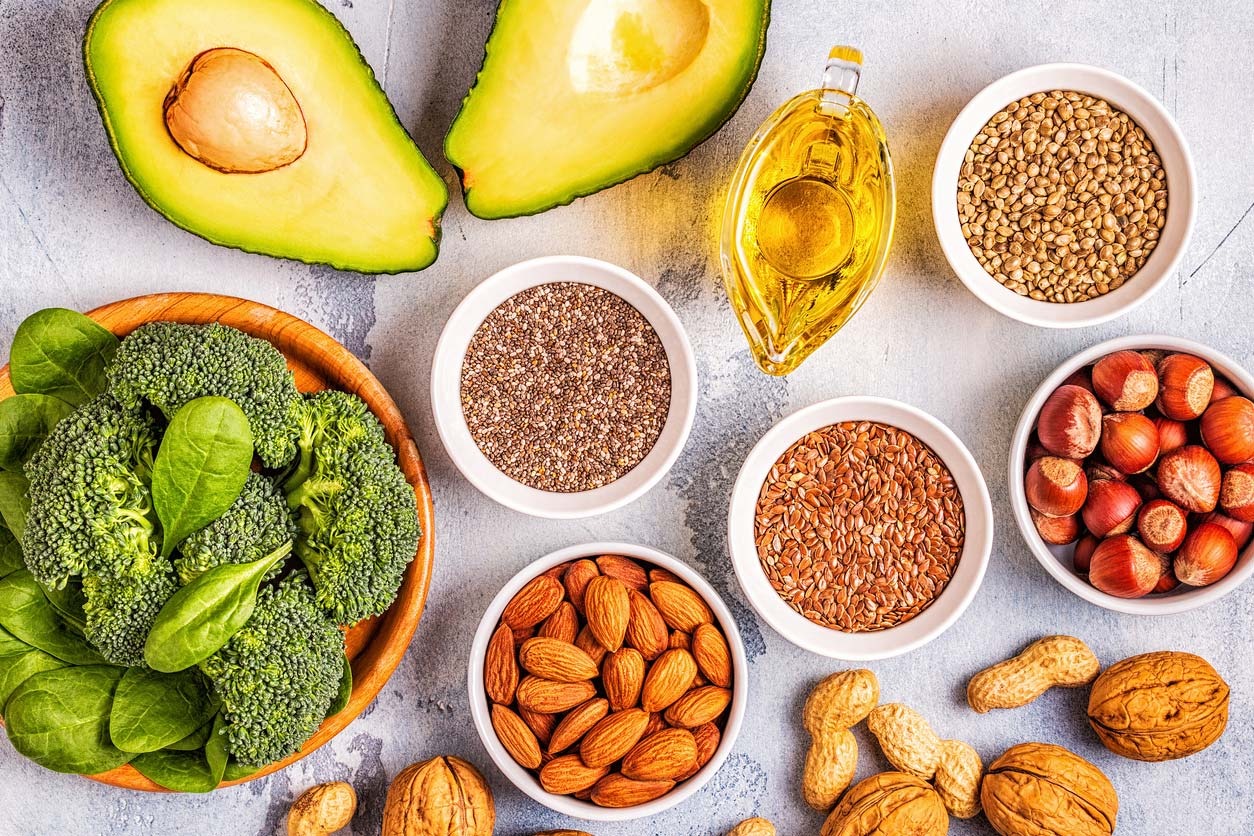
Essential nutrients, omega-3 fatty acids, are critical for heart health, brain function, and general well-being. Although fish is frequently recommended as the main source of omega-3s, plant-based foods can also provide vegetarians with the necessary amounts. You can include the following six vegetarian sources of omega-3 fatty acids in your diet:

6 vegetarian sources of Omega-3

​​Flax seeds​

Omega-3 fatty acids, especially alpha-linolenic acid (ALA), are abundant in flaxseeds. For an added nutritional boost, you can sprinkle ground flaxseeds over yogurt, porridge, or smoothies. Supplements containing flaxseed oil are also offered to people who want to consume more omega-3 fatty acids.

​​Chia seeds​

Because of their high ALA content, chia seeds are a great vegetarian source of omega-3 fatty acids. These tiny seeds can be added to drinks, salads, baked products, or utilized as a thickening factor in recipes by soaking them in water until they take on the consistency of gel.

​​Walnuts​

One of the few nuts with a notable concentration of ALA omega-3 fatty acids is walnuts. For a crunchy and nutrient-dense boost to your omega-3 intake, snack on a handful of walnuts or add them to salads, cereal, or baked goods.

​​Kidney beans​

In addition to being a wholesome legume, kidney beans are a notable vegetarian source of omega-3 fatty acids. They do contain a little amount of ALA (alpha-linolenic acid), an omega-3 fatty acid, but not as much as they do in other sources like chia seeds or flaxseeds. Kidney beans do, however, provide a host of other health advantages. For example, they are high in protein, fiber, vitamins, and minerals, all of which promote heart and brain health.

Hemp seeds​

Omega-3 fatty acids, protein, fiber, and vital vitamins and minerals are all abundant in hemp seeds. For a healthy and nutty taste, sprinkle hemp seeds on salads, yogurt, cereal, or incorporate them into smoothies.

​​Leafy greens​

Some leafy greens, such as Brussels sprouts, kale, and spinach, have ALA omega-3 fatty acids in them, although not as much as in other foods. Consuming a range of leafy greens can increase your body’s intake of omega-3 fatty acids and offer other health advantages.

Vegetarians can make sure they get the nutrients they need while maintaining a nutritious and well-balanced diet by adopting a wide variety of omega-3-rich foods.

Visit us – http://www.aarogyapath.in now !!!

Categories
Medical Updates

Red rice vs black rice: Can south Indian varieties work for your heart, cholesterol, diabetes and haemoglobin?

Not all rice is bad if eaten in moderation and made a part of the total recommended daily calorie allowance. Also, rice should be combined with adequate protein and green leafy vegetables. Particularly South India’s heirloom rice varieties are a treasure house of nutritional and therapeutic properties. Of late, some research has also started validating the superfood value of indigenous rice varieties. These are rich in bioactive compounds that boost the nutritional value of foods.

KAVUNI: Red Kavuni is an aromatic, red-grained rice grown in Tamil Nadu that derives its rich colour from high levels of anthocyanins. It has been used traditionally as a cooling food during summer months and is valued for its anti-microbial properties that aid digestion.

KAIVARA SAMBA: This is a widely adaptable rice variety that can grow even in marginal soils. It is good for dehydration and having a low glycaemic index and high fibre, can be used to regulate blood sugar levels. The high fibre lends bulk to the dish and automatically helps in portion control. This rice contains selenium, which helps to make DNA and protects against cell damage, abnormal cancerous growth and infection.

POONGAR: This is a sweet-scented rice grown specifically for making rice flakes and fermenting. In parts of Karnataka and Tamil Nadu, it is customarily given to women after puberty and during pregnancy as it is believed to ease gynaecological problems. It has no cholesterol and is high on resistant starch, which is good for the growth of gut bacteria. The fibre content helps lower cholesterol levels in the body while flavonoids reduce the risk of heart disease. Poongar rice has a low glycemic index while a compound called gamma-oryzanol helps reduce insulin resistance in the body. It is high in iron, magnesium and zinc and helps in increasing haemoglobin levels. It works for those with Celiac disease as it is 100 per cent gluten-free.

KATTU YANAM: A high-fibre red rice, it helps bring down cholesterol levels in the body. Its nutty flavour and texture make it a good source of energy. Its low glycaemic index makes it a top choice for people with diabetes. Easy to digest. It is a good source of Vitamin B, zinc, manganese and folic acid.

KOLIYAL: This is a brown hulled rice from Kerala that is used to make Puttu, an iconic breakfast dish of the region. A study by Naresuan University, Thailand, and published in PubMed Central, has shown how this rice improves sperm health parameters. These contain insoluble fibres and are low on sodium, which is good for those suffering from hypertension.

BLACK KAVUNI: This is yet another heritage rice from Tamil Nadu that derives its blackish-purple hue from high anthocyanin content. It is known for properties that cool the body, promote heart health and treat liver ailments. Its antioxidants help in managing heart health, it has a low glycaemic index and is, therefore, good for people with diabetes. It is a powerhouse of micronutrients like iron, magnesium and zinc.

THUYAMALLI: This rice is known for its vitamin B complex, especially B12, content. This strengthens the nervous system.

KARUN KURUVAI: A study published in the Journal of Agricultural and Food Chemistry found that the antioxidant activity of this kind of red rice is higher than that of other rice varieties, which may help protect the heart against oxidative stress. It has a lower glycemic index compared to other rice varieties, which means it causes a slower rise in blood sugar levels after consumption.

MAPPILLAI SAMBA: It contains vitamin B1 that helps in healing stomach and mouth ulcers. It improves blood circulation, boosts immunity and stamina, strengthens muscles and nerves.

Given these health benefits, there is a growing awareness of how important it is to conserve this agricultural heritage and traditional knowledge. But at the risk of repetition, moderation is the key even if they are used as substitutes of the milled and processed variety.

Visit us –http://www.aarogyapath.in


Categories
Medical Updates Medicine & Health

Millions of older people don’t get enough nutrients – how to spot it and what to do about it

By 2050, approximately a quarter of the UK population is expected to be over the age of 65. With this in mind, the World Health Organisation (WHO) has put “healthy ageing” on its agenda. This means finding ways to maintain health, wellbeing and functional ability in order to have a good quality of life and enjoy the later years.

Everyone ages at a different rate – but there are some things that can influence how well we age, such as by making changes to the types of activity we do and the foods we eat.
Older adults are generally less physically active than they were when they were younger and because of this, their energy intake requirement may decrease. However, there is a difference between energy requirements and nutrient requirements, and nutrient requirements actually remain the same, if not increase, as we get older.

Millions of older people don’t get enough nutrients – how to spot it and what to do about it

This means we need to get more nutrients into less energy which can be tricky as older adults often have lower appetites. This is why scientists suggest that it may be necessary to enrich the food of older people to maintain the nutrient intake.

Several studies have shown that undernutrition affects one in ten older people living independently at home. However, it affects five in ten older people living in nursing homes, and seven in ten older people in hospital.

Being overweight, even obese, does not protect against undernutrition. And when older adults lose weight, they lose muscle, meaning that they are more likely to lose their abilities to do daily tasks.

Weight loss in older adults is a key sign of malnutrition that needs to be addressed – but it can be easily missed, especially when many older adults associate the idea of thinness with good health. But clothing that’s too loose or a watchstrap that floats on the wrist are all warning signs of undernourishment.

Similarly, if someone you care for has started to say things like, “Oh, I don’t want much food today, I’m not hungry”, “I’m not hungry, it’s natural, I’m getting older”, or “I’d rather just have a biscuit to be honest,” then these could be warning signs. An effective way to keep on top of this is regular weighing at least once per month which enables a quick response to potential indicators of malnutrition.

Getting more nutrients into less food

If people are eating small amounts of food, it is important to think about how to add more nutrients into it. A very effective technique, “fortification” is commonly done with pre-made products such as breakfast cereals, plant-based milk and bread in the UK.

Fortification (adding foods, ingredients or nutrients into to existing foods or meals) is easy to do at home as well and can provide a flexible approach for older adults as it allows them to continue eating the foods that they most enjoy.


For older adults in particular, protein is a very important nutrient, because of muscle loss (sarcopenia) which is a natural part of ageing. This could be slowed down or even reversed by eating enough protein at regular intervals throughout the day. A few ways to increase protein include: • Adding dairy ingredients such as milk, high-protein yoghurt, Quark (soft cheese), milk powders, eggs and cheese into meals – even into simple foods like mashed potato.
• Nuts are a great source of protein, try adding ground almonds to savoury or sweet meals (beware of nut allergies).

• Soy protein can be a convenient and cost-effective option, either for vegetarians or to further fortify minced-meat meals.

• Look in the sports section of supermarkets to find whey protein powders. These are marketed to gym enthusiasts, but actually whey is one of the best proteins to stimulate muscle growth. This versatile ingredient can be mixed into porridge before cooking or used it as a substitute for other powdered ingredients in baking.

Importance of physical activity and strength exercises

Physical activity and nutrition go hand-in-hand – both are equally important. As we age, being physically active becomes even more essential as it helps to prevent disease, maintains independence, decreases risk of falls, improves cognitive function, mental health and sleep.

Exercise can also combat isolation and loneliness which has also been linked to decreased appetite in older adults. Often strength training gets ignored when we think of being active but to keep independence and prevent falls, older adults should do varied physical activity that emphasises balance and strength training at moderate or greater intensity on three or more days a week.
Ultimately, it’s essential to contact a doctor or dietician with any worries or concerns about malnutrition or unintentional weight loss. There are, however, some excellent resources to learn more about ageing healthily and maintaining a good quality of life in later years.

Visit us –  http://www.aarogyapath.in