Categories
Medical Updates Medicine & Health

India’s first indigenous pneumonia vaccine by SII launched

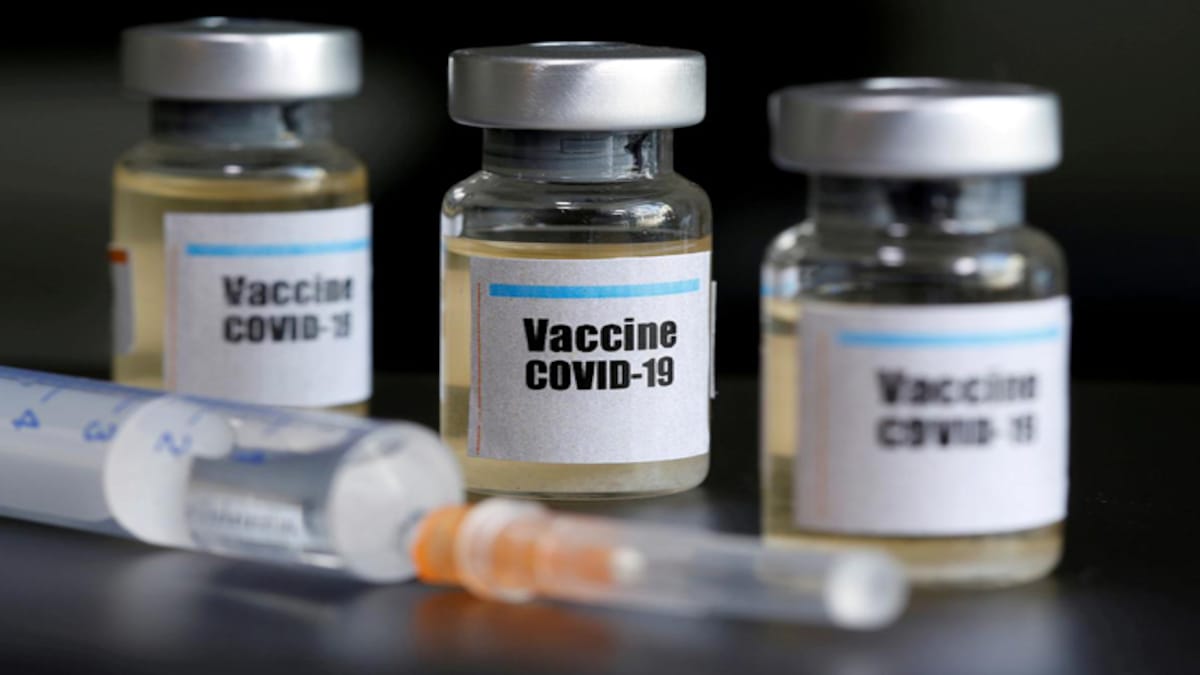
The first indigenous vaccine against pneumonia, developed by the Serum Institute of India (SII), was launched by Union health minister Harsh Vardhan on Monday. The vaccine would be sold under the name ‘Pneumosil’ and would be available either as a single dose in a vial and pre-filled syringe or as multidose in vials at affordable prices, the Union ministry of health and family welfare (MoHFW) said in a statement.

The pneumococcal conjugate vaccine (PCV) would be used to treat pneumonia in children and has been developed by SII in collaboration with other partners like the Bill and Melinda Gates Foundation, the statement said. Vardhan said that the vaccine has been developed during the Covid-19 pandemic time and is also in line with the Aatmanirbhar Bharat program (self-reliant India) of Prime Minister Narendra Modi.

“Pneumosil has been extensively evaluated in 5 randomized controlled clinical trials and has demonstrated comparable safety and immunogenicity against licensed pneumococcal vaccines across diverse populations of India and Africa, where Pneumosil was administered to adults, toddlers and infants using different vaccination schedules,” Vardhan said. He also said the vaccine has proven safe during these trials and has prevented pneumonia following which the Drugs Controller General (India) approved the vaccine in July 2020 after the approval from the subject expert committee (SEC).

Hailing SII, the world’s largest manufacturer of vaccines by the number of doses produced, the minister said, “Serum Institute’s vaccines are used in 170 countries and every third child in the world is immunized with the manufacturer’s vaccine.” He also appreciated India’s scientific and medical fraternity, saying that the indigenous vaccine would reduce India’s dependency on high priced PCVs from foreign manufacturers.

During the launch of the vaccine, the health minister also noted that pneumonia accounts for nearly 1 million deaths worldwide and is the single largest infectious cause of death among children under five years of age.
Categories
COVID-19 Medical Updates Medicine & Health

New coronavirus strain still not found in India: Health official

India has not witnessed any significant mutation of COVID-19 causing SARS-CoV2 virus so far, the central government said on Tuesday.  adding that it was stepping up efforts to conduct  genome sequencing of the samples of recent travellers from the UK.

“Our labs have done genome sequencing of thousands of viruses isolated in the country and so far there is no signal or any significant mutation in India. But because we live in an interconnected world and Australia and Denmark have reported variants of the virus, we have prioritised genome sequencing of recent samples from incoming passengers from the UK,” VK Paul, a member of NITI Aayog, said.

He said the UK mutation was not a cause for worry but yes it did call for heightened vigilance to ensure India doesn’t squander the gains made so far in pandemic management.

“It’s not a cause for panic. We can say that based on our deep assessment of current data. The new variant of the virus is more transmissible but doesn’t have a greater propensity for death, hospitalisation or severe disease. Nor does it impact the potential of vaccines being developed in India and available elsewhere in the world. So yet we need to be watchful to preserve our gains by intensifying COVID appropriate behaviours and avoiding crowding but no cause for panic,” Paul said.

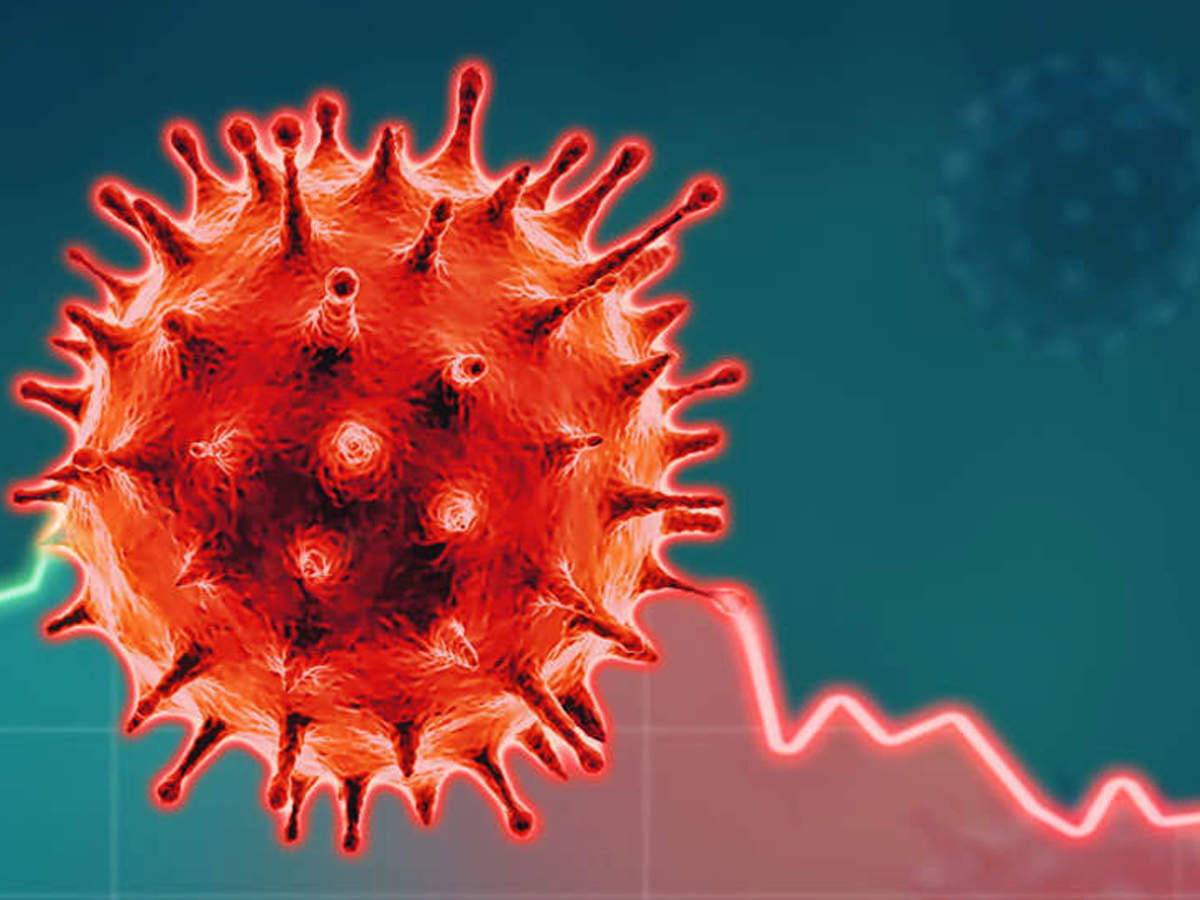
The new variant of the COVID virus as reported by the UK has 17 changes, the most significant being to its spike protein which the virus used to bind to human cells.

The UK mutation has increased the ability of the virus to infect which in itself is a challenge, said Paul calling for caution on a day when India issued fresh protocols to test everyone coming in or transiting through the UK through the last four weeks.

source:https://www.tribuneindia.com/

Categories
COVID-19 Medical Updates Uncategorized

Who will get the first Covid vaccine in India? Health Minister says ‘have prioritised 30 cr people’

  • On voluntary Covid-19 vaccination, the Health Minister said that the government’s effort is that everyone on the priority list takes the vaccine
  • ‘But if anyone decides not to take it, we can’t force them,’ Dr Harsh Vardhan said

Union Health Minister Harsh Vardhan on Monday said that the Centre has prioritised 30 crore people for a vaccine against the novel coronavirus.

Speaking to news agency ANI, he said, “After consultation with experts, we’ve prioritised 30 crore people for COVID vaccine. It includes health workers, frontline workers like police, military & sanitation staff, people above 50 yrs & those who are below 50 yrs but are suffering from certain diseases”.

On voluntary Covid-19 vaccination, the Health Minister said that the government’s effort is that everyone on the priority list takes the vaccine. “We will address the issue of vaccine hesitancy. But if anyone decides not to take it, we can’t force them,” Dr Harsh Vardhan said.

Meanwhile, Dr. Harsh Vardhan has said that people of India could get a Covid-19 vaccine shot in January.

“Our first priority has been the safety and effectiveness of vaccines. We don’t want to compromise on that. I personally feel, maybe in any week of January, we can be in a position to give the first Covid vaccine shot to people of India,” Vardhan was quoted as saying.

India to start voluntary Covid vaccination

The Central Government had earlier said that it could soon start voluntary inoculation against the Covis-19 as it considers emergency use authorisation for three vaccine candidates including those from AstraZeneca and Pfizer.

Hyderabad-based firm Bharat Biotech has also applied for emergency approval.

“The government of India is geared to launch a vaccine for COVID-19 soon,” the Ministry of Health and Family Welfare had said in a public advisory.

“Vaccination for COVID-19 is voluntary. However, it is advisable to receive the complete schedule of COVID-19 vaccine.”

It also added that even those who have been infected by the killer virus should be vaccinated.

Meanwhile, India on Sunday, recorded 26,624 fresh coronavirus cases, 29,690 recoveries, and 341 deaths.

source: https://www.livemint.com/

Categories
Medical Updates Medicine & Health

Here’s what patients on dialysis need to know about the process and its safety

For people whose kidney functions decline with time, the process of dialysis works as an alternative, and keeps them healthy. It is said that haemodialysis is among the most advanced technologies used in outpatient settings. “Though there are safety checks and controls, the processes of care, the capability of the health care worker delivering the service, and an engaged and informed patient are key to achieving topmost priority at a dialysis centre,” says Dr Suresh Sankar, Nephrologist & Senior VP, Clinical Affairs, NephroPlus.

The doctor says that patient safety events in dialysis can occur in the following aspects of care:

* Initiation and ending of dialysis session
* Type of dialyzer used and whether the appropriate labelled dialyzer was used
* Amount of blood thinner used
* Medications
* Fluid removal on dialysis
* Infections

How can the treatment be made safer?

“It starts with knowing where safety matters and taking the right action,” says Dr Sankar.

– Give time to your technician and nurse for the process of care when starting and ending the session.
– Know about the kind of kidney filter used and if it is to be reused, its identity has been verified. You could gently ask your care provider to recheck it especially if there is another patient with the same or similar name in your centre.
– Ask your doctor about the amount of blood thinner you will need and know the same recommendations are followed.
– Ensure your prescription is updated regularly, and insist on a copy of your medication prescription in your dialysis chart.
– Limit your fluid intake to what is appropriate for you and do not insist on ‘maximal fluid removal’ during the session. Based on each individual’s body weight, duration of the session, there is a limit to how much fluid can be removed.
– Clean your fistula site with soap and water before every dialysis treatment.
– Clean your hands with soap and water or waterless alcohol-based sanitizer before you start your dialysis session and after you leave.
– If you have a catheter, wear a mask and request your care provider to wear a mask when starting and ending dialysis. Know the signs when a catheter could be infected.
– If you don’t have a permanent fistula, but will need dialysis for your lifetime, discuss the early placement of a fistula with your doctor, before the need for dialysis.
– Ensure you have taken the vaccines recommended for you at the right dose and frequency.

Categories
COVID-19 Techniques

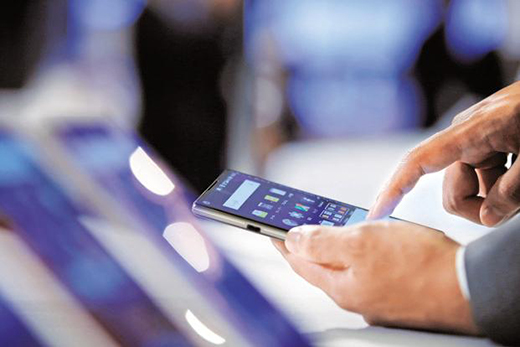
Co-WIN: Mobile app for real-time monitoring of COVID-19 vaccination

The Union Health Ministry has developed a digital platform, including a mobile application, for real-time monitoring of COVID-19 vaccine delivery, recording data and to enable people to get themselves registered for vaccination. Addressing a press meet on Tuesday, Health Secretary Rajesh Bhushan said the platform, Co-WIN, will help monitor the entire vaccination process.

“Co-WIN digital platform includes a free downloadable mobile application which can help record vaccine data. One can register themselves on it if they want the vaccine. There are five modules in Co-WIN app — administrator module, registration module, vaccination module, beneficiary acknowledgement module and report module,” he said. Bhushan said the administrator module is for the administrators who will be conducting these vaccination sessions. “Through these modules, they can create sessions and the respective vaccinators and managers will be notified, he said.

The registration module is for people to get registered for vaccination. It will upload bulk data on co-morbidity provided by local authorities or by surveyors. The vaccination module will verify beneficiary details and update vaccination status while the beneficiary acknowledgement module will send SMS to beneficiaries and also generate QR-based certificates after one gets vaccinated.

“The report module will prepare reports of how many vaccine sessions have been conducted, how many people have attended those, how many people have dropped out etc., Bhushan said while elaborating on the digital platform. The mobile application will also send real-time data of temperature of the cold-storage facilities to the main server, he said.