Categories
COVID-19 Medical Equipments Medicine & Health

What is Disease X; can this potential threat be deadlier than Covid? Doctor explains

While Covid-19 pandemic is almost over, healthcare professionals are now preparing for a potential new pandemic called Disease X.

The next pandemic could take 50 million lives said Dame Kate Bingham, who chaired the UK’s Vaccine Taskforce saying that it might already be on its way and that Covid-19 was not that lethal. The new pandemic has been dubbed Disease X by World Health Organisation (WHO) and Bingham says it could be 20 times deadlier than Coronavirus. Bingham told Daily Mail, “The world will have to prepare for mass vaccination drives and deliver the doses in record time…Imagine Disease X is as infectious as measles with the fatality rate of Ebola (67 per cent). Somewhere in the world, it’s replicating, and sooner or later, somebody will start feeling sick.”

According to Bingham, while scientists have identified 25 virus families encompassing thousands of individual viruses, there are millions of other viruses yet to be discovered, reported the Daily Mail.

“While Covid-19 and its variants have impact in terms of recurring and familiar health issues, healthcare professionals are now preparing for a potential new pandemic called Disease X. Healthcare experts have issued a caution that this new virus can be as devastating as the Spanish Flu. According to the World Health Organization (WHO), “Disease X refers to pathogen – known/potentially unknown that can cause large scale, serious pandemic leading to mass scale human disease,” says Dr Neha Rastogi, Consultant, infectious disease, Fortis Memorial Research Institute, Gurugram.

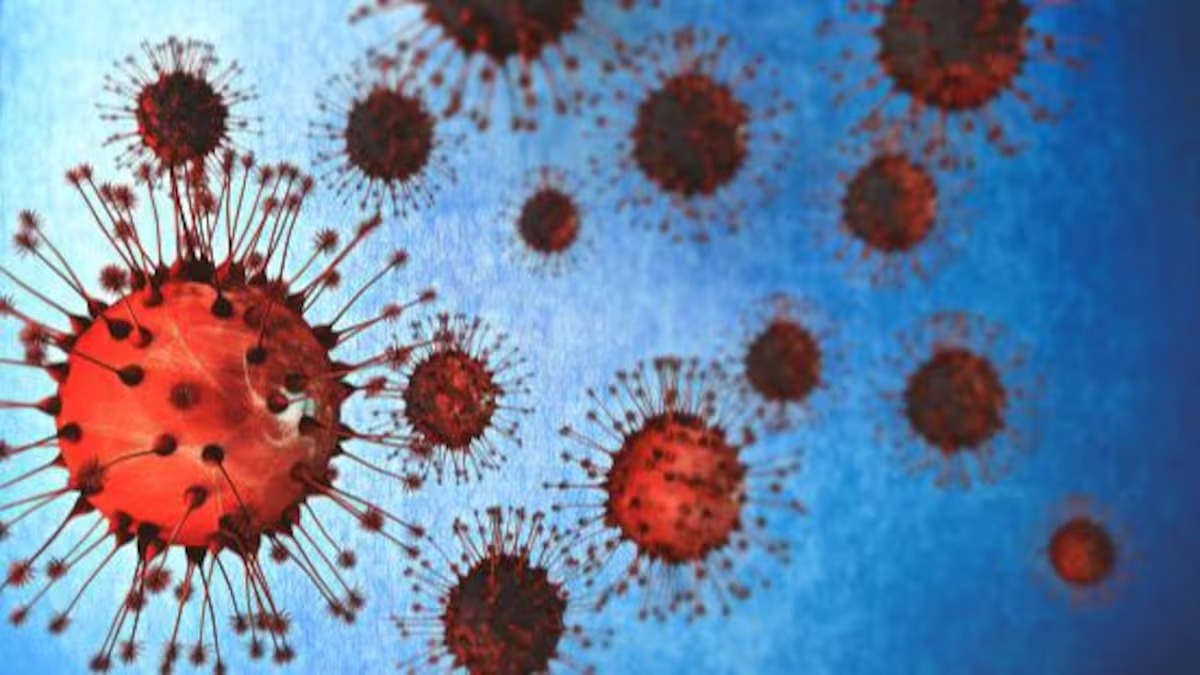
What is Disease X?

“Disease X is possibly and plausibly caused by a ‘pathogen X’. It could be related to zoonotic disease likely an RNA virus, emerging from an area where the epidemiological triad – environment host favours sustained transmission. These emerging/re-emerging z pathogens can be labelled as X and they are a threat which mandates intense and ongoing active surveillance and monitoring,” says Dr Rastogi.
What is Disease X; can this potential threat be deadlier than Covid? Doctor explains

There are postulated data about the possibility of syndrome X as an engineered pandemic pathogen. Incidental laboratory accidents or as an act of bioterrorism, might lead to a disastrous Disease X which can be potentially pose global catastrophic risk, says the expert.

Prevention

“Containment and mitigation strategies involve development and implementation of uniform international guidelines to control bioterrorism. Immediate and appropriate travel restrictions including strict airport screening requires to be implemented to contain the spread of pathogen X across borders. It also necessitates collaborative approach of global leaders, scientists, epidemiologists, and infectious disease experts to investigate, control, and eliminate disease X. Widespread and mass testing, surveillance and aggressive contact tracing are potential effective tools to timely contain outbreak like situations,” says Dr Rastogi.

“Concentrated efforts to accelerate the access, rapid availability of immediate medical measures – test kits, vaccines, and first aid required before and during the pandemic. Ongoing continuum of research on preventive aspect – development and process of vaccines needs boost and heightened priorities to abate and combat severe adverse consequences of disease X,” she says.

“A One Health approach which aims at bridging institutional gaps, building and stratifying priority risk and alert pathogens and emphasizing on mitigation strategies for emerging and re-emerging pathogens – potential disease X should be the need of an hour to prevent these global and global catastrophes,” concludes the expert.

Read more at-https://shorturl.at/kntxU
Categories
Medical Equipments Medicine & Health

World Heart Day 2023: Sudden cardiac arrest, heart attack, heart failure; what’s the difference? Cardiologist explains

A cardiologist explains how the three CVD conditions – heart attacks, heart failure and sudden cardiac deaths, differ in condition, symptoms, and treatment.

Heart health has been one of the biggest casualties in the today’s fast-paced routine that leaves little time and space for developing healthy lifestyle habits which can go a long way in preventing onset of chronic diseases. Rise in heart attacks, sudden cardiac arrest and other cardiovascular conditions has become a cause of concern. Stress, alcohol, smoking, lack of exercise, poor diet are among the major factors that are affecting heart health of people of all age groups. While people are hitting gyms to stay in shape, they are hardly modifying their food habits and taking measures to control stress, which could be causing sudden cardiac events and deaths.

“India accounts for approximately a quarter of cardiovascular disease (CVDs) related deaths worldwide, with an estimated 17.9 million deaths annually. An equally disturbing number of hospitalizations supplement the alarming number of deaths due to multiple categories of cardiovascular conditions. A study published by the Asian Pacific Society of Cardiology (APSC) reports that this high number can be due to various factors, the most prominent being bad lifestyle choices and unhealthy diets. Despite trying to be physically fit, people suffer from poor health due to lifestyle behaviours such as food and drink choices, smoking, alcoholism, inadequate sleep and more,” says Dr H.N. Mishra, Senior Consultant Interventional Cardiologist, Apollo Hospital Bhubaneswar.

Unfortunately, most individuals do not take the onset of the conditions seriously until they become more critical, mainly due to the lack of understanding of the condition and their implications. Not only the public but also caregivers confuse the medical terms and use them interchangeably without understanding the repercussions.

“While heart complications and associated co-morbid conditions are interlinked, these conditions require distinct treatments based on a patient’s medical condition. Thus, it becomes essential to understand how the three most critical CVD conditions, heart attacks, heart failure and sudden cardiac deaths, differ in condition, symptoms, and treatment,” says Dr Mishra.

On the occasion of World Heart Day (September 29), let’s understand from Dr Mishra how heart attack, sudden cardiac arrest and heart failure are different from each other.

1. Heart attack

A heart attack occurs when blood flow to the heart is reduced or blocked. Blood clots, atherosclerosis, fat, or cholesterol deposits in the coronary arteries cause this blockage. During a heart attack, the heart continues to beat, but oxygen-rich blood can’t reach the organ for proper functioning. The longer the treatment is delayed, the more damage happens, causing a heart attack possibly leading to sudden cardiac arrest.

The three types of heart attacks are:

  • Unstable angina: Damage to the heart due to reduced blood flow to the heart occurring at rest or on minimal exertion in the absence of damage of heart muscle is an unstable angina. This could lead to heart attack.
  • Non-ST segment elevation myocardial infarction (NSTEMI): When the coronary artery is partially blocked, blood flow is reduced, causing damage to the heart. This condition is referred to as NSTEMI, which is a severe condition.
  • ST segment elevation myocardial infarction (STEMI): When a coronary artery becomes completely blocked, and a large portion of the muscle stops receiving blood, the condition is referred to as STEMI or a major heart attack.
  • MINOCA: When the patient of heart attack with signs and symptoms of heart damage, investigations suggesting damage to heart and blood vessel supplying the heart is < 50% blocked and not obstructing the blood flow, then the condition is referred to as MINOCA or Myocardial Infarction with Non-Obstructive Coronary Arteries.
Symptoms of heart attack

Heart attack symptoms might vary based on age, gender, and lifestyle. However, some common signs include chest pain, shortness of breath, cold sweats, nausea, and vomiting, which usually develop slowly over time. If you or someone you know is experiencing these symptoms, an immediate visit to a cardiologist is recommended.

World Heart Day 2023: Sudden cardiac arrest, heart attack, heart failure; what's the difference? Cardiologist explains

2. Heart failure

When the heart cannot pump enough blood through the body, the condition is referred to as heart failure. The condition is caused by multiple underlying conditions such as coronary artery disease, high blood pressure or diabetes.

Symptoms of heart failure

The most common symptoms of heart failure are swelling of feet, ankles and legs as the heart’s pumping ability weakens, and blood and fluid travel back into the lungs. Some people also experience weakness, lethargy, and shortness of breath. A cardiologist will determine the underlying cause of heart failure and then outline the treatment based on the cause.

3. Cardiac arrest

When there is a sudden loss of all heart activity due to an irregular heart rhythm, the condition is referred to as cardiac arrest. During a cardiac arrest, the person stops breathing and becomes unconscious, which could lead to death without immediate treatment. The underlying causes of cardiac arrest include coronary heart disease, physical stress, and hereditary disorders. However, cardiac arrest can also occur with no known cause. Emergency treatment with professional healthcare providers is required for sudden cardiac arrest. The line of treatment could include cardiopulmonary resuscitation (CPR) and shocks to the heart with an automated external defibrillator (AED).

“Any heart condition is serious and requires immediate medical intervention. Recognizing the warning signs early is crucial for timely intervention and preventing complications. Besides staying vigilant and seeking prompt medical attention when needed, people should go for regular check-ups with a cardiologist and maintaining a healthy lifestyle,” adds Dr Mishra.

Read more at-https://shorturl.at/nCG29

Categories
Medical Updates Medicine & Health

Do blue-light glasses really work? Can they reduce eye strain or help me sleep?

Blue-light glasses are said to reduce eye strain when using computers, improve your sleep and protect your eye health.

Blue-light glasses are said to reduce eye strain when using computers, improve your sleep and protect your eye health. You can buy them yourself or your optometrist can prescribe them. But do they work? Or could they do you harm We reviewed the evidence. Here’s what we found.

Blue-light glasses, blue light-filtering lenses or blue-blocking lenses are different terms used to describe lenses that reduce the amount of short-wavelength visible (blue) light reaching the eyes.

Most of these lenses prescribed by an optometrist decrease blue light transmission by 10-25 per cent. Standard (clear) lenses do not filter blue light.

A wide variety of lens products are available. A filter can be added to prescription or non-prescription lenses. They are widely marketed and are becoming increasingly popular.

There’s often an added cost, which depends on the specific product. So, is the extra expense worth it?

Do blue-light glasses really work? Can they reduce eye strain or help me sleep?

Outdoors, sunlight is the main source of blue light. Indoors, light sources – such as light-emitting diodes (LEDs) and the screens of digital devices – emit varying degrees of blue light.

The amount of blue light emitted from artificial light sources is much lower than from the Sun. Nevertheless, artificial light sources are all around us, at home and at work, and we can spend a lot of our time inside.

Our research team at the University of Melbourne, along with collaborators from Monash University and City, University London, sought to see if the best available evidence supports using blue light-filtering glasses, or if they could do you any harm. So we conducted a systematic review to bring together and evaluate all the relevant studies.

We included all randomised controlled trials (clinical studies designed to test the effects of interventions) that evaluated blue light-filtering lenses in adults. We identified 17 eligible trials from six countries, involving a total of 619 adults.

We found no benefit of using blue light-filtering lenses, over standard (clear) lenses, to reduce eye strain with computer use.

This conclusion was based on consistent findings from three studies that evaluated effects on eye strain over time periods ranging from two hours to five days.

Possible effects on sleep were uncertain. Six studies evaluated whether wearing blue-light filtering lenses before bedtime could improve sleep quality, and the findings were mixed.

These studies involved people with a diverse range of medical conditions, including insomnia and bipolar disorder. Healthy adults were not included in the studies. So we do not yet know whether these lenses affect sleep quality in the general population.

We did not find any clinical evidence to support using blue-light filtering lenses to protect the macula (the region of the retina that controls high-detailed, central vision).

None of the studies evaluated this.

We could not draw clear conclusions on whether there might be harms from wearing blue light-filtering lenses, compared with standard (non blue-light filtering) lenses.

Some studies described how study participants had headaches, lowered mood and discomfort from wearing the glasses. However, people using glasses with standard lenses reported similar effects.

There are some important general considerations when interpreting our findings.

First, most of the studies were for a relatively short period of time, which limited our ability to consider longer-term effects on vision, sleep quality and eye health.

Second, the review evaluated effects in adults. We don’t yet know if the effects are different for children.

Finally, we could not draw conclusions about the possible effects of blue light-filtering lenses on many vision and eye health measures, including colour vision, as the studies did not evaluate these.

Overall, based on relatively limited published clinical data, our review does not support using blue-light filtering lenses to reduce eye strain with digital device use. It is unclear whether these lenses affect vision quality or sleep, and no conclusions can be drawn about any potential effects on the health of the retina.

High-quality research is needed to answer these questions, as well as whether the effectiveness and safety of these lenses varies in people of different ages and health status.

If you have eye strain, or other eye or vision concerns, discuss this with your optometrist. They can perform a thorough examination of your eye health and vision, and discuss any relevant treatment options.

Read more at-https://shorturl.at/gzNT7

Categories
Medical Equipments Medical Updates Medicine & Health

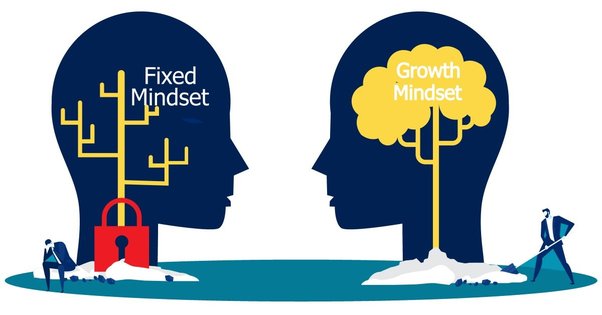
Tips to grow the growth mindset

The growth mindset helps us to see the larger picture and takes us closer to our goals. Imbibing the growth mindset also involves making a lot of positive changes to ourselves, the lifestyle we lead and the perspectives we have. “It’s all about embracing challenges, adapting, and nurturing a belief in the potential for change,” wrote Therapist Diane. Here are a few ways to imbibe the growth mindset.

We should focus on practicing rather than trying once and giving up. When it comes to relationships, the growth mindset involves practicing effective communication and empathy

While the fear of failure or the fear of rejection may make us want to stay away from trying out new things, we should push ourselves to get out there and explore new things.

Tips to grow the growth mindset

Constantly working on building effective communication skills can come handy when we are trying out new things or building a healthy relationship.

We should reflect on the past patterns, and refrain from making the same mistakes. Developing attraction and selection skills helps in meeting the right kind of people.

We should see failures as stepping stones from which we learn and use the lessons in developing our own skills, thereby focusing on personal growth.

Read more at-https://shorturl.at/bjrIU

Categories
COVID-19 Government Guidelines Medical Updates Medicine & Health

‘Disease X’ could be 20 times deadlier than COVID-19, says expert

UK healthcare professionals are preparing for a potential new pandemic known as ‘Disease X,’ which could be more deadly than COVID-19, with the capacity to result in 20 times more fatalities. Disease X could potentially cause up to 50 million deaths.

As COVID-19 transitions into a recurring and more familiar health concern, healthcare professionals in the UK are now gearing up for a potential new pandemic known as “Disease X.” They caution that this new virus could have a similar impact to the devastating Spanish Flu of 1918-1920.

Health experts are sounding the alarm about “Disease X,” a term coined by the World Health Organization. They warn that this potential new pandemic has the capacity to result in 20 times more fatalities than the coronavirus. The COVID-19 pandemic began in 2020 and has tragically claimed the lives of over 2.5 million people worldwide. Here are the top 10 points about Disease X.

1. In an interview with the Daily Mail, Kate Bingham, who served as the chair of the UK’s Vaccine Taskforce from May to December 2020, expressed her belief that Disease X is expected to be considerably more perilous than COVID-19.


2. Based on expert estimates, Disease X could potentially result in up to 50 million fatalities. “Let me put it this way: the 1918-19 flu pandemic killed at least 50 million people worldwide, twice as many as were killed in World War I. Today, we could expect a similar death toll from one of the many viruses that already exist,” she told the Daily Mail.

In response to Disease X, Bingham asserted, “the world will have to prepare for mass vaccination drives and deliver the doses in record time.”

'Disease X' could be 20 times deadlier than COVID-19, says expert

3. She disclosed that while scientists have identified 25 virus families encompassing thousands of individual viruses, she holds the view that there are millions of viruses yet to be discovered, and these have the potential to evolve into pandemics.

4. “In a sense, we got lucky with Covid-19, despite the fact that it caused 20 million or more deaths across the world. The point is that the vast majority of people infected with the virus managed to recover. Imagine Disease X is as infectious as measles with the fatality rate of Ebola [67%]. Somewhere in the world, it’s replicating, and sooner or later, somebody will start feeling sick.”

5. The rise in outbreaks, according to Bingham, is attributed to the growing trend of more people congregating in urban areas. She also emphasizes that the continual destruction of millions of acres of natural habitat each year is contributing to this increase.

6. “This reason is particularly important, because around three-quarters of emerging infectious diseases originate in animals and then leap from species to species until they can, in certain circumstances, infect human beings.”

Mint is now on WhatsApp Channels :rocket: Subscribe today by clicking the link and stay updated with the latest financial insights! Click here!

7. According to Bingham, one of the initial actions that need to be taken is to allocate the necessary financial resources, essentially putting “the money on the table.” Bingham said, ” The monetary cost of inaction is seismic. After all, even Covid-19 – a milder virus than Disease X – managed to leave us holding a bill for $16 trillion in both lost output and public health expenditure.”

8. Regarding vaccines for Disease X, there are currently no approved vaccines available. Nevertheless, Bingham underscores the importance of scientists developing a collection of “different prototype vaccines for every threatening virus family”. She stressed that only a ‘head start’ on vaccines could help to target specific features of Disease X.

9. Bingham explained about the portfolio strategy – vaccines countering different facets of the virus. She explains by saying that ‘different types of vaccines stimulate different immune responses and therefore they provide different levels of protection’.

10. She further noted that the manufacturing capabilities vary enormously across countries and regions. Some vaccine formats may be suitable for large-scale production, while others may be easier to produce in the third world. Third, we need to address the shortcomings of current vaccines, not all of which are durable, easy to transport or cheap. Fourth, researchers must be encouraged to trial new technologies and approaches to vaccine design, potentially leading to more effective and efficient vaccines in the future.”

Read more at-https://shorturl.at/einQ3


Categories
Medical Updates Medicine & Health

5 ways climbing stairs can improve your heart health

Climbing stairs is a heart-healthy exercise as it can not only improve cardiorespiratory fitness but also indicate if anything is wrong with your heart.

Climbing stairs is one of the most inexpensive, convenient and effective ways to keep fit. It is especially a heart-healthy exercise as it can not only improve cardiorespiratory fitness but can also indicate if anything is wrong with your heart. In some ways, climbing stairs is more effect than walking on plain ground and also provides workout to your lower body which may be deprived of any movement due to sedentary lifestyle of people. Stair climbing is also good for lowering high blood pressure.

According to the journal of Medicine & Science in Sports & Exercise, just half-n-hour of stair-climbing a week, broken up in 10-minute sessions three times a week, can greatly improve cardiorespiratory fitness. There are studies that prove people who can climb 4 consecutive flights of stairs in less than 1 minute have good cardiovascular health. On the other hand, if you take more than 1 minute 30 seconds to climb 4 flights of stairs, it could indicate cardiovascular disease.

Taking the stairs instead of elevators is a simple yet effective way to improve your heart health. According to Dr Jayati Rakhit, Founder and Clinical Director at Ohio Hospital in Newtown, Kolkata, here are five ways this choice can have a positive impact on your cardiovascular well-being:

5 ways climbing stairs can improve your heart health

5 ways taking stairs can improve your heart health

  1. Enhanced cardiovascular fitness

Climbing stairs is a cardiovascular exercise that engages multiple muscle groups, including the legs and core. Regular stair climbing elevates your heart rate, promoting better cardiovascular fitness. Over time, this can lead to a stronger heart that pumps blood more efficiently and reduces the risk of heart disease.

2. Calorie burning and weight management

Opting for the stairs can help you burn calories, aiding in weight management and reducing the risk of obesity, a major contributor to heart problems. Climbing stairs engages larger muscle groups, which can burn more calories than taking the elevator. Maintaining a healthy weight is crucial for heart health.

3. Improved blood circulation

Stair climbing promotes better blood circulation throughout your body. As you climb, your heart pumps more blood, delivering oxygen and nutrients to your muscles and organs. This improved circulation can reduce the risk of blood clots, atherosclerosis, and hypertension, all of which can contribute to heart disease.

4. Lowered cholesterol levels

Regular physical activity, such as taking the stairs, can help raise high-density lipoprotein (HDL) cholesterol, often referred to as ‘good’ cholesterol. Higher levels of HDL cholesterol can reduce the build-up of ‘bad’ low-density lipoprotein (LDL) cholesterol in your arteries. This lowers the risk of plaque formation and keeps your arteries clear and healthy.

5. Stress reduction

Climbing stairs can also serve as a stress-reliever. Physical activity triggers the release of endorphins, natural mood enhancers that reduce stress and anxiety. Chronic stress is linked to heart disease, so managing stress through regular stair climbing can have a protective effect on your heart.

Incorporating this simple change into your daily routine can contribute significantly to a healthier heart and a reduced risk of heart disease. So, the next time you’re faced with the choice between stairs and an elevator, consider taking the stairs for the sake of your heart’s well-being.

Read more at-https://shorturl.at/ahw25

Categories
Medical Equipments Medical Updates Medicine & Health

Tips to reduce your mental load

Sometimes we can feel extremely overwhelmed with the work at hand. When we are overburdened with work, the sense of feeling overwhelmed can make us feel more stressed. “Lightening the mental load is an ongoing process, and it’s important to find strategies that work best for your unique situation. A few tweaks can dial down the stress and make daily life feel less heavy,” wrote Therapist Carolyn Rubenstein. Here are a few ways to reduce the mental load.

We should filter the workload based on how immediately it needs to be done. Delegating and delaying the workload helps in diving the work.

Tips to reduce your mental load

Instead of taking up the whole work together, we should break it down into small and manageable steps.

We should refrain from taking up more work when we are already overburdened. We should learn to say no

To maintain a manageable workload, we should regularly assess our commitments and routine.

Read more at-https://shorturl.at/lmnJQ

Categories
COVID-19 Government Guidelines Medical Equipments Medical Updates

Immune cells are critical to efficacy of coronavirus vaccinations: Study

The study shows that vital subset of immune system cells that are required for successful vaccination of covid.

A study has provided fresh information on a vital subset of immune system cells required for successful vaccination against the SARS-CoV-2 pandemic virus.

The study, led by researchers at NYU Grossman School of Medicine and the New York Genome Centre, focused on T cells, which, along with B cells, form the human immune system’s response to invading viruses and bacteria. T lymphocytes labelled with the surface protein CD8 generate chemicals that kill infected cells directly. B cells secrete antibodies, which neutralise and mark contaminated cells for removal from the body.’

Vaccines expose patients to a bit of an invading bacterium in order to generate responses such as B and T cell activation so that the system is ready for the invader if it is met again. The COVID-19 mRNA vaccines were based on RNA, a genetic material utilised to encode the spike protein required by the virus to adhere to human cells. When mRNA instructions are injected, the spike is generated, and the immune response is activated.

In the rush to create vaccines against SARS-CoV-2, clinical trials relied mostly on antibody levels, when efficient diagnostics were available, to determine whether patients’ immune responses to mRNA vaccine candidates were protective. However, clinical protection was observed as early as ten days following the initial vaccine dose, well before neutralising antibodies could be produced. T cells were thought to be at least as significant in this protection, but normal methods for tracking them were too sluggish, so careful examinations of CD8 T cell responses were put on hold.

Immune cells are critical to efficacy of coronavirus vaccinations: Study

The study published in Nature Immunology describes a quick (high-throughput) approach for tracking T cell responses, demonstrates that they are critical to the early protection afforded by mRNA vaccines against COVID-19, and identifies the T cell subsets most responsible for it.

Our study identified markers for the CD8 T cells that arise from mRNA vaccination and that track closely with successful vaccination, which had previously been difficult to quantify on the population level,” said co-first study author Rabi Upadhyay, MD, assistant professor in the Department of Medicine at NYU Langone Health, and faculty in its Perlmutter Cancer Center.

“Although our study looks at mRNA vaccination against coronavirus, the antigen-specific CD8 T cell subpopulations we uncover represent key features of immune responses more broadly, and may help us to study T cells in other disease settings.”

For the current study, the research team analyzed gene expression over time in single T cells collected before and after immunization with the mRNA vaccine produced by BioNTech and Pfizer against SARS-CoV-2.

The researchers found distinct subsets of CD8 T cells that reliably multiplied (proliferated) 21 days after the original vaccination, specifically targeting and attacking key proteins (antigens) that make up the pandemic virus.

In looking at the genetic makeup of the most effective T cells, the researchers observed that cells lacking a surface protein called KLRG1, which stands for co-inhibitory receptor killer-cell lectin-like receptor G1, were the most likely to multiply quickly after mRNA vaccination and specifically attack.

When study authors checked for these profiles in hospitalized COVID-19 patients, those with the most “properly programmed” T cells – lacking KLRG1 but expressing other markers such as CD38 and HLA-DR – were the most likely to successfully recover from their infections.

In the years since the pandemic began, mRNA vaccines, first used against the virus, are now in clinical trials wherein they direct the body’s immune system to attack cancerous cells.

By clarifying T cell markers (e.g. KLRG1, CD38, HLA-DR), and the timeline for when CD8 T cells arise in the blood after vaccination, the new work may enable clinical teams to tell which patients are responding to the vaccines within days or weeks, say the authors.

That compares to the more than two months that oncologists must currently wait after mRNA vaccination to perform CT scans and assess whether their lung, breast, or prostate cancer patients responded to an mRNA vaccine.

If they are validated in this setting and dramatically shorten such wait times, the new profiling methods promise to help patients pivot more quickly to other treatments if necessary, the researchers say.

Furthermore, the study authors refer to a recent study led by a different research team which found that T cells with very similar attributes, again involving KLRG1, CD38, and HLA-DR, were the most effective at attacking cancer cells after treatment with an immune system-triggering drug (immunotherapy), just as they were the most effective at attacking the SARS-CoV-2 virus in the current study.

“It is remarkable that T cell attributes found after treatment with an effective immunotherapy mirrored those that we found to track with patient recovery from COVID-19,” said co-corresponding author Dan Littman, MD, PhD, the Helen L. and Martin S. Kimmel Professor of Molecular Immunology in the Department of Cell Biology at NYU Langone. “This pattern suggests that the close monitoring of antigen-specific CD8 T cell subpopulations will be central to future efforts to design treatments and vaccines against either viruses or tumours.”

Read more at-https://shorturl.at/HKRY1

Categories
COVID-19 Medical Updates Medicine & Health

Tips to unlock your happy hormones and move from stressed to calm

From releasing emotions to stretching exercises, here are a few ways to unlock happy hormones.

Often, we feel that we are moving from one stressful experience to another. This can be extremely mentally draining and frustrating, and it can make us feel clueless about what to do next. Stress can impact the body and make us feel tired all the time. In such times, it is important to make conscious efforts to unlock the happy hormones that will help us see the positive. “Consciously remembering and reintroducing the things that used to make you smile and give you joy. Bringing in ways to help you relax and feel safe which will help you sleep,” wrote Psychotherapist Nikola Jack as she explained the importance of moving from stress with the help of happy hormones.

“After an unpleasant or stressful experience prioritising comfort, releasing stress hormones to make way for happy hormones can help us switch from stressed to calm,” added Nikola. She further suggested a few ways by which we can unlock the happy hormones:

Tips to unlock your happy hormones and move from stressed to calm

Releasing emotions: Be it talking about it to loved ones, or going for a walk to shake things off, or maintaining a journal of thoughts, we should find ways to release pent-up emotions and seek ways to release them in a healthy way.

Get warm and cozy: Wearing comfortable pajamas and getting inside a weighted blanket will help us feel that we are safe and happy in the environment. This will help us to further combat signs of stress.

Do the things you love: We all have a list of things that we love doing – be it painting, singing, dancing or just sitting and watching our favourite comfort movies all over again. Sometimes spending time with our pets and lying down while cuddling them can also make us happy.

Breathe and stretch: Doing stretching exercises such as the Child’s Pose, or Box Breathing, or meditation can help in having a better perspective on things.

Read more at-https://shorturl.at/hsNY5

Categories
COVID-19 Medical Equipments Medical Updates Medicine & Health

Older adults with COPD had depression during COVID pandemic: Study

According to a new longitudinal study published online in the International Journal of Chronic Obstructive Pulmonary Disease (COPD), older persons with COPD were at a higher risk of depression during the early phases of the COVID-19 epidemic

The study looked at 875 people with COPD from the Canadian Longitudinal Study on Ageing, a national study of Canadian seniors. Using longitudinal data, researchers were able to distinguish between 369 COPD patients who had a history of depression previous to the pandemic and 506 patients who had never experienced depression prior to the pandemic.

Researchers discovered that 1 in 6 people with COPD who had no prior history of depression experienced depression for the first time during the early phases of the pandemic. These findings show the toll that the epidemic inflicted on many people who had previously been depression-free.

“Our findings highlight the substantial burden of COVID-19 on those who were mentally healthy prior to the pandemic,” said first author Aneisha Taunque, research assistant at the Institute for Life Course and Aging at the University of Toronto. “It is evident that the pandemic has had a detrimental impact on the mental health of many individuals, even those who had no lifetime history of depression.”

When the analysis was restricted to those who had a history of depression prior to the pandemic, the prevalence of depression was substantially higher, with approximately one-half of these individuals experiencing a recurrence or persistence of depression during the autumn of 2020.

Older adults with COPD had depression during COVID pandemic: Study

“Older adults who have a history of depressive episodes are a highly vulnerable subset of the population, particularly those who faced numerous challenges with managing their chronic health conditions during the pandemic when access to regular health care was severely disrupted,” said co-author Grace Li, PhD candidate in the Sociology Department at the University of Victoria.

“The COVID-19 pandemic further exacerbated the risk of depression among those with COPD,” says co-author Ishnaa Gulati, a Master of Public Health Student at the University of Toronto’s Dalla Lana School of Public Health. “There was already an established higher risk of depression among individuals with COPD when compared to those without COPD prior to the pandemic,” Gulati said. “When considering the mental health stressors during the pandemic, such as extended periods of lockdown, economic precarity, and concerns about contracting or spreading COVID-19, it is unsurprising that this group experienced major mental health challenges during this period.”

Although there is a burgeoning body of research examining depression during the pandemic, very little research has specifically examined the vulnerabilities among those with COPD. Understanding the risk factors for depression in subpopulations of older adults can aid health professionals in more effectively targeting treatment.

The study’s researchers highlighted several risk factors for both incident and recurrent depression among those with COPD, including loneliness, family conflict, and functional limitations.

“We found that experiencing functional limitations approximately doubled the risk of depression among older adults with COPD,” said co-author Ying Jiang, Senior Epidemiologist at the Public Health Agency of Canada.

“Physical activity is integral for maintaining functional status and reducing functional limitations among COPD patients, however many individuals with COPD are hesitant to engage in physical activity. Increases in time spent sedentary during periods of lockdown may have further ramifications for this population, potentially contributing to increases in depression.”

Women with COPD also had nearly double the risk of recurrent depression when compared to their male counterparts.

“During the pandemic, many women experienced an exacerbation of gendered roles, such as increased time spent caregiving and doing household labour, which may have contributed to declines in their mental health,” said co-author Margaret de Groh, Scientific Manager at the Public Health Agency of Canada.

Among individuals with no history of depression, experiencing disruptions to healthcare access was associated with approximately double the risk of incident depression.

“Many people with COPD encountered difficulties accessing pulmonary rehabilitation services during the pandemic, which are essential for supporting both the physical and mental health of COPD patients,” said co-author Andie MacNeil, research assistant at the University of Toronto’s Factor Inwentash Faculty of Social Work (FIFSW).

“Our finding that disruptions to healthcare access were associated with incident depression highlights the reverberating consequences when healthcare is inaccessible.”

Senior author, Esme Fuller-Thomson, a Professor at FIFSW and Director of the Institute for Life Course & Aging says she hopes the study’s findings can help inform healthcare workers and social service providers about the pandemic’s impact on the mental health of people with COPD. “Future research should continue to examine depression among older adults with COPD to better understand the pandemic’s cascading impact, even in the post-COVID era,” Fuller-Thomson said.

Read more at-https://shorturl.at/lmEJV