Categories
Medical Updates Medicine & Health

Daily multivitamins could improve memory, thinking skills

Incorporating a daily multivitamin into your routine could potentially delay cognitive decline by up to two years, new research from Mass General Brigham.

The COcoa Supplement and Multivitamin Outcomes Study (COSMOS), conducted by Mass General Brigham researchers, explored a large-scale, nationwide, randomised trial about the effects of cocoa extract and multivitamin supplements.

Daily multivitamins could improve memory, thinking skills

This is a significant finding as cognitive decline is a key indicator of conditions like Alzheimer’s disease and dementia, impacting 55 million people globally, according to the World Health Organisation (WHO).

Addressing the concerns of older adults, lead author Chirag Vyas said, “Cognitive decline is among the top health concerns for most older adults, and a daily supplement of multivitamins has the potential as an appealing and accessible approach to slow cognitive ageing.”

The study, published in the American Journal of Clinical Nutrition, highlighted the positive impact of a daily multivitamin containing 20 essential nutrients.

According to senior author Dr Olivia Okereke, this regimen “helps prevent memory loss and slow down cognitive ageing.”

Over a two-year period, the study assessed 573 individuals, revealing that those taking the multivitamin showed significant improvements in learning, memory retention, and information recall compared to a placebo group.

Notably, enhancements were observed in orientation, attention, language fluency, and overall cognitive abilities, effectively delaying the ageing process by up to two years.

Expressing enthusiasm about the findings, Howard Sesso from Brigham and Women’s Hospital emphasised the importance of delving into the mechanisms behind how a daily multivitamin could shield against memory loss and cognitive decline.

He said that there is a need to focus on nutritional status and other ageing-related factors to understand this exciting discovery better.

Visit us – www.aarogyapath.in

Categories
Medical Updates

Indian medtech industry urges govt action to reduce import dependency

In a bid to reduce India’s 80-85 per cent dependence on medical device imports, the Association of Indian Medical Device Industry in its pre-budget recommendations wants the government to address the soaring import bill, which currently stands over Rs 63,200 crore.
According to the Global Trade Research Initiative (GTRI) report from August 2023, the Indian medical devices industry has the potential to expand from $12 billion today to $50 billion by 2030. This expansion could reduce import reliance to 35 per cent and boost exports from the current $3.4 billion to $18 billion by 2030. The ripple effect of this shift could generate over 1.5 million jobs in medical device manufacturing and related healthcare services.
Indian medtech industry urges govt action to reduce import dependency
Rajiv Nath, Forum Coordinator at AiMeD, emphasises the need for the government to withdraw Duty Exemption notifications on medical devices and provide nominal protection to neutralise competitiveness disabilities in manufacturing medical devices in India. Additionally, the industry seeks a phased approach to custom duty increases on critical components, ensuring the viability of manufacturing and avoiding erosion of competitiveness with zero-duty Free Trade Agreement (FTA) countries.
“Consumers do need to be protected but instead of a low duty strategy, we have been recommending for Customs to monitor MRP of imports and when found unreasonably higher than imports’ landed price, recommend to NPPA to consider capping MRP,” Nath further added.
Categories
Medical Updates

10 winter-friendly beverages to boost immunity, hydration

Winter can invite many seasonal ailments but eating and drinking according to the season can give a boost to your immunity. When it comes to beverages, tea and coffee are preferred by most over other warm drinks in winter. However, excess of high-caffeine drinks can lead to dehydration which may further cause constipation, burning sensation in stomach and exacerbation in anxiety symptoms. While your first instinct might be to reach for a hot cup of tea, to avoid winter-specific ailments you must swap it for a more nourishing and hydrating drink. Soups, infused water, cinnamon tea, jeera water, ragi malt are some of the warm beverages that are perfect in biting cold and at the same time hydrate you well.

10 winter-friendly beverages to boost immunity, hydration10 winter-friendly beverages to boost immunity, hydration

While winter may reduce the sensation of feeling the thirst, but it remains crucial to sustain proper hydration to support the body’s temperature regulation and functions throughout the day. Despite the diminished inclination to drink water in colder weather, maintaining adequate hydration is essential for overall well-being. Consistent hydration ensures that the body’s vital processes continue to function optimally, even in the face of lower temperatures, promoting overall health and comfort during the winter season,” says Vyuhitha Motupalli, Executive Nutritionist, Cloudnine Group of Hospitals, Bengaluru, Electronic City.

Choosing warm or hot soups and beverages, along with a daily intake of eight glasses of warm water, is a recommended practice during the winter months. The thermogenic properties of warm drinks aid the body in preserving warmth, promoting activity, and ensuring consistent hydration in the face of cold weather. This approach not only contributes to maintaining a comfortable body temperature but also supports overall well-being during the winter season,” adds Motupalli.

BEST WINTER BEVERAGES TO COMBAT DEHYDRATION

The nutritionist also shared a list of 10 winter-friendly warm beverages that can help maintain immunity and hydration.

1. Herbal teas: If you are a tea person, you can go for herbal teas like peppermint, green tea, chamomile, ginger, and lemon. To add in healthy twist to the teas, 2 tablespoons of soaked chia seeds can be added which are good source of omega 3 FFA.

2. Sattu drink: Sattu is a nutritious flour made from roasted chickpeas (chana) which is a good source of energy and protein. Mix it with hot water, a pinch of black salt and a dash of lemon juice for a satisfying and protein-rich drink. To add flavour, it can be combined with roasted cumin powder and jaggery powder (optional). It is a healthy drink for pregnant and lactating mothers.

. Warm winter fruit punch: Take fruit juice of ½ litre orange, 250 ml pineapple juice and 250 ml apple juice. Heat the mix of all fruit juices in a saucepan and add 1 medium sized cinnamon stick, few cloves, nutmeg and cinnamon powder. Heat over low flame, simmer for 20 minutes and turn off the stove. Let it cool slightly. Once it turns warm, filter it and serve it by adding fresh cut fruits like oranges, apple, lemon juice and 2-3 tablespoons soaked chia seeds as they are good source of omega 3 FFA and garnish with mint leaves and serve warm. As it contains citrus juice and spices too, they help in fighting against the infection and also maintain the body temperature.

. Warm infused water: A healthy and delightful infused drink can be made by adding slices of cucumber, lemon, orange, mint, piece of ginger to a pitcher of hot water. Once the mix turns lukewarm, filter the infused water and serve it with soaked chia seeds and 1.2 tsp honey (optional) which is a healthy alternative for hydration. It also works as a detoxifier.

5. Soups: Healthy as well nutritious, veg soups or meat broths which are rich in vitamins and minerals can be taken to maintain hydration, warmth and energy. Sprinkling pepper definitely helps in case of cold/nose congestion.

6. Golden milk: In a sauce pan, add 2 cups milk, pinch each of turmeric powder, pepper, cinnamon and grated ginger (½ inch). Mix all the ingredients and bring it to boil. Lower the heat and let it boil for another 5 minutes and serve hot. For sweetness, 1 tsp of honey can be added (optional) . Turmeric has anti-inflammatory properties, which helps to keep the infections at bay during winter. All the spices provide warmth to the body.

. Warm jeera water: Add one cup of water and one teaspoon of jeera or 1 tbs of jeera powder in a saucepan and boil well. Strain it and drink warm. During winter, consumption of lukewarm jeera water helps to provide relief from cold and sore throat due to its hot nature. It has strong anti-congestive property and it helps in clearing the mucus collected in the chest/respiratory tract. The anti-bacterial property of jeera water aids in fighting against infection-causing bacteria.

8. Cinnamon tea: A pinch of powdered cinnamon can be added to the boiling water and simmered for sometime. It can then be filtered and consumed with a few drops of honey and lemon. It a healthy and refreshing drink which also helps in boosting the metabolism during winters.

. Hot barley water: Take ½ cup of barley along with 4 cups of water. After washing the barley, add it to the water and pressure cook for 3 whistles. Strain the water and add flavouring of your choice like black salt, lemon, pepper, honey etc. Barley has excellent antioxidant properties and it also helps to maintain the body temperature and hydration in winter.

10. Classic warm ragi malt: Add 2-3 tbs of ragi malt to a cup of hot milk and mix well without forming lumps. Add jaggery for taste (optional) along with a pinch of cinnamon and elaichi powder. Ragi is a good source of calcium and iron apart from providing warmth. Hence, it’s a good option for pregnant women and growing children due to its nutritional benefits.

Visit us – www.aarogyapath.in for more details .

Categories
Medical Updates

Wonderful benefits of basil seeds water on empty stomach

Basil seeds water on empty stomach can help support your weight loss journey as well as gut health. Know all the benefits of this amazing elixit.

Your immunity needs an extra boost in winter months and starting your day with the right nutrients can make a great difference to the overall health. Having infused water on empty stomach is a wonderful way to stay hydrated and nourish the body with fibre and important vitamins and minerals. Basil seeds water is one such morning drink that is gaining popularity among wellness enthusiasts. The healthful elixir can be made conveniently by soaking basil seeds overnight in water and can work wonders for your weight loss journey.

Basil seeds, scientifically known as Ocimum basilicum, have been in use for thousands of years. Basil seeds are a popular flavouring agent as well as medicinal ingredient. In ancient times, basil seeds were crushed and combined with honey or water to create tonics to boost immunity and other aspects of well-being. In India, basil seeds have been used to address digestive issues and balance doshas as per Ayurveda. Sweet basil seeds are different from holy basil seeds or Tulsi and have different application than the latter.

Wonderful benefits of basil seeds water on empty stomach

“Drinking basil seed-infused water on an empty stomach provides a myriad of health advantages. Basil seeds are a nutrient-rich powerhouse containing essential elements like fibre, vitamins, and minerals, contributing to overall well-being.

The significant fibre content supports digestion, fostering a healthy gut and preventing constipation. Basil seeds reduce oxidative stress, boast antioxidant properties, and help aid in the neutralisation of free radicals in the body,” says Ayush Aggarwal, Founder, Rasayanam.

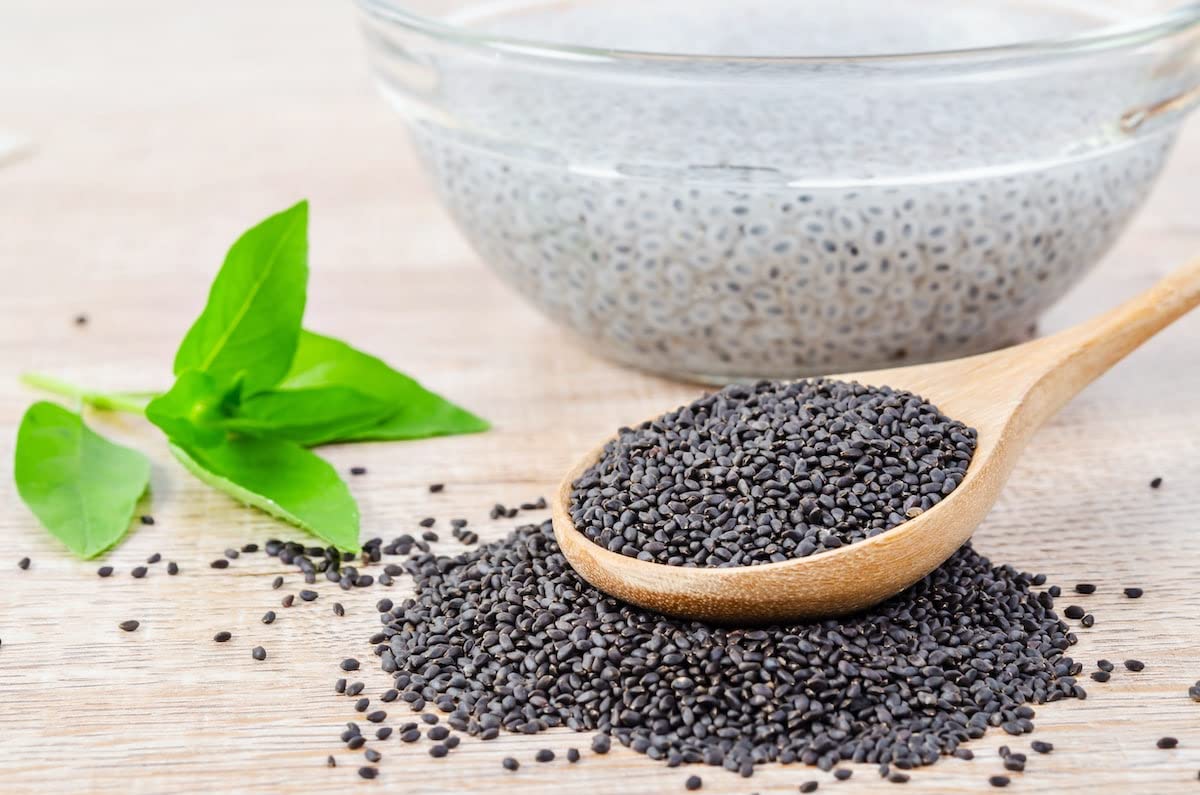
Basil seeds are small, black and round in shape and considering they are flavourful too, they are a popular addition in smoothies, juices and bakery products. High in nutrients like Vitamin A, E, B and K, calcium, iron, phosphorous, basil seeds are also the preferred choice for weight-loss enthusiasts due to their ability to promote satiety. They also help in burning fat and lower cholesterol. Basil seeds also help in boosting gut health which further helps prevent diseases.

“Basil seeds can aid in weight management by inducing a sense of fullness, thereby curbing unnecessary cravings. They have been linked to regulating blood sugar levels, making them advantageous for individuals dealing with diabetes. Additionally, the anti-inflammatory properties of basil seeds may contribute to alleviating conditions associated with inflammation,” says Aggarwal.

How were basil seeds consumed in ancient times

The origin of aromatic seeds goes back to thousands of years back, where the ancient herb was preferred not just for culinary use but also crafting medicines.

In ancient times, basil seeds were integral to various culinary and medicinal practices. Historical records reveal that civilizations like the Greeks and Romans valued basil not only for its aromatic qualities but also for its perceived health benefits. Basil seeds were commonly crushed and combined with honey or water to create tonics believed to enhance vitality and promote good health,” says Aggarwal.

“In Ayurvedic medicine, an ancient Indian healing system, basil seeds were embraced for their cooling properties. They were soaked in water and ingested to address digestive issues, reduce body heat, and balance doshas. Across cultures, basil seeds were esteemed for their versatility, making their way into soups, stews, and traditional remedies,” adds the expert.

Other ways to consume basil seeds

Aside from basil seed water, there are numerous creative ways to integrate these nutritious seeds into your diet, as per Aggarwal.

  • Basil seeds can be incorporated into smoothies, yogurt, or fruit salads for an additional nutritional boost.
  • Due to their gelatinous texture when soaked, basil seeds can serve as a thickening agent in soups and gravies.
  • For a delightful twist, consider combining basil seeds with your preferred beverages, such as lemonade or iced tea.
  • Adding them to homemade energy bars or puddings presents an innovative and flavourful approach to enjoying their health benefits.
  • Who shouldn’t have basil seeds

    While basil seeds offer numerous health benefits, certain individuals should exercise caution or abstain from consuming them.

    “People with allergies to basil or related plants should avoid basil seeds. It is advised to consult healthcare professionals if you are pregnant or breastfeeding before incorporating basil seeds into your diet due to limited research on their safety in these situations,” says Aggarwal

  • “Individuals with pre-existing medical conditions, such as gastrointestinal disorders or low blood pressure, should seek medical advice before regularly consuming basil seeds. Approaching dietary changes is crucial, along with awareness of regular health conditions and following a healthcare professional’s advice when in doubt,” concludes the expert.

Visit us – www.aarogyapath.in for more details

Categories
Medical Updates

Diabetes, obesity and fatty liver: What causes sugar craving?

Not just diabetes, sugar intake increases the risks of obesity, fatty liver, lipid abnormalities (especially triglycerides), insulin resistance, hypertension and heart disease among others. It is thought that cane sugar was first used in Polynesia, but the actual process of using crystalline cane sugar was developed in India. Is that why we crave sugar so much?

WHAT CAUSES SUGAR CRAVINGS?

Multiple factors could be playing a role in building up our desire for sugar. Consuming sugar leads to the release of neurotransmitters like dopamine and serotonin, creating a pleasurable sensation, followed by the desire to consume more sweets. Conditions associated with low serotonin levels, like depression, mood disorders, menopausal or premenstrual syndrome and chronic alcohol use, can lead to sugar cravings. Stress, depression, anxiety or even simple boredom — as well as the medications used for their treatment — can lead to an intense desire for a sugar-rich meal. Sugar in such situations becomes a psychological crutch that provides immediate, although transient, succour.\

Diabetes, obesity and fatty liver: What causes sugar craving?

Even lack of adequate sleep has been associated with increased sugar craving, by its impact on appetite and satiety via hormones like ghrelin and leptin.

Craving sugar might just be a conditioned response or habit. Sweets are associated with everything good since childhood and are often used as a form of reward, and invariably a part of celebrations. This association can lead to a habit of consuming sugar, with its absence leading to an empty, void like feeling. In addition, advertisements tempt our taste buds into submission.

In people who have marked fluctuations in sugar levels like those with diabetes, sugar cravings can be aggravated. Sharp drops in blood sugar can lead to intense craving for sugary foods, which will then lead to a rapid rise in sugar, release of insulin, and a drop again. Perpetuation of such a cycle can lead to weight gain and worsening of blood sugar control. Eating sugary foods, therefore, will increase your cravings, and you can get trapped in a vicious cycle.

Sugar intake should be kept to a minimum but certainly should not exceed five to six teaspoons (25-30 g) a day. Controlling sugar cravings is easier said than done, but it’s never too late to start!

1. Adequate Hydration: Poor water intake can be confused with sugar cravings. Have a glass of water when you feel the sweet urge coming on.

2. Eat on time and have a balanced diet: A healthy fibre-rich diet, with adequate protein content, eaten at the right time, helps keep you full for a longer time. Replace refined carbs with complex carbs like millets, whole grains, vegetables and fruits that slow down sugar spikes. Eating at the right time and avoiding long gaps help.

3. Mindful eating: Eat slowly without distractions like watching the television or playing with the phone.

4. Adequate sleep and stress reduction strategies help: Avoid getting into the habit of comfort eating.

6. Don’t bring sugary foods home. You can start by giving up dessert. Replace it with fruit if you feel the urge. Artificial sweeteners don’t reduce sugar cravings.

7. Change your drink choices. Drop sugar-rich colas and fruit juices, choose fresh lime, coconut water or just plain water.

8. Start by setting a limit of 150 calories for a sugary snack, or combining it with a healthy food item, one that will make you feel full longer.

Simply diverting your mind at a time you feel the urge, like making a phone call or going for a walk, will divert your mind.

10. Some people find chewing gum a good way to get over that craving

Visit us – www.aarogyapath.in

Categories
Medical Updates Medicine & Health

India bans use of anti-cold drug combination for kids below 4 years

India’s drugs regulator has banned the use of an anti-cold drug combination for children below four years of age and said drugs should be labelled accordingly, reported Reuters.

The regulatory body addressed concerns regarding the promotion of an unapproved anti-cold drug formulation for infants, leading to a discussion and a subsequent recommendation against using the combination for that age group.

India bans use of anti-cold drug combination for kids below 4 years

This directive follows a series of child deaths in India since 2019, linked to toxic cough syrups produced domestically. These incidents, which include at least 141 deaths in Gambia, Uzbekistan, and Cameroon since the middle of last year, have raised questions about the quality of pharmaceutical exports from India, often referred to as the “world’s pharmacy” due to its provision of life-saving drugs at affordable prices.

The regulator issued an order on December 18, publicly disclosed on Wednesday, mandating drug manufacturers to label their products with a warning that the fixed-drug combination (FDC) “should not be used in children below 4 years of age.” This FDC comprises chlorpheniramine maleate and phenylephrine, commonly used in syrups or tablets to address common cold symptoms. Notably, the World Health Organisation does not recommend the use of over-the-counter cough syrups or medicines for treating coughs and cold symptoms in children under five years old.

Since June, India has implemented mandatory testing for cough syrup exports and intensified scrutiny of drug manufacturers. Despite these measures, companies whose cough syrups were associated with child deaths have consistently denied any wrongdoing.

Visit us – https://shorturl.at/stzCR
Categories
Medical Updates Medicine & Health

Winter-friendly millets: 5 delectable ways to enjoy Ragi in cold weather

Ragi, also known as finger millet, not only keeps you warm during winters but is also a protein, mineral and fibre powerhouse. Here’s how to consume it.
Winter-friendly millets: 5 delectable ways to enjoy Ragi in cold weather

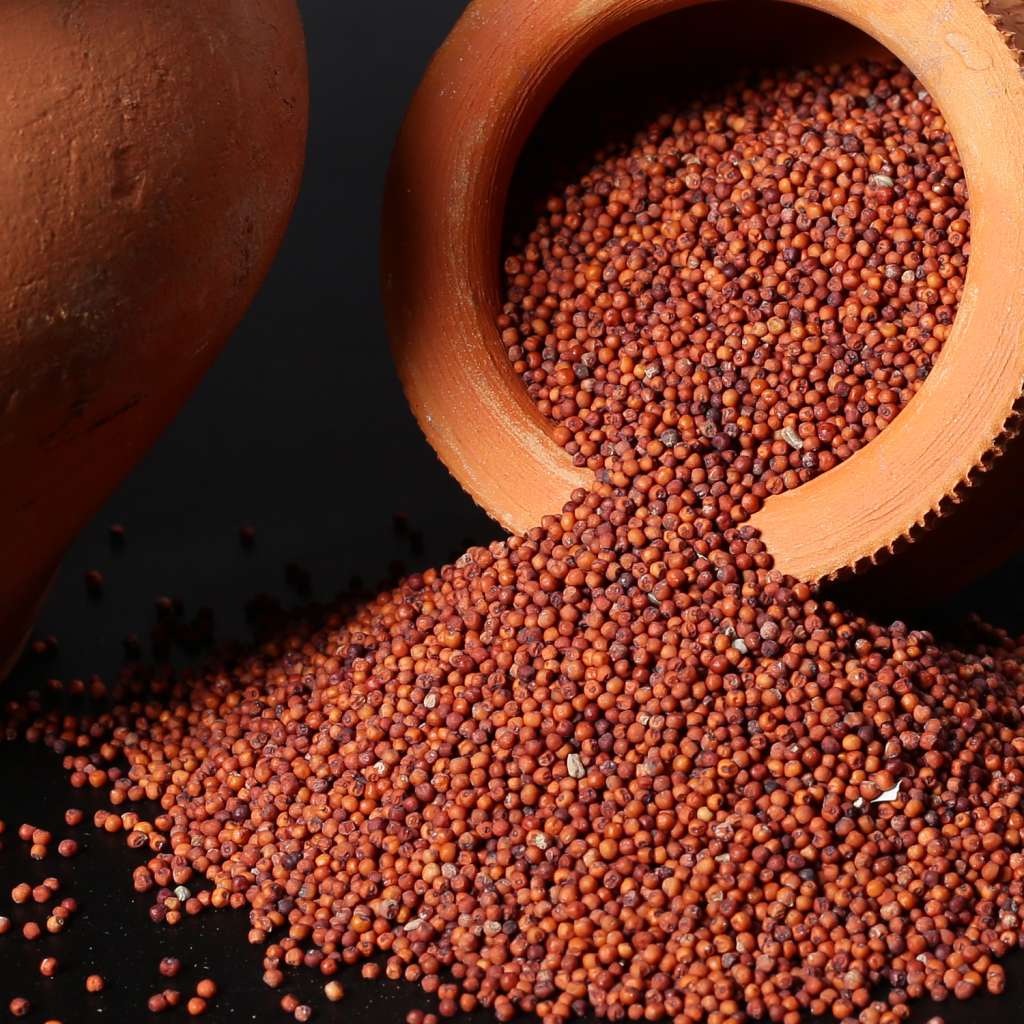
Warm and nutrient-rich, ragi can be the perfect grain for nourishing your body with the goodness of minerals, protein and dietary fibre. Also known as finger millets, the ancient grain, were cultivated thousands of years back in India and found mention in ancient texts of Sangam literature (300 BCE – 300 CE). Ragi has been finding acceptance among wellness enthusiasts after millets have made a comeback of sorts in recent years. 2023 has been declared the year of millets by UN at the behest of Indian government. Being drought resistant increases their importance in food security

With so many benefits, it’s probably a good idea to include this amazing grain as part of your winter diet. Not only roti or paratha, ragi can also be added to your soup for texture and nutrition. A healthy porridge, halwa, dosa, laddoo, muffins are the other tasty ways of adding ragi to your winter diet.

Ragi, also known as finger millet, is a superfood that has a multitude of health benefits. Ragi is a nutritious and versatile grain and including it into your diet can be both delicious and beneficial. Rich in fibre, essential nutrients, vitamins, and minerals, it is a powerhouse of nutrition. It is an excellent source of protein, calcium, potassium, and iron. Being gluten-free, it caters to various dietary preferences and is as an ideal winter food,” says Parminder Kaur, Dietician, Manipal Hospital Patiala.

Ragi is exceptionally high in dietary fibre, aiding digestion and promoting a feeling of fullness. The protein content in ragi is beneficial for muscle health and is a valuable addition to vegetarian diets. With an impressive calcium content of 34 mg/100g, ragi supports bone health and is particularly valuable for individuals with lactose intolerance. The high fibre content aids in weight management by promoting a feeling of satiety and the nutritional profile of ragi may contribute to better sleep quality, aiding in insomnia prevention,” adds Kaur.

“As winter envelops us in its crisp embrace, the importance of nourishing, wholesome foods cannot be overstated. Enter ragi, the versatile grain that not only provides comfort but also an array of health benefits. Rich in dietary fibre, calcium, and essential amino acids, ragi is a winter superhero. It offers sustained energy, aids weight management, and ensures robust blood circulation. In the cold months, ragi emerges as an ally against lethargy and nutrient deficiencies, making it an ideal addition to our winter diets. Let’s explore five creative and delicious ways to incorporate ragi into our seasonal menus,” says Dietitian Vidhi Chawla, the creator of Fisico Diet and Aesthetic Clinic.

Ways to eat Ragi in winters

Shruti Bharadwaj, Clinical Nutritionist, Zydus Hospitals Ahmedabad says one can make dosa, pancakes, chapati, laddoo, and halwa with ragi in winter.

If you have diabetes, please consult qualified dietician before consuming it to know more on how you can include it in your daily diet with other combinations to prevent sugar spikes,” says Bharadwaj.

Here are 5 ragi delights you can try during winter as suggested by Dietitian Vidhi Chawla.

1. Ragi walnut muffins: Kickstart your winter mornings with a burst of nutrients by indulging in ragi walnut muffins. These delectable treats seamlessly combine the earthy goodness of ragi with the crunch of walnuts. The fibre-rich muffins not only provide a delightful start to your day but also keep you energized and satisfied throughout the morning. Whether enjoyed with a cup of hot tea or as a quick on-the-go snack, these muffins are a delicious way to infuse your winter routine with the wholesome benefits of ragi.

2. Warm ragi apple crisp: Embrace the winter warmth with a comforting dessert – warm ragi apple crisp. This delightful creation marries the sweetness of baked apples with the nutty flavour of ragi crumble. The result is a satisfying and nourishing treat that not only pleases the palate but also provides a dose of essential nutrients. Laden with fibre and antioxidants, this dessert is a guilt-free indulgence that captures the essence of winter, making it a perfect finale to a cozy family dinner or a sweet retreat on a chilly evening.

3. Spiced ragi latte: Elevate your winter beverage game with the spiced ragi latte. Blend ragi flour with warm milk, honey, and a dash of cinnamon or nutmeg to create a comforting and nutritious drink. This spiced latte not only warms you from within but also adds a unique twist to your daily cuppa. Packed with the goodness of ragi and aromatic spices, it transforms your beverage into a wholesome experience, making it an ideal companion during cold evenings or a revitalizing pick-me-up in the afternoons.

4. Ragi veggie wraps: For a quick and wholesome lunch, consider the Ragi Veggie Wraps. Create a pliable dough using ragi flour and water, roll it into wraps, and fill them with an assortment of colourful winter vegetables. The result is a nutritious, portable meal that combines the robustness of ragi with the freshness of seasonal veggies. These wraps are not only a convenient option for those busy winter days but also a tasty way to ensure a well-rounded and satisfying lunch.

5. Ragi coconut laddoos: Conclude your winter feasts on a sweet note with Ragi Coconut Laddoos. These bite-sized delights bring together the nutty flavour of ragi, the sweetness of jaggery, and the richness of coconut. Offering a healthier alternative to traditional sweets, these laddoos are easy to prepare and make for a guilt-free indulgence. Packed with energy and natural sweetness, they serve as a delightful treat for festive occasions or a cozy dessert to share with loved ones by the fireplace.

visit us – www.aarogyapath.in

Categories
Medical Updates

Cold Weather, Hot Risk! Understanding Winter Dehydration And Tips To Prevent, Expert Shares

The key to winter health is not just bundling up against the cold but also staying hydrated from the inside out. Here are some expert tips on how to prevent winter dehydration and take care of your health.

As winter blankets the world in a frosty embrace, the risk of dehydration may not be the first concern on your mind. While dehydration is commonly associated with scorching summer temperatures, the cold weather brings its own set of challenges that can jeopardize your body’s hydration balance.

Cold Weather, Hot Risk! Understanding Winter Dehydration And Tips To Prevent, Expert Shares

In an interview with Zee News English, Dr Disha Sheth, Consultant Physician, Ruby hall Clinic Wanowrie, Pune shares the health risks associated with dehydration in winters and tips to prevent it.

Understanding the dynamics of winter dehydration and implementing preventive measures are essential for maintaining optimal health during the chilly months.

Preventing Dehydration in Winter

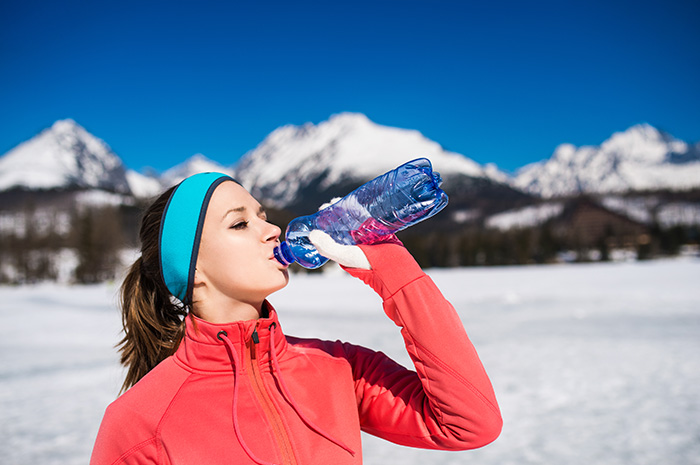
Contrary to popular belief, cold weather can increase the risk of dehydration. The lower temperatures may diminish our perception of thirst, leading to reduced water intake. Additionally, the cold can induce more frequent urination as the body works to regulate its temperature. To combat this, health experts recommend a daily water intake of 8-10 glasses, even if you don’t feel thirsty. Opting for electrolyte-fluid replacement beverages containing moderate amounts of glucose, sodium, and potassium aids in better water absorption and retention.

Including fruits and vegetables with high water content in your diet is equally crucial. Gastrointestinal diseases, a common cause of dehydration, may manifest during winter and can lead to vomiting and diarrhea. Children are particularly vulnerable, and prompt administration of oral rehydration solutions is advised to replenish fluid and electrolyte loss. Boiled water consumption and avoidance of contaminated food and water sources are vital precautions to prevent winter dehydration.

Humidity-Induced Sweating and Winter Dehydration

In winter, humidity-induced sweating poses a unique challenge. While the cold air may not trigger the same perceptible sweat response as summer heat, the body still loses water through evaporation. However, in humid conditions, the air is saturated with water, hindering the evaporation process. This results in increased sweating as the body struggles to release heat, potentially leading to dehydration.

Mild dehydration, defined by a 5% loss of total body water, can cause symptoms such as headaches, dry mucous membranes, and reduced urine output. Recognizing these signs is crucial, as moderate (5%-10%) and severe (10%-15%) dehydration can be life-threatening. Immediate medical attention is recommended in severe cases.

As winter settles in, it’s essential to remain vigilant against dehydration. By staying hydrated, incorporating water-rich foods into your diet, and recognizing the signs of dehydration, you can ensure your well-being throughout the cold season.

visit – https://shorturl.at/bisN8

Categories
Medical Updates

What are the healthiest types of salt? Know which one is the best for you

When it comes to choosing the healthiest types of salt, the debate often centres on the mineral content and processing methods.

While no one type of salt can be crowned the healthiest due to their similar sodium content, some salts are favoured for their additional trace minerals and less processed nature.

What are the healthiest types of salt? Know which one is the best for you

But first, one needs to understand why salt is important for your health. Salt is required to maintain the balance of electrolytes and fluids in the body that carry nutrients to the cells.

It helps regulate acid-base balance and supports the transfer of nerve impulses while also maintaining the body’s blood pressure.

TYPES OF SALT

Himalayan pink salt

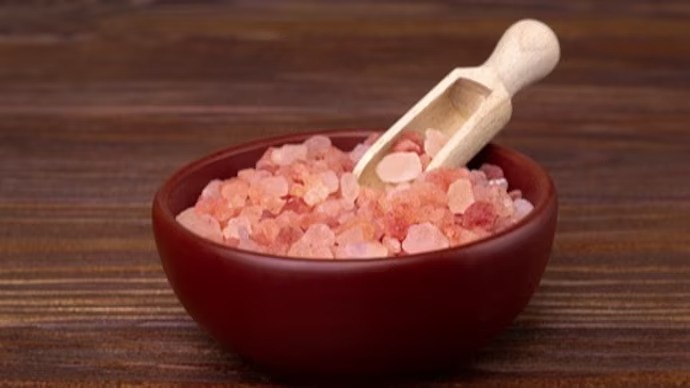
Pink Himalayan salt exhibits a pinkish tint and contains trace amounts of minerals like potassium, magnesium, and calcium. These minerals can contribute to the overall nutrient intake, although the amounts are too small to have a significant health impact.

Sea salt

Sea salts, such as Celtic or French fleur de sel, are harvested through the evaporation of seawater and retain trace minerals from the marine source.

These can offer a different flavour profile but, like Himalayan salt, do not provide substantial health benefits when consumed in typical dietary amounts. The mineral content in sea salt is considered negligible in terms of health impact.

Potassium salt

Potassium salts are another alternative, containing up to 70% less sodium than standard table salt. They may benefit blood pressure due to potassium’s antagonistic effects on sodium.

A modest reduction in dietary sodium can improve blood pressure by about 5 to 6 mm Hg, highlighting the importance of choosing lower-sodium options for those with hypertension.

Table salt

Table salt stands as the household’s predominant salt variety, sourced from seawater or salt lakes through solar evaporation. This salt undergoes extensive refinement to eliminate impurities and incorporates anti-caking agents for enhanced flow.

A prevalent form of table salt is “iodized salt,” where iodine is introduced to address global iodine deficiency. This method utilizes salt as a widespread vehicle for iodine distribution, simultaneously benefiting large population groups.

It’s essential to consider that all salts contain roughly the same amount of sodium by weight.

visit – www.kisansabha.in

Categories
Medical Updates Medicine & Health

How can high air pollution levels harm your heart? Understanding the risks and prevention

In this pollution season why you need to adopt a heart-healthy lifestyle, highlights Dr Nishith Chandra Principal Director, Interventional Cardiology, Fortis Escorts Heart Institute, Delhi

In our rapidly urbanizing world, pollution has become an inevitable part of our daily lives. While we often associate pollution with respiratory issues, its impact on the heart is equally concerning. Air pollution poses a significant threat to cardiovascular health.

However, by understanding the risks, taking preventive measures, and adopting a heart-healthy lifestyle, individuals can significantly reduce their susceptibility to pollution-related heart problems.

Air Pollution and Heart Disease

Studies have shown a direct connection between exposure to air pollution and an increased risk of heart disease. Air pollutants, such as particulate matter (PM2.5 and PM10), nitrogen dioxide (NO2), and carbon monoxide (CO), can infiltrate the bloodstream, leading to inflammation and oxidative stress in the arteries. This, in turn, contributes to atherosclerosis, a major precursor to heart attacks and strokes.

Preventing Pollution-Related Heart Issues

1) Reduce Exposure to Air Pollution

To promote healthier living in areas with elevated air pollution, it’s advisable to minimize outdoor activities on days when pollution levels are high. Furthermore, ensuring clean indoor air quality can be achieved by employing air purifiers at home. Additionally, it’s important to advocate for and actively support policies and initiatives aimed at mitigating emissions from both vehicles and industrial sources

Most importantly, improve indoor air quality. To enhance indoor air quality, it is essential to prioritize proper ventilation in both your home and workplace. You can also consider incorporating indoor plants to aid in air purification, while refraining from smoking indoors to minimize the substantial contribution it makes to indoor air pollution.

2) Heart-Healthy Lifestyle Choices in a Polluted World

1. Diet and Nutrition: To maintain a heart-healthy diet, prioritize foods rich in fruits, vegetables, whole grains, and lean proteins. High pollution levels introduce free radicals into your body, leading to oxidative stress and cellular damage, accelerating the aging process. Vitamins C and E act as powerful antioxidants, shielding your body from these harmful free radicals. Hence, it’s wise to include antioxidants like vitamins C and E in your diet to counteract the oxidative stress caused by pollution. For instance, almonds are a great source of Vitamin E, while avocados offer a dual advantage, providing both Vitamin E and Vitamin C.

2. Exercise Regularly: Physical activity improves cardiovascular health and can counteract some of the negative effects of pollution. If possible, exercise in green spaces with lower pollution levels.

3. Stress Management: Chronic stress can exacerbate the harmful effects of pollution on the heart. Practice stress-reduction techniques like meditation, yoga, or mindfulness.

4. Medication and Medical Check-Ups: If you have pre-existing heart conditions, consult your healthcare provider for appropriate medications and regular check-ups to monitor your heart health.

visit – www.kisansabha.in now !!!