Categories
COVID-19 Medical Updates

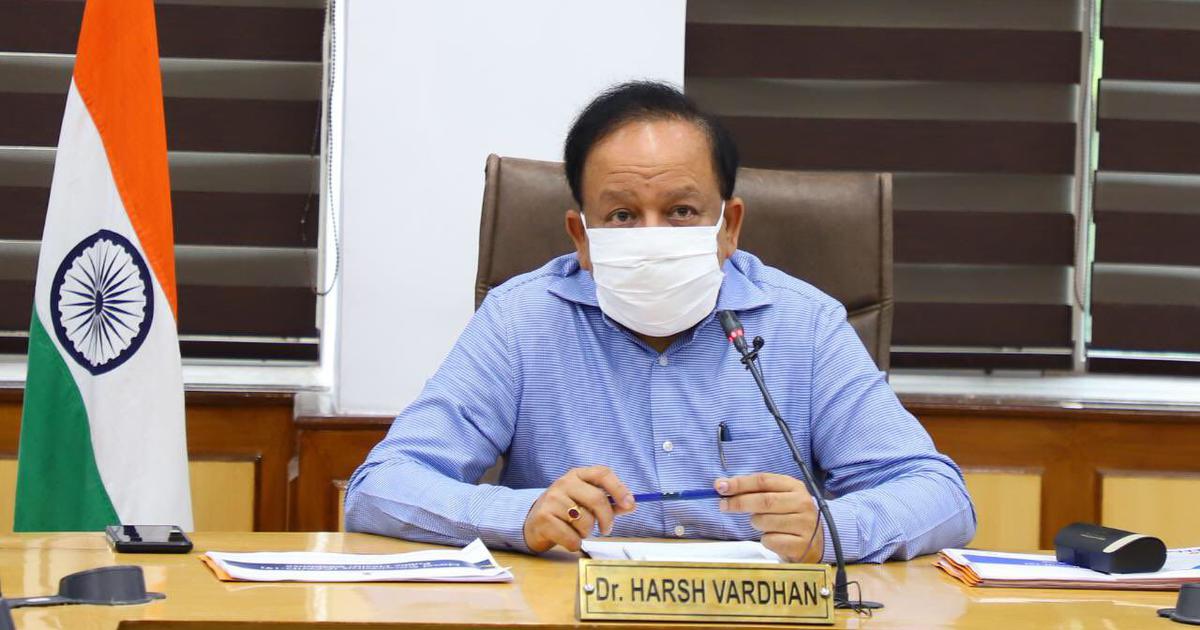
Indian vaccines are safe, says Health Minister Harsh Vardhan

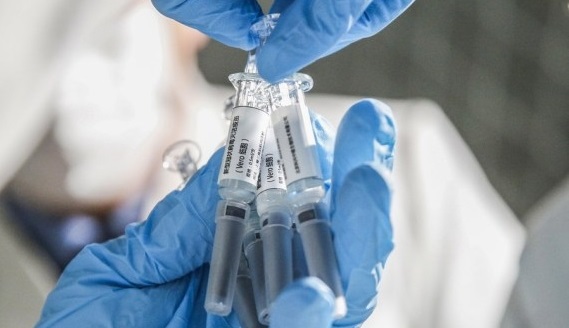
Troubled by fears of a significant section of health care workers refusing to come forward to get vaccinated against Covid-19, the government on Thursday released a set of IEC (Information Education and Communication) posters to address the issue of vaccine hesitancy.

“The paradox is that countries across the world are asking us for access to vaccines while a section of our own is fomenting misinformation and doubts for narrow political ends,” Health Minister Harsh Vardhan said while releasing the posters.

There have been reports that many healthcare workers, mainly paramedical personnel, have stayed away from taking vaccine shots, thus reducing the number of vaccinations carried out in various States. Vaccine hesitance was the second major reason, after the glitches in Co-WIN software, for the poor realization of vaccinations in many States so far.

“Let us put a stop to these falsehoods,” Vardhan said urging people to seek correct information from authentic sources.

Explaining the role of vaccination in eradicating diseases, the Minister said, “The elimination of polio and smallpox was made possible by large scale immunization. Once immunized, not only that person is not capable of catching the disease, he/she is also unable to transmit the disease to others thus passing on the social benefit to the larger society he/she interacts with….Vaccination against Covid will similarly create persons incapable of transmitting the disease and eradicate the disease altogether in some time.”

All eminent doctors of well-known hospitals have taken the vaccine and praised the exercise for its desired end. It is only a handful of vested political interests who are interested in spreading rumors and encouraging vaccine hesitancy among those vulnerable to such propaganda,” he said. Prominent doctors along with many other healthcare workers in the government and private sector have taken the Covid-19 vaccine and have returned to their work without any side effects, the Minister added.

Categories
Uncategorized

You should have these eight winter superfoods for health

Winter brings a divergent change in the weather after the wet monsoon and scorching heat of summer. The changing weather necessitates a modification in nutrition as well. Especially this year, our dietary habits can be a decisive differentiator for our health and immunity. Working from home has become the new norm, resulting in far lesser physical activity and a lot more opportunities for eating. It can lead to weight gain, joint problems, vitamin D deficiency, constipation, and so on, says Pradeep Singh, wellness and nutrition expert, and certified dietitian.

But what are these superfoods, and how do they benefit us? In a nutshell, ‘superfoods’ are those edibles that contain a high nutritional value and provide us with a variety of health benefits.

Below, he shares eight such superfoods that you should be eating this winter.

Garlic: If you’re a fan of garlic, winter is the time for you to have it. Garlic is a great source of selenium, germanium, and sulfhydryl amino acids, which help in boosting immunity. It is also a natural antibiotic and is effective in preventing urinary tract infections, lowering blood pressure, preventing bronchitis and pneumonia. This makes garlic one of the best winter diet additions.

Cinnamon: Everybody’s kitchen has this ingredient for sure. Usually shelved with cloves, nutmeg, and other spices, cinnamon is a great source of iron and calcium. It is essential for the production of healthy red blood cells and can also help in reducing spikes in blood sugar levels. A simple way to incorporate it into your diet would be, adding it to your morning cup of coffee or tea.

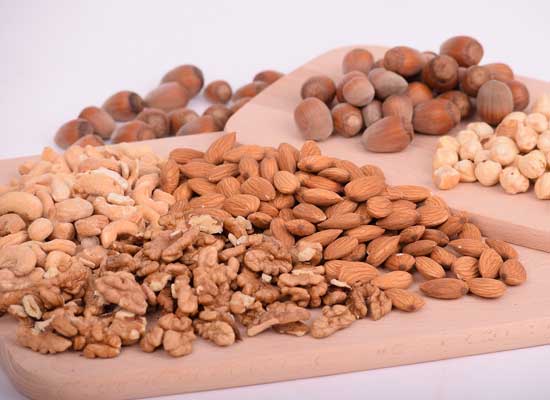
Almond and walnuts: Just like blankets warm you up in winters, these nuts can warm you up on the inside. Both almonds and walnuts lower bad cholesterol, control blood sugar levels, and reduce inflammation. Walnuts are a great source of Omega-3, while almonds are rich in Vitamin E, antioxidants, and magnesium. So if you’re craving a light snack, don’t hesitate to pick up a few almonds and walnuts to munch on in between meals.

Sweet potatoes: Sweet potatoes are great comfort food. They are also a rich source of fiber, Vitamin A, and potassium. If you want to go easy on the calories and high on the nutrients, sweet potatoes are the answer in winter. It can help with relieving constipation, building immunity, and reducing inflammation.

Mustard greens: Mustard greens, just like other green leafy vegetables, are among the most nutritious foods you can eat. These greens are rich in fibre, and vitamin C, which is much needed during winter to help fight infections. Plus, it helps lower cholesterol and improves liver health.

Citrus fruits: By now, we’ve all heard that citrus fruits are synonymous with vitamin C. So, not mentioning them as a winter food would leave the list incomplete, and for a good reason. Fruits such as oranges, grapes, and lemons are jam-packed with minerals and phytochemicals. Therefore, including them in your winter diet, is a must if you want to develop a super-strong immune system.

Carrots: Carrots are rich in beta-carotene that gives them their bright orange color and makes them rich in vitamin A. The high level of fiber they contain also means you can include carrots in your weight loss diet. They are also beneficial for regulating cholesterol levels. As an added benefit, they have high amounts of antioxidants, vitamin K, and improve overall eye health.

Pea protein: Arguably the most complete plant protein, pea protein, is made from yellow split peas. Unlike beans or rice, it contains all the amino acids that your body requires. It’s also a great alternative to whey or soy, especially if you’re allergic or sensitive to either of the two. Plus, it’s a go-to protein source that will warm you up this winter if you’re a vegan.

Apart from winters, these foods should become a part of your daily nutrition regime as they will help you become fit and maximize your healthspan. A combination of these foods will yield clear skin, healthier hair, improved digestion, increased metabolism, and overall higher energy levels, he says.

source:https://indianexpress.com/

Categories
COVID-19 Government Guidelines Medical Updates

Delhi govt identifies 89 sites, health care workers to be vaccinated first: Satyendra Jain

As the country is all set to begin vaccination drive against the coronavirus disease (Covid-19) from January 16, the Delhi government has identified 89 sites which include 36 state-run hospitals and 53 private hospitals, health minister Satyendar Jain said on Sunday.

Jain also said that only health workers will be administered shots against the Covid-19 in the first phase of the vaccination drive.

The list of hospitals includes AIIMS, Safdarjung, Lok Nayak, GTB, and Hindu Rao, among others. The list of private hospitals includes Max, Fortis, Apollo, BL Kapur, and Gangaram, etc. Vaccines to all the centers will be supplied by the Delhi government and will be free for the beneficiaries.

The Centre on Saturday said that the Covid-19 vaccination drive would begin in the country on January 16, when nearly 30 million healthcare and frontline workers will be inoculated. In the second phase, priority will be given to those above 50 years of age and the under-50 population groups with co-morbidities, together numbering around 27 crores.

As per the ministry, over 61,000 program managers, 200,00 vaccinators, and 370,000 other vaccination team members have been trained so far as part of the training at the states, districts, and block levels.

India’s drugs controller on January 3 granted restricted emergency approval to two companies for their Covid-19 vaccines.

The first vaccine to become available in Delhi will likely be the Oxford-AstraZeneca vaccine, called Covishield in India, and manufactured by Pune’s Serum Institute of India. The other vaccine that has been granted approval for “restricted use in emergency situations” is Bharat Biotech’s Cavoxin.

As of Sunday morning, the country has a total of 10,450,284 confirmed cases of Covid-19, according to the numbers published on the Union health ministry’s website. The number of recoveries reached 10,075,950 after more than 19,200 patients recovered from the viral disease in the span of 24 hours. More than 1.5 lakh people have died so far.

The spread of the virus has been majorly contained in the country as the daily number of new cases has dropped to less than 20,000 from a peak of almost 98,000 in September last year. However, it is still the second worst-hit country after the United States.

Categories
COVID-19 Medicine & Health

First coronavirus vaccine shots likely on January 13: Health Ministry

Addressing the media, health ministry secretary Rajesh Bhushan said that “based on the feedback of dry-run”, the government is ready to introduce coronavirus vaccine “within 10 days from the date of emergency use authorization.

Union Health Ministry announced on Tuesday that coronavirus vaccines will be rolled out within 10 days of granting emergency use approval based on the feedback of dry-run across the country.

The announcement by the ministry comes just days after the DCGI (Drugs Controller General of India) approved Oxford-AstraZeneca COVID-19 vaccine, Covishield, domestically manufactured by the Serum Institute of India and Bharat Biotech’s indigenous Covaxin for restricted emergency use.

Addressing the media, health ministry secretary Rajesh Bhushan said that “based on the feedback of dry-run”, the government is ready to introduce coronavirus vaccine “within 10 days from the date of emergency use authorization.

The ministry also put forward the CoWIN Delivery Management plan. “There are 4 primary vaccine stores called GMSD located in Karnal, Mumbai, Chennai, and Kolkata, and there are 37 vaccine stores in the country. They store vaccines in bulk and distribute further,” Bhushan informed during a press briefing, adding that the vaccine will further be taken from these stores and taken to sub-centers “via passive equipment like rice boxes.”

India’s drugs regulator DCGI had on Sunday approved Oxford University’s Covid-19 vaccine ‘Covishield’ being manufactured by the Serum Institute, and the indigenously developed ‘Covaxin’ manufactured by Bharat Biotech for restricted emergency use in the country, paving way for a massive inoculation drive.

Categories
COVID-19 Government Guidelines Medical Updates Medicine & Health

India will have happy New Year with something in hand: DCGI on Covid vax

As India awaits with bated breath for a silver bullet against coronavirus, the Drug Controller General of India(DCGI) on Thursday hinted at the approval of vaccine and said the country will have a ‘happy new year with something in hand.’

The drug regulator is currently analyzing the data submitted by Serum Institute of India, which is manufacturing Oxford-AstraZeneca vaccine and Bharat Biotech, which is making indigenous vaccine in collaboration with ICMR. The expert panel will convene a meeting on January 1 on this.

“The industry and research organisation have stood the test of time. It has been a very wonderful experience. Probably, we will have a happy new year with something in hand. That is what I can hint at,” Drug Controller General of India (DCGI) V G Somani said.

On Wednesday, the Subject Expert Committee (SEC) of the Central Drugs Standard Control Organisation (CDSCO) had met to consider the Emergency Use Authorisation (EUA) request of Pfizer, Serum Institute of India and Bharat Biotech Private Limited.

Further time was, however, requested on behalf of Pfizer. Additional data and information presented by SII and Bharat Biotech was then perused and analysed by the expert panel. The analysis of the additional data and information is going on and it will convene again on January 1, the Centre had said in a statement.

America’s Pfizer was the first one to apply for the accelerated approval on December 4, followed by Serum and Bharat Biotech who applied on December 6 and 7, respectively. Pfizer had, however, requested more time to make a presentation before the committee.

On December 9, the Subject Expert Committee asked Serum Institute of India and Bharat Biotech to submit more data and information to get approval.

The expert panel had then recommended Serum to submit the outcome of the assessment of the UK-MHRA for grant of emergency use approval, the updated safety data of the Phase II/III clinical trial and immunogenicity data from the clinical trial in the UK and India.

Bharat Biotech was recommended to present the safety and efficacy data from the ongoing Phase III clinical trial in the country for further consideration.

Their applications were reviewed again on Wednesday hours after the UK accepted the recommendation of the Medicines and Healthcare Regulatory Agency (MHRA) to authorise Oxford University-AstraZeneca’s Covid-19 vaccine, named Covishield, for emergency use.

The authorisation was significant for India as the Pune-based Serum Institute of India had tied up with the company to conduct clinical trials and manufacture vaccine.

source: https://health.economictimes.indiatimes.com/