Categories
COVID-19 Medical Equipments Medical Updates Medicine & Health

Ayurvedic remedies to improve eye health

January is Glaucoma Awareness Month and for the uninitiated, glaucoma may cause visual impairment due to optic nerve dysfunction, which is essential for communication between the brain and the eyes however, Ayurvedic experts believe that with the aid of Ayurveda, this serious issue can be stopped from worsening and there are increased chances of curing the long-term illness. As per some experts, Ayurveda, the ancient Indian medicine system, offers various simple remedies to maintain healthy eyes.

In an interview with HT Lifestyle, Dr Mahendar Singh Basu, Ayurvedic Eye Specialist and Founder of Dr. Basu Eye Hospital, shared, “According to Ayurveda, you should gently wash your eyes in the morning with cold water while holding some water in your mouth. You might also use rosewater or gulaab-jal, which is known to have cooling effects. Additionally, medicated ghee can be applied to the eyes in Netra Basti, an ayurvedic therapy. To perform this remedy, you need to lie down, and when a dough structure resembling a well is created around the eye, pour the ghee on top of it. Your eyes’ toxins will be removed by doing it.”

He added, “Tratak Karma, a meditation in front of a candle in a dark room or gazing at a point for a short duration, improves your vision. The tratak method is beneficial in treating a variety of eye ailments by eliminating dullness and a sluggish demeanour, according to ancient Ayurvedic teachings. You can also use cucumber cotton pads soaked with fresh goat’s milk to cool eye patches. When put on top of the eyes, it has a cooling effect and refreshes them completely. Moreover, Triphala, a potent herb concoction that combines three fruits – Amla, Bhibitaki and Haritaki is recommended by Ayurveda to cure Glaucoma. It can be applied through eye drops or ingested, and it helps in reducing eye strain, redness and swelling.”
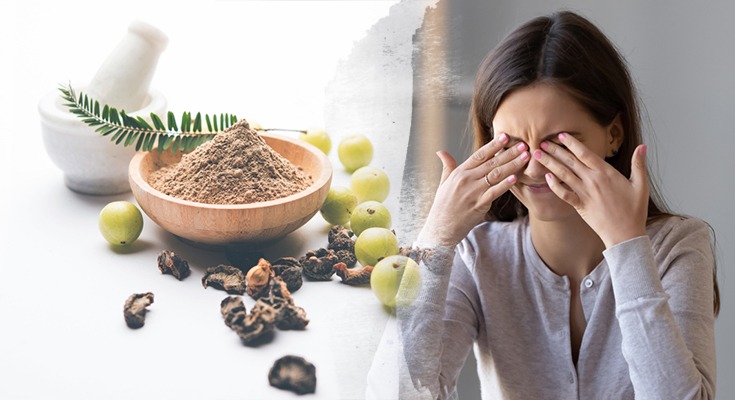
Ayurvedic remedies to improve eye health

Asserting that Ayurveda aims to manage health concerns from their root, Dr Yogini Patil, BAMS and Nutritionist at LivLong, insisted that while this may take considerable time to show results, the effect is long-lasting and comprehensively rejuvenating. She suggested:

● Applications of “PratimarshNasya” daily (the procedure in which medicines are applied through the nasal cavity) cleanses shirostrotas thus preventing eye diseases.

● “PadaAbhyanga” or foot massage with herbal oils is beneficial for good vision and eye health.

● Daily application of “NetraAnjan” (medicated kajal) as a “dincharya” is the best ophthalmic medicine to prevent eye diseases.

● Eating foods rich in Vitamin A such as carrots and leafy greens is also beneficial for maintaining healthy eyes.

● Practicing yoga asanas such as Shirshasana and Trataka can also improve eyesight and reduce stress on the eyes.

● A good, balanced mental status and 6-8 hours of sound sleep is the key to better eye health.

Note: It is always essential to consult with an Ayurvedic practitioner before indulging in any new treatment regimen.

Read more at-https://bit.ly/40gmdx5
Categories
COVID-19 Government Guidelines Medical Equipments Medical Updates

Long Covid might teach us how to prevent Alzheimer’s

Researchers are uncovering links between viruses and brain diseases, which could point to a whole new approach to treatment.

Science is starting to uncover an unnerving fact about viruses: Some might affect our brains over the long haul. It came as a shock that SARS-CoV-2 can lead to lingering neurological problems — a post-viral syndrome we call long Covid. But the phenomenon might not be unique to this virus.

Scientists are finding links between common viruses such as influenza and brain diseases like multiple sclerosis, Parkinson’s, Alzheimer’s and ALS. Researchers are hoping that identifying a viral link might finally allow scientists to figure out what causes these mysterious, deadly ailments and develop new treatments.

A new study, published last week and summarized in Science, used a vast trove of electronic medical records to find thousands of people with neurodegenerative diseases and tease out correlations with 22 different kinds of infections. The biggest viral risk factor for dementia was encephalitis, which is an infection of the brain often caused by a mosquito or tick-borne disease. Other viruses tied to dementia included influenza, herpes zoster (shingles) and HPV.

Earlier studies had looked for specific viral links to Alzheimer’s and found correlations with herpes and some forms of HPV. And a study published last year showed that Epstein-Barr virus was necessary for developing MS. But scientists still haven’t figured out exactly what role the viruses play — whether they’re a direct trigger or have some peripheral role. Almost everyone on the planet carries Epstein-Barr virus, which causes mononucleosis, but only a tiny fraction ends up getting MS.

To better understand how viruses might be affecting the brain, I stopped by the National Institutes of Health to visit Avindra Nath, who is one of the few neurologists specializing in viruses — an interest he picked up after treating AIDS patients in the early 1980s. In 2014, he was the first neurologist to travel to Liberia to treat Ebola patients, and he said a fraction of those who recover suffer neurological symptoms similar to long Covid — especially chronic fatigue.

He told me that what really interests him are viruses that are embedded in our genetic codes — called endogenous retroviruses. They may have snuck in through a sexually transmitted virus that works itself into an embryo. These viruses are a source of genetic variation — and can add novel DNA to our genomes. Like mutations, these occasionally incur an advantage and spread through the population. About 8% of our genome is made of these embedded viruses.

Long Covid might teach us how to prevent Alzheimer’s

Nath’s interest in these started when he was treating a patient who had both HIV and ALS, and after taking antiretroviral drugs, the ALS disappeared. A series of human and animal studies convinced Nath that ALS might sometimes be triggered by an embedded virus called HERV-K.

Normally HERV-K is active during fetal development, so it may have spread through the human population because it does something useful in utero. But after we’re born, it normally shuts off (due to external chemical switches that bind to DNA).

Sometimes, he told me, these “off switches” fail, and one of these embedded viruses can become reactivated. That failure might be part of the cause of ALS. After years of animal studies, he started preliminary human trials assessing the effects of antiviral drugs on patients with ALS. He’s now planning a placebo-controlled clinical trial for drugs that he’s shown can suppress HERV-K.

He’s also studying the kinds of viruses we catch from the outside world. He thinks viruses are more likely to trigger brain diseases indirectly — not by getting directly into neurons, but by prompting inflammation. It’s the immune system’s response that causes the problem.

He’s now studying people with neurological problems following Covid infection — something that he estimates affected about 10% of people infected before vaccines were available and a much smaller fraction today. He said that at first he was very skeptical of claims that the virus hides out in the brain, but more recent studies have made him take it seriously, especially autopsy studies done by Dan Chertow at the NIH. It might be that those residual traces of the virus are causing persistent inflammation.

It’s possible that this has always been happening to some fraction of people who pick up common viruses. It’s just that it didn’t get all that much attention before the Covid pandemic. Nath said virology and neurology were two completely different worlds, and he was unique in trying to navigate both fields at the same time.

If viruses do indeed play a role in some of our most feared and costly diseases, that could point to a whole new approach to treatment and prevention. In the future, everyone might get vaccinated against Epstein-Barr virus as a protection against MS. And it may turn out that you can reduce your odds of getting Alzheimer’s disease by getting that shingles shot and a flu shot every year. If HPV adds to the risk, it could motivate the medical community to redouble its efforts to get that vaccine to more people.

Scientists could even eventually develop a universal, variant-proof Covid vaccine that would finally prevent the risk of long Covid.

Someday, people may look back at all the expensive drugs we tested for dementia and other brain diseases and wonder how we overlooked the benefits of cheap vaccines for so long.

Read more at-https://bit.ly/3kGNokj

Categories
COVID-19 Government Guidelines Medical Updates Medicine & Health

Practising gratitude can help you reduce stress: Research

Gratitude has a special stress-buffering effect on responses to and recovery from acute psychological stress, which can help to enhance cardiovascular health, according to a study done by researchers from Irish universities with 68 adults.

Researchers from Irish institutions discovered that gratitude has a unique stress-buffering effect on both reactions to and recovery from acute psychological stress, which can contribute to better cardiovascular health. Knowing that stress affects humans and has an impact on their health and well being, specifically causing high blood pressure and increasing cardiovascular morbidity and coronary heart disease, it is critical to understand our reactions to stress and determine whether there are any factors that can play key stress-buffering roles.

In the article “Gratitude, affect balance, and stress buffering: A growth curve examination of cardiovascular responses to a laboratory stress task”, published in January in the Journal of Psychophysiology, Brian Leavy, Brenda H. O’Connell and Deirdre O’Shea propose that, although previous research suggest that gratitude and affect-balance play key stress-buffering roles, to date little has been known about the impact of these variables on cardiovascular recovery from acute psychological stress.

That was the focus of the study by the researchers from the Universities of Maynooth and Limerick in Ireland, who also sought to find out whether affect balance moderates the relationship between gratitude and cardiovascular reactions to acute psychological stress.

The research carried out at the Irish University of Maynooth involved 68 undergraduate students (24 male and 44 female), aged between 18 and 57 years. This study used a within-subjects experimental design with lab tasks in which stress was induced to participants and then cardiovascular reactivity and recovery in response to this was measured.

Practising gratitude can help you reduce stress: Research

The results showed that state gratitude predicted lower systolic blood pressure responses throughout the stress-testing period, which means that the state of gratitude has a unique stress-buffering effect on both reactions to and recovery from acute psychological stress. It was also found that affect balance amplifies the effects of state gratitude.

These findings have clinical utility as there are several low-cost gratitude interventions which can contribute to well-being (Wood et al., 2010). For example, previous research has shown how cardiac patients who make use of gratitude journals have better cardiovascular outcomes than those who do not (Redwine et al., 2016).

Combined with the results of this study and previous work, gratitude may thus constitute a useful point of intervention for the improvement of our cardiovascular health.

Read more at-https://bit.ly/3Rb4u6f

Categories
COVID-19 Government Guidelines Medical Equipments Medical Updates Medicine & Health

High fat diet could reduce ability to regulate food intake: Study

Understanding the brain’s role and the complex mechanisms that lead to overeating, a behaviour that can lead to weight gain and obesity, could help develop therapies to treat it.

Regularly eating a high-fat/calorie diet could reduce the brain’s ability to regulate calorie intake. New research in rats found that after short periods of being fed a high-fat/high-calorie diet, the brain adapts to react to what is being ingested and reduces the amount of food eaten to balance calorie intake.

The researchers from Penn State College of Medicine, US, suggest that calorie intake is regulated in the short-term by cells called astrocytes (large star-shaped cells in the brain that regulate many different functions of neurons in the brain) that control the signalling pathway between the brain and the gut. Continuously eating a high-fat/calorie diet seems to disrupt this signalling pathway. The study was published in The Journal of Physiology.

Understanding the brain’s role and the complex mechanisms that lead to overeating, a behaviour that can lead to weight gain and obesity, could help develop therapies to treat it. Obesity is a global public health concern associated with an increased risk of cardiovascular diseases and type 2 diabetes. In England, 63 per cent of adults are considered above a healthy weight and around half of these are living with obesity. One in three children leaving primary school is overweight or obese1.

Dr Kirsteen Browning, Penn State College of Medicine, US, said,

“Calorie intake seems to be regulated in the short-term by astrocytes. We found that a brief exposure (three to five days) of a high fat/calorie diet has the greatest effect on astrocytes, triggering the normal signalling pathway to control the stomach. Over time, astrocytes seem to desensitise to high-fat food. Around 10-14 days of eating a high fat/calorie diet, astrocytes seem to fail to react and the brain’s ability to regulate calorie intake seems to be lost. This disrupts the signalling to the stomach and delays how it empties.”

High fat diet could reduce ability to regulate food intake: Study

Astrocytes initially react when high-fat/calorie food is ingested. Their activation triggers the release of gliotransmitters, chemicals (including glutamate and ATP) that excite nerve cells and enable normal signalling pathways to stimulate neurons that control how the stomach works. This ensures the stomach contracts correctly to fill and empty in response to food passing through the digestive system. When astrocytes are inhibited, the cascade is disrupted. The decrease in signalling chemicals leads to a delay in digestion because the stomach doesn’t fill and empty appropriately.

The vigorous investigation used behavioural observation to monitor food intake in rats (N=205, 133 males, 72 females) which were fed a control or high fat/calorie diet for one, three, five or 14 days. This was combined with pharmacological and specialist genetic approaches (both in vivo and in vitro) to target distinct neural circuits. Enabling the researchers to specifically inhibit astrocytes in a particular region of the brainstem (the posterior part of the brain that connects the brain to the spinal cord), so they could assess how individual neurons behaved to studying rats’ behaviour when awake. (ANI)

Human studies will need to be carried out to confirm if the same mechanism occurs in humans. If this is the case, further testing will be required to assess if the mechanism could be safely targeted without disrupting other neural pathways.

The researchers have plans to further explore the mechanism. Dr Kirsteen Browning said,

“We have yet to find out whether the loss of astrocyte activity and the signalling mechanism is the cause of overeating or that it occurs in response to the overeating. We are eager to find out whether it is possible to reactivate the brain’s apparent lost ability to regulate calorie intake. If this is the case, it could lead to interventions to help restore calorie regulation in humans.”

Read more at-https://bit.ly/3HChfmU

Categories
COVID-19 Government Guidelines Medical Equipments Medical Updates Medicine & Health Techniques

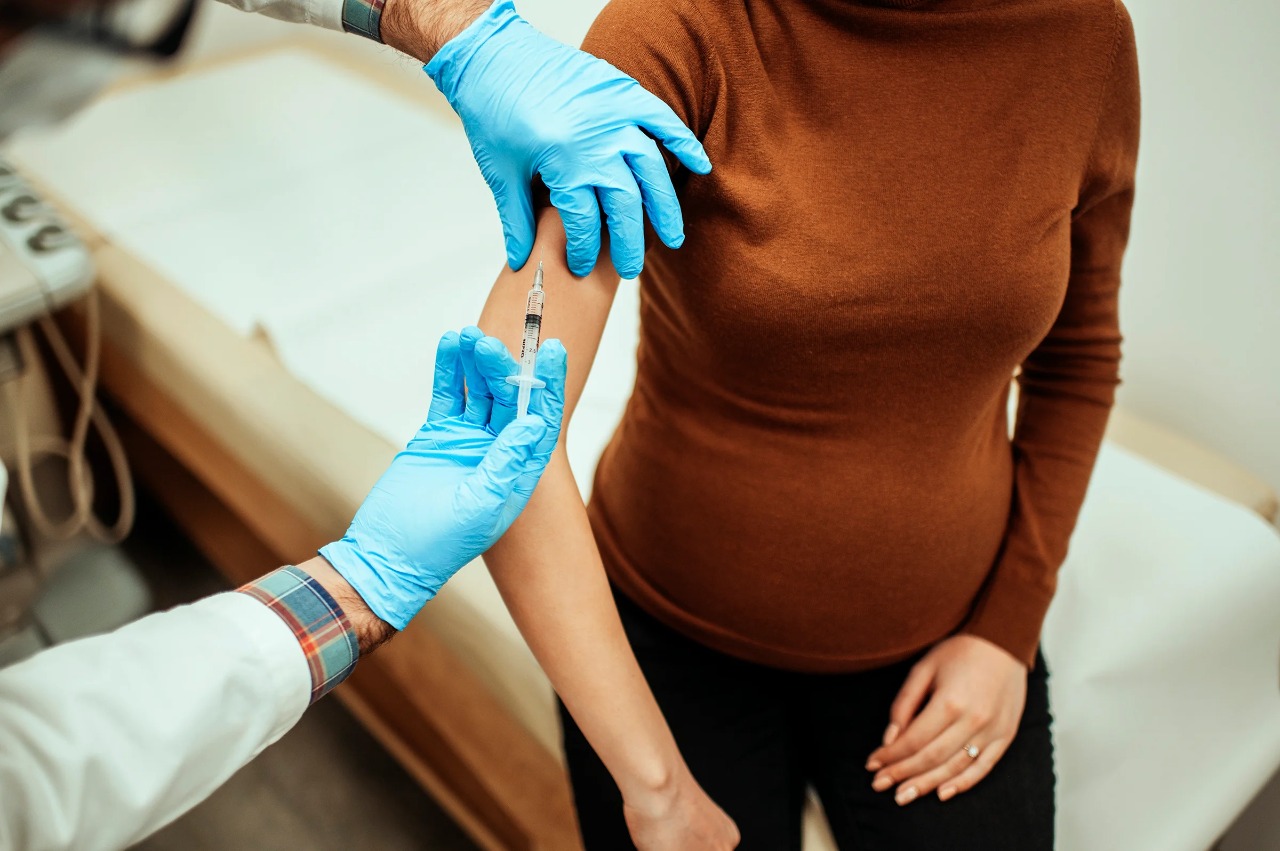
Covid infection could damage foetuses of pregnant women: Study

Foetuses and placentas of pregnant women, especially those infected with COVID-19 at earlier points in the pandemic, were found to bear a greater risk of experiencing growth impairment or vascular lesions in organs and brain, according to a new research.

Foetuses and placentas of pregnant women, especially those infected with COVID-19 at earlier points in the pandemic, were found to bear a greater risk of experiencing growth impairment or vascular lesions in organs and brain, according to a new research.

According to the research, results demonstrate that the different strains of the virus that emerged during the pandemic led to varying degrees of damage, which was especially higher by those involving pre-Omicron variants. The detected placental lesions could potentially harm both development and health in some of the affected unborn children, the study said.

Using prenatal magnetic resonance imaging, a group of Medical University of Vienna, Austria, researchers examined the placentas and foetuses of women who tested positive for SARS-CoV-2 during pregnancy, the study said.

The research was published in the journal The Lancet Regional Health – Europe. While such damage occurs more infrequently and is less severe with the currently circulating Omicron sub-lineages, the study authors still advocate early detection measures for pregnant women who test positive for coronavirus.

Contrary to previous studies, in which SARS-CoV-2-related abnormalities were only identified postnatally and/or through histopathological procedures, the research team focused on prenatal imaging findings, the study said.

Using prenatal magnetic resonance imaging (MRI), 76 scans of placentas and foetuses of pregnant women were performed in the study: 38 following a confirmed SARS-CoV-2 infection (pre-Omicron or Omicron variants) and 38 in healthy control cases, the study said.

The study found that the placentas in both the pre-Omicron and the Omicron groups revealed abnormalities.

Covid infection could damage foetuses of pregnant women: Study

“Infections with pre-Omicron variants, such as Delta, led to significantly greater damage in the form of vascular events such as blood clots or bleeding than with the Omicron subvariants currently circulating through the population,” noted lead author Patric Kienast, outlining a key finding of the study.

The researchers attribute the varying extent of damage to the placenta caused by different virus strains to the fact that Omicron sub-lineages are less likely than their predecessors to result in severe cases, and to higher vaccination rates as the pandemic has progressed, the study said.

“In any case, our results showed that the two non-vaccinated study participants developed placental abnormalities following infection with SARS-CoV-2 Omicron, compared with just one out of six of the women who had received three doses of the vaccine,” confirmed senior author Gregor Kasprian.

Oxygen, nutrients and metabolic products are exchanged between mother and child in the placenta. Attached to the uterine wall, this organ forms such a strong barrier against the coronavirus that only 3 per cent or fewer of foetuses whose mothers test positive for SARS-CoV-2 are also infected, the study said.

But as the study shows, the placenta itself is not spared from complications caused by Covid-19. Subsequently, some unborn babies experience stunted growth or bleeding in the brain, the study said.

“This is why the placentas of pregnant women who have been infected with SARS-CoV-2 should be examined as soon as possible after testing positive using prenatal imaging techniques,” advised Daniela Prayer from Medical University of Vienna, citing the importance of scanning, particularly in the case of possible future coronavirus variants with mechanisms similar to Delta, for example.

By doing so, there is a chance to take measures to safeguard the health of the foetus in a worst case scenario, the study said.

Read more at-https://bit.ly/3XAOtZF

Categories
COVID-19 Government Guidelines Medical Equipments Medical Updates Medicine & Health

Male and female hearts respond differently to stress hormone: Study

Male and female hearts react differently to the stress hormone noradrenaline, according to a recent study published in Science Advances.

Male and female hearts react differently to the stress hormone noradrenaline, according to a recent study published in Science Advances. The research on mice may have ramifications for human heart conditions like arrhythmias and heart failure as well as how various sexes react to certain drugs.

The team built a new type of fluorescence imaging system that allows them to use light to see how a mouse heart responds to hormones and neurotransmitters in real-time. The mice were exposed to noradrenaline, also known as norepinephrine. Noradrenaline is both a neurotransmitter and hormone associated with the body’s “fight or flight” response.

The results reveal that male and female mouse hearts respond uniformly at first after exposure to noradrenaline. However, some areas of the female heart return to normal more quickly than the male heart, which produces differences in the heart’s electrical activity.

Male and female hearts respond differently to stress hormone: Study

“The differences in electrical activity that we observed are called repolarization in the female hearts. Repolarization refers to how the heart resets between each heartbeat and is closely linked to some types of arrhythmias,” said Jessica L. Caldwell, first author of the study. Caldwell is a postdoctoral scholar in the UC Davis School of Medicine Department of Pharmacology.

“We know that there are sex differences in the risk for certain types of arrhythmias. The study reveals a new factor that may contribute to different arrhythmia susceptibility between men and women,” Caldwell said.

Heart disease is the leading cause of death for both men and women in the United States. It accounted for about 1 in every 4 male deaths and 1 in every 5 female deaths in 2020. Despite the impact on both sexes, cardiology research has largely been performed on male subjects.

In this study, the researchers were interested in looking at factors that may contribute to arrhythmias. Arrhythmias are a type of heart disorder where the electrical impulses that control heartbeats don’t function properly. They affect somewhere between 1.5% to 5% of the population.

The researchers had not planned to study sex-based responses, according to Crystal M. Ripplinger, senior author of the study. But the researchers started seeing a pattern of different reactions, which led them to realize the differences were sex-based.

Ripplinger, an electrical and biomedical engineer, is a professor in the Department of Pharmacology. When she started her lab at the UC Davis School of Medicine over a decade ago, she exclusively used male animals. That was the norm for most research at the time. But several years ago, she began including male and female animals in her studies.

“Sometimes the data between the two sexes is the same. But if the data start to show variation, the first thing we do is look at sex differences. Using both male and female mice has revealed clues into differences we would never have suspected. Researchers are realizing you can’t extrapolate to both sexes from only studying one,” Ripplinger said.

She notes that with the current study, it’s not clear what the differences in cAMP and electrical activity may mean. “The response in the female mice may be protective — or it may not. But simply documenting that there is a measurable difference in the response to a stress hormone is significant. We are hoping to learn more in future studies,” Ripplinger said.

Read more at-https://bit.ly/3XVhEXd

Categories
COVID-19 Government Guidelines Medical Equipments Medical Updates Medicine & Health

Panic attack: 3 tips to help someone who’s having a panic attack

Panic attacks can occur unexpectedly and have a significant impact on daily life. If you know someone who experiences frequent panic attacks, here are some tips to help them during an episode.

panic attack is a sudden and unexpected episode of intense fear or anxiety that can lead to physical as well as emotional discomfort. One having panic attack may feel they are going to die or have a heart attack. However, one experiencing it does not realise at that time that it’s not actually life threatening. Panic attacks have certain triggers and research suggests that it is your body’s natural fight-or-flight response to danger. A racing heartbeat, sweating, trembling, difficulty breathing, stomach cramps, dizziness, nausea or choking sensation are the common symptoms of panic attacks. One must get to the root of their panic attack and get in touch with an expert as it can affect one’s quality of life severely.

While a person tends to lose control during a panic attack and feels that all the physical symptoms are real, their near and dear ones can help them deal with it with the help of certain tips. Nutritionist Lovneet Batra in her recent Instagram post offered useful suggestions to help someone who’s having a panic attack.

“Panic attacks are sudden, intense surges of fear, panic, or anxiety. They are often extremely overwhelming, and they have physical as well as emotional symptoms. Panic attacks can occur unexpectedly and have a significant impact on your daily life. Due to the extreme nature of the symptoms, it is important to understand how to react and help when someone undergoes a panic attack, as they may feel as if they are dying during an episode. However, if a person present around them is able to help them, they might feel a little better or understood. Certain strategies and methods can help alleviate panic, ease the situation, and even stop the symptoms from getting worse. Each one of us must know how to react and offer help in such situations,” says Lovneet Batra.

Panic attack: 3 tips to help someone who's having a panic attack

If you know someone who experiences panic attacks, guide them with things you can do (and avoid doing) to help them at the moment.

“Many people hesitate in helping someone facing panic attacks mostly because they don’t know what to do and they fear making the situation even worse,” says Batra.

She shared the three things that can be helpful in such situations:

Give them water

Water has calming effect. In fact, drinking cold water triggers parasympathetic nervous system to keep a person calm. What can also be helpful is physical contact with water. So, either, keeping a person’s hand or feet in water or giving them cold water to put on the face around the neck that can help easing the anxiety.

Ask if they need to sit

Help them find a comfortable chair. Let them sit as this can have a literal grounding effect that can be healing and that can be calming for their anxiety.

Use grounding technique

A grounding technique uses all five senses in calming a person. A very common grounding technique is 5-4-3-2-1 where you can ask a person to list five things they see, four things they can touch, three things they hear, two things they can smell and one thing they can taste. This in fact helps in focussing their thoughts in those questions and helps you release anxiety.

Read more at-https://bit.ly/3Hkz8Wn

Categories
COVID-19 Government Guidelines Medical Equipments Medical Updates Medicine & Health

Union Budget 2023-24: Govt needs to continue strengthening healthcare infrastructure; promote Make in India in pharma

The Union Budget 2023-24 is being presented at a time when the global economy is going through geo-political conflicts, rising inflation, and global recessionary inclinations.

Despite the uncertainties, the year 2023 holds a positive outlook for India’s pharmaceutical industry. The market has experienced significant growth during the past two decades, and pharma revenues worldwide totalled $1.42 trillion in 2021.
With the pandemic accentuating the significance of health and wellness, the Indian pharmaceutical industry is expecting expansion in the budget outlay and fund allocations in the upcoming Union Budget (2023-2024).

While the healthcare sector acquired a 16% hike in the budget allocation last year due to the pandemic crisis, the increase in the share of healthcare and pharma spending in the upcoming budget is imperative.

According to a recent EY FICCI report, as there has been a growing consensus over providing new innovative therapies to patients, the Indian pharmaceutical market is estimated to touch $130 billion in value by the end of 2030.
Meanwhile, the global market size of pharmaceutical products is estimated to cross over the $1 trillion mark in 2023. Thus, it is essential to allocate separate funds for R&D, formulation and API.

Union Budget 2023-24: Govt needs to continue strengthening healthcare infrastructure; promote Make in India in pharma
Additionally, it needs to put a deeper focus on quality manufacturing, and adoption of innovation and technology in terms of formulation manufacturing, diagnostics, packaging, medical devices among others.
The upcoming budget is also likely to focus on preventive healthcare, given the significant rise in non-communicable and lifestyle diseases in the country. Government incentives and grants for cost-intensive research are also anticipated.
Moreover, offering incentives to domestic API manufacturers and bringing about a reduction in GST and import duty on APIs is the need of the hour.

Further, given the increased reliance on imports towards medical equipment, incremental allocation towards manufacturing of healthcare equipment will help India become self-reliant. The government should come up with strategic plans to offer financial incentives to encourage the production of high-end medical devices in India.

Furthermore, the government may take measures to improve the ease of doing business in the pharmaceutical sector by simplifying the process and making it industry-friendly. Whilst the pandemic isn’t over yet, and its side effects long to stay here, the Union Budget (2023-2024) needs to continue focussing on strengthening the infrastructure of the healthcare sector and shift direction towards promoting Make in India pharmaceuticals for making India truly ‘Atmanirbhar’. We must become self-sufficient and competitive in KSMs and APIs to boost the growth of this sector.

The year 2022 saw several collaborations between the industry and academia, with both playing a pivotal role in helping the sector further strengthen its position in the global market. The same is expected in the coming year, along with the government and the industry partnering together for the greater good.
We must work together to ensure that Indian pharmacopoeia is acknowledged and appreciated worldwide. The government should make a roadmap and move forward so that more countries accept Indian pharmacopoeia.

The Pharmaceutical Inspection Cooperation Scheme (PICS) is bringing a great revolution in the GMP standards to establish the high quality in the drug product and thus India should become the member of PIC/S to raise its GMP standards as it is recognised as the ‘power house’ of pharmaceutical manufacturing. And for that, both regulators as well the industry need to upgrade themselves. To get PICS membership, our regulators, both at the central as well as at the state levels, need to undergo intense training programmes and our research laboratories need to be upgraded.

Similarly, at the industry level, pharma companies need to set up their facilities that comply with international regulatory requirements like the WHO GMP, US FDA among others.

A PICS membership reduces duplication of inspections, facilitates the industry in export, and provides huge market access among other benefits. As the industry expands its footprint across the world, it will need to continuously invest in upgrading manufacturing standards to keep its promise of being a high-quality, reliable supplier of medicines to the world.

The government has a role to play in terms of expanding the PLI scheme so that more local manufacturers can access incentives and support needed to play in the API sector, as well as formulations to cater to regulated export markets. Also, considering the rising need for robust intellectual property (IP) law and rights, we will need to work towards harmonising our regulatory requirements to global standards.

Similarly, at the industry level, pharma companies need to set up their facilities that comply with international regulatory requirements like the WHO GMP, US FDA among others.
A PICS membership reduces duplication of inspections, facilitates the industry in export, and provides huge market access among other benefits. As the industry expands its footprint across the world, it will need to continuously invest in upgrading manufacturing standards to keep its promise of being a high-quality, reliable supplier of medicines to the world.

The government has a role to play in terms of expanding the PLI scheme so that more local manufacturers can access incentives and support needed to play in the API sector, as well as formulations to cater to regulated export markets. Also, considering the rising need for robust intellectual property (IP) law and rights, we will need to work towards harmonising our regulatory requirements to global standards.

Read more at-https://bit.ly/3iNxfZM

Categories
COVID-19 Government Guidelines Medical Equipments Medical Updates

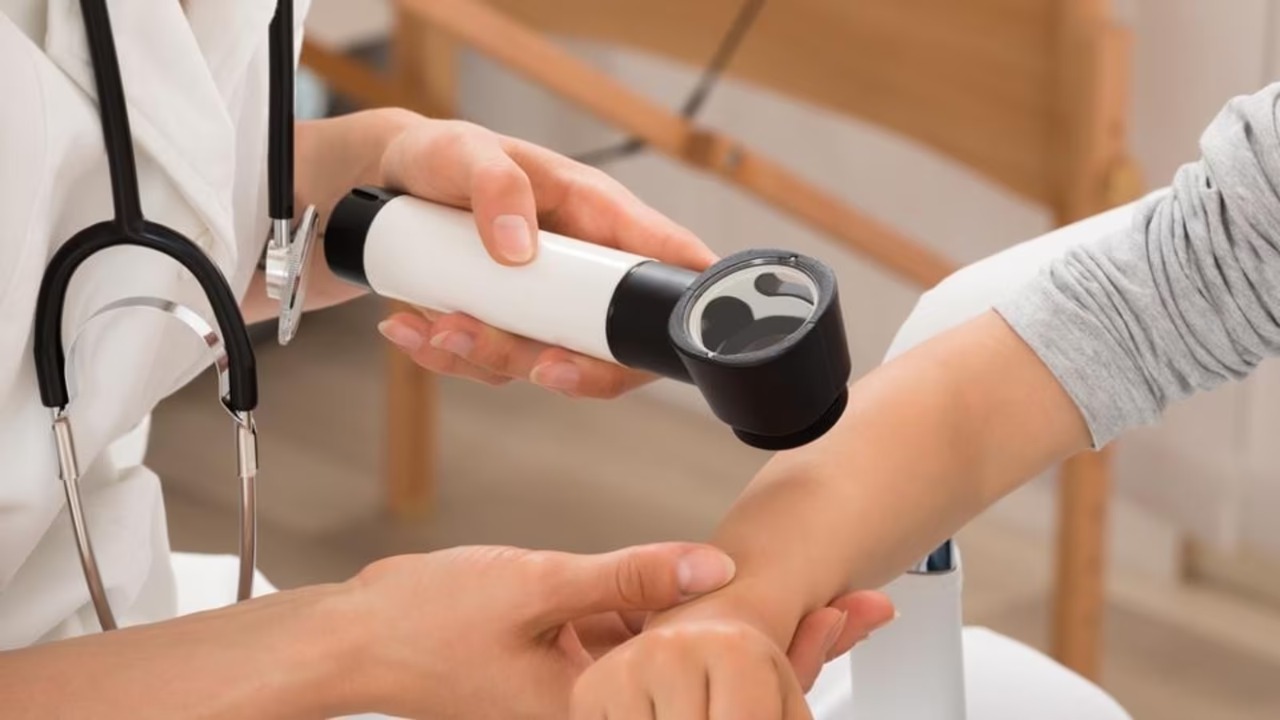
Nonmelanoma skin cancer might be prevented with simple laser treatments: Study

According to new research, straightforward laser treatments to the skin may help to prevent the formation of these cancers. Basal cell carcinoma and squamous cell carcinoma, jointly known as keratinocyte carcinoma, are the most prevalent types of cancer identified in the United States.

New research indicates that simple laser treatments to the skin may help to prevent the development of basal cell carcinoma and squamous cell carcinoma, which are collectively known as keratinocyte carcinoma and are the most common types of cancer diagnosed in the United States. The work was conducted by a team of researchers from Massachusetts General Hospital, a founding member of Mass General Brigham. Published in Dermatologic Surgery, it reveals an easy-to-implement strategy to protect individuals’ skin health.

Nonablative fractional lasers (NAFL) deliver heat in a fractional manner that leaves it fully intact after treatment (unlike ablative fractional lasers that remove the top layer of skin), and they’re currently used to treat scars, sun-damaged skin, age spots, and more; however, their effectiveness for preventing skin damage is unknown.

To investigate, Mathew Avram, MD, JD, director of the Mass General Dermatology Laser & Cosmetic Center, and his colleagues studied patients who had been successfully treated for facial keratinocyte carcinoma in the past. Such patients have a 35% risk of experiencing a subsequent keratinocyte carcinoma within 3 years and a 50% risk within 5 years.

In the study, 43 patients received NAFL therapy and 52 served as controls and did not receive NAFL therapy. The rate of subsequent facial keratinocyte carcinoma development over an average follow-up of more than 6 years was 20.9% in NAFL-treated patients and 40.4% in controls, indicating that patients treated with NAFL had about half the risk.

Nonmelanoma skin cancer might be prevented with simple laser treatments: Study

When controlling for age, gender, and skin type, control patients were 2.65-times more likely to develop a new facial keratinocyte carcinoma than NAFL-treated patients. Also, among patients who developed a facial keratinocyte carcinoma, the time to development was significantly longer in patients treated with NAFL compared with untreated patients.

“These findings suggest that NAFL treatment may have an important role in protecting against subsequent keratinocyte carcinomas,” says Avram. “While the mechanism of NAFL’s protective effect is not completely understood, it is suspected that NAFL treatment reduces the overall burden of photo damaged keratinocytes and may promote a wound healing response, which gives healthy skin cells a selective advantage.”

Avram noted that additional studies are warranted to more critically assess the role of NAFL in skin cancer prevention, to reveal the duration of its protective effects, and to determine optimal treatment parameters. “Based on this research, it’s encouraged for patients to have nonablative laser treatments to help prevent skin cancer if they are at risk or notice abnormalities,” says Avram.

Read more at-https://bit.ly/3XE0Vas

Categories
COVID-19 Medical Equipments Medical Updates Medicine & Health

6 soaked superfoods to eat on empty stomach for boosting immunity and health

Nutritionist Juhi Kapoor in her recent Instagram post talks about superfoods that can help with micronutrient deficiency and relieve symptoms of chronic or persistent health issues.

Small changes in your diet can make a big difference in your overall health. Mornings especially are perfect to give your day a perfect nutritional start. Many of us may face micronutrient deficiencies that could be the cause behind some serious health issues. For instance, a lack of iron, folate and vitamins B12 and A can lead to anaemia. Vitamin D deficiency can lead to low blood calcium levels, rickets, softening of bones in adults. Nuts such as almond, cashew nuts, walnut, and peanuts are a good source of B-vitamins, folate and vitamin E. These tiny superfoods if eaten regularly can thus play a major role in your well-being. Health experts say that nutrients are better absorbed by the body when you soak these nuts. Soaking them overnight helps remove the phytic acid in these nuts which causes indigestion. Soaking nuts also improves their digestibility and helps better their taste and texture.

Nutritionist Juhi Kapoor in her recent Instagram posts has talked about superfoods that can help with micronutrient deficiency and relieve symptoms of chronic or persistent health issues.

6 soaked superfoods to eat on empty stomach for boosting immunity and health

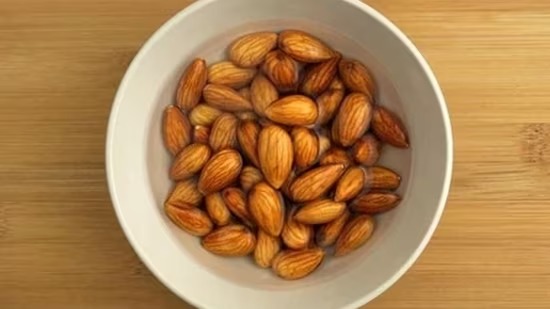
1. Soaked almonds for PCOS, acne relief

Kapoor says eating soaked almonds can help relieve PCOS, acne and achieve glowing skin. Soak 5-7 almonds overnight, peel them in the morning and consume daily.

2. Soaked raisins and kesar for period troubles

For period pain and irregular periods, 6-8 soaked raisins and 2 strands kesar can be soaked overnight. It can be consumed the next morning.

3. Soaked black raisins for hair fall

For hair fall and immunity related problems, soak black raisins overnight and consume next morning.

4. Soaked walnuts for memory and concentration

Two walnuts can be soaked overnight and consumed in the morning to boost brain power, memory, and concentration. It is great for kids to boost their academic performance.

5. Soaked moong for women and kid’s health

Soak 2 tbsp moong and consume in the morning for better hair, muscle health and good Skin. It is especially great for teenagers and women.

6. Soaked figs for constipation

Two soaked figs can do wonders for your gut health. Kapoor says it can help relieve constipation especially in pregnant women and senior citizens.

HOW TO SOAK

– Wash thoroughly

– Soak overnight in clean drinking water

– Discard water in morning

– Consume walnuts/figs directly.

– Green moong can be left to sprout (cover with sieve or cloth) for 6-8 hours. Steam and consume with salad.

Read more at-https://bit.ly/3WjahYj