Categories
COVID-19 Medical Updates Medicine & Health

Covid vaccines used in India and risk of heart attack are not related: Study

The study emphasising on the effect of jabs has stated that the risk of heart attacks is not associated with covid vaccines.

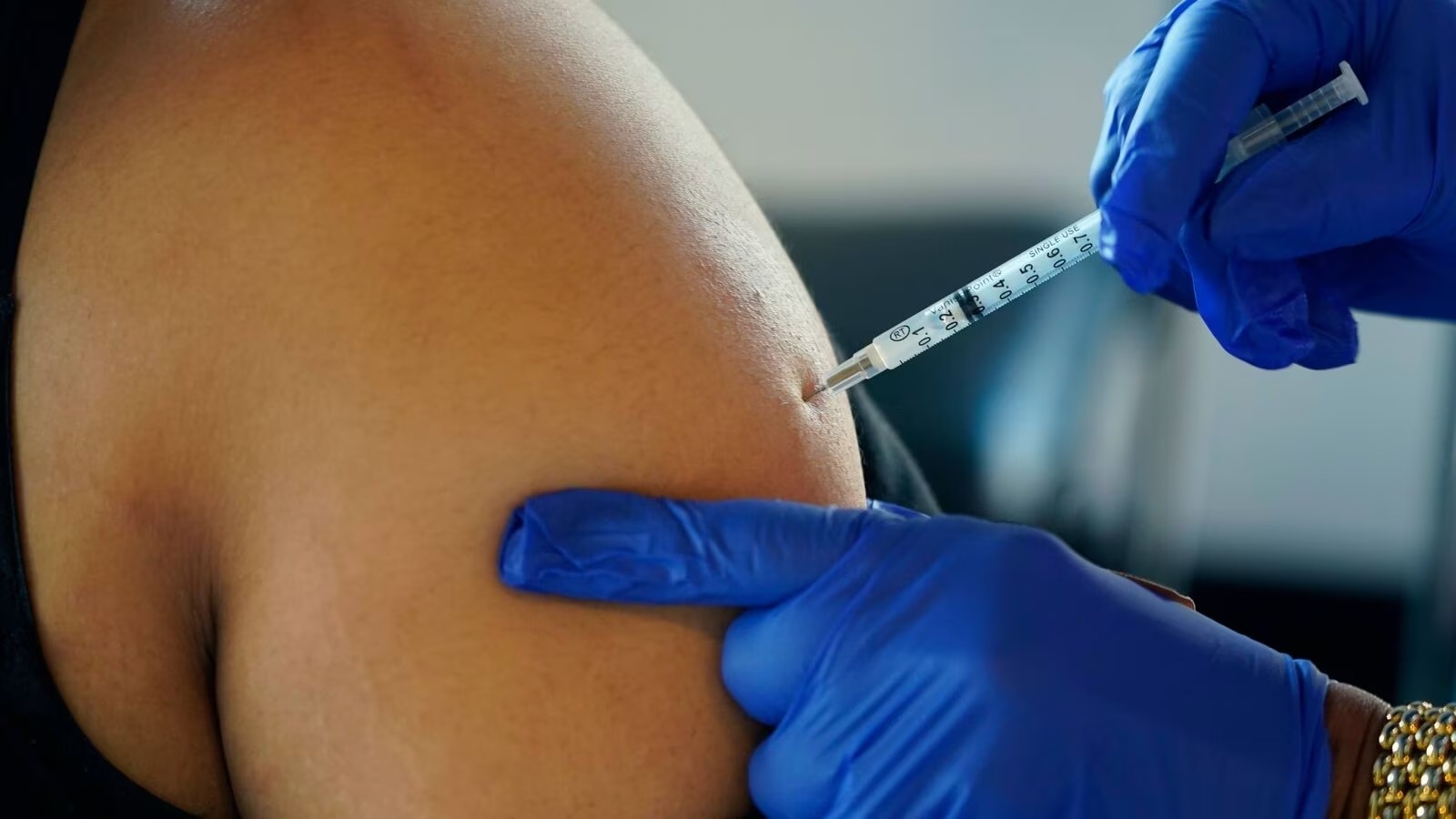
There is no association between the Covid-19 vaccines used in India — Covishield and Covaxin — and increase in the risk of heart attacks, according to an observational study which emphasises the protective effect of the jabs.

The research, published recently in the journal PLOS One, determined the impact of COVID-19 vaccination on mortality following acute myocardial infarction (AMI) or heart attack.

The retrospective study used data from 1,578 people admitted to G B Pant hospital in Delhi between August 2021 and August 2022. As many as 1,086 (68.8 per cent) were vaccinated against COVID-19 while 492 (31.2 per cent) were unvaccinated.

Among the vaccinated group, 1,047 (96 per cent) had received two doses of the vaccine while 39 (4 per cent) had received only a single dose.

“Our study found that vaccines used in India are safe. There was no association of vaccination in India with heart attack. In fact, the study found that there were less chances of death after heart attack in vaccinated individuals,” Mohit Gupta, who led the study, from G B Pant Hospital, told PTI.

Covid vaccines used in India and risk of heart attack are not related:

The adverse effects (AEs) of COVID-19 vaccines have mostly been mild, transient and self-limiting. However, concerns have been raised regarding the cardiovascular adverse effects of these vaccines.

Any side effect can have catastrophic effects especially in large densely populated countries such as India, the authors noted.

In all the enrolled patients, data regarding the patient’s vaccination status including details on type of vaccine, date of vaccination and adverse effects were obtained.

The researchers found that the analysis did not show a specific clustering of AMI at any particular time post vaccination, suggesting there was no significant association between COVID-19 jabs and heart attacks.

On 30-day follow-up, all-cause mortality occurred in 201 (12.7 per cent) patients with adjusted odds of mortality being significantly lower in the vaccinated group.

Similarly, at six months of follow-up, the vaccinated AMI group had lower odds of mortality as compared to the non-vaccinated group.

COVID-19 vaccines showed a decrease in all-cause mortality at 30 days and six months following AMI, according to the study.

However, increasing age, diabetics and smokers had a higher risk of 30-day mortality, the researchers said.

“Findings of our study showed that the 30-day and six months all-cause mortality risk was significantly lower in the vaccinated subjects as compared to the unvaccinated population,” the authors of the study said.

This study is the first to be conducted among a larger population of AMI patients which has shown COVID-19 vaccine to be not only safe but also have a protective effect in terms of reduction of all-cause mortality both on short term as well as at six months of follow-up, the authors of the study said.

They noted some limitations, saying that this was a single centre retrospective study, and the findings need to be validated in further larger studies from different ethnic groups.

Read more at-https://shorturl.at/oxY25
Categories
COVID-19 Government Guidelines Medical Equipments

Covid-19 poses high chances of death to people above 40: ICMR study

The latest research paper released by Indian Council of Medical Research (ICMR) has revealed that covid-19 people above 40 years of age, men with co-morbidities and those individuals who suffered moderate to severe covid-19 were associated with higher odds of post-discharge one-year mortality, whereas 60% protection was conferred by vaccination before the covid-19 infection.

Of the 14,419 participants from 31 hospitals across the country who were followed up at least once between four weeks and one year post discharge, 942 (6.5%) had died and the remaining (93.5%) were reported alive at any contact during one year of follow up.

The study titled– “Determinants of post discharge mortality among hospitalized covid-19 patients: Nested matched case-control analyses from the National Clinical Registry for covid-19″ has now been published in the latest issue of Indian Journal of Medical Research (IJMR) was conducted by the National Clinical Registry for covid-19 study team.

“Participants who had received at least one dose of the anti-SARS-CoV-2 vaccine before their covid-19 infection had a lower risk of post-discharge mortality,” the study said.

Covid-19 poses high chances of death to people above 40: ICMR study

“Emphasis was put on the 18-45 years of age to understand the factors associated with post discharge death in young adults. Factors associated with death in them after discharge were similar to the ones observed in other age brackets. Prior anti-covid-19 vaccination did lend some protection against all-cause post discharge death in this age group, although this cannot be claimed conclusively as the association was not statistically significant,” the study said.

The limitations of the current investigation include reliance on telephonic follow-up, which could have led to underreporting of the symptoms. The present analyses only included patients who were hospitalized due to covid-19, and consequently, the findings cannot be generalized to all patients who had covid-19, the study stated. In addition to this, ICMR is also conducting a multicentric hospital-based matched case-control study   on the effect of covid-19 vaccine on heart attack among 18–45-year-old population in India in 2022 and on factors associated with sudden deaths among adults aged 18–45 years in India.

Read more at-https://t.ly/KwMYe

Categories
COVID-19 Government Guidelines Medical Equipments Medical Updates

New Covid variants Eris vs BA 2.86: Is the one scarier than the other? Know difference between symptoms

Eris vs BA 2.86, both are variants from XBB lineage which is a descendent of Omicron. Here’s what to know about their symptoms are transmissibility.

Even as pandemic threat subsides, Covid-19 virus continues to evolve and most recently two Covid variants namely Eris or EG.5 and BA 2.86 have been increasing the caseload in UK, China and other countries. While Covid symptoms seem to have become milder with course of time and newer variants, the mutations in the spike protein have increased due to which they are becoming good at escaping immunity and also infecting people faster. While EG.5 has been declared variant of interest, BA 2.86 is being called variant under monitoring by WHO. BA 2.86 is said to be highly mutated and this particular strain has some new symptoms associated with it, says Dr Pavithra Venkatagopalan, corona-virologist and Covid awareness specialist at Rotary Club of Madras NextGen in a conversation with HT Digital.

Why newer variants of Covid-19 are evolving

“The virus causing Covid-19 has continued to evolve from the time it was identified in December 2019. Over these last 3-3.5 years, we have seen lot of different variants come and go and each of these variants have lot of properties in common and some other varying ones. One of the common properties include the transmission via droplets. This has not changed in any of the variants that have come so far. We have seen the beta, gamma, delta, and Omicron variants. All these variants are causing Covid-19. What happens is when people with different symptoms of Covid-are identified, their sample is collected and sent for sequencing. Sequencing is a simple way of understanding what this virus is made of. Each of these variants behave differently because they have different genetic sequence changes,” says Dr Pavithra.

Eris or EG.5 and BA 2.86 are the two variants that have been making headlines as they are spreading very fast and are able to evade vaccine immunity or immunity acquired from an infection. Dr Pavithra explains the difference between the two strains.

Difference between EG.5 and BA 2.86 Covid variants

“We have a new ‘variant of interest’ and another fresh ‘variant under monitoring’ at this point – one is Eris EG.5 and the other is BA2.86. Both of these are variants from XBB lineage which is a descendent of Omicron. The difference is we have identified more of Eris cases worldwide which seems to have high rates of transmissibility. Whether we have more cases of BA2.86 or not, we have to see,” says Dr Pavithra.

New Covid variants Eris vs BA 2.86: Is the one scarier than the other? Know difference between symptoms

New Covid symptoms of BA 2.86

Dr Pavithra says BA 2.86 has few new extra symptoms which seem to be associated with this variant infection.

“People are getting rashes, there is some eye redness, there is some cases of diarrhoea,” she says.

Fever, cough, shortness of breath, fatigue, muscle aches, headache, loss of taste and smell, and sore throat are symptoms that are being reported with Eris infection.

Does this make BA 2.86 less or scarier? These aren’t overly surprising symptoms, but it’s a sudden change that shows the virus is continuously evolving, says Dr Pavithra.

New vaccines to fight new variants

“BA 2.86 has 36 new mutations that may allow it to evade the antibodies we already have. In the US and Germany they are upgrading PFizer and Moderna against the new strains. This doesn’t mean that the shots we took earlier are not effective, but they may be less effective. The battle between our immune system and the virus will be constantly faced as virus evolves. If not vaccinated, we must make sure you get it, especially if it’s been over a year.

Read more at-https://shorturl.at/lxEKY

Categories
COVID-19 Government Guidelines Medical Equipments Medical Updates

What to eat when you have Covid

Having a healthy diet is associated with a reduced risk of COVID. And, if you do have COVID, a healthy diet is associated with milder symptoms.

Deciding what to eat can be mentally taxing, especially when you are not feeling well. However, our diet plays a role in preventing and managing poor health, including COVID. Having a healthy diet is associated with a reduced risk of COVID. And, if you do have COVID, a healthy diet is associated with milder symptoms. When we are sick it can be challenging to even think about food. However, the best way to fight the infection is by providing your body with foods that best support you to heal.

Fresh fruit, vegetables, whole grains and various forms of protein are broken down into substances by the body to support your immune system.

The Australian Guide to Healthy Eating suggests we eat a variety of fresh foods every day including:

*Two serves of fruit and five serves of vegetables

*Whole grains, such as wholemeal pasta, brown rice or wholemeal bread.

What to eat when you have Covid

*Healthy fats, such as avocado or olive oil.

*Meat and meat alternatives (such as lean beef, chicken, tofu or legumes) and dairy (such as cheese or milk).

*Eating these kinds of foods every day helps provide our body with the nutrients required to fight infections and remain healthy.

*Avoiding processed and ultra processed foods is also encouraged due to the high levels of salt and sugar and lack of nutrition found in these types of foods.

What about chicken soup or similar?

A great way to get all the nutrition your body requires when sick with COVID is through homemade chicken soup, chicken avgolemono, chicken congee or other similar dishes.

Why? Here are four good reasons:

1. It’s easy and cheap to make.

The great thing about chicken soup is you can pop it in one pan (or into a slow cooker), throw all the ingredients in together and let it simmer away.

While the ingredients in chicken soup pack a powerful nutritional punch, they don’t cost the Earth.

2. It’s easy to absorb.

The boiling process releases the nutritional elements found in the ingredients and aids in digestion and absorption of these vital nutrients.

3. It’s full of vitamins and minerals.

Essential vitamins and minerals found in chicken soup include: iron, magnesium, sodium, potassium, calcium, chromium, copper, zinc, vitamin A, vitamin C, vitamin B6 and vitamin B12.

4. It’s flavoursome and powerful.

The tasty flavour of chicken soup is enhanced by the seventeen different amino acids found in chicken soup. These amino acids also provide strength for your immune system.

Nutrition can support immune health but it’s not the only answer

The best way to treat and manage a COVID infection is to avoid it in the first place. So remember to practise good hygiene, like washing your hands regularly, and maintain your recommended vaccine schedule.

Practising a healthy lifestyle will also reduce your risks of not only contracting COVID, but also developing chronic disease. This includes not smoking or vaping, maintaining healthy physical activity habits, getting enough sleep and reducing alcohol consumption.

The current recommendation for maximum alcohol intake is ten standard drinks in one week, and no more than four standard drinks in one day.

  • Don’t forget to drink plenty of water
  • Water is crucial when you’re sick.

Being dehydrated can enhance symptoms of colds and infections, including COVID. It is also associated with a higher risk of developing long COVID.

Aim to drink at least two litres of water per day, even more if you have a high body weight or have been losing fluids through vomiting or sneezing/runny nose.

If you don’t feel like having plain water, there are many healthy alternatives such as tea, broth or soup.

Eating a healthy and balanced diet is an important part of maintain good health and vitality.

Getting caught up in fads or buying supplements can be expensive and there is controversy around their effectiveness.

In the long run, eating healthy will make you feel better and save you money

Read more at-https://bit.ly/44hviHR

Categories
COVID-19 Government Guidelines Medical Equipments Medical Updates Medicine & Health

Covid-19 or influenza: dilemma of the day

As H3N2 and Covid-19 present similar symptoms, one can be misconceived as the other; experts help differentiate.

Fever, fatigue and persistent cough are among the many symptoms being witnessed in people across the country in the recent past. But, the question is — is it Covid-19 or H3N2 virus that one is down with?

A subtype of influenza A, H3N2 presents symptoms similar to that of Covid-19. But, experts say the former is leading to more cases of hospitalisation at present. Covid-19 cases are also increasing at a steady pace, with 5,676 cases recorded on April 11 in India.

“We are getting around 20-30 cases every day of people coming in with flu symptoms. Of these, most are testing positive for influenza,” says Dr AK Jhingan, senior director, Internal Medicine at BLK MAX Hospital.

Covid-19 or influenza: dilemma of the day

Key differences

Though testing is the safest way to differentiate, a cursory understanding of the symptoms may help doctors understand whether one is suffering from influenza or Covid-19 and prescribe tests accordingly.

“Both viruses present predominantly with respiratory symptoms as well as flu-like illness, but loss of smell and taste are more common in Covid-19,” says Dr Rahul Roshan, senior consultant, Chest and Respiratory Diseases at a Delhi-based hospital.

While influenza may typically severely impact the elderly population and people with co-morbidities, Covid-19 may give rise to serious illness in people of all ages. Also, when infected with influenza, one may experience symptoms within 1-4 days, while in case of Covid-19, it may take 2-14 days for the symptoms to show.

“Covid-19 mutates faster and attacks the lungs early, whereas influenza may affect the lungs a little later,” says Dr Sunny Kalra, senior consultant, Respiratory Medicine at a Delhi-based hospital.

Coughing is a common symptom. But, it is more prevalent in case of influenza and can leave the patient feeling tired. In case of Covid-19, experts say, cough is comparatively milder.

“H3N2 mainly causes respiratory illness and starts with high fever, sneezing, dry cough and throat pain. On the other hand, Covid-19 may present symptoms such as bodyache, headache, irritability, lethargy and progress later to mild cough, abdominal symptoms such as nausea, vomiting and loss of taste, besides fever and cough,” says Dr Sanjeev Dutta, HOD and senior consultant, Paediatrics at Marengo Asia Hospitals.

Eat right to energise

A wholesome meal is one that is rich in proteins, healthy fats and a moderate quantity of good carbs, besides good vitamin intake. “Regular intake of vitamin C in the form of one lemon a day and prescribed supplements must be taken throughout the year, not just when one catches an infection,” says nutritionist Tripti Tandon. She also suggests opting for fruits over juice: “A glass of juice is made using two-three fruits, increasing the consumption of natural sugar. That can lead to diabetes, if overdone. On the other hand, if you eat a fruit, even a small quantity is filing and the fibre intake is an added advantage.” Some other must-adds to the diet are coconut water, nuts, legumes and sprouts.

Practice Yoga to power through

These cleansing rituals and breathing exercises can help attain physical and mental well-being:

Jal Neti: Cleanses the nasal passage

Vaman DhautiCleanses the digestive track

Anulom Vilom: Increases the oxygen level in the blood, helps attain physical and mental well-being, strengthens immunity

Ujjayi Pranayama: Helps get rid of phlegm in the throat

Surya Bhedi Pranayama: It helps activate the right nostril, which in turn aids in fighting cold, cough and sinus-related problems

Bhramari Pranayama: It helps relieve tension and anxiety

Inputs by Gaurav Chauhan, yoga expert and instructor

Read more at-https://bit.ly/41euq5e

Categories
COVID-19 Government Guidelines Medical Equipments Medical Updates Medicine & Health Techniques

Covid infection could damage foetuses of pregnant women: Study

Foetuses and placentas of pregnant women, especially those infected with COVID-19 at earlier points in the pandemic, were found to bear a greater risk of experiencing growth impairment or vascular lesions in organs and brain, according to a new research.

Foetuses and placentas of pregnant women, especially those infected with COVID-19 at earlier points in the pandemic, were found to bear a greater risk of experiencing growth impairment or vascular lesions in organs and brain, according to a new research.

According to the research, results demonstrate that the different strains of the virus that emerged during the pandemic led to varying degrees of damage, which was especially higher by those involving pre-Omicron variants. The detected placental lesions could potentially harm both development and health in some of the affected unborn children, the study said.

Using prenatal magnetic resonance imaging, a group of Medical University of Vienna, Austria, researchers examined the placentas and foetuses of women who tested positive for SARS-CoV-2 during pregnancy, the study said.

The research was published in the journal The Lancet Regional Health – Europe. While such damage occurs more infrequently and is less severe with the currently circulating Omicron sub-lineages, the study authors still advocate early detection measures for pregnant women who test positive for coronavirus.

Contrary to previous studies, in which SARS-CoV-2-related abnormalities were only identified postnatally and/or through histopathological procedures, the research team focused on prenatal imaging findings, the study said.

Using prenatal magnetic resonance imaging (MRI), 76 scans of placentas and foetuses of pregnant women were performed in the study: 38 following a confirmed SARS-CoV-2 infection (pre-Omicron or Omicron variants) and 38 in healthy control cases, the study said.

The study found that the placentas in both the pre-Omicron and the Omicron groups revealed abnormalities.

Covid infection could damage foetuses of pregnant women: Study

“Infections with pre-Omicron variants, such as Delta, led to significantly greater damage in the form of vascular events such as blood clots or bleeding than with the Omicron subvariants currently circulating through the population,” noted lead author Patric Kienast, outlining a key finding of the study.

The researchers attribute the varying extent of damage to the placenta caused by different virus strains to the fact that Omicron sub-lineages are less likely than their predecessors to result in severe cases, and to higher vaccination rates as the pandemic has progressed, the study said.

“In any case, our results showed that the two non-vaccinated study participants developed placental abnormalities following infection with SARS-CoV-2 Omicron, compared with just one out of six of the women who had received three doses of the vaccine,” confirmed senior author Gregor Kasprian.

Oxygen, nutrients and metabolic products are exchanged between mother and child in the placenta. Attached to the uterine wall, this organ forms such a strong barrier against the coronavirus that only 3 per cent or fewer of foetuses whose mothers test positive for SARS-CoV-2 are also infected, the study said.

But as the study shows, the placenta itself is not spared from complications caused by Covid-19. Subsequently, some unborn babies experience stunted growth or bleeding in the brain, the study said.

“This is why the placentas of pregnant women who have been infected with SARS-CoV-2 should be examined as soon as possible after testing positive using prenatal imaging techniques,” advised Daniela Prayer from Medical University of Vienna, citing the importance of scanning, particularly in the case of possible future coronavirus variants with mechanisms similar to Delta, for example.

By doing so, there is a chance to take measures to safeguard the health of the foetus in a worst case scenario, the study said.

Read more at-https://bit.ly/3XAOtZF

Categories
COVID-19 Government Guidelines Medical Equipments Medical Updates Medicine & Health

Hospitalised patients’ infections may develop from their own bacteria: Study

Nearly 100,000 people die every year in U.S. hospitals of infections they develop after being admitted. But despite intense infection-control efforts, new strains of bacteria keep on emerging, seemingly out of nowhere, to sicken people in hospitals worldwide.

Hospitals have strict hygiene and sanitation protocols to protect patients from bacteria that rarely sicken healthy people but can be deadly for vulnerable patients already hospitalized with serious illnesses.

Nearly 100,000 people die every year in U.S. hospitals of infections they develop after being admitted. But despite intense infection-control efforts, new strains of bacteria keep on emerging, seemingly out of nowhere, to sicken people in hospitals worldwide.

Researchers at Washington University School of Medicine in St. Louis have found evidence pointing to an unexpected source of such bacteria: the hospitalized patients themselves. Studying mice, the researchers discovered that urinary tract infections (UTIs) can arise after sterile tubes, called catheters, are inserted into the urinary tract, even when no bacteria are detectable in the bladder beforehand. Such tubes are commonly used in hospitals to empty the bladders of people undergoing surgery. In the mice, inserting the tubes activated dormant Acinetobacter baumannii (A. baumannii)bacteria hidden in bladder cells, triggering them to emerge, multiply and cause UTIs, the researchers said.

The findings, published January 11 in Science Translational Medicine, suggest that screening patients for hidden reservoirs of dangerous bacteria could supplement infection-control efforts and help prevent deadly infections.

“You could sterilize the whole hospital, and you would still have new strains of A. baumannii popping up,” said co-senior author Mario Feldman, PhD, a professor of molecular microbiology. “Cleaning is just not enough, and nobody really knows why. This study shows that patients may be unwittingly carrying the bacteria into the hospital themselves, and that has implications for infection control. If someone has a planned surgery and is going to be catheterized, we could try to determine whether the patient is carrying the bacteria and cure that person of it before the surgery. Ideally, that would reduce the chances of developing one of these life-threatening infections.”

The findings, published January 11 in Science Translational Medicine, suggest that screening patients for hidden reservoirs of dangerous bacteria could supplement infection-control efforts and help prevent deadly infections.

Hospitalised patients' infections may develop from their own bacteria: Study

“You could sterilize the whole hospital, and you would still have new strains of A. baumannii popping up,” said co-senior author Mario Feldman, PhD, a professor of molecular microbiology. “Cleaning is just not enough, and nobody really knows why. This study shows that patients may be unwittingly carrying the bacteria into the hospital themselves, and that has implications for infection control. If someone has a planned surgery and is going to be catheterized, we could try to determine whether the patient is carrying the bacteria and cure that person of it before the surgery. Ideally, that would reduce the chances of developing one of these life-threatening infections.”

Feldman and Hultgren — along with co-first authors Jennie E. Hazen, a graduate student, and Gisela Di Venanzio, PhD, an instructor in molecular microbiology — investigated whether A. baumannii can hide inside cells like E. coli can. They studied mice with UTIs caused by A. baumannii. They used mice with weakened immune systems because, like people, healthy mice can fight off A. baumannii.

Once the infections had resolved and no bacteria were detected in the mice’s urine for two months, the researchers inserted catheters into the mice’s urinary tracts with a sterile technique. Within 24 hours, about half of the mice developed UTIs caused by the same strain of A. baumannii as the initial infection.

“The bacteria must have been there all along, hiding inside bladder cells until the catheter was introduced,” Hultgren said. “Catheterization induces inflammation, and inflammation causes the reservoir to activate, and the infection blooms.”

Since A. baumannii rarely causes symptoms in otherwise healthy people, many people who carry the bacteria may never know they’re infected, the researchers said. As part of this study, the researchers searched the scientific literature and discovered that about 2 pc of healthy people carry A. baumannii in their urine.

“I wouldn’t put much weight on the precise percentage, but I think we can say with certainty that some percentage of the population is walking around with A. baumannii,” Feldman said.

“As long as they’re basically healthy, it doesn’t cause any problems, but once they’re hospitalized, it’s a different matter. This changes how we think about infection control. We can start considering how to check if patients already have Acinetobacter before they receive certain types of treatment; how we can get rid of it; and if other bacteria that cause deadly outbreaks in hospitals, such as Klebsiella, hide in the body in the same way. That’s what we’re working on figuring out now.”

Read more at-https://bit.ly/3XvfvkG

Categories
COVID-19 Government Guidelines Medical Updates Medicine & Health

Is it flu or Covid-19? Experts on how to differentiate between the symptoms

Flu and Covid-19, both being respiratory illnesses, have a lot in common in terms of symptoms and way of transmission. Here’s how you can know the difference between their symptoms.

Flu and Covid-19, both being respiratory illnesses, have a lot in common in terms of symptoms like fever, cough, sore throat, difficulty breathing, and how they are transmitted – through cough, sneeze or touching an infected object. So, you may not initially know if you are suffering from flu or Covid-19. The best way to know for sure is to get tested without delay. The primary difference between the two is that the flu and Covid-19 are caused by difference viruses. Covid-19 is caused by the SARS-CoV-2, while influenza viruses are responsible for flu. Flu may cause severe symptoms in elderly while Covid-19 can lead to severe disease even in those who are not in vulnerable group. Covid can infect a greater number of people than flu and the symptom onset is slightly slower. Good thing is there is a vaccine for both the infections and one must get their shots to prevent these infections.

We spoke to experts on difference between flu and Covid-19 symptoms and here’s what they said.

“The flu and Covid-19 are both respiratory illnesses, but they are caused by different viruses. Symptoms of the flu and Covid-19 can be similar, such as fever, cough, and fatigue, but there are some key differences. The flu typically causes more severe symptoms in the elderly and people with underlying health conditions, whereas Covid-19 can cause severe illness in people of all ages,” says Dr Shalini Joshi, Senior Consultant-Internal Medicine, Fortis Hospital Bannerghatta Road, Bangalore.

Is it flu or Covid-19? Experts on how to differentiate between the symptoms

Different viruses

“Covid-19 and flu (Influenza) are contagious illnesses of the respiratory tract. They differ from each other in several aspects. These are caused by two different viruses, i.e., SARS CoV-2 and influenza virus, respectively,” says Dr Rohit Kumar Garg, Consultant, Department of Infectious Diseases, Amrita Hospital, Faridabad.

Loss of taste or smell

Dr Joshi says Covid-19 can cause loss of taste or smell, which is not a symptom of the flu.

“Although symptoms such as fever, cough, sore throat, body aches, headache, fatigue, vomiting, diarrhoea etc. are usual and common to both, COVID patients may also experience loss of smell, loss of taste,” says Dr Garg.

Symptom onset

“The time period from viral exposure to symptoms onset is shorter for flu (1-4 days) and somewhat longer for Covid (2–14 days). The exposed person starts spreading the SARS CoV-2 virus 2–3 days before symptoms onset, whereas in the flu, patients start spreading 1 day before symptoms,” says Dr Garg.

Which is more contagious?

“Patients remain infective for a longer duration after Covid than flu. SARS CoV-2 virus is more contagious than flu virus, i.e., it can infect many patients at a time, whereas only 1-2 patients at a time in case of flu,” says Dr Garg.

Symptoms and complications in Covid-19

“A Covid patient may also experience the formation of clot in blood vessels and cytokine release syndrome, in addition to other complications such as pneumonia, respiratory failure, multi-organ dysfunction, or sepsis etc. A Covid patient may experience symptoms such as cough, fatigue, shortness of breath, a high pulse rate, poor appetite, etc. for a long time after recovery from an acute illness,” says Dr Garg, adding, “SARS CoV-2 virus can cause serious complications even in healthy individuals, unlike the flu, which cause serious complications usually in patients with comorbid conditions.”

“It’s crucial to take the appropriate precautions to protect yourself and others from both viruses, the best way to prevent both is to get vaccinated, and practice good hygiene, such as washing your hands frequently and avoiding close contact with sick people. Flu (Influenza) is caused by a virus and most people recover on their own but it can lead to serious problems in high-risk patients. Therefore, we recommend yearly Influenza vaccination for elderly people, people living with chronic health diseases like diabetes, liver and kidney issues or weak immune systems. Consultation with a doctor is advised because the symptoms are quite similar. It is important to conduct appropriate tests for diagnosis and early treatment should be started by the health care professionals,” says Dr Shalini Joshi.

“There are specific antiviral treatments and vaccines for SARS CoV-2 and influenza viruses. Despite these differences, the key preventive strategies, i.e., social distancing, use of face masks, cough etiquettes, hand cleanliness, and vaccination, remain the same for both due to similarity in mode of transmission and route of infection, as well as the availability of effective vaccines against both of them, says Dr Rohit Kumar Garg.

Read more at-https://bit.ly/3iGkReb

Categories
COVID-19 Medical Updates Medicine & Health

New coronavirus strain still not found in India: Health official

India has not witnessed any significant mutation of COVID-19 causing SARS-CoV2 virus so far, the central government said on Tuesday.  adding that it was stepping up efforts to conduct  genome sequencing of the samples of recent travellers from the UK.

“Our labs have done genome sequencing of thousands of viruses isolated in the country and so far there is no signal or any significant mutation in India. But because we live in an interconnected world and Australia and Denmark have reported variants of the virus, we have prioritised genome sequencing of recent samples from incoming passengers from the UK,” VK Paul, a member of NITI Aayog, said.

He said the UK mutation was not a cause for worry but yes it did call for heightened vigilance to ensure India doesn’t squander the gains made so far in pandemic management.

“It’s not a cause for panic. We can say that based on our deep assessment of current data. The new variant of the virus is more transmissible but doesn’t have a greater propensity for death, hospitalisation or severe disease. Nor does it impact the potential of vaccines being developed in India and available elsewhere in the world. So yet we need to be watchful to preserve our gains by intensifying COVID appropriate behaviours and avoiding crowding but no cause for panic,” Paul said.

The new variant of the COVID virus as reported by the UK has 17 changes, the most significant being to its spike protein which the virus used to bind to human cells.

The UK mutation has increased the ability of the virus to infect which in itself is a challenge, said Paul calling for caution on a day when India issued fresh protocols to test everyone coming in or transiting through the UK through the last four weeks.

source:https://www.tribuneindia.com/