Categories
COVID-19 Government Guidelines Medical Equipments Medical Updates Medicine & Health Techniques

Covid infection could damage foetuses of pregnant women: Study

Foetuses and placentas of pregnant women, especially those infected with COVID-19 at earlier points in the pandemic, were found to bear a greater risk of experiencing growth impairment or vascular lesions in organs and brain, according to a new research.

Foetuses and placentas of pregnant women, especially those infected with COVID-19 at earlier points in the pandemic, were found to bear a greater risk of experiencing growth impairment or vascular lesions in organs and brain, according to a new research.

According to the research, results demonstrate that the different strains of the virus that emerged during the pandemic led to varying degrees of damage, which was especially higher by those involving pre-Omicron variants. The detected placental lesions could potentially harm both development and health in some of the affected unborn children, the study said.

Using prenatal magnetic resonance imaging, a group of Medical University of Vienna, Austria, researchers examined the placentas and foetuses of women who tested positive for SARS-CoV-2 during pregnancy, the study said.

The research was published in the journal The Lancet Regional Health – Europe. While such damage occurs more infrequently and is less severe with the currently circulating Omicron sub-lineages, the study authors still advocate early detection measures for pregnant women who test positive for coronavirus.

Contrary to previous studies, in which SARS-CoV-2-related abnormalities were only identified postnatally and/or through histopathological procedures, the research team focused on prenatal imaging findings, the study said.

Using prenatal magnetic resonance imaging (MRI), 76 scans of placentas and foetuses of pregnant women were performed in the study: 38 following a confirmed SARS-CoV-2 infection (pre-Omicron or Omicron variants) and 38 in healthy control cases, the study said.

The study found that the placentas in both the pre-Omicron and the Omicron groups revealed abnormalities.
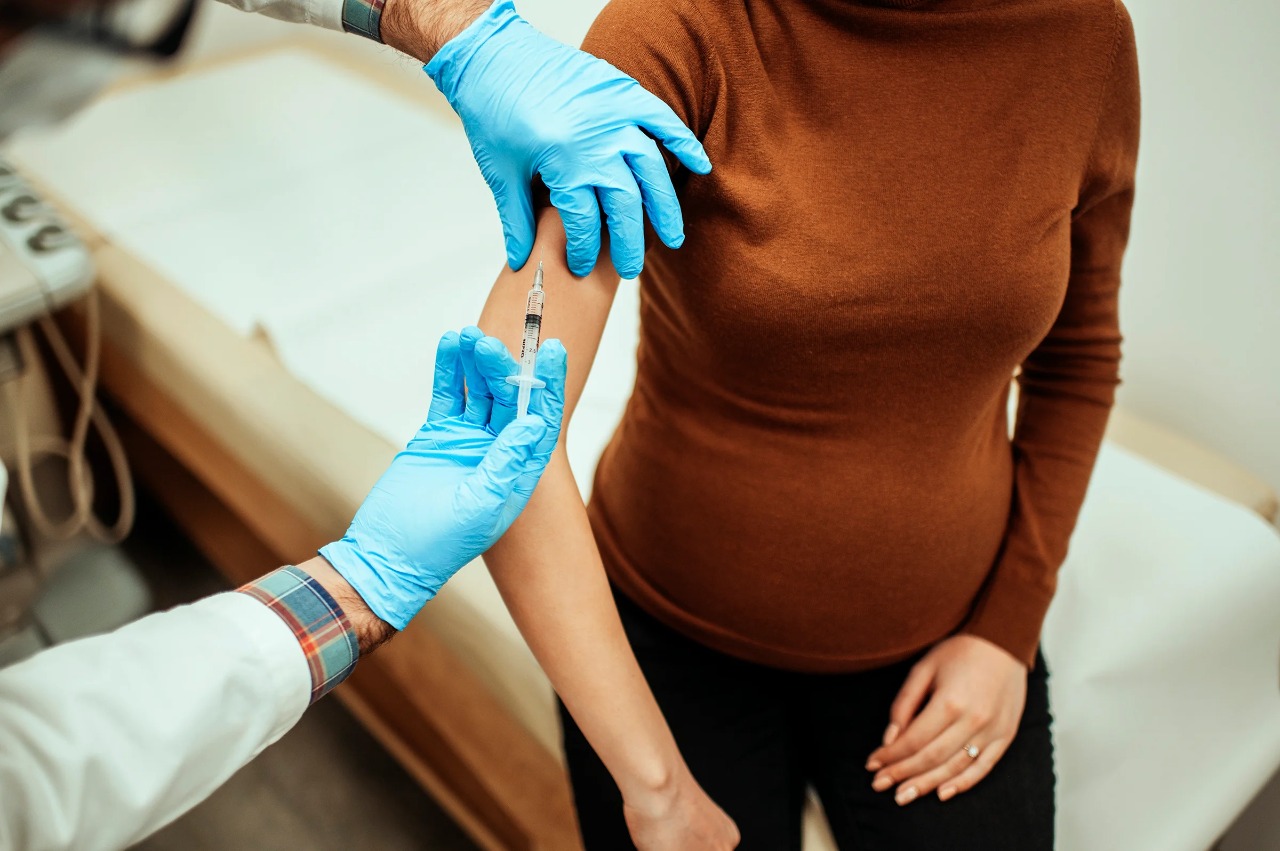
Covid infection could damage foetuses of pregnant women: Study

“Infections with pre-Omicron variants, such as Delta, led to significantly greater damage in the form of vascular events such as blood clots or bleeding than with the Omicron subvariants currently circulating through the population,” noted lead author Patric Kienast, outlining a key finding of the study.

The researchers attribute the varying extent of damage to the placenta caused by different virus strains to the fact that Omicron sub-lineages are less likely than their predecessors to result in severe cases, and to higher vaccination rates as the pandemic has progressed, the study said.

“In any case, our results showed that the two non-vaccinated study participants developed placental abnormalities following infection with SARS-CoV-2 Omicron, compared with just one out of six of the women who had received three doses of the vaccine,” confirmed senior author Gregor Kasprian.

Oxygen, nutrients and metabolic products are exchanged between mother and child in the placenta. Attached to the uterine wall, this organ forms such a strong barrier against the coronavirus that only 3 per cent or fewer of foetuses whose mothers test positive for SARS-CoV-2 are also infected, the study said.

But as the study shows, the placenta itself is not spared from complications caused by Covid-19. Subsequently, some unborn babies experience stunted growth or bleeding in the brain, the study said.

“This is why the placentas of pregnant women who have been infected with SARS-CoV-2 should be examined as soon as possible after testing positive using prenatal imaging techniques,” advised Daniela Prayer from Medical University of Vienna, citing the importance of scanning, particularly in the case of possible future coronavirus variants with mechanisms similar to Delta, for example.

By doing so, there is a chance to take measures to safeguard the health of the foetus in a worst case scenario, the study said.

Read more at-https://bit.ly/3XAOtZF
Categories
COVID-19 Government Guidelines Medical Updates Medicine & Health

Long Covid symptoms fading for mild coronavirus infections, says new study

Long covid is defined as symptoms persisting or new symptoms appearing more than four weeks after initial infection. A new study reveals that most Long Covid symptoms that developed after a mild coronavirus infection lingered for several months but returned to normal within a year.

The effects of long Covid tend to resolve within a year of mild infection, with vaccinated people at lower risk of breathing difficulties compared with unvaccinated people, according to a study.

Researchers examined the health records of almost 2 million people in Israel who tested for Covid-19 over a 19-month period. Over 70 long Covid conditions were analyzed within a group of infected and matched uninfected members. They also compared conditions in vaccinated versus unvaccinated people.

Their study published in the BMJ medical journal found most symptoms that developed after a mild infection lingered for several months, but returned to normal within a year.

“The long Covid phenomenon has been feared and discussed since the beginning of the pandemic,” the researchers wrote. “This nationwide dataset of patients with mild Covid-19 suggests that mild disease does not lead to serious or chronic long term morbidity.”

Previous studies have indicated that vaccination tends to lead to milder cases of Covid infection and long Covid.

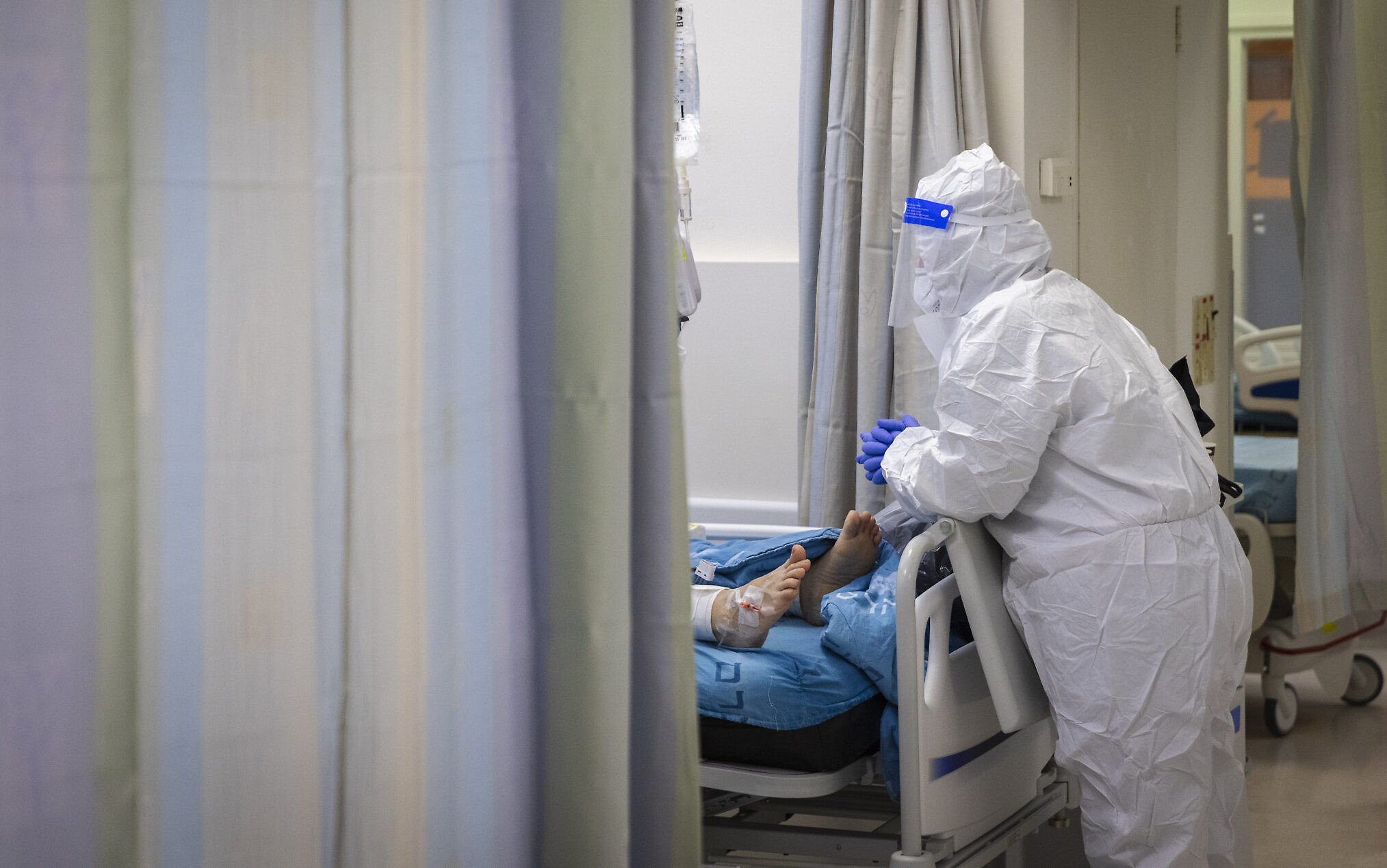
Long Covid symptoms fading for mild coronavirus infections

Long covid is defined as symptoms persisting or new symptoms appearing more than four weeks after initial infection. An estimated 1.5 million people in the UK, or 2.4% of the population, were suffering from long Covid symptoms in March. These include fatigue, shortness of breath, loss of smell, loss of taste and difficulty concentrating.

Some of the limitations of the study include incomplete measurement within the medical records, meaning the data might not fully reflect diagnoses and outcomes reported, according to the researchers.

“The general message that symptoms improve over time is encouraging,” said Peter Openshaw, professor of experimental medicine at Imperial College London, who was not part of the research team. “The study adds to the evidence that outcomes are improved by vaccination, even if vaccines don’t prevent viral transmission very well.”

Read more at-https://bit.ly/3k4LycJ

Categories
Government Guidelines Medical Updates Medicine & Health Techniques

MHIL to provide up to Rs 300 crore funds to Max Hospitals and Allied Services

Synopsis

Further, the company said its board has also approved the issuance of sponsor’s undertaking to the lending bank or financial institutions to Dr Balabhai Nanavati Hospital (BNH) to affirm that it would continue to hold 100 per cent in stake in Max Hospitals and Allied Services Ltd (MHASL) and meet the shortfall arising due to cost and time overruns for the project.

Max Healthcare Institute Ltd on Thursday said its board has approved providing funding of up to Rs 300 crore to its wholly-owned arm Max Hospitals and Allied Services Ltd to partly finance the cost of Phase-I expansion of bed capacity at Dr Balabhai Nanavati Hospital, Mumbai. The company’s board, at its meeting held on Thursday, approved the funding by way of loan or deposit or investment in its securities up to Rs 300 crore, Max Healthcare Institute Ltd (MHIL) said in a regulatory filing.

Further, the company said its board has also approved the issuance of sponsor’s undertaking to the lending bank or financial institutions to Dr Balabhai Nanavati Hospital (BNH) to affirm that it would continue to hold 100 per cent in stake in Max Hospitals and Allied Services Ltd (MHASL) and meet the shortfall arising due to cost and time overruns for the project.

Under the Phase-I expansion plan, 329 beds will be added at BNH, taking the total bed capacity to 660 beds. It is expected to be completed in 2025, the filing added.

On the raltionale behind the step , MHIL said BNH  has been experience high occcupancy and increase in patient footfalls.

MHIL to provide up to Rs 300 crore funds to Max Hospitals and Allied Services

“Give the growing demand for quality healthcare due to increased penetration  of insurance, preponderance of lifestyle disease, aging population and rise in affordability, it is necessary to invest in expansion of the bed capacity at BNH, in order to cater to expected increase in demand for healthcare services. “the filing said.

Meanwhile, the company said the allotment of land parcel of 6.11 acres at Sector 53 Gurugram has been cancelled by Haryana Shehri Vikas Pradhikaran (HSVP) on the grounds that a part of the land measuring 2.58 acre has not been transferred to it by the builder in compliance with license conditions.

The facts came to light on December 14, 2022 during disposal of the writ petition filed by the company at Punjab and Haryana High Court against HSVP for issuing directions to execute and register the conveyance deed, MHIL said, adding, it is taking appropriate legal advice on the matter.

Read more at-https://bit.ly/3YwJPN1
Categories
COVID-19 Government Guidelines Medical Equipments Medical Updates Medicine & Health

Omicron: 7 important tips to prevent Covid infection in winter season

It is important for people to protect themselves from seasonal flu and the possible new immune strains of the Omicron variant of SARS-CoV-2. Here are some tips to follow.

Covid-19 pandemic is far from over and one needs to be especially cautious in winters as it’s the season of viral infections including influenza and Covid. Amid pandemic turning less aggressive and people dropping guards, scientists and infectious disease specialists warn that Covid appropriate measures should continue. WHO Director-General Tedros Adhanom Ghebreyesus said: “Gaps in testing … and vaccination are continuing to create the perfect conditions for a new variant of concern to emerge that could cause significant mortality.” Omicron, the highly contagious variant of Covid, has more than 500 sublineages that is evolving fast. It is important to get tested when one has flu-like symptoms and wear masks in crowded areas. Regular hand-washing should not be ignored and it is important to keep good ventilation in offices, restaurants and other public areas.

Omicron: 7 important tips to prevent Covid infection in winter season

“Covid 19 is a virus and we have been getting viral during the winters. It is important for people to protect themselves from seasonal flu and the possible new immune strains of the Omicron variant of SARS-CoV-2. It’s essential to safeguard yourself from the cold weather and stay healthy throughout the season. Though it seems difficult, there are several ways to keep the commonly suffering ailments away from your family,” says Dr Rajesh Chawla, Senior Consultant Pulmonology and Critical Care, Indraprastha Apollo Hospitals, New Delhi.

Sticking to the basic rules to prevent Covid spread, people should continue to follow measures to keep the deadly infection at bay. Children, elderly and those will chronic illnesses especially should be cautious.

Here are 7 tips to prevent Covid infection this winter season by Dr Chawla:

• Know the symptoms: The flu and COVID-19 are caused by different viruses, but they are both infectious respiratory diseases, spread by droplets and aerosols when infected people cough, sneeze, speak, sing, breathe, etc. They have similar symptoms, including cough, runny nose, sore throat, fever, headache and fatigue. People may have varying levels of illness with both the flu and COVID-19. Because symptoms are similar, it is important to take a test, so that treatment can begin quickly, if needed.

• Cover coughs and sneeze: Following a good respiratory hygiene is extremely important. It is important to cover the mouth and nose with a bent elbow or tissue when one coughs or sneezes.

• Get vaccinated: It is essential to get vaccine. Elderly and those with underlying conditions like high blood pressure, lung and heart disease, diabetes, obesity or cancer must get them vaccinated. The more fully vaccinated people there are, the better protected they are as well.

• Wear a mask: Masks help stop people from spreading the virus or being infected when droplets containing the virus are inhaled or come directly into contact with the eyes, nose or mouth

• Keep physical distancing: It is important for all viral infections which can spread from an infected person’s mouth or nose in small liquid particles when they cough, sneeze, speak, sing or breathe. Understanding, the situation, it is advisable to Keep a physical distance of at least 1 metre from other people

• Keep hands clean: People may pick up a virus by touching surfaces that have been contaminated, then touching your eyes, nose or mouth with those hands. Cleaning hands frequently eliminates germs that may be on the hands, including viruses.

• Meet outside or increase ventilation: All these viral infections including COVID-19 is more easily transmitted in crowded and poorly ventilated spaces and where people spend long periods of time together. Settings with increased risk of outbreaks include restaurants, offices and places of worship. Hence, it is advisable to go outside, whenever possible

“There is an increased risk of both the flu and COVID-19 circulating over the next few months. For a safer winter, it is important to understand the symptoms and who is at risk, get vaccinated, take steps to protect, and stay safe,” concludes Dr Chawla.

Read more at-https://bit.ly/3XZrXub

Categories
Medical Updates Medicine & Health

Telangana Gets Ayushman Bharat PM-JAY: 1.3 Crore People Eligible For Health Benefits

Telangana government on Monday tied up with the National Health Authority (NHA) to implement Ayushman Bharat Pradhan Mantri Jan Arogya Yojana (AB PM-JAY) in the state. Telangana already has a state health insurance scheme called ‘Aarogyasri’ which has now been converged as the Ayushman Bharat PM-JAY Aarogyasri. With this Centre-state merger, as many as 26 lakh beneficiary families (around 1.3 cr. individuals) as per SECC, 2011 data will be eligible to avail services under the scheme in Telangana.

“We are happy to onboard the State of Telangana for the rollout of AB PM-JAY in the State. The beneficiaries from the State are now eligible to avail free healthcare services pan India through our network of more than 22,000 hospitals. This is not only going to benefit the eligible families in the state but will also enable the delivery of healthcare services to PM-JAY beneficiaries from other States/UTs living in Telangana,” said Dr RS Sharma, CEO, NHA at the launch event.

“The providers’ base has also increased. Our call center has started getting calls from the eligible population in the State. We are committed to taking the benefit of the scheme to all eligible beneficiaries,” he added.

The launch of the scheme in Telangana is a significant milestone in the country’s journey towards Ayushman Bharat. The NHA along with the State Health Agency in Telangana will undertake necessary action to ensure that all eligible beneficiaries are provided free healthcare services under the converged scheme.

The Ayushman Bharat PM-JAY has been rolled out across 33 states and UTs, with Telangana being the latest on the list. Beneficiaries of the scheme are entitled to avail free healthcare coverage of up to Rs 5 lakhs per family per year for secondary and tertiary care hospitalization.

Health services can be availed in any of the 22,000 empanelled public and private hospitals across the country through the scheme’s portability feature with the help of PM-JAY e-cards issued to the beneficiaries.

Categories
COVID-19 Medical Updates

Over 50,000 Ayushman Bharat Health and Wellness Centres established, Maximum in Maharashtra

Announcing that more than 50,000 Ayushman Bharat Health and Wellness Centres (AB HWCs) have been established in the country, Union Health Minister, Dr. Harsh Vardhan plans to meet the target of making 1.5 lakh AB-HWCs operational by December 2022. The break up of AB HWCs showed that maximum numbers of such centers have been functional in Maharashtra with a total of 6381 including 4117 SHC,1825 PHC, and 439 UPHC followed by Uttar Pradesh, Gujarat, Madhya Pradesh, and others.

A recent release by the Government in this regard stated, “India has crossed a landmark milestone on the journey of universal healthcare. More than 50,000 (50,025) Ayushman Bharat – Health and Wellness Centres (AB-HWCs) are now operational across the country. Aiming at providing Comprehensive Primary Health Care (CPHC) services to the communities closer to their homes, 1.5 lakh AB-HWCs are to be established by December 2022. With more than 50,000 having been established, 1/3 of the target has been met. This has led to improved access to affordable primary healthcare services for more than 25 crore people.”

Dr. Harsh Vardhan, Union Minister of Health & Family Welfare congratulated the States/UTs for their efforts in operationalizing the HWCs despite the challenges posed by the COVID-19 pandemic. “This has been possible due to the joint efforts of the Center and the States/UTs in planning, monitoring at all levels, standardization of processes, the flexibility for adaptation provided to the States/UTs, and building on the health systems created thus far”, he stated. The HFM specially thanked the frontline health workers, the Medical Officers, the Community Health Officers, and ASHAs for their dedication to the cause of providing Comprehensive Primary Health Care services and for supporting millions of people with necessary services in these difficult times. “They are the backbone of the healthcare delivery system. Their contribution during the COVID period has been exemplary”, he said. HWCs have helped in interventions such as risk communication, contact tracing, community surveillance and early identification of cases, and seamless provisioning of non-COVID essential health services for ensuring the protection of vulnerable groups, such as the newborn, elderly, and those with co-morbidities.

Ayushman Bharat was launched in 2018 with its twin pillars of Health & Wellness Centers (HWCs) and Pradhan Mantri Jan Arogya Yojana (PMJAY) with bidirectional linkages between the two for providing the full range of services across the continuum of care. The first AB-HWC was launched by Hon. Prime Minister Shri Narendra Modi on the 14th of April 2018 at Jhangla in Bijapur District of Chhattisgarh.

source:https://medicaldialogues.in/ayush/ayurveda/news/pg-ayurveda-will-soon-be-allowed-to-practice-general-surgery-ent-orthopedics-and-dentistry-71691?infinitescroll=1