Categories
COVID-19 Medical Equipments Medicine & Health

PM Modi lauds record 1 crore vaccination doses in single day

Earlier today, the ministry of health and family welfare said the cumulative vaccination coverage of India crossed the 61 crore landmark on Thursday.

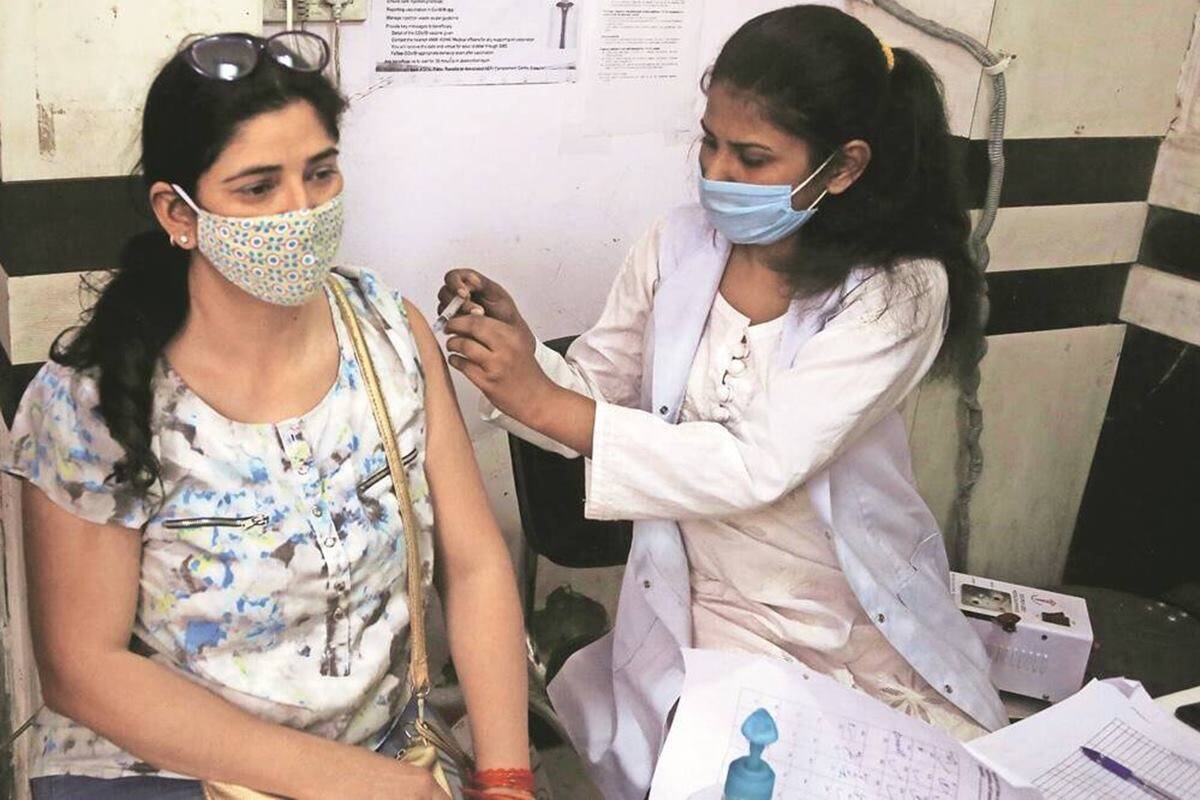
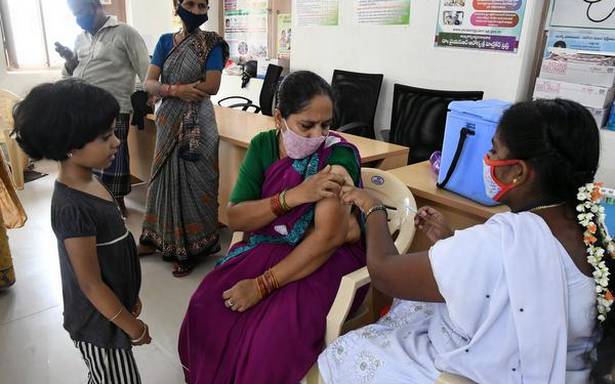
India on Friday administered a record 1 crore vaccine doses against coronavirus disease (Covid-19), the ministry of health and family welfare announced. Prime Minister Narendra Modi lauded the record vaccination numbers, saying it is a momentous feat.

“Record vaccination numbers today! Crossing 1 crore is a momentous feat. Kudos to those getting vaccinated and those making the vaccination drive a success,” PM Modi tweeted.

Earlier in the day, Union health minister Mansukh Mandaviya had said that India administered 90 lakh vaccine doses, adding that the number was expected to increase.

“Congratulations to the citizens as India today administers historic 90 lakh #COVID19 vaccines until now – and still counting!” tweeted Mandaviya.

After Mandaviya’s tweet, the ministry of health and family welfare said in a separate statement that India administered more than 93 lakh doses under its nationwide vaccination drive.

“This is the highest ever vaccination achieved in a single day since the start of our vaccination drive,” the ministry said.

As per the latest provisional report, India’s Covid-19 vaccination coverage has now surpassed the cumulative figure of 62 crores.

Over 83 lakh healthcare workers and more than 1.29 crore frontline workers have been fully vaccinated, according to government data. In the age group of 18-44, over 2.45 crore individuals have been fully vaccinated while about 23.72 crore individuals have received at least one dose of the Covid-19 vaccine.

“The Union Government is committed to accelerating the pace and expanding the scope of Covid-19 vaccination throughout the country,” the health ministry had said in a statement.

India has been reporting less than 50,000 daily new infections for 61 consecutive days now. The health ministry data shows the active caseload currently stands around 3.44 lakh.

India has so far conducted over 51.49 crore cumulative tests and the last 24 hours witnessed a total of 18,24,931 tests being conducted across the country.

https://www.hindustantimes.com/
Categories
COVID-19 Medical Updates Medicine & Health

Govt’s e-Sanjeevani initiative Completes 1 Crore Consultations

The Union Ministry of Health & Family Welfare’s (MoHFW) National Telemedicine Service eSanjeevani has conducted over 1 crore teleconsultations across the country. “That eSanjeevani has been quickly adopted by patients, doctors, and specialists across the country is evident from the fact that it has shown astounding growth of over 1000% in the last 10 months. The National Telemedicine Service which was used for 160,807 teleconsultations in the month of September in 2020 enabled 1,650,822 teleconsultations in the month of July 2021,” MoHFW said in a statement.

It is noteworthy, MoHFW emphasized, that “even when the Internet penetration in the country is below 50%, this innovative digital health initiative of the Union Health Ministry has been able to defeat the tyranny of geography, distance, and time and establish itself as a parallel stream of healthcare services delivery.” eSanjeevani has also alleviated numerous challenges typically linked with healthcare delivery, such as higher costs and fatigue pertaining to seeking an in-person consultation with a doctor besides controlling the ongoing pandemic that had burdened the country’s healthcare infrastructure like never before, it added.

The health ministry had conceptualized the use of telemedicine to aid the implementation of Ayushman Bharat – the world’s largest government-owned health insurance scheme in and Family Welfare, in 2018. Accordingly, eSanjeevani, the flagship telemedicine technology of the government developed by the Mohali branch of the Centre for Development of Advanced Computing (C-DAC) was customized and eSanjeevaniAB-HWC was rolled out in 2019 as a doctor-to-doctor telemedicine platform. After the Covid-19 pandemic touched Indian shores, and all the OPDs in the country were closed because of the national lockdown, the ministry in sync with the release of Telemedicine Practice Guidelines by the government in March 2020 conceptualized another version of eSanjeevani for patient-to-doctor telemedicine. Accordingly, owing to the coordination between MoHFW and the eSanjeevani team in C-DAC Mohali, eSanjeevaniOPD was developed and deployed rapidly across the country. On 13 April 2020, eSanjeevaniOPD was launched to facilitate the provision of health services for patients in the confines of their homes.

Categories
COVID-19 Medicine & Health

QubeHealth to launch interest-free, pre-approved healthcare credit card

QubeHealth, a health tech company focused on mitigating Out-of-Pocket-Expenditure (OoPE), has partnered with OboPay, a global mobile payment solutions company, to launch a 0% interest, collateral-free, pre-approved healthcare credit card for employed Indians and their families.

Chris George, CEO & co-founder of QubeHealth, says, “Employee-Healthcare is now centre-stage conversation for companies across India and HR teams have wanted to provide a comprehensive solution to their team’s families as they navigate their way through the pandemic. By facilitating emergency healthcare funds on tap, at no cost of capital, employees will now have the flexibility to make better healthcare choices and augment any company-paid health insurance.”

According to the statement by the health tech firm, “QubeHealth-Loans Card is a pre-approved ‘interest-free’ credit facility, available to any employed Indian to pay for any healthcare expenses for themselves and their family members across 11,000 hospitals, clinics, pharmacies and other health service providers in India. This covers OPD & IPD expenses, elective procedures (dental, eye, cosmetic, assisted pregnancy & more), as well as pharmacy and any expense not covered in standard health insurance provided by employers.”

India has one of the highest OoPE on healthcare in the world. It stood at $45 billion in 2015-2016, according to the National Health Account Estimates for India, 2018.

OoPE accounts for over 60% of India’s entire healthcare expenditure, with 7 out of 10 Indians not being covered under any health insurance or those with insurance being under-covered.

Powered by a physical and a digital, app-based card, registered users, employees of QubeHealth’s corporate clients, can draw as much money as they need, to instantly pay for any medical emergencies or regular healthcare payments. It is as simple as swiping your credit card, except this is interest-free and the user can pay in equal instalments for up to 24 months.

The product has been rolled out to a select group of 150 large companies employing over 1,50,000 people in India, as part of their employee health benefits program and is activated across 735 towns/cities, as per the statement.

Shailendra Naidu, CEO, OboPay, says, “Our platform enables users to have simple and easy to use interfaces with all the added benefits of speed, safety and security while transacting online and offline. With our technology and market understanding, we are participating in QubeHealth’s vision of providing on-tap access to funds especially during medical emergencies.”

Built on OboPay’s global payment processing capabilities, both companies are focused on providing a friction-free experience to the healthcare spender and are aiming to onboard 100,000 users within the next 6 months, with an average credit line of 6 lakh per user.

source: https://www.livemint.com/

Categories
COVID-19 Medical Updates Medicine & Health

IBM provides health facilities to 3 states to fight potential third wave

Technology firm IBM India has provided healthcare facilities like pediatric ICU beds and oxygen concentrators to Karnataka, Haryana and Uttarakhand which would help them tackle a potential third wave of COVID-19, according to senior company official.

The healthcare facilities have been provided as part of IBM India’s corporate social responsibility (CSR) initiative in partnership with the Nasscom Foundation.

Speaking to PTI, IBM India and South Asia Head-CSR Manoj Balachandran said, “While a lot of relief like oxygen cylinders was coming in to address the immediate short term need, we decided to work on mid to long term requirements with the state governments.”

In Karnataka, pediatric ICU beds were provided thinking that children could be a potential risk if there is a third wave as they are not vaccinated, he said.

“All that we are doing now is obviously trying to be prepared for the third wave, hoping against hope that the third wave is not going to be as severe as the earlier one,” he said.

Right now, the focus has been on these three states. But things might change if a third wave hits, as the company will then re-evaluate and look at other states for extending relief, he added.

According to IBM, 45 pediatric ICU beds have been provided to CV Raman General Hospital and Sevashram Hospital in Bengaluru.

The Nasscom Foundation has partnered with Rashtrotthana Parishad to get this high-end equipment installed.

In Uttarakhand, the company has deployed 122 oxygen concentrators and 125 flow meters in Cantonment General Hospital in Dehradun.

In Haryana, it has deployed an oxygen generation plant of 200 LPM (litre per minute) capacity at Faridabad District Hospital and Community Health Centre.

Besides, the company has provided nine ICU beds, four regular hospital beds, five high-flow nasal canula and 191 flow meters to the Faridabad District Hospital and Community Health Centre, he added.

“These current efforts should help in the third wave also,” Balachandran said, adding that reasonable capacity has been created in some of these hospitals to handle the likely third wave.

However, the company is keeping its eyes and ears open to meet the possible demand that may come from hospitals if a third wave hits, he added.

Nasscom Foundation CEO Nidhi Bhasin said, “The whole tech industry responded very fast. It was very overwhelming the way everybody responded, including IBM, during the second wave of the pandemic.”

The focus was on building infrastructure and creating awareness about vaccination. Companies like IBM should come forward and support these kinds of initiatives, she added.

Apart from this initiative being implemented along with Nasscom Foundation, Balachandran said IBM India is engaged in implementing CSR works in areas like education.

source: https://www.business-standard.com/

Categories
COVID-19 Medical Updates

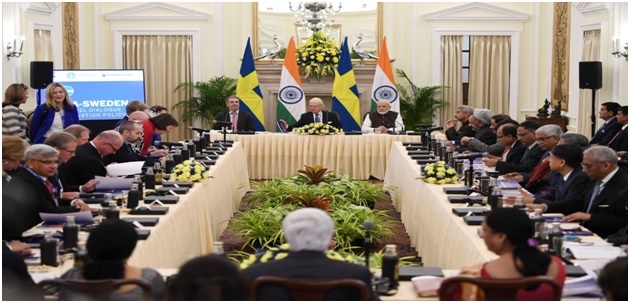
India-Sweden Healthcare Innovation Centre calls for covid management solutions

India-Sweden Healthcare Innovation Centre, a collaboration between the Swedish Trade Commissioner’s Office and All India Institute of Medical Sciences (AIIMS) Delhi and Jodhpur, on Monday virtually launched the second edition of the healthcare innovation challenge, calling for applications.

The innovation challenge is an opportunity for startups to collaborate with partners on Innovation Centre platform to help solve some of the problems plaguing India’s healthcare delivery landscape. This year’s healthcare innovation challenge focuses on solutions within covid management and solutions for awareness and treatment of cardiovascular, renal, neuro, cancer and lung diseases.

“Frugal innovation to develop cost-effective and efficient ways of healthcare delivery is the key need for Indian healthcare market. Innovators developing these solutions could leverage this platform and avail mentorship and guidance from our institute as well as the partners of the center to develop solutions that would benefit our country,” said Dr Randeep Guleria, director, AIIMS Delhi.

The last date for submitting applications 10 October 2021. All applications will undergo a rigorous evaluation process by a panel of experts such as AIIMS Delhi, AIIMS Jodhpur, ICMR, AstraZeneca, NASSCOM, CCamp, AIM, Invest India and various funding entities.

“Healthcare systems in India are undergoing a rapid transformation post the pandemic. Early screening and awareness tools, wearable tracking devices, remote monitoring solutions and digital tools are critical in creating a more strong and sustainable healthcare system in India. Innovators in these areas can avail the incubation facility, expert mentorship and validate the solutions at our campus through India-Sweden Healthcare innovation centre to further enhance their products and scale-up of solutions,” Dr Sanjeev Misra, Director, AIIMS Jodhpur said.

Shortlisted startups will collaborate with India-Sweden Healthcare Innovation Centre to enable faster scale up, cross-country mentorship, access to state-of-the-art incubation centre located within AIIMS Jodhpur and NASSCOM Bangalore campus, lab facilities, guidance on funding, and the ability to ideate with like-minded innovators from across India and beyond.

The first edition of the healthcare innovation challenge had seen an overwhelming response of 450+ applications from innovators and startups last year. Post a rigorous evaluation process by a panel of doctors, venture capitalists and industry leaders, 14 compelling solutions submitted by innovators were selected.

The Innovation Centre is built under strategic guidance from the Union health ministry, the Indian Council of Medical Research, Sweden’s health ministry and the embassy of Sweden in India. It also has a strong network of ecosystem partners – Atal Innovation Mission, Invest India, Startup India, CCamp, Bangalore Bio-innovation Centre, Vision Zero Cancer, and knowledge partners – AstraZeneca and NASSCOM.

source: https://www.livemint.com/

Categories
Medical Updates Medicine & Health

75th Independence Day: 5 ways to free your mind from stress

The nation will be celebrating its 75th Independence Day tomorrow, August 15, 2021. On this day, we got freedom from British rule in India and it is a day of immense significance for us. Freedom is the power or right to do what you want without anyone stopping you, as per Oxford dictionary. When this power is snatched from us due to some reason, we feel trapped or stressed. Difficult situations in life that seem out of control may make us feel that way.

Coronavirus pandemic has made stress a constant in our lives. Freeing your mind from stress is a choice that one must make every day irrespective of the situation. If there is any resolution you should take on 75th Independence Day, it must be to say no to stress or free your mind from it.

1. Prioritise right

Over the time, if stress keeps getting accumulated, it plays havoc with our health. It’s better to nip it in the bud. Do things that are urgent and leave those that are not so important and burdening you unnecessarily. Prioritising right can take away a lot of stress that is the need of the hour.

“A lot of time we neglect our stress till the time it starts affecting us. We should address it when it is at a preventive stage. The first strategy to deal with it is to avoid stress that is not important for you,” says Dr. Arushi Malik, Counselling Psychologist, Kaleidoscope – a unit of Dr. Bakshi’s Healthcare.

2. Set your boundaries

Sometimes we think avoiding or saying no is a bad thing. But to take care and manage your stress, it is important to say no when it gets too much. “Human mind has this capability that it adapts to the situation around. One must try to overcome the thing that is stressing you out in a healthy manner. Acknowledge stress in its early stages and try to work around it,” advises Dr. Malik.

She also adds that in pandemic times, there are some things that are under our control and those that are not. “It’s important to accept the way certain things are and adapt to them accordingly,” she adds.

3. Seek help

Most importantly, do not shy away in connecting with others and seeking help. If the stress is getting unmanageable and seeping into other domains of life and impacting relationships with others, it is okay to talk about it. One must not isolate self and instead of virtual world, connect with the real world, according to Dr. Malik.

4. Do activities to soothe your mind

A lot of times it happens that stress makes you very fidgety and you are not able to focus on the task at hand.

It happens because our brain imagines the worst-case scenario. We get very jumpy and don’t focus on the moment.

Doing activities that get your composure back can be very helpful. “Doing zentangle is a fun way to draw patterns and the process is quite soothing to mind. Mandala books or colouring books for adults are also becoming popular and are very effective in soothing your mind and managing your stress,” says Dr. Malik.

These activities allow us to focus on the present moment and realise that things are not that stressful and can be managed.

5. Eating healthy and doing physical activities

Good nutrition and intake of balanced diet is important for mental health. Green leafy vegetables, fresh and seasonal fruits, nuts & legumes are rich in vitamins, anti-oxidants and other essential nutrients that help in repairing body cells and protect our brain. Brisk walking or any sort of physical activity help in alleviating symptoms of anxiety, depression, social withdrawal etc.

So this Independence Day, let’s take a resolve to kick out stress from our life and breathe.

source: https://www.hindustantimes.com/
Categories
COVID-19 Medical Updates Medicine & Health

In 6 months since launch of drive: Vaccine coverage crosses 50 cr doses

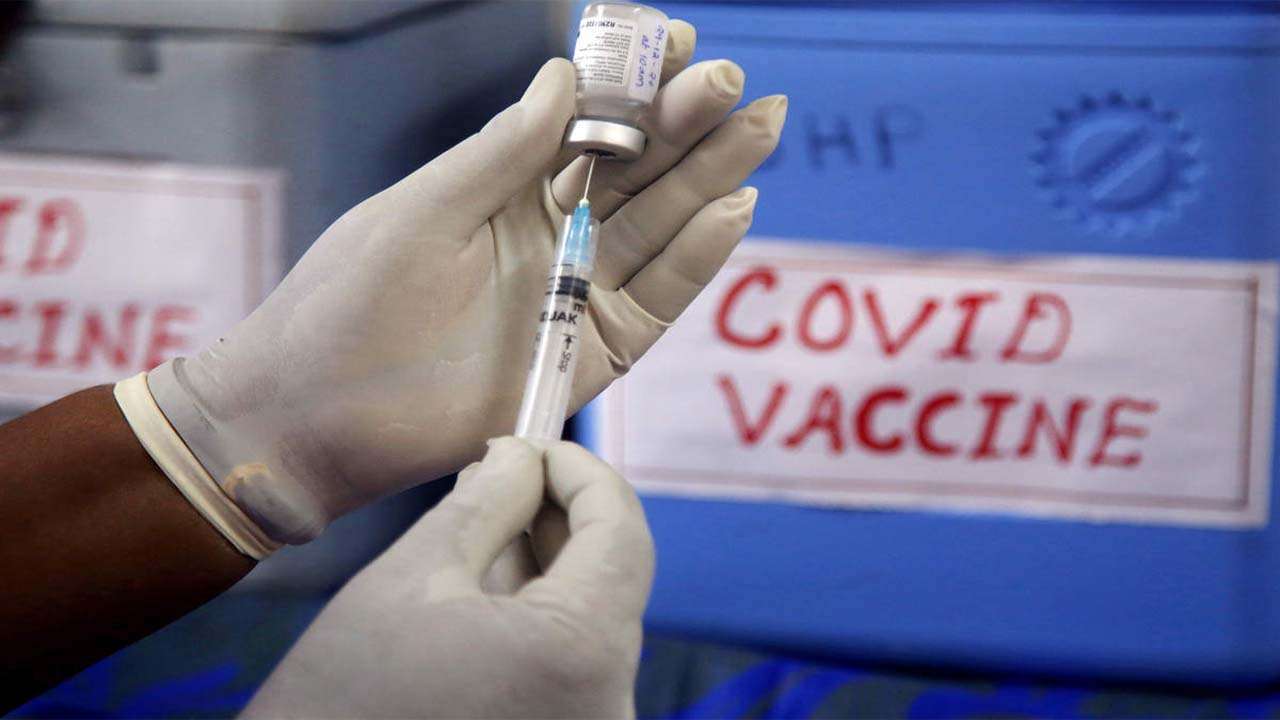
Just over six months after it launched the Covid-19 vaccination drive, India on Friday completed administering a cumulative 50 crore doses.

According to the Union Health Ministry, cumulative vaccination coverage of the country touched 50.03 crore doses, after 43.29 lakh doses were administered on Friday.

“India’s fight against Covid-19 receives a strong impetus. Vaccination numbers cross the 50 crore mark. We hope to build on these numbers and ensure our citizens are vaccinated under #SabkoVaccineMuftVaccine movement,” Prime Minister Narendra Modi tweeted.

On January 16, India launched the vaccination drive prioritising healthcare and frontline workers. As of Friday, 1.03 crore healthcare workers had received their first dose, and 79.51 lakh had received both doses. Also, 1.8 crore frontline workers had received their first dose, and 1.16 crore their second dose.

On March 1, the Centre opened up vaccination for the most vulnerable groups: people above the age of 60 years, and those above 45 years with associated comorbidities. Amid the second wave, on April 1, India rolled out a new phase, making every person above the age of 45 years eligible for a shot.

According to official data, in the 60-plus age group, 7.8 crore have got the first dose and 3.8 crore the second dose. In the 45-plus age group, 11.07 crore have got the first dose and 4.19 crore the second dose.

On May 1, India expanded its vaccination coverage to include everyone aged 18 years and above; but the 18-44 age group could get vaccinated from only 50 per cent of the doses available in the open market and procured by state governments and private hospitals. On June 21, India returned to centralised procurement of vaccines, after several states faced difficulties in procuring and managing funding of vaccines.

According to the official data, 17.23 crore beneficiaries in the 18-44 years group have received their first dose, and 1.12 crore have got their second dose. Significantly, for the 18-44 years age group, which constitutes the largest cohort, five states have administered more than 1 crore doses: Uttar Pradesh, Maharashtra, Gujarat, Rajasthan and Madhya Pradesh.

The following states have vaccinated more than 10 lakh beneficiaries of the 18-44 years group with the first dose: Andhra Pradesh, Assam, Chhattisgarh, Delhi, Haryana, Jharkhand, Kerala, Telangana, Himachal Pradesh, Odisha, Punjab, Uttarakhand and West Bengal.

On Friday, the Health Ministry said that 43,29,673 vaccine doses were given till 7 pm. “As many as 32,10,613 beneficiaries were vaccinated for 1st dose and 11,19,060 beneficiaries received 2nd dose of vaccine as per the provisional report till 7 pm. Final reports would be completed for the day by late tonight,” the ministry said.

source: https://indianexpress.com/

Categories
Medical Updates Medicine & Health

Delhi approves policy for providing incentives to pvt sector to set up oxygen plants

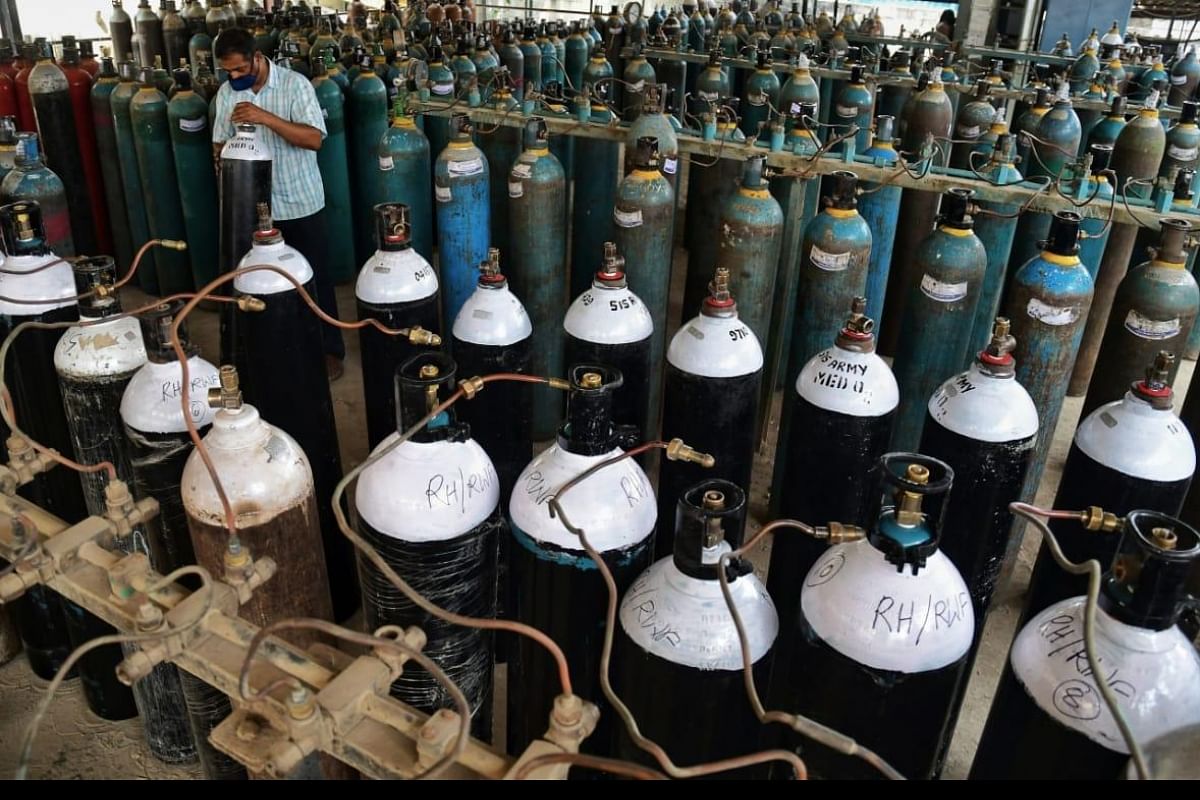
Delhi battled an acute shortage of oxygen in April and May as hospitals in the capital sent out SOS calls to authorities to replenish their dwindling stocks. Several private healthcare facilities even requested the government to move out their patients.

Stepping up preparation for a possible third wave, Delhi Chief Minister Arvind Kejriwal on Tuesday approved a policy for providing incentives to the private sector to set up oxygen production plants and storage facilities to help improve the availability of the life-saving gas in the capital.

“Approved Medical Oxy Prodn Promotion Policy. It provides several incentives to pvt sector to set up oxy prodn plants, invest in Oxy tankers n set up oxy storage facilities. This will help improving oxy availability in Del which became a huge bottleneck in handling last Covid wave (sic),” Kejriwal tweeted.

Delhi battled an acute shortage of oxygen in April and May as hospitals in the capital sent out SOS calls to authorities to replenish their dwindling stocks. Several private healthcare facilities even requested the government to move out their patients.

On April 23, around 21 critically ill COVID-19 patients had died at Jaipur Golden Hospital in northwest Delhi due to an oxygen shortage.

Batra Hospital in Tughlakabad Institutional Area lost eight lives due to an oxygen shortage on May 1.

To prevent a repeat of the oxygen crisis, the city government is in the process of installing oxygen generation plants and increasing hospital beds to accommodate 37,000 cases a day in case of a third wave.

According to officials, around 10 Pressure Swing Adsorption (PSA) oxygen generation plants with a total capacity of 148.11 metric tonnes are being installed at various government and private hospitals in the city.

While 66 plants are being installed in Delhi government hospitals, 10 are being set up in central government hospitals and 84 in private healthcare facilities.

The city government is also creating LMO storage facilities and has floated a tender to procure 15 cryogenic tankers having a total carrying capacity of 225 tonnes.

source: https://health.economictimes.indiatimes.com/

Categories
Medicine & Health

This is India’s first city to achieve 100% Covid-19 vaccination

BMC is running 55 vaccination centres, which includes 30 primary health and community centres, 15 mobilised centres and more than ten drive-in vaccination centres across Bhubaneswar.

Scoring a new milestone, Bhubaneswar has become the first city to achieve 100 per cent COVID-19 vaccination, informed Anshuman Rath, Bhubaneswar Municipal Corporation (BMC) Zonal Deputy Commissioner of South-East, Bhubaneswar.

BMC had launched a massive vaccination drive against Covid-19.

Speaking to ANI, Anshuman Rath said, “We had set a target to complete vaccination in a specific timeline. BMC has a record of around nine lakh people who are above 18 years of age in the city. Which includes around 31 thousand healthcare workers, 33 thousand front-line workers. 5 lakh 17 thousand people are in the age group of 18 to 44 years. 3 lakh 25 thousand people are above 45 years of age. We had set a benchmark for these categories to complete their vaccination in the specific timeline by July 31.”

Rath further added, “As per the report, we have already vaccinated 18 lakh 16 thousand people in the city. Only a few people were not being able to take first does due to various reasons. There is a migrating population, who is working in their office in Bhubaneswar and getting the first jab of Covaxin.”

Talking about the vaccination of pregnant women, Rath said, “Pregnant women are getting their first dose at vaccination centres. BMC is running 55 vaccination centres, which includes 30 primary health and community centres, 15 mobilised centres and more than ten drive-in vaccination centres across Bhubaneswar. I thank the people of Bhubaneswar for supporting BMC in achieving the target for the Covid-19 vaccination. All the micro-planning was given by the BMC due to which Bhubaneswar has become the city which has covered 100 per cent Covid-19 vaccination.”

source: https://www.livemint.com/