Categories
COVID-19 Medical Equipments Medical Updates

Preventing conjunctivitis: 7 simple exercises to ward off eye flu and keep your eyes healthy

Eye flu or conjunctivitis can also be prevented by following certain measures from taking a nutritious diet to doing eye exercises.

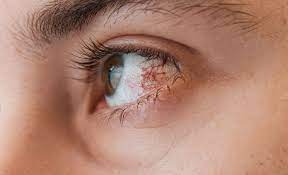
Conjunctivitis cases are spreading exponentially across various parts of the country especially in areas which have witnessed heavy rains, flooding and waterlogging. Keeping the ongoing monsoon season and the high humidity levels in mind that are leading to rise in bacterial and viral infections, it’s imperative to take care of your eye health. Acute viral conjunctivitis is on rise these days which can spread quite easily as it can survive on surfaces for quite a long time. To prevent its spread, it’s important to wash your hands frequently and avoid touching your eyes when in a public place. One should try to maintain social distance and be careful while travelling in public transport. Redness, itchiness, stickiness and pain in eyes should not be ignored as these can be signs of conjunctivitis or pink eye.

Eye flu or conjunctivitis can also be prevented by following certain measures from taking a nutritious diet to doing eye exercises. There are certain exercises that help control inflammation in the eyes and prepare them for fighting infections.

“As the monsoon season arrives, it not only brings a sense of relief from the scorching heat, but also ushers in a host of infections and diseases. The combination of humid weather and stagnant water becomes a breeding ground for various illnesses, posing a significant threat to our health. Among the common monsoon-related ailments, eye flu, or conjunctivitis, emerges as a frequent concern,” says Dr Anurag Wahi, Senior Consultant, Sharp Sight Eye Hospitals in an interview with HT Digital.

“Eye flu, also known as conjunctivitis, is a contagious eye infection that can cause discomfort and inconvenience. In addition to maintaining good hygiene practices, recent studies suggest that regular exercise can significantly contribute to preventing eye flu and promoting better eye health. Engaging in specific exercises helps improve blood circulation, reduce inflammation, and enhance tear production, making our eyes more resistant to infections,” adds Dr Wahi.

Let’s check out some simple yet effective exercises to keep your eyes healthy and flu-free.
Preventing conjunctivitis: 7 simple exercises to ward off eye flu and keep your eyes healthy

1. Brisk walking

Brisk walking is an accessible and low-impact exercise that stimulates blood flow throughout the body, including the eyes. Aim for at least 30 minutes of walking daily to improve overall circulation and eye health.

2. Cycling

Cycling is a great cardiovascular exercise that increases oxygen supply to the eyes. Regular cycling can help maintain eye health and prevent eye flu.

3. Aerobics

Engaging in aerobic exercises, such as jumping jacks and dancing, boosts heart rate and promotes tear production. Tears help protect the eyes from potential contaminants, reducing the risk of eye infections.

Simple yet effective exercises to keep your eyes healthy and flu-free.(Twitter/Central American Art)

4. Eye rolling

Eye rolling is a simple exercise to reduce eye strain and enhance eye lubrication. Sit comfortably and slowly roll your eyes in a circular motion five times clockwise and five times counterclockwise.

5. Blinking rapidly

Blink rapidly for about 20 seconds at regular intervals. Rapid blinking spreads natural tears over the eye’s surface, keeping them moisturized and less susceptible to infections.

6. Focus shifting

Focus on an object near you for a few seconds, then shift your focus to something far away. Repeat this exercise several times to improve eye flexibility and reduce strain.

7. Palming

Rub your palms together until they become warm, then gently place them over your closed eyes. Palming relieves eye fatigue, relaxes eye muscles, and provides a soothing effect.

“Preventing eye flu goes beyond practicing good hygiene; incorporating regular exercise into your routine can significantly contribute to better eye health. These simple exercises promote blood circulation, reduce inflammation, and enhance tear production, making your eyes more resilient to infections. Alongside exercise, remember to wash hands frequently, avoid touching your eyes unnecessarily, and maintain overall eye care,” concludes Dr Wahi.

Read more at –https://shorturl.at/mvVX7
Categories
COVID-19 Government Guidelines Medical Equipments Medical Updates Medicine & Health Techniques

Covid infection could damage foetuses of pregnant women: Study

Foetuses and placentas of pregnant women, especially those infected with COVID-19 at earlier points in the pandemic, were found to bear a greater risk of experiencing growth impairment or vascular lesions in organs and brain, according to a new research.

Foetuses and placentas of pregnant women, especially those infected with COVID-19 at earlier points in the pandemic, were found to bear a greater risk of experiencing growth impairment or vascular lesions in organs and brain, according to a new research.

According to the research, results demonstrate that the different strains of the virus that emerged during the pandemic led to varying degrees of damage, which was especially higher by those involving pre-Omicron variants. The detected placental lesions could potentially harm both development and health in some of the affected unborn children, the study said.

Using prenatal magnetic resonance imaging, a group of Medical University of Vienna, Austria, researchers examined the placentas and foetuses of women who tested positive for SARS-CoV-2 during pregnancy, the study said.

The research was published in the journal The Lancet Regional Health – Europe. While such damage occurs more infrequently and is less severe with the currently circulating Omicron sub-lineages, the study authors still advocate early detection measures for pregnant women who test positive for coronavirus.

Contrary to previous studies, in which SARS-CoV-2-related abnormalities were only identified postnatally and/or through histopathological procedures, the research team focused on prenatal imaging findings, the study said.

Using prenatal magnetic resonance imaging (MRI), 76 scans of placentas and foetuses of pregnant women were performed in the study: 38 following a confirmed SARS-CoV-2 infection (pre-Omicron or Omicron variants) and 38 in healthy control cases, the study said.

The study found that the placentas in both the pre-Omicron and the Omicron groups revealed abnormalities.

Covid infection could damage foetuses of pregnant women: Study

“Infections with pre-Omicron variants, such as Delta, led to significantly greater damage in the form of vascular events such as blood clots or bleeding than with the Omicron subvariants currently circulating through the population,” noted lead author Patric Kienast, outlining a key finding of the study.

The researchers attribute the varying extent of damage to the placenta caused by different virus strains to the fact that Omicron sub-lineages are less likely than their predecessors to result in severe cases, and to higher vaccination rates as the pandemic has progressed, the study said.

“In any case, our results showed that the two non-vaccinated study participants developed placental abnormalities following infection with SARS-CoV-2 Omicron, compared with just one out of six of the women who had received three doses of the vaccine,” confirmed senior author Gregor Kasprian.

Oxygen, nutrients and metabolic products are exchanged between mother and child in the placenta. Attached to the uterine wall, this organ forms such a strong barrier against the coronavirus that only 3 per cent or fewer of foetuses whose mothers test positive for SARS-CoV-2 are also infected, the study said.

But as the study shows, the placenta itself is not spared from complications caused by Covid-19. Subsequently, some unborn babies experience stunted growth or bleeding in the brain, the study said.

“This is why the placentas of pregnant women who have been infected with SARS-CoV-2 should be examined as soon as possible after testing positive using prenatal imaging techniques,” advised Daniela Prayer from Medical University of Vienna, citing the importance of scanning, particularly in the case of possible future coronavirus variants with mechanisms similar to Delta, for example.

By doing so, there is a chance to take measures to safeguard the health of the foetus in a worst case scenario, the study said.

Read more at-https://bit.ly/3XAOtZF

Categories
Medicine & Health

A guide to new-age parenting

Most parents believe that the way to raise their children is to raise them the way they were raised.

Most parents believe that the way to raise their children is to raise them the way they were raised. After all, most parents have “done well” in life and so should their children adhering to the same school of parenting. I say “doing well” as we in India we are very particular about “doing well”.

The old school needs tweaking as times have changed and changing at an unprecedented pace. A generational shift in terms of what is acceptable and what is the norm is not 20 or 10 anymore it is 5 years now. I see this everyday, when I interact with a 10 year old and her or his sibling who is 5 years younger. This poses a big challenge as parents need to adopt, adapt and be open to change.

A guide to new-age parenting

New age parenting requires parents to embrace new parenting styles. While the fundamentals in terms of instilling virtues that are important like humility, honesty, compassion, forgiveness, gratitude among others remain unchanged, the approach on how to get through to children needs recalibration.

How does one communicate with children who don’t want to hear, forget listen. One can do that by having a meaningful two way communication with the child driving the conversation – the topic, the duration, the frequency, the flow, and when to end. The conversation has to be devoid of sermonising, comparisons and in “my experience”. It would be good to remember what Charles Wadsworth has said.

“By the time a man realizes that maybe his father was right, he usually has a son who thinks he’s wrong”.

While such a conversation can take place with an older child, it is important to realise that young children are remarkably perceptive. Their eyes closely observe, their ears intensely listen and their minds keenly process what their environment has to offer. These experiences at a young age can have a lifelong impression.

A guide to new-age parenting

Parents should not forget what Jim Hansen had said “They (your children) don’t remember what you try to teach them. They remember what you are”.

While conventional parenting expects children to show deference, accept without protest what a parent wants and not engage in a debate or an argument, that today is an unrealistic expectation. Children have access to a lot of information and will accept only what meets with their knowledge of the subject and not just because it is expected. Children will respect their parents but that respect needs to be earned. It can no longer be taken for granted. I know, you must wonder, what am I saying. Look around with an open mind and you might agree.

A strong bond needs to be formed with children at a young age and then as the child goes older, the relationship needs to evolve into a deep friendship. A child will always need someone they can turn to, who will love her or him unconditionally and won’t be judgemental. Who can be better than a parent at that.

Some dos and don’ts:

1. Making Mistakes and Accepting Flaws

• No parent is perfect, so parents shouldn’t expect their children to be perfect.

• Every mistake is a lesson; parents and children must learn together.

• Parents need to avoid being judgemental as that can destroy a parent–child relationship.

2. Be a Dreamer

• Parents need to encourage children to dream.

• Parents should help fulfil the dreams of our children to the greatest extent possible.

• Just because a child wants to do something different, he or she should not be discouraged.

• Parents must not kill our child’s dream.

• Parents should not expect their children to fulfil their (parents’) dreams.

3. Handling Pressure

• Children face a lot of pressure to perform anyway. Parents should not add to that pressure.

• Parents should handle pressure better themselves and serve as role models.

• Some amount of pressure is inevitable, so we need to help our children learn to feed off it.

4. Forgive and forget

Unless children see their parents forget and forgive, and that too frequently, they will find it very hard to even try to walk down the path of forgiveness.

5. Be the Change

• If parents themselves do not want to change, they should not expect any change in their children.

• If children see their parents change, they will want to do the same.

Read More At-https://bit.ly/3tzyn5a

Categories
COVID-19 Medical Updates

PM to launch ₹64k-cr health infra scheme from Varanasi today

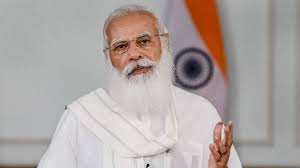
Prime Minister Narendra Modi on Monday will launch the Pradhan Mantri Atmanirbhar Swasth Bharat Yojana (PMASBY), worth 64,180 crores, to strengthen the health care infrastructure across the country.

According to a statement by the press information bureau, the Prime Minister will inaugurate the project from his parliamentary constituency Varanasi, during a visit to poll-bound Uttar Pradesh. Besides this, he will also inaugurate nine new medical colleges at Siddharth Nagar, the bureau added.

“Prime Minister Narendra Modi will visit Uttar Pradesh on 25th October, 2021… at around 1.15 in Varanasi, the Prime Minister will launch PMASBY. It will be one of the largest pan-India schemes for strengthening healthcare infrastructure across the country. It will be in addition to the National Health Mission,” a note by the press information bureau said on Sunday.

“Modi will also inaugurate various development projects worth more than 5,200 crore for Varanasi,” it added.

The PMASBY scheme with an outlay of around 64,180 crore over six years (till financial year 2025-26) was announced by the Centre during the Budget session in February this year. This scheme will be in addition to the National Health Mission, the statement said.

The scheme focuses on developing capacities of health systems and institutions across the continuum of care at all levels — primary, secondary and tertiary — and on preparing health care systems for responding effectively to the current and future pandemics, and disasters, it added.

Under the scheme, government support will be provided to 17,788 rural health and wellness centres in 10 high-focus states. At least 11,024 urban health and wellness centres will be set up.

Besides these, critical care services will be available in districts having more than 500,000 population, through exclusive critical care hospital blocks, while the remaining districts will be covered through referral services.

“Under PMASBY, a National Institution for One Health, 4 New National Institutes for Virology, a Regional Research Platform for WHO South East Asia Region, 9 Biosafety Level III laboratories, 5 New Regional National Centre for Disease Control will be set up. PMASBY targets to build an IT enabled disease surveillance system by developing a network of surveillance laboratories at block, district, regional and national levels, in Metropolitan areas. Integrated Health Information Portal will be expanded to all States/UTs to connect all public health labs,” the statement said.

Experts believe it is time to strengthen the medical infrastructure at the ground level.

“In a country like India whatever efforts we make to improve the health care system, it will still be less because of the population; and inaccessibility and affordability is also an issue… This underutilised infrastructure in the pvt sector can be utilised either through Ayushman Bharat or any other schemes…,” said Dr. MC Misra, former director, AIIMS, Delhi.

source: https://www.hindustantimes.com/

Categories
COVID-19 Medical Updates Medicine & Health

IBM provides health facilities to 3 states to fight potential third wave

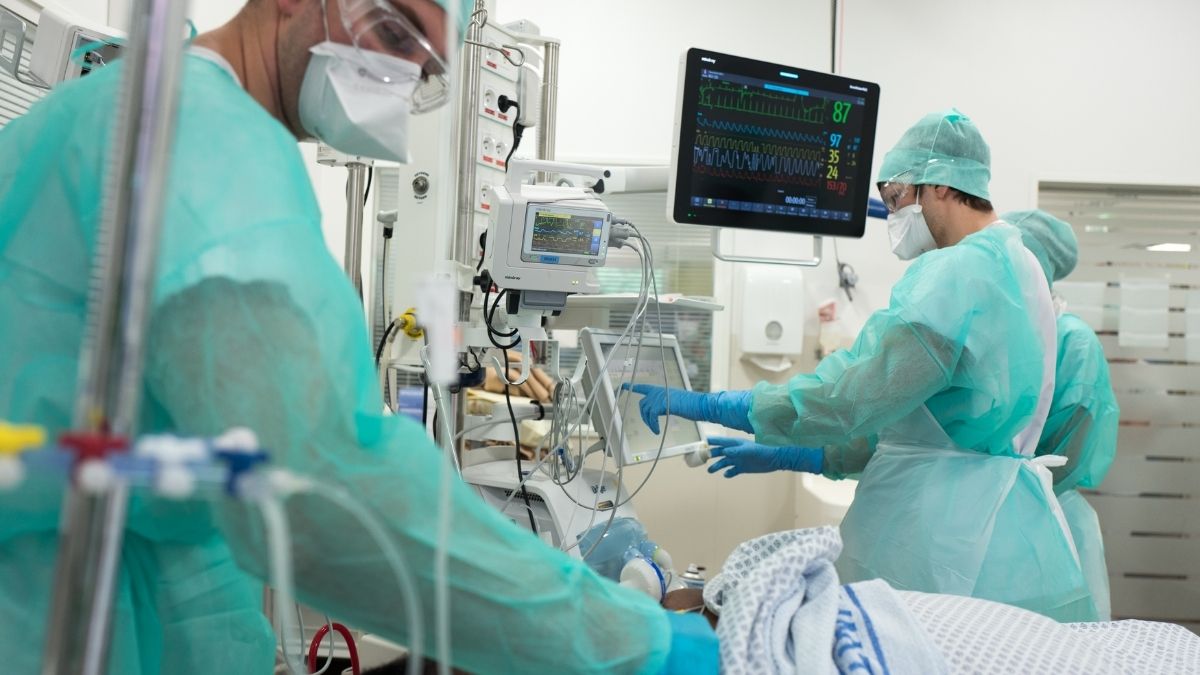
Technology firm IBM India has provided healthcare facilities like pediatric ICU beds and oxygen concentrators to Karnataka, Haryana and Uttarakhand which would help them tackle a potential third wave of COVID-19, according to senior company official.

The healthcare facilities have been provided as part of IBM India’s corporate social responsibility (CSR) initiative in partnership with the Nasscom Foundation.

Speaking to PTI, IBM India and South Asia Head-CSR Manoj Balachandran said, “While a lot of relief like oxygen cylinders was coming in to address the immediate short term need, we decided to work on mid to long term requirements with the state governments.”

In Karnataka, pediatric ICU beds were provided thinking that children could be a potential risk if there is a third wave as they are not vaccinated, he said.

“All that we are doing now is obviously trying to be prepared for the third wave, hoping against hope that the third wave is not going to be as severe as the earlier one,” he said.

Right now, the focus has been on these three states. But things might change if a third wave hits, as the company will then re-evaluate and look at other states for extending relief, he added.

According to IBM, 45 pediatric ICU beds have been provided to CV Raman General Hospital and Sevashram Hospital in Bengaluru.

The Nasscom Foundation has partnered with Rashtrotthana Parishad to get this high-end equipment installed.

In Uttarakhand, the company has deployed 122 oxygen concentrators and 125 flow meters in Cantonment General Hospital in Dehradun.

In Haryana, it has deployed an oxygen generation plant of 200 LPM (litre per minute) capacity at Faridabad District Hospital and Community Health Centre.

Besides, the company has provided nine ICU beds, four regular hospital beds, five high-flow nasal canula and 191 flow meters to the Faridabad District Hospital and Community Health Centre, he added.

“These current efforts should help in the third wave also,” Balachandran said, adding that reasonable capacity has been created in some of these hospitals to handle the likely third wave.

However, the company is keeping its eyes and ears open to meet the possible demand that may come from hospitals if a third wave hits, he added.

Nasscom Foundation CEO Nidhi Bhasin said, “The whole tech industry responded very fast. It was very overwhelming the way everybody responded, including IBM, during the second wave of the pandemic.”

The focus was on building infrastructure and creating awareness about vaccination. Companies like IBM should come forward and support these kinds of initiatives, she added.

Apart from this initiative being implemented along with Nasscom Foundation, Balachandran said IBM India is engaged in implementing CSR works in areas like education.

source: https://www.business-standard.com/

Categories
Uncategorized

From PM Modi’s ‘One Earth, One Health’ mantra to G7 global Covid vaccine pledge: 10 points

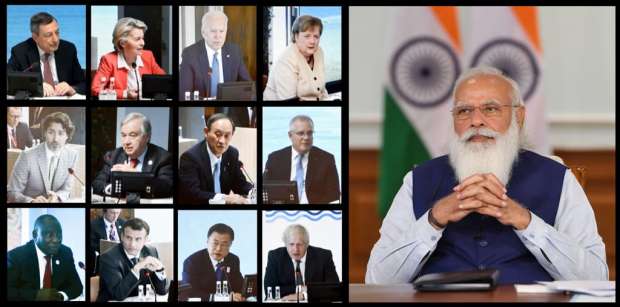
The Group of Seven (G7), comprising the United Kingdom (UK), Canada, France, Germany, Italy, Japan and the United States (US), met on Saturday to discuss priority areas, amid a pandemic that has ravaged economies and pushed healthcare to an edge across the world.

Of all, the health crisis owing to the ongoing coronavirus pandemic dominated the G7 summit as Prime Minister Narendra Modi called for a “One Earth, One Health” approach,  Canadian PM Justin Trudeau emphasized the need to build a consensus on “how to work with China” and the G7 announced its global Covid vaccine plan.

During the G7 summit, the “Carbis Bay Declaration” was also adopted which will see the world’s leading democracies commit to a series of measures that are designed to quash future pandemics within the crucial period of the first 100 days.

But some campaigners did not invite the G7 global vaccine plan to vaccinate the poorer countries. They say it “lacked” ambition, was “too slow” and showed the G7 leaders were not yet on top of tackling the worst public health crisis.

1) PM Narendra Modi called for global unity, leadership, and solidarity to prevent future pandemics and sought the support of the G7 grouping to lift patent protections for Covid-19 vaccines. PM Modi called for adopting a “one earth, one health” approach to effectively deal with the coronavirus pandemic globally. “The prime minister committed India’s support for collective endeavors to improve global health governance. He sought the G7’s support for the proposal moved at the WTO by India and South Africa for a TRIPS (Trade-Related Aspects of Intellectual Property Rights) waiver on Covid related technologies,” the statement said.

2)  UN Secretary-General Antonio Guterres has extended support to India and South Africa’s initiative at the WTO to waive intellectual property protection for Covid-19 vaccines and products, though he cautioned that “technology transfer” must be backed up by “technical support”.

3)  The US and Australia have backed the initiative by India and South Africa at the WTO, seen as a breakthrough in the global fight against the deadly pandemic, raising hopes of expanding the supply of vaccines at affordable rates for developing/underdeveloped nations.

4) Britain will set up a new animal vaccine development centre that will aim to stop viruses jumping into the human population, to prevent future pandemics, as part of a landmark global health declaration to be agreed by G7 world leaders at Carbis Bay in Cornwall on Saturday. The move comes amid growing demand for a more thorough investigation into the origin of the virus that causes Covid-19 infections. 

5) British Prime Minister Boris Johnson, the summit’s host, has said the group would pledge at least 1 billion doses, with half that number coming from the United States and 100 million from Britain over the next year.

6)  The head of the World Health Organisation has welcomed the vaccine-sharing announcements coming out of the Group of Seven summit but says “we need more, and we need them faster.”

7)  Canadian Prime Minister Justin Trudeau led a G7 discussion of China on Saturday and called on leaders to come up with a unified approach to the challenges posed by the People’s Republic, a source told Reuters. G7 leaders reached broad alignment on building a concerted approach to China.

8) Hundreds of environmental protesters took to the Cornish seaside in a bid to draw the attention of world leaders and the international media outlets that have descended on southwest England for the G7 summit. Some protesters paddled out to sea, while others sunbathed on the beach wearing masks of leaders’ faces.

9) Meanwhile, G7 leaders will commit on Sunday to increasing their climate finance contributions to meet an overdue spending pledge of $100 billion a year to help poorer countries cut carbon emissions and cope with global warming.

10) G7 leaders are also expected to set out action to cut carbon emissions, including measures such as ending almost all direct government support for the fossil fuel energy sector overseas and phasing out petrol and diesel cars.

Categories
Medical Updates

PM wants NGOs, volunteers to help health sector

This was conveyed during a meeting to review the functioning of different empowered groups. The Prime Minister chaired the meeting through video conferencing.

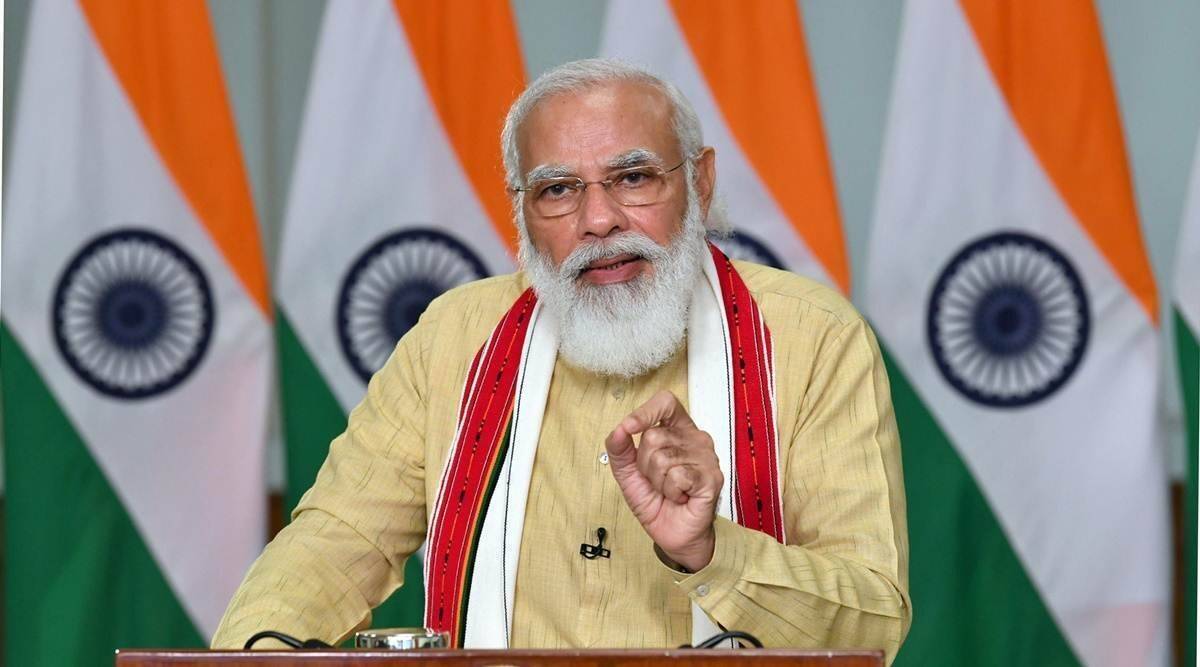
Prime Minister Narendra Modi has asked officials to explore involving civil society volunteers in “non-specialized tasks” to take the pressure off the healthcare sector amid the surge in Covid-19 cases.

This was conveyed during a meeting to review the functioning of different empowered groups. The Prime Minister chaired the meeting through video conferencing.

In a statement, the Prime Minister’s Office said: “PM asked the officials to explore how volunteers from civil society can be utilised to lessen the pressure on healthcare sector by invoking them in non-specialised tasks.”

“It was discussed that NGOs could help to establish and maintain lines of communication between the patients, their dependents & health care personnel,” the statement said.

“Ex Servicemen could be encouraged to handle call centres for communicating with people under home quarantine,” the statement said.

During the meeting, the Empowered Group on coordinating with private sector, NGOs and international organisations, headed by NITI Aayog CEO Amitabh Kant, briefed the Prime Minister “on how the government is working in active partnership with them.

Two other Empowered Groups also briefed the Prime Minister about their activities.

“The Empowered Group on Economic and Welfare measures made a presentation to PM on steps taken such as extension of PM Garib Kalyan Anna Yojana,” the statement said. “It was discussed that portability enabled due to One Nation One Ration Card initiative has helped to benefit more people. Insurance scheme for frontline health workers has been extended for another 6 months.”

“PM directed Central Government should work in close co-ordination with the states to ensure that the poor get the benefits of free food-grain without any issues,” it said.

On April 23, the Centre had announced the restarting of the Pradhan Mantri Garib Kalyan Anna Yojana (PM-GKAY) to provide an additional 5 kg of foodgrains per month free to beneficiaries covered by the National Food Security Act (NFSA), 2013.

The new version of the scheme does not, however, include an important component of last year’s PM-GKAY—1 kg pulses per month free to each household under the NFSA.

The statement further said, “PM also said that steps should be taken to expedite the settlement of pending Insurance claims so that the dependents of the deceased are able to avail of benefits in time.”

“The Empowered Group on issues relating to facilitating supply chain & logistics management gave a presentation on various advisories relating to measures to be taken to contain the pandemic,” the statement said. “PM instructed officials to plan holistically to ensure seamless movement of goods so that supply chain disruptions are avoided,” it added.

Categories
Government Guidelines Medical Updates

Harsh Vardhan launches Integrated Health Information Platform

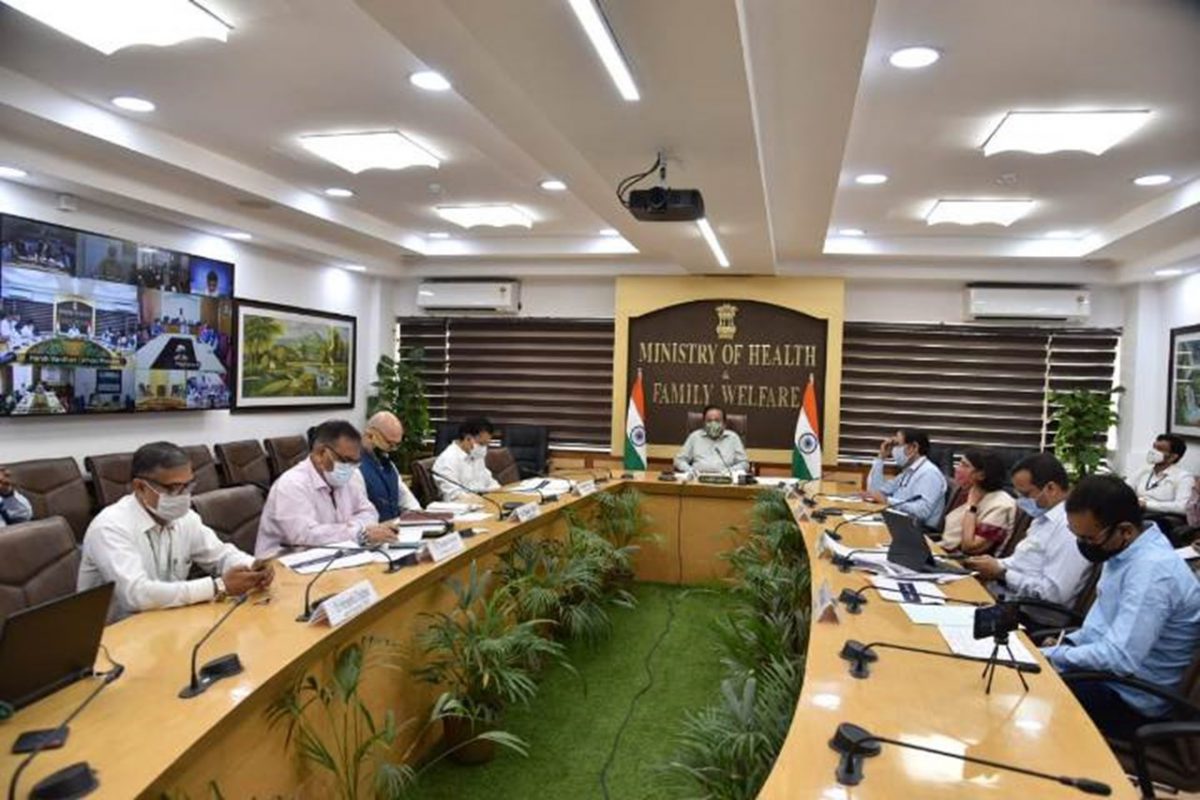
Union Minister of Health and Family Welfare Dr Harsh Vardhan virtually launched the Integrated Health Information Platform (IHIP) here on Monday.

Expressing his enthusiasm at the brave, futuristic, and pertinent amalgamation of healthcare and technology, Dr. Harsh Vardhan stated that “This day shall be written in Golden Letters as a day that marks a milestone in the history of disease surveillance. We have started a new chapter in India’s public health trajectory. India is the first country in the world to adopt such an advanced disease surveillance system.”

He pointed out that the new version of IHIP will house the data entry and management for India’s disease surveillance program.

“In addition to tracking 33 diseases now as compared to the earlier 18 diseases, it shall ensure near-real-time data in digital mode, having done away with the paper-mode of working,” the health minister said.

Terming this as the world’s biggest online disease surveillance platform, he stated that it is in sync with the National Digital Health Mission and fully compatible with the other digital information systems presently being used in India.

The refined IHIP with automated -data will help in a big way in real-time data collection, aggregation & further analysis of data that will aid and enable evidence-based policymaking, Vardhan explained.

The health minister said that IHIP will provide a health information system developed for real-time, case-based information, integrated analytics, advanced visualization capability.

“It will provide analyzed reports on mobile or other electronic devices. In addition, outbreak investigation activities can be initiated and monitored electronically. It can easily be integrated with other ongoing surveillance program while having the feature of addition of special surveillance modules,”.

Dr Harsh Vardhan stated that such an advanced digital platform for scouting the earliest signs of disease spread in the smallest of villages and blocks in the country will immensely help in nipping in the bud any potential outbreak or epidemic. He applauded the hard work and commitment of all the grassroots and frontline healthcare workers who have toiled the whole of last year during the COVID pandemic

Terming this as a ‘historic day’ not only for India for global public health, Dr Roderico Ofrin, WHO Representative to India stated that this refined digital surveillance platform will help to provide and connect data and move towards ‘One Health’ approach.

He mentioned that the portal is a great resource for timely health response measures to be mounted; not only programming but also disease prioritization. He applauded India for this timely development.