Categories
COVID-19 Medical Equipments Medical Updates

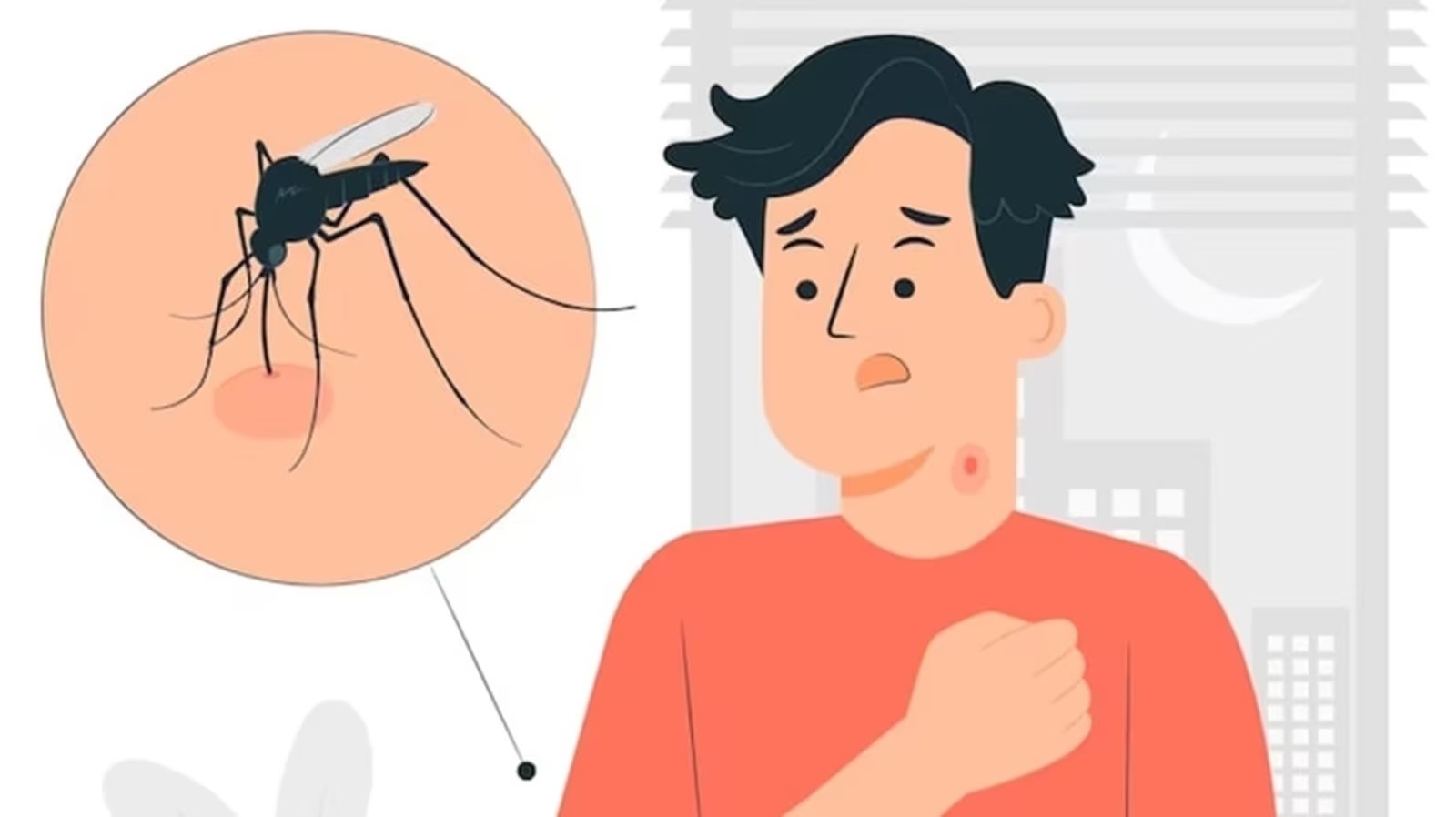
Covid-19 antibodies making dengue more severe, says study; what experts say

As per a new study, Covid-19 antibodies can cross-react with DENV-2 and can worsen dengue infection. Here’re possible reasons why this may be happening.

While the rise in number of dengue cases in India is being attributed to heavy rains and waterlogging in many areas, Covid-19 antibodies may have been adding to the vector-borne disease’s severity, according to a new study. The analysis titled ‘SARS-CoV-2 antibodies cross-react and enhance dengue infection’ has been done at the Translational Health Science and Technology Institute (THSTI) under the central government’s department of biotechnology; the yet-to-be peer-reviewed study has been published in bioRxiv, the preprint server for medical sciences.

“This study is the first to demonstrate that anti-SARS-CoV-2 antibodies can cross-react with DENV-2 (dengue virus 2) and can enhance its infection through antibody- dependent enhancement (the ability of antibodies from a previous infection to help a virus infect greater numbers of cells than it would have on its own),” it said.

Dr Harish Chafle, Extensive experience in Pulmonology and Critical Care, Global Hospitals Parel Mumbai offers insights into the potential link between Covid-19 antibodies and worsening dengue cases.
Covid-19 antibodies making dengue more severe, says study; what experts say

“As we delve into the complex interactions of viral infections, we must consider the possibility of cross-reactivity between Covid-19 antibodies and dengue. The human immune system is a highly intricate network, and sometimes, antibodies produced in response to one virus can influence the body’s response to another. In the case of Covid-19 antibodies and dengue, it’s crucial to investigate if the presence of Covid-19 antibodies may inadvertently enhance the severity of dengue infection. This phenomenon is not entirely unexpected, as such interactions have been observed in other viral co-infections. The key lies in understanding the specific mechanisms at play, and whether these interactions can be harnessed for therapeutic strategies or if precautions should be taken for individuals at risk for both infections. More research is needed to shed light on this intricate relationship and its implications for public health,” says Dr Chafle.

Dr. Aditya S Chowti, Senior consultant, Internal Medicine, Fortis Cunningham, Bengaluru says there are several plausible explanations for how Covid-19 antibodies might exacerbate dengue infection:

1. Antibody-dependent enhancement (ADE) is a possibility where Covid-19 antibodies attach to dengue viruses without neutralizing them, potentially aiding the viruses in entering cells more effectively.

2. Another scenario involves Covid-19 antibodies triggering an exaggerated immune response, causing inflammation and tissue damage, which can intensify dengue symptoms.

3. Covid-19 infection might weaken the immune system, rendering individuals more susceptible to dengue and increasing the likelihood of severe disease.

“Further research is essential to comprehensively comprehend these mechanisms. It is crucial to acknowledge this potential risk, particularly for those who have had Covid-19 in dengue-endemic regions. In the interim, individuals should take steps to safeguard themselves against both Covid-19 and dengue, such as receiving the Covid-19 vaccine and practicing mosquito bite prevention, like using insect repellent and wearing protective clothing when outdoors,” adds Dr Chowti.

Read more at-https://shorturl.at/dfxC0

Categories
Medical Equipments Medical Updates Medicine & Health

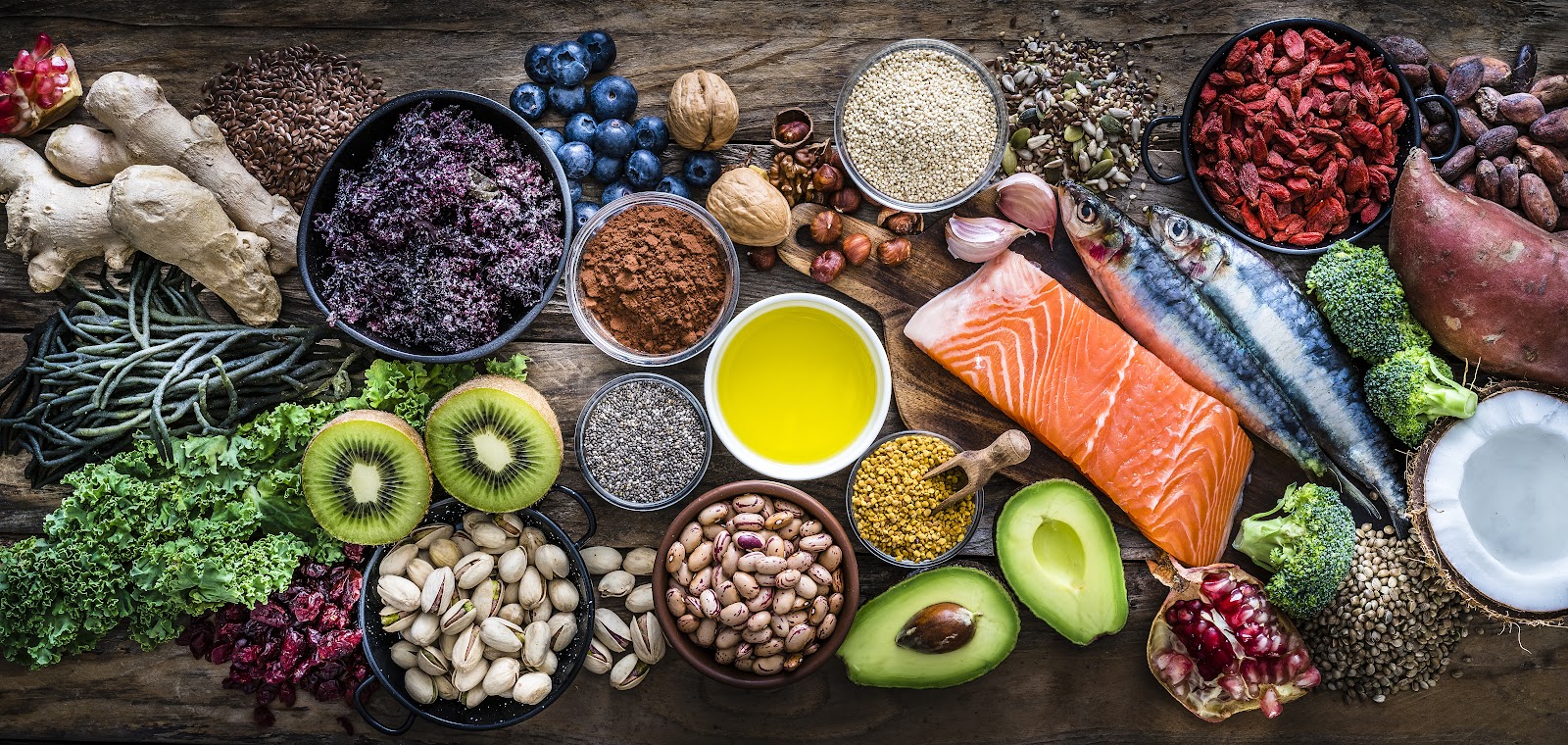
5 nutrients that can help reduce anxiety

  • A good mental health not just requires rest, rejuvenation and de-stressing, but also nutrition. If you are suffering from anxiety, here are nutrients to add.

Your diet can be a secret weapon for mental well-being. Nutrients play a pivotal role in promoting good mental health and reducing anxiety,” says Nutritionist Lovneet Batra in her recent Instagram post.

Vitamin D: Vitamin D has immunomodulatory, neuroprotective, and neurotrophic properties and may affect the brain tissues involved in the pathophysiology of anxiety.

NAC: The anti-inflammatory activity of NAC is protective against chronic inflammation, which is implicated in the pathogenesis of many psychiatric disorders. NAC can influence the balance of a neurotransmitter called glutamate in the brain. Imbalances in glutamate are associated with anxiety disorders, and NAC may help restore this balance.

5 nutrients that can help reduce anxiety

Magnesium: Magnesium is involved in regulating neurotransmitters and the function of the central nervous system. It helps balance the excitatory and inhibitory signals in the brain, potentially reducing anxiety symptoms. Magnesium may stimulate the production of gamma-aminobutyric acid (GABA), a neurotransmitter that has a calming effect on the brain.

Probiotics: Probiotics have the ability to restore normal microbial balance, and therefore have a potential role in the treatment and prevention of anxiety. They can play a key role in mood regulation by helping to reduce inflammation in your body, produce feel-good neurotransmitters, and affect your stress response.

Probiotics: Probiotics have the ability to restore normal microbial balance, and therefore have a potential role in the treatment and prevention of anxiety. They can play a key role in mood regulation by helping to reduce inflammation in your body, produce feel-good neurotransmitters, and affect your stress response.

Read more at-https://shorturl.at/acEI9

Categories
Medical Equipments Medical Updates Medicine & Health

Kidney-friendly diet to lower your creatinine levels, promote overall kidney health

The best way to lower creatinine level is to treat the underlying kidney disease. Here are foods to lower your creatinine levels

Creatinine is a natural waste product produced by muscles during regular wear and tear and it exits the body through urine but in cases of impaired kidney function, it can accumulate in the blood. High creatinine level can be a sign of serious health condition but also be a temporary byproduct of certain lifestyle factors or conditions hence, any treatment or lifestyle changes undertaken for high creatinine levels should be under a guidance of healthcare provider.

In an interview with HT Lifestyle, Dr Atit Dharia, Consultant – Nephrology at Jaslok Hospital and Research Centre in Mumbai, shared, “Creatinine is a muscle breakdown product, formed due to hydrolysis of creatine and phosphocreatine. Creatinine is endogenously produced in the human body and freely filtered by the kidneys. Therefore, serum creatinine concentration is utilized as an indirect measure of ‘kidney function’ and is the commonest biomarker used in estimation of glomerular filtration rate (eGFR)’. A normal level depends on the age, gender, race and body size (muscle mass). High creatinine levels may be a sign of kidney disease.”

Hee explained, “Creatinine levels in the blood can temporarily rise after strenuous exercise and consuming certain medications like trimethoprim and should always be enquired if high serum concentration is noted. If temporary causes of high creatinine concentration are ruled out, then the best way to lower creatinine level is to treat the underlying kidney disease. Along with medications and other treatments, your healthcare provider can suggest certain lifestyle changes including dietary advice which are appropriate for you and can help in naturally lowering your creatinine levels.”

Dr Atit Dharia highlighted, “Creatine, which is a pre-cursor of creatinine is an oral supplement used by athlete and body builders for performance enhancement. Such supplements can increase creatinine level in patients with kidney disease and is best avoided till we have further research. High protein diet, esp. cooked red meat is known to increase creatinine levels. Patients with known kidney ailments in which they are losing protein in their urine, decreasing protein intake in their diet is known to decrease creatinine level and slow the progression of kidney disease. Foods rich in fiber like fruits, vegetables, legumes can help in reducing creatinine levels in people with kidney disease.”

Kidney-friendly diet to lower your creatinine levels, promote overall kidney health

he elaborated, “Over the counters medications like non-steroidal anti-inflammatory drugs (NSAIDs) may harm the kidneys if taken too often or in amounts over the recommended dosage, in particular if there is underlying kidney disease. Cigarette smoking and excessive alcohol consumption are known risk factors for chronic kidney disease. Fluid intake is a very tricky subject in patients with kidney disease. Dehydration can raise creatinine levels. Excessive fluid intake can also be an issue for people with kidney disease. Talk to your doctor about how much water and other fluids you should drink daily.”

Bringing her expertise to the same, Sushma PS, Chief Dietician at Jindal Naturecure Institute, said, “Maintaining good hydration and making dietary adjustments can help lower creatinine levels. Reducing consumption of red meat and fish, along with incorporating a high-fiber diet rich in fruits, vegetables and whole grains, can effectively bring down creatinine levels.”

For individuals with elevated creatinine levels, she recommended the following foods –

  • Fruits: Antioxidant-rich options like cranberries, kiwi, apples and blueberries aid in lowering creatinine levels.
  • Vegetables: Including a variety of vegetables like bitter gourd, eggplant, carrot, cauliflower, red bell pepper, cucumber and onions helps regulate creatinine levels.
  • Spices: Cinnamon, known for its kidney-friendly properties, can be added to the diet to help manage creatinine levels.
  • Nettle Leaf Tea: Consuming 1-2 cups a day can serve as a powerful kidney tonic, potentially improving kidney function and reducing serum creatinine levels.
  • Plant-Based Proteins: Consider substituting some or all of your animal protein sources with plant-based options like beans, lentils, and tofu.

The nutrition expert revealed, “These foods not only provide valuable plant-based protein but are also recommended as part of a kidney-friendly diet to manage creatinine levels and promote overall kidney health. Research has indicated that high-quality protein sources like beans, lentils, and tofu can enhance kidney function and decrease the risk of kidney disease. Additionally, these options are low in potassium, which is crucial for individuals with kidney disease who need to monitor their potassium intake.”

Read more at-https://t.ly/UGVFO

Categories
Medical Equipments Medical Updates Medicine & Health

Things that you need to let go for your personal growth

From letting people’s opinion affect us to being afraid of change, here are a few things that we should let go for our personal growth.

As we grow up, we need to learn a lot of things that are good and healthy for our mental health. Besides learning, unlearning certain things is also important. Knowing what to hold on to and what to let go helps in determining the curve of personal growth that we are working on. When we start to identify things that are holding us back from developing ourselves and becoming a better version, we should learn to let them go slowly but steadily. Sometimes, we hold onto certain teachings, habits and patterns since childhood because of the orientation we received in the family and from past experiences. Personal growth involves understanding what is unhealthy for us and what no longer serves us and letting those things go.

Therapist Israa Nasir addressed this and shared a few things that we need to let go for our personal growth:

Things that you need to let go for your personal growth

Thinking that sacrifice and love are the same: We often mistake sacrifice with love. This happens because of how we have seen the older generation glorify sacrifices. However, these two are extremely different things, and love does not need to be conditional. We should set clear boundaries in love and understand that sacrifice is not always driven by love – it also often leads to resentment.

Letting other people’s opinions guide you: While we all need a little bit of guidance in life, we should know that the perspectives of others have nothing to do with us. How they perceive us is based on their orientation – we should learn to have our own perspectives of ourselves and love ourselves no matter what.

Feeling responsible for other people’s emotions: We always should take ownership of our own mistakes, but we should also identify things that we have no control over and learn to move on from them.

Comparing ourselves to others: Each person has their own set of strengths, weaknesses, boundaries and skills. When we start to compare our progress with that of others, we start to disrespect ourselves more. Instead, we should love and embrace ourselves.

Being afraid of change: Life demands changes with time. We should be able to make changes and adapt to the changing environments with time. That is the only way to move forward.

Read more at-https://t.ly/99B4a

Categories
Medical Equipments Medical Updates Medicine & Health

10 things you can do for your mental health every day

Just as you prioritize physical fitness, it’s crucial to incorporate daily practices to nurture your mental health. Here are 10 daily habits to follow.

Unlike physical, signs of mental health issues are difficult to spot or not visible at first glimpse. However, a sound mental health is crucial for our overall well-being and can contribute greatly in helping us lead a happy, stress-free and disease-free life. While there are some mental health disorders that may be genetic, many others stem from lifestyle factors such as stress, lack of sleep, exercise, sunlight, and self care. One may take immediate measures for physical health conditions like fever, headache and muscle pain, but steps related to mental health are rarely taken. Like brushing teeth, taking a bath, and having a meal, there are things that people should do every day for a sound mental health.

On World Mental Health Day, Dr Jyoti Kapoor, Founder-Director and Senior Psychiatrist, Manasthali shares 10 everyday habits that can boost mental health.

10 things you can do for your mental health every day

TIPS TO BOOST MENTAL HEALTH

Taking care of your mental health is essential for overall well-being. Just as you prioritize physical fitness, it’s crucial to incorporate daily practices to nurture your mental health. Here are ten things you can do every day to promote emotional resilience and mental wellness.

1. Practice mindfulness meditation: Dedicate a few minutes each day to mindful meditation. It can help you stay grounded, reduce stress, and increase self-awareness.

2. Exercise regularly: Engage in physical activity that you enjoy, whether it’s a brisk walk, yoga, or a full workout. Exercise releases endorphins, which boost your mood.

3. Prioritize sleep: Aim for at least 8 hours of quality sleep each night. A well-rested mind is better equipped to handle daily stressors.

4. Connect with loved ones: Foster relationships with family and friends. Spending time with loved ones provides emotional support and strengthens your social connections.

5. Control screen time: Set boundaries on screen time, especially on social media and news consumption. Overexposure to negative information can contribute to anxiety.

6. Practice gratitude: Keep a gratitude journal and write down three things you’re thankful for each day. This practice promotes a positive mindset.

7. Learn something new: Stimulate your mind by acquiring new skills or knowledge. It can boost confidence and keep your brain active.

8. Establish a routine: Create a daily schedule that includes time for work, relaxation, and self-care. A routine provides structure and reduces uncertainty.

9. Express yourself: Find creative outlets like art, writing, or music to express your emotions. It can be therapeutic and help you process feelings.

10. Take Professional help if needed: Don’t hesitate to reach out to a mental health professional if you’re struggling with your mental health. Therapy can provide valuable support and coping strategies.

Read more at-https://shorturl.at/bX347

Categories
Medical Equipments Medical Updates Medicine & Health

Increasing daily steps by 3,000 can reduce blood pressure in older adults

The study explores how 3000 daily steps can help in regulating blood pressure in older adults.

A new study discovered that increasing exercise by 3,000 steps per day can significantly reduce high blood pressure in older persons.

Pescatello worked in Duck-Chun Lee’s lab at Iowa State University with Elizabeth Lefferts, the paper’s primary author, and others.

The findings were published in the Journal of Cardiovascular Development and Disease.

“We’ll all get high blood pressure if we live long enough, at least in this country,” Pescatello said. “That’s how prevalent it is.”

Pescatello is an expert on hypertension (the clinical term for high blood pressure) and exercise. Her previous research has demonstrated that exercise can have a significant immediate and long-lasting impact on lowering blood pressure in hypertensive adults.

This study sought to determine if older adults with hypertension could receive these benefits by moderately increasing their daily walking, which is one of the easiest and most popular forms of physical activity for this population.

It’s easy to do, they don’t need any equipment, they can do it anywhere at almost any time,” Lee said.

The study focused on a group of sedentary older adults between ages 68 and 78 who walked an average of about 4,000 steps per day before the study.

After consulting existing studies, Lee determined that 3,000 steps would be a reasonable goal. This would also put most participants at 7,000 daily steps, in line with the American College of Sports Medicine’s recommendation.

“3,000 steps is large enough but not too challenging to achieve for health benefits,” Lee said.

The team conducted the study during the height of the COVID-19 pandemic, which meant they had to do everything remotely.

The researchers sent participants a kit with pedometers, blood pressure monitors, and step diaries for participants to log how much they were walking each day.

Increasing daily steps by 3,000 can reduce blood pressure in older adults

On average, participants’ systolic and diastolic blood pressure decreased by an average of seven and four points, respectively, after the intervention.

“It’s exciting that a simple lifestyle intervention can be just as effective as structured exercise and some medications,” Lefferts saud.

The findings suggest that the 7,000-step regimen the participants in the study achieved is on-par with reductions seen with anti-hypertensive medications. Eight of the 21 participants were already on anti-hypertensive medications. Those participants still saw improvements in systolic blood pressure from increasing their daily activity.

“In a previous study, we found that when exercise is combined with medication, exercise bolsters the effects of blood pressure medication alone,” Pescatello said. “It just speaks to the value of exercise as anti-hypertensive therapy. It’s not to negate the effects of medication at all, but it’s part of the treatment arsenal.”

The researchers found that walking speed and walking in continuous bouts did not matter as much as simply increasing total steps.

“We saw that the volume of physical activity is what’s really important here, not the intensity,” Pescatello said.

“Using the volume as a target, whatever fits in and whatever works convey health benefits.”

Read more at-https://shorturl.at/ekmF5

Categories
COVID-19 Medical Equipments Medicine & Health

What is Disease X; can this potential threat be deadlier than Covid? Doctor explains

While Covid-19 pandemic is almost over, healthcare professionals are now preparing for a potential new pandemic called Disease X.

The next pandemic could take 50 million lives said Dame Kate Bingham, who chaired the UK’s Vaccine Taskforce saying that it might already be on its way and that Covid-19 was not that lethal. The new pandemic has been dubbed Disease X by World Health Organisation (WHO) and Bingham says it could be 20 times deadlier than Coronavirus. Bingham told Daily Mail, “The world will have to prepare for mass vaccination drives and deliver the doses in record time…Imagine Disease X is as infectious as measles with the fatality rate of Ebola (67 per cent). Somewhere in the world, it’s replicating, and sooner or later, somebody will start feeling sick.”

According to Bingham, while scientists have identified 25 virus families encompassing thousands of individual viruses, there are millions of other viruses yet to be discovered, reported the Daily Mail.

“While Covid-19 and its variants have impact in terms of recurring and familiar health issues, healthcare professionals are now preparing for a potential new pandemic called Disease X. Healthcare experts have issued a caution that this new virus can be as devastating as the Spanish Flu. According to the World Health Organization (WHO), “Disease X refers to pathogen – known/potentially unknown that can cause large scale, serious pandemic leading to mass scale human disease,” says Dr Neha Rastogi, Consultant, infectious disease, Fortis Memorial Research Institute, Gurugram.

What is Disease X?

“Disease X is possibly and plausibly caused by a ‘pathogen X’. It could be related to zoonotic disease likely an RNA virus, emerging from an area where the epidemiological triad – environment host favours sustained transmission. These emerging/re-emerging z pathogens can be labelled as X and they are a threat which mandates intense and ongoing active surveillance and monitoring,” says Dr Rastogi.

What is Disease X; can this potential threat be deadlier than Covid? Doctor explains

There are postulated data about the possibility of syndrome X as an engineered pandemic pathogen. Incidental laboratory accidents or as an act of bioterrorism, might lead to a disastrous Disease X which can be potentially pose global catastrophic risk, says the expert.

Prevention

“Containment and mitigation strategies involve development and implementation of uniform international guidelines to control bioterrorism. Immediate and appropriate travel restrictions including strict airport screening requires to be implemented to contain the spread of pathogen X across borders. It also necessitates collaborative approach of global leaders, scientists, epidemiologists, and infectious disease experts to investigate, control, and eliminate disease X. Widespread and mass testing, surveillance and aggressive contact tracing are potential effective tools to timely contain outbreak like situations,” says Dr Rastogi.

“Concentrated efforts to accelerate the access, rapid availability of immediate medical measures – test kits, vaccines, and first aid required before and during the pandemic. Ongoing continuum of research on preventive aspect – development and process of vaccines needs boost and heightened priorities to abate and combat severe adverse consequences of disease X,” she says.

“A One Health approach which aims at bridging institutional gaps, building and stratifying priority risk and alert pathogens and emphasizing on mitigation strategies for emerging and re-emerging pathogens – potential disease X should be the need of an hour to prevent these global and global catastrophes,” concludes the expert.

Read more at-https://shorturl.at/kntxU

Categories
Medical Equipments Medicine & Health

World Heart Day 2023: Sudden cardiac arrest, heart attack, heart failure; what’s the difference? Cardiologist explains

A cardiologist explains how the three CVD conditions – heart attacks, heart failure and sudden cardiac deaths, differ in condition, symptoms, and treatment.

Heart health has been one of the biggest casualties in the today’s fast-paced routine that leaves little time and space for developing healthy lifestyle habits which can go a long way in preventing onset of chronic diseases. Rise in heart attacks, sudden cardiac arrest and other cardiovascular conditions has become a cause of concern. Stress, alcohol, smoking, lack of exercise, poor diet are among the major factors that are affecting heart health of people of all age groups. While people are hitting gyms to stay in shape, they are hardly modifying their food habits and taking measures to control stress, which could be causing sudden cardiac events and deaths.

“India accounts for approximately a quarter of cardiovascular disease (CVDs) related deaths worldwide, with an estimated 17.9 million deaths annually. An equally disturbing number of hospitalizations supplement the alarming number of deaths due to multiple categories of cardiovascular conditions. A study published by the Asian Pacific Society of Cardiology (APSC) reports that this high number can be due to various factors, the most prominent being bad lifestyle choices and unhealthy diets. Despite trying to be physically fit, people suffer from poor health due to lifestyle behaviours such as food and drink choices, smoking, alcoholism, inadequate sleep and more,” says Dr H.N. Mishra, Senior Consultant Interventional Cardiologist, Apollo Hospital Bhubaneswar.

Unfortunately, most individuals do not take the onset of the conditions seriously until they become more critical, mainly due to the lack of understanding of the condition and their implications. Not only the public but also caregivers confuse the medical terms and use them interchangeably without understanding the repercussions.

“While heart complications and associated co-morbid conditions are interlinked, these conditions require distinct treatments based on a patient’s medical condition. Thus, it becomes essential to understand how the three most critical CVD conditions, heart attacks, heart failure and sudden cardiac deaths, differ in condition, symptoms, and treatment,” says Dr Mishra.

On the occasion of World Heart Day (September 29), let’s understand from Dr Mishra how heart attack, sudden cardiac arrest and heart failure are different from each other.

1. Heart attack

A heart attack occurs when blood flow to the heart is reduced or blocked. Blood clots, atherosclerosis, fat, or cholesterol deposits in the coronary arteries cause this blockage. During a heart attack, the heart continues to beat, but oxygen-rich blood can’t reach the organ for proper functioning. The longer the treatment is delayed, the more damage happens, causing a heart attack possibly leading to sudden cardiac arrest.

The three types of heart attacks are:

  • Unstable angina: Damage to the heart due to reduced blood flow to the heart occurring at rest or on minimal exertion in the absence of damage of heart muscle is an unstable angina. This could lead to heart attack.
  • Non-ST segment elevation myocardial infarction (NSTEMI): When the coronary artery is partially blocked, blood flow is reduced, causing damage to the heart. This condition is referred to as NSTEMI, which is a severe condition.
  • ST segment elevation myocardial infarction (STEMI): When a coronary artery becomes completely blocked, and a large portion of the muscle stops receiving blood, the condition is referred to as STEMI or a major heart attack.
  • MINOCA: When the patient of heart attack with signs and symptoms of heart damage, investigations suggesting damage to heart and blood vessel supplying the heart is < 50% blocked and not obstructing the blood flow, then the condition is referred to as MINOCA or Myocardial Infarction with Non-Obstructive Coronary Arteries.
Symptoms of heart attack

Heart attack symptoms might vary based on age, gender, and lifestyle. However, some common signs include chest pain, shortness of breath, cold sweats, nausea, and vomiting, which usually develop slowly over time. If you or someone you know is experiencing these symptoms, an immediate visit to a cardiologist is recommended.

World Heart Day 2023: Sudden cardiac arrest, heart attack, heart failure; what's the difference? Cardiologist explains

2. Heart failure

When the heart cannot pump enough blood through the body, the condition is referred to as heart failure. The condition is caused by multiple underlying conditions such as coronary artery disease, high blood pressure or diabetes.

Symptoms of heart failure

The most common symptoms of heart failure are swelling of feet, ankles and legs as the heart’s pumping ability weakens, and blood and fluid travel back into the lungs. Some people also experience weakness, lethargy, and shortness of breath. A cardiologist will determine the underlying cause of heart failure and then outline the treatment based on the cause.

3. Cardiac arrest

When there is a sudden loss of all heart activity due to an irregular heart rhythm, the condition is referred to as cardiac arrest. During a cardiac arrest, the person stops breathing and becomes unconscious, which could lead to death without immediate treatment. The underlying causes of cardiac arrest include coronary heart disease, physical stress, and hereditary disorders. However, cardiac arrest can also occur with no known cause. Emergency treatment with professional healthcare providers is required for sudden cardiac arrest. The line of treatment could include cardiopulmonary resuscitation (CPR) and shocks to the heart with an automated external defibrillator (AED).

“Any heart condition is serious and requires immediate medical intervention. Recognizing the warning signs early is crucial for timely intervention and preventing complications. Besides staying vigilant and seeking prompt medical attention when needed, people should go for regular check-ups with a cardiologist and maintaining a healthy lifestyle,” adds Dr Mishra.

Read more at-https://shorturl.at/nCG29

Categories
Medical Equipments Medical Updates Medicine & Health

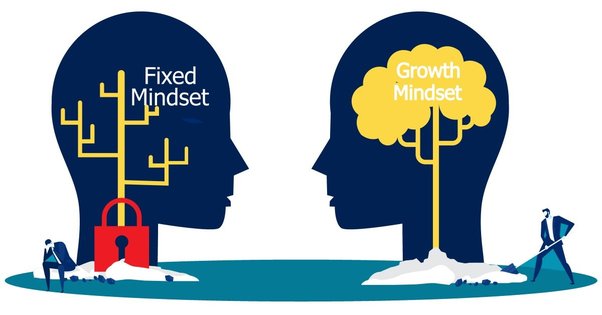
Tips to grow the growth mindset

The growth mindset helps us to see the larger picture and takes us closer to our goals. Imbibing the growth mindset also involves making a lot of positive changes to ourselves, the lifestyle we lead and the perspectives we have. “It’s all about embracing challenges, adapting, and nurturing a belief in the potential for change,” wrote Therapist Diane. Here are a few ways to imbibe the growth mindset.

We should focus on practicing rather than trying once and giving up. When it comes to relationships, the growth mindset involves practicing effective communication and empathy

While the fear of failure or the fear of rejection may make us want to stay away from trying out new things, we should push ourselves to get out there and explore new things.

Tips to grow the growth mindset

Constantly working on building effective communication skills can come handy when we are trying out new things or building a healthy relationship.

We should reflect on the past patterns, and refrain from making the same mistakes. Developing attraction and selection skills helps in meeting the right kind of people.

We should see failures as stepping stones from which we learn and use the lessons in developing our own skills, thereby focusing on personal growth.

Read more at-https://shorturl.at/bjrIU

Categories
Medical Equipments Medical Updates Medicine & Health

Tips to reduce your mental load

Sometimes we can feel extremely overwhelmed with the work at hand. When we are overburdened with work, the sense of feeling overwhelmed can make us feel more stressed. “Lightening the mental load is an ongoing process, and it’s important to find strategies that work best for your unique situation. A few tweaks can dial down the stress and make daily life feel less heavy,” wrote Therapist Carolyn Rubenstein. Here are a few ways to reduce the mental load.

We should filter the workload based on how immediately it needs to be done. Delegating and delaying the workload helps in diving the work.

Tips to reduce your mental load

Instead of taking up the whole work together, we should break it down into small and manageable steps.

We should refrain from taking up more work when we are already overburdened. We should learn to say no

To maintain a manageable workload, we should regularly assess our commitments and routine.

Read more at-https://shorturl.at/lmnJQ