Categories
Uncategorized

7 Simple Daily Habits to Keep Yourself Young

Aging is a natural part of life, but there are daily habits that can help us maintain a youthful and vibrant appearance as we grow older. These habits go beyond just looking young; they also contribute to overall health and well-being.

Regular exercise, a balanced diet, hydration, skincare, quality sleep, stress management, and social engagement can all contribute to maintaining a youthful and vibrant life. By incorporating these habits into your daily routine, you can enjoy the benefits of a more youthful appearance and improved overall health as you age gracefully.

Regular Exercise

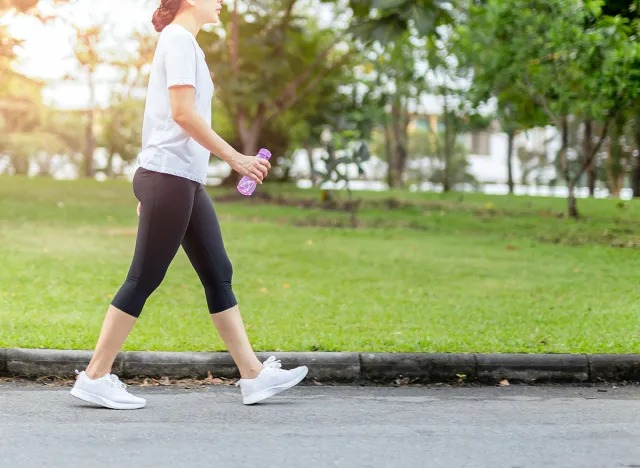
Exercise is one of the most effective ways to stay youthful. Regular physical activity helps maintain muscle strength, flexibility, and cardiovascular health. It also promotes the production of endorphins, which improve mood and reduce stress. Aim for at least 30 minutes of moderate exercise most days of the week. Activities like walking, swimming, or yoga can be both enjoyable and beneficial.

Balanced Diet

A balanced diet rich in fruits, vegetables, lean proteins, and whole grains provides essential nutrients that support skin health, boost the immune system, and keep the body functioning optimally. Antioxidant-rich foods, such as blueberries, spinach, and tomatoes, can help fight the signs of aging by reducing oxidative stress.

Hydration

Staying hydrated is crucial for maintaining youthful skin and overall health. Water helps flush toxins from the body, keeps skin moisturized, and supports various bodily functions. Aim to drink at least 8 glasses of water a day and consider adding herbal teas for added hydration and antioxidants.

Skincare Routine

A good skincare routine can help maintain youthful-looking skin. Cleansing, moisturizing, and protecting your skin from the sun are essential steps. Use sunscreen daily to prevent UV damage, and consider incorporating anti-aging products like retinoids or antioxidants for added skin protection.

Quality Sleep

Adequate, quality sleep is essential for the body’s repair and rejuvenation. Lack of sleep can lead to premature aging, increased stress, and a weakened immune system. Aim for 7-9 hours of quality sleep each night to wake up refreshed and ready to face the day.

Stress Management

Chronic stress can accelerate the aging process. Practicing stress-reduction techniques such as meditation, deep breathing, or yoga can help keep stress levels in check. Reducing stress not only promotes a youthful appearance but also supports mental and emotional well-being.

Social Engagement

Maintaining an active social life is linked to longevity and youthfulness. Positive social interactions can reduce stress, increase feelings of happiness, and provide a sense of purpose. Nurture your relationships, make time for friends and family, and engage in activities that bring you joy.

visit – https://shorturl.at/akm28

Categories
Medical Updates Medicine & Health Uncategorized

Odisha will soon become hub of cancer care in east India: Chief Minister Naveen Patnaik

Synopsis

Odisha is set to become a hub for cancer care in eastern India, according to Chief Minister Naveen Patnaik. The state has recently inaugurated new facilities at the Acharya Harihar Post Graduate Institute of Cancer in Cuttack, including two linear accelerators for radiotherapy and a 30-bed day-care unit. The government’s focus is to develop infrastructure for cancer care in public health institutions and attract private investment in the development of cancer care hospitals. The government is also planning to establish more cancer care institutions in the coming years.

Bhubaneswar: Odisha will soon become a hub of cancer care in eastern India, Chief Minister Naveen Patnaik said on Friday, inaugurating new facilities at the Acharya Harihar Post Graduate Institute of Cancer in Cuttack. Patnaik inaugurated two linear accelerators for radiotherapy and a 30-bed day-care unit. With this, the number of linear accelerators at hospital rose to four.

With the new day-care unit, the number of day-care beds rose to 42. While the state spent Rs 38 crore for the linear accelerators, the new unit cost it Rs 6 crore.

Addressing the function through video conference, Patnaik said Odisha is witnessing a massive transformation in healthcare.

Apart from strengthening the infrastructure of various public health institutions and providing free quality healthcare, the government is now focused on making Odisha a major centre of cancer care in eastern India, he said.

Odisha will soon become hub of cancer care in east India: Chief Minister Naveen Patnaik

Besides infrastructure development for cancer care in public health institutions, the government is roping in private players for investment in the development of cancer care hospitals, he said.

A new cancer hospital is coming up in Jharsuguda, Patanaik said, maintaining that more such institutions will be developed in the next few years.

The chief minister said that the entire cost of treatment at AHPGIC is borne by the government.

Health Minister Niranjan Pujari said AHPGIC is a centre of excellence in cancer treatment, education and research.

The government is spending Rs 1,046 crore for free chemo-therapy and other facilities across the state, he said.

Read more at-https://shorturl.at/dqBN4

Categories
Uncategorized

IHH Healthcare says Fortis remains its main platform for growth in India

Synopsis

The company, which acquired a 31.17 per cent stake in Fortis by infusing fresh capital of Rs 4,000 crore in November 2018, is currently waiting for a go-ahead from capital markets regulator Sebi to proceed with its stalled open offer to acquire additional 26.1 per cent stake in the domestic healthcare major.
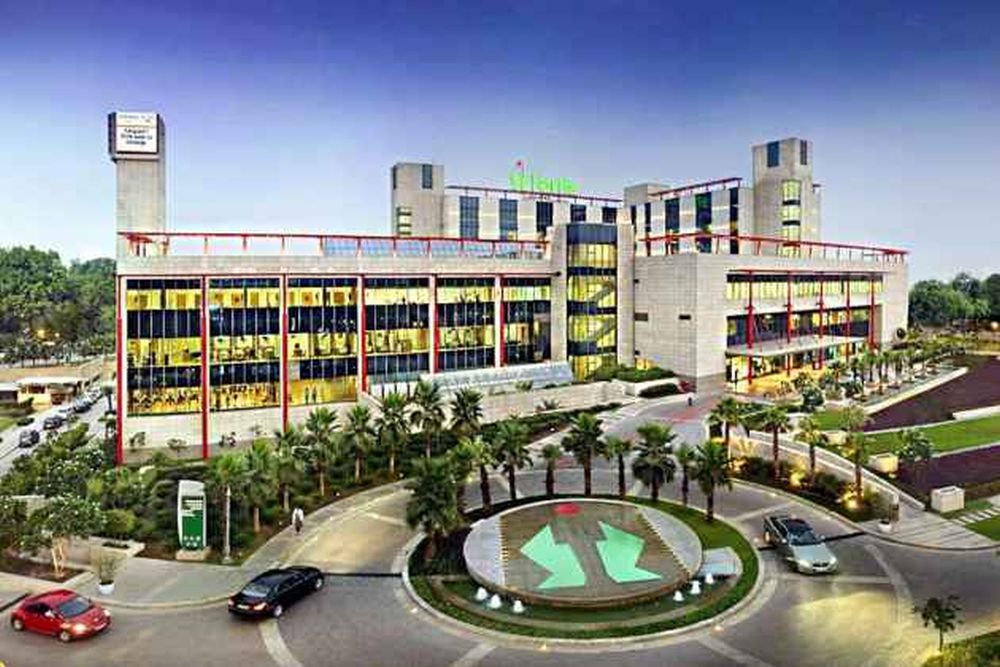
Malaysia’s IHH Healthcare has stressed that it is committed to the Indian market on a long-term basis and Fortis Healthcare remains its main platform for growth in the country.

Terming the freeze on its open offer to acquire additional 26.1 per cent stake in Fortis as ‘unfortunate’, the Malaysian entity feels that the ongoing legal battle has prevented it so far from injecting additional capital into the Indian healthcare provider.

The company, which acquired a 31.17 per cent stake in Fortis by infusing fresh capital of Rs 4,000 crore in November 2018, is currently waiting for a go-ahead from capital markets regulator Sebi to proceed with its stalled open offer to acquire additional 26.1 per cent stake in the domestic healthcare major.

IHH Healthcare says Fortis remains its main platform for growth in India

The open offer, which was originally scheduled to commence on December 18, 2018 and close on January 1, 2019, entailing a total sum of Rs 3,300 crore, could not materialise due to a Supreme Court order.

In an interaction with PTI, IHH Healthcare Managing Director and CEO Kelvin Loh said the last four years have turned out to be very frustrating for the company which counts India as one of its key markets.

“Is there frustration? Yes there is,” he said when asked about the legal proceedings which began in 2018.

“We feel that we are the aggrieved party here because the Supreme Court case was really between Daichii Sankyo and Singh brothers, in which we really had no part,” he noted.

Loh noted that IHH counts India, Turkiye, Malaysia and Singapore as its major markets even as it operates 82 hospitals across ten nations. “When we say we are committed to healthcare in India, we see a lot of opportunity for growth. We will be here for the long term because we are not financial investors, we are a strategic healthcare operator and the main platform for growth in India for us is Fortis,” Loh said.

The IHH-Fortis deal got stuck due to a legal battle between Daiichi and the former promoters of Fortis Healthcare.

The former promoters of Fortis Healthcare — Malvinder Singh and Shivinder Singh — were facing the court battle after Japanese firm Daiichi Sankyo challenged the Fortis-IHH share deal to recover the Rs 3,600-crore arbitration award that it had won before a Singapore tribunal against the Singh brothers.

In 2018, when some Indian lenders sold the pledged shares of Fortis Healthcare to the Malaysia-based firm, Daiichi went to court alleging that the former promoters of Fortis had assured them that their shares in the Indian hospital chain will cover the arbitral award amount.

Later, the Supreme Court ordered status quo with regard to the sale of controlling stakes of Fortis Healthcare to IHH Healthcare by Malvinder Singh and Shivinder Singh, and put on hold IHH’s open offer for an additional 26.1 per cent stake in Fortis.

The 26.1 per cent stake would have increased IHH’s shareholding in Fortis to 57 per cent.

“But unfortunately it got stuck. Even more unfortunate has been the suspension of the (open offer) process for four years now and that really frustrates us,” Loh noted.

IHH has already brought in management and operational changes in Fortis helping the company, which was on the verge of bankruptcy, recover financially.

IHH, however, aspires to help Fortis grow even faster, Loh said.

“We are committed to Fortis, we are committed to healthcare in India. We keep transforming and improving the healthcare product that we provide here in the country… and of course we aspire that we can grow even faster. Maybe inject more capital to grow on this,” he noted.

Fortis through its own means can grow from its current 4,000 beds capacity to 5,000 beds in the next two years, Loh said.

“With our support it can grow even faster. If we can bring in additional capital for growth for greenfield expansion or even acquisitions, it can grow even more. We would like to do that,” he noted.

Fortis Healthcare Chairman Ravi Rajagopal said it was unfortunate the way things have turned out for IHH Healthcare.

“In its ruling (the Supreme Court), according to my mind, has not cast a single negative aspersion either on IHH or Fortis. Despite that, the fact that it has taken so long, the frustration for Fortis is that it has been bereft of capital to grow its business,” he said.

IHH stake consolidation would have resulted in capital infusion in Fortis helping it scale up operations.

Rajagopal said that the majority of the initial Rs 4,000 crore capital infusion by IHH went into buyback of assets and debt payoff, leaving Fortis with little funds for expanding operations.

“If we want to grow in the way the rest of our peer group has grown, through both internal investments as well as inorganic, then we would need that extra capital. As a major shareholder, we look at IHH to help us secure that capital. Till such time, till September (this year), while the status quo was in force, those possibilities could not have been explored, but now those options are open,” he said.

In a statement last week, IHH Healthcare noted that following the recent judgment of the Supreme Court of India, the special leave petition, the original contempt petition and the suo moto contempt petition are disposed of.

“The honourable Supreme Court has not found nor indicated any wrongdoing by IHH in terms of our investment into Fortis in its final written judgment dated September 22, 2022. There is also currently no court order pending against IHH in these proceedings,” it said.

Accordingly, IHH is now in discussion with Sebi to determine the next steps pertaining to the mandatory tender offer in Fortis, in full compliance with all requisite regulations, the Malaysian firm said.

On replacing Fortis brand name with Parkway, Rajagopal said: “The Fortis board had decided a year ago to change the brand name to Parkway because the Fortis brand does not belong to Fortis Ltd, it belongs to a company which was owned and controlled by the former Fortis promoters.”

He further said: “We filed a notice with the stock exchange as well as with the Supreme Court last year on our intent. Now with the Supreme Court order behind us we will be moving very quickly to change the brand name.”

When asked for the timeframe for the same, Rajagopal said the matter involves trademark registration.

“We already have checked out the trademarks, but there is a process of filing it formally and going through that due process. It should take a few months,” he added.

IHH had pipped rival Manipal-TPG combine in the race to acquire Fortis Healthcare.

Read more at-https://bit.ly/3trNNbz

Categories
Medical Updates Uncategorized

‘Israel seeks greater engagement with India on big data, tech, healthcare’

Israel wants India to play a greater role in the emerging strategic landscape in the Middle East, with its own transformed relationship with the Arab world.

On the eve of foreign minister S Jaishankar’s visit to Israel, Alon Ushpiz, foreign secretary of Israel, sat down for an exclusive chat with TOI.“We want very much to look into, how can the new situation in the Middle East have an Indian angle to it? How can we incorporate India into the opportunities that are emerging? Normally this region is flooded with threats and challenges. But in the last year, I have seen the dramatically changed landscape in the Middle East because of the Abraham Accords. This is really a strategic earthquake.”

This is India’s first high-level engagement with the Naftali Bennett government in Jerusalem, therefore a visit that will be closely watched in Israel. India, particularly Modi, enjoyed an unprecedented relationship with former PM Benjamin Netanyahu’s government, and the signals from the visit will be a pointer to the future of one of the closest relationships in the world. Therefore the Jaishankar-Yair Lapid discussions would be significant.

Interestingly, Ushpij said, while no one in the Quad had contacted Israel, they would like to engage “with anyone” on the Quad focus areas of vaccines, emerging technology, climate change, and security. “We would be happy to engage in any dialogue in these areas. I would be very happy to deepen our cooperation with India on all these issues. But… none of the Quad has knocked on our door. ”

Ushpij said that the next frontier of the bilateral relationship lies in Big Data, technology, health care, and communication.

“We don’t have the luxury of missing out when it comes to technology—AI, quantum computing, big data, cyber—all things that can be part of our security collaboration and economic prosperity, but also provide security. And stability for our people.”

“We have to be very strict, keep our eyes on the ball when it comes to new areas of technology. There is no doubt in my mind that technology can easily decide the economic fortunes of nations,” Ushpij said.

Iran will remain a challenging destination for both countries. Ushpiz said that Iran is “very determined to have a nuclear capability, which I think they have not given up, which I believe they want to take forward as quickly as possible, which we believe they will make every promise.” in violation of what they have done and every paper that they have signed.

Unfortunately, in their mind, in the mind of the Iranians, they do not see a strong and strong reaction from the international community. ”

India, on the other hand, is doubling down on Iran, especially in the context of the latest security challenges emerging from Afghanistan.

source: https://timesofindia.indiatimes.com/


Categories
Uncategorized

Covid vaccines 8 times less effective against Delta variant: Sir Ganga Ram hospital study

Delta variant of coronavirus is eight times less sensitive to antibodies generated by vaccines, a new study claims. This could mean that Covid-19 vaccines are eight times less effective against the Delta variant compared to the original strain of SARS-CoV-2 first detected in China’s Wuhan.

Findings of the study assert that the Delta Variant is both more transmissible and better able to evade natural immunity mounted by the immune system of recovered Covid-19 patients.

Titled “Sars-Cov-2 B.1.617.2 Delta Variant Emergence and Vaccine Breakthrough: Collaborative Study”, the study was conducted on more than 100 healthcare workers (HCWs) at three centers in India, including Delhi’s Sir Ganga Ram Hospital. Scientists from the Cambridge Institute of Therapeutic Immunology and Infectious Disease were also part of the study.

Researchers found that Delta was the dominant strain among fully vaccinated healthcare workers infected with Covid-19. The respiratory viral loads were also higher in the cases of these healthcare workers compared to those diagnosed with non-Delta variants.

The Delta variant generated greater transmission among the fully vaccinated healthcare workers, the study found.

“Increased replication could be responsible for generating greater numbers of virus particles, or the particles themselves could be more likely to lead to a productive infection,” says the study.

While severe infection was rare among infected healthcare workers, scientists say breakthrough transmission clusters in hospitals associated with the Delta variant is a matter of concern. Breakthrough transmission, in this case, refers to instances of fully vaccinated healthcare workers testing positive for the Delta variant of Covid-19.

The study, which is yet to be submitted for peer review, goes on to say that the Delta variant of the virus has enhanced spike proteins. This enables the virus to attach itself to the epithelial cells found in the lungs and infect more people compared to the Wuhan strain.

“In the absence of published data on the transmissibility of Delta Variant, we predict that this variant will have a transmission advantage relative to Wuhan-1 with D614G in individuals with pre-existing immunity from vaccine/natural infection as well as in settings where there is low vaccine coverage and low prior exposure,” findings of the study read.

Delta variant in India

The Delta variant of SARS-CoV-2 was first identified in Maharashtra in late 2020 and has since spread throughout India. It has now displaced the B.1.1.7 or Alpha variant to become the dominant strain in the country.

The B.1.617.2 or Delta Variant of Coronavirus has already been labeled as a ‘variant of concern’ by the World Health Organisation (WHO). The WHO has confirmed the presence of the Delta variant in as many as 100 countries.

In India, the Delta variant was identified as one of the key drivers of the second wave of Covid infections that devastated parts of the country earlier this year.

This latest study now suggests that re-infection and increased transmissibility played a significant role in the spread of the Delta variant of Covid-19.

“Dominance of the Delta variant in India has been most likely driven by a combination of evasion of neutralizing antibodies in previously infected individuals and increased virus infectivity,” the collaborative study claims.

Chairperson of the Institute of Clinical Microbiology and Immunology at Delhi’s Sir Ganga Ram Hospital, Dr. Chand Wattal told news agency PTI, “From this study, it appears that we have miles to go before we sleep in case of Covid-19 pandemics. These mutations are bound to happen if we lower our guard and allow ourselves to fall prey to this virus, giving it an opportunity to multiply.”

source: https://www.indiatoday.in/

Categories
Uncategorized

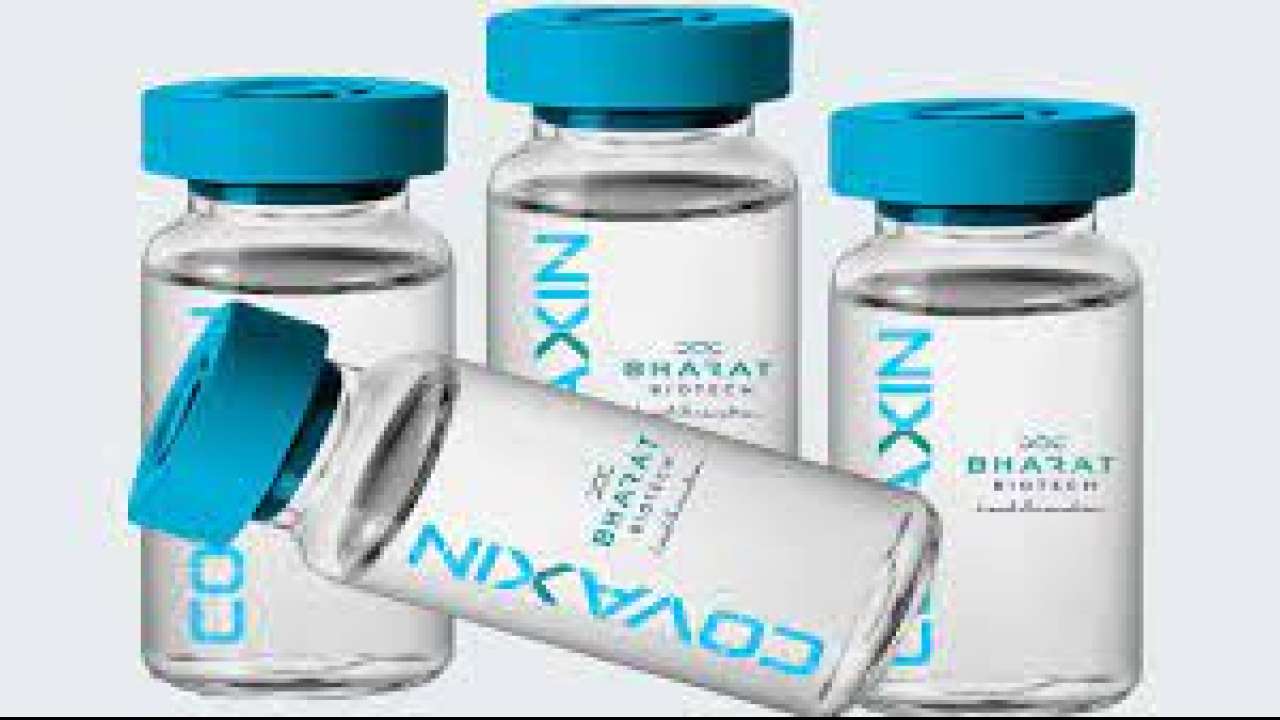
Covaxin ‘effectively neutralises’ Alpha, Delta Covid-19 variants, says US National Institute of Health

According to NIH, the US’ primary health agency, the observation is based on results of two studies of blood serum from people who received a Covaxin shot.

The US National Institute of Health has said Covaxin “effectively neutralises” both Alpha and Delta variants of the coronavirus disease (Covid-19) in what is a major endorsement of the anti-Covid vaccine developed by India’s Bharat Biotech International Limited.

“Results of two studies of blood serum from people who received Covaxin suggest that the vaccine generates antibodies which effectively neutralise the Alpha and Delta variants of SARS-CoV-2,” NIH, the top American health institute, said of Bharat Biotech’s shot, developed in collaboration with the government-run Indian Council of Medical Research (ICMR).

Alpha or the B.1.1.7 variant was first detected in the UK, while Delta, or the B1.617 variant was first found in India.

“Unpublished interim results from phase 3 trials indicate that Covaxin is 78% efficient against symptomatic disease while its efficacy against severe Covid-19 is 100%. Further, it has shown 70% efficacy against asymptomatic infection with Sars-CoV-2, the Covid-19 causing virus,” NIH noted, stressing that the vaccine is “safe and well-tolerated.” The vaccine makers recently submitted phase 3 trial data to an expert panel that found it to be 77.8% effective against symptomatic Covid-19, in line with the interim trial analysis.

NIH further said an adjuvant developed with funding from it has contributed to Covaxin’s success, describing the shot as “highly efficacious.” An adjuvant is a substance formulated as part of a vaccine to boost immune responses and enhance its effectiveness.

Covaxin, along with the Oxford University-Astrazeneca shot, has been used since the beginning of India’s nationwide vaccine drive against the viral disease on January 16. Russia’s Sputnik V was given emergency use authorization (EUA) in April, while US pharmaceutical firm Moderna’s mRNA-based vaccine on Tuesday received approval to be used here. In the coming days, Pfizer and Ahmedabad-based Zydus Cadila could also be approved. If approved, the Zydus Cadila shot will be India’s second indigenous anti-Covid vaccine after Covaxin.

source: https://www.hindustantimes.com/

Categories
Uncategorized

From PM Modi’s ‘One Earth, One Health’ mantra to G7 global Covid vaccine pledge: 10 points

The Group of Seven (G7), comprising the United Kingdom (UK), Canada, France, Germany, Italy, Japan and the United States (US), met on Saturday to discuss priority areas, amid a pandemic that has ravaged economies and pushed healthcare to an edge across the world.

Of all, the health crisis owing to the ongoing coronavirus pandemic dominated the G7 summit as Prime Minister Narendra Modi called for a “One Earth, One Health” approach,  Canadian PM Justin Trudeau emphasized the need to build a consensus on “how to work with China” and the G7 announced its global Covid vaccine plan.

During the G7 summit, the “Carbis Bay Declaration” was also adopted which will see the world’s leading democracies commit to a series of measures that are designed to quash future pandemics within the crucial period of the first 100 days.

But some campaigners did not invite the G7 global vaccine plan to vaccinate the poorer countries. They say it “lacked” ambition, was “too slow” and showed the G7 leaders were not yet on top of tackling the worst public health crisis.

1) PM Narendra Modi called for global unity, leadership, and solidarity to prevent future pandemics and sought the support of the G7 grouping to lift patent protections for Covid-19 vaccines. PM Modi called for adopting a “one earth, one health” approach to effectively deal with the coronavirus pandemic globally. “The prime minister committed India’s support for collective endeavors to improve global health governance. He sought the G7’s support for the proposal moved at the WTO by India and South Africa for a TRIPS (Trade-Related Aspects of Intellectual Property Rights) waiver on Covid related technologies,” the statement said.

2)  UN Secretary-General Antonio Guterres has extended support to India and South Africa’s initiative at the WTO to waive intellectual property protection for Covid-19 vaccines and products, though he cautioned that “technology transfer” must be backed up by “technical support”.

3)  The US and Australia have backed the initiative by India and South Africa at the WTO, seen as a breakthrough in the global fight against the deadly pandemic, raising hopes of expanding the supply of vaccines at affordable rates for developing/underdeveloped nations.

4) Britain will set up a new animal vaccine development centre that will aim to stop viruses jumping into the human population, to prevent future pandemics, as part of a landmark global health declaration to be agreed by G7 world leaders at Carbis Bay in Cornwall on Saturday. The move comes amid growing demand for a more thorough investigation into the origin of the virus that causes Covid-19 infections. 

5) British Prime Minister Boris Johnson, the summit’s host, has said the group would pledge at least 1 billion doses, with half that number coming from the United States and 100 million from Britain over the next year.

6)  The head of the World Health Organisation has welcomed the vaccine-sharing announcements coming out of the Group of Seven summit but says “we need more, and we need them faster.”

7)  Canadian Prime Minister Justin Trudeau led a G7 discussion of China on Saturday and called on leaders to come up with a unified approach to the challenges posed by the People’s Republic, a source told Reuters. G7 leaders reached broad alignment on building a concerted approach to China.

8) Hundreds of environmental protesters took to the Cornish seaside in a bid to draw the attention of world leaders and the international media outlets that have descended on southwest England for the G7 summit. Some protesters paddled out to sea, while others sunbathed on the beach wearing masks of leaders’ faces.

9) Meanwhile, G7 leaders will commit on Sunday to increasing their climate finance contributions to meet an overdue spending pledge of $100 billion a year to help poorer countries cut carbon emissions and cope with global warming.

10) G7 leaders are also expected to set out action to cut carbon emissions, including measures such as ending almost all direct government support for the fossil fuel energy sector overseas and phasing out petrol and diesel cars.

Categories
COVID-19 Government Guidelines Uncategorized

Pune ranks first, Delhi-NCR at bottom among top 8 cities in health infra

When it comes to health infrastructure, Pune is the most equipped city in India, shows a recent report by online real estate portal, Housing.com. The Delhi-National Capital Region (NCR), which covers the national capital, Gurugram, Faridabad, Noida, Greater Noida and Ghaziabad, was ranked the lowest in the list, primarily because of the region’s poor scores on air and water quality, sanitation and performance of municipal bodies.

Pune offers 3.5 hospital beds per 1,000 people. This is much higher than India’s national average, where there is only half a bed available per 1,000 people in the public healthcare system, shows the report, titled ‘State of Healthcare in India’, by the Elara Technologies-owned online realty firm.

According to the report that ranks health infrastructure in the country’s most urbanized eight cities of Ahmedabad, Bengaluru, Chennai, Delhi-NCR, Hyderabad, Kolkata, Mumbai (MMR), and Pune, through its Housing City Health Card, Pune also scored significantly high on parameters such as ease of living, water quality, as well as performance and sustainable initiatives taken by its local government.

These rankings are benchmarked against parameters such as number of hospital beds per 1,000 people, air quality, water quality, sanitation, liveability index and 40 per cent weightage has been given to number of hospital beds. However, Pune still struggles with public healthcare delivery, as is highlighted by the fact that it is one of the cities with high COVID-19 caseloads, the report added.

With nearly 3.2 hospital beds per 1,000 people, Ahmedabad is ranked second in the list, while India’s Silicon Valley, Bengaluru, is ranked third in spite of a high number of hospital beds per 1,000 people and its top ranking in the ease of living index.

India’s financial capital Mumbai and its metropolitan region (which is also the largest residential real estate market in the country with a transactional value of $2.5 billion in the first quarter of 2021) were ranked fourth on the Housing.com City Health Card, with parameters such as the number of beds, air quality, and liveability pulling its overall score down.

Hyderabad, Chennai, and Kolkata occupied the fifth, sixth, and seventh positions, respectively.

In the public healthcare system, only half a bed and 1.4 beds are available if we count public plus private hospital beds available per 1,000 people in India, the report said.

source: https://www.livemint.com/

Categories
Uncategorized

You should have these eight winter superfoods for health

Winter brings a divergent change in the weather after the wet monsoon and scorching heat of summer. The changing weather necessitates a modification in nutrition as well. Especially this year, our dietary habits can be a decisive differentiator for our health and immunity. Working from home has become the new norm, resulting in far lesser physical activity and a lot more opportunities for eating. It can lead to weight gain, joint problems, vitamin D deficiency, constipation, and so on, says Pradeep Singh, wellness and nutrition expert, and certified dietitian.

But what are these superfoods, and how do they benefit us? In a nutshell, ‘superfoods’ are those edibles that contain a high nutritional value and provide us with a variety of health benefits.

Below, he shares eight such superfoods that you should be eating this winter.

Garlic: If you’re a fan of garlic, winter is the time for you to have it. Garlic is a great source of selenium, germanium, and sulfhydryl amino acids, which help in boosting immunity. It is also a natural antibiotic and is effective in preventing urinary tract infections, lowering blood pressure, preventing bronchitis and pneumonia. This makes garlic one of the best winter diet additions.

Cinnamon: Everybody’s kitchen has this ingredient for sure. Usually shelved with cloves, nutmeg, and other spices, cinnamon is a great source of iron and calcium. It is essential for the production of healthy red blood cells and can also help in reducing spikes in blood sugar levels. A simple way to incorporate it into your diet would be, adding it to your morning cup of coffee or tea.

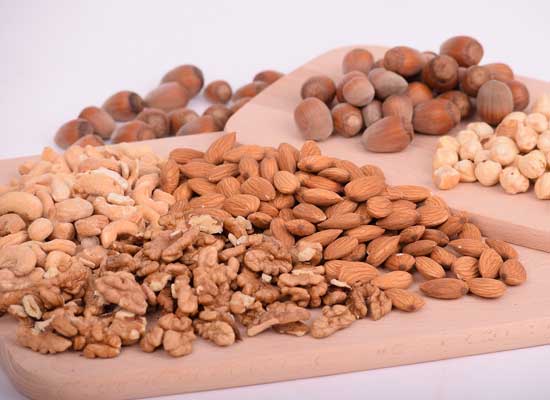
Almond and walnuts: Just like blankets warm you up in winters, these nuts can warm you up on the inside. Both almonds and walnuts lower bad cholesterol, control blood sugar levels, and reduce inflammation. Walnuts are a great source of Omega-3, while almonds are rich in Vitamin E, antioxidants, and magnesium. So if you’re craving a light snack, don’t hesitate to pick up a few almonds and walnuts to munch on in between meals.

Sweet potatoes: Sweet potatoes are great comfort food. They are also a rich source of fiber, Vitamin A, and potassium. If you want to go easy on the calories and high on the nutrients, sweet potatoes are the answer in winter. It can help with relieving constipation, building immunity, and reducing inflammation.

Mustard greens: Mustard greens, just like other green leafy vegetables, are among the most nutritious foods you can eat. These greens are rich in fibre, and vitamin C, which is much needed during winter to help fight infections. Plus, it helps lower cholesterol and improves liver health.

Citrus fruits: By now, we’ve all heard that citrus fruits are synonymous with vitamin C. So, not mentioning them as a winter food would leave the list incomplete, and for a good reason. Fruits such as oranges, grapes, and lemons are jam-packed with minerals and phytochemicals. Therefore, including them in your winter diet, is a must if you want to develop a super-strong immune system.

Carrots: Carrots are rich in beta-carotene that gives them their bright orange color and makes them rich in vitamin A. The high level of fiber they contain also means you can include carrots in your weight loss diet. They are also beneficial for regulating cholesterol levels. As an added benefit, they have high amounts of antioxidants, vitamin K, and improve overall eye health.

Pea protein: Arguably the most complete plant protein, pea protein, is made from yellow split peas. Unlike beans or rice, it contains all the amino acids that your body requires. It’s also a great alternative to whey or soy, especially if you’re allergic or sensitive to either of the two. Plus, it’s a go-to protein source that will warm you up this winter if you’re a vegan.

Apart from winters, these foods should become a part of your daily nutrition regime as they will help you become fit and maximize your healthspan. A combination of these foods will yield clear skin, healthier hair, improved digestion, increased metabolism, and overall higher energy levels, he says.

source:https://indianexpress.com/

Categories
COVID-19 Medical Updates Uncategorized

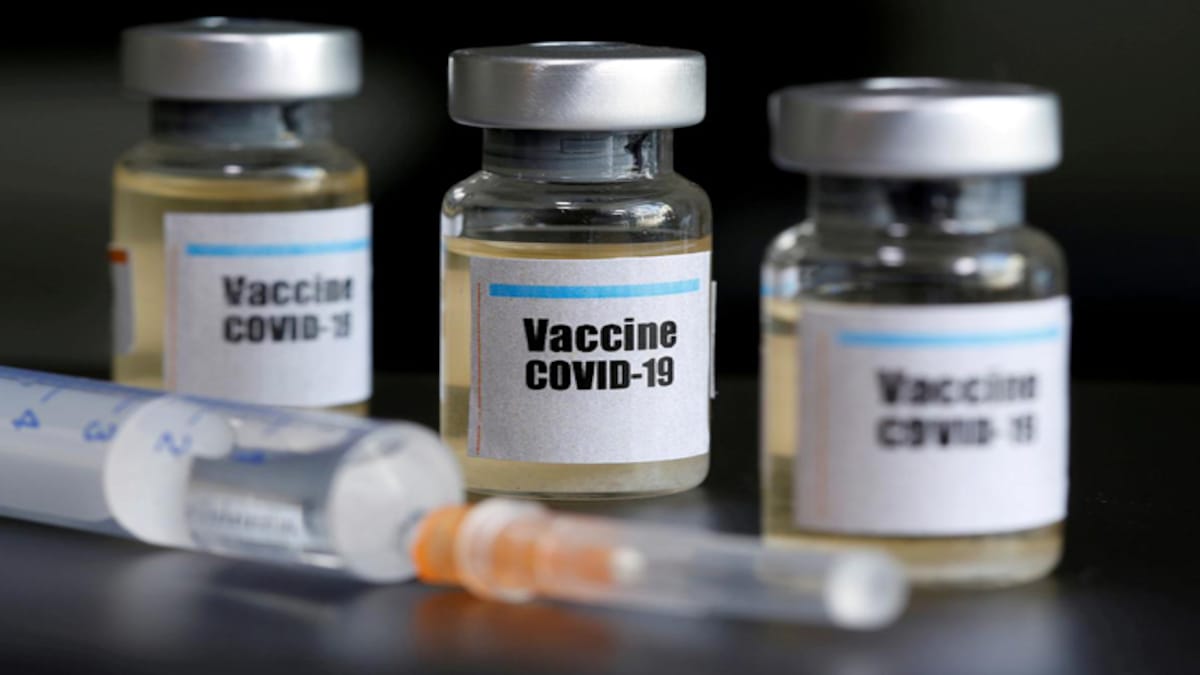
Who will get the first Covid vaccine in India? Health Minister says ‘have prioritised 30 cr people’

  • On voluntary Covid-19 vaccination, the Health Minister said that the government’s effort is that everyone on the priority list takes the vaccine
  • ‘But if anyone decides not to take it, we can’t force them,’ Dr Harsh Vardhan said

Union Health Minister Harsh Vardhan on Monday said that the Centre has prioritised 30 crore people for a vaccine against the novel coronavirus.

Speaking to news agency ANI, he said, “After consultation with experts, we’ve prioritised 30 crore people for COVID vaccine. It includes health workers, frontline workers like police, military & sanitation staff, people above 50 yrs & those who are below 50 yrs but are suffering from certain diseases”.

On voluntary Covid-19 vaccination, the Health Minister said that the government’s effort is that everyone on the priority list takes the vaccine. “We will address the issue of vaccine hesitancy. But if anyone decides not to take it, we can’t force them,” Dr Harsh Vardhan said.

Meanwhile, Dr. Harsh Vardhan has said that people of India could get a Covid-19 vaccine shot in January.

“Our first priority has been the safety and effectiveness of vaccines. We don’t want to compromise on that. I personally feel, maybe in any week of January, we can be in a position to give the first Covid vaccine shot to people of India,” Vardhan was quoted as saying.

India to start voluntary Covid vaccination

The Central Government had earlier said that it could soon start voluntary inoculation against the Covis-19 as it considers emergency use authorisation for three vaccine candidates including those from AstraZeneca and Pfizer.

Hyderabad-based firm Bharat Biotech has also applied for emergency approval.

“The government of India is geared to launch a vaccine for COVID-19 soon,” the Ministry of Health and Family Welfare had said in a public advisory.

“Vaccination for COVID-19 is voluntary. However, it is advisable to receive the complete schedule of COVID-19 vaccine.”

It also added that even those who have been infected by the killer virus should be vaccinated.

Meanwhile, India on Sunday, recorded 26,624 fresh coronavirus cases, 29,690 recoveries, and 341 deaths.

source: https://www.livemint.com/