Categories
Medicine & Health

What happens to your liver when you eat too much sugar?

We all know that too much sugar can be harmful to our health. It is often associated with diabetes or heart disease. But did you know that excess sugar in diet takes a toll on the liver health too?

What happens to the liver when you eat too much sugar?

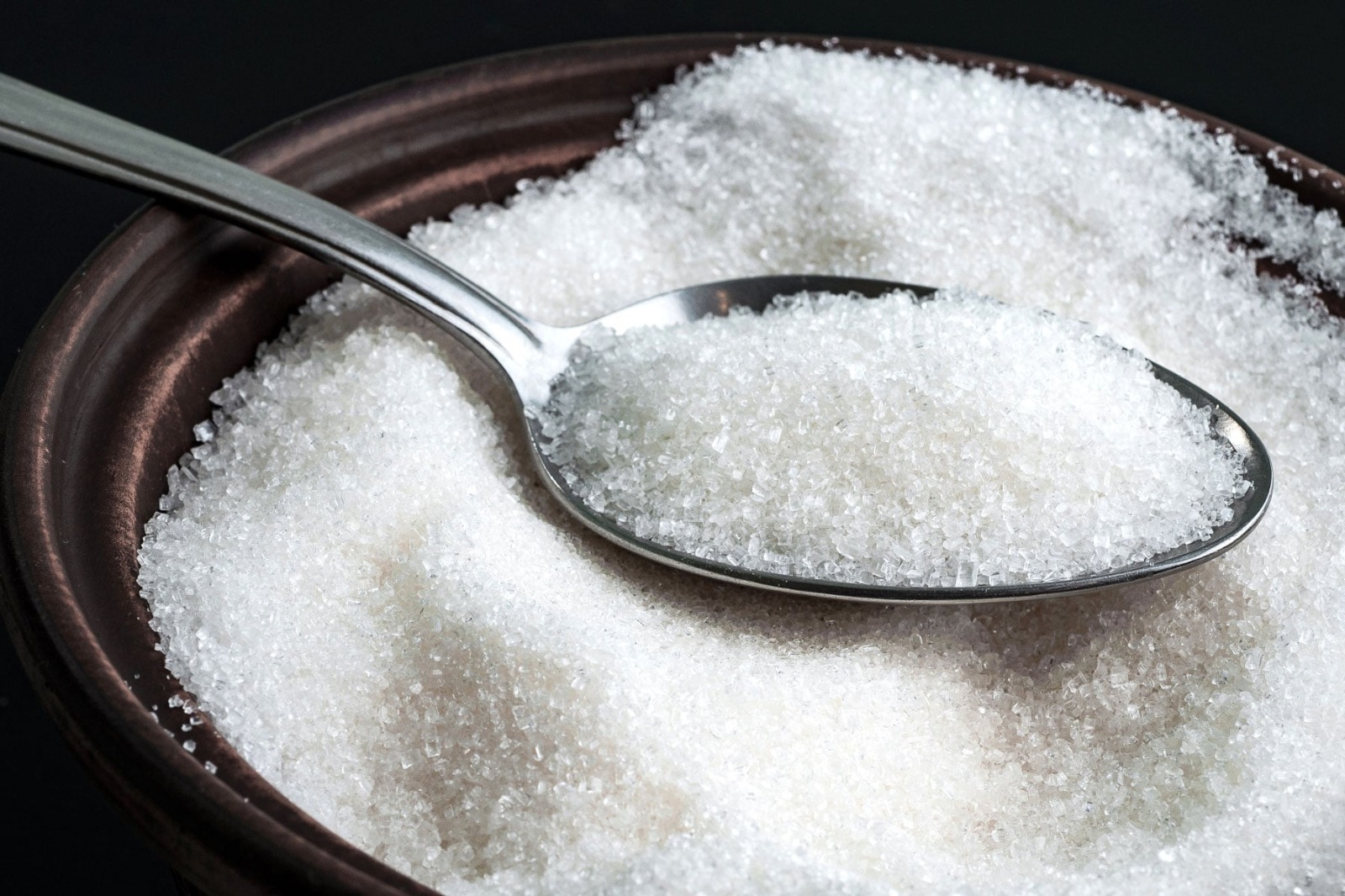
The human body has biochemical systems that help interchange protein, starch, and fats — it can turn protein into fat or starch. Whatever food we eat, if it is in excess, it gets stored in the form of fat. Now, sugar and other sweets are starch (carbohydrate) and are broken down into glucose by the body A small percentage of this glucose is used for physical exertion, but most of it is converted into fat. In people who do not do physical exercise and lead a sedentary lifestyle, the rate of becoming fat is higher. Excessive consumption of sugar can lead to weight gain and obesity, but can also affect internal organs like the liver. This is how non-alcoholic fatty liver disease is caused.

Surprisingly, you don’t need a diet full of greasy food for fatty liver – too many carbs and sweets, a common issue in India, can be just as detrimental.
What happens to your liver when you eat too much sugar?

Sugar consumption also triggers dopamine release, the “feel-good” hormone. People struggling with stress or depression may crave sweets for this dopamine surge. However, most of this sugary comfort food gets stored as fat, eventually harming the liver. This unhealthy cycle can lead to fatty liver disease, cirrhosis (scarring), and even cancer.

Good bacteria in the intestines are necessary — not only for the smooth functioning of the digestive system but also for your body’s general health. Excessive sweetness in the diet affects the habitat of these gut bacteria (Dysbiosis). This alteration in gut bacteria also causes liver dysmetabolism and damage. Free radicals, which cause liver cancer, are also linked to excessive consumption of sugar.

Can fruits cause fatty liver?

The sugar molecule in fruits exist in the form of fructose. The amount is different for each fruit, higher in succulent fruits like grapes, oranges, watermelon etc; lower in fleshy fruits like guava, apple, kiwi.

Though fruits are generally considered to be good for health, but their excessive consumption transforms fructose to fat in the liver, causing fatty liver.

The hidden sweetness in packaged foods

Apart from sweets, candies, pastries which are sold in the market, packaged foods though considered not to have sugar also contain covertly added sugar in it.

Though fruits are generally considered to be good for health, but their excessive consumption transforms fructose to fat in the liver, causing fatty liver.

The hidden sweetness in packaged foods

Apart from sweets, candies, pastries which are sold in the market, packaged foods though considered not to have sugar also contain covertly added sugar in it.

Why is sugar tax important?

The UK was the first country in the world to introduce a sugar tax in 2016. The sugar tax was introduced in view of the health problems caused by the overabundance of sugar in packaged food items. Since 2016, the food industry in England has made significant changes in the way packaged food is produced; with the amount of covert sugar additives coming down!

There is a secret interest behind the addition of sugar, even in the most unexpected of children’s food like cereal. It is a marketing strategy that makes children addicted to sweets at an early age. Recently, the Ministry of Commerce and Industry had recommended removing Bournvita from the category of health drinks on the grounds that it is not a health drink since it has sugar content beyond permissible limit.

Other than staying away from sugar, here are 10 things you can do for a healthy liver:

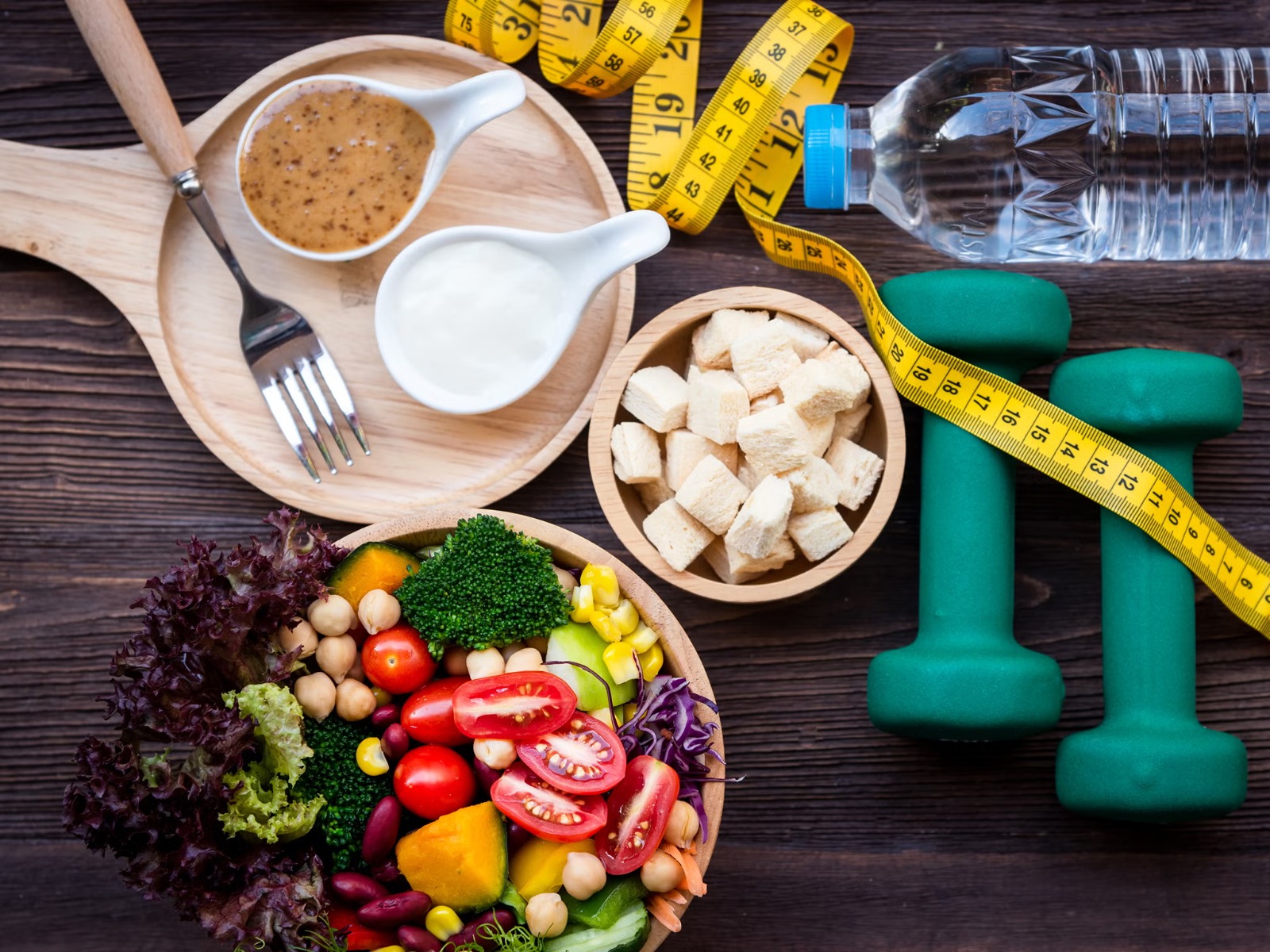
1. Do regular exercises and lead an active lifestyle: Regular aerobic exercise is the key for fatty liver disease prevention.

2. Limit your alcohol intake. Especially those with metabolic syndromes like diabetes, hypertension, high cholesterol as both of these together can enhance liver damage.

3. Eat a balanced diet: Eat less fatty foods and more fibre. The diet should include low carbohydrate, high dietary fibre. Sweets and red meat to be avoided.

4. Watch your body weight: Liver disease risk is much less if you maintain an ideal BMI.

5. Avoid herbal supplements and traditional remedies, especially those which do not have a drug licence, as most of these are sold as “food supplements”.

6. Get vaccinated against Hepatitis B

8. Practice safe sex. Blood and body fluid borne viruses HBV and HCV can cause liver cirrhosis and liver cancer.

9. Screening for liver disease from the age of 40.

10. Keep away from weight loss pills and unscientific magic remedies propagated in social media.

Visit us – http://www.aarogyapath.in
 

Categories
Medicine & Health

How onions can save you from heat effects in summer

​Start having a slice of raw onion with your meals during summer season​

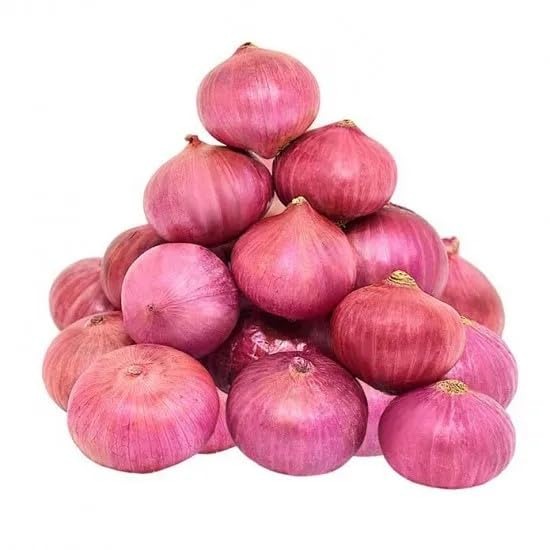
Most of us love eating raw onions in our meals. The crunch, the unique taste, and the versatility of onion as a key ingredient of raw salads make it a delicious addition to Indian meals. Onions, commonly used in culinary dishes worldwide, offer more than just flavor and aroma—they also possess unique properties that can help alleviate the effects of heat during the summer months.

How onions can save you from heat effects in summerIn several parts of India, consuming raw onion is an important part of the meal. For example, Odias love having raw onions in the summer season along with pakhala bhata (fermented rice). This helps the natives of the coastal state of India stay hydrated during scorching summer.

Here’s how onions can save you from the heat effects:

Hydration and electrolyte balance​

During the hot summer months, staying hydrated is crucial to prevent dehydration and maintain electrolyte balance. Onions contain a high water content, which contributes to hydration when consumed. Additionally, they provide essential electrolytes such as potassium, which helps regulate fluid balance in the body. Including onions in your diet can support hydration and prevent electrolyte imbalances caused by excessive sweating in the heat.

​Cooling properties​

Onions have natural cooling properties that can help lower body temperature and provide relief from the heat. When consumed raw or lightly cooked, onions release compounds like quercetin and sulfur compounds, which have cooling effects on the body. These compounds stimulate perspiration, promoting heat loss through evaporation and aiding in the body’s natural cooling mechanisms. Adding onions to salads, sandwiches, or cold soups can enhance their cooling properties and help you beat the summer heat.

​Antioxidant protection​

The heat of summer can increase oxidative stress in the body, leading to cellular damage and inflammation. Onions are rich in antioxidants, including flavonoids, phenolic compounds, and vitamin C, which help neutralize free radicals and reduce oxidative stress. Consuming onions regularly can provide antioxidant protection against the harmful effects of UV radiation and environmental toxins associated with summer heat exposure.

​Anti-inflammatory benefits​

Inflammation is a common response to heat-related stress and sun exposure during the summer months. Onions contain anti-inflammatory compounds such as quercetin and sulfur compounds, which have been shown to reduce inflammation and alleviate symptoms of heat-related conditions like sunburn and heat rash. Including onions in your diet may help mitigate inflammation and promote skin health during the summer season.

Visit us – https://shorturl.at/dqxQW


Categories
Medicine & Health

What if you consumed expired medicines, just a month late

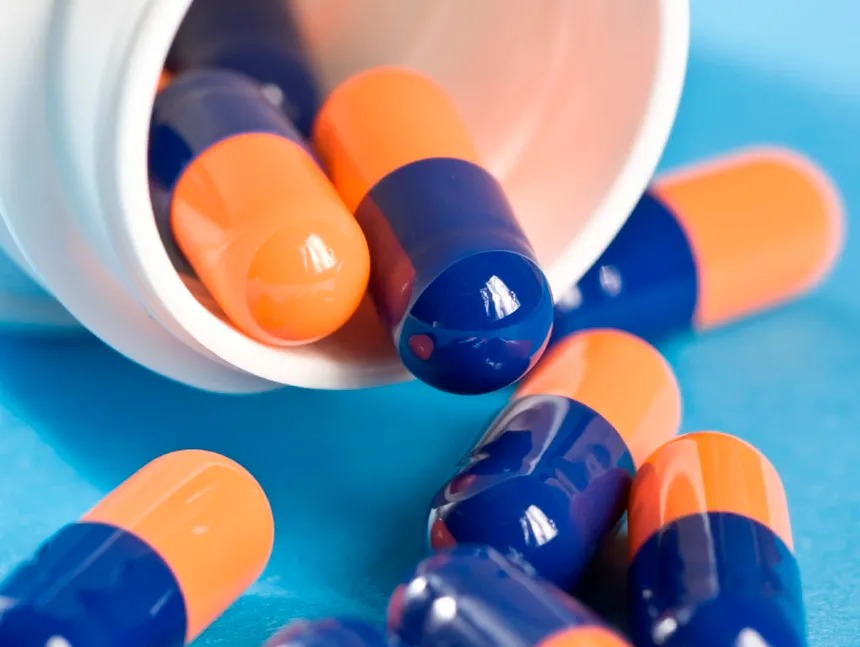
What would happen if you consumed a paracetamol tablet which was beyond its expiration date? Many pills like these could be in our medicine boxes, way past their expiration dates.

Once you check that the tablet has been beyond the expiration date, it is tossed in the rubbish. But what if you, by mistake, consume medicine well after the expiry date?

In 1985, a study by the US Air Force was conducted where the military took a stockpile of medications worth more than a billion dollars that were close to or past their expiration dates.

Well, no one wanted to throw away expensive medications that might still be safe and effective.

What if you consumed expired medicines, just a month late

The verdict? Most medicines were still good nearly three years past their expiration dates.

Excluding some like nitroglycerine, insulin, and liquid antibiotics, most medications are long-lasting. Placing medication in a cool place, such as a refrigerator, could help a drug remain potent for many years.

But here’s the catch. These drug-stability tests were conducted in the mid-1980s and early 1990s. Since then, newer medications past their expiration dates have not been tested.

An analysis in 2019 also had a similar conclusion, “This review has collected data showing that the shelf-life of most finished pharmaceutical products (FPPs) can be extended beyond their labelled expiry dates. It was not uncommon that the actual shelf-life exceeded the manufacturer-assigned one by three- or four-fold.”

This may hold true for some medications, but this notion cannot be generalised to all of them.

According to Harvard Medical, it may be fine to take an allergy medication one month past its expiration date, but there is some risk in taking heart rhythm medication that, if ineffective, could lead to an unstable and dangerous heart problem.

A medication that’s a month past its expiration date may be potent while one that’s five years past is not.

THE NEED FOR EXPIRATION DATES ON MEDICINES

Expiry date is the date until which the manufacturer can still guarantee the full potency and safety of the medication.

In 1979, the US Food and Drug Administration (FDA) stated that all medications would need an expiration date printed as “EXP” on bottles and drug packages.

In India, medicines are controlled by the Drugs and Cosmetics Act 1940 and the Rules 1945. These laws also oversee the marking of expiration dates on all medicines.

Each medicine must have a potency expiration date. This date, printed on the container, label, or wrapper of the medicine, informs the customer about the maximum duration for which the medicine remains effective on the shelf.

The purpose of adding an expiration date on the medicine package is to ensure the customer is safe and gets the most efficacy out of the pills. Medications beyond expiration could also lose potency and not remain as effective.

Dr Usha Gaddam, Family Medicine, Apollo Clinic, said that medications are expensive, and in Asian and African continents, where many have the problem of affordability, medicines are consumed even after the expiry date.

WHAT IF YOU CONSUME EXPIRED MEDICINE?

Expired medications can be risky. Some might be good to consume even after a year of expiration, but that depends on various circumstances.

The way a medicine is stored also matters.

One has to ensure that the medications are kept in a cool, dry place since they are likely to last longer than those kept in a hot, damp location.

According to Dr Gaddam, drugs when used after expiry could have the following effects:

  • Reduced or loss of efficacy in curing the disease hence prolonged symptoms
  • Change in chemical composition leading to toxic build-up in the blood, damage to organs, and tissues, allergic reaction, nausea, vomiting etc.
  • Certain medications are at risk of bacterial growth, which can be a health hazard
  • Antibiotic resistance can occur with suboptimal medication

Dr Brunda, Consultant, Internal Medicine, Aster CMI Hospital, Bangalore, told IndiaToday.in that medications are not strong enough to fight off illnesses when consumed beyond their expiration date.

“This is especially risky for serious conditions where precise dosing is crucial. Expired medicines can become breeding grounds for microbes, especially if not stored according to the instructions. It can also lead to infections or allergies,” Dr Brunda said.

Given the current climate of improper storage of medicines and lack of proper regulation, consuming an expired medication could be dangerous.

If you’ve consumed one, consult a doctor immediately, the experts said.

“Health professionals can give you specific advice based on your situation and the type of medication. It is best to follow the expiration date and dispose of expired medicines properly to avoid any future adversities,” Dr Brunda added.

SAFE PRESERVATION

Medicines once bought should be safely and properly stored. Make sure you read the label and see if there are specific instructions for storage. Some medicines need to be stored in the refrigerator while others require to be in a cool, dark place.

Improper storage reduces effectiveness and compromises its efficacy.

So, here’s the bottom line, if you’ve consumed medication past its expiry date, then you need to inform your doctor. You should worry, but not panic, if the drug is just a month beyond the expiration date.

Proper consultation can help give you clarity as expiry dates are mostly for the sake of manufacturers to guarantee the potency of medicines.

Visit us – https://shorturl.at/nuvIV


Categories
Medicine & Health

Malai ghee or dahi ghee: How different are they, and which is better?

Ghee holds deep cultural and culinary significance in India, making it an irreplaceable part of our diets and identity. Used since times immemorial, ghee is a form of clarified butter that can instantly elevate a dish, while also providing several health benefits.

With so many types of ghee being sold in the market, it has become imperative to become very vigilant and make an informed choice before making a purchase. While we all know that choosing organic and naturally sourced food is always a wise decision, there is a lot of information available online about common foods and ingredients (such as ghee) that can lead to confusion.

Malai ghee or dahi ghee: How different are they, and which is better?

In a reel posted by fitness coach and content creator Deepak Thakran, he cautions his followers about many brands selling cheap malai (milk cream) ghee as opposed to the more expensive and authentic ghee made with dahi (curd). “Please ensure you purchase authentic ghee,” he wrote.

Akshita Reddy, nutritionist at Athreya Multi-Speciality Hospital, Bangalore argues that while both malai and dahi ghee are nutritious they are slightly different from each other. She states that the latter, however, might have a little more advantage compared to the former. In the end, the choice that one makes will ultimately depend on specific health goals and dietary needs.

Key differences between malai ghee and dahi ghee in terms of nutritional composition 

Reddy says that both differ in terms of the nutritional value they can offer to the consumer:

Malai ghee: Derived from cream, this ghee is made by simmering butter obtained from cream and separating the liquid fats. It is rich in saturated fats and contains fat-soluble vitamins such as A, E, and D.

Dahi ghee: Produced from cultured yoghurt, this ghee involves fermenting cream into yogurt before churning it into butter and then simmering into ghee. It may have a slightly different nutrient profile, including potentially higher levels of conjugated linoleic acid (CLA) due to the fermentation process, which can offer certain health benefits.

Impact of production process on nutritional value

The fermentation process involved in making dahi ghee could potentially introduce beneficial bacteria and possibly higher CLA levels, Reddy says, which is known for its anti-inflammatory properties and might aid in weight management.

While malai ghee is rich in saturated fats, it might not have the same level of CLA due to the lack of fermentation. However, that does not mean that it does not provide any benefits. Reddy informs that its rich content in fat-soluble vitamins is significant for bone health, immune function, and vision.

Potential health benefits of dahi ghee over malai ghee

Even though both types of ghee are beneficial in their own ways, Reddy says that dahi ghee might offer a slight edge. However, she reiterates that both “can be part of a balanced diet when used in moderation.” Some potential benefits of consuming dahi ghee over malai ghee are:

  • Both types of ghee contain saturated fats, which can influence cholesterol levels. However, moderate consumption of ghee, particularly dahi ghee with potentially higher CLA, might not significantly impact or might even improve cholesterol profiles by increasing HDL (good) cholesterol.
  • Dahi ghee’s fermentation process might make it slightly better in terms of digestive health, contributing beneficial bacteria that are good for gut health.
  • The potential higher CLA content in dahi ghee could also make it a preferable choice for anti-inflammatory benefits and in managing weight.

For more details check – https://shorturl.at/uEOQ5


Categories
Medical Updates Medicine & Health

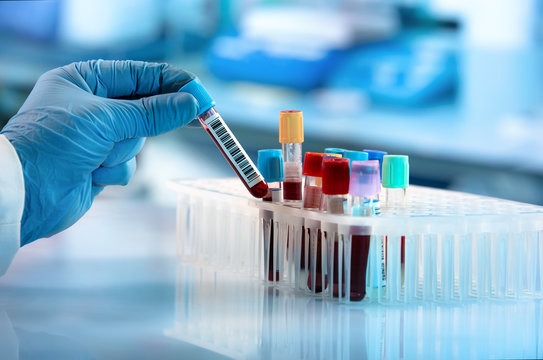
5 essential blood tests you must do every year

Regular blood tests are crucial for monitoring overall health and detecting early signs of potential health issues. While specific recommendations may vary depending on individual health status and risk factors, there are several essential blood tests that individuals should consider undergoing annually as part of their preventive healthcare routine. Here are five key blood tests that can provide valuable insights into your health:

​Complete Blood Count (CBC)​

5 essential blood tests you must do every year

The Complete Blood Count (CBC) is a comprehensive test that evaluates various components of your blood, including red blood cells (RBCs), white blood cells (WBCs), and platelets. This test provides essential information about your overall blood health and can help identify conditions such as anemia, infection, and blood clotting disorders. Specifically, CBC measures parameters such as hemoglobin levels, hematocrit, red blood cell count, white blood cell count, and platelet count. Abnormalities in these parameters may indicate underlying health issues that require further evaluation and management.

​Lipid Profile​

A Lipid Profile is a blood test that assesses your cholesterol levels and other lipid markers associated with cardiovascular health. This test measures various lipid components, including total cholesterol, low-density lipoprotein (LDL) cholesterol, high-density lipoprotein (HDL) cholesterol, and triglycerides. Elevated levels of LDL cholesterol and triglycerides, along with low levels of HDL cholesterol, are significant risk factors for heart disease and stroke. Monitoring lipid levels annually can help identify individuals at risk of developing cardiovascular complications and guide interventions such as lifestyle modifications or medication therapy to manage cholesterol levels and reduce cardiovascular risk.

Blood Glucose (Fasting Blood Sugar or HbA1c)​

Blood glucose testing is essential for assessing blood sugar levels and screening for diabetes or prediabetes. Two common blood glucose tests include Fasting Blood Sugar (FBS) and Hemoglobin A1c (HbA1c). Fasting Blood Sugar measures your blood sugar levels after an overnight fast and provides insight into your body’s ability to regulate glucose levels. HbA1c, on the other hand, reflects your average blood sugar levels over the past two to three months and is considered a more reliable indicator of long-term glucose control. Elevated blood glucose levels may indicate diabetes or prediabetes, which require early detection and management to prevent complications such as heart disease, kidney disease, and nerve damage.

​Thyroid Function Tests​

Thyroid function tests evaluate the function of the thyroid gland, which plays a crucial role in regulating metabolism, energy production, and various bodily functions. Common thyroid function tests include Thyroid-Stimulating Hormone (TSH), Free T4 (thyroxine), and Free T3 (triiodothyronine). TSH levels help assess the overall function of the thyroid gland, while Free T4 and Free T3 levels measure the levels of active thyroid hormones circulating in the bloodstream. Abnormalities in thyroid function can lead to symptoms such as fatigue, weight changes, mood swings, and changes in heart rate. Regular thyroid screening is essential for detecting thyroid disorders such as hypothyroidism (underactive thyroid) or hyperthyroidism (overactive thyroid) and initiating appropriate treatment to restore thyroid hormone balance and alleviate symptoms.

​Comprehensive Metabolic Panel (CMP)​

The Comprehensive Metabolic Panel (CMP) is a comprehensive blood test that assesses various metabolic markers and organ function. This test typically includes measurements of blood glucose, electrolytes (sodium, potassium, chloride, bicarbonate), kidney function (creatinine, blood urea nitrogen), liver function (bilirubin, albumin, liver enzymes), and protein levels. The CMP provides valuable information about your overall metabolic health and the function of vital organs such as the kidneys and liver. Abnormalities in CMP results may indicate conditions such as kidney disease, liver dysfunction, electrolyte imbalances, or metabolic disorders. Regular monitoring of CMP parameters can help identify potential health issues early and facilitate timely interventions to maintain optimal health and prevent complications.

Visit us – https://shorturl.at/luS67


Categories
Medical Updates Medicine & Health

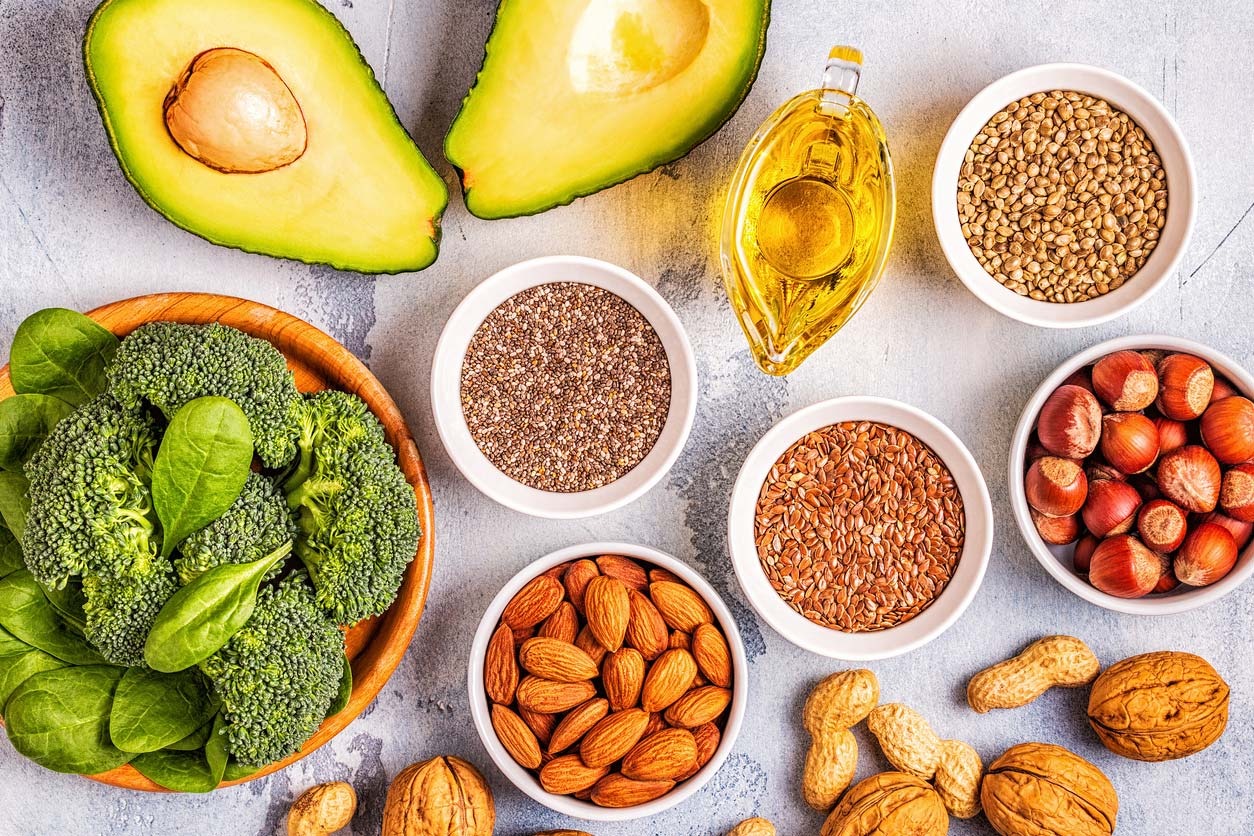
6 vegetarian sources of Omega-3

​​Unlocking Omega-3 goodness​

Essential nutrients, omega-3 fatty acids, are critical for heart health, brain function, and general well-being. Although fish is frequently recommended as the main source of omega-3s, plant-based foods can also provide vegetarians with the necessary amounts. You can include the following six vegetarian sources of omega-3 fatty acids in your diet:

6 vegetarian sources of Omega-3

​​Flax seeds​

Omega-3 fatty acids, especially alpha-linolenic acid (ALA), are abundant in flaxseeds. For an added nutritional boost, you can sprinkle ground flaxseeds over yogurt, porridge, or smoothies. Supplements containing flaxseed oil are also offered to people who want to consume more omega-3 fatty acids.

​​Chia seeds​

Because of their high ALA content, chia seeds are a great vegetarian source of omega-3 fatty acids. These tiny seeds can be added to drinks, salads, baked products, or utilized as a thickening factor in recipes by soaking them in water until they take on the consistency of gel.

​​Walnuts​

One of the few nuts with a notable concentration of ALA omega-3 fatty acids is walnuts. For a crunchy and nutrient-dense boost to your omega-3 intake, snack on a handful of walnuts or add them to salads, cereal, or baked goods.

​​Kidney beans​

In addition to being a wholesome legume, kidney beans are a notable vegetarian source of omega-3 fatty acids. They do contain a little amount of ALA (alpha-linolenic acid), an omega-3 fatty acid, but not as much as they do in other sources like chia seeds or flaxseeds. Kidney beans do, however, provide a host of other health advantages. For example, they are high in protein, fiber, vitamins, and minerals, all of which promote heart and brain health.

Hemp seeds​

Omega-3 fatty acids, protein, fiber, and vital vitamins and minerals are all abundant in hemp seeds. For a healthy and nutty taste, sprinkle hemp seeds on salads, yogurt, cereal, or incorporate them into smoothies.

​​Leafy greens​

Some leafy greens, such as Brussels sprouts, kale, and spinach, have ALA omega-3 fatty acids in them, although not as much as in other foods. Consuming a range of leafy greens can increase your body’s intake of omega-3 fatty acids and offer other health advantages.

Vegetarians can make sure they get the nutrients they need while maintaining a nutritious and well-balanced diet by adopting a wide variety of omega-3-rich foods.

Visit us – http://www.aarogyapath.in now !!!
Categories
Medical Updates Medicine & Health

Millions of older people don’t get enough nutrients – how to spot it and what to do about it

By 2050, approximately a quarter of the UK population is expected to be over the age of 65. With this in mind, the World Health Organisation (WHO) has put “healthy ageing” on its agenda. This means finding ways to maintain health, wellbeing and functional ability in order to have a good quality of life and enjoy the later years.

Everyone ages at a different rate – but there are some things that can influence how well we age, such as by making changes to the types of activity we do and the foods we eat.
Older adults are generally less physically active than they were when they were younger and because of this, their energy intake requirement may decrease. However, there is a difference between energy requirements and nutrient requirements, and nutrient requirements actually remain the same, if not increase, as we get older.

Millions of older people don’t get enough nutrients – how to spot it and what to do about it

This means we need to get more nutrients into less energy which can be tricky as older adults often have lower appetites. This is why scientists suggest that it may be necessary to enrich the food of older people to maintain the nutrient intake.

Several studies have shown that undernutrition affects one in ten older people living independently at home. However, it affects five in ten older people living in nursing homes, and seven in ten older people in hospital.

Being overweight, even obese, does not protect against undernutrition. And when older adults lose weight, they lose muscle, meaning that they are more likely to lose their abilities to do daily tasks.

Weight loss in older adults is a key sign of malnutrition that needs to be addressed – but it can be easily missed, especially when many older adults associate the idea of thinness with good health. But clothing that’s too loose or a watchstrap that floats on the wrist are all warning signs of undernourishment.

Similarly, if someone you care for has started to say things like, “Oh, I don’t want much food today, I’m not hungry”, “I’m not hungry, it’s natural, I’m getting older”, or “I’d rather just have a biscuit to be honest,” then these could be warning signs. An effective way to keep on top of this is regular weighing at least once per month which enables a quick response to potential indicators of malnutrition.

Getting more nutrients into less food

If people are eating small amounts of food, it is important to think about how to add more nutrients into it. A very effective technique, “fortification” is commonly done with pre-made products such as breakfast cereals, plant-based milk and bread in the UK.

Fortification (adding foods, ingredients or nutrients into to existing foods or meals) is easy to do at home as well and can provide a flexible approach for older adults as it allows them to continue eating the foods that they most enjoy.


For older adults in particular, protein is a very important nutrient, because of muscle loss (sarcopenia) which is a natural part of ageing. This could be slowed down or even reversed by eating enough protein at regular intervals throughout the day. A few ways to increase protein include: • Adding dairy ingredients such as milk, high-protein yoghurt, Quark (soft cheese), milk powders, eggs and cheese into meals – even into simple foods like mashed potato.
• Nuts are a great source of protein, try adding ground almonds to savoury or sweet meals (beware of nut allergies).

• Soy protein can be a convenient and cost-effective option, either for vegetarians or to further fortify minced-meat meals.

• Look in the sports section of supermarkets to find whey protein powders. These are marketed to gym enthusiasts, but actually whey is one of the best proteins to stimulate muscle growth. This versatile ingredient can be mixed into porridge before cooking or used it as a substitute for other powdered ingredients in baking.

Importance of physical activity and strength exercises

Physical activity and nutrition go hand-in-hand – both are equally important. As we age, being physically active becomes even more essential as it helps to prevent disease, maintains independence, decreases risk of falls, improves cognitive function, mental health and sleep.

Exercise can also combat isolation and loneliness which has also been linked to decreased appetite in older adults. Often strength training gets ignored when we think of being active but to keep independence and prevent falls, older adults should do varied physical activity that emphasises balance and strength training at moderate or greater intensity on three or more days a week.
Ultimately, it’s essential to contact a doctor or dietician with any worries or concerns about malnutrition or unintentional weight loss. There are, however, some excellent resources to learn more about ageing healthily and maintaining a good quality of life in later years.

Visit us –  http://www.aarogyapath.in

 

Categories
Medical Updates Medicine & Health

Indian researchers find new way to catch antibiotic-resistant bacteria

Researchers at the Indian Institute of Science (IISc) and Jawaharlal Nehru Centre for Advanced Scientific Research (JNCASR) have developed a new method to detect antibiotic-resistant, disease-causing bacteria.

Antibiotic resistance remains one of the biggest challenges for medical researchers as bacteria E. coli and Staphylococcus aureus – have caused over a million deaths and the numbers are expected to rise.

In a new study published in ACS Sensors, the team of researchers detailed the development of a rapid diagnosis tool that uses a luminescent paper-based platform to detect the presence of antibiotic-resistant bacteria.


Indian researchers find new way to catch antibiotic-resistant bacteria

“Generally, the doctor diagnoses the patient and gives them medicine. The patient then takes it for two to three days before realising that the medicine is not working and goes back to the doctor. Even diagnosing that the bacteria is antibiotic-resistant from blood or urine tests takes time. We wanted to reduce that time-to-diagnosis,” Professor Uday Maitra, Department of Organic Chemistry, IISc, said in a statement.

The bacteria use two techniques to evade antibiotics. In one, it evolves, and can recognise and eject the medicine out of its cell, and the other way is by producing an enzyme called β-lactamase, which hydrolyses the β-lactam ring – a key structural component of common antibiotics like penicillin and carbapenem – rendering the medication ineffective.

The IISc and JNCASR team devised an innovative method for detecting antibiotic-resistant bacteria using a supramolecular hydrogel matrix containing biphenyl-4-carboxylic acid (BCA) and terbium cholate (TbCh). Terbium is known for its luminescent properties, making it useful in fluorescence studies and other applications.

When BCA is linked to the antibiotic’s cyclic [β-lactam] ring, the hydrogel emits green fluorescence upon UV light exposure.

The fluorescence remains masked until the presence of β-lactamase enzyme, found in antibiotic-resistant bacteria, unmasks the sensitiser BCA, leading to green emission.

To make the technology affordable, the team collaborated with Adiuvo Diagnostics to create the Illuminate Fluorescence Reader, a portable device with a paper-based hydrogel.

This cost-effective solution successfully detected antibiotic-resistant bacteria in urine samples within two hours during initial tests with healthy volunteers.

The researchers now plan to collaborate with hospitals for further testing on patient samples.

Visit us – http://www.aarogyapath.in now !!!
Categories
Medical Updates Medicine & Health

Congenital Heart Defect Awareness Day 2024: Date, significance, types of congenital heart defects

Congenital Heart Defect Awareness Day is observed annually on February 14 to spread awareness around CHDs or congenital heart defects which are present at birth and can range from mild to severe. These heart defects can affect the structure of a baby’s heart and the way it works. From impacting the heart’s ability to pump blood effectively, developmental delays, to long-term health risks such as heart failure, arrhythmias, and stroke, congenital heart defects can cause a range of health issues. In India, approximately 2 lakh children are born with congenital heart disease every year. Around one-fifth of these suffer from critical heart disease.

Congenital defects can occur due to genetic factors, environment factors like exposure to toxins, mother’s diet and health condition or certain medications taken during critical periods of foetal development which could impact formation of organs and systems in the unborn baby.

Congenital Heart Defect Awareness Day date

Congenital Heart Defect Awareness Day is observed on February 14 every year. The day is promoted extensively by various organizations, including the Paediatric Congenital Heart Association and the American Heart Association, to raise awareness about congenital heart defects and advocate for affected individuals and families.

Congenital Heart Defect Awareness Day significance

Congenital heart defects need to be addressed immediately. Early detection and treatment enable improving prognosis and reducing complications for individuals born with congenital heart defects (CHDs). Heightened awareness around congenital heart defects and advocacy efforts can help increase funding for research and driving advancements in treatment options.

Types of congenital heart defects

Bicuspid aortic valve (BAV): Bicuspid aortic valve is a congenital heart condition characterised by the aortic valve having two cusps instead of the typical three, potentially leading to valve dysfunction and other cardiac complications.

Ventricular septal defects (VSD): Ventricular septal defects are congenital heart abnormalities characterized by an abnormal opening in the wall that separates the heart’s lower chambers, leading to mixing of oxygen-rich and oxygen-poor blood.

Atrial septal defects (ASD): Atrial septal defects are congenital heart defects characterized by an abnormal opening in the wall between the heart’s upper chambers, leading to the mixing of oxygen-rich and oxygen-poor blood.

While some heart defects can be treated easily, others may require surgical intervention or other treatment. Children with CCHD need surgery or treatment within their first year of life to survive and lead a healthy life.

Visit us – http://www.aarogyapath.in
Categories
Medical Updates Medicine & Health

Regular physical activity could lower prostate cancer risk in men

Over the last few years, one of the most debatable topics in cancer research has been whether regular exercise can significantly lower cancer risk.

The answer has remained complicated. However, a recent study, published in The British Journal of Sports Medicine, offered a glimpse of how regular physical activity affects the risk of prostate cancer, one of the top ten most common cancers in India.

Researchers from Sweden showed that men with cardiorespiratory fitness improved by 3% or more annually over five years and, on average, were 35% less likely to develop prostate cancer than men whose cardiorespiratory fitness declined by 3% annually.

Regular physical activity could lower prostate cancer risk in men

Cardiorespiratory fitness is a measure of how well the heart and lungs deliver oxygen to the muscles during exercise.

The men took at least two fitness tests, which involved pedalling on a stationary bike and estimating the volume of oxygen they used during vigorous exercise based on their heart rate.

A higher volume indicated a greater fitness level. The tests were done years apart though the exact gap varied by participant.

According to the co-author of the study, Dr Kate Bolam, “Men who are generally more health-conscious are also good at going to the doctor when they are called for their prostate cancer screening tests.”

Increased testing results in more diagnoses, even for men whose cancers may never advance. Prostate cancer cells can coexist in the prostate throughout one’s lifetime without posing a threat.

Therefore, many men who don’t undergo testing and don’t exhibit symptoms might remain unaware of their prostate cancer.

The researchers recommended finding an activity that is enjoyable, and starting with it immediately. The physical activity could be playing with children or grandchildren, going for a walk or joining a recreational sports league.

Consistency is key, which is why it’s important to find activity that doesn’t feel like a chore.

“Everyone has a chance to do something that’s really cost-efficient here to decrease their risk of prostate cancer,” Dr Bolam said. “And that’s something that is wholly in our control .

Visit us – https://shorturl.at/jIMU0 for more details .