Categories
Government Guidelines Medical Updates Medicine & Health

JDRF International with William J Clinton Foundation to improve Type 1 diabetes care in India

JDRF International, the leading global type 1 diabetes (T1D) research and advocacy organisation, in partnership with the community, clinical partners and William J Clinton Foundation (WJCF), an affiliate of the Clinton Health Access Initiative in India, announced a sweeping set of collaborations that aims to drastically improve T1D care.

THIS CAN BE YOUR ADVERTISEMENT

The efforts include supporting public health programmes, innovative grassroots initiatives, and dedicated clinician networks converging to create a multi-dimensional strategy to tackle T1D. This approach reflects a holistic understanding of health care. Ensuring that essential social and educational needs are met, as all partners work in concert to promote more effective diabetes management for people living with T1D in India. 

JDRF International with William J Clinton Foundation to improve Type 1 diabetes care in India

“We are incredibly humbled to have the opportunity to work closely with our Indian colleagues who are making great strides in removing barriers to access and improving outcomes around the country,” said Sanjoy Dutta, Chief Scientific Officer, JDRF. “Increasing care for people living with type 1 diabetes in India is vital to JDRF’s global access work.”

According to the T1D Index, a first-of-its-kind data simulation tool that measures the human and public health impact of type 1 diabetes, India has the largest ‘missing’ prevalence of type 1 diabetes in the world. Increasing focus on screening for diagnosing T1D and helping manage care will improve longevity and quality of life for them. 

As part of this process, the Government of India has initiated several comprehensive programs that address immediate health care needs and pave the way for long-term systemic improvements in T1D care. Several Indian states are at the forefront, with significant T1D programmes, serving as models of innovation and effectiveness and select states will be served by the support currently being developed in partnership with JDRF International, William J Clinton Foundation, The Helmsley Charitable Trust with support from Eli Lilly and Company. 

At William J Clinton Foundation, we are deeply committed to partnering with and supporting public health programmes for comprehensive management of type 1 diabetes in select states of India. Our approach is that of collaboration and facilitation and our partnership with JDRF is designed to complement and enhance government-led diabetes care programs,” said Harkesh Dabas, Managing Director, William J Clinton Foundation. “We aim to bolster the implementation and scaling of these important initiatives. Our involvement underscores a public healthcare-owned and led initiative and collaborative spirit, ensuring that the strides made in type 1 diabetes care are both impactful and sustainable, and reach every individual in need across the country.” 

These dramatic advances in diabetes care are supported by The Impatient Network, a dynamic coalition of grassroots and community-based diabetes advocates working across India. Made up of people living with diabetes and their loved ones, The Impatient Network is working with partner organisations to provide access to peer-led education, support services and resources that will help to combat stigma and raise T1D awareness. 

As someone who personally navigates the challenges of type 1 diabetes, I’ve seen firsthand the critical need for comprehensive support and care. My involvement with The Impatient Network, starting from its first meeting, has been a journey of hope”, said Princess Padmaja Kumari Parmar, Founder and President of Friends of Mewar. “This network is a vital link in the collaboration between people with diabetes, government bodies, and clinicians. By joining hands with policymakers and medical experts, we are not just voicing our needs; we’re actively shaping a future where diabetes care is inclusive, innovative, and accessible to all. This collaborative approach is key to ensuring that every person with type 1 diabetes in India has access to the best possible care and support.” 

“The Impatient Network stands as a beacon of hope and change in India’s type 1 diabetes landscape. As a united force of grassroots advocates, we embody the collective voice and determination of communities striving for better diabetes care,” said Jazz Sethi, global diabetes advocate, Impatient Network member, and founder of The Diabesties Foundation. “Our focus on peer-led education and innovative awareness initiatives is more than just filling gaps in health care; it is about building trust, understanding, and a sustainable framework for comprehensive diabetes management. We’re crafting a future where type 1 diabetes care is accessible, empathetic, and effectively meets the real needs of those it serves.” 

The initiative aims to create a synergy between medical experts and peer groups, fostering a cooperative environment where clinical knowledge meets community wisdom. This work is essential in making diabetes care more accessible and tailored to the needs of people living with T1D in India. 

“In our mission to advance T1D care in India, collaboration is key. A key part of that is a partnership with the existing work being done by clinical communities such as the Diabesties & Blue Circle and institutions such as RSSDI, ISPAE, and ESI,” said Professor Partha Kar, NHS National Specialty Advisor in Diabetes. “Our Clinical Stewardship Program embodies this collaborative ethos, bridging the gap between medical professionals and the T1D communities we serve. It is a personal privilege to be given this opportunity by JDRF – to be able to give back something to the country to which I owe so much of my life. As the saying goes: ‘Phir Bhi Dil Hai Hindustani’ (still my heart is Indian).”

Visit us – www.arogyapath.in  

Categories
Government Guidelines Medical Updates Medicine & Health

​Side effects of taking too many paracetamol​

​Do you self–prescribe paracetamol?​

Taking too many paracetamol can have serious health consequences as it is available over the counter even without prescriptions. Although it is a widely used pain reliever and fever reducer, exceeding the recommended dosage can lead to several harmful side effects.

​Overdose of paracetamol can affect liver function​

First and important, an overdose of paracetamol can overwhelm the liver’s ability to process the drug, leading to potential liver damage. This is because paracetamol is primarily metabolized in the liver, and excessive consumption can cause a build-up of toxic by-products that damage liver cells. Symptoms of liver damage may not appear immediately, which can make early detection challenging.

​Side effects of taking too many paracetamol​

​Paracetamol poisoning​

Additionally, an overdose of paracetamol can lead to ‘Paracetamol Poisoning’ with symptoms like nausea, vomiting, abdominal pain, and loss of appetite. These symptoms can be mistaken for other illnesses, delaying the recognition of the overdose.

Paracetamol overdose can cause acute liver failure, and very long use may lead to even irreversible liver injury requiring liver transplantation. which is a life-threatening condition. It can result in jaundice, confusion, and even coma. If left untreated, it can be fatal. Sometimes it may lead to kidney injury also.

To prevent these harmful effects, it’s crucial to follow the recommended dosage instructions on the medication’s label and seek medical attention immediately if an overdose is suspected. Prompt treatment can help mitigate the damage and improve the chances of a full recovery.

visit – https://shorturl.at/ixHJN


Categories
Government Guidelines Medical Updates Medicine & Health

Heart damage: Another reason to cut down on children’s screen time

Evidence indicates that excessive screen time is harmful both to neurological development and socialisation.

The effects of prolonged screen use during childhood have been extensively studied in recent years. Evidence indicates that excessive screen time is harmful both to neurological development and socialisation. This is because, among other things, they cause us to disconnect from our surroundings, leading to very real addictions that often require intervention from a mental health professional.

Additionally, screen use can cause neurocognitive learning disorders at the early stages of personality formation in childhood.

But above all, excessive time spent in front of televisions, video games, mobile phones and tablets during childhood and adolescence leads to a sedentary lifestyle.

In fact, there is already a proven link between overuse of screens and the increase in sedentary lifestyles among children.

Now, a new dimension can be added to all these reasons for limiting the time children spend in front of televisions, video games and mobile phones.

According to a new study, led by Andrew Agbaje at the University of Eastern Finland in Kuopio and presented at the European Society of Cardiology Congress 2023, sedentary children are at increased risk of heart damage in early adulthood.

Heart damage: Another reason to cut down on children’s screen time

In other words, inactivity during infancy may well set the stage for heart attacks and strokes later in life, even if weight and blood pressure are within the normal ranges.

Excessive screen time increases heart weight

The research analysed the cumulative effects of sedentary time on the heart, drawing data from Children of the 90s, a landmark multigenerational study that is unique in its breadth and depth of scope.

It tracked the health and lifestyles of 14,500 babies born in 1990 and 1991 into their adult lives.

Of the children included in the study, 766 –55 per cent of them girls and 45 per cent boys– were asked at age 11 to wear a smart watch that monitored their activity for seven days.

At age 15 they were asked to repeat this, and then again at 24. In parallel, an echocardiographical analysis was taken of each subject’s left ventricle at ages 17 and 24, which was then adjusted for height, sex, blood pressure, body fat, tobacco use, physical activity and socioeconomic status.

The results indicated that at age 11 the subjects were sedentary for an average of 362 minutes per day.

In adolescence (age 15) this increased to 474 minutes per day, and then went up to 531 minutes per day in adulthood (age 24).

Sedentary time increased by an average of 2.8 hours per day over the 13 years of the study.

A large amount of this sedentary time was spent in front of screens. `Most seriously, the echocardiography registered an increase in heart weight among young people that correlated directly to time spent being sedentary.

Once they entered adulthood, this increased the likelihood of heart attacks and strokes.

This direct relation between accumulated inactive time and heart damage was independent of body weight and blood pressure.

Tell me how much you moved as a child…

By now it is common knowledge that sedentary lifestyles increase the risk of metabolic conditions (such as obesity and type 2 diabetes), neurodegenerative disease and cardiovascular disease in adults.

The new study shows that sedentary behaviour at a very early age –especially unrestricted screen time– may lead to an earlier onset of cardiovascular disease in adulthood.

For this reason, it is of the utmost importance that parents encourage children and adolescents to move around more, and limit the time they spend watching television, or using social media and videogames.

As we have already suggested with regard to premature birth, the list of known, conventional cardiovascular risk factors (smoking, diabetes, hypertension, etc.) should be revised and updated as a result of the study to include the cumulative time spent engaging in sedentary behaviour in childhood.

We should all, from an early age, heed the words of Martin Luther King when he said “If you can’t fly, then run. If you can’t run, then walk. If you can’t walk, then crawl, but whatever you do, you have to keep moving.”

Read more at- https://shorturl.at/rvxO3

Categories
COVID-19 Government Guidelines Medical Updates Medicine & Health

Long Covid study links lingering virus with bowel-to-brain havoc

The findings of the study provides an explanation for poor concentration, memory problems and other neurocognitive symptoms in long Covid.

Covid may trigger complex biological reactions from the bowel to the brain, leading to persistent neurological symptoms in some people, according to a study that points the way toward a treatment.

Viral vestiges in the gastrointestinal tracts of a subset of long-Covid patients may drive chronic inflammation that interferes with a key chemical messenger involved in nerve activity, brain function and memory, researchers at the University of Pennsylvania reported Monday in the journal Cell.

The findings provide an explanation for poor concentration, memory problems and other neurocognitive symptoms in long Covid, they said. Importantly, their experiments identified Prozac and other drugs that boost levels of the chemical messenger — serotonin — as promising targets for future study.

More than 200 symptoms have been associated with long Covid, an umbrella term applied to the often debilitating health problems estimated to afflict 10% or more of people who have had Covid-19. The new research suggests some hallmark symptoms “may converge on common pathways,” said co-author Christoph Thaiss, an assistant professor of microbiology at the Penn Institute for Immunology in Philadelphia.

Long Covid study links lingering virus with bowel-to-brain havoc

Further research may determine how many long Covid sufferers are affected by this cascade of reactions and uncover additional potential therapies, he said. The implications of the study may also extend to other post-viral syndromes.

While serotonin is most widely associated with mood and mental health, the researchers had a different focus as they sought to unravel drivers of long Covid. Thaiss and colleagues found that ongoing inflammation in the gut, which they link to a persistent reservoir of the virus, sabotages circulating levels of the neurotransmitter in multiple ways, including through blood clotting abnormalities.

‘Unifying Framework’

“This is as close as I have seen to a unifying framework for long Covid,” said Ziyad Al-Aly, director of the clinical epidemiology center at the Veterans Affairs St. Louis Health Care System in Missouri, whose research has led to important long Covid findings. “This is a very important advance in the field.”

Cohort studies and lab experiments were used to interpret the cause of serotonin depletion and its downstream effects. The researchers focused on the molecule’s activity on the vagus nerve, which innervates internal organs and is thought to stimulate neurons in the hippocampus, a brain region involved in learning, memory and cognition.

“The fact that we see serotonin being dysregulated in some individuals with long Covid can potentially explain why there’s such a broad spectrum of symptoms,” spanning brain fog and mood to problems sleeping and gastric upset, Thaiss said.

Low serotonin has been observed across several long-Covid studies, including patients with different but over-lapping symptoms, he said.

“The sicker the person is in terms of the number of symptoms they present with, the lower their serotonin,” Thaiss said.

No Silver Bullet

A single biological pathway isn’t likely to explain all long Covid cases, said Akiko Iwasaki, a professor of immunobiology at the Yale School of Medicine in New Haven, who also studies the condition. Other proposed drivers of neurologic symptoms include persistent neuroinflammation, possibly from a deficient immune response that allows the virus to linger in the brain.

“But still, it’s a very important mechanism that deserves a lot of attention,” Iwasaki said in an interview. Serotonin might help gauge the effects of treatments in studies, including a trial of Pfizer Inc.’s antiviral Paxlovid that she is working on.

“If serotonin is really the key marker, we definitely should be including that,” Iwasaki said.

Not all scientists are convinced that low serotonin is playing a key role or acting in isolation in long Covid. Also many sufferers have taken the medicines without benefit.

Avindra Nath, clinical director of the National Institute of Neurological Disorders and Stroke in Bethesda, Maryland, praised the study for its extensive body of research, but said that except in some rare disorders or micronutrient and vitamin deficiencies, it’s unlikely alterations in levels of a single molecule can be blamed for starting a disease process, especially one triggered by an infection.

Targeted Studies

Strategies aimed at increasing serotonin levels or targeting its signaling should be examined in randomized, controlled trials of patients most likely to benefit from the approach, said Liam O’Mahony, a professor of immunology at University College Cork, whose own research found serotonin depletion in long Covid patients.

Prozac, Luvox and other antidepressants that work by increasing serotonin in the brain have been studied during the pandemic to both prevent and treat Covid due to their potential to disrupt the biological processes of infection, but results have been mixed. People taking them when they caught Covid had about a 25% lower risk of developing long Covid, scientists at the National Institutes of Health found in a retrospective study released in November before peer-review and publication.

“It may be a combination of therapies that ends up being the most effective for patients and not one drug in isolation,” said study co-author Benjamin Abramoff, director of Penn Medicine’s Post-Covid Assessment and Recovery Clinic.

Read more at-https://shorturl.at/chmx3

Categories
Government Guidelines Medical Updates Medicine & Health

Long Covid patients are much more likely to have multiple organ abnormalities

MRI scans revealed that people with long COVID were 14 times more likely to have lung abnormalities than people who never had the disease.

It wasn’t that long ago that some people speculated that long COVID was all in the mind – a psychosomatic illness. Thankfully, that period of speculation is now behind us. We have compelling evidence that long COVID is very real and very harmful. I’m the lead investigator on an ongoing study called C-More which looks at the long-term harms caused by COVID.

People with long COVID who had abnormalities involving more than two organs were four times more likely to report “severe” or “very severe” mental and physical impairment.

In the beginning

When COVID first emerged, doctors perceived it to be a respiratory illness, with patients reporting pronounced coughing, shortness of breath and symptoms akin to pneumonia.

But as our global understanding of the disease evolved, so did our appreciation of this complex disease.

Reports began to emerge that the virus was capable of not just affecting the lungs but also other organs, such as the heart, kidneys, brain and blood vessels, causing a broader assault.

Studies identifying the viral proteins in various organs also began to emerge, demonstrating the virus’s fondness for certain tissues that were not part of the lungs.

Originally, the main theory put forward was that SARS-CoV-2 (the virus that causes COVID) was directly infecting cells across multiple organs.

But, as data accumulated, a more nuanced understanding emerged. It was observed that in some patients, the immune system, in its defence against the virus, overshot its response, leading to what’s termed a “cytokine storm”.

This hyperactive immune reaction wasn’t always discriminative, causing unintended damage to organs not directly under viral attack.

Further reports highlighting the predisposition of the virus to induce excess clotting, mitochondrial disruption (mitochondria being the powerhouses of our cells) and reactivation of other viruses emerged.

Long Covid patients are much more likely to have multiple organ abnormalities

More importantly, there was a growing number of patients continuing to report persistent disabling symptoms arising from multiple organs, even after surviving the initial infection, also known as long COVID, a condition now thought to affect one in ten people.

So the narrative shifted. COVID wasn’t merely a short respiratory affliction, but a multisystem disease with the potential for long-term complications, challenging our assumptions about how to treat the disease.

The birth of C-More

To shed light on these questions, the C-More study was launched in the UK, focusing on the after-effects of the virus in patients who had been hospitalized.

Few studies on long COVID have looked at multiple organ harm in the same patient. And those that have, have tended to focus on patients who weren’t hospitalized with COVID.

This makes our study unique. However, as with any pioneering study, there are some limitations.

The latest results, mentioned above, are based on preliminary data (interim analysis from half the study population). A complete analysis is still awaited.

Pre-COVID MRI scans from patients were not available, making definitive conclusions about the link between COVID and the organ changes difficult.

The control participants were not an exact match to the patient population, but we adjusted our analyses to account for any differences, ensuring the findings were as accurate as possible.

The MRI scans didn’t always explain the symptoms experienced in individual organs.

For instance, even if the MRI showed an organ to be normal, a patient could still exhibit related symptoms. The only strong tie identified was between lung abnormalities and chest tightness.

Still, this study was an important effort to better understand the long-term effects of COVID on multiple organ health.

It reminds us to be vigilant of the potential for long-term consequences of the disease and the importance of vaccination – particularly in people at risk of severe infections.

Doctors and healthcare services around the world can now refine follow-up care, with a focus on lung, brain, kidney and blood vessel health among patients recovering from serious COVID infections, based on our study’s results.

Read more at-https://shorturl.at/ewIZ9
Categories
COVID-19 Government Guidelines Medical Updates Medicine & Health

‘Disease X’ could be 20 times deadlier than COVID-19, says expert

UK healthcare professionals are preparing for a potential new pandemic known as ‘Disease X,’ which could be more deadly than COVID-19, with the capacity to result in 20 times more fatalities. Disease X could potentially cause up to 50 million deaths.

As COVID-19 transitions into a recurring and more familiar health concern, healthcare professionals in the UK are now gearing up for a potential new pandemic known as “Disease X.” They caution that this new virus could have a similar impact to the devastating Spanish Flu of 1918-1920.

Health experts are sounding the alarm about “Disease X,” a term coined by the World Health Organization. They warn that this potential new pandemic has the capacity to result in 20 times more fatalities than the coronavirus. The COVID-19 pandemic began in 2020 and has tragically claimed the lives of over 2.5 million people worldwide. Here are the top 10 points about Disease X.

1. In an interview with the Daily Mail, Kate Bingham, who served as the chair of the UK’s Vaccine Taskforce from May to December 2020, expressed her belief that Disease X is expected to be considerably more perilous than COVID-19.


2. Based on expert estimates, Disease X could potentially result in up to 50 million fatalities. “Let me put it this way: the 1918-19 flu pandemic killed at least 50 million people worldwide, twice as many as were killed in World War I. Today, we could expect a similar death toll from one of the many viruses that already exist,” she told the Daily Mail.

In response to Disease X, Bingham asserted, “the world will have to prepare for mass vaccination drives and deliver the doses in record time.”

'Disease X' could be 20 times deadlier than COVID-19, says expert

3. She disclosed that while scientists have identified 25 virus families encompassing thousands of individual viruses, she holds the view that there are millions of viruses yet to be discovered, and these have the potential to evolve into pandemics.

4. “In a sense, we got lucky with Covid-19, despite the fact that it caused 20 million or more deaths across the world. The point is that the vast majority of people infected with the virus managed to recover. Imagine Disease X is as infectious as measles with the fatality rate of Ebola [67%]. Somewhere in the world, it’s replicating, and sooner or later, somebody will start feeling sick.”

5. The rise in outbreaks, according to Bingham, is attributed to the growing trend of more people congregating in urban areas. She also emphasizes that the continual destruction of millions of acres of natural habitat each year is contributing to this increase.

6. “This reason is particularly important, because around three-quarters of emerging infectious diseases originate in animals and then leap from species to species until they can, in certain circumstances, infect human beings.”

Mint is now on WhatsApp Channels :rocket: Subscribe today by clicking the link and stay updated with the latest financial insights! Click here!

7. According to Bingham, one of the initial actions that need to be taken is to allocate the necessary financial resources, essentially putting “the money on the table.” Bingham said, ” The monetary cost of inaction is seismic. After all, even Covid-19 – a milder virus than Disease X – managed to leave us holding a bill for $16 trillion in both lost output and public health expenditure.”

8. Regarding vaccines for Disease X, there are currently no approved vaccines available. Nevertheless, Bingham underscores the importance of scientists developing a collection of “different prototype vaccines for every threatening virus family”. She stressed that only a ‘head start’ on vaccines could help to target specific features of Disease X.

9. Bingham explained about the portfolio strategy – vaccines countering different facets of the virus. She explains by saying that ‘different types of vaccines stimulate different immune responses and therefore they provide different levels of protection’.

10. She further noted that the manufacturing capabilities vary enormously across countries and regions. Some vaccine formats may be suitable for large-scale production, while others may be easier to produce in the third world. Third, we need to address the shortcomings of current vaccines, not all of which are durable, easy to transport or cheap. Fourth, researchers must be encouraged to trial new technologies and approaches to vaccine design, potentially leading to more effective and efficient vaccines in the future.”

Read more at-https://shorturl.at/einQ3


Categories
COVID-19 Government Guidelines Medical Equipments Medical Updates

Immune cells are critical to efficacy of coronavirus vaccinations: Study

The study shows that vital subset of immune system cells that are required for successful vaccination of covid.

A study has provided fresh information on a vital subset of immune system cells required for successful vaccination against the SARS-CoV-2 pandemic virus.

The study, led by researchers at NYU Grossman School of Medicine and the New York Genome Centre, focused on T cells, which, along with B cells, form the human immune system’s response to invading viruses and bacteria. T lymphocytes labelled with the surface protein CD8 generate chemicals that kill infected cells directly. B cells secrete antibodies, which neutralise and mark contaminated cells for removal from the body.’

Vaccines expose patients to a bit of an invading bacterium in order to generate responses such as B and T cell activation so that the system is ready for the invader if it is met again. The COVID-19 mRNA vaccines were based on RNA, a genetic material utilised to encode the spike protein required by the virus to adhere to human cells. When mRNA instructions are injected, the spike is generated, and the immune response is activated.

In the rush to create vaccines against SARS-CoV-2, clinical trials relied mostly on antibody levels, when efficient diagnostics were available, to determine whether patients’ immune responses to mRNA vaccine candidates were protective. However, clinical protection was observed as early as ten days following the initial vaccine dose, well before neutralising antibodies could be produced. T cells were thought to be at least as significant in this protection, but normal methods for tracking them were too sluggish, so careful examinations of CD8 T cell responses were put on hold.

Immune cells are critical to efficacy of coronavirus vaccinations: Study

The study published in Nature Immunology describes a quick (high-throughput) approach for tracking T cell responses, demonstrates that they are critical to the early protection afforded by mRNA vaccines against COVID-19, and identifies the T cell subsets most responsible for it.

Our study identified markers for the CD8 T cells that arise from mRNA vaccination and that track closely with successful vaccination, which had previously been difficult to quantify on the population level,” said co-first study author Rabi Upadhyay, MD, assistant professor in the Department of Medicine at NYU Langone Health, and faculty in its Perlmutter Cancer Center.

“Although our study looks at mRNA vaccination against coronavirus, the antigen-specific CD8 T cell subpopulations we uncover represent key features of immune responses more broadly, and may help us to study T cells in other disease settings.”

For the current study, the research team analyzed gene expression over time in single T cells collected before and after immunization with the mRNA vaccine produced by BioNTech and Pfizer against SARS-CoV-2.

The researchers found distinct subsets of CD8 T cells that reliably multiplied (proliferated) 21 days after the original vaccination, specifically targeting and attacking key proteins (antigens) that make up the pandemic virus.

In looking at the genetic makeup of the most effective T cells, the researchers observed that cells lacking a surface protein called KLRG1, which stands for co-inhibitory receptor killer-cell lectin-like receptor G1, were the most likely to multiply quickly after mRNA vaccination and specifically attack.

When study authors checked for these profiles in hospitalized COVID-19 patients, those with the most “properly programmed” T cells – lacking KLRG1 but expressing other markers such as CD38 and HLA-DR – were the most likely to successfully recover from their infections.

In the years since the pandemic began, mRNA vaccines, first used against the virus, are now in clinical trials wherein they direct the body’s immune system to attack cancerous cells.

By clarifying T cell markers (e.g. KLRG1, CD38, HLA-DR), and the timeline for when CD8 T cells arise in the blood after vaccination, the new work may enable clinical teams to tell which patients are responding to the vaccines within days or weeks, say the authors.

That compares to the more than two months that oncologists must currently wait after mRNA vaccination to perform CT scans and assess whether their lung, breast, or prostate cancer patients responded to an mRNA vaccine.

If they are validated in this setting and dramatically shorten such wait times, the new profiling methods promise to help patients pivot more quickly to other treatments if necessary, the researchers say.

Furthermore, the study authors refer to a recent study led by a different research team which found that T cells with very similar attributes, again involving KLRG1, CD38, and HLA-DR, were the most effective at attacking cancer cells after treatment with an immune system-triggering drug (immunotherapy), just as they were the most effective at attacking the SARS-CoV-2 virus in the current study.

“It is remarkable that T cell attributes found after treatment with an effective immunotherapy mirrored those that we found to track with patient recovery from COVID-19,” said co-corresponding author Dan Littman, MD, PhD, the Helen L. and Martin S. Kimmel Professor of Molecular Immunology in the Department of Cell Biology at NYU Langone. “This pattern suggests that the close monitoring of antigen-specific CD8 T cell subpopulations will be central to future efforts to design treatments and vaccines against either viruses or tumours.”

Read more at-https://shorturl.at/HKRY1

Categories
Government Guidelines Medical Updates Medicine & Health

Dengue: Top tips to prevent and protect yourself amid record fever outbreak

Protection against dengue is crucial, especially in India and Bangladesh where cases are rising amid worst-ever dengue fever outbreak. Here are some top tips

Health departments in India and Bangladesh have swung into action after dengue cases surge amidst heavy rainfall this monsoon, with over 7,000 dengue cases reported in Karnataka, nearly 3,475 dengue cases in Punjab, Ambala’s dengue cases climbing to 173, Lucknow crossing the 300-mark, two notified dengue deaths in Navi Mumbai and suspected dengue cases pegged at 126, another suspected dengue death in Ghaziabad and an uptick in dengue cases in Delhi where doctors warn that numbers may increase. Meanwhile, the World Health Organization reported that neighbouring country, Bangladesh, is facing its worst-ever dengue outbreak with the climate crisis being cited as a key factor in the increased transmission of these mosquito-borne diseases.

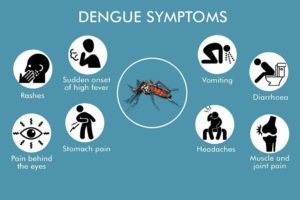
This viral infection is caused by the dengue virus (DENV) which is transmitted to humans through the bite of infected mosquitoes and while many DENV infections are asymptomatic or produce only mild illness, high fever, headache, body aches, nausea and rash, DENV can occasionally cause more severe cases and even death. Hence, health experts insist that early detection and access to proper medical care greatly lower fatality rates of severe dengue.

In an interview with HT Lifestyle, Dr Divya Singh, Senior Surgeon at Ram Manohar Lohia Hospital and Director at Maaiya Social Change Front Foundation, asserted that protection against dengue is crucial, especially in Delhi where cases are rising. She suggested some top tips to help you prevent dengue –

Dengue: Top tips to prevent and protect yourself amid record fever outbreak

  • Eliminate breeding sites: The Aedes mosquitoes that transmit dengue breed in stagnant water. Regularly check and eliminate any standing water around your home, such as in flower pots, discarded containers, and gutters. Do not allow water to stagnate in or around the household.
  • Regular screening of the house – Regular screenings by local authorities, building associations and on your own is a must to remain vigilant and present any breeding spots from being missed out.
  • Use mosquito nets and screens: Sleep under mosquito nets, especially during daytime when Aedes mosquitoes are most active. Use window and door screens to prevent mosquitoes from entering your home.
  • Wear protective clothing: When outdoors, wear long-sleeved shirts, long pants, socks, and shoes to minimize exposure to mosquitoes. Light-colored clothing can also help as mosquitoes are attracted to dark colors.
  • Use mosquito repellents: Apply mosquito repellents on exposed skin and clothing. Look for products containing DEET, picaridin, or oil of lemon eucalyptus. Follow the instructions on the label.
  • Keep your environment clean: Maintain good hygiene and cleanliness in and around your home. Trim bushes and shrubs, and keep grass short to reduce mosquito resting areas.
  • Keep the house and surrounding areas airy and well lit: Mosquitoes usually breed in dark places. Dimly lit areas and neglected spots harbour mosquitoes and may be overseen during sanitation checks which causes pooling of water and a fertile ground for larvae to grow.
  • Avoid peak mosquito activity: Aedes mosquitoes are most active during early morning and late afternoon. If possible, stay indoors during these times.
  • Avoid smells that attract mosquitoes: Growing lemongrass, eucalyptus and peppermint around the house will aid in fending off mosquitoes.
  • Promote community action: Work together with your neighbors to eliminate breeding sites in your community. Mosquitoes can travel short distances, so collective efforts are important.
  • Support vector control measures: Cooperate with local health authorities and their efforts to control mosquito populations through fogging, spraying, and larvicidal treatments.
  • Stay informed: Stay updated on dengue-related information from local health authorities and government agencies. Follow their recommendations for prevention and control.
  • Seek medical attention: If you experience symptoms such as high fever, severe headache, joint and muscle pain, rash, or bleeding, seek medical attention promptly. Early diagnosis and proper medical care are essential for managing dengue.

Emphasising the importance of collective efforts, the health expert urged everyone to actively engage in dengue prevention by adopting these measures and inspiring others within the community. Through united action, we can significantly diminish the spread of dengue and safeguard the well-being of our neighbourhoods.

Read more at-https://shorturl.at/cCRT2

Categories
Government Guidelines Medical Updates Medicine & Health

Nipah virus outbreak: Top 10 symptoms of the deadly virus; prevention and treatment tips

While Nipah virus starts with mild symptoms like headache, muscle pain, fatigue, nausea, it may progress to deadly symptoms as the disease advances.

Amid the outbreak of Nipah virus in Kerala, the state has been taking all the precautionary measures to control the spread. So far, two people have died and at least five have been infected by the virus which has high mortality rate but is less infectious.

WHO says the Nipah virus’s fatality rate may be between 40- 75 percent. Nipah virus is a viral infection and the name ‘Nipah’ comes from a Malaysian village, where the first outbreak was reported in 1998-1999 and it has high mortality.

While Nipah virus starts with mild symptoms like headache, muscle pain, fatigue, nausea, it may progress to mental confusion, seizures and encephalitis when the virus starts affecting brain function.

What is Nipah virus?

“Nipah virus (NiV) is a zoonotic virus that can cause severe illness in humans. It is primarily transmitted from animals to humans and can also spread from human to human. The symptoms of Nipah virus infection can range from mild to severe,” says Dr Ajay Aggarwal, Director – Internal Medicine, Fortis Hospital Noida.

“Nipah virus was first identified in 1998 during an outbreak in Malaysia. Nipah virus infection can lead to severe respiratory illness and encephalitis (inflammation of the brain),” says Dr G Sneha, Consultant – General Medicine, CARE Hospitals, Banjara Hills, Hyderabad.

“Nipah virus is primarily seen in Indo Bangladesh region. In Malaysia, the source of infection was nosocomial, the source being pigs and bats who had transmitted the virus to humans. Consecutively, human to human infection is the cause of spread of the infection through droplet infection. Recently, two unnatural deaths were reported in Kozhikode, Kerela suspected to be due to a new virus outbreak in the area. It is feared that the deaths might be caused due to the Nipah virus,” says Dr Tushar Tayal, Consultant, Internal Medicine, CK Birla Hospital, Gurugram.

Symptoms of Nipah virus

Initial symptoms of Nipah virus are non-specific such as fever, headache, dizziness, myalgia, vomiting and loose stools. This may progress to brain involvement in the form of seizures and encephalitis. There may also be respiratory involvement causing respiratory failure.

“Nipah infection has very high morbidity in the form of psychiatric and neurological complications (depression, personality changes, deficits in attention, verbal, and/or visual memory) after recovery. Mortality rate of Nipah is also very high as it is majorly untraceable, and has a fatality rate of 40 to 75 percent, according to the World Health Organisation (WHO),” says Dr Tayal.

Dr Ajay Agarwal shares Nipah virus’s symptoms in detail:

1. Fever: Nipah virus infection often starts with a high fever.

2. Headache: Headaches are a common early symptom.

3. Muscle pain: Muscle aches and pain may occur, similar to flu-like symptoms.

4. Fatigue: Profound weakness and fatigue can be present.

5. Nausea: Many individuals experience nausea, sometimes accompanied by vomiting.

6. Dizziness: Some people may feel dizzy or lightheaded.

7. Mental confusion: As the disease progresses, confusion and disorientation may develop.

8. Seizures: In severe cases, individuals may experience seizures due to neurological complications.

9. Respiratory symptoms: Respiratory distress, including difficulty breathing, can occur in severe cases.

10. Coma: In the most severe cases, individuals can slip into a coma.

Dr G Sneha shares the following symptoms for Nipah virus

Fever: Nipah virus infection often begins with a high fever, typically 3 to 14 days after exposure.

Headache: Severe headaches are common.

Dizziness: Patients may experience dizziness or disorientation.

Nausea and vomiting: Gastrointestinal symptoms like nausea and vomiting may occur.

Neck rigidity: Stiff neck and muscle pain can be early signs of the infection.

Mental confusion: As the disease progresses, patients may become disoriented and develop mental confusion.

Coma: In severe cases, Nipah virus infection can lead to a coma within 24-48 hours.

“Furthermore, it’s crucial to take precautions to prevent Nipah virus transmission, as it can spread from person to person through close contact, respiratory droplets, or contact with contaminated objects or surfaces. Public health measures such as isolation, quarantine, and infection control practices are essential to prevent outbreaks of Nipah virus infection. If you suspect a Nipah virus outbreak in your area or have concerns about potential exposure, it’s essential to contact local health authorities for guidance and follow recommended preventive measures,” says Dr Agarwal.

Nipah virus outbreak: Top 10 symptoms of the deadly virus; prevention and treatment tips

Treatment

Dr G Sneha says there is no specific antiviral treatment for Nipah virus infection and supportive care is the mainstay of treatment.

It may include:

1. Hospitalization: Infected individuals are usually hospitalized to receive appropriate medical care and to prevent the spread of the virus.

2. Supportive care: This includes intravenous fluids to maintain hydration, pain management, and mechanical ventilation in severe cases to assist with breathing.

3. Experimental treatments: In some cases, experimental antiviral drugs or therapies may be considered, but their effectiveness is not well established.

“Also, there are very few experimental medications such as Ribavirin and favipiravir which have shown some benefit, but the treatment remains primarily symptomatic,” says Dr Tayal.

Management

Dr G Sneha suggests Nipah virus patient should be isolated and quarantined. Here are points to remember:

1. Isolation and quarantine: Infected hould be isolated to prevent further transmission. Close contacts should be monitored and quarantined if necessary.

2. Infection control: Healthcare workers and caregivers should follow strict infection control measures to prevent the spread of the virus.

3. Preventive measures: In areas with known Nipah virus outbreaks, measures such as avoiding contact with sick animals, not consuming fruits contaminated by bat saliva or urine, and practicing good hygiene are important for prevention.

4. Vaccines: Research is ongoing, and vaccines are being developed, but as of my last update in September 2021, there was no licensed vaccine for Nipah virus.

“Hand hygiene and personal protective equipment (PPE) remain as pillars of comprehensive infection prevention. We have to remember our learning from Covid and use the same precautions that we have been following for the past few years that is hand hygiene, social distancing and usage of masks,” says Dr Tayal.

Read more at-https://shorturl.at/osuB2

Categories
Government Guidelines Medical Updates Medicine & Health

Tips to maintain a healthy diet during office hours

Maintaining a healthy diet during office hours is crucial for your well-being and productivity. Here are some tips to help you stay on track.

Within the conventional 9-to-5 grind at workplace, challenges arise as the fast-paced work rhythm strains even the most resilient individuals. Individuals who work at a workstation while in a seated position are more inclined to have unhealthy eating habits.

According to the National Family Health Survey, roughly 10% of Indians, primarily women, consume deep-fried meals on a daily basis and 36% on a weekly basis. In an interview with HT Lifestyle, Dr Mukesh Batra, Founder and Chairman Emeritus at Dr. Batra’s Healthcare, shared, “The gravitational pull towards readily available, calorie-laden junk food becomes a tempting escape, subtly leading to weight gain and associated health concerns. Such dietary choices take a toll on both productivity and overall well-being. The crux lies in a pivotal choice – to choose sustenance that rejuvenates rather than incapacitates.”

He suggested, “A collection of nutrient-rich alternatives stands ready – nuts, seeds, Greek yogurt, vibrant vegetables, succulent fruits, and the nourishing embrace of whole-grain crackers, each bestowing sustained energy and vitality. Amid the bustling work hours, committing to consuming 3 to 4 liters of water daily can become transformative. By resisting sugary drinks, indulge in herbal teas’ comfort instead. Also, by balancing hunger’s pull, people can learn that satisfaction doesn’t equate to excess. Mindfully embracing smaller portion sizes, aided by smaller plates and bowls, orchestrates moderation’s symphony and curbs overindulgence. The intentional nourishment of human bodies can become a declaration of empowerment.”

Tips to maintain a healthy diet during office hours

According to Dr Diti Makhija, Director at QMS MAS, maintaining a healthy diet during office hours is crucial for your well-being and productivity. She recommended some tips to help you stay on track –

1. Drink Adequate Water: Start your day by drinking a glass of water, and aim to continue sipping water throughout the day. Staying hydrated aids in digestion, helps control appetite, and keeps you energised.

2. Healthy Snacking: Instead of reaching for unhealthy snacks, keep a small box of nutritious options handy. Some good choices include a mix of almonds, dates, and raisins. These provide protein, fiber, and essential nutrients to keep you satisfied.

3. Limit Caffeine: While a cup of coffee or tea can provide a quick energy boost, excessive caffeine can lead to hyperacidity and jitters. Consider switching to healthier alternatives like herbal teas or fresh fruit juices.

4. Pack a Balanced Lunch: Prepare your lunch at home whenever possible. Include a variety of foods from different food groups: lean proteins, whole grains, vegetables, and fruits. This balanced meal will provide sustained energy throughout the day.

5. Healthy Cravings: When you’re craving a snack, opt for healthier options. Carry small packets of flavored Makhana (fox nuts) or protein bars. These choices are low in unhealthy fats and sugars and can satisfy your cravings without derailing your diet.

Remember, maintaining a healthy diet during office hours is about making conscious choices and planning ahead. By staying hydrated, snacking wisely, and having a balanced lunch, you’ll not only boost your productivity but also promote your overall health.

Read more at-https://shorturl.at/arC38