Categories
Medical Updates Medicine & Health

10 ways sitting for 10 hours daily is affecting your brain and raising risk of dementia

Long hours of sitting can put you at an increased risk of dementia compared to those who sit less, says a new study published in the peer-reviewed journal JAMA. While this has become a norm in modern lifestyle, this can severely impact brain health, as per experts. So far, sedentary lifestyle has been associated with increased risk of heart disease, diabetes, stroke, and even death, however this kind of behaviour can also cause cognitive decline, mood disorders, sleep disturbances and increased stress among other mental health issues.

If your job entails long hours of sitting, one must ensure to keep the brain active and stimulated by playing crosswords and other such activities. It is also advised to take a 2-minute break every 30 minutes or maybe work on a standing desk that’s becoming popular nowadays among professionals.

How sedentary lifestyle can affect brain?

Dr Kunal Bahrani, Director-Neurology, Fortis Escorts Hospital, Faridabad explains that a sedentary lifestyle, which involves prolonged periods of sitting and little physical activity, can have several negative effects on the brain.

Here are some of the ways in which a sedentary lifestyle can impact brain health:

1. Cognitive decline

Studies have shown that people who lead sedentary lives are at a higher risk of cognitive decline and conditions like dementia and Alzheimer’s disease. Regular physical activity has been linked to improved memory, attention, and cognitive function.

2. Mood

Physical activity is known to release endorphins, which are natural mood lifters. When you are sitting all the time, the flow of these hormones is restricted, and one ends up feeling low.

3. Mental health

A sedentary lifestyle can increase the risk of depression, anxiety, and other mood disorders. Additionally, being inactive can lead to stress and lower overall mental well-being.

4. Reduced blood flow

Physical activity increases blood flow throughout the body, including the brain. When you are sedentary, blood flow to the brain can be compromised, which may lead to reduced oxygen and nutrient delivery to brain cells. This can affect cognitive function and overall brain health.

5. Reduced brain plasticity

Physical activity promotes neuroplasticity, which is the brain’s ability to adapt and reorganize itself. This is crucial for learning, memory, and skill development. A sedentary lifestyle can hinder neuroplasticity and make it more difficult for the brain to adapt to new challenges.

6. Obesity and metabolic disorders

Sedentary living is often associated with weight gain and an increased risk of obesity, which can lead to various metabolic disorders like type 2 diabetes. These conditions can have a negative impact on brain health, including an increased risk of cognitive impairment.

7. Sleep disturbances

Lack of physical activity can disrupt sleep patterns. Poor sleep can impair cognitive function, memory consolidation, and emotional regulation, leading to various cognitive and mood issues.

8. Increased stress

Sedentary lifestyles can contribute to chronic stress, which has been linked to structural and functional changes in the brain, particularly in regions associated with memory and emotion regulation.

9. Decreased brain-derived neurotrophic factor (BDNF)

BDNF is a protein that supports the growth, function, and survival of brain cells. Physical activity increases BDNF levels, while a sedentary lifestyle can lead to reduced BDNF production, potentially impacting brain health.

10. Social isolation

Sedentary behaviour often leads to isolation and reduced social interaction. Social engagement is important for brain health as it stimulates cognitive function and emotional well-being.

10 ways sitting for 10 hours daily is affecting your brain and raising risk of dementia

How to protect brain from negative effects of sedentary lifestyle

To mitigate the negative effects of a sedentary lifestyle on the brain, it is essential to incorporate regular physical activity into your routine. Even small amounts of exercise, such as walking, can have a positive impact on brain health.

Reducing the risk to brain health involves adopting a holistic approach that incorporates various lifestyle changes and practices, says Dr Bahrani.

Here are lifestyle changes you should consider:

1. Stay physically active: Regular physical exercise is one of the most effective ways to support brain health. Aim for at least 150 minutes of moderate-intensity aerobic activity or 75 minutes of vigorous-intensity aerobic activity per week, as recommended by health guidelines.

2. Eat a brain-healthy diet: Consume a balanced diet rich in fruits, vegetables, whole grains, lean proteins, and healthy fats. Omega-3 fatty acids, found in fish like salmon and walnuts, are particularly beneficial for brain health. Minimize processed foods, sugar, and saturated fats.

3. Manage stress: Chronic stress can negatively impact brain health. Practice stress management techniques such as mindfulness meditation, deep breathing exercises, yoga, and progressive muscle relaxation to reduce stress levels.

4. Get adequate sleep: Prioritize quality sleep, aiming for 7-9 hours of uninterrupted sleep per night. Establish a regular sleep schedule and create a comfortable sleep environment to improve sleep quality.

5. Limit alcohol and avoid substance abuse: Consume alcohol in moderation, if at all, and avoid illicit drug use. Excessive alcohol and drug abuse can have detrimental effects on brain health.

6. Protect your head: Take precautions to prevent head injuries. Wear helmets when engaging in activities that carry a risk of head trauma, such as cycling or playing contact sports.

7. Avoid smoking and tobacco use: Quit smoking and avoid exposure to second-hand smoke. Smoking and tobacco products can harm blood vessels and brain function.

Read more at-https://shorturl.at/fklmB

Categories
COVID-19 Government Guidelines Medical Updates Medicine & Health

‘Disease X’ could be 20 times deadlier than COVID-19, says expert

UK healthcare professionals are preparing for a potential new pandemic known as ‘Disease X,’ which could be more deadly than COVID-19, with the capacity to result in 20 times more fatalities. Disease X could potentially cause up to 50 million deaths.

As COVID-19 transitions into a recurring and more familiar health concern, healthcare professionals in the UK are now gearing up for a potential new pandemic known as “Disease X.” They caution that this new virus could have a similar impact to the devastating Spanish Flu of 1918-1920.

Health experts are sounding the alarm about “Disease X,” a term coined by the World Health Organization. They warn that this potential new pandemic has the capacity to result in 20 times more fatalities than the coronavirus. The COVID-19 pandemic began in 2020 and has tragically claimed the lives of over 2.5 million people worldwide. Here are the top 10 points about Disease X.

1. In an interview with the Daily Mail, Kate Bingham, who served as the chair of the UK’s Vaccine Taskforce from May to December 2020, expressed her belief that Disease X is expected to be considerably more perilous than COVID-19.


2. Based on expert estimates, Disease X could potentially result in up to 50 million fatalities. “Let me put it this way: the 1918-19 flu pandemic killed at least 50 million people worldwide, twice as many as were killed in World War I. Today, we could expect a similar death toll from one of the many viruses that already exist,” she told the Daily Mail.

In response to Disease X, Bingham asserted, “the world will have to prepare for mass vaccination drives and deliver the doses in record time.”

'Disease X' could be 20 times deadlier than COVID-19, says expert

3. She disclosed that while scientists have identified 25 virus families encompassing thousands of individual viruses, she holds the view that there are millions of viruses yet to be discovered, and these have the potential to evolve into pandemics.

4. “In a sense, we got lucky with Covid-19, despite the fact that it caused 20 million or more deaths across the world. The point is that the vast majority of people infected with the virus managed to recover. Imagine Disease X is as infectious as measles with the fatality rate of Ebola [67%]. Somewhere in the world, it’s replicating, and sooner or later, somebody will start feeling sick.”

5. The rise in outbreaks, according to Bingham, is attributed to the growing trend of more people congregating in urban areas. She also emphasizes that the continual destruction of millions of acres of natural habitat each year is contributing to this increase.

6. “This reason is particularly important, because around three-quarters of emerging infectious diseases originate in animals and then leap from species to species until they can, in certain circumstances, infect human beings.”

Mint is now on WhatsApp Channels :rocket: Subscribe today by clicking the link and stay updated with the latest financial insights! Click here!

7. According to Bingham, one of the initial actions that need to be taken is to allocate the necessary financial resources, essentially putting “the money on the table.” Bingham said, ” The monetary cost of inaction is seismic. After all, even Covid-19 – a milder virus than Disease X – managed to leave us holding a bill for $16 trillion in both lost output and public health expenditure.”

8. Regarding vaccines for Disease X, there are currently no approved vaccines available. Nevertheless, Bingham underscores the importance of scientists developing a collection of “different prototype vaccines for every threatening virus family”. She stressed that only a ‘head start’ on vaccines could help to target specific features of Disease X.

9. Bingham explained about the portfolio strategy – vaccines countering different facets of the virus. She explains by saying that ‘different types of vaccines stimulate different immune responses and therefore they provide different levels of protection’.

10. She further noted that the manufacturing capabilities vary enormously across countries and regions. Some vaccine formats may be suitable for large-scale production, while others may be easier to produce in the third world. Third, we need to address the shortcomings of current vaccines, not all of which are durable, easy to transport or cheap. Fourth, researchers must be encouraged to trial new technologies and approaches to vaccine design, potentially leading to more effective and efficient vaccines in the future.”

Read more at-https://shorturl.at/einQ3


Categories
COVID-19 Medical Equipments Medical Updates Medicine & Health

Older adults with COPD had depression during COVID pandemic: Study

According to a new longitudinal study published online in the International Journal of Chronic Obstructive Pulmonary Disease (COPD), older persons with COPD were at a higher risk of depression during the early phases of the COVID-19 epidemic

The study looked at 875 people with COPD from the Canadian Longitudinal Study on Ageing, a national study of Canadian seniors. Using longitudinal data, researchers were able to distinguish between 369 COPD patients who had a history of depression previous to the pandemic and 506 patients who had never experienced depression prior to the pandemic.

Researchers discovered that 1 in 6 people with COPD who had no prior history of depression experienced depression for the first time during the early phases of the pandemic. These findings show the toll that the epidemic inflicted on many people who had previously been depression-free.

“Our findings highlight the substantial burden of COVID-19 on those who were mentally healthy prior to the pandemic,” said first author Aneisha Taunque, research assistant at the Institute for Life Course and Aging at the University of Toronto. “It is evident that the pandemic has had a detrimental impact on the mental health of many individuals, even those who had no lifetime history of depression.”

When the analysis was restricted to those who had a history of depression prior to the pandemic, the prevalence of depression was substantially higher, with approximately one-half of these individuals experiencing a recurrence or persistence of depression during the autumn of 2020.

Older adults with COPD had depression during COVID pandemic: Study

“Older adults who have a history of depressive episodes are a highly vulnerable subset of the population, particularly those who faced numerous challenges with managing their chronic health conditions during the pandemic when access to regular health care was severely disrupted,” said co-author Grace Li, PhD candidate in the Sociology Department at the University of Victoria.

“The COVID-19 pandemic further exacerbated the risk of depression among those with COPD,” says co-author Ishnaa Gulati, a Master of Public Health Student at the University of Toronto’s Dalla Lana School of Public Health. “There was already an established higher risk of depression among individuals with COPD when compared to those without COPD prior to the pandemic,” Gulati said. “When considering the mental health stressors during the pandemic, such as extended periods of lockdown, economic precarity, and concerns about contracting or spreading COVID-19, it is unsurprising that this group experienced major mental health challenges during this period.”

Although there is a burgeoning body of research examining depression during the pandemic, very little research has specifically examined the vulnerabilities among those with COPD. Understanding the risk factors for depression in subpopulations of older adults can aid health professionals in more effectively targeting treatment.

The study’s researchers highlighted several risk factors for both incident and recurrent depression among those with COPD, including loneliness, family conflict, and functional limitations.

“We found that experiencing functional limitations approximately doubled the risk of depression among older adults with COPD,” said co-author Ying Jiang, Senior Epidemiologist at the Public Health Agency of Canada.

“Physical activity is integral for maintaining functional status and reducing functional limitations among COPD patients, however many individuals with COPD are hesitant to engage in physical activity. Increases in time spent sedentary during periods of lockdown may have further ramifications for this population, potentially contributing to increases in depression.”

Women with COPD also had nearly double the risk of recurrent depression when compared to their male counterparts.

“During the pandemic, many women experienced an exacerbation of gendered roles, such as increased time spent caregiving and doing household labour, which may have contributed to declines in their mental health,” said co-author Margaret de Groh, Scientific Manager at the Public Health Agency of Canada.

Among individuals with no history of depression, experiencing disruptions to healthcare access was associated with approximately double the risk of incident depression.

“Many people with COPD encountered difficulties accessing pulmonary rehabilitation services during the pandemic, which are essential for supporting both the physical and mental health of COPD patients,” said co-author Andie MacNeil, research assistant at the University of Toronto’s Factor Inwentash Faculty of Social Work (FIFSW).

“Our finding that disruptions to healthcare access were associated with incident depression highlights the reverberating consequences when healthcare is inaccessible.”

Senior author, Esme Fuller-Thomson, a Professor at FIFSW and Director of the Institute for Life Course & Aging says she hopes the study’s findings can help inform healthcare workers and social service providers about the pandemic’s impact on the mental health of people with COPD. “Future research should continue to examine depression among older adults with COPD to better understand the pandemic’s cascading impact, even in the post-COVID era,” Fuller-Thomson said.

Read more at-https://shorturl.at/lmEJV

Categories
COVID-19 Government Guidelines Medical Updates Medicine & Health

Mystery respiratory virus spreading in Hyderabad; know symptoms and prevention tips

The mystery virus may belong to the Adeno, Corona, Influenza or MERS family. All you want to know about symptoms and prevention.

An acute viral illness with symptoms similar to Swine Flu, influenza, and adeno virus is spreading in Hyderabad, affecting either children or adults with comorbid conditions. The virus is yet to be identified and many people who are testing for Swine Flu, Covid-19, or Influenza are getting negative reports. Experts, however, say there is no cause of alarm as the recovery rate of this mystery illness is 100% and patients are taking 5 days to recover, which is a normal recovery time for a viral infection. The symptoms range from runny nose, sore throat, dry cough, fever with body pain and difficulty in breathing.

“We have been seeing an acute febrile viral illness for the past 6-8 weeks now and we have observed coryzal symptoms in these patients. This virus has been affecting 6-7 out of 100 people, and 50% of them are children. This is because the immunity of the children is not fully developed. The other 50% of patients are adults with comorbid lung diseases like COPD (also called smoker’s asthma), Post TB and Covid-destroyed lungs and asthma,” says Dr Syed Abdul Aleem, Consultant – Pulmonology CARE Hospitals, Musheerabad, Hyderabad.

Symptoms of the mystery virus

The symptoms of this mystery virus start with a runny nose, followed by a sore throat, dry cough, fever with body pain and difficulty in breathing. 1-2% of these patients have experienced respiratory failure.

“The symptoms affect the upper respiratory tract and gradually affect the lower respiratory tract as well. We have been running tests for influenza A and B, swine flu – H1N1, avian flu – H3N2 and dengue as well. We observed false positive results in 3-4% of these tests because the structural similarity of the mystery virus is very similar to these virus families,” says Dr Syed.

Mystery respiratory virus spreading in Hyderabad; know symptoms and prevention tips

Treatment

“Fortunately, we are catching this early, and we are following symptomatic treatment where patients are responding well. We are treating patients with respiratory failure with Oseltamivir, an anti-viral drug and we are seeing good results. Along with treatment, we suggest maintaining hydration, and isolation as well until there is a complete recovery,” says the expert.

Precautions

The precautions for this mystery virus are covering the nose and mouth while coughing or sneezing or using an N95 mask, keeping distance from people, sanitizing regularly, vaccinating against influenza and immediate isolation and approaching a healthcare professional for treatment.

What could be this mystery virus?

“This mystery virus may belong to the Adeno, Corona, Influenza or MERS family. So, we are suggesting a multiplex PCR panel of tests including Influenza A&B, H1N1, H3N2, and Covid RT-PCR,” says Dr Syed.

Read more at-https://shorturl.at/fkrZ6

Categories
COVID-19 Government Guidelines Medicine & Health

New Covid-19 variant ‘Pirola’ or BA.2.86 is different from others, Coronavirologist shares 5 important facts

Coronavirologist Dr Pavithra Venkatagopalan says that Pirola or BA.2.86 variant has as many changes as Omicron had from Delta.

Coronavirus has been changing and evolving ever since it was first discovered in the year 2019 and became a global concern in a matter of few months. The original Covid strain soon turned into the ‘deadly Delta’ taking a huge toll across the globe. With massive vaccination drive all across India and other parts of the world, and the efforts of Covid warriors including scientists, medical practitioners, doctors, nurses, this health crisis could be curbed. As Covid transformed into a way milder Omicron variant, the symptoms became less severe and the fears regarding the spread of the virus eased.

Coronavirologist Dr Pavithra Venkatagopalan says that Pirola or BA.2.86 variant that has been increasing cases in US, UK, China and other countries, seems to have as many changes as Omicron had from Delta. The coronavirologist also added that we are yet to understand the severity of the strain and the impact of the new mutations the virus has.

Dr Pavithra Venkatagopalan, corona-virologist and Covid awareness specialist at Rotary Club of Madras NextGen in a telephonic interview with HT Digital shares 5 important facts about Pirola or BA.2.86 that everyone wants to know.

New Covid-19 variant ‘Pirola’ or BA.2.86 is different from others, Coronavirologist shares 5 important facts

1. Pirola or BA.2.86 has 35 new mutations

All viruses change with time including SARS-Cov2. These changes are designated as variant depending on how different they are based on their genetic sequence as compared to the previous variant. One of the recent variants that has been discovered is BA 2.86. This variant is interesting because it has a lot of 35 new mutations that sets it apart from previously known prevalent Covid variants.

2. BA.2.86 has limited samples so severity is unknown

We don’t know the severity of this strain because worldwide we have received just 9 samples. This does not mean that there are only 9 cases. This simply means that all the Covid virus cases that were tested for the genetic sequence, 9 have been identified in different parts of the world suggesting it’s prevalent worldwide.

3. Pirola may not be really new

It is important to remember that just because we have detected a variant now doesn’t mean it’s new. Covid is no longer considered a global crisis. The efforts put into genetically sequencing the virus have also come down, so we don’t know for how long this variant has been travelling undetected. There is no evidence to suggest that this variant is a lot more severe in terms of symptoms they cause or how quickly they transmit from each other simply because we have just 9 identified sequence samples which simply don’t know about genetic makeup of other variants that may be spreading.

4. Why BA.2.86 is a variant of interest

It is variant of interest because it has around 30 genetic changes from its parent which is B82 variant which is dubbed as omicron in the media. Omicron was designated as a different variant from its ancestral Covid variant which was delta which was the B 1.617.8.2. This seems to have as many changes as Omicron had from Delta.

5. Will previous vaccines work to prevent Pirola?

Whether the previous vaccines will work or not, we will have to wait and see because we do not know how long this variant has been getting transmitted. All those people who have had Covid and had more global vaccines and not specific RNA vaccines are expected to have some level of leverage. These companies have been updating their vaccines as the virus is evolving. If you have those vaccines in access and are eligible to take those vaccines, please continue to take them as advised by your local health body.

Read more at-https://shorturl.at/bfisY

Categories
COVID-19 Government Guidelines Medical Updates Medicine & Health

New coronavirus variant EG.5 on the rise: WHO, CDC on alert

The EG.5 variant has been spreading rapidly in the US and has higher transmissibility. A US health official says updated vaccines will offer protection.

The World Health Organization (WHO) on Wednesday classified a new strain of COVID-19 as a “variant of interest.” The EG.5 variant has been spreading rapidly in the United States, encompassing over 17% of cases. It has also been detected in China, South Korea, Japan and Canada.

What else do we know about the EG.5 variant of COVID-19?

The WHO said that the new variant does not at present seem to pose an additional public health risk compared to other strains of COVID-19.

“Collectively, available evidence does not suggest that EG.5 has additional public health risks relative to the other currently circulating Omicron descendent lineages,” the organization said.

It said that a more comprehensive evaluation of the risk posed by EG.5 was needed. 

Maria Van Kerkhove, the WHO’s technical lead on COVID-19, said that while EG.5 had increased transmissibility, infections were not more severe than other Omicron variants.

“We don’t detect a change in severity of EG.5 compared to other sublineages of Omicron that have been in circulation since late 2021,” she said.

New coronavirus variant EG.5 on the rise: WHO, CDC on alert

Meanwhile, Dr Mandy Cohen, the director of the US Center for Disease Control and Prevention (CDC), said that updated vaccines to be offered in mid-to-late September will provide protection against the variant.

“Right now, what we’re seeing with the changes in the viruses, they’re still susceptible to our vaccine, they’re still susceptible to our medicines, they’re still picked up by the tests,” Cohen said.

The CDC chief said that the mutations in the virus amounted to “small changes” and “subtypes of what we’ve seen before.”

“We are likely to see this as a recommendation as an annual COVID shot just like we have an annual flu shot,” she said.

Countries not reporting COVID-19 data, WHO says

Meanwhile, WHO Director General Tedros Adhanom Ghebreyesus said that many countries were not reporting coronavirus data to the organization.

He said only 11% had reported hospitalizations and ICU admissions related to COVID-19.

The WHO issued a set of recommendations for reporting data on the virus, particularly mortality and morbidity. It also urged countries to continue offering vaccination.

“About a year ago, we were in a much better situation to either anticipate or act or be more agile,” Van Kerkhove said.

“And now the delay in our ability to do that is growing. And our ability to do this is declining.”

“What we cannot do right now is give you an accurate statistic of how many deaths are actually occurring for Covid-19,” she said.

Read more at-https://shorturl.at/dxBK0

Categories
Government Guidelines Medical Equipments Medical Updates Medicine & Health

New Covid variant Eris spreading rapidly in UK; know symptoms and prevention measures

From running nose to fatigue, know 5 symptoms of new Covid variant Eris that is spreading fast in UK.

The pandemic has eased but newer variants of Covid keep emerging. EG.5.1 or Eris that was first identified in May has been raising the number of Covid cases in UK and currently 1 out of 10 Covid cases in UK are due to this latest strain which is not currently listed as variant of concern. Eris has been contributing to hospitalisation cases in UK albeit mostly among elderly.

Experts opine that there is a need to keep a close eye on this new strain which is of Omicron lineage and spreads faster than the original Covid-19 virus. However, there is no reason to believe that EG.5.1 is deadlier than previous strain. The rise in cases could be due to waning immunity from previous infections or vaccinations and it’s important to take booster shots to build up a defence against the virus.

Eris raising hospitalisation cases among elderly

“As seasons are changing and Covid virus continues to spread, newer variants continue to emerge worldwide. One of the recent variants that has been identified is Eris variant which has recognised to be come out of UK where it has been known to cause 1 in 10 of the Covid cases. This is showing an increase in number of cases in UK, with a somewhat higher levels of hospitalisation for people who are seniors even if they are vaccinated. So, it is something which we need to keep an eye on. This is strain of the Omicron variant which itself was significantly mutated compared to the original Covid 19 virus that came in 2019,” says Dr Pavithra Venkatagopalan, corona-virologist and Covid awareness specialist at Rotary Club of Madras NextGen.

New Covid variant Eris spreading rapidly in UK; know symptoms and prevention measures

Symptoms of new Covid variant Eris

This variant has very similar symptoms compared to previous variants as per Dr Pavithra.

  • Running nose
  • Sneezing
  • Cough
  • Fever
  • Fatigue (mild or severe depending on the person’s composition).

Preventive measures

Dr Pavithra says people need to take booster shots if they haven’t done already and get tested in case of any symptoms to contain the spread.

“We have to keep an eye on spread of this variant. However treatment and preventive measures continue to be the same. Unvaccinated people should get vaccinated as soon as they are eligible. Booster shots have to be taken if not done so far. If people are known to be showing symptoms, they need to be isolated, get tested if needed. More importantly, now that the schools have started in full swing, the wave will see increase in number of cases. But whether this will result in hospitalisation of the younger population we do not know,” says the expert.

Read more at-https://shorturl.at/nuFZ3

Categories
COVID-19 Government Guidelines Medical Equipments Medical Updates

Covid-19 cases in children on rise; watch out for these signs and symptoms, preventive measures

Experts say that many kids are suffering from high grade fever, persistent cough and diarrhoea as the Covid cases across the country are on rise.

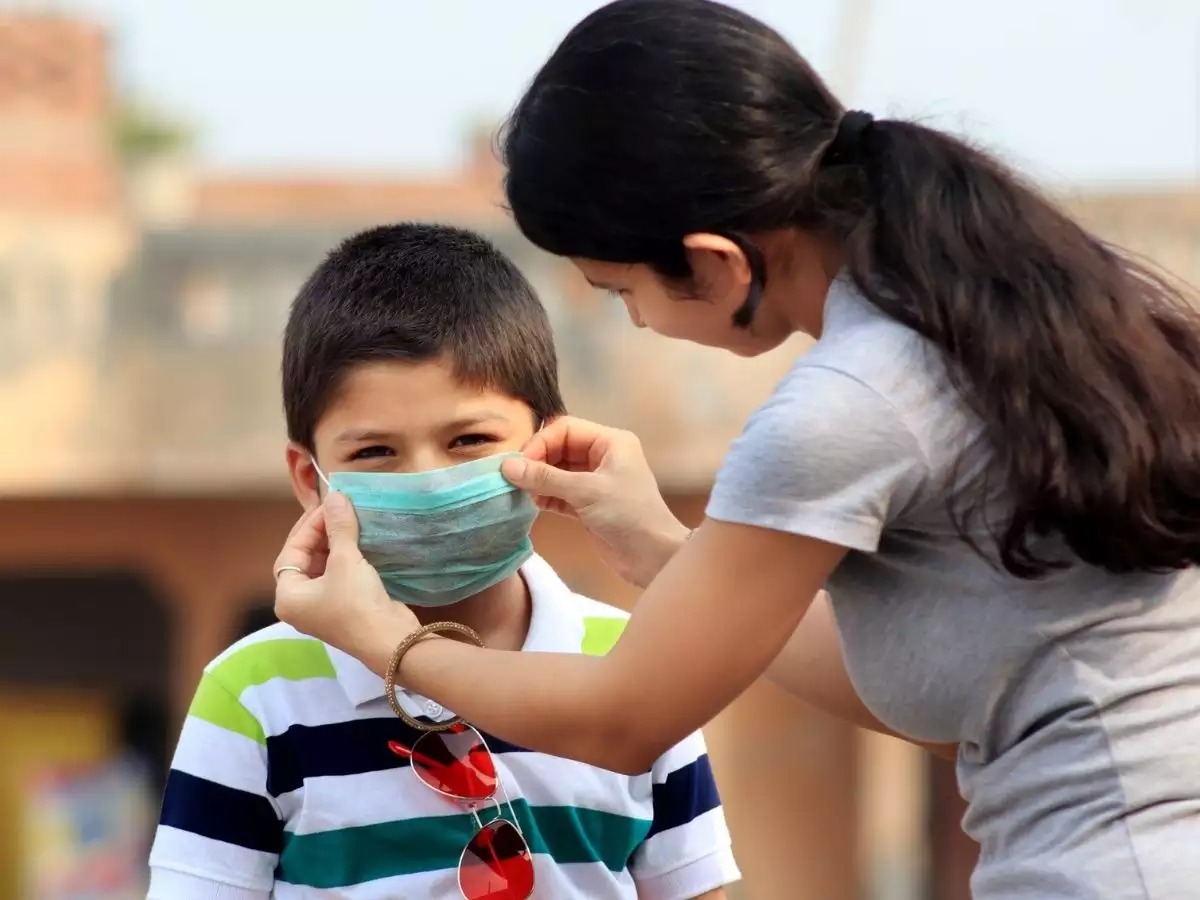
Covid-19 cases in children have been on rise in the past few days in kids under 15 years of age and while the symptoms are mostly mild in the little ones, experts have warned parents to take Covid-appropriate measures for preventing spread. Considering kids are vulnerable to viral infections and diseases like RSV (Respiratory Syncytial Virus), flu, adenovirus and Covid are on rise, it’s imperative to get them vaccinated if eligible, promote regular handwashing, and wearing masks (kids over 5 years). Children who have cough, cold, stomach flu and other flu-like symptoms should not be sent to school and get tested for Covid. Experts say one should not take the current surge in Covid cases lightly. Especially when it comes to high-risk children who have any kind of health complication like diabetes, asthma, heart disease among other issues, symptoms should be monitored closely.

Signs of Covid in kids

“In the past few days there have been reports of children less than 15 years getting infected with Covid. The cases though are mild and not very severe. The symptoms to watch out among kids remain same as we have seen in recent times which primarily include high fever, coughing, head and body ache, fatigue, runny nose to name a few which are very similar to other flu and adenovirus symptoms. In adenovirus though, other symptoms like redness of eyes, conjunctivitis and watery eyes can be seen through which we can differentiate between the two, says Dr. Kuldeep Kumar Grover, Head of critical care & Pulmonology – CK Birla Hospital, Gurgaon.

“Covid is a viral infection and like many other viruses, it has been around for some time. Symptoms of Covid like any other viral infection will be fever, cold, a bit of cough, stomach flu, diarrhoea, conjunctivitis, body pain etc. In adenovirus we see a little more conjunctivitis, swollen lymph nodes – these are just like tonsils that we have outside body also, lympth nodes are the tissue collections that can get swollen or painful just at the back of the neck or under the chin area. Other thing with Covid is that the symptoms are more gradual. The fever comes in gradually and may rise later on. In common flu, the symptom onset is usually very dramatic with sudden muscle ache, fatigue and high-grade fever. So, there’s no real one sign that can help differentiate between Covid and other viruses,” says Dr Poonam Sidana, Director Neonatology and Pediatrics, C K Birla Hospital Delhi.

“For the past one month, there has been a rapid rise in OPD footfalls of children who are suffering from symptoms like sore throat, cold, cough, diarrhoea, vomiting, abdominal pain and the fever which is high grade, reaching up to 103 degree or more. The cough is quite severe in these cases and in some cases even lasting for more than 3 weeks. Considering the symptoms of Covid, adenovirus, and RSV are similar, it’s difficult for parents to distinguish between the two. While fever, cough, cold, abdominal issues, vomiting are more common in Covid and other viral illnesses that are spreading nowadays, red eyes, sticky eyes and conjunctivitis is more common in case of adenovirus,” says Dr Somalika Pal, Senior Consultant, Department of Neonatology and Paediatrics, Cloudnine Group of Hospitals, New Delhi (East of Kailash)

Covid-19 cases in children on rise; watch out for these signs and symptoms, preventive measures

“Flu viruses such as SARS CoV-2 and Influenza virus, predominantly causes respiratory tract illness, while Adenovirus, a DNA virus, causes a variety of illness in addition to respiratory tract infections, such as conjunctivitis, ear infections, gastroenteritis, hepatitis, myocarditis, meningoencephalitis etc. The symptoms are usually fever, sore throat, running nose, cough, body ache, fatigue, shortness of breath, diarrhoea etc. In most cases, it is difficult to differentiate these based on symptoms alone,” says Dr Rohit Kumar Garg, Consultant, Department of Infectious Diseases at Amrita Hospital, Faridabad.

Signs of severe Covid in kids

“Parents must be watchful of symptoms and if high-grade fever is lasting for beyond 5 days or the cough is worsening, if the kid is lethargic, unable to feed, finding it difficult to breath, diarrhoea is worsening or the lips are seen parched or peeled, it’s a sign that your child may need hospital care,” says Dr Pal.

“Some patients may develop severe illness, such as pneumonia. Symptoms like persistent fever, severe cough, shortness of breath, low oxygen saturation, troubled, fast, noisy breathing, may help to suspect severe illness,” says Dr Garg.

Preventive measures for kids

“It is still critical for the kids and most importantly their parents to remain vigilant and protect themselves and their kids by teaching them to follow the Covid preventive measures in schools and nearby areas where they play with other kids like regular masking, self-hygiene and washing their hands and face frequently after coming from outside, sanitizing themselves properly at regular intervals. Also, parents are advised to undergo the RT-PCR test in case they see any symptoms as a precautionary step, says Dr Grover.

“Any child having fever, cough, cold, as a general principal should not be sent to school and get tested. Sports and other activities where kids are in close contact should be avoided in schools. Frequent handwashing, not touching nose or mouth is important. Kids over 5 years should be wearing masks and overcrowding in social gatherings and outings must be avoided,” says Dr Sidana.

Why Covid cases have been on rise in India

Dr. Pavithra Venkatagopalan, Coronavirologist and Covid Awareness Specialist, Rotary Club of Madras NextGen sheds light on why the number of Covid cases have been on rise for a couple of weeks in India.

“The number of cases of coronavirus has increased in the last few weeks in India. We have to first look at if the number of tests has increased. We are a country that is quite crowded giving a lot of infections a good environment to breed. Nowadays, a lot of respiratory infections are going on and some of them are taking a long time to heal, people are suffering for a longer time. Typically, this has been the flu but doctors will diagnose you when you are going through a severe respiratory infection, and they will have you test for known respiratory infections which are flu and cold.

While the XBB 1.16 has a change in the spike that allows it to infect people easily, it does not have a direct impact on the number of hospitalisations,” says Dr Pavithra.

Need for booster campaign

“It is also time for us to start with a booster campaign for Covid. It has to become like an annual booster that we all should be taking once a year. These thing matter, especially to people who are more vulnerable than the average population. Young children from 12-13 years onwards have been vaccinated, schools have had vaccination campaigns, most adults have had two doses, some have had one booster shot and some even had two booster shots. We have to work on the enthusiasm of people to get the annual vaccines as they become available so that the number of people carrying the infection will be reduced. This will help protect people whose immune systems are weaker like people with comorbidities, immuno-supressed people, people who have had transplants, women who are pregnant, and the population that can’t be vaccinated just yet. We have to bring that campaign back and increase awareness around vaccinations so that the number of people that can transmit the particles are reduced and thereby reducing the number of infections and severe cases,” adds Dr Pavithra.

Read more at-https://bit.ly/3KghEf6

Categories
COVID-19 Government Guidelines Medical Equipments Medical Updates

Paxlovid reduced hospitalisation, death risk during Omicron wave: Study

Antiviral drug, paxlovid, significantly reduced the likelihood of hospitalisation or death from COVID-19 in people at risk of severe illness during the Omicron wave, according to a study.

Antiviral drug, paxlovid, significantly reduced the likelihood of hospitalisation or death from COVID-19 in people at risk of severe illness during the Omicron wave, according to a study. The research, published in the Canadian Medical Association Journal, aimed to evaluate the effectiveness of paxlovid, a combiantion of nirmatrelvir and ritonavir drugs, in preventing severe illness during the emergence of the Omicron variant.

The researchers from Public Health Ontario looked at data on adults with mild disease in Ontario, Canada who tested positive for SARS-CoV-2 by polymerase chain reaction (PCR) test between April 4 and August 31, 2022.

They compared 8,876 patients treated with nirmatrelvir–ritonavir with 1,68, 669 who were not treated. Most patients were older than 70 years, were vaccinated and had potential drug–drug interactions.

A previous randomised controlled trial conducted before the emergence of the Omicron variant had found nirmatrelvir–ritonavir to be effective at treating patients.

However, that trial did not include people who had been vaccinated or who had potential drug–drug interactions.

Paxlovid reduced hospitalisation, death risk during Omicron wave: Study

“Our study, in conjunction with previous clinical trials and observational research, supports the effectiveness of nirmatrelvir–ritonavir at reducing hospital admission from COVID-19 and all-cause death,” said study lead author Kevin Schwartz from Public Health Ontario.

The researchers found that for every 62 people treated with nirmatrelvir–ritonavir, the medication prevented one case of severe COVID-19.

“This study highlights the importance of testing for SARS-CoV-2 if you have symptoms, and access to Paxlovid for those at risk for severe COVID-19,” Schwartz said.

“If you test positive for COVID-19, are over 60 years of age, or if you have other risk factors for severe infection, such as chronic medical conditions or are undervaccinated, contact your health care provider or pharmacy within 5 days of symptoms starting and ask about Paxlovid,” the scientist added.

Read more at-https://bit.ly/3YxzfFe

Categories
COVID-19 Medical Equipments Medicine & Health

New biomaterial may repair tissue damage from heart attack

Scientists have developed a new biomaterial that can be injected intravenously, reduces inflammation in tissue and that could be used to repair the damage to cardiac tissue resulting from a heart attack.

Scientists have developed a new biomaterial that can be injected intravenously, reduces inflammation in tissue and that could be used to repair the damage to cardiac tissue resulting from a heart attack. The researchers at the University of California (UC) San Diego, US, also provided proof of concept in a rodent model that the biomaterial could be beneficial to patients with traumatic brain injury and pulmonary arterial hypertension, the study said. The biomaterial was tested and proven effective in treating tissue damage caused by heart attacks in both rodent and large animal models, according to the study.

“This biomaterial allows for treating damaged tissue from the inside out,” said Karen Christman, a professor at UC San Diego, and the lead researcher on the team that developed the material.

“It’s a new approach to regenerative engineering,” said Christman.

A study on the safety and efficacy of the biomaterial in human subjects could start within one to two years, Christman said.

The study is published in the journal Nature Biomedical Engineering.

After a heart attack, scar tissue develops, which diminishes muscle function and can lead to congestive heart failure. There is no established treatment for repairing the resulting damage to cardiac tissue that follows a heart attack.

“Coronary artery disease, acute myocardial infarction, and congestive heart failure continue to be the most burdensome public health problems affecting our society today,” said Dr. Ryan R. Reeves, a physician in the UC San Diego Division of Cardiovascular Medicine.

“As an interventional cardiologist, who treats patients with coronary artery disease and congestive heart failure on a daily basis, I would love to have another therapy to improve patient outcomes and reduce debilitating symptoms,” said Reeves.

The team wanted to develop a treatment that could be administered immediately after a heart attack. This meant developing a biomaterial that could be infused into a blood vessel in the heart at the same time as other treatments such as angioplasty or a stent, or injected intravenously, the study said.

New biomaterial may repair tissue damage from heart attack

“We sought to design a biomaterial therapy that could be delivered to difficult-to-access organs and tissues, and we came up with the method to take advantage of the bloodstream – the vessels that already supply blood to these organs and tissues,” said Martin Spang, the paper’s first author.

According to the study, one advantage of the new biomaterial is that it gets evenly distributed throughout damaged tissue, because it is infused or injected intravenously.

Researchers in Christman’s lab started with the hydrogel they developed, which was proven to be compatible with blood injections as part of safety trials. But the particle size in the hydrogel was too big to target leaky blood vessels, the study said.

Spang, then a PhD student in Christman’s lab, solved this issue by putting the liquid precursor of the hydrogel through a centrifuge, which allowed for sifting out bigger particles and keeping only nano-sized particles, the study said.

The resulting material was put through dialysis and sterile filtering before being freeze dried. Adding sterile water to the final powder results in a biomaterial that can be injected intravenously or infused into a coronary artery in the heart, the study said.

Researchers then tested the biomaterial on a rodent model of heart attacks. They expected the material to pass through the blood vessels and into the tissue because gaps develop between endothelial cells in blood vessels after a heart attack, the study said.

But something else happened.

The biomaterial bound to those cells, closing the gaps and accelerating healing of the blood vessels, reducing inflammation as a result. Researchers tested the biomaterial in a porcine model of heart attack as well, with similar results, the study said.

The team also successfully tested the hypothesis that the same biomaterial could help target other types of inflammation in rat models of traumatic brain injury and pulmonary arterial hypertension. Christman’s lab will undertake several preclinical studies for these conditions, the study said.

Read more at-https://bit.ly/3l0UCQe