Categories
Medical Equipments Medical Updates Medicine & Health

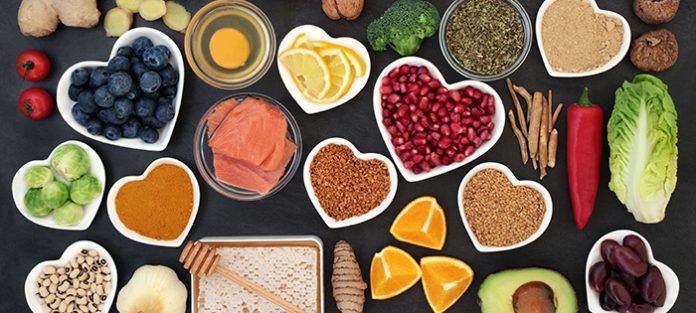
5 nutrients that can help reduce anxiety

  • A good mental health not just requires rest, rejuvenation and de-stressing, but also nutrition. If you are suffering from anxiety, here are nutrients to add.

Your diet can be a secret weapon for mental well-being. Nutrients play a pivotal role in promoting good mental health and reducing anxiety,” says Nutritionist Lovneet Batra in her recent Instagram post.

Vitamin D: Vitamin D has immunomodulatory, neuroprotective, and neurotrophic properties and may affect the brain tissues involved in the pathophysiology of anxiety.

NAC: The anti-inflammatory activity of NAC is protective against chronic inflammation, which is implicated in the pathogenesis of many psychiatric disorders. NAC can influence the balance of a neurotransmitter called glutamate in the brain. Imbalances in glutamate are associated with anxiety disorders, and NAC may help restore this balance.

5 nutrients that can help reduce anxiety

Magnesium: Magnesium is involved in regulating neurotransmitters and the function of the central nervous system. It helps balance the excitatory and inhibitory signals in the brain, potentially reducing anxiety symptoms. Magnesium may stimulate the production of gamma-aminobutyric acid (GABA), a neurotransmitter that has a calming effect on the brain.

Probiotics: Probiotics have the ability to restore normal microbial balance, and therefore have a potential role in the treatment and prevention of anxiety. They can play a key role in mood regulation by helping to reduce inflammation in your body, produce feel-good neurotransmitters, and affect your stress response.

Probiotics: Probiotics have the ability to restore normal microbial balance, and therefore have a potential role in the treatment and prevention of anxiety. They can play a key role in mood regulation by helping to reduce inflammation in your body, produce feel-good neurotransmitters, and affect your stress response.

Read more at-https://shorturl.at/acEI9

Categories
Medical Updates Medicine & Health

Early eating habits shape celiac disease risk in young kids, study shows

A recent study published in The American Journal of Clinical Nutrition investigated the hypothesis that higher gluten intake during early childhood may be associated with a higher risk of developing celiac disease autoimmunity (CDA) and celiac disease. They further evaluated dietary patterns independent of gluten for their relative contributions to CDA and celiac disease risk in children genetically predisposed to these conditions. Results from their large cohort, long-term study revealed that high vegetable fats and milk intake at age nine months was associated with reduced CDA risk. At age 24 months, high vegetable fats, juices, and wheat intake increased CDA risk, which was exuberated by low milk, meat, and oats consumption. These findings establish the association between diet and autoimmune risk in genetically susceptible children during the first two years of their lives.

Celiac disease and diet

Celiac disease is a chronic autoimmune disorder characterized by an immune reaction to dietary gluten, resulting in damage to the small intestine’s lining. Symptoms include diarrhea, bloating, fatigue, anemia, and, in severe cases, osteoporosis. Celiac disease is a common condition estimated to affect 1.4% of all humans globally. Research has identified the human leukocyte antigen (HLA)-DQ2 and DQ8 haplotypes as being strongly associated with the disease. However, this genetic predisposition accounts for only half of the overall disease risk, suggesting that environmental exposure (diet) plays a significant role in disease manifestation.

Studies on the association between dietary patterns (total dietary exposure) and subsequent health outcomes are superior to conventionally studied single food/nutrient investigations, as they help establish the synergistic effects between multiple nutrients. For example, western diets, composed of higher quantities of sugar, saturated fats, and ultra-processed foods alongside lower fiber intake, have been associated with enhanced risk of proinflammatory biomarkers and allergic risk compared to traditional diets rich in minimally processed foods and higher fruits and vegetables.

Recent research has identified high dietary exposure to pasta, potatoes, vegetables, and rice, alongside lower intake of sweetened beverages and refined cereals, as beneficial to children susceptible to celiac disease autoimmunity (CDA). However, this study included a small cohort, was short-term, and has yet to be verified by follow-up research, necessitating a comprehensive analysis of the dietary patterns responsible for CDA risk and those that may confer resistance against the condition.

About the study

In the present study, researchers aimed to investigate the associations between early childhood (9 to 24 months) dietary patterns that impacted CDA and celiac disease risk in children genetically predisposed to these conditions. Participants were enrolled from the Environmental Determinants of Diabetes in the Young (TEDDY) cohort, across the United States (US), Sweden, Germany, and Finland. TEDDY comprises 8,676 children genetically susceptible to type 1 diabetes, of which 6,677 were recruited into the present study, with the remaining excluded due to a lack of dietary data or clinical celiac disease screening.

Three-day food records were used to assess daily dietary intake. These composite records were collected at 9, 12, 18, and 24 months of age and, during analysis, were disaggregated and recategorized into one of 27 food cohorts based on the preexisting TEDDY database. A total of 22,410 records were collected for this study.

Early eating habits shape celiac disease risk in young kids, study shows

The radiobinding assay was used to assess tissue transglutaminase autoantibodies (tTGAs) as a proxy for celiac disease prevalence. Screening was first conducted at 24 months of age, with follow-up screening every subsequent three months. In children positive for CDA at 24 months, routine blood samples collected as a part of the TEDDY methodology were analyzed to identify the first instance of seropositivity.

Statistical analyses involved using principle component analysis (PCA) to evaluate dietary patterns of children at months 9, 12, 18, and 24. Food groups were coded as predictors and dietary patterns as components, with the exploratory analyses attempting to resolve predictors that explained maximum variation in the observed data. Individual adherence scores were calculated for each child to estimate their dietary intake in relation to their identified dietary pattern.

Finally, Cox proportional hazards regression was employed to elucidate associations between dietary adherence (for each age period) and CDA/celiac disease risk. Regression models were corrected for risk factors previously reported as being associated with CDA. These association analyses were only carried out for individuals with complete genetic, clinical, and dietary data.

Study findings

This study revealed that dietary patterns during the first 24 months of a child’s life significantly increased their risk of contracting CDA or celiac disease. The associations elucidated were independent of their quanta of gluten intake, suggesting that additional dietary factors following weaning may contribute to CDA and celiac disease in children.

The ‘Vegetable fats and Milk’ dietary pattern at nine months of age was associated with reduced CDA risk, even after adjusting for overall gluten intake. Children from the US and Finland showed the most robust adherence to this dietary pattern. Surprisingly, vegetable fats (alongside wheat consumption) at 18 and 24 months resulted in increased CDA risk, though this association was weaker than that at nine months.

The dietary pattern ‘Meat, Rice and GF grains’ depicted reduced risk of celiac disease at age 18 months. Similar to results from the CDA analyses, at 24 months, ‘Vegetable fats and Milk’ dietary patterns showed a direct positive association with increased celiac disease risk.

Conclusions

In the present study, researchers aimed to investigate the associations between early-life dietary patterns and CDA or celiac disease risk in a large cohort (TEDDY), long-term (24 months) analysis. Their findings reveal that adherence to specific dietary regimes during the first two years of life can significantly alter CDA/celiac disease risk, independent of gluten intake. Significantly, wheat, juice, vegetable fats, and processed meats were associated with higher CDA and celiac disease risk. This association was exuberated by low milk, oats, meat, and legume consumption during the second year of a child’s life.

visit more at -https://shorturl.at/U2378

Categories
COVID-19 Government Guidelines Medical Updates Medicine & Health

Long Covid study links lingering virus with bowel-to-brain havoc

The findings of the study provides an explanation for poor concentration, memory problems and other neurocognitive symptoms in long Covid.

Covid may trigger complex biological reactions from the bowel to the brain, leading to persistent neurological symptoms in some people, according to a study that points the way toward a treatment.

Viral vestiges in the gastrointestinal tracts of a subset of long-Covid patients may drive chronic inflammation that interferes with a key chemical messenger involved in nerve activity, brain function and memory, researchers at the University of Pennsylvania reported Monday in the journal Cell.

The findings provide an explanation for poor concentration, memory problems and other neurocognitive symptoms in long Covid, they said. Importantly, their experiments identified Prozac and other drugs that boost levels of the chemical messenger — serotonin — as promising targets for future study.

More than 200 symptoms have been associated with long Covid, an umbrella term applied to the often debilitating health problems estimated to afflict 10% or more of people who have had Covid-19. The new research suggests some hallmark symptoms “may converge on common pathways,” said co-author Christoph Thaiss, an assistant professor of microbiology at the Penn Institute for Immunology in Philadelphia.

Long Covid study links lingering virus with bowel-to-brain havoc

Further research may determine how many long Covid sufferers are affected by this cascade of reactions and uncover additional potential therapies, he said. The implications of the study may also extend to other post-viral syndromes.

While serotonin is most widely associated with mood and mental health, the researchers had a different focus as they sought to unravel drivers of long Covid. Thaiss and colleagues found that ongoing inflammation in the gut, which they link to a persistent reservoir of the virus, sabotages circulating levels of the neurotransmitter in multiple ways, including through blood clotting abnormalities.

‘Unifying Framework’

“This is as close as I have seen to a unifying framework for long Covid,” said Ziyad Al-Aly, director of the clinical epidemiology center at the Veterans Affairs St. Louis Health Care System in Missouri, whose research has led to important long Covid findings. “This is a very important advance in the field.”

Cohort studies and lab experiments were used to interpret the cause of serotonin depletion and its downstream effects. The researchers focused on the molecule’s activity on the vagus nerve, which innervates internal organs and is thought to stimulate neurons in the hippocampus, a brain region involved in learning, memory and cognition.

“The fact that we see serotonin being dysregulated in some individuals with long Covid can potentially explain why there’s such a broad spectrum of symptoms,” spanning brain fog and mood to problems sleeping and gastric upset, Thaiss said.

Low serotonin has been observed across several long-Covid studies, including patients with different but over-lapping symptoms, he said.

“The sicker the person is in terms of the number of symptoms they present with, the lower their serotonin,” Thaiss said.

No Silver Bullet

A single biological pathway isn’t likely to explain all long Covid cases, said Akiko Iwasaki, a professor of immunobiology at the Yale School of Medicine in New Haven, who also studies the condition. Other proposed drivers of neurologic symptoms include persistent neuroinflammation, possibly from a deficient immune response that allows the virus to linger in the brain.

“But still, it’s a very important mechanism that deserves a lot of attention,” Iwasaki said in an interview. Serotonin might help gauge the effects of treatments in studies, including a trial of Pfizer Inc.’s antiviral Paxlovid that she is working on.

“If serotonin is really the key marker, we definitely should be including that,” Iwasaki said.

Not all scientists are convinced that low serotonin is playing a key role or acting in isolation in long Covid. Also many sufferers have taken the medicines without benefit.

Avindra Nath, clinical director of the National Institute of Neurological Disorders and Stroke in Bethesda, Maryland, praised the study for its extensive body of research, but said that except in some rare disorders or micronutrient and vitamin deficiencies, it’s unlikely alterations in levels of a single molecule can be blamed for starting a disease process, especially one triggered by an infection.

Targeted Studies

Strategies aimed at increasing serotonin levels or targeting its signaling should be examined in randomized, controlled trials of patients most likely to benefit from the approach, said Liam O’Mahony, a professor of immunology at University College Cork, whose own research found serotonin depletion in long Covid patients.

Prozac, Luvox and other antidepressants that work by increasing serotonin in the brain have been studied during the pandemic to both prevent and treat Covid due to their potential to disrupt the biological processes of infection, but results have been mixed. People taking them when they caught Covid had about a 25% lower risk of developing long Covid, scientists at the National Institutes of Health found in a retrospective study released in November before peer-review and publication.

“It may be a combination of therapies that ends up being the most effective for patients and not one drug in isolation,” said study co-author Benjamin Abramoff, director of Penn Medicine’s Post-Covid Assessment and Recovery Clinic.

Read more at-https://shorturl.at/chmx3

Categories
Medical Equipments Medical Updates Medicine & Health

Things that you need to let go for your personal growth

From letting people’s opinion affect us to being afraid of change, here are a few things that we should let go for our personal growth.

As we grow up, we need to learn a lot of things that are good and healthy for our mental health. Besides learning, unlearning certain things is also important. Knowing what to hold on to and what to let go helps in determining the curve of personal growth that we are working on. When we start to identify things that are holding us back from developing ourselves and becoming a better version, we should learn to let them go slowly but steadily. Sometimes, we hold onto certain teachings, habits and patterns since childhood because of the orientation we received in the family and from past experiences. Personal growth involves understanding what is unhealthy for us and what no longer serves us and letting those things go.

Therapist Israa Nasir addressed this and shared a few things that we need to let go for our personal growth:

Things that you need to let go for your personal growth

Thinking that sacrifice and love are the same: We often mistake sacrifice with love. This happens because of how we have seen the older generation glorify sacrifices. However, these two are extremely different things, and love does not need to be conditional. We should set clear boundaries in love and understand that sacrifice is not always driven by love – it also often leads to resentment.

Letting other people’s opinions guide you: While we all need a little bit of guidance in life, we should know that the perspectives of others have nothing to do with us. How they perceive us is based on their orientation – we should learn to have our own perspectives of ourselves and love ourselves no matter what.

Feeling responsible for other people’s emotions: We always should take ownership of our own mistakes, but we should also identify things that we have no control over and learn to move on from them.

Comparing ourselves to others: Each person has their own set of strengths, weaknesses, boundaries and skills. When we start to compare our progress with that of others, we start to disrespect ourselves more. Instead, we should love and embrace ourselves.

Being afraid of change: Life demands changes with time. We should be able to make changes and adapt to the changing environments with time. That is the only way to move forward.

Read more at-https://t.ly/99B4a

Categories
Medical Updates Medicine & Health

World Sight Day: Screen time and meals for kids, tips to make mealtime relaxing and enjoyable

Poor psycho-social skills, lower cognitive development are seen in kids with increased screen time. On World Sight Day, here are tips on screen time and meals.

As kids grow up, it is difficult to feed them due to their altered food habits and it is a common sight at home to find kids eating meals with TV/tablet/mobile phones. As it takes time to feed kids, it becomes easy for parents to feed them with cartoons playing on the screen but various studies and research show that there are down-side to this habit.

In an interview with HT Lifestyle on World Sight Day, Susmita N, Clinical Nutritionist at Cloudnine Group of Hospitals in Bangalore, Bellandur and Jayanagar, recommended, “As kids grow, we should let them serve and feed themselves. This helps to know the body cues. Watching screen while eating keeps them distracted and they will not pay attention to what food is in the plate, food texture and quantity of food been consumed. It is also observed that there is an increased consumption of unhealthy junk food between meals as they are not able to remember the quantity of foods eaten for meal. Poor intake of vegetables and fruits are also seen in these children.”

Revealing that children who have an increased screen time have more exposure to junk food due to the advertisements that targets the young population, the nutrition expert said, “Kids get attracted to these junk food commercials and crave to eat them leading to alternation of their food habits. Making the children play outside builds up their appetite and they tend to what food is served. This can be taken as an advantage by parents by serving them healthy food options. Avoid junk food as snacks and serve fruits, milkshakes/smoothies, roasted nuts mix, makhana etc that have nutritional value. Keep healthy snacks options ready at home.”

She added, “Family plays an important role during meal time. Parents have to be a role models to children. Having a family meal time away from all distractions help in better eating habits, improve communication skills and help in better bonding. Studies have shown that children who eat together with family have better intake of vegetables, fruits and end up having healthy eating pattern. There is a positive correlation between eating together as a family and better cognitive skills in children leading to improved academic performances.”

World Sight Day: Screen time and meals for kids, tips to make mealtime relaxing and enjoyable

Susmita N suggested the following tips to make mealtime relaxing and enjoyable as possible –

  • Provide wholesome, acceptable foods.
  • Respect the child’s capability. If the child says he/she is full do not force them to empty the food in plate.
  • Allow them to choose from 2 or more healthy foods. Give them healthy options.
  • Don’t nag, bribe or force a child to eat. Always remember that children learn to hate the foods they are forced to eat.
  • Remove any kind of screened electronic devices from dining area.
  • Have age appropriate conversation with your kids. Ask them about how was their day, about their friends and discuss about topics of interest.
  • Plan for tomorrow’s meal keeping the child’s food interest in mind.
  • Be a role model and follow what you preach. Parents should not be distracted while feeding the kids.
  • Preplan the food a day prior. 3major meals and 2 snacks filled with nutrition. Keeping in mind to include grains, colorful vegetables, seasonal fruits and protein sources.
  • Have limited amount of screen time post meal.

She concluded, “Poor psycho-social skills, lower cognitive development are also observed in kids with increased screen time. Reduced physical activity leads to poor metabolism and causes obesity in children. Over a period of time these children grow up to become adults with eating disorders and are relatively obese.”

Read more at-https://shorturl.at/bntGI

Categories
Medical Updates Medicine & Health

7 signs of poor mental health you shouldn’t ignore

Poor mental health can take a heavy toll on physical health and may even lead to serious ailments and chronic health issues.

Poor mental health can directly affect your productivity, moods and relationships. If not addressed, it can put one at risk of mental health disorders. Unlike other illnesses, signs of mental health issues are not clear but some of the early signs of poor mental health are disrupted sleep, sullen mood and irritable behavior. Poor mental health can take a heavy toll on physical health and may even lead to serious ailments and chronic health issues. Like other aspects of health, our mental health also requires attention. If you are finding it difficult to focus, facing sleep issues, suffering from aches and pains or isolating yourself, you must consult a mental health expert to get into the root of your problems.

“Mental health encompasses an individual’s emotional, psychological, and social well-being, shaping their thoughts, emotions, and behaviors. Therefore, it is essential for individuals to remain vigilant for signs that could indicate a decline in their mental well-being. Some of these signs include lack of proper refreshing sleep, sustained mood change, significant changes in energy levels, losing interest, feeling quite insecure, odd experiences of hearing or seeing things that others cannot, thinking of harming self, and losing the meaning of life, sometimes accompanied by aggression,” says Dr Sameer Malhotra, Director and Head – Department of Mental Health and Behavioral Sciences, Max Super Specialist Hospital, Saket.

7 signs of poor mental health you shouldn't ignore

“Our mental health is as important as physical health, and recognizing the signs of struggling mental well-being is crucial for early intervention and support,” says Dr Jyoti Kapoor, Founder-Director and Senior Psychiatrist, Manasthali

Here are 7 poor mental health signs shares by Dr Jyoti Kapoor that one should never ignore:

1. Persistent mood swings: Feeling consistently sad, hopeless, or experiencing drastic mood swings that interfere with daily life can be a sign of depression or other mood disorders.

2. Social withdrawal: If you start isolating yourself, avoiding friends and family, it may indicate emotional distress or social anxiety.

3. Irregular sleeping patterns: Insomnia, oversleeping, or disrupted sleep can be linked to mental health issues.

4. Appetite and weight changes: Significant changes in appetite, whether overeating or undereating, can be indicative of emotional distress.

5. Difficulty in concentrating: Struggling to focus, making decisions, or complete tasks may be a sign of underlying mental health issues, such as anxiety or attention disorders.

6. Constant aches: Unexplained physical symptoms like headaches, stomach aches, or unexplained aches and pains can sometimes be manifestations of emotional distress.

7. Increased substance use: Escalating or excessive use of alcohol, drugs, or other substances as a coping mechanism can be a red flag for mental health problems.

If you or someone you know is exhibiting these signs, please reach out to a mental health professional or a counsellor.

Read more at-https://shorturl.at/aTXZ6

Categories
Medical Updates Medicine & Health

World Mental Health Day: Dietary choices to boost positivity, mental well-being and maintain healthy lifestyle

Ahead of World Mental Health Day 2023, experts reveal diet tips to boost positivity, mental, emotional, psychological wellbeing and maintain healthy lifestyle.

Can diet impact your emotional and mental wellbeing? We may not be directly co-relating our emotional wellbeing to food and a balanced diet is essential for sustenance as it will provide the body with all the nutrients it needs for growth, maintenance and building immunity but along with physical well-being, it is equally important to focus on mental health as emotional, psychological and social wellbeing are essential to maintaining good mental health and a healthy lifestyle.

In an interview with HT Lifestyle ahead of World Mental Health Day, Samantha Clayton, Vice-President – Sports Performance and Fitness Education at Herbalife, shared, “People work out regularly to maintain a healthy body but most of them are unaware of the connection between a balanced diet and mental health. Sports, Yoga, swimming or any other physical activity must be combined with a simple but essential element: a nutritious, well-balanced diet, which gives the brain the nourishment it requires. A nutritious diet keeps the human mind stable and improves memory, essential in our daily lives.”

She suggested, “Along with healthy dietary choices, mindful eating allows us to pause and think about the food we consume and the intake. Becoming aware of when and why we eat and taking the time to sit down and have a meal without any distractions enables us to enjoy our food, learn about our eating patterns and reap the benefits of healthy and nutritious meals. To eat healthily, we must also eat mindfully. Mindless eating can lead to unnecessary weight gain, fatigue, sluggishness, and other health consequences. All the essential proteins, vitamins, minerals, and antioxidants are beneficial for mental wellness and overall wellbeing. Vegetables, fruits and nuts are excellent dietary choices to boost positivity and improve mental health.”

World Mental Health Day: Dietary choices to boost positivity, mental well-being and maintain healthy lifestyle

According to her, the following foods need to be incorporated in your diet for a strong and healthy mind:

  • Fruits and Berries: Consuming fruits and berries can help enhance brain function. Both memory and anti-ageing processes can be improved by it. Studies have shown that fruit eaters are more likely to report higher levels of mental wellness and are less likely to experience depressive symptoms than non-fruit eaters. Fruits and berries are also rich sources of antioxidants.
  • Fish: Omega-3 fats are rich in fish. These lipids are crucial for the brain, and these fats must come from the diet because the human body cannot manufacture them. Epidemiological studies show a link between poor dietary intake of omega-3 fatty acids and depression. Seafood such as oily fish and fish supplements are excellent sources of Omega-3.
  • Green leafy vegetables: Because of their nutritional significance, nutritionists constantly advise including green leafy vegetables in our diet. Leafy vegetables contain antioxidants, dietary fibres, minerals, α-linoleic acid, and vitamins. Vegetables with leafy greens are a good source of Vitamin K. Studies have shown that Vitamin K can help prevent the development of anxiety and depression.
  • Nuts: Almonds and walnuts are excellent sources of antioxidants for improving mental wellbeing. Walnuts also contain Omega 3 fats, just like fatty fish. On the other hand, almonds are a good source of Vitamin E and may support memory enhancement.

Satyajit Hange, Co-Founder and Farmer at Two Brothers Organic Farms, highlighted, “Our dietary choices have a profound impact on our physical, mental, and emotional well-being. For example, consuming a diet high in processed sugar, artificial additives, and processed foods is well-known for causing inflammation in the body and affecting our mental health. Conversely, a well-balanced diet that includes whole grains can help us manage stress and enhance our mood. Incorporating fresh organic produce that is rich in vitamins, minerals, and antioxidants into our meals can reduce the risk of chronic diseases and alleviate symptoms.”

He recommended, “Similarly, substituting everyday foods in our diet with organic options like herbal jams packed with vitamin C and antioxidants or ghee infused with Indian herbs such as turmeric can provide essential fatty acids, vitamin C and antioxidants that support immunity, stress management and overall well-being. For those looking to reduce their sugar intake, alternatives like jaggery, raw unfiltered honey, or rock sugar are healthier options compared to regular table sugar. If you are someone who enjoys snacks, consider switching to gluten-free snacks, whole wheat crackers, energy balls made from dried fruits, dates, or roasted sesame seeds, as well as tasty Nutri bars to satisfy your cravings while enjoying nutritious flavors. It is important to recognize that maintaining a healthy diet is not about depriving yourself but rather about making choices that contribute to our overall well-being.”

Read more at-https://shorturl.at/tLQU8

Categories
Medical Updates Medicine & Health Uncategorized

Odisha will soon become hub of cancer care in east India: Chief Minister Naveen Patnaik

Synopsis

Odisha is set to become a hub for cancer care in eastern India, according to Chief Minister Naveen Patnaik. The state has recently inaugurated new facilities at the Acharya Harihar Post Graduate Institute of Cancer in Cuttack, including two linear accelerators for radiotherapy and a 30-bed day-care unit. The government’s focus is to develop infrastructure for cancer care in public health institutions and attract private investment in the development of cancer care hospitals. The government is also planning to establish more cancer care institutions in the coming years.

Bhubaneswar: Odisha will soon become a hub of cancer care in eastern India, Chief Minister Naveen Patnaik said on Friday, inaugurating new facilities at the Acharya Harihar Post Graduate Institute of Cancer in Cuttack. Patnaik inaugurated two linear accelerators for radiotherapy and a 30-bed day-care unit. With this, the number of linear accelerators at hospital rose to four.

With the new day-care unit, the number of day-care beds rose to 42. While the state spent Rs 38 crore for the linear accelerators, the new unit cost it Rs 6 crore.

Addressing the function through video conference, Patnaik said Odisha is witnessing a massive transformation in healthcare.

Apart from strengthening the infrastructure of various public health institutions and providing free quality healthcare, the government is now focused on making Odisha a major centre of cancer care in eastern India, he said.

Odisha will soon become hub of cancer care in east India: Chief Minister Naveen Patnaik

Besides infrastructure development for cancer care in public health institutions, the government is roping in private players for investment in the development of cancer care hospitals, he said.

A new cancer hospital is coming up in Jharsuguda, Patanaik said, maintaining that more such institutions will be developed in the next few years.

The chief minister said that the entire cost of treatment at AHPGIC is borne by the government.

Health Minister Niranjan Pujari said AHPGIC is a centre of excellence in cancer treatment, education and research.

The government is spending Rs 1,046 crore for free chemo-therapy and other facilities across the state, he said.

Read more at-https://shorturl.at/dqBN4

Categories
Medical Updates Medicine & Health

Ways to know yourself better: Therapist shares tips

From self-reflection to knowing strengths and weaknesses, here are a few ways to know ourselves better.

Self-awareness is a journey of its own. It’s a lifelong journey of finding out about us and knowing ourselves better. “Getting to know yourself is a lifelong journey of self-discovery and self-awareness. It’s a process that involves introspection, self-reflection, and a willingness to explore your thoughts, feelings, and experiences. The self-discovery journey is about developing a deep and evolving understanding of who you are, what you want, and how you can live a fulfilling life in alignment with your true self. Try to be patient and compassionate with yourself throughout this process,” wrote Therapist Lucille Shackleton as she shared a few tips on how we can know ourselves better.

Self-reflection: We should spend time knowing about the way we feel and the way we think. Investing time in our thoughts and emotions will help us to understand ourselves better and get more clarity.

How our past affects our present: Our past experiences play a significant role in growing our perspectives, triggers, glimmers, needs and behavioral patterns. We should carefully analyse past experiences and try to understand how they have impacted on our present situations and thought process.

Ways to know yourself better: Therapist shares tips

Explore interests: When we find a passion and a goal, no matter what, we should chase them and try to incorporate them in our daily lives. Doing things that make us happy will help us to see the brighter side of things.

Explore values: Everyone has their own belief system – it consists of the ethics, values and beliefs that we abide by. We should explore the belief system that we need for our lives and try to stick to it.

Strengths and weaknesses: Knowing about our abilities, strengths and weaknesses will help us to get more clarity on the things that we are good at and the things that we need to work on.

Mindfulness: Practicing mindfulness and meditation brings us closer to our own thoughts and beliefs. This helps us to know our perspectives and opinions better.

Seek feedback: We should always be open to constructive feedback to understand what we are doing wrong – we should work on those areas.

Read more at-https://shorturl.at/jpGN8

Categories
Medical Updates Medicine & Health

HealthCraze: Showcasing the next chapter in Indian healthcare

Delhi, 4th Oct, 2023: Following the tremendous success of the first roundtable, Peer Capital, 2070 Health, and Amazon Web Services (AWS) got together for a second edition of ‘HealthCraze’. This initiative brought together entrepreneurs, operators, academics, policymakers, and investors from the healthcare sector in an exclusive, invite-only discussion for another glimpse into the future of health innovation complete with opportunities and challenges.

Set against the backdrop of an accelerating Indian economy, HealthCraze acknowledged the role of startups as the frontrunners of transformation and the latent potential that healthcare innovation harbors for value creation. With this backdrop, the participants started off by discussing AI in healthcare: the many value propositions it holds across patient care, clinical workflows, and clinician augmentation, areas where they are witnessing steady adoption, and finally, methods for balancing its challenges and benefits.

The many use cases of AI in healthcare can be split into low implementation solutions that mainly address administrative functions like insurance verification, coding, note-taking, etc., and high implementation solutions largely used for clinical decision-making. There are early signs of adoption in the former with clinicians and hospital systems addressing staff shortages and optimizing costs with such solutions. For the latter, participants concurred that it was the right time to build such tools but they emphasized the need for vigilance to ensure strong data integrity, guardrails, and accuracy. For instance, AI hallucinations, where large language models generate false information or facts, was a prevalent concern.

HealthCare: Showcasing the next chapter in Indian healthcare

Participants felt that while building the product, Al developers should keep in mind the target audience and the value proposition for them. Pankaj Jethwani, CEO at 2070 Health, said, “It is imperative for AI solutions to demonstrate a return on investment for potential customers. This can be in the form of cost savings due to replacement of outdated systems or enhancement of operational efficiency, or reduction in liabilities by decreasing human errors.” Shifting gears, HealthCraze-II also delved into understanding how the concept of ‘inflection point’ is defined in healthcare and how startups reach it.One way to define inflection point is – it is the pivotal moment in a startup’s growth trajectory when there’s no longer a need to explain the category they belong to. A good measure is the “mummy test” – if you can explain the category to your mother/parents without having to provide an explanation, it means that the category is well understood across age groups!

“Inflection points can manifest at the product, geographic or enterprise level, varying with categories. For B2C solutions, organic customer acquisition signifies establishment, while reliance on programs/doctors indicates developmental stages. For B2B players, a key measure is sales cycle contraction – conversion from skeptic to immediate payer i.e. – the day they don’t need a trial and are willing to pay from the first day.” explains Rohit, Managing Partner – Peer Capital.

Read more at-https://shorturl.at/fGTX6