Categories
Medical Equipments Medical Updates Medicine & Health

Things that you need to let go for your personal growth

From letting people’s opinion affect us to being afraid of change, here are a few things that we should let go for our personal growth.

As we grow up, we need to learn a lot of things that are good and healthy for our mental health. Besides learning, unlearning certain things is also important. Knowing what to hold on to and what to let go helps in determining the curve of personal growth that we are working on. When we start to identify things that are holding us back from developing ourselves and becoming a better version, we should learn to let them go slowly but steadily. Sometimes, we hold onto certain teachings, habits and patterns since childhood because of the orientation we received in the family and from past experiences. Personal growth involves understanding what is unhealthy for us and what no longer serves us and letting those things go.

Therapist Israa Nasir addressed this and shared a few things that we need to let go for our personal growth:

Things that you need to let go for your personal growth

Thinking that sacrifice and love are the same: We often mistake sacrifice with love. This happens because of how we have seen the older generation glorify sacrifices. However, these two are extremely different things, and love does not need to be conditional. We should set clear boundaries in love and understand that sacrifice is not always driven by love – it also often leads to resentment.

Letting other people’s opinions guide you: While we all need a little bit of guidance in life, we should know that the perspectives of others have nothing to do with us. How they perceive us is based on their orientation – we should learn to have our own perspectives of ourselves and love ourselves no matter what.

Feeling responsible for other people’s emotions: We always should take ownership of our own mistakes, but we should also identify things that we have no control over and learn to move on from them.

Comparing ourselves to others: Each person has their own set of strengths, weaknesses, boundaries and skills. When we start to compare our progress with that of others, we start to disrespect ourselves more. Instead, we should love and embrace ourselves.

Being afraid of change: Life demands changes with time. We should be able to make changes and adapt to the changing environments with time. That is the only way to move forward.

Read more at-https://t.ly/99B4a

Categories
COVID-19 Medical Equipments Medicine & Health

What is Disease X; can this potential threat be deadlier than Covid? Doctor explains

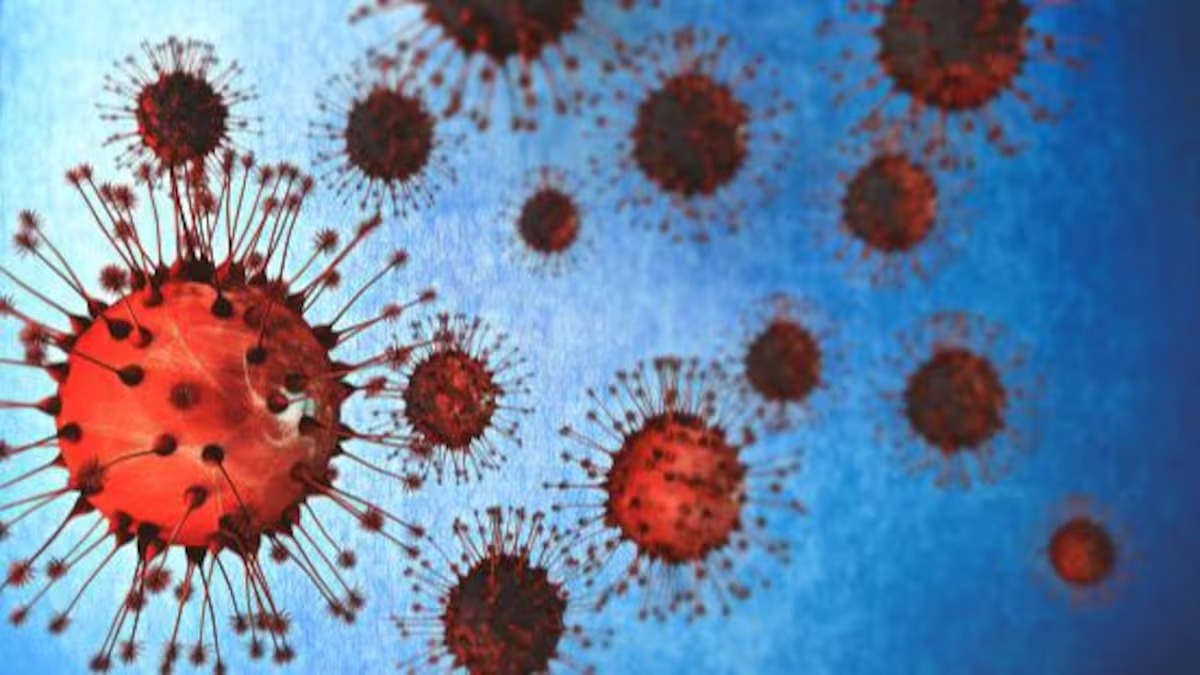
While Covid-19 pandemic is almost over, healthcare professionals are now preparing for a potential new pandemic called Disease X.

The next pandemic could take 50 million lives said Dame Kate Bingham, who chaired the UK’s Vaccine Taskforce saying that it might already be on its way and that Covid-19 was not that lethal. The new pandemic has been dubbed Disease X by World Health Organisation (WHO) and Bingham says it could be 20 times deadlier than Coronavirus. Bingham told Daily Mail, “The world will have to prepare for mass vaccination drives and deliver the doses in record time…Imagine Disease X is as infectious as measles with the fatality rate of Ebola (67 per cent). Somewhere in the world, it’s replicating, and sooner or later, somebody will start feeling sick.”

According to Bingham, while scientists have identified 25 virus families encompassing thousands of individual viruses, there are millions of other viruses yet to be discovered, reported the Daily Mail.

“While Covid-19 and its variants have impact in terms of recurring and familiar health issues, healthcare professionals are now preparing for a potential new pandemic called Disease X. Healthcare experts have issued a caution that this new virus can be as devastating as the Spanish Flu. According to the World Health Organization (WHO), “Disease X refers to pathogen – known/potentially unknown that can cause large scale, serious pandemic leading to mass scale human disease,” says Dr Neha Rastogi, Consultant, infectious disease, Fortis Memorial Research Institute, Gurugram.

What is Disease X?

“Disease X is possibly and plausibly caused by a ‘pathogen X’. It could be related to zoonotic disease likely an RNA virus, emerging from an area where the epidemiological triad – environment host favours sustained transmission. These emerging/re-emerging z pathogens can be labelled as X and they are a threat which mandates intense and ongoing active surveillance and monitoring,” says Dr Rastogi.

What is Disease X; can this potential threat be deadlier than Covid? Doctor explains

There are postulated data about the possibility of syndrome X as an engineered pandemic pathogen. Incidental laboratory accidents or as an act of bioterrorism, might lead to a disastrous Disease X which can be potentially pose global catastrophic risk, says the expert.

Prevention

“Containment and mitigation strategies involve development and implementation of uniform international guidelines to control bioterrorism. Immediate and appropriate travel restrictions including strict airport screening requires to be implemented to contain the spread of pathogen X across borders. It also necessitates collaborative approach of global leaders, scientists, epidemiologists, and infectious disease experts to investigate, control, and eliminate disease X. Widespread and mass testing, surveillance and aggressive contact tracing are potential effective tools to timely contain outbreak like situations,” says Dr Rastogi.

“Concentrated efforts to accelerate the access, rapid availability of immediate medical measures – test kits, vaccines, and first aid required before and during the pandemic. Ongoing continuum of research on preventive aspect – development and process of vaccines needs boost and heightened priorities to abate and combat severe adverse consequences of disease X,” she says.

“A One Health approach which aims at bridging institutional gaps, building and stratifying priority risk and alert pathogens and emphasizing on mitigation strategies for emerging and re-emerging pathogens – potential disease X should be the need of an hour to prevent these global and global catastrophes,” concludes the expert.

Read more at-https://shorturl.at/kntxU

Categories
Medical Updates Medicine & Health

World Alzheimer’s Day: 7 things you should do every day to cut Alzheimer’s disease risk

World Alzheimer’s Day: While there is no cure of Alzheimer’s the disease can be avoided by following certain lifestyle habits.

Alzheimer’s disease can have a devastating impact on one’s life. The neurological disease shrinks the brain and over a course of time diminishes thinking, memory, and social skills. In advanced stage, people with Alzheimer’s are completely dependent on their caretakers and eventually with severe loss of brain function, people can suffer from dehydration, malnutrition or infection. This can even turn fatal and cause death. Studies prove that chances of Alzheimer’s can be reduced with lifestyle modifications be it regular physical activity, good diet, managing stress and chronic conditions. (Also read: World Alzheimer’s Day 2023: Date, history, significance)

As per researchers, compared to people with no or one healthy lifestyle factors, the risk of Alzheimer’s was 37% lower in those with two to three, and 60% lower in those with four to five healthy lifestyle factors. The lifestyle factors in this study include at least 150 minutes per week of moderate to vigorous-intensity physical activity, not smoking, light-to-moderate alcohol consumption, a high-quality, mediterranean-DASH Intervention for Neurodegenerative Delay (MIND) diet and engagement in late-life cognitive activities.

“Alzheimer’s disease poses a devastating global challenge, impacting millions of individuals. While a definitive cure remains elusive, mounting evidence suggests that adopting specific lifestyle choices can mitigate the likelihood of developing this debilitating ailment. By integrating the following seven habits into your daily regimen, you can proactively safeguard your brain health and diminish the risk of Alzheimer’s,” says Dr Neha Kapoor, Associate Director & Head-Neurology, Asian Hospital Faridabad.

On the occasion of World Alzheimer’s Day (September 21), here are factors that can help reduce risk of the disease.

World Alzheimer's Day: 7 things you should do every day to cut Alzheimer's disease risk

Lifestyle habits that can help cut Alzheimer’s risk

1. Embrace a heart-healthy diet

Cultivate a diet abundant in fruits, vegetables, whole grains, and lean proteins to bolster brain health. Prioritize foods rich in antioxidants, such as berries and leafy greens, which combat brain inflammation and oxidative stress. Additionally, incorporate omega-3 fatty acids from sources like salmon and walnuts to further reduce Alzheimer’s risk.

2. Engage in regular physical activity

Establish a consistent exercise routine to enhance overall health and decrease Alzheimer’s susceptibility. Strive for a minimum of 150 minutes of moderate-intensity aerobic exercise or 75 minutes of vigorous-intensity activity weekly. Exercise stimulates improved cerebral blood circulation, fosters the release of brain-protective compounds, and maintains optimal brain tissue health.

3. Foster mental stimulation

Keep your cognitive faculties engaged through regular challenges. Activities like reading, puzzles, acquiring new skills, and participating in intellectually stimulating conversations fortify cognitive reserves, potentially delaying the onset of Alzheimer’s symptoms.

4. Prioritize quality sleep

Give your brain the restorative sleep it needs by aiming for 7-9 hours of nightly rest. Inadequate sleep patterns and sleep-related disorders are associated with heightened cognitive decline and Alzheimer’s risk.

5. Manage stress

Chronic stress can detrimentally impact brain health. Incorporate stress-reduction techniques into your daily routine, such as mindfulness meditation, yoga, deep breathing exercises, or enjoyable hobbies. Reducing stress levels can safeguard your brain against harm caused by excessive cortisol production.

6. Cultivate social connections

Social engagement is a cornerstone of brain health. Regular interaction with friends and family, participating in group activities, and nurturing social ties can preserve cognitive function. Loneliness and isolation are linked to an increased Alzheimer’s risk.

7. Monitor chronic health conditions

Maintain vigilance over your overall health, particularly conditions like hypertension, diabetes, and high cholesterol, as they elevate Alzheimer’s risk. Collaborate closely with your healthcare provider to effectively manage these conditions.

“Adopting these habits into your daily life can significantly diminish your Alzheimer’s risk. Consistent, long-term practice is crucial for their effectiveness. Additionally, consult a healthcare professional for personalized guidance in crafting a brain-healthy lifestyle tailored to your specific needs and risk factors. Proactive care for your brain enhances the prospect of enjoying a vibrant and cognitively sound life as you age,” says Dr Kapoor.

Read more at-https://shorturl.at/aPW79

Categories
Government Guidelines Medical Updates Medicine & Health

Nipah virus outbreak: Top 10 symptoms of the deadly virus; prevention and treatment tips

While Nipah virus starts with mild symptoms like headache, muscle pain, fatigue, nausea, it may progress to deadly symptoms as the disease advances.

Amid the outbreak of Nipah virus in Kerala, the state has been taking all the precautionary measures to control the spread. So far, two people have died and at least five have been infected by the virus which has high mortality rate but is less infectious.

WHO says the Nipah virus’s fatality rate may be between 40- 75 percent. Nipah virus is a viral infection and the name ‘Nipah’ comes from a Malaysian village, where the first outbreak was reported in 1998-1999 and it has high mortality.

While Nipah virus starts with mild symptoms like headache, muscle pain, fatigue, nausea, it may progress to mental confusion, seizures and encephalitis when the virus starts affecting brain function.

What is Nipah virus?

“Nipah virus (NiV) is a zoonotic virus that can cause severe illness in humans. It is primarily transmitted from animals to humans and can also spread from human to human. The symptoms of Nipah virus infection can range from mild to severe,” says Dr Ajay Aggarwal, Director – Internal Medicine, Fortis Hospital Noida.

“Nipah virus was first identified in 1998 during an outbreak in Malaysia. Nipah virus infection can lead to severe respiratory illness and encephalitis (inflammation of the brain),” says Dr G Sneha, Consultant – General Medicine, CARE Hospitals, Banjara Hills, Hyderabad.

“Nipah virus is primarily seen in Indo Bangladesh region. In Malaysia, the source of infection was nosocomial, the source being pigs and bats who had transmitted the virus to humans. Consecutively, human to human infection is the cause of spread of the infection through droplet infection. Recently, two unnatural deaths were reported in Kozhikode, Kerela suspected to be due to a new virus outbreak in the area. It is feared that the deaths might be caused due to the Nipah virus,” says Dr Tushar Tayal, Consultant, Internal Medicine, CK Birla Hospital, Gurugram.

Symptoms of Nipah virus

Initial symptoms of Nipah virus are non-specific such as fever, headache, dizziness, myalgia, vomiting and loose stools. This may progress to brain involvement in the form of seizures and encephalitis. There may also be respiratory involvement causing respiratory failure.

“Nipah infection has very high morbidity in the form of psychiatric and neurological complications (depression, personality changes, deficits in attention, verbal, and/or visual memory) after recovery. Mortality rate of Nipah is also very high as it is majorly untraceable, and has a fatality rate of 40 to 75 percent, according to the World Health Organisation (WHO),” says Dr Tayal.

Dr Ajay Agarwal shares Nipah virus’s symptoms in detail:

1. Fever: Nipah virus infection often starts with a high fever.

2. Headache: Headaches are a common early symptom.

3. Muscle pain: Muscle aches and pain may occur, similar to flu-like symptoms.

4. Fatigue: Profound weakness and fatigue can be present.

5. Nausea: Many individuals experience nausea, sometimes accompanied by vomiting.

6. Dizziness: Some people may feel dizzy or lightheaded.

7. Mental confusion: As the disease progresses, confusion and disorientation may develop.

8. Seizures: In severe cases, individuals may experience seizures due to neurological complications.

9. Respiratory symptoms: Respiratory distress, including difficulty breathing, can occur in severe cases.

10. Coma: In the most severe cases, individuals can slip into a coma.

Dr G Sneha shares the following symptoms for Nipah virus

Fever: Nipah virus infection often begins with a high fever, typically 3 to 14 days after exposure.

Headache: Severe headaches are common.

Dizziness: Patients may experience dizziness or disorientation.

Nausea and vomiting: Gastrointestinal symptoms like nausea and vomiting may occur.

Neck rigidity: Stiff neck and muscle pain can be early signs of the infection.

Mental confusion: As the disease progresses, patients may become disoriented and develop mental confusion.

Coma: In severe cases, Nipah virus infection can lead to a coma within 24-48 hours.

“Furthermore, it’s crucial to take precautions to prevent Nipah virus transmission, as it can spread from person to person through close contact, respiratory droplets, or contact with contaminated objects or surfaces. Public health measures such as isolation, quarantine, and infection control practices are essential to prevent outbreaks of Nipah virus infection. If you suspect a Nipah virus outbreak in your area or have concerns about potential exposure, it’s essential to contact local health authorities for guidance and follow recommended preventive measures,” says Dr Agarwal.
Nipah virus outbreak: Top 10 symptoms of the deadly virus; prevention and treatment tips

Treatment

Dr G Sneha says there is no specific antiviral treatment for Nipah virus infection and supportive care is the mainstay of treatment.

It may include:

1. Hospitalization: Infected individuals are usually hospitalized to receive appropriate medical care and to prevent the spread of the virus.

2. Supportive care: This includes intravenous fluids to maintain hydration, pain management, and mechanical ventilation in severe cases to assist with breathing.

3. Experimental treatments: In some cases, experimental antiviral drugs or therapies may be considered, but their effectiveness is not well established.

“Also, there are very few experimental medications such as Ribavirin and favipiravir which have shown some benefit, but the treatment remains primarily symptomatic,” says Dr Tayal.

Management

Dr G Sneha suggests Nipah virus patient should be isolated and quarantined. Here are points to remember:

1. Isolation and quarantine: Infected hould be isolated to prevent further transmission. Close contacts should be monitored and quarantined if necessary.

2. Infection control: Healthcare workers and caregivers should follow strict infection control measures to prevent the spread of the virus.

3. Preventive measures: In areas with known Nipah virus outbreaks, measures such as avoiding contact with sick animals, not consuming fruits contaminated by bat saliva or urine, and practicing good hygiene are important for prevention.

4. Vaccines: Research is ongoing, and vaccines are being developed, but as of my last update in September 2021, there was no licensed vaccine for Nipah virus.

“Hand hygiene and personal protective equipment (PPE) remain as pillars of comprehensive infection prevention. We have to remember our learning from Covid and use the same precautions that we have been following for the past few years that is hand hygiene, social distancing and usage of masks,” says Dr Tayal.

Read more at-https://shorturl.at/osuB2

Categories
Government Guidelines Medical Updates Medicine & Health

Tips to maintain a healthy diet during office hours

Maintaining a healthy diet during office hours is crucial for your well-being and productivity. Here are some tips to help you stay on track.

Within the conventional 9-to-5 grind at workplace, challenges arise as the fast-paced work rhythm strains even the most resilient individuals. Individuals who work at a workstation while in a seated position are more inclined to have unhealthy eating habits.

According to the National Family Health Survey, roughly 10% of Indians, primarily women, consume deep-fried meals on a daily basis and 36% on a weekly basis. In an interview with HT Lifestyle, Dr Mukesh Batra, Founder and Chairman Emeritus at Dr. Batra’s Healthcare, shared, “The gravitational pull towards readily available, calorie-laden junk food becomes a tempting escape, subtly leading to weight gain and associated health concerns. Such dietary choices take a toll on both productivity and overall well-being. The crux lies in a pivotal choice – to choose sustenance that rejuvenates rather than incapacitates.”

He suggested, “A collection of nutrient-rich alternatives stands ready – nuts, seeds, Greek yogurt, vibrant vegetables, succulent fruits, and the nourishing embrace of whole-grain crackers, each bestowing sustained energy and vitality. Amid the bustling work hours, committing to consuming 3 to 4 liters of water daily can become transformative. By resisting sugary drinks, indulge in herbal teas’ comfort instead. Also, by balancing hunger’s pull, people can learn that satisfaction doesn’t equate to excess. Mindfully embracing smaller portion sizes, aided by smaller plates and bowls, orchestrates moderation’s symphony and curbs overindulgence. The intentional nourishment of human bodies can become a declaration of empowerment.”

Tips to maintain a healthy diet during office hours

According to Dr Diti Makhija, Director at QMS MAS, maintaining a healthy diet during office hours is crucial for your well-being and productivity. She recommended some tips to help you stay on track –

1. Drink Adequate Water: Start your day by drinking a glass of water, and aim to continue sipping water throughout the day. Staying hydrated aids in digestion, helps control appetite, and keeps you energised.

2. Healthy Snacking: Instead of reaching for unhealthy snacks, keep a small box of nutritious options handy. Some good choices include a mix of almonds, dates, and raisins. These provide protein, fiber, and essential nutrients to keep you satisfied.

3. Limit Caffeine: While a cup of coffee or tea can provide a quick energy boost, excessive caffeine can lead to hyperacidity and jitters. Consider switching to healthier alternatives like herbal teas or fresh fruit juices.

4. Pack a Balanced Lunch: Prepare your lunch at home whenever possible. Include a variety of foods from different food groups: lean proteins, whole grains, vegetables, and fruits. This balanced meal will provide sustained energy throughout the day.

5. Healthy Cravings: When you’re craving a snack, opt for healthier options. Carry small packets of flavored Makhana (fox nuts) or protein bars. These choices are low in unhealthy fats and sugars and can satisfy your cravings without derailing your diet.

Remember, maintaining a healthy diet during office hours is about making conscious choices and planning ahead. By staying hydrated, snacking wisely, and having a balanced lunch, you’ll not only boost your productivity but also promote your overall health.

Read more at-https://shorturl.at/arC38

Categories
COVID-19 Medicine & Health

USFDA gives nod to first vaccine to protect newborns from Respiratory Syncytial Virus

The United States Food and Drug Administration (FDA) on Monday approved the first vaccination to save newborns from Respiratory Syncytial Virus

The US Food and Drug Administration (FDA) on Monday approved the first vaccine that protects newborns from Respiratory Syncytial Virus (RSV), reported ANI citing CNN.

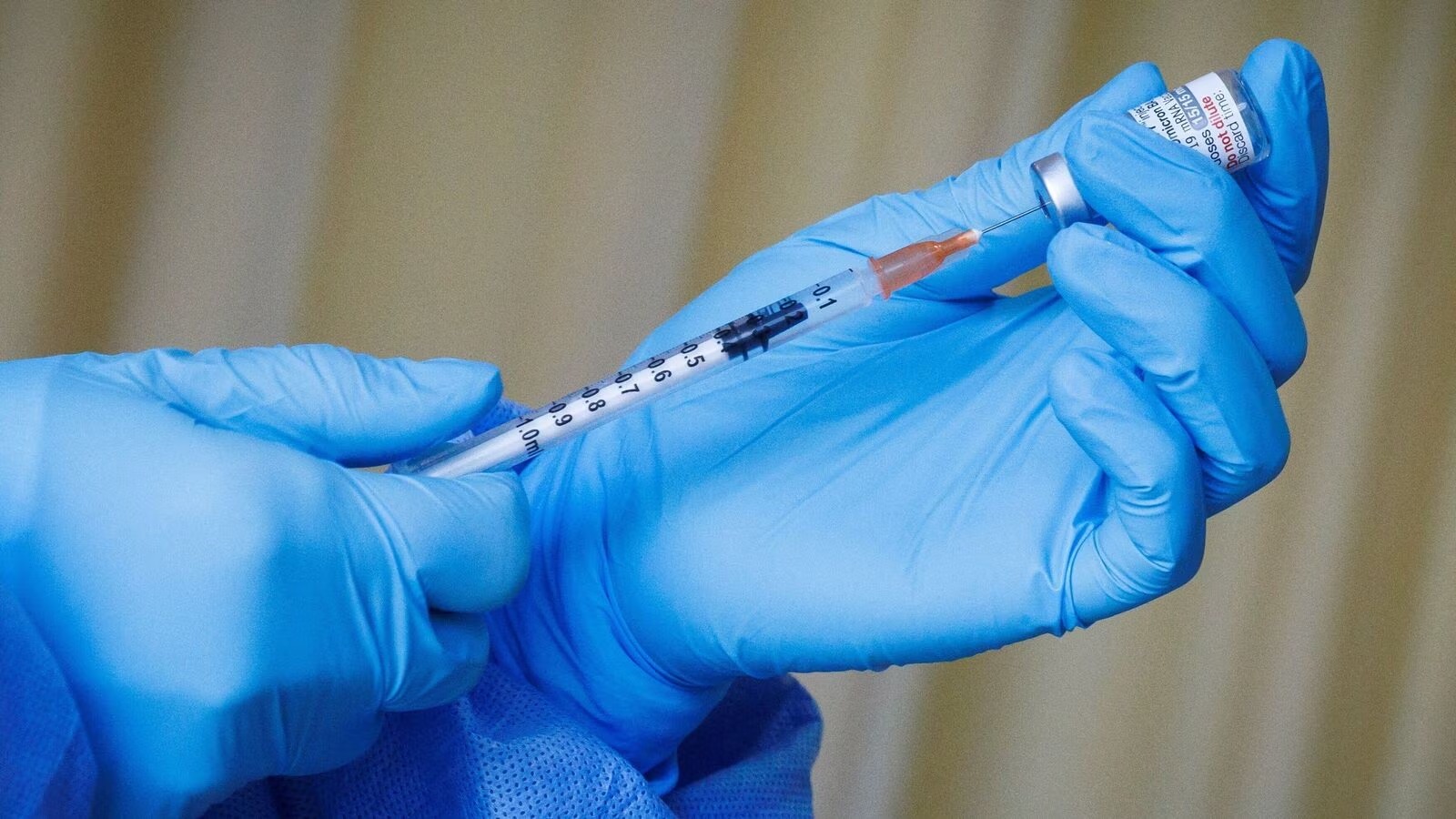
The new vaccine is made by Pfizers and is given to mothers late in their pregnancies. It provides protection to infants through their first six months of life.

During the trial of the vaccine on more than 7,000 pregnant people and their infants, it was found that it cut the risk that infants needed to see a doctor. It also reduced the cases of hospitalisation among infants.

About Respiratory Syncytial Virus (RSV)

People suffering from this illness are affected with infections of the lungs and respiratory tract. It is highly commong among children and elderly. It also leads to large number of hospitalisation. It typically hits hardest during the winter months. The last RSV season was longer and more severe than usual, overwhelming children’s hospitals.

Director of the FDA’s Center for Biologics Evaluation and Research, Peter Marks in a statement said: “RSV is a common cause of illness in children, and infants are among those at highest risk for severe disease, which can lead to hospitalization.”

USFDA gives nod to first vaccine to protect newborns from Respiratory Syncytial Virus

“This approval provides an option for healthcare providers and pregnant individuals to protect infants from this potentially life-threatening disease,” he added as per CNN.

According to the CNN report, there are many vaccines to protect people from RSV. The recently approved antibody shot can protec infants after birth from the illness. There are new vaccine also available for people 60 and older.

Pfizer’s senior vice president and chief scientific officer for vaccine research and development Annaliesa Anderson said in a statement: “ABRYSVO’s approval as the first and only maternal immunization to help protect newborns immediately at birth through six months from RSV marks a significant milestone for the scientific community and for public health.”

Pfizer has said that maternal vaccination could prevent up to 16,000 hospitalizations and more than 300,000 visits to the doctor due to RSV each year if the vaccine were universally applied.

Read more at-https://shorturl.at/jxGW4

Categories
Government Guidelines Medical Equipments Medical Updates

Cancer-infecting virus warms up cold tumors, boosts immunotherapy: Research

The study states that cancer-infecting viruses can boost immunity of the body and support immunotherapy.

According to recent research published in the Journal of Experimental Medicine, equipping cancer-infecting viruses with tumor-inhibiting genetic cargo boosts the immune system and supports immunotherapy in reducing or totally eradicating aggressive tumours in mice. The findings pave the path for clinical studies combining oncolytic viruses with immunotherapy.

Oncolytic viruses are genetically modified viruses that target rapidly dividing tumor cells while avoiding normal cells.

Oncolytic viruses were originally designed to directly kill cancer cells, but researchers later noticed that they also stimulated the immune system, suggesting that they could be coupled with other cancer therapies such as immune checkpoint inhibitors, which remove the brakes on the immune system so that T cells can recognize and attack tumors.

“Immune checkpoint inhibitors work only in ‘hot’ tumors, which have already been infiltrated by T cells,” said senior author Greg Delgoffe, Ph.D., associate professor of immunology at Pitt’s School of Medicine and director of the Tumor Microenvironment Center at UPMC Hillman Cancer Center. “Oncolytic viruses can help ‘warm up’ cold tumors, so they have amazing potential to work hand-in-hand with immunotherapy, but they haven’t yet lived up to that promise.”

According to lead author Kristin DePeaux, a graduate student in Delgoffe’s lab, the problem is that many patients’ tumors do not respond to oncolytic viruses.

Cancer-infecting virus warms up cold tumors, boosts immunotherapy: Research

“There’s been a lot of interesting lab-based research on oncolytic viruses, but it hasn’t translated to the clinic,” she said. “We wanted to understand the mechanisms behind tumor resistance to these viruses to see what we can do to help patients.”

The researchers first developed a head-and-neck squamous cell carcinoma (HNSCC) cell line that is very sensitive to an oncolytic virus called vaccinia. Tumors injected with the virus regress after a single dose. They also developed a second cancer cell line that was otherwise identical but resistant to vaccinia.

After injecting both types of cells into mice and comparing immunological differences in the tumors that grew, they found that resistance to vaccinia was driven by high levels of a signaling protein called TGF-β, which is known to promote cancer growth by suppressing the immune environment.

Partnering with Andrew Hinck, Ph.D., professor of structural biology at Pitt, the team next engineered vaccinia to carry a gene encoding a TGF-β inhibitor.

“TGF-β inhibitors are very potent. They’ve been tried in the clinic, but they’re usually toxic because they’re delivered systemically,” said Delgoffe. “What’s really cool about using oncolytic viruses is that they deliver this cargo directly to the tumor microenvironment, so it’s very targeted and a much safer way to treat.”

When they injected the modified vaccinia into mice with vaccinia-resistant HNSCC, the tumors shrank or, in about 50% of mice, completely cleared, greatly increasing survival compared to animals that received the control virus, which didn’t carry the TGF-β inhibitor. Importantly, the treatment didn’t cause any autoimmune or toxicity-related side effects.

Next, the researchers tested whether the modified viruses could work similarly in a highly aggressive form of melanoma that is resistant to anti-PD1 immune checkpoint inhibitors. Animals that received no treatment, anti-PD1 or control vaccinia all died within about 24 days, while about 20% of those that received the modified virus had complete clearance of the tumor.

The most dramatic results occurred when modified vaccinia was combined with anti-PD1. In 67% of mice, tumors completely cleared, and survival was greatly extended.

Delgoffe and his team hope that a version of their modified vaccinia virus, which they’ve licensed to Kalivir Immunotherapeutics, could soon be ready to test in human clinical trials as an adjuvant for immune checkpoint inhibitors in patients who haven’t responded to these immunotherapies.

Read more at-https://shorturl.at/pxCZ7

Categories
COVID-19 Government Guidelines Medical Equipments Medical Updates Medicine & Health

Eyes, allergies and monsoon: Tips on coping with seasonal eye allergies in rainy season

As the humidity rises, let’s explore the link between allergies, infections and rains and learn some essential tips to cope with pesky eye issues this monsoon

Monsoon, the much-awaited respite from scorching heat, brings with it a mix of delight and distress because while the raindrops dance merrily, our eyes often find themselves struggling to keep up with the joy as it is that time of the year again when seasonal eye allergies and infections make their unwelcome appearance. As the heavens open up and the humidity rises, let’s explore the connection between allergies, infections, the rains and discover some essential tips to cope with these pesky eye issues.

Connection between allergies and monsoon

In an interview with HT Lifestyle, Dr Vijay Mathur, Senior Consultant at Sharp Sight Eye Hospitals , shared, “Monsoon is notorious for triggering eye allergies and infections. The dampness fosters the growth of viruses and fungi, leading to conjunctivitis, commonly known as “pink eye.” Symptoms include redness, itching, grittiness and excessive tearing with discharge. Pollen, dust, and other airborne particles carried by the monsoon winds can further aggravate eye irritation, causing discomfort to even non-allergic individuals.”

Common eye-related problems in monsoon

Dr Vijay Mathur highlighted –

1. Epidemic infectious conjunctivitis: Is the leading culprit. This condition causes red, itchy, gritty and watery eyes due to infection caused by viruses (adenovirus is the most common) in the air. This condition is highly infectious and can easily transmit from one person to another. Personal hygiene including hand washing is an effective way to prevent person to person transmission.

2. Allergic conjunctivitis: Monsoon is a time when fungi and moulds multiply. This leads to allergies in susceptible individuals.

3. Styes and chalazion: The damp environment fosters bacterial growth, leading to painful styes and chalazion on the eyelids.

4. All other eye infections: Bacteria and viruses thrive in the monsoon, increasing the risk of eye infections like Keratitis and Dacrocystitis.

Coping strategies:

Bringing his expertise to the same, Dr Rishi Raj Borah, Country Director – India, Orbis, revealed, “During the monsoon season, it is essential to focus more on our eyes since the rains and increasing humidity offer an ideal environment for pathogenic organisms such as bacteria, viruses, and fungal moulds to develop and multiply. Eye conditions such as allergies and conjunctivitis are prevalent during the rainy season. They usually cause red, itchy, and watery eyes. Identifying and suppressing the root cause is the best approach to avoid all the sufferings associated with eye allergies. This means that if a person knows they are allergic to a specific substance, such as a fungal mould, they should avoid going to wet regions where they might come into contact with mould.”

Eyes, allergies and monsoon: Tips on coping with seasonal eye allergies in rainy season

He added, “Similarly, if someone is allergic to pollen, they should avoid stepping out of the house during the period when the pollen concentration is high in the air. Furthermore, wearing eyeglasses when going outside is a good practice that everyone should undertake. Maintaining personal hygiene by often washing hands with soap and water is essential. To reduce the chances of introducing irritants from the surroundings into the eyes, avoid touching the face and eyes frequently. Even when humidity levels are at their highest during the monsoon, dry eyes can occur.”

Dr Rishi Raj Borah suggested, “In such circumstances, artificial tears can assist to relieve discomfort while also moisturising the eyes. Furthermore, sharing personal belongings like towels and makeup should be avoided. It is also preferable to avoid utilising public swimming pools during the rainy season, since these might serve as breeding grounds for the spread of bacterial illnesses. Seeking professional medical assistance should be the norm for anyone experiencing symptoms of an eye allergy and if you are unsure of the underlying cause, an eye doctor or ophthalmologist will be able to help find out the probable root cause and offer therapies to relieve the symptoms.”

According to Dr Vijay Mathur, to combat these monsoon-related eye issues, follow these essential coping strategies –

1. Cleanliness first: Regularly clean your living space to reduce mold and dust accumulation.

2. Hand hygiene: Maintain good hand hygiene to prevent eye infections by refraining from touching your eyes with unwashed hands.

3. Use eye drops: Over-the-counter artificial tears provide relief from dryness and flush out allergens.

4. Stay dry: Avoid getting drenched in rain and getting splashed with dirty water in puddles to minimise exposure to allergens and infectious agents.

5. Consult your doctor: If symptoms persist, seek professional help for proper diagnosis and treatment.

With a little vigilance and proactive care, you can ensure that your eyes remain resilient during the monsoon. Welcome the rains with open arms and remember to shield your precious vision from seasonal woes.

Read more at-https://shorturl.at/psuH0

Categories
Government Guidelines Medical Equipments Medical Updates

SARS-CoV-2 emerging in US, immunity levels are waning’, warns US epidemiologist

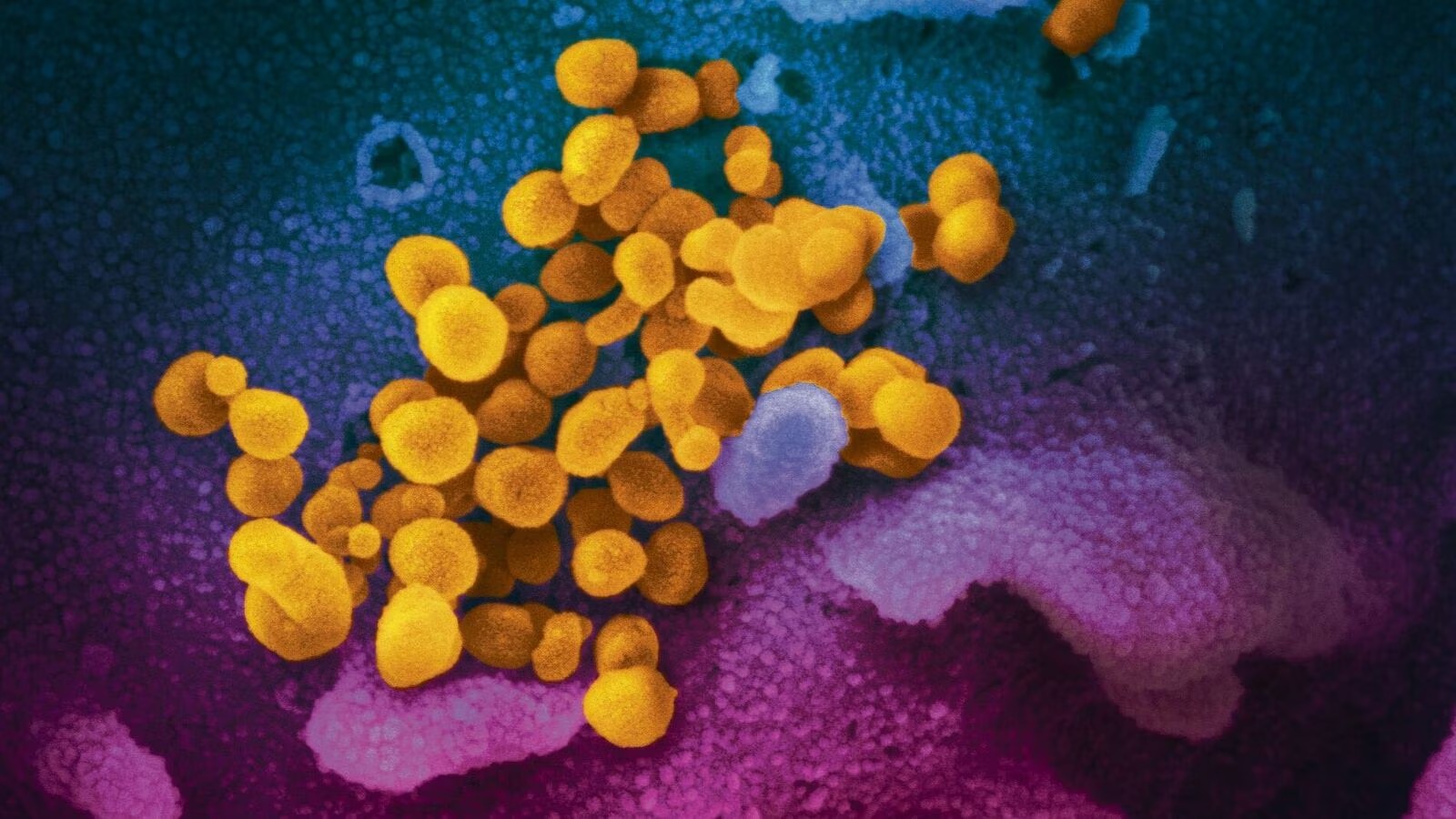
US epidemiologist Eric Feigl-Ding warns of a new COVID-19 wave in the United States as immunity levels decline and booster shots are not yet available. Evidence of SARS-CoV-2 resurging is emerging, and hospitals could become overwhelmed even without a surge in deaths.

According to US epidemiologist Eric Feigl-Ding, there is evidence of SARS-CoV-2 resurging in the United States, indicating the emergence of a new COVID-19 wave.

Taking to Twitter, Epidemiologist and health economist Eric Feigl-Ding said that the immunity levels are declining, and the availability of new booster shots is not yet imminent.

“A new COVID wave is clearly emerging in the US, all while immunity levels are waning and new boosters aren’t even close to arriving yet. You don’t need another original Omicron winter wave to cause disruption—the Delta variant killed a lot in Aug-Oct 2021. Plus don’t risk Long Covid.”

Speaking on the effective SARS-CoV-2 virus concentration in the last six months. “The upward movement in wastewater puts us about equal to April levels, but we clearly could be headed to another wave.”

SARS-CoV-2 emerging in US, immunity levels are waning', warns US epidemiologist

Meanwhile, when asked about the potential toll of the new wave compared to the Delta variant, Eric explained that while it might not result in the same level of fatalities, it can still cause significant disruption.

He emphasized that hospitals can easily become overwhelmed even without a surge in deaths.

Earlier in June, Reuters reported that COVID-19 vaccines being developed and manufactured for the 2023-2024 campaign should target one of the currently dominant XBB variants, the US Food and Drug Administration’s (FDA) staff reviewers.

In May, an advisory group to the World Health Organization (WHO) proposed updating the COVID-19 booster shots for the year to target XBB subvariants. In the United States, last year’s COVID vaccine boosters included a bivalent shot containing both the original strain of the vaccine and the Omicron variant.

According to CDC data available up to early May, approximately 17% of people in the United States received a COVID booster shot during the 2022-2023 vaccination season.

Vaccine manufacturers such as Pfizer/BioNTech, Moderna Inc, and Novavax Inc are currently in the process of developing updated versions of their COVID-19 vaccines specifically targeting the XBB.1.5 variant and other strains that are currently circulating, Reuters reported.

Read more at-https://shorturl.at/HJZ06

Categories
Government Guidelines Medical Equipments Medical Updates Medicine & Health

Tips on how to avoid infection during the rainy season

High humidity during the monsoon season encourages the growth of bacteria and viruses. Here are tips to avoid infection during the rainy season.

The rainy season brings relief from the scorching heat but it can also increase the risk of infections as the moisture in the air and the waterlogging on roads create an environment that is conducive to the growth of bacteria and viruses. Many of us love the rainy season and want a break from the summer sweat however, monsoon rains bring many diseases including eye related infections therefore, it is very important to take proper care of your eyes.

Eye infections are one of the most common ailments during the monsoon season, with over 20 million cases reported annually in India alone, according to the Indian Journal of Ophthalmology. By taking necessary precautions and seeking medical attention when necessary, we can help protect our eyes and prevent potentially serious eye infections.

In an interview with HT Lifestyle, Dr Sandeep Buttan, Technical Lead at Eye Health and Health System Strengthening at Sightsavers India, said, “As an ophthalmologist, I cannot stress enough the importance of taking necessary precautions to prevent eye infections during the monsoon season. This time of year presents a number of challenges for maintaining good ocular hygiene, but with the right strategies, we can help protect our eyes and prevent potentially serious eye infections. One of the biggest challenges during the monsoon season is the high humidity, which encourages the growth of bacteria and viruses. Wet surfaces also retain agents of infections, and there is a potential for exposure to contaminated water. Frequent contact between hands and eyes can also increase the risk of eye infections, particularly for children.”

He added, “There are certain high-risk cases to consider, such as those with existing eye conditions like diabetes, allergies, or dry eyes, as well as contact lens wearers and those who have recently had eye surgery. In these cases, it is particularly important to take extra precautions to protect the eyes. The symptoms of eye infections during the monsoon season may include increased irritability, redness, and discomfort, as well as lid infections (stye – painful swelling over the lids) and conjunctivitis (red/ pink eyes) with sticky eyes. If you experience any of these symptoms, it is important to seek medical attention from an eye specialist.”

Tips on how to avoid infection during the rainy season

To prevent eye infections during the monsoon season, he suggested that it is important to improve the general level of cleanliness through regular hand washing and face washing. Dr Sandeep Buttan said, “It is also important to avoid rubbing the eyes, particularly for children. Contact lens users should avoid exposure to rainwater and follow proper lens care practices to reduce the risk of infection. Finally, use of antibiotic eye drops should only be done on the advice of a specialist. Statistics from reputable organizations help support the importance of these practices. For example, the American Academy of Ophthalmology reports that contact lens wearers are more likely to develop eye infections if they use tap water or do not properly clean their lenses. Additionally, a study published in the Journal of Hospital Infection found that hand hygiene interventions can reduce the incidence of eye infections by up to 50%.”

Dr Pankaj Chaudhary, Senior Consultant, Internal Medicine at Max Hospital in Vaishali, recommended five tips to avoid infection during the rainy season –

  1. Keep yourself clean and dry: One of the most effective ways to prevent infections is to keep yourself clean and dry. Make sure to take a bath daily and dry yourself thoroughly. Avoid wearing wet clothes or shoes for a long time as it can create a breeding ground for bacteria.
  2. Drink clean water: Waterborne diseases like cholera and typhoid are common during the rainy season. Make sure to drink only clean and filtered water. If you are not sure about the quality of water, boil it before drinking.
  3. Eat healthy and hygienic food: The rainy season is also a time when food contamination is high. Avoid street food and unhygienic eateries. Make sure to wash fruits and vegetables thoroughly before consuming them.
  4. Boost your immunity: A strong immune system can help you fight off infections. Eat a balanced diet, exercise regularly and get enough sleep to boost your immunity. You can also take supplements like vitamin C to strengthen your immune system.
    1. Avoid crowded places: Crowded places like markets, malls and public transport are breeding grounds for infections. If possible, avoid going to crowded places during the rainy season. If you must go, wear a mask and maintain social distancing.

    Bringing his expertise to the same, Dr Shantanu Mukherjee, Senior Consultant at Sharp Sight Eye Hospitals, advised five eye care tips to keep your eyes healthy this summer –

    1. Keep your eyes protected from rainwater: Even if you like to play, dance and bath in the rain, don’t let the rainwater get directly into your eyes. Don’t open your eyes and enjoy the rain hitting your face. Although the rain is clean, it collects tons of germs, microbes and atmospheric pollutants as it falls, which are harmful for the eyes. That’s why you need to protect your eyes from the rain to avoid any potential eye infections.

    2. Never share your towels or napkins with anyone: Eye infections are contagious. Therefore, the transmission of germs and diseases from one person to another through personal hygiene items (such as hand towels, bath towels, and handkerchiefs) can cause the spread of this disease.

    3. Eat healthy food: Rain and roadside chai-pakoda may seem like a match made in heaven to many but may also cause a magnified risk of contracting eye problems. Therefore, avoid the consumption of oily snacks, and aerated drinks. Instead, you should opt for healthy snacks, fruits, and salads. During the rainy season, include green leafy vegetables, corn, strawberries, yogurt and eggs in your diet.

    4. Try to avoid wearing contact lenses: Try to avoid wearing contact lenses during rainy season as they can cause extreme dryness in the eyes which may result in redness and irritation. Sometimes, it may also lead to severe corneal infection and loss of vision. Always try to keep your glasses clean and dry.

    5. Do not self medicate: We often think that our eye related infections are a trouble for only a few days and will pass away in a couple of days. During this time, most of the people visit a nearby chemist store and get some eye drops or medication not prescribed by a doctor to treat their eye problems, which is not a correct practice. In case you experience even the slightest symptoms of eye infections during monsoon season, you must seek an appointment with your eye doctor.

    Dr Shantanu Mukherjee concluded, “If you wake up with red, swollen and itchy eyes, there is a strong possibility that your eyes are infected. A little eye care goes a long way in preventing infections and keeping your eyes healthy so you can enjoy the rainy season without any problems. However, if you still have symptoms of an eye infection despite taking all precautions, consult your ophthalmologist immediately.”

    By following these simple tips, you can avoid infections during the rainy season. Remember to keep yourself clean and dry, drink clean water, eat healthy and hygienic food, boost your immunity and avoid crowded places.

    Read more at-https://shorturl.at/oBL28