Categories
Medical Updates

Tips for understanding and addressing separation anxiety in children

Separation anxiety in children is a normal but challenging phase. Check out practical tips to ease distress and promote emotional well-being during separations.

Before we know it, children grow up and stand prepared to step into daycares and preschools. The formative years are crucial for laying a strong foundation for a child’s future, and early childhood education plays a vital role in fostering their holistic development. However, for some preschoolers, the experience of being away from their home and parents can trigger intense emotions, such as fear and distress, resulting in separation anxiety. Understanding and addressing separation anxiety is crucial in ensuring a smooth transition for both children and parents. Recognising the signs, helps parents provide necessary support and comfort to their little ones.

Tips for understanding and addressing separation anxiety in children

Separation anxiety is a normal developmental phase that occurs in children around the age of 18 months and often gets resolved by the time the child is 3 years of age. But sometimes even children who are used to going to daycare and preschool will cling to their parents after an extended stay at home due to holidays or sickness. A child with separation anxiety worries a lot about being apart from family members or caregivers.

Identifying separation anxiety

a) They cling: Children may cling to their parents, unwilling to let go, even in familiar environments.

b) There are tears and tantrums: Preschoolers may cry, scream, or throw tantrums when their caregivers try to leave them.

c) Fear of separation triggers: Activities like going to school, daycare, or even leaving the house, can become anxiety triggers causing stomachaches, headaches, or nausea.

d) Difficulty in sleeping alone: Sleep disturbances, nightmares, and refusing to sleep alone in a separate room from the caregiver, are common during this phase.

“Experts believe that separation anxiety is caused by both biological and environmental factors. A child may inherit a tendency to be anxious. An imbalance of 2 chemicals in the brain (norepinephrine and serotonin) most likely plays a part. However, it’s important to acknowledge that children can also pick up anxiety and fear from their family members and other individuals around them. Children are perceptive and can pick up on their parent’s emotions,” says Sibi.

She added, “If caregivers display anxious behaviour during separations, it can amplify the child’s anxiety. Sudden changes in the environment or a traumatic incident like the loss of a grandparent can also intensify their feelings. While it is natural for children to experience this phase, extended duration (more than 8 weeks) and interference with typical daily activities call for careful consideration.”

Addressing Separation Anxiety

Here are several strategies suggested by Sibi that parents and caregivers can implement to help their tiny tots overcome separation anxiety and help them adjust to the new setting and environment

a) Prepare your child: Inform your child about the transition and visit the daycare or preschool beforehand with them. Exchange a hello with the people who will be there.

) Encourage expression: Let your child express their feelings and fears about separation. Listening to them and acknowledging their emotions can help them feel understood. Sit and reason with them, giving them an understanding of the bigger world they are a part of.

c) Rely on empathetic thinking: Read books about characters who face similar fears but end up enjoying preschool. Arrange playdates with other preschoolers and role-play real-life scenarios with toys, showcasing the experience of going to a preschool and returning home as fun.

d) Gradual separation: Start with short periods of separation and gradually increase the duration. This helps the child become more comfortable with the idea of being away from their caregiver.

e) Use a visual calendar: Uncertainty can fuel separation anxiety. So create a visual calendar or a picture schedule to help them understand how their day will proceed and when they will be reunited with their family.

Bring in some comfort: A special toy or blanket can provide comfort to a child during separations, serving as a familiar reminder of their caregiver.

g) Stay calm and reassuring: When saying goodbye to your child, remain calm and reassuring. Let them know that you will return and stick to your promises. “I will be back, right here to pick you up after school” “You can call me anytime you need me” and “I want you to know how much I love you” Such comforting statements can help put the child at ease and more open to the idea of a short separation.

h) Encourage independence: Allow children to practice age-appropriate life skills such as eating on their own, wearing shoes, and so forth so that they can gain confidence in doing things on their own.

“Patience, empathy, and open communication are key elements in supporting preschoolers through this sensitive period. By nurturing a supportive and understanding approach, primary caregivers, educators, and parents can empower preschoolers to overcome separation anxiety and embark on a path of healthy emotional development and successful learning,” Sibi concluded.

Visit us – https://shorturl.at/muA46

Categories
Medical Updates Medicine & Health

Daily multivitamins could improve memory, thinking skills

Incorporating a daily multivitamin into your routine could potentially delay cognitive decline by up to two years, new research from Mass General Brigham.

The COcoa Supplement and Multivitamin Outcomes Study (COSMOS), conducted by Mass General Brigham researchers, explored a large-scale, nationwide, randomised trial about the effects of cocoa extract and multivitamin supplements.

Daily multivitamins could improve memory, thinking skills

This is a significant finding as cognitive decline is a key indicator of conditions like Alzheimer’s disease and dementia, impacting 55 million people globally, according to the World Health Organisation (WHO).

Addressing the concerns of older adults, lead author Chirag Vyas said, “Cognitive decline is among the top health concerns for most older adults, and a daily supplement of multivitamins has the potential as an appealing and accessible approach to slow cognitive ageing.”

The study, published in the American Journal of Clinical Nutrition, highlighted the positive impact of a daily multivitamin containing 20 essential nutrients.

According to senior author Dr Olivia Okereke, this regimen “helps prevent memory loss and slow down cognitive ageing.”

Over a two-year period, the study assessed 573 individuals, revealing that those taking the multivitamin showed significant improvements in learning, memory retention, and information recall compared to a placebo group.

Notably, enhancements were observed in orientation, attention, language fluency, and overall cognitive abilities, effectively delaying the ageing process by up to two years.

Expressing enthusiasm about the findings, Howard Sesso from Brigham and Women’s Hospital emphasised the importance of delving into the mechanisms behind how a daily multivitamin could shield against memory loss and cognitive decline.

He said that there is a need to focus on nutritional status and other ageing-related factors to understand this exciting discovery better.

Visit us – www.aarogyapath.in

Categories
Medical Updates

Indian medtech industry urges govt action to reduce import dependency

In a bid to reduce India’s 80-85 per cent dependence on medical device imports, the Association of Indian Medical Device Industry in its pre-budget recommendations wants the government to address the soaring import bill, which currently stands over Rs 63,200 crore.
According to the Global Trade Research Initiative (GTRI) report from August 2023, the Indian medical devices industry has the potential to expand from $12 billion today to $50 billion by 2030. This expansion could reduce import reliance to 35 per cent and boost exports from the current $3.4 billion to $18 billion by 2030. The ripple effect of this shift could generate over 1.5 million jobs in medical device manufacturing and related healthcare services.
Indian medtech industry urges govt action to reduce import dependency
Rajiv Nath, Forum Coordinator at AiMeD, emphasises the need for the government to withdraw Duty Exemption notifications on medical devices and provide nominal protection to neutralise competitiveness disabilities in manufacturing medical devices in India. Additionally, the industry seeks a phased approach to custom duty increases on critical components, ensuring the viability of manufacturing and avoiding erosion of competitiveness with zero-duty Free Trade Agreement (FTA) countries.
“Consumers do need to be protected but instead of a low duty strategy, we have been recommending for Customs to monitor MRP of imports and when found unreasonably higher than imports’ landed price, recommend to NPPA to consider capping MRP,” Nath further added.
Categories
Medical Updates

Cold wave hits north India: How to increase vitamin D intake during foggy days

The capital city and the areas surrounding it are covered with dense fog with people waking up to cloudy mornings at 6 degrees Celsius. The India Meteorological Department (IMD) forecasted a cold wave looming across Delhi and several parts of north India, including Punjab, Haryana, Chandigarh and Uttar Pradesh.

With temperatures dropping gradually for the next few days, many people have been experiencing joint pains, swelling and even depression due to lack of sunlight, especially low levels of vitamin D.

Cold wave hits north India: How to increase vitamin D intake during foggy days

Sunlight, more especially ultraviolet B (UVB) rays, is the main source of vitamin D. Skin exposure to sunlight initiates the synthesis of vitamin D. Shorter days and lower temperatures in the cold months can make it harder to spend time outside, which lowers vitamin D levels,” said Dr G Krishna Mohan Reddy, Consultant Physician and Diabetologist, Yashoda Hospitals, Hyderabad.

Typically, an adult needs 600 to 800 IUs (international units) of vitamin D each day. These amounts are important. Not enough can lead to serious health issues. In the long term, lack of vitamin D can lead to fragile bones or osteoporosis.

Speaking to India Today. In earlier, Dr Gaurav Prakash Bhardwaj, Director, Sports Injury, Joint Preservation & Replacement Surgery at PSRI Hospital, said that besides bone health, vitamin D makes the muscles strong to protect the lungs, heart and kidneys.

The main sources of vitamin D are one’s diet and the sunlight. While sun exposure helps with vitamin D synthesis in the body, factors like sunblock, clothing and even melanin percentage can affect the amount absorbed by the skin.

How to get vitamin D from the sun in winter?

Dr Karishma Mohan Reddy advised aiming for brief periods of sun exposure on the face, arms, and legs.

“The duration required varies based on factors such as skin type, time of day, and geographic location. Generally, 10 to 30 minutes of sunlight at least twice a week is recommended,” said the expert.

For those spending more time indoors, Dr Reddy added, “Positioning yourself near windows can maximise exposure to natural light. Engage in indoor activities near windows and incorporate exercise into your daily routine.”

Vitamin D and your diet

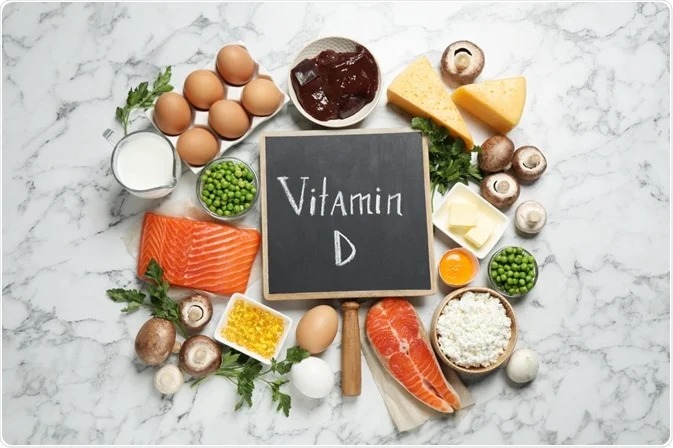
Diet plays an important role in getting vitamin D as well. Food items such as egg yolks, fortified dairy products, fatty fish (tuna, salmon, and mackerel), and some types of mushrooms are some sources of vitamin D.

“But depending only on dietary sources might not be enough, particularly for people who have restricted diets or limited access to certain foods,” said Dr Reddy, implying that many times supplements can help after consulting a medical professional.

“Supplementation is a viable option to ensure adequate vitamin D intake. Consultation with a healthcare professional is important before starting any supplementation, as individual needs vary. One requires a blood test to assess vitamin D levels, helping tailor the approach to the specific requirements of the individual,” said Dr Reddy.

Visit us – www.aarogyapath.in

Categories
Medical Updates Medicine & Health

​Signs of vitamin D deficiency that are mostly ignored​

​Key facts about the sunshine vitamin​

From maintaining strong bones to supporting the immune system, vitamin D or the sunshine vitamin plays a crucial role in human body. Despite its significance, many people worldwide experience vitamin D deficiency, which can lead to a range of health issues. Unfortunately, many people do not identify the signs of vitamin D deficiency. Here is a list of symptoms exclusively seen when the body does not have sufficient vitamin D to function.

​Signs of vitamin D deficiency that are mostly ignored​

​Slow wound healing​

Vitamin D deficiency can contribute to slow wound healing due to its vital role in the immune system and tissue repair. The vitamin is essential for promoting cell growth and division, crucial elements in the healing process. Insufficient vitamin D levels may impair the body’s ability to combat infections and generate new, healthy tissue, resulting in delayed wound healing. If you notice that your wounds take longer to heal than usual, it could be a sign of vitamin D deficiency.

​Fatigue and weakness​

One of the early signs of vitamin D deficiency is persistent fatigue and weakness. Vitamin D deficiency has been associated with fatigue due to its crucial role in energy metabolism. Insufficient levels may lead to feelings of tiredness and weakness. Vitamin D regulates the synthesis of adenosine triphosphate (ATP), the primary energy currency of cells. Inadequate ATP production can contribute to persistent fatigue. Moreover, vitamin D supports muscle function, and its deficiency may result in muscle weakness, further contributing to fatigue. If you often feel tired despite getting adequate rest, it may be worth considering your vitamin D levels.

Frequent illnesses and infections​

Vitamin D plays a crucial role in supporting the immune system. If you find yourself falling ill frequently or experiencing prolonged recovery from infections, it could be a sign of deficient vitamin D levels.

​Hair loss​

Although not as well-established as other symptoms, some research suggests that vitamin D deficiency may contribute to hair loss. If you notice significant hair thinning or loss, it’s worth considering your overall nutritional status.

Depression and mood disorders​

Vitamin D deficiency has been linked to depression and mood disorders, although the relationship is complex and multifactorial. The vitamin plays a role in neurotransmitter synthesis and brain function. Low levels may contribute to an increased risk of mood disturbances. Sunlight exposure, a primary source of vitamin D, also influences serotonin levels, impacting mood regulation.

Bone loss​

Vitamin D is integral to bone health, as it aids in the absorption of calcium, essential for bone strength. Insufficient vitamin D levels can lead to bone loss, weakening the skeletal structure and increasing the risk of conditions like osteoporosis. Without proper vitamin D, the body struggles to utilize calcium effectively, resulting in decreased bone density. Over time, this can lead to brittle bones and an elevated susceptibility to fractures. In more severe cases, vitamin D deficiency can contribute to the development of osteoporosis. This condition makes bones fragile and more prone to fractures.

Visit us – http://surl.li/ovmhk

Categories
Medical Updates

Light exercise can be key to reducing childhood obesity linked to inactivity: Study

Childhood obesity is directly connected to increased sedentary time as a youngster through puberty, but new research has discovered that mild physical activity can totally reverse the negative trend.

The study, published in Nature Communications, was conducted in collaboration with the Universities of Exeter, Eastern Finland, Bristol, and Colorado, and is the largest and longest follow-up to objectively measure physical activity and fat mass using data from the University of Bristol’s Children of the 90s (also known as the Avon Longitudinal Study of Parents and Children). The study comprised 6,059 11-year-old children (53 percent of whom were female) who were followed up on until the age of 24.

Light exercise can be key to reducing childhood obesity linked to inactivity

Recent reports concluded that more than 80 percent of adolescents across the globe do not meet the World Health Organization’s (WHO) recommended average of 60 minutes a day of moderate-to-vigorous physical activity. It is estimated that physical inactivity will have caused 500 million new cases of heart disease, obesity, diabetes, or other noncommunicable diseases by 2030, costing £21-million annually. This alarming forecast regarding the morbid danger of physical inactivity necessitates urgent research on the most effective preventive approach.

Yet results from this new study shows that moderate-to-vigorous physical activity is up to ten times less effective than light physical activity in decreasing overall gain in fat mass.

Dr Andrew Agbaje of the University of Exeter led the study and said: “These new findings strongly emphasise that light physical activity may be an unsung hero in preventing fat mass obesity from early life. It is about time the world replaced the mantra of ‘an average of 60 minutes a day of moderate-to-vigorous physical activity’ with ‘at least 3 hours a day of light physical activity’. Light physical activity appears to be the antidote to the catastrophic effect of sedentary time in the young population.”

During the study, a waist-worn accelerometer measured sedentary time, light physical activity, and moderate-to-vigorous physical activity among participants at ages 11, 15, and 24 years. Dual-energy X-ray absorptiometry-measured fat mass and skeletal muscle mass were also collected at the same ages and fasting blood samples were repeatedly measured for glucose, insulin, high-density lipoprotein cholesterol, low-density lipoprotein cholesterol, triglyceride, and high-sensitivity C-reactive protein. In addition, blood pressure, heart rate, smoking status, socio-economic status, and family history of cardiovascular disease were measured and controlled for in the analyses.

During the 13-year follow-up, sedentary time increased from approximately six hours a day in childhood to nine hours a day in young adulthood. Light physical activity decreased from six hours a day to three hours a day, while moderate-to-vigorous physical activity was relatively stable at around 50 minutes a day from childhood through young adulthood.

It was observed that each minute spent sedentary was associated with a 1.3-gram increase in total body fat mass. Both male and female children gained an average of 10kg of fat mass during growth from childhood until young adulthood. However, sedentary time potentially contributed 700 grams to 1kg of fat mass (approximately seven to ten percent) of the total fat mass gained during growth from childhood until young adulthood. A 1kg increase in fat has been linked to a 60-percent higher risk of premature death in a person’s early 50s.

Each minute spent in light physical activity during growth from childhood through young adulthood was associated with a 3.6-gram reduction in total body fat mass. This implies that cumulative light physical activity decreased total body fat mass by 950 grams to 1.5kg during growth from childhood to young adulthood, (approximately 9.5 to 15 percent decrease in overall gain in fat mass during the 13-year observation period). Examples of light physical activity are long walks, house chores, slow dancing, slow swimming, and slow bicycling.

In contrast, time spent in moderate-to-vigorous physical activity — including meeting the 60 minutes a day recommended by the WHO — during growth from childhood through young adulthood was associated with 70 to 170 grams (approximately 0.7 to 1.7 percent) reduction in total body fat mass. Prior to this study, it has not been possible to quantify the long-term contribution of sedentary time to fat mass obesity and the magnitude by which physical activity may reduce it. But this study confirmed the report from a recent meta-analysis of 140 school-based randomised controlled trials across the globe that engaging in moderate-to-vigorous physical activity had minimal or no effect in reducing childhood BMI-obesity.

Dr Andrew Agbaje of the University of Exeter said: “Our study provides novel information that would be useful in updating future health guidelines and policy statements. Public health experts, health policymakers, health journalists and bloggers, paediatricians, and parents should encourage continued and sustained participation in light physical activity to prevent childhood obesity.”

Visit us – https://shorturl.at/bANR3

Categories
Medical Updates

Diabetes, obesity and fatty liver: What causes sugar craving?

Not just diabetes, sugar intake increases the risks of obesity, fatty liver, lipid abnormalities (especially triglycerides), insulin resistance, hypertension and heart disease among others. It is thought that cane sugar was first used in Polynesia, but the actual process of using crystalline cane sugar was developed in India. Is that why we crave sugar so much?

WHAT CAUSES SUGAR CRAVINGS?

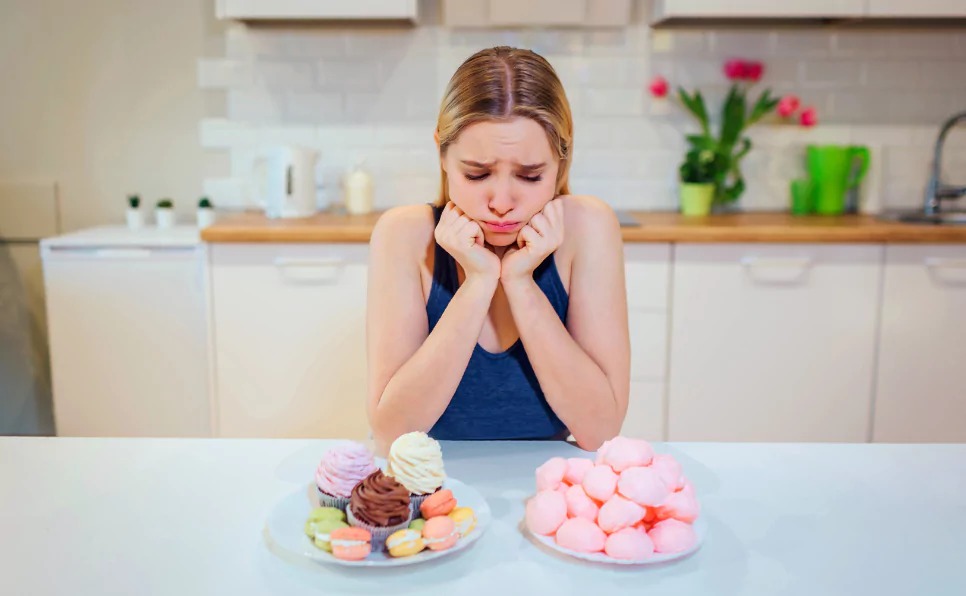
Multiple factors could be playing a role in building up our desire for sugar. Consuming sugar leads to the release of neurotransmitters like dopamine and serotonin, creating a pleasurable sensation, followed by the desire to consume more sweets. Conditions associated with low serotonin levels, like depression, mood disorders, menopausal or premenstrual syndrome and chronic alcohol use, can lead to sugar cravings. Stress, depression, anxiety or even simple boredom — as well as the medications used for their treatment — can lead to an intense desire for a sugar-rich meal. Sugar in such situations becomes a psychological crutch that provides immediate, although transient, succour.\

Diabetes, obesity and fatty liver: What causes sugar craving?

Even lack of adequate sleep has been associated with increased sugar craving, by its impact on appetite and satiety via hormones like ghrelin and leptin.

Craving sugar might just be a conditioned response or habit. Sweets are associated with everything good since childhood and are often used as a form of reward, and invariably a part of celebrations. This association can lead to a habit of consuming sugar, with its absence leading to an empty, void like feeling. In addition, advertisements tempt our taste buds into submission.

In people who have marked fluctuations in sugar levels like those with diabetes, sugar cravings can be aggravated. Sharp drops in blood sugar can lead to intense craving for sugary foods, which will then lead to a rapid rise in sugar, release of insulin, and a drop again. Perpetuation of such a cycle can lead to weight gain and worsening of blood sugar control. Eating sugary foods, therefore, will increase your cravings, and you can get trapped in a vicious cycle.

Sugar intake should be kept to a minimum but certainly should not exceed five to six teaspoons (25-30 g) a day. Controlling sugar cravings is easier said than done, but it’s never too late to start!

1. Adequate Hydration: Poor water intake can be confused with sugar cravings. Have a glass of water when you feel the sweet urge coming on.

2. Eat on time and have a balanced diet: A healthy fibre-rich diet, with adequate protein content, eaten at the right time, helps keep you full for a longer time. Replace refined carbs with complex carbs like millets, whole grains, vegetables and fruits that slow down sugar spikes. Eating at the right time and avoiding long gaps help.

3. Mindful eating: Eat slowly without distractions like watching the television or playing with the phone.

4. Adequate sleep and stress reduction strategies help: Avoid getting into the habit of comfort eating.

6. Don’t bring sugary foods home. You can start by giving up dessert. Replace it with fruit if you feel the urge. Artificial sweeteners don’t reduce sugar cravings.

7. Change your drink choices. Drop sugar-rich colas and fruit juices, choose fresh lime, coconut water or just plain water.

8. Start by setting a limit of 150 calories for a sugary snack, or combining it with a healthy food item, one that will make you feel full longer.

Simply diverting your mind at a time you feel the urge, like making a phone call or going for a walk, will divert your mind.

10. Some people find chewing gum a good way to get over that craving

Visit us – www.aarogyapath.in

Categories
Medical Updates Medicine & Health

Employer sponsored health insurance cost to rise 11% in 2024:

Employer health insurance costs are expected to grow 11 per cent in India in 2024 as compared to the projection of 9.6 per cent in 2023, according to the Mercer Marsh Health Trends Report 2024. Globally, it is likely to increase to 12.3 per cent in 2024 as against 11.6 per cent that was forecasted in 2023, the report added.
The report is based on responses from 223 insurers across 58 countries, analysing the key trends that are shaping the future of health care provided by employers.
Employer sponsored health insurance cost to rise 11% in 2024
According to the report, plan improvements and delivering increasingly sought after ailment and demography-specific employee health benefits will be the key drivers to cost containment in 2024. Fifty-seven per cent of insurers globally expect employers to seek plan improvements instead of cost-cutting measures that will limit coverage.
Further, health systems are getting transformed with people moving to digital healthcare — including tele- or video consultations with doctors, wearable devices, and remote patient monitoring. Seventy per cent of insurers expect the use of AI for first-line diagnosis and navigation to have a transformative impact on employer-sponsored health care over the next five years.
Further, non-communicable diseases like cancer, those linked to the circulatory system such as hypertension and cardiovascular disease, and respiratory ailments are identified as the top three causes of rising claims globally.
The research also found that insurers are including the under-represented sections — with 31 per cent of them considering adding diagnosis, learning support or occupational therapy to support neurodiversity. Meanwhile, diversity and inclusion gaps continue to persist in India, especially for benefits relating to mental health, women’s health, and people with disabilities.
Prawal Kalita, employee benefits leader of Marsh India, said, “Organisations in India are faced with mounting financial pressures associated with rising premiums. This is necessitating a renewed focus on balancing cost containment in the short term, with the provision of high-quality benefits that support the needs of an evolving workforce and aid talent attraction and retention in the longer term.”
“By embracing outpatient primary health care and digital health care solutions, refreshing benefits strategies through flexible benefits programmes, and bridging coverage gaps, organisations in India can manage rising costs more effectively and pave the way for accessible and effective health care plans for all,” Kalita added.
Visit us – https://rb.gy/iokhsj
Categories
Medical Updates Medicine & Health

Why Omega-3 and Omega-6 fatty acids need to be balanced via diet to avoid heart attacks, diabetes and body fat

Maintaining a balanced ratio between Omega-3 and Omega-6 fatty acids cannot be overstated when maintaining good health. These essential fats are often overlooked, but an imbalance in their intake can lead to several health issues.

Functions and Importance of Omega-3 and Omega-6 Fatty Acids

Omega-3 and Omega-6 are polyunsaturated fats essential for various bodily functions but have opposite effects. Omega-3 fats are crucial for brain health, including cognitive and behavioural functions. They reduce inflammation, which is beneficial in preventing chronic diseases like heart disease and arthritis. Omega-3 fats also play a role in maintaining cardiovascular health by regulating blood clotting and vessel constrict

Why Omega-3 and Omega-6 fatty acids need to be balanced via diet to avoid heart attacks, diabetes and body fat


Daily Intake recommendations

The recommended daily intake of Omega-3 and Omega-6 varies based on age, sex and life stage. However, the general principle is to maintain a balanced ratio. The ideal Omega-6 to Omega-3 ratio should be at most 4:1. Which means for every 1 gram of Omega-3, one should only consume 4 grams of Omega-6. For instance, the American Heart Association (AHA) recommends eating two servings of fish, approximately 170 to 230 grams per week, as part of a heart-healthy diet. Each serving is equivalent to about 3 grams of Omega-3 fatty acids. This recommendation emphasises including Omega-3-rich fish in the diet for cardiovascular health benefits. To give you a clearer picture, if we consume 130 grams of fish weekly as the primary source of Omega-3 fats, which provide us with 3 grams of omega-3 fats, our weekly consumption of Omega-6 fats from grains and seed oils should also be limited to or capped at 12 grams.

Dietary Sources

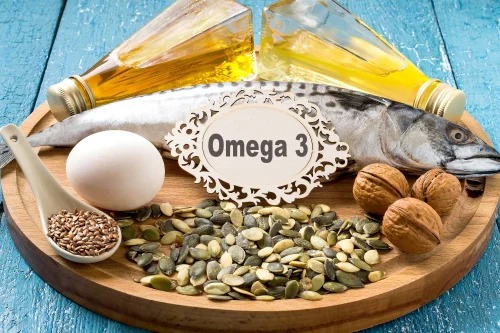
Omega-3 sources include green leafy vegetables, fruits, chia seeds, flaxseeds, fish and eggs from organically raised poultry. Fatty fish like Rawas, pomfret and tuna are exceptionally high in Omega-3. On the other hand, Omega-6 is commonly found in grains like wheat and seed oils like sunflower, corn, rice bran, canola, soybean and peanut oil.

What does an imbalance do to your body?

In many Indian diets, there has been a shift from traditional cooking oils (ghee, mustard oil, coconut oil) to refined seed oils, leading to a disproportionate increase in Omega-6 consumption. This change contributes to a higher Omega-6:Omega-3 ratio, with rural India consuming a 6:1 ratio and often reaching alarming levels in urban India of around 50:1. Such an imbalance is associated with several health risks, including heart disease, cholesterol, diabetes and arthritis. It can lead to weight gain, particularly belly fat. Eating right is not the whole deal, mindful eating is.

Visit us – https://shorturl.at/glHPU

Categories
Medical Updates

Itching and dry skin in winter? Best natural remedies to treat winter skin issues

Common winter skin problems

During the winter, additional care for our skin is essential as low humidity and extremely low temperatures can make our skin more sensitive than usual. In this season, we are prone to taking hot showers that can lead to dry skin, eczema, and psoriasis causing discomfort and itchiness. One of the main causes behind these are pollution, dust, and environmental disturbances. However, you do not need to spend much money on costly lotions and moisturizers to cure your skin issues. Maintain your skin’s hydration and softness by adopting the following natural remedies and holistic approaches throughout the winter.

Itching and dry skin in winter? Best natural remedies to treat winter skin issues

​​Coconut Oil​

This oil is known as a natural moisturizer which is extracted from coconut milk and is highly absorbable into the skin. It is a safe and effective natural remedy for issues like skin dryness, eczema, and psoriasis. Its anti-inflammatory properties help the skin protect from inflammation and pain. According to the National Eczema Association, coconut oil has antibacterial qualities which protect the skin from infection. Always make sure to choose cold-pressed coconut oil that is processed without the use of chemicals. It helps you to moisturize and soothe your skin and also reduces the itchiness and discomfort.

Aloe vera gel​

It is one of the best natural remedies that you can find in every home. It has soothing and anti-inflammatory properties that are known to reduce redness, itching, and skin irritations associated with dryness, eczema, and psoriasis. This gel is enriched with nutrients like Vitamin A & E which is wonderful for the skin. It is an organic moisturizer that contains 96% water which provides relief in hydrating and soothing dry and irritated skin.

Turmeric​

According to Dr. Mugdha Agarwal, Director of Medicine, Healthmug Pvt. Ltd, “This natural remedy is not only limited to the kitchen but is also a secret for skin issues. It is renowned for its ability to reduce inflammation which is used as a healing remedy in numerous skin infections. It is enriched with Curcumin which reduces inflammatory cytokines, which is helpful in the treatment of psoriasis. Applying a diluted turmeric paste directly with water or oil not only reduces redness and itching but also strengthens the immune system by enhancing the overall health and well-being of the skin.”

​​Sunflower Oil​

This natural oil is extracted from sunflower seeds and is known to protect the top layer of the skin. It keeps the skin moisturized and helps in healing skin infections by preventing the entry of bacteria. You can use it directly on your skin to reduce inflammation and itching which is usually caused by eczema and psoriasis.

​​Holistic practices to treat dry skin​

Having a nutritious diet which will be rich in fruits and vegetables can be beneficial by providing essential nutrients for healthy skin.
Get yourself in the habit of doing yoga and meditation as it will help keep your inner self healthy which indirectly helps your skin to glow.
Stay hydrated by drinking plenty of water
Try using 100% cotton blended clothes as it can protect your body from eczema and allow your skin to breathe.

Visit us – www.Aarogyapath.in for more details !!