Categories
Medical Updates

Cold wave hits north India: How to increase vitamin D intake during foggy days

The capital city and the areas surrounding it are covered with dense fog with people waking up to cloudy mornings at 6 degrees Celsius. The India Meteorological Department (IMD) forecasted a cold wave looming across Delhi and several parts of north India, including Punjab, Haryana, Chandigarh and Uttar Pradesh.

With temperatures dropping gradually for the next few days, many people have been experiencing joint pains, swelling and even depression due to lack of sunlight, especially low levels of vitamin D.

Cold wave hits north India: How to increase vitamin D intake during foggy days

Sunlight, more especially ultraviolet B (UVB) rays, is the main source of vitamin D. Skin exposure to sunlight initiates the synthesis of vitamin D. Shorter days and lower temperatures in the cold months can make it harder to spend time outside, which lowers vitamin D levels,” said Dr G Krishna Mohan Reddy, Consultant Physician and Diabetologist, Yashoda Hospitals, Hyderabad.

Typically, an adult needs 600 to 800 IUs (international units) of vitamin D each day. These amounts are important. Not enough can lead to serious health issues. In the long term, lack of vitamin D can lead to fragile bones or osteoporosis.

Speaking to India Today. In earlier, Dr Gaurav Prakash Bhardwaj, Director, Sports Injury, Joint Preservation & Replacement Surgery at PSRI Hospital, said that besides bone health, vitamin D makes the muscles strong to protect the lungs, heart and kidneys.

The main sources of vitamin D are one’s diet and the sunlight. While sun exposure helps with vitamin D synthesis in the body, factors like sunblock, clothing and even melanin percentage can affect the amount absorbed by the skin.

How to get vitamin D from the sun in winter?

Dr Karishma Mohan Reddy advised aiming for brief periods of sun exposure on the face, arms, and legs.

“The duration required varies based on factors such as skin type, time of day, and geographic location. Generally, 10 to 30 minutes of sunlight at least twice a week is recommended,” said the expert.

For those spending more time indoors, Dr Reddy added, “Positioning yourself near windows can maximise exposure to natural light. Engage in indoor activities near windows and incorporate exercise into your daily routine.”

Vitamin D and your diet

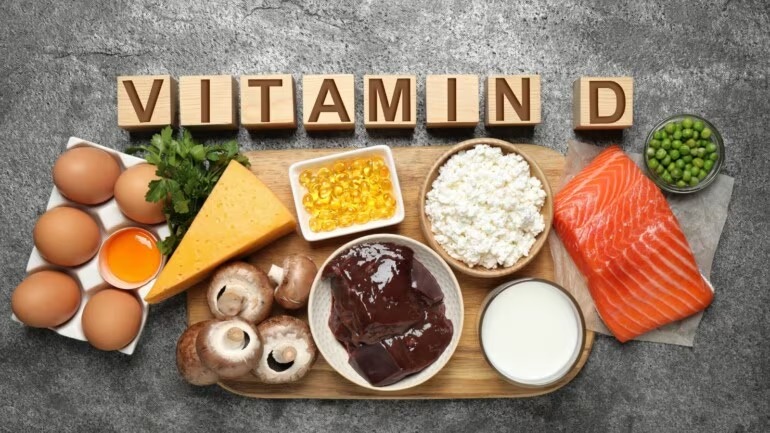
Diet plays an important role in getting vitamin D as well. Food items such as egg yolks, fortified dairy products, fatty fish (tuna, salmon, and mackerel), and some types of mushrooms are some sources of vitamin D.

“But depending only on dietary sources might not be enough, particularly for people who have restricted diets or limited access to certain foods,” said Dr Reddy, implying that many times supplements can help after consulting a medical professional.

“Supplementation is a viable option to ensure adequate vitamin D intake. Consultation with a healthcare professional is important before starting any supplementation, as individual needs vary. One requires a blood test to assess vitamin D levels, helping tailor the approach to the specific requirements of the individual,” said Dr Reddy.

Visit us – www.aarogyapath.in

Categories
Medical Updates Medicine & Health

​Signs of vitamin D deficiency that are mostly ignored​

​Key facts about the sunshine vitamin​

From maintaining strong bones to supporting the immune system, vitamin D or the sunshine vitamin plays a crucial role in human body. Despite its significance, many people worldwide experience vitamin D deficiency, which can lead to a range of health issues. Unfortunately, many people do not identify the signs of vitamin D deficiency. Here is a list of symptoms exclusively seen when the body does not have sufficient vitamin D to function.

​Signs of vitamin D deficiency that are mostly ignored​

​Slow wound healing​

Vitamin D deficiency can contribute to slow wound healing due to its vital role in the immune system and tissue repair. The vitamin is essential for promoting cell growth and division, crucial elements in the healing process. Insufficient vitamin D levels may impair the body’s ability to combat infections and generate new, healthy tissue, resulting in delayed wound healing. If you notice that your wounds take longer to heal than usual, it could be a sign of vitamin D deficiency.

​Fatigue and weakness​

One of the early signs of vitamin D deficiency is persistent fatigue and weakness. Vitamin D deficiency has been associated with fatigue due to its crucial role in energy metabolism. Insufficient levels may lead to feelings of tiredness and weakness. Vitamin D regulates the synthesis of adenosine triphosphate (ATP), the primary energy currency of cells. Inadequate ATP production can contribute to persistent fatigue. Moreover, vitamin D supports muscle function, and its deficiency may result in muscle weakness, further contributing to fatigue. If you often feel tired despite getting adequate rest, it may be worth considering your vitamin D levels.

Frequent illnesses and infections​

Vitamin D plays a crucial role in supporting the immune system. If you find yourself falling ill frequently or experiencing prolonged recovery from infections, it could be a sign of deficient vitamin D levels.

​Hair loss​

Although not as well-established as other symptoms, some research suggests that vitamin D deficiency may contribute to hair loss. If you notice significant hair thinning or loss, it’s worth considering your overall nutritional status.

Depression and mood disorders​

Vitamin D deficiency has been linked to depression and mood disorders, although the relationship is complex and multifactorial. The vitamin plays a role in neurotransmitter synthesis and brain function. Low levels may contribute to an increased risk of mood disturbances. Sunlight exposure, a primary source of vitamin D, also influences serotonin levels, impacting mood regulation.

Bone loss​

Vitamin D is integral to bone health, as it aids in the absorption of calcium, essential for bone strength. Insufficient vitamin D levels can lead to bone loss, weakening the skeletal structure and increasing the risk of conditions like osteoporosis. Without proper vitamin D, the body struggles to utilize calcium effectively, resulting in decreased bone density. Over time, this can lead to brittle bones and an elevated susceptibility to fractures. In more severe cases, vitamin D deficiency can contribute to the development of osteoporosis. This condition makes bones fragile and more prone to fractures.

Visit us – http://surl.li/ovmhk

Categories
Medical Updates Medicine & Health

Vitamin D deficiency: Supplements not enough for your children, research reveals

Childhood fractures are a significant health concern globally. It affects over a third of children before age 18, potentially causing long-term disability or reduced quality of life. However, a recent study by Harvard T.H. Chan School of Public Health and Queen Mary University of London found that vitamin D supplements do not improve bone strength or prevent fractures in children with vitamin D deficiency.

Despite vitamin D’s role in bone mineralisation, the study suggests that supplements may not be the solution to strengthen bones in children. It challenges the common belief about vitamin D’s benefits for bone health.

Vitamin D deficiency: Supplements not enough for your children, research reveals

However, there have never before been any clinical studies done to see if vitamin D supplementation can shield kids from bone fractures.

In order to ascertain whether vitamin D supplementation would reduce the risk of bone fractures or increase bone strength in schoolchildren, researchers from Queen Mary and Harvard collaborated with partners in Mongolia, a country with a particularly high fracture burden and a high prevalence of vitamin D deficiency. Published in Lancet Diabetes & Endocrinology today, December 1, the study represents the largest randomised controlled trial on vitamin D supplementation in children to date.

Over the course of three years, 8,851 schoolchildren aged 6-13 living in Mongolia received a weekly oral dose of vitamin D supplementation. 95.5 per cent of participants had vitamin D deficiency at baseline, and study supplements were highly effective in boosting vitamin D levels into the normal range. However, they had no effect on fracture risk or bone strength, measured in a subset of 1,438 participants using quantitative ultrasound.

The trial findings are likely to prompt scientists, doctors and public health specialists to re-consider the effects of vitamin D supplements on bone health.

Dr Ganmaa Davaasambuu, Associate Professor at the Harvard T.H. Chan School of Public Health, said, “The absence of any effect of sustained, generous vitamin D supplementation on fracture risk or bone strength in vitamin D deficient children is striking.”

“In adults, vitamin D supplementation works best for fracture prevention when calcium is given at the same time – so the fact that we did not offer calcium alongside vitamin D to trial participants may explain the null findings from this study,” ANI quoted him as saying.

Professor Adrian Martineau, Lead of the Centre for Immunobiology at Queen Mary University of London, added, “It is also important to note that children who were found to have rickets during screening for the trial were excluded from participation, as it would not have been ethical to offer them placebo (dummy medication).”

Thus, our findings only have relevance for children with low vitamin D status who have not developed bone complications. The importance of adequate vitamin D intake for prevention of rickets should not be ignored, and UK government guidance recommending a daily intake of 400 IU vitamin D remains important and should still be followed,” he added.

Visit us – https://shorturl.at/nGWX3