Categories
Medical Updates

10 winter-friendly beverages to boost immunity, hydration

Winter can invite many seasonal ailments but eating and drinking according to the season can give a boost to your immunity. When it comes to beverages, tea and coffee are preferred by most over other warm drinks in winter. However, excess of high-caffeine drinks can lead to dehydration which may further cause constipation, burning sensation in stomach and exacerbation in anxiety symptoms. While your first instinct might be to reach for a hot cup of tea, to avoid winter-specific ailments you must swap it for a more nourishing and hydrating drink. Soups, infused water, cinnamon tea, jeera water, ragi malt are some of the warm beverages that are perfect in biting cold and at the same time hydrate you well.

10 winter-friendly beverages to boost immunity, hydration10 winter-friendly beverages to boost immunity, hydration

While winter may reduce the sensation of feeling the thirst, but it remains crucial to sustain proper hydration to support the body’s temperature regulation and functions throughout the day. Despite the diminished inclination to drink water in colder weather, maintaining adequate hydration is essential for overall well-being. Consistent hydration ensures that the body’s vital processes continue to function optimally, even in the face of lower temperatures, promoting overall health and comfort during the winter season,” says Vyuhitha Motupalli, Executive Nutritionist, Cloudnine Group of Hospitals, Bengaluru, Electronic City.

Choosing warm or hot soups and beverages, along with a daily intake of eight glasses of warm water, is a recommended practice during the winter months. The thermogenic properties of warm drinks aid the body in preserving warmth, promoting activity, and ensuring consistent hydration in the face of cold weather. This approach not only contributes to maintaining a comfortable body temperature but also supports overall well-being during the winter season,” adds Motupalli.

BEST WINTER BEVERAGES TO COMBAT DEHYDRATION

The nutritionist also shared a list of 10 winter-friendly warm beverages that can help maintain immunity and hydration.

1. Herbal teas: If you are a tea person, you can go for herbal teas like peppermint, green tea, chamomile, ginger, and lemon. To add in healthy twist to the teas, 2 tablespoons of soaked chia seeds can be added which are good source of omega 3 FFA.

2. Sattu drink: Sattu is a nutritious flour made from roasted chickpeas (chana) which is a good source of energy and protein. Mix it with hot water, a pinch of black salt and a dash of lemon juice for a satisfying and protein-rich drink. To add flavour, it can be combined with roasted cumin powder and jaggery powder (optional). It is a healthy drink for pregnant and lactating mothers.

. Warm winter fruit punch: Take fruit juice of ½ litre orange, 250 ml pineapple juice and 250 ml apple juice. Heat the mix of all fruit juices in a saucepan and add 1 medium sized cinnamon stick, few cloves, nutmeg and cinnamon powder. Heat over low flame, simmer for 20 minutes and turn off the stove. Let it cool slightly. Once it turns warm, filter it and serve it by adding fresh cut fruits like oranges, apple, lemon juice and 2-3 tablespoons soaked chia seeds as they are good source of omega 3 FFA and garnish with mint leaves and serve warm. As it contains citrus juice and spices too, they help in fighting against the infection and also maintain the body temperature.

. Warm infused water: A healthy and delightful infused drink can be made by adding slices of cucumber, lemon, orange, mint, piece of ginger to a pitcher of hot water. Once the mix turns lukewarm, filter the infused water and serve it with soaked chia seeds and 1.2 tsp honey (optional) which is a healthy alternative for hydration. It also works as a detoxifier.

5. Soups: Healthy as well nutritious, veg soups or meat broths which are rich in vitamins and minerals can be taken to maintain hydration, warmth and energy. Sprinkling pepper definitely helps in case of cold/nose congestion.

6. Golden milk: In a sauce pan, add 2 cups milk, pinch each of turmeric powder, pepper, cinnamon and grated ginger (½ inch). Mix all the ingredients and bring it to boil. Lower the heat and let it boil for another 5 minutes and serve hot. For sweetness, 1 tsp of honey can be added (optional) . Turmeric has anti-inflammatory properties, which helps to keep the infections at bay during winter. All the spices provide warmth to the body.

. Warm jeera water: Add one cup of water and one teaspoon of jeera or 1 tbs of jeera powder in a saucepan and boil well. Strain it and drink warm. During winter, consumption of lukewarm jeera water helps to provide relief from cold and sore throat due to its hot nature. It has strong anti-congestive property and it helps in clearing the mucus collected in the chest/respiratory tract. The anti-bacterial property of jeera water aids in fighting against infection-causing bacteria.

8. Cinnamon tea: A pinch of powdered cinnamon can be added to the boiling water and simmered for sometime. It can then be filtered and consumed with a few drops of honey and lemon. It a healthy and refreshing drink which also helps in boosting the metabolism during winters.

. Hot barley water: Take ½ cup of barley along with 4 cups of water. After washing the barley, add it to the water and pressure cook for 3 whistles. Strain the water and add flavouring of your choice like black salt, lemon, pepper, honey etc. Barley has excellent antioxidant properties and it also helps to maintain the body temperature and hydration in winter.

10. Classic warm ragi malt: Add 2-3 tbs of ragi malt to a cup of hot milk and mix well without forming lumps. Add jaggery for taste (optional) along with a pinch of cinnamon and elaichi powder. Ragi is a good source of calcium and iron apart from providing warmth. Hence, it’s a good option for pregnant women and growing children due to its nutritional benefits.

Visit us – www.aarogyapath.in for more details .
Categories
Medical Updates Medicine & Health

​Signs of vitamin D deficiency that are mostly ignored​

​Key facts about the sunshine vitamin​

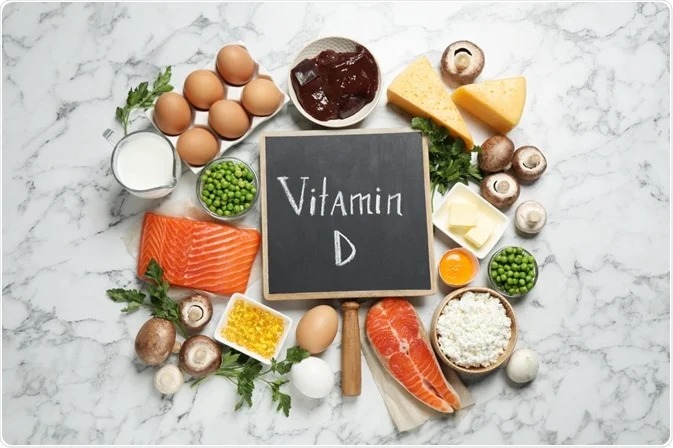
From maintaining strong bones to supporting the immune system, vitamin D or the sunshine vitamin plays a crucial role in human body. Despite its significance, many people worldwide experience vitamin D deficiency, which can lead to a range of health issues. Unfortunately, many people do not identify the signs of vitamin D deficiency. Here is a list of symptoms exclusively seen when the body does not have sufficient vitamin D to function.

​Signs of vitamin D deficiency that are mostly ignored​

​Slow wound healing​

Vitamin D deficiency can contribute to slow wound healing due to its vital role in the immune system and tissue repair. The vitamin is essential for promoting cell growth and division, crucial elements in the healing process. Insufficient vitamin D levels may impair the body’s ability to combat infections and generate new, healthy tissue, resulting in delayed wound healing. If you notice that your wounds take longer to heal than usual, it could be a sign of vitamin D deficiency.

​Fatigue and weakness​

One of the early signs of vitamin D deficiency is persistent fatigue and weakness. Vitamin D deficiency has been associated with fatigue due to its crucial role in energy metabolism. Insufficient levels may lead to feelings of tiredness and weakness. Vitamin D regulates the synthesis of adenosine triphosphate (ATP), the primary energy currency of cells. Inadequate ATP production can contribute to persistent fatigue. Moreover, vitamin D supports muscle function, and its deficiency may result in muscle weakness, further contributing to fatigue. If you often feel tired despite getting adequate rest, it may be worth considering your vitamin D levels.

Frequent illnesses and infections​

Vitamin D plays a crucial role in supporting the immune system. If you find yourself falling ill frequently or experiencing prolonged recovery from infections, it could be a sign of deficient vitamin D levels.

​Hair loss​

Although not as well-established as other symptoms, some research suggests that vitamin D deficiency may contribute to hair loss. If you notice significant hair thinning or loss, it’s worth considering your overall nutritional status.

Depression and mood disorders​

Vitamin D deficiency has been linked to depression and mood disorders, although the relationship is complex and multifactorial. The vitamin plays a role in neurotransmitter synthesis and brain function. Low levels may contribute to an increased risk of mood disturbances. Sunlight exposure, a primary source of vitamin D, also influences serotonin levels, impacting mood regulation.

Bone loss​

Vitamin D is integral to bone health, as it aids in the absorption of calcium, essential for bone strength. Insufficient vitamin D levels can lead to bone loss, weakening the skeletal structure and increasing the risk of conditions like osteoporosis. Without proper vitamin D, the body struggles to utilize calcium effectively, resulting in decreased bone density. Over time, this can lead to brittle bones and an elevated susceptibility to fractures. In more severe cases, vitamin D deficiency can contribute to the development of osteoporosis. This condition makes bones fragile and more prone to fractures.

Visit us – http://surl.li/ovmhk

Categories
Medical Updates

Light exercise can be key to reducing childhood obesity linked to inactivity: Study

Childhood obesity is directly connected to increased sedentary time as a youngster through puberty, but new research has discovered that mild physical activity can totally reverse the negative trend.

The study, published in Nature Communications, was conducted in collaboration with the Universities of Exeter, Eastern Finland, Bristol, and Colorado, and is the largest and longest follow-up to objectively measure physical activity and fat mass using data from the University of Bristol’s Children of the 90s (also known as the Avon Longitudinal Study of Parents and Children). The study comprised 6,059 11-year-old children (53 percent of whom were female) who were followed up on until the age of 24.

Light exercise can be key to reducing childhood obesity linked to inactivity

Recent reports concluded that more than 80 percent of adolescents across the globe do not meet the World Health Organization’s (WHO) recommended average of 60 minutes a day of moderate-to-vigorous physical activity. It is estimated that physical inactivity will have caused 500 million new cases of heart disease, obesity, diabetes, or other noncommunicable diseases by 2030, costing £21-million annually. This alarming forecast regarding the morbid danger of physical inactivity necessitates urgent research on the most effective preventive approach.

Yet results from this new study shows that moderate-to-vigorous physical activity is up to ten times less effective than light physical activity in decreasing overall gain in fat mass.

Dr Andrew Agbaje of the University of Exeter led the study and said: “These new findings strongly emphasise that light physical activity may be an unsung hero in preventing fat mass obesity from early life. It is about time the world replaced the mantra of ‘an average of 60 minutes a day of moderate-to-vigorous physical activity’ with ‘at least 3 hours a day of light physical activity’. Light physical activity appears to be the antidote to the catastrophic effect of sedentary time in the young population.”

During the study, a waist-worn accelerometer measured sedentary time, light physical activity, and moderate-to-vigorous physical activity among participants at ages 11, 15, and 24 years. Dual-energy X-ray absorptiometry-measured fat mass and skeletal muscle mass were also collected at the same ages and fasting blood samples were repeatedly measured for glucose, insulin, high-density lipoprotein cholesterol, low-density lipoprotein cholesterol, triglyceride, and high-sensitivity C-reactive protein. In addition, blood pressure, heart rate, smoking status, socio-economic status, and family history of cardiovascular disease were measured and controlled for in the analyses.

During the 13-year follow-up, sedentary time increased from approximately six hours a day in childhood to nine hours a day in young adulthood. Light physical activity decreased from six hours a day to three hours a day, while moderate-to-vigorous physical activity was relatively stable at around 50 minutes a day from childhood through young adulthood.

It was observed that each minute spent sedentary was associated with a 1.3-gram increase in total body fat mass. Both male and female children gained an average of 10kg of fat mass during growth from childhood until young adulthood. However, sedentary time potentially contributed 700 grams to 1kg of fat mass (approximately seven to ten percent) of the total fat mass gained during growth from childhood until young adulthood. A 1kg increase in fat has been linked to a 60-percent higher risk of premature death in a person’s early 50s.

Each minute spent in light physical activity during growth from childhood through young adulthood was associated with a 3.6-gram reduction in total body fat mass. This implies that cumulative light physical activity decreased total body fat mass by 950 grams to 1.5kg during growth from childhood to young adulthood, (approximately 9.5 to 15 percent decrease in overall gain in fat mass during the 13-year observation period). Examples of light physical activity are long walks, house chores, slow dancing, slow swimming, and slow bicycling.

In contrast, time spent in moderate-to-vigorous physical activity — including meeting the 60 minutes a day recommended by the WHO — during growth from childhood through young adulthood was associated with 70 to 170 grams (approximately 0.7 to 1.7 percent) reduction in total body fat mass. Prior to this study, it has not been possible to quantify the long-term contribution of sedentary time to fat mass obesity and the magnitude by which physical activity may reduce it. But this study confirmed the report from a recent meta-analysis of 140 school-based randomised controlled trials across the globe that engaging in moderate-to-vigorous physical activity had minimal or no effect in reducing childhood BMI-obesity.

Dr Andrew Agbaje of the University of Exeter said: “Our study provides novel information that would be useful in updating future health guidelines and policy statements. Public health experts, health policymakers, health journalists and bloggers, paediatricians, and parents should encourage continued and sustained participation in light physical activity to prevent childhood obesity.”

Visit us – https://shorturl.at/bANR3

Categories
Medical Updates

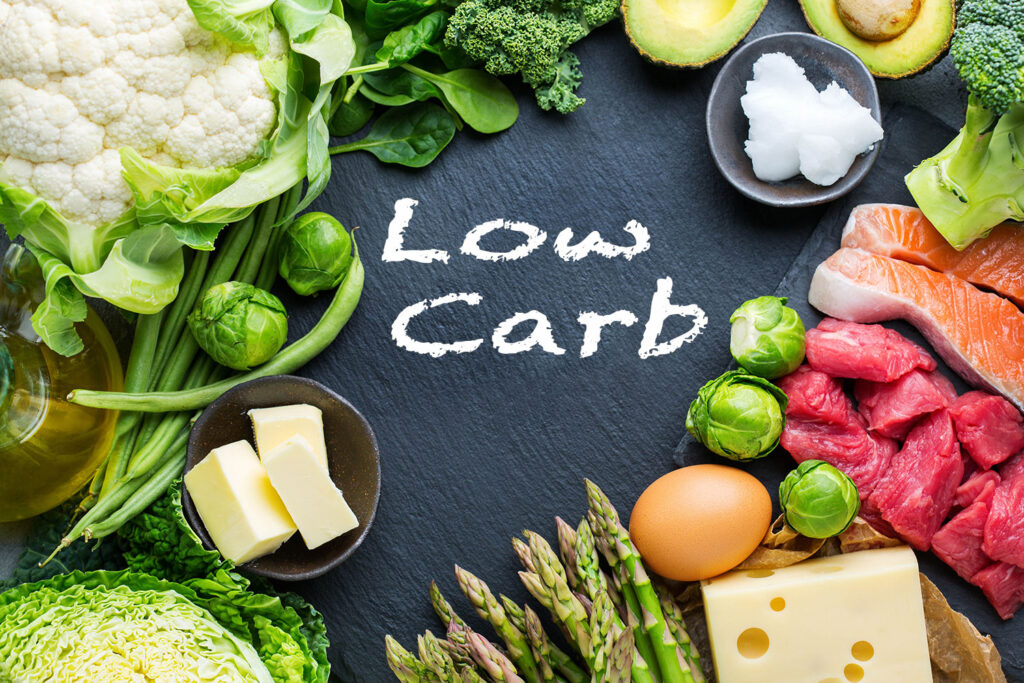
These are the type of low-carb foods that help slow weight gain, new study shows

Eating fewer carbohydrates can slow weight gain over time. But it’s not enough to just cut back on carbs.

An analysis of data from nearly 125,000 healthy adults revealed that replacing refined carbs — white bread, white rice or sugary cereals —with whole grain foods and cutting back on animal-based fats and proteins appeared to lessen the amount of weight people gained over a four-year period, according to the report published Wednesday in JAMA Network Open.

“When it comes to a low-carbohydrate diet, quality is paramount,” said the study’s senior author, Dr. Qi Sun, an associate professor in the departments of nutrition and epidemiology at the Harvard T.H. Chan School of Public Health. “The things people need to pay attention to are high-quality carbohydrates.”

What are high-quality carbohydrates?

  • Whole grains, such as oatmeal, whole grain pasta or breads.
  • Fats from vegetable oils, though not tropical ones, such as coconut or palm which are high in saturated fat.
  • Plant proteins, such as beans, nuts and soy.
  • Fruits.
  • Vegetables.

It’s best to stay away from refined grains, like white flour, red and processed meats and saturated fats, Sun said.

The best animal protein would be fish, and then poultry, he said.

The new research adds to the growing evidence that diets heavy on healthy carbohydrates and plant-based proteins and fats are associated with significantly slower long-term weight gain.

To take a closer look at the impact of nutrient choices, Sun and his colleagues turned to three databases: the Nurses’ Health Study, which enrolled 121,700 female nurses aged 30 to 55; the Nurses’ Health Study II, which followed 116,340 females nurses who were aged 25-42 at the outset; and the Health Professionals Follow-up Study, which enrolled 51,529 male health professionals aged 40 to 75.

For their analysis, Sun and his team focused on 123,332 men and women who had no chronic health conditions.

The researchers were not looking at very low-carb diets, like keto, Atkins or paleo.

In general, Americans tend to consume a diet that contains 50% to 60% carbohydrates, Sun said. A low-carb diet typically contains 30% to 40% carbohydrates.

The researchers scored people’s diets based on the quality of their diets and assigned them to categories based on those scores:

  • Animal-based low-carbohydrate diet (ALCD).
  • Vegetable-based low-carbohydrate diet (VLCD).
  • Healthy low-carbohydrate diet (HLCD), which emphasized plant-based proteins, healthy fats and fewer refined carbohydrates.
  • Unhealthy low-carbohydrate diet (ULCD), which emphasized animal proteins, unhealthy fats and refined carbohydrates, including processed breads and cereals.

The researchers found that when people improved the quality of their diets, they gained less weight over the four years of the study

For more info – https://shorturl.at/anQ36