
Categories
Medical Updates

These are the type of low-carb foods that help slow weight gain, new study shows

Eating fewer carbohydrates can slow weight gain over time. But it’s not enough to just cut back on carbs.

An analysis of data from nearly 125,000 healthy adults revealed that replacing refined carbs — white bread, white rice or sugary cereals —with whole grain foods and cutting back on animal-based fats and proteins appeared to lessen the amount of weight people gained over a four-year period, according to the report published Wednesday in JAMA Network Open.
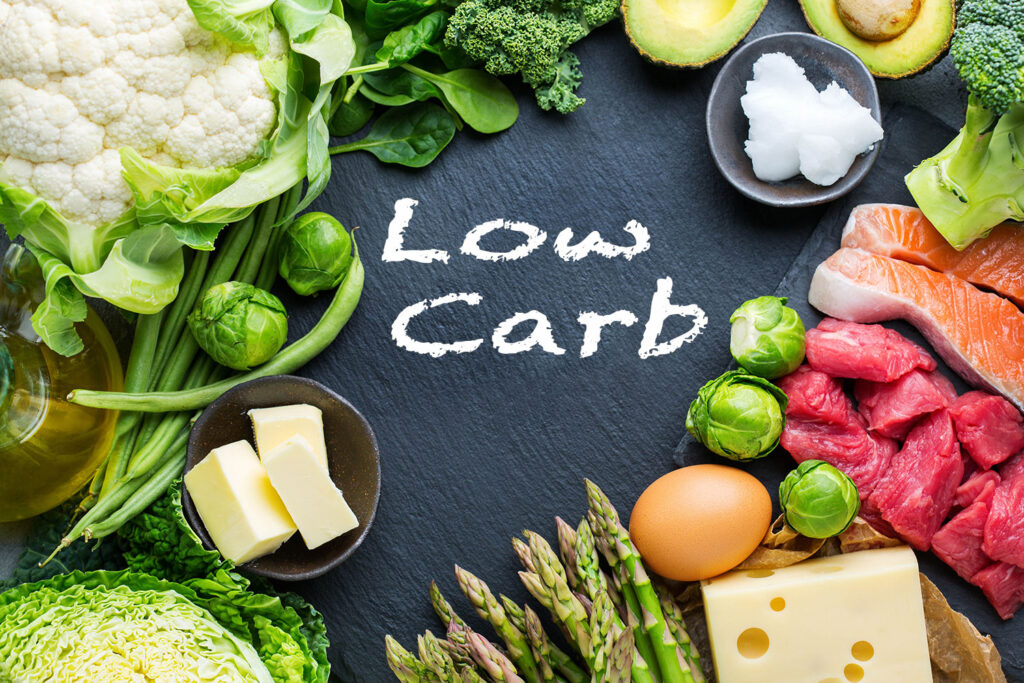
“When it comes to a low-carbohydrate diet, quality is paramount,” said the study’s senior author, Dr. Qi Sun, an associate professor in the departments of nutrition and epidemiology at the Harvard T.H. Chan School of Public Health. “The things people need to pay attention to are high-quality carbohydrates.”

What are high-quality carbohydrates?

  • Whole grains, such as oatmeal, whole grain pasta or breads.
  • Fats from vegetable oils, though not tropical ones, such as coconut or palm which are high in saturated fat.
  • Plant proteins, such as beans, nuts and soy.
  • Fruits.
  • Vegetables.

It’s best to stay away from refined grains, like white flour, red and processed meats and saturated fats, Sun said.

The best animal protein would be fish, and then poultry, he said.

The new research adds to the growing evidence that diets heavy on healthy carbohydrates and plant-based proteins and fats are associated with significantly slower long-term weight gain.

To take a closer look at the impact of nutrient choices, Sun and his colleagues turned to three databases: the Nurses’ Health Study, which enrolled 121,700 female nurses aged 30 to 55; the Nurses’ Health Study II, which followed 116,340 females nurses who were aged 25-42 at the outset; and the Health Professionals Follow-up Study, which enrolled 51,529 male health professionals aged 40 to 75.

For their analysis, Sun and his team focused on 123,332 men and women who had no chronic health conditions.

The researchers were not looking at very low-carb diets, like keto, Atkins or paleo.

In general, Americans tend to consume a diet that contains 50% to 60% carbohydrates, Sun said. A low-carb diet typically contains 30% to 40% carbohydrates.

The researchers scored people’s diets based on the quality of their diets and assigned them to categories based on those scores:

  • Animal-based low-carbohydrate diet (ALCD).
  • Vegetable-based low-carbohydrate diet (VLCD).
  • Healthy low-carbohydrate diet (HLCD), which emphasized plant-based proteins, healthy fats and fewer refined carbohydrates.
  • Unhealthy low-carbohydrate diet (ULCD), which emphasized animal proteins, unhealthy fats and refined carbohydrates, including processed breads and cereals.

The researchers found that when people improved the quality of their diets, they gained less weight over the four years of the study

For more info – https://shorturl.at/anQ36

Categories
Medicine & Health

Anti-pollution diet: Top foods to include in your diet for fighting air pollution

  • What are you doing today to safeguard your heart and lungs from ill effects of pollution? Eat these foods to protect yourself from toxic air and stay healthy .
  • Air pollution is on rise in Delhi NCR and surrounding regions as the air quality deteriorates with each passing day. While one can avoid exposure by limiting outdoor time during peak pollution hours, it is not always possible to avoid ill effects of air pollution all the time. The toxic air can wreak havoc on your lungs, brain, heart and overall health and it’s important to adopt measures that can combat harmful effects of pollutants and particulate matter than can damage health. Air pollution has been identified by WHO as one of the largest environmental health risks, responsible for millions of deaths from lung cancer, heart disease, and respiratory infections. With the right dietary choices and balanced diet with antioxidants, vitamins, and omega-3 fatty acids, it’s possible to reverse pollution-induced damage to some extent.
  • “Oxidative stress is known to contribute to the development of age-related diseases. Increasing evidence indicates that a poor diet, including clinical malnutrition, may increase the risk of oxidative stress and chronic diseases. Oxidative stress occurs due to an imbalance between reactive oxygen species and antioxidants, which can lead to tissue damage, inflammation, worsened disease severity, and abnormal immune responses,” says Dr Charu  Dua, Chief Clinical Nutritionist, Amrita Hospital, Faridabad in an interview with HT Digital.
  • FOODS TO FIGHT POLLUTION

    Dr Dua shares food groups that must be included to combat harmful effects of air pollution:

    1. Vitamin A: Milk, eggs, carrots, pumpkins

    To counteract pollution’s effects, it is recommended to include dietary sources of retinol (vitamin A), primarily found in animal sources like milk, liver, eggs, and fortified foods, as well as orange and yellow fruits such as carrots, mangoes, and pumpkins to introduce carotenoids into your diet.

  • Top foods to include in your diet for fighting air pollution
  • 2 Vitamins C and E: Oranges, guavas, soybean, nuts Observational and preclinical studies have shown that low Vitamin C and Vitamin E intake is associated with a higher prevalence of asthma. Therefore, it’s important to include foods rich in these vitamins in your diet. Citrus fruits like oranges and guavas are excellent sources of vitamin C, while oils, such as soybean and mustard oils, along with green leafy vegetables and nuts, provide vitamin E and omega-3 fatty acids.
  • 3. Vitamin D: Sunlight, eggs, fatty fish

    Vitamin D plays a key role in calcium and phosphorus metabolism, and maintaining normal vitamin D levels is correlated with improved asthma control in adults with asthma. However, many people have low indoor vitamin D levels nowadays, so supplementation is necessary to keep vitamin D levels within the normal range to control asthma effectively.

  • 4. Turmeric

    Curcumin, a phytochemical found in turmeric, has potent anti-inflammatory, anti-tumour, antifungal, and antioxidant properties. Including curcumin in your diet may help protect against pulmonary fibrosis and cancer. However, it’s important not to overdose; a teaspoon of turmeric is sufficient.

    5. Black pepper

    Also, ensure you consume it with black pepper to enhance its bioavailability, as curcumin is not effectively absorbed by the body without black pepper.

    6. Omega-3 fatty acids

    Incorporating omega-3 rich oils into your diet is not only heart-protective but also helps protect your body against pollution. Finally, it’s worth noting that the Mediterranean diet is considered one of the healthiest diets. It emphasizes whole grains, a variety of fruits and vegetables, balanced meals, and limits processed and instant foods.

  • Maintaining a healthy weight is crucial in managing asthma and reducing your susceptibility to pollution-related health issues.
  • visit on -http://surl.li/moinr