Categories
COVID-19 Medical Equipments Medical Updates

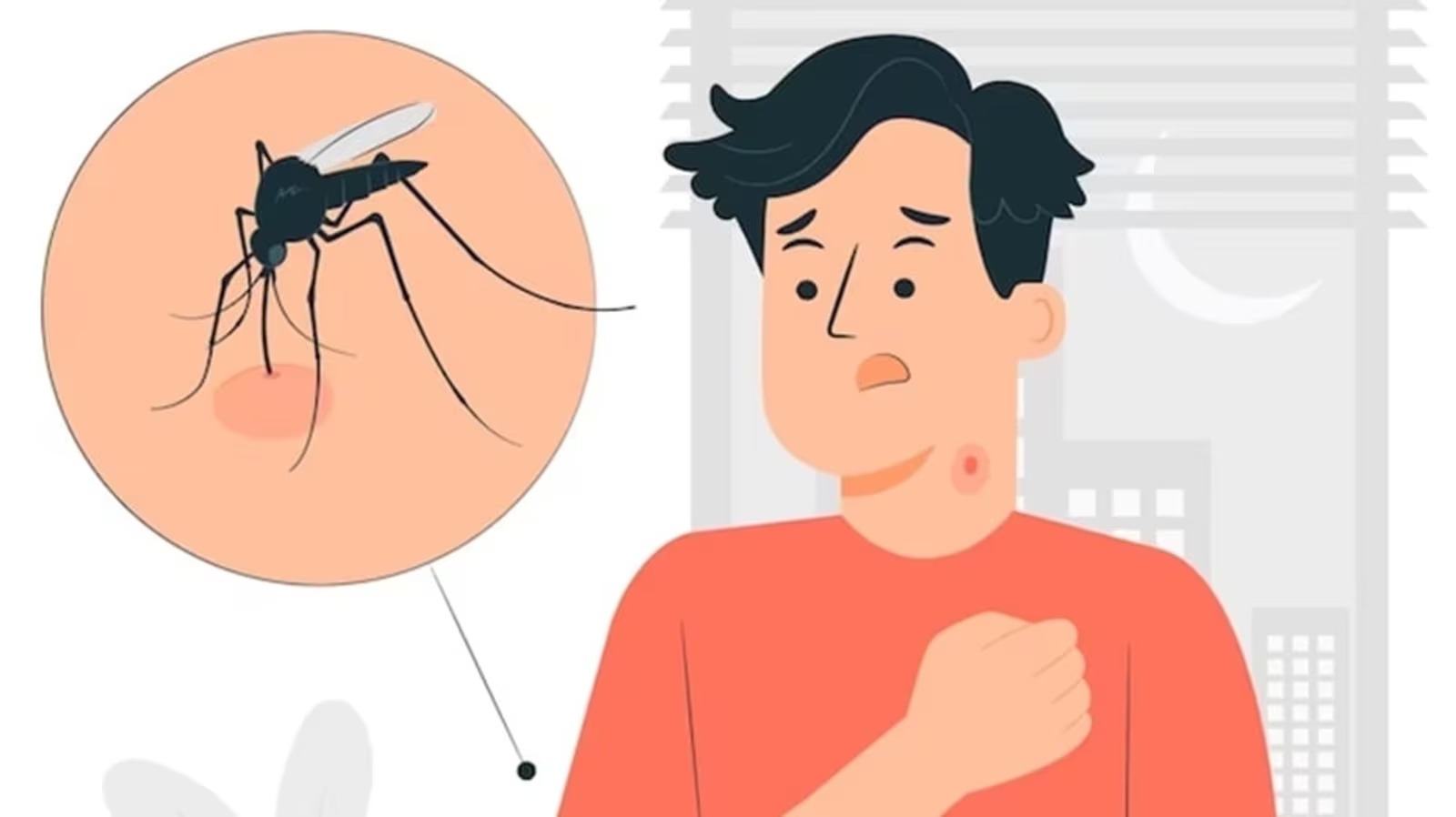
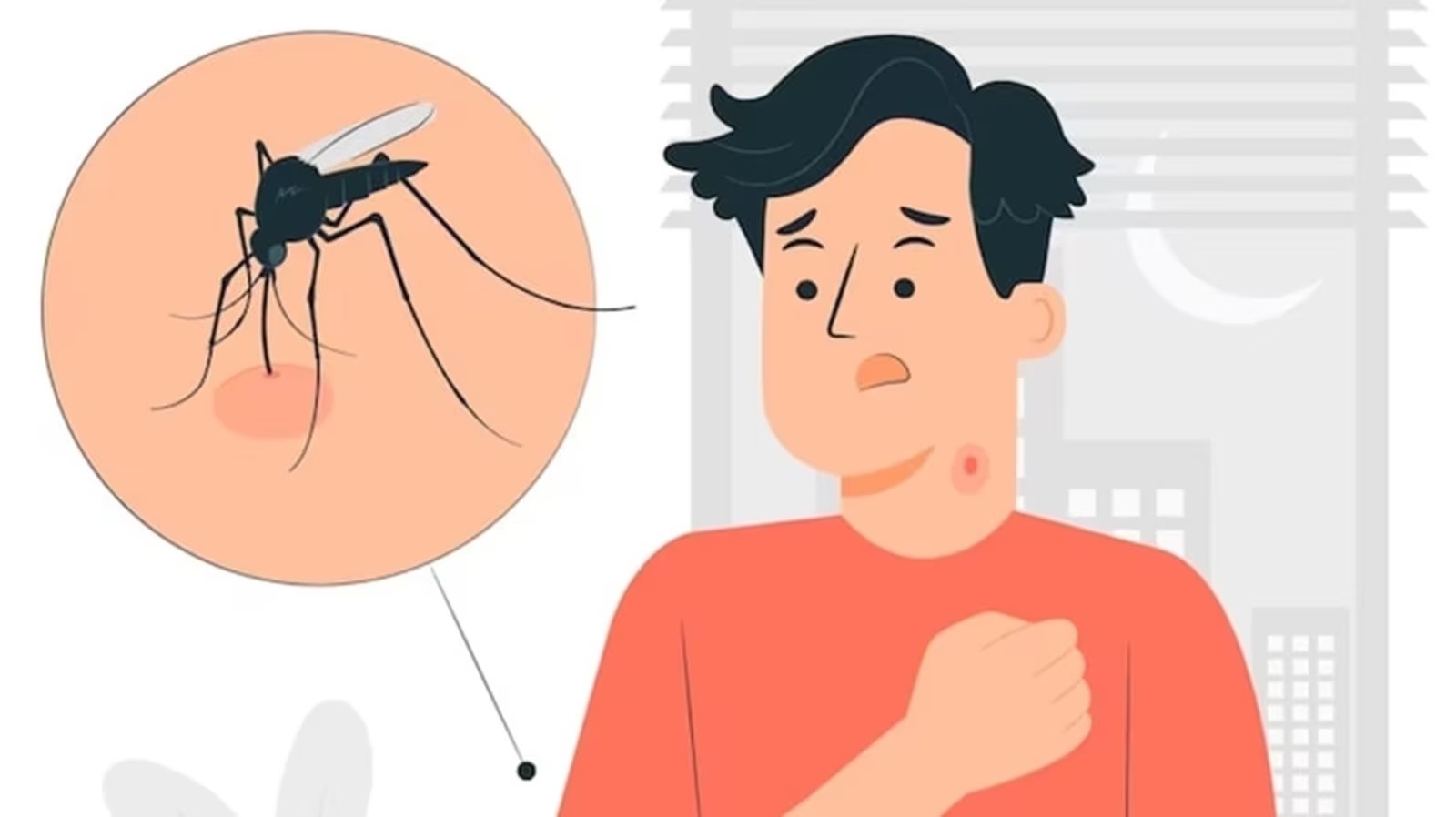
Covid-19 antibodies making dengue more severe, says study; what experts say

As per a new study, Covid-19 antibodies can cross-react with DENV-2 and can worsen dengue infection. Here’re possible reasons why this may be happening.

While the rise in number of dengue cases in India is being attributed to heavy rains and waterlogging in many areas, Covid-19 antibodies may have been adding to the vector-borne disease’s severity, according to a new study. The analysis titled ‘SARS-CoV-2 antibodies cross-react and enhance dengue infection’ has been done at the Translational Health Science and Technology Institute (THSTI) under the central government’s department of biotechnology; the yet-to-be peer-reviewed study has been published in bioRxiv, the preprint server for medical sciences.

“This study is the first to demonstrate that anti-SARS-CoV-2 antibodies can cross-react with DENV-2 (dengue virus 2) and can enhance its infection through antibody- dependent enhancement (the ability of antibodies from a previous infection to help a virus infect greater numbers of cells than it would have on its own),” it said.

Dr Harish Chafle, Extensive experience in Pulmonology and Critical Care, Global Hospitals Parel Mumbai offers insights into the potential link between Covid-19 antibodies and worsening dengue cases.
Covid-19 antibodies making dengue more severe, says study; what experts say

“As we delve into the complex interactions of viral infections, we must consider the possibility of cross-reactivity between Covid-19 antibodies and dengue. The human immune system is a highly intricate network, and sometimes, antibodies produced in response to one virus can influence the body’s response to another. In the case of Covid-19 antibodies and dengue, it’s crucial to investigate if the presence of Covid-19 antibodies may inadvertently enhance the severity of dengue infection. This phenomenon is not entirely unexpected, as such interactions have been observed in other viral co-infections. The key lies in understanding the specific mechanisms at play, and whether these interactions can be harnessed for therapeutic strategies or if precautions should be taken for individuals at risk for both infections. More research is needed to shed light on this intricate relationship and its implications for public health,” says Dr Chafle.

Dr. Aditya S Chowti, Senior consultant, Internal Medicine, Fortis Cunningham, Bengaluru says there are several plausible explanations for how Covid-19 antibodies might exacerbate dengue infection:

1. Antibody-dependent enhancement (ADE) is a possibility where Covid-19 antibodies attach to dengue viruses without neutralizing them, potentially aiding the viruses in entering cells more effectively.

2. Another scenario involves Covid-19 antibodies triggering an exaggerated immune response, causing inflammation and tissue damage, which can intensify dengue symptoms.

3. Covid-19 infection might weaken the immune system, rendering individuals more susceptible to dengue and increasing the likelihood of severe disease.

“Further research is essential to comprehensively comprehend these mechanisms. It is crucial to acknowledge this potential risk, particularly for those who have had Covid-19 in dengue-endemic regions. In the interim, individuals should take steps to safeguard themselves against both Covid-19 and dengue, such as receiving the Covid-19 vaccine and practicing mosquito bite prevention, like using insect repellent and wearing protective clothing when outdoors,” adds Dr Chowti.

Read more at-https://shorturl.at/dfxC0
Categories
Government Guidelines Medical Updates Medicine & Health

Dengue: Top tips to prevent and protect yourself amid record fever outbreak

Protection against dengue is crucial, especially in India and Bangladesh where cases are rising amid worst-ever dengue fever outbreak. Here are some top tips

Health departments in India and Bangladesh have swung into action after dengue cases surge amidst heavy rainfall this monsoon, with over 7,000 dengue cases reported in Karnataka, nearly 3,475 dengue cases in Punjab, Ambala’s dengue cases climbing to 173, Lucknow crossing the 300-mark, two notified dengue deaths in Navi Mumbai and suspected dengue cases pegged at 126, another suspected dengue death in Ghaziabad and an uptick in dengue cases in Delhi where doctors warn that numbers may increase. Meanwhile, the World Health Organization reported that neighbouring country, Bangladesh, is facing its worst-ever dengue outbreak with the climate crisis being cited as a key factor in the increased transmission of these mosquito-borne diseases.

This viral infection is caused by the dengue virus (DENV) which is transmitted to humans through the bite of infected mosquitoes and while many DENV infections are asymptomatic or produce only mild illness, high fever, headache, body aches, nausea and rash, DENV can occasionally cause more severe cases and even death. Hence, health experts insist that early detection and access to proper medical care greatly lower fatality rates of severe dengue.

In an interview with HT Lifestyle, Dr Divya Singh, Senior Surgeon at Ram Manohar Lohia Hospital and Director at Maaiya Social Change Front Foundation, asserted that protection against dengue is crucial, especially in Delhi where cases are rising. She suggested some top tips to help you prevent dengue –

Dengue: Top tips to prevent and protect yourself amid record fever outbreak

  • Eliminate breeding sites: The Aedes mosquitoes that transmit dengue breed in stagnant water. Regularly check and eliminate any standing water around your home, such as in flower pots, discarded containers, and gutters. Do not allow water to stagnate in or around the household.
  • Regular screening of the house – Regular screenings by local authorities, building associations and on your own is a must to remain vigilant and present any breeding spots from being missed out.
  • Use mosquito nets and screens: Sleep under mosquito nets, especially during daytime when Aedes mosquitoes are most active. Use window and door screens to prevent mosquitoes from entering your home.
  • Wear protective clothing: When outdoors, wear long-sleeved shirts, long pants, socks, and shoes to minimize exposure to mosquitoes. Light-colored clothing can also help as mosquitoes are attracted to dark colors.
  • Use mosquito repellents: Apply mosquito repellents on exposed skin and clothing. Look for products containing DEET, picaridin, or oil of lemon eucalyptus. Follow the instructions on the label.
  • Keep your environment clean: Maintain good hygiene and cleanliness in and around your home. Trim bushes and shrubs, and keep grass short to reduce mosquito resting areas.
  • Keep the house and surrounding areas airy and well lit: Mosquitoes usually breed in dark places. Dimly lit areas and neglected spots harbour mosquitoes and may be overseen during sanitation checks which causes pooling of water and a fertile ground for larvae to grow.
  • Avoid peak mosquito activity: Aedes mosquitoes are most active during early morning and late afternoon. If possible, stay indoors during these times.
  • Avoid smells that attract mosquitoes: Growing lemongrass, eucalyptus and peppermint around the house will aid in fending off mosquitoes.
  • Promote community action: Work together with your neighbors to eliminate breeding sites in your community. Mosquitoes can travel short distances, so collective efforts are important.
  • Support vector control measures: Cooperate with local health authorities and their efforts to control mosquito populations through fogging, spraying, and larvicidal treatments.
  • Stay informed: Stay updated on dengue-related information from local health authorities and government agencies. Follow their recommendations for prevention and control.
  • Seek medical attention: If you experience symptoms such as high fever, severe headache, joint and muscle pain, rash, or bleeding, seek medical attention promptly. Early diagnosis and proper medical care are essential for managing dengue.

Emphasising the importance of collective efforts, the health expert urged everyone to actively engage in dengue prevention by adopting these measures and inspiring others within the community. Through united action, we can significantly diminish the spread of dengue and safeguard the well-being of our neighbourhoods.

Read more at-https://shorturl.at/cCRT2

Categories
COVID-19 Government Guidelines Medical Equipments Medicine & Health

Dengue outbreaks: 9 reasons why dengue cases are getting more severe; what role does global warming play

Prenatal genetic testing is now quite affordable and being increasingly used for improving reproductive outcomes in every pregnant woman as genetic testing prenatally, a.k.a before birth has given the opportunity to screen for a variety of severe genetic abnormalities and take necessary action in time. This helps in preventing the birth of children with genetic birth defects thus saving financial and emotional burden on the family.

With the advent of such testing, couples are now able to obtain information about genetic disorders of their foetus and make an informed decision about the same. In an interview with HT Lifestyle, Dr Veronica Arora, Assistant Consultant at Institute of Medical Genetics and Genomics at Sir Ganga Ram Hospital, revealed, “Genetic testing is not offered to obtain information about the foetus to predict non-disease-related traits. Such practice is strongly condemned. Some common myths about prenatal genetic testing include that it is only done for older women, it is very expensive, it is only done for Down syndrome, not required in the absence of family history, or done only for high-risk women.”

Highlighting that testing in the prenatal scenario includes non-invasive and invasive genetic tests, she elaborated –

  • Non-invasive tests: Biochemical markers, non-invasive prenatal screening are those which are performed on the blood of the mother. Testing for common aneuploidies and thalassemia is included in this category, and these are offered universally to all pregnant women.
  • Invasive genetic testing: Amniocentesis or Chorionic villus sampling is limited to fetuses at risk of having a genetic disorder. This includes those at risk due to positive family history, advanced maternal age, positive screening tests for aneuploidies or ultrasound abnormalities.

Dengue outbreaks: 9 reasons why dengue cases are getting more severe; what role does global warming play

Addressing myths on prenatal genetic testing, Dr Ramesh Hariharan, CEO and Co-Founder of Strand Life Sciences, shared –

  1. Prenatal genetic testing can help determine if the baby, while still in the mother’s womb, has a genetic abnormality.
  2. Pre-natal testing need not be invasive for the baby; some abnormalities in the baby can be detected from the mother’s blood; these include large scale genomic abnormalities that cause Down’s syndrome.
  3. Not all abnormalities can be easily detected from the mother’s blood though, particularly finer genetic abnormalities, those may need a procedure called amniocentesis or CVS to access cells from the baby.
  4. All positive results detected from mother’s blood should be confirmed by an amnio or CVS.

Read more at-https://shorturl.at/eoSZ7