Categories
COVID-19 Government Guidelines Medical Equipments Medical Updates Medicine & Health Techniques

Covid infection could damage foetuses of pregnant women: Study

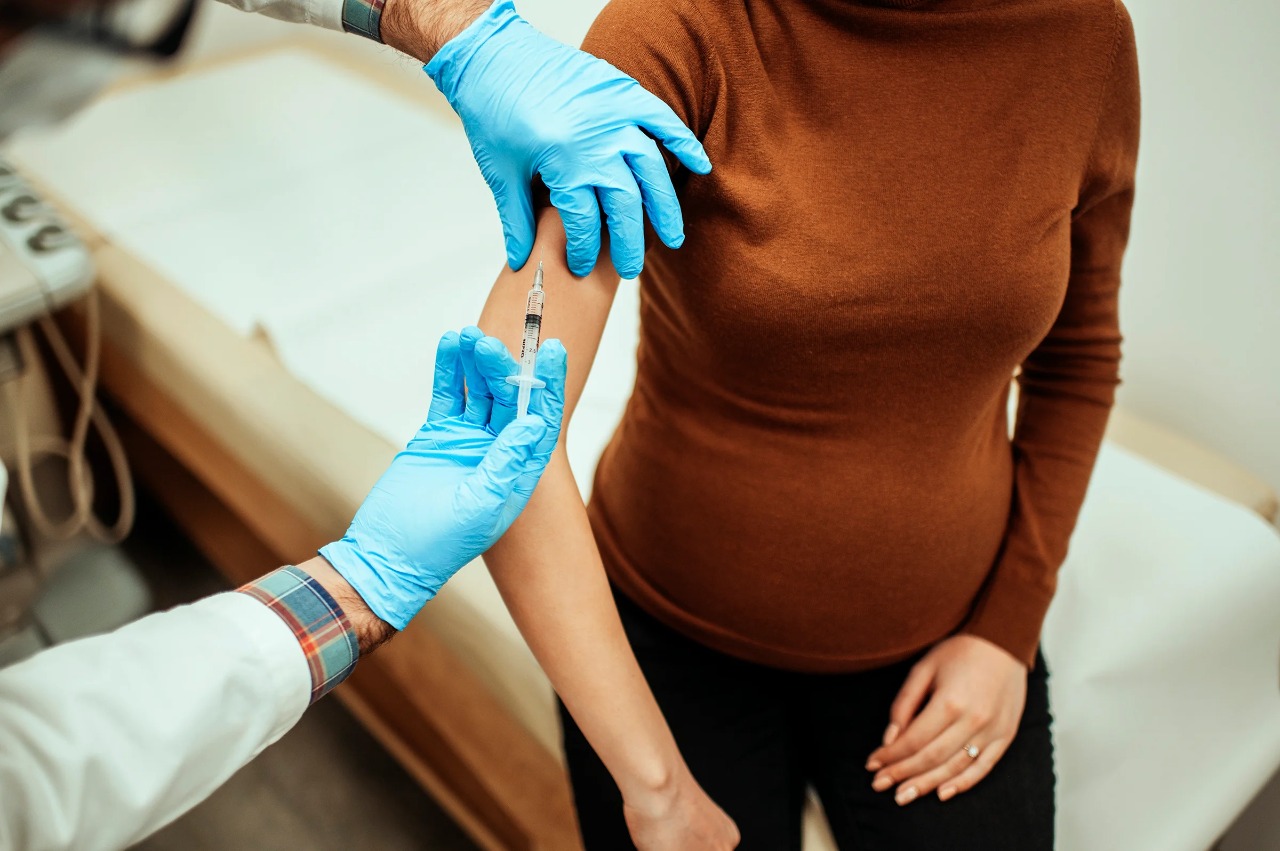
Foetuses and placentas of pregnant women, especially those infected with COVID-19 at earlier points in the pandemic, were found to bear a greater risk of experiencing growth impairment or vascular lesions in organs and brain, according to a new research.

Foetuses and placentas of pregnant women, especially those infected with COVID-19 at earlier points in the pandemic, were found to bear a greater risk of experiencing growth impairment or vascular lesions in organs and brain, according to a new research.

According to the research, results demonstrate that the different strains of the virus that emerged during the pandemic led to varying degrees of damage, which was especially higher by those involving pre-Omicron variants. The detected placental lesions could potentially harm both development and health in some of the affected unborn children, the study said.

Using prenatal magnetic resonance imaging, a group of Medical University of Vienna, Austria, researchers examined the placentas and foetuses of women who tested positive for SARS-CoV-2 during pregnancy, the study said.

The research was published in the journal The Lancet Regional Health – Europe. While such damage occurs more infrequently and is less severe with the currently circulating Omicron sub-lineages, the study authors still advocate early detection measures for pregnant women who test positive for coronavirus.

Contrary to previous studies, in which SARS-CoV-2-related abnormalities were only identified postnatally and/or through histopathological procedures, the research team focused on prenatal imaging findings, the study said.

Using prenatal magnetic resonance imaging (MRI), 76 scans of placentas and foetuses of pregnant women were performed in the study: 38 following a confirmed SARS-CoV-2 infection (pre-Omicron or Omicron variants) and 38 in healthy control cases, the study said.

The study found that the placentas in both the pre-Omicron and the Omicron groups revealed abnormalities.
Covid infection could damage foetuses of pregnant women: Study

“Infections with pre-Omicron variants, such as Delta, led to significantly greater damage in the form of vascular events such as blood clots or bleeding than with the Omicron subvariants currently circulating through the population,” noted lead author Patric Kienast, outlining a key finding of the study.

The researchers attribute the varying extent of damage to the placenta caused by different virus strains to the fact that Omicron sub-lineages are less likely than their predecessors to result in severe cases, and to higher vaccination rates as the pandemic has progressed, the study said.

“In any case, our results showed that the two non-vaccinated study participants developed placental abnormalities following infection with SARS-CoV-2 Omicron, compared with just one out of six of the women who had received three doses of the vaccine,” confirmed senior author Gregor Kasprian.

Oxygen, nutrients and metabolic products are exchanged between mother and child in the placenta. Attached to the uterine wall, this organ forms such a strong barrier against the coronavirus that only 3 per cent or fewer of foetuses whose mothers test positive for SARS-CoV-2 are also infected, the study said.

But as the study shows, the placenta itself is not spared from complications caused by Covid-19. Subsequently, some unborn babies experience stunted growth or bleeding in the brain, the study said.

“This is why the placentas of pregnant women who have been infected with SARS-CoV-2 should be examined as soon as possible after testing positive using prenatal imaging techniques,” advised Daniela Prayer from Medical University of Vienna, citing the importance of scanning, particularly in the case of possible future coronavirus variants with mechanisms similar to Delta, for example.

By doing so, there is a chance to take measures to safeguard the health of the foetus in a worst case scenario, the study said.

Read more at-https://bit.ly/3XAOtZF
Categories
COVID-19 Government Guidelines Medicine & Health

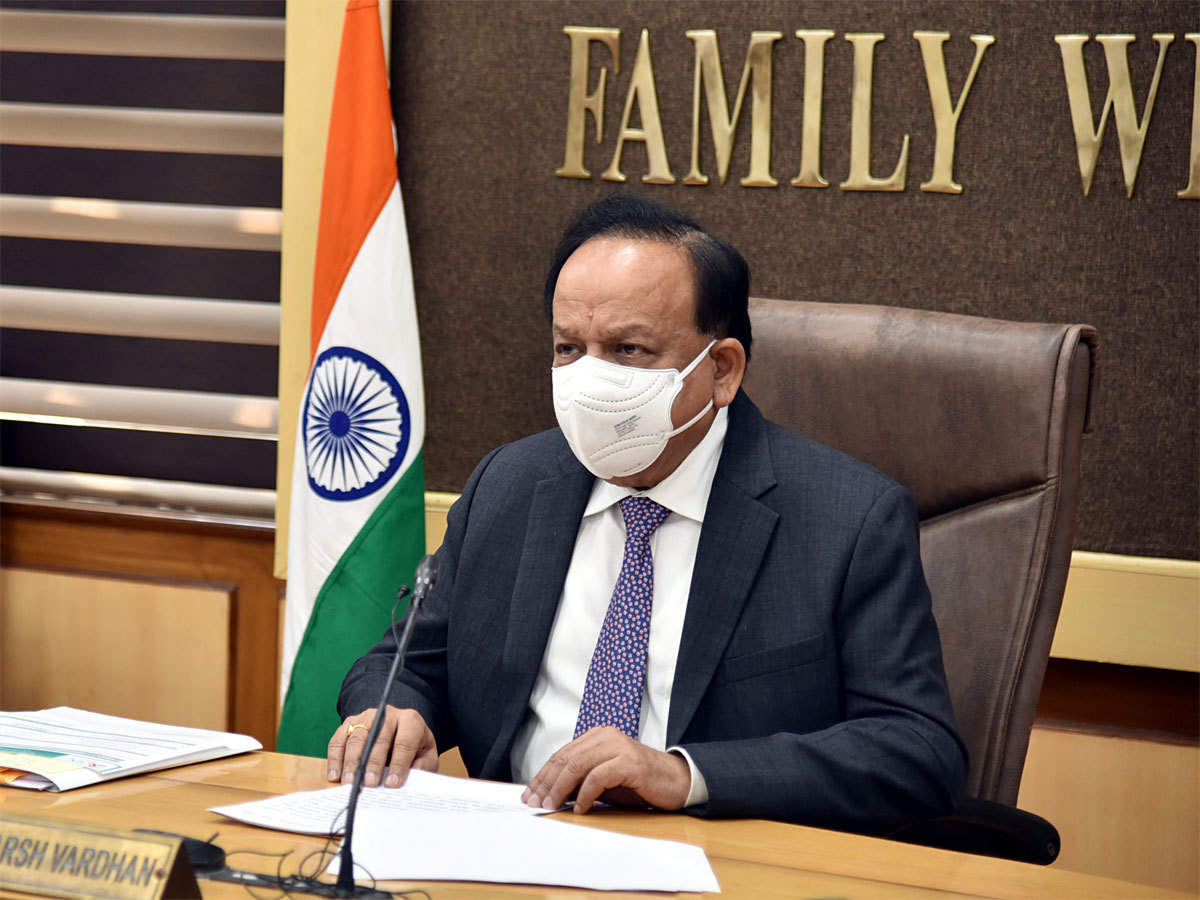
Over six Covid-19 vaccines to come up in India, says Health Minister Harsh Vardhan

Union Health Minister Harsh Vardhan has said that more than six Covid-19 vaccines will come up in India.

He also said that 1.84 crore coronavirus vaccine doses have been administered till Saturday morning, while 23 crore tests have been conducted.

The latest figures from the Health Ministry say that 2.91 crore people had been vaccinated till 7 pm on Saturday.

“India has developed two vaccines, which have been given to 71 countries. Many more nations are seeking the vaccines, and these are not little-known nations…Canada, Brazil and other developed countries are using Indian vaccines with a great zeal,” he said.

“More than half a dozen vaccines are going to come up,” he said.

“Till Saturday morning, 1.84 crore vaccine shots have been given in the country and 20 lakh people were inoculated yesterday,” the minister added.

He was speaking while inaugurating the new green campus of the National Institute of Research in Environmental Health near here.

Prime Minister Narendra Modi wants to create a new India to turn it into a ‘vishwa guru’ (world leader), he added.

“Respect science. There is a need to end politics over it (vaccine) given that it is a scientific fight not a political one. That is why we should work unitedly,” Vardhan said.

The efforts of our scientists are praiseworthy as due to their labour we have achieved all this. Year 2020, apart from being a COVID-19 year, will be remembered as the year of science and scientists, he added.

He said that initially there was only one laboratory in India for COVID-19 testing. “But we have 2,412 testing facilities now,” he added.

“We were the first in the world to isolate the coronavirus. We isolated its mutation. And our scientists helped the ICMR in vaccine. People have praised it (vaccine). Some people tried to create confusion, but truth is unbeatable,” he said.

Talking about the rising infection cases, the minister said this “disturbing trend” was due to the carelessness and misunderstanding.

“People think that as the vaccine has come and all is well now,” he said, while urging them to follow the COVID-19 rules for protection against the virus.

Vaccine update in India

According to a provision report, of the 2,91,92,547 doses administered till now, 73,31,498 were given to healthcare and 72,96,474 frontline workers who have taken the first dose, and 42,58,297 healthcare and 10,53,732 frontline workers who have been given the second dose.

As many as 78,66,241 senior citizens and 13,86,305 aged 45 and above with specific comorbidities have received vaccine doses.

“A total of 9,74,090 vaccine doses were given till 7 pm on Saturday, the 57th day of the nationwide COVID19 vaccination.

“Of these, 8,05,014 beneficiaries were vaccinated for the first dose and 1,69,076 healthcare and frontline workers received the second dose of vaccine according to the provisional report. The final report for the day would be completed by late in the night,” the ministry said in a statement.

The countrywide vaccination drive was rolled out on January 16 with healthcare workers getting inoculated and vaccination of the frontline workers started from February 2.

The next phase of COVID-19 vaccination commenced on March 1 for those who are above 60 years of age and for people aged 45 and above with specified comorbid conditions.

Categories
COVID-19 Government Guidelines Medical Updates Medicine & Health

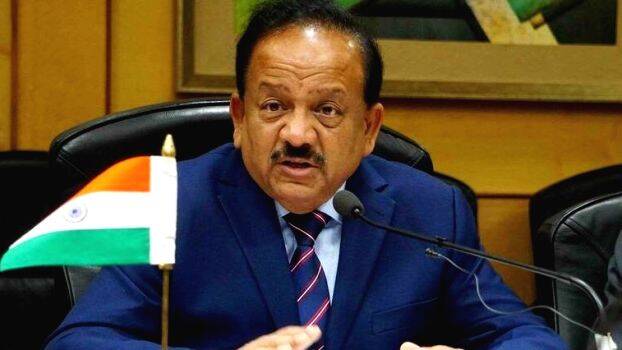
‘India might not need Pfizer vaccine,’ says health minister Harsh Vardhan

India’s Union Health Minister Harsh Vardhan has said that India may not need Pfizer-BioNTech’s COVID-19 vaccine as there are many other vaccine candidates being tested in India, including the indigenous Bharat Biotech candidate Covaxin, which is currently in the final stage of human trials.

In an interview with The Economics Time, Vardhan said, “United States has not even given license to Pfizer. So it does not make sense for other countries like India to consider it. We are in touch with everyone but I feel that we may not need Pfizer vaccine.”

Pfizer has recently applied for emergency use authorization of its vaccine candidate to the FDA. If granted, they will be able to use the vaccine “in high-risk populations…by the middle to end of December 2020.”

Vardhan also said the vaccine would have to first cater to its own country and then fulfil all the order placed by the other countries according to the deals they have signed. He added that Pfizer does not have the “linkages in India to manufacture the vaccine.”

Scroll reported that Vardhan said that no state will be given any preferential treatment and the distribution of vaccines will be equitable. He also stated that healthcare workers will be the first ones to receive the vaccine.

“There will be equitable distribution of vaccine,” he said. “States are part of the national expert group…nobody will get the vaccine by pulling a favor.”

India is currently testing three vaccines and are in various stages of clinical trials. Vardhan said that the vaccine will be made available by February or March 2021.

In Phase 3 of the trials is Oxford University’s vaccine that it has developed with AstraZeneca. The trials are being conducted by Pune based Serum Institute and they will also be responsible for distribution. The vaccine is expected to come out by January 2021.

Dr Reddy’s Laboratories has partnered with the Russian Direct Investment Fund (RDIF) to test its Sputnik V vaccine. It recently received approvals to start Phase 2/3 trials in India and has partnered with the Biotechnology Industry Research Assistance Council (BIRAC) of the Department of Biotechnology (DBT) which gives them access to its clinical trial centres. Dr Reddy’s will also distribute the vaccine if it gets approval in India.

Covaxin, being developed by Bharat Biotech in association with the Indian Council of Medical Research (ICMR) and is in Phase 3 of clinical trials which are being conducted on 26,000 volunteers across 22 centre.