Categories
Medical Updates

Red rice vs black rice: Can south Indian varieties work for your heart, cholesterol, diabetes and haemoglobin?

Not all rice is bad if eaten in moderation and made a part of the total recommended daily calorie allowance. Also, rice should be combined with adequate protein and green leafy vegetables. Particularly South India’s heirloom rice varieties are a treasure house of nutritional and therapeutic properties. Of late, some research has also started validating the superfood value of indigenous rice varieties. These are rich in bioactive compounds that boost the nutritional value of foods.

KAVUNI: Red Kavuni is an aromatic, red-grained rice grown in Tamil Nadu that derives its rich colour from high levels of anthocyanins. It has been used traditionally as a cooling food during summer months and is valued for its anti-microbial properties that aid digestion.

KAIVARA SAMBA: This is a widely adaptable rice variety that can grow even in marginal soils. It is good for dehydration and having a low glycaemic index and high fibre, can be used to regulate blood sugar levels. The high fibre lends bulk to the dish and automatically helps in portion control. This rice contains selenium, which helps to make DNA and protects against cell damage, abnormal cancerous growth and infection.

POONGAR: This is a sweet-scented rice grown specifically for making rice flakes and fermenting. In parts of Karnataka and Tamil Nadu, it is customarily given to women after puberty and during pregnancy as it is believed to ease gynaecological problems. It has no cholesterol and is high on resistant starch, which is good for the growth of gut bacteria. The fibre content helps lower cholesterol levels in the body while flavonoids reduce the risk of heart disease. Poongar rice has a low glycemic index while a compound called gamma-oryzanol helps reduce insulin resistance in the body. It is high in iron, magnesium and zinc and helps in increasing haemoglobin levels. It works for those with Celiac disease as it is 100 per cent gluten-free.

KATTU YANAM: A high-fibre red rice, it helps bring down cholesterol levels in the body. Its nutty flavour and texture make it a good source of energy. Its low glycaemic index makes it a top choice for people with diabetes. Easy to digest. It is a good source of Vitamin B, zinc, manganese and folic acid.

KOLIYAL: This is a brown hulled rice from Kerala that is used to make Puttu, an iconic breakfast dish of the region. A study by Naresuan University, Thailand, and published in PubMed Central, has shown how this rice improves sperm health parameters. These contain insoluble fibres and are low on sodium, which is good for those suffering from hypertension.

BLACK KAVUNI: This is yet another heritage rice from Tamil Nadu that derives its blackish-purple hue from high anthocyanin content. It is known for properties that cool the body, promote heart health and treat liver ailments. Its antioxidants help in managing heart health, it has a low glycaemic index and is, therefore, good for people with diabetes. It is a powerhouse of micronutrients like iron, magnesium and zinc.

THUYAMALLI: This rice is known for its vitamin B complex, especially B12, content. This strengthens the nervous system.

KARUN KURUVAI: A study published in the Journal of Agricultural and Food Chemistry found that the antioxidant activity of this kind of red rice is higher than that of other rice varieties, which may help protect the heart against oxidative stress. It has a lower glycemic index compared to other rice varieties, which means it causes a slower rise in blood sugar levels after consumption.

MAPPILLAI SAMBA: It contains vitamin B1 that helps in healing stomach and mouth ulcers. It improves blood circulation, boosts immunity and stamina, strengthens muscles and nerves.

Given these health benefits, there is a growing awareness of how important it is to conserve this agricultural heritage and traditional knowledge. But at the risk of repetition, moderation is the key even if they are used as substitutes of the milled and processed variety.

Visit us –http://www.aarogyapath.in
 

Categories
Medical Updates

​Having just a spoonful of these foods can help meet your daily requirement of magnesium​

​Why is Magnesium essential?​

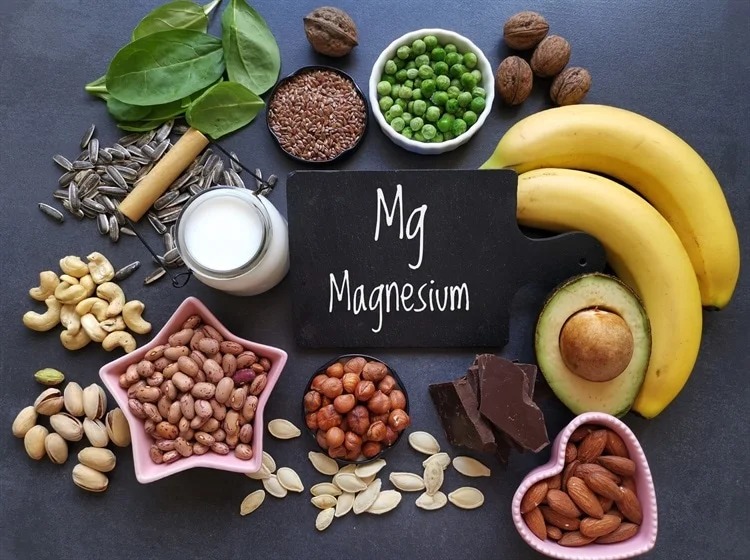
Magnesium is a vital mineral that plays a crucial role in the proper functioning of our bodies. It is involved in over 300 biochemical processes, from muscle and nerve function to bone health and energy production. Meeting your daily magnesium requirement is essential for maintaining overall well-being. The human body needs 310 to 420 mg of magnesium in a day. While it’s always best to get your nutrients from a balanced diet, there are certain foods where just a spoonful can provide a significant portion of your daily magnesium needs.

​Having just a spoonful of these foods can help meet your daily requirement of magnesium​

​Quinoa​

A tablespoon of cooked quinoa contains approximately 15 milligrams of magnesium. This versatile grain is not only a good source of magnesium but also offers a complete protein profile.

​Dark chocolate​

For those with a sweet tooth, there’s good news. Dark chocolate with a high cocoa content contains approximately 25 milligrams of magnesium per tablespoon. However, be mindful of portion control due to its calorie content.

​Sunflower seed

Just one tablespoon of sunflower seeds contains about 11 milligrams of magnesium. They are also a source of vitamin E and other antioxidants.

​Pumpkin seeds​

A single tablespoon of pumpkin seeds contains approximately 37 milligrams of magnesium, making them a nutritious and convenient magnesium source. These small seeds are also packed with protein, fibre, and healthy fats.

​Spinach​

Dark leafy greens like spinach are a great source of magnesium. A tablespoon of cooked spinach provides roughly 20 milligrams of magnesium. Incorporating more greens into your diet can offer numerous health benefits.

Chia seeds

Chia seeds are another magnesium-rich option, offering around 15 milligrams of magnesium per tablespoon. They are also high in fibre, omega-3 fatty acids, and other essential nutrients.

​Almonds​

A tablespoon of almonds provides about 12 milligrams of magnesium. Almonds are a tasty and portable snack that can easily contribute to your magnesium intake.

Cashews​

Cashews contain roughly 18 milligrams of magnesium in a single tablespoon. They are not only delicious but also a good source of healthy fats and protein.

Sesame seeds​

Sesame seeds are rich in magnesium, offering around 32 milligrams per tablespoon. They are commonly used in cooking and baking and can be sprinkled on various dishes for added flavour and nutrition.

Health benefits of magnesium​

Magnesium is essential for proper muscle and nerve function. It helps muscles relax and contract, and it supports the functioning of the nervous system. Magnesium plays a role in maintaining a steady heartbeat and may help lower blood pressure. It works in harmony with calcium and vitamin D to keep bones strong. It can help regulate blood sugar levels and reduce the risk of developing type 2 diabetes. Magnesium has been linked to improved mood and sleep quality, making it important for overall mental well-being.

Health tips​

The amount of magnesium each of these food items contains might vary depending on the quality and other factors. It is important to check the symptoms of magnesium deficiency and consult a doctor. A health expert can guide you and recommend you the right kind of dosage. While some patients can fill the magnesium deficiency with just foods, some others need supplements.

visit – https://shorturl.at/wyR35

Categories
Medical Updates Medicine & Health

World Polio Day highlights global efforts to end poliomyelitis worldwide

Polio, a life-threatening disease, is caused by the poliovirus, which the World Health Assembly committed to eradicate in 1988.

The poliovirus spreads from person to person and can infect a person’s spinal cord, causing paralysis.

The World Polio Day highlights the global efforts to end poliomyelitis (polio) worldwide.

The day is observed to raise awareness of the importance of polio vaccination to protect every child from this devastating disease and to honor those people whose efforts led to eradication of polio in many parts of the world.

World Polio Day highlights global efforts to end poliomyelitis worldwide

To ensure a polio-free world, efforts must continue to maintain high immunization coverage, implement high-quality surveillance to detect any presence of the virus, and prepare to respond in the event of an outbreak.

In 1988, poliovirus was present in 125 countries, paralyzing an estimated 1,000 children per day. That year, the Global Polio Eradication Initiative (GPEI) was launched with a goal to eradicate polio worldwide.

In last 35 years, due to GPEI cases of wild poliovirus have fallen by more than 99% – from 350,000 cases per year to fewer than 10 annual cases of wild polio.

Polio remains consistently present in just two countries – Afghanistan and Pakistan. As long as wild poliovirus continues to circulate in these 2 nations, all other countries are at risk of wild poliovirus being imported.

Polio vaccine is one of the most important vaccines to be administered to all children.

Polio, being a highly infectious viral disease mostly affects kids under the age of five.

According to the World Health Organization, the virus gets transmitted by person-to-person spread. It majorly happens through the faecal-oral route or contaminated water or food and then the virus multiplies in the intestine. From there, it can reach the nervous system and lead to paralysis.

  • visit on-http://surl.li/mnrji


Categories
COVID-19 Medical Updates Medicine & Health

Did you get you annual flu vaccine? It can lower risk of heart attack, says study

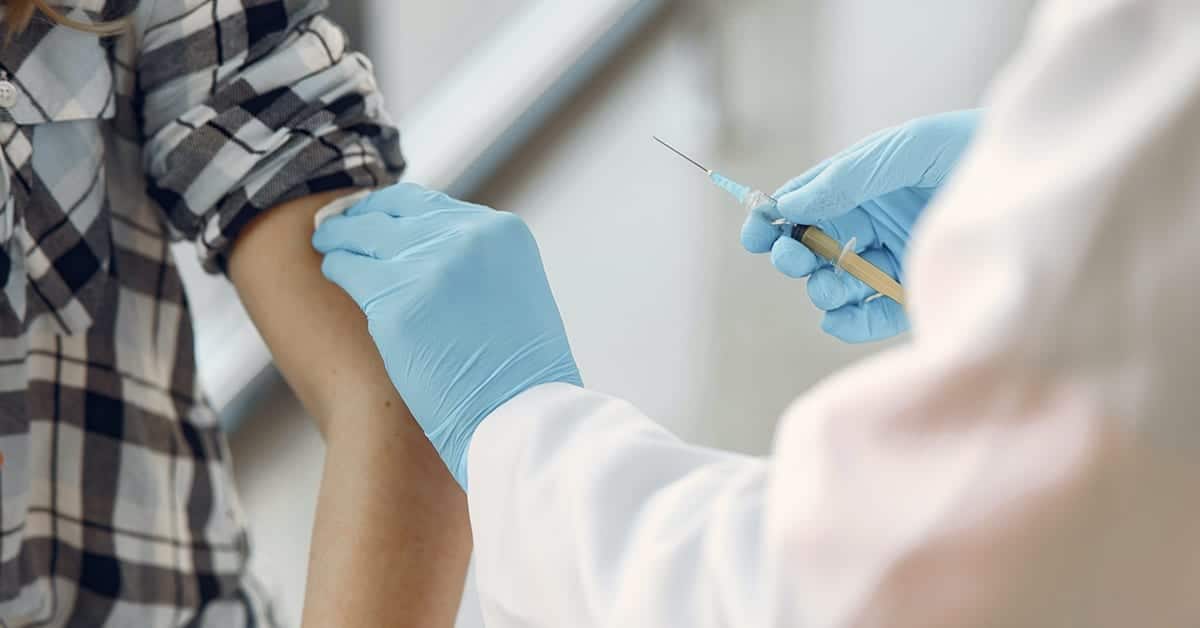
Getting an annual flu vaccine shot may help to lower the risk of stroke, according to researchers.

A study published in the medical journal of the American Academy of Neurology says that getting your annual flu vaccine could lower the risk of stroke in people. Researchers have stated that the annual flu vaccine could lower the risk of stroke, however, it still remains a mystery whether the jab could prevent stroke altogether.

Did you get your annual flu vaccine? It can lower risk of heart attack, says study

“Studies have shown that getting the flu increases your risk of having a stroke, but research is still being collected on whether getting the flu vaccine can help protect against a stroke,” said study author Francisco J. de Abajo, MD, MPH, PhD, of the University of Alcala in Madrid, Spain.

“This observational study suggests that those who have a flu shot have a lower risk of stroke. To determine whether this is due to a protective effect of the vaccine itself or to other factors, more research is needed.”

How the study worked?

The study looked at ischemic stroke, which is caused by a blockage of blood flow to the brain and is the most common type of stroke.

For the study, researchers looked at a health care database in Spain and identified people who were at least 40 years old and had a first stroke over a 14-year period. Each person who had a stroke was compared to five people of the same age and sex. There were 14,322 people who had a stroke and 71,610 people who did not have a stroke.

Then the researchers looked at whether people had received the influenza vaccine at least 14 days before the stroke or before that same date for those who did not have a stroke.

A total of 41.4% of those who had a stroke had received the flu shot, compared to 40.5% of those who did not have a stroke. But the people who got the shot were more likely to be older and to have other conditions such as high blood pressure and high cholesterol that would make them more likely to have a stroke. Once researchers adjusted for those factors, they found that those who received a flu shot were 12% less likely to have a stroke than those who did not.

The researchers also looked at whether the pneumonia vaccine had any effect on the risk of stroke and found no protective effect.

Researcher speak

“These results are yet another reason for people to get their yearly flu shot, especially if they are at an increased risk of stroke,” de Abajo said. “To be able to reduce your risk of stroke by taking such a simple action is very compelling.”

Since the study was observational, it does not prove that getting the flu shot reduces the risk of stroke. It only shows an association. There could be other factors that were not measured that could affect the risk of stroke.

Incidences of heart attack

The study comes at a time, when several tragic deaths have been reported in India. From noted Bollywood singer Krishnakumar Kunnath, also known as KK, to investor and billionaire Rakesh Jhunjhunwala, suffered heart attack and passed away.

Further a news anchor from Oklahoma experienced the “beginning of a stroke” while reporting news on live TV. Anchor Julie Chin, who works for NBC affiliate KJRH was reading the news of the attempted launch of NASA’s Artemis 1 rocket when she began to stumble over her words.

Another incidence of heart attack happened in Jammu, where a performer was recorded collapsing in the middle of their performance, later confirmed to have died of heart attack.

Read More At:-https://bit.ly/3qG2HcO