
Categories
Medical Updates Medicine & Health

Ayurveda: The ache antidote

Headaches are a common issue, and when accompanied by symptoms such as severe intolerance to sound, vomiting sensation and throbbing pain, it falls under the category of migraine. Instead of delving into contemporary pathophysiology, let’s explore Ayurvedic insights into the condition and preventive measures.
The spectrum of shirashoola: Ayurveda categorises shirashoola—‘shiras’ means head, and ‘shoola’ refers to ache—into various types based on symptoms, pathophysiology and clinical presentation, such as Vatika shirashoola, Paithika shirasoola, Kaphaja shirashoola, Ardhawa bhedaka, Surya vartha, etc. The severity of headaches varies with the diurnal rhythm, with some peaking in the afternoon (pitta dominance), or after sunset (kapha and vata dominance). Different types of pain, like dull, throbbing, or burning, must be distinguished from other conditions like trigeminal neuralgia and hypertensive headaches.

Relation between headaches and gut: Ayurveda emphasises a direct connection between the head (shiras) and the alimentary tract (koshtam). Chronic constipation can manifest as shiroruk (headache). Therefore, maintaining a clear gut is the primary approach to managing headaches. Proper digestion and assimilation, driven by the agni (metabolic fire) in the koshta, play a crucial role. Pitta dominance can lead to acidity-triggered headaches, while indigestion may cause a dull headache with head heaviness. Stress often precedes headaches, and continuous exposure to a stressful environment or emotional distress can contribute to their occurrence.

What to and what not to do: Minimise exposure to light and sound as the episode begins. If there’s a vomiting tendency, inducing vomiting by tickling the upper palate can provide relief. Applying dry heat, such as a cloth heated on a tawa, may alleviate pain in some cases. Skipping meals, late-night dinners, and excessive sun exposure followed by a head bath can trigger migraines. Timely intake of fluid-rich foods is recommended, while dry, stale,  spicy and frozen foods should be avoided.

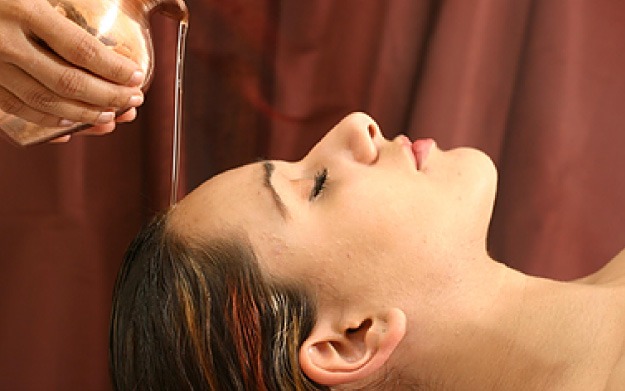
Treatment possibilities: Internal medications fall under shaman chikitsa, while shodana chikitsa aims to purify the body for chronic severe cases. Various internal medications, such as kashyams like pathykshadhtyadi and chiruviwaditabs like shirashoola vajrarasam, are prescribed. Procedures like virechana, vasthi, shirodhara, takradhara and nasyam (nasal application of medicine) are practiced with different materials based on individual cases.

How to prevent: Individuals prone to continuous migraine attacks can undergo yearly panchakarma to maintain overall system health. Prioritising gut health through good sleep, dietary modifications, practicing meditation, pranayama, regular exercise, hydration, and exposure to natural sunlight and wind can contribute to a healthier lifestyle.

By embracing Ayurvedic principles, we can aim to alleviate migraines and lead happier, headache-free lives.

Visit us – www.aarogyapath.in
Categories
COVID-19 Medical Updates Medicine & Health

90% high-risk Covid patients recover within 10 days due to Yoga, Ayurveda

Yoga and ayurveda may be effective in the treatment of high-risk cases of Covid-19, according to a research by the IIT-Delhi and Dev Sanskriti Vishwavidyalaya, Haridwar.

NEW DELHI : In the latest of ways to fight Covid-19, Indian Institute of Delhi (IIT-D) has found that yoga and ayurveda has proven effective in the high risk cases of the fatal contagious disease. India lost millions to Covid-19 when the Delta variant was dominant. The research was conducted by the Indian Institute of Technology (IIT), Delhi and Dev Sanskriti Vishwavidyalaya, Haridwar.

90% high-risk Covid patients recover within 10 days due to Yoga, Ayurveda

The study has been published in the Indian Journal of Traditional Knowledge. The study has also stated that yoga and ayurveda has proven instrumental in relieving such patients from anxiety and aid in speedy post-treatment recovery from Covid-19.

The experiment

The study was conducted in 30 high-risk patients of Covid-19. Besides the standard care treatment according to guidelines, the patients were prescribed ayurvedic medicines through telemedicine, and administered a personalized therapeutic yoga programme using video conferencing.

“Almost all the patients were classified as high-risk owing to one or more of co- morbidities such as Diabetes Mellitus, Hypertension, Chronic Kidney Disease, Coronary Artery Disease (which are known to lead to severe outcomes in cases of COVID-19), and/or age above 60.

The treatment

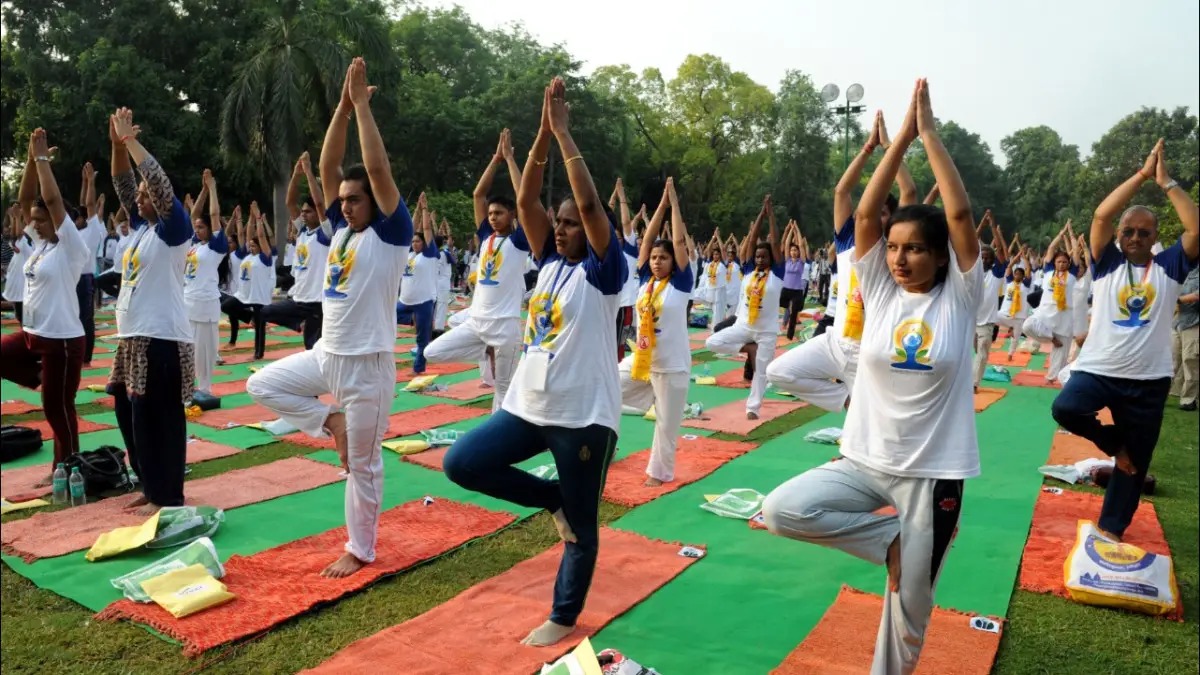
The treatment included ayurvedic medicines, daily yoga-sessions including deep relaxation techniques, pranayama and basic asanas and some lifestyle modifications. Based on the administered treatment, the cases were categorized into YAS (Yoga-Ayurveda based treatment, with possibly allopathic supplements), YASP (Yoga-Ayurveda based treatment, with possibly allopathic Supplements and Paracetamol), YAM (Yoga-Ayurveda based treatment, and Modern Western Medicine (MWM).

The patients, most of whom presented with many symptoms prior to the Yoga and Ayurveda treatment, were followed-up telephonically regularly until recovery.

The treatment given to the patients was personalized (in accordance with the classical texts) and took account of each patient’s medical history and the symptoms presented, which made it more effective as compared to a fixed standardized treatment plan, a researcher stated.

Results

More than half of symptomatic patients started improving within five days (90 per cent within nine days) and more than 60% reported at least 90% recovery within 10 days.

“Six patients with oxygen saturation (SpO2) below 95 per cent, benefited through Makarasana and Shithilasana; none progressed to composite endpoints (consisting of admission to intensive care unit, invasive ventilation or death). Most patients reported that the therapy had a profound impact on their recovery process, with many experiencing improvements with respect to their comorbidities too.

“By the end of the treatment, several patients had decided to adopt yoga in their lifestyle, and several turned to the ayurveda doctors in the team for management and treatment of their comorbidities,” said Sonika Thakral, a scholar at IIT Delhi, who coordinated with the patients for routine follow-up.

Read More At:-https://bit.ly/3RWEhHY