Categories
Medical Updates

9 tips to fine-tune your metabolism

“Your metabolism is quite good.” People who eat a lot yet look lean hear this a lot. But there’s more to metabolism than making one look thin. It, in fact, is a strong indicator of good health and keeps one away from diseases.

Metabolism is the process by which the body changes food and drink into energy. “The end aim of metabolism is to extract nutrients from food products and convert them into ATP (Adenosine triphosphate – source of energy) to be utilised by each cell of the body,” explains Dr Tushar Tayal, consultant, internal medicine, CK Birla Hospital, Gurugram.

The body requires energy even at rest for breathing, sending blood through the body, keeping hormone levels even, and growing and repairing cells. The number of calories utilised for these processes at rest is called basal metabolism.

Why is a good metabolism important

A healthy basal metabolic rate is an indicator of good health. It depends on muscle mass, and people with higher fat percentage have a slower metabolic rate. Men tend to have a slightly higher metabolic rate due to more muscle mass,” Dr Tayal adds.

9 tips to fine-tune your metabolism

When metabolism isn’t working smoothly, it can manifest in various ways, such as rising insulin, cholesterol or triglyceride levels, or accumulating fat around the waist. These are signs of metabolic disorders, which can increase the risk of serious health issues like diabetes, heart disease, or stroke.

With age, metabolism slows down. Even a bad lifestyle or hormonal issues can lead to a decline in metabolic rate.

Signs that your metabolism is getting weak:

  • Feeling sluggish all the time
  • Excess belly fat
  • Gaining weight despite a healthy diet
  • Unexplained hair loss and fatigue
  • Recurrent infections
  • Sexual dysfunction
  • Sudden rapid weight loss without any effort (indication of thyroid or sugar abnormalities)
  • Underarms with skin tags may be an indicator of diabetes

“Just like any engine, your metabolism can be fine-tuned. By incorporating regular exercise, getting enough sleep, and managing stress, you can reignite your inner fire and get your body functioning at its peak again,” says Dr Mayur Agrawal, endocrinologist and co-founder of health-tech startup DocOSag.

Here are some ways to fine-tune your metabolism:

1. Bask in the morning sun

Simply spending 15 minutes every morning out in the sun can improve your metabolism naturally. Wondering how? Well, our body’s circadian cycle, also called the body’s clock, plays a major role here. This cycle regulates the hormones which are crucial to metabolism and control hunger, including leptin, insulin and cortisol.

Our body clock works best when it is in sync with the sun, which means being exposed to bright light in the morning and diminishing lights around sunset. This is also the reason we should switch off the lights before bedtime so that our body gets a signal that it is time to sleep. We sleep better, that way.

So, spend some time outdoors in sunlight (without wearing sunglasses) so that the sun reaches your eyes’ photo receptors. PS: It doesn’t mean staring at the sun.

2. Sleeping well

Lack of sleep can disrupt your hormones and metabolism. So, ensure you sleep well every night.

Follow a schedule (fix the time for when you hit the bed and wake up), consider taking a shower at night before hitting the bed, turn off bright lights and create a dim environment to prepare your brain for bedtime. These are a few things you can do to sleep well.

Snoring can also affect your metabolism. So, see a doctor and take measures to control it.

3. Drink enough water

Something as simple as drinking water can boost your metabolism. Aim for 8-10 glasses a day.

Need an easy hack to keep your water intake in check? We bring you one from Reader’s Digest (May 2021 issue) – wear five rubber bands on your wrist. Every time you drink 2 glasses of water in a day, take off a band and put it around your bottle.

4. Protein-rich diet

An adequate protein intake is essential for our body to function normally. Aptly called the building block of life, protein is responsible for muscle growth and repair. It keeps bone health in check, and also enables the production of enzymes and hormones that are further crucial for processes like digestion and metabolism.

Protein also helps boost metabolism as it requires more energy to digest as compared to fats and carbohydrates, and also keeps you full for longer. So, add lean protein sources like chicken, eggs fish, tofu, beans, nuts and legumes to your diet.

Consult a health expert or a dietitian to ensure you don’t overdo it, because long-term high-protein diets can also be harmful to the kidneys.

5. Try intermittent fasting

Intermittent fasting, as also mentioned in Reader’s Digest (May 2021 issue), is a promising way to improve metabolic health and lose weight. Instead of focusing on what you eat, the focus shifts on when you eat.

There are several ways you can do it, like overnight fasting where one doesn’t eat anything between 7 pm and 6 am. There is another approach called 5:2 method, which involves eating only 25 per cent of regular calories on two particular days of a week. Do keep your doctor in loop before trying it out.

6. No strict dieting, please

Going on a strict diet wherein you eat very few calories each day does more harm than good. Your body’s metabolism depends a lot on how much muscle you have. If you lose weight fast, your body breaks down muscles, which slows down the metabolism.

And when you start eating normally again, your metabolism is slower, and you end up gaining fat eventually.

7. Chill out, for real

Did you know cold weather is a natural metabolic booster? It helps increase brown fat levels (the good fat that burns more calories even when you are resting).

“Going outdoors in cold weather can increase your non-exercise activity thermogenesis(NEAT) score, helping you torch calories,” Kristen Koskinen, a registered dietitian nutritionist in Richland, Washington told Reader’s Digest.

Exposure to cold weather can indeed increase NEAT, as your body works harder to maintain its core temperature in colder environments. This can lead to additional calorie burning throughout the day.

Additionally, keeping warm can help boost your metabolism effortlessly. Trying a cold shower or ending a warm one with a quick cool rinse might also give your metabolism a little kick by making your body shiver, which burns calories, to warm up.

8. Relax

Even curling up on a couch can help your metabolism. But wait, only when you are relaxed.

Stress management is essential for strong metabolism. “Stress increases the level of the hormone cortisol, which can cause metabolic dysfunction if it’s constantly elevated,” Bindiya Gandhi, a Georgia-based doctor, told Reader’s Digest.

So, do something that helps you de-stress every day. It can mean reading a book, watching a film or taking a long shower.

9. Exercise, obviously!

No matter how much you dread it, exercising is essential to maintain metabolism as it increases muscle mass and reduces stress hormones. Add cardiovascular exercises (like running, walking, or cycling) and strength training to your routine.

Dr Tayal adds yoga and pranayaam can also help increase basal metabolic rate.

“Good metabolism keeps a person healthy, disease-free, fit, and clean,” says Dr Deep Goel, principal director and HOD, surgical gastroenterology, BLK-Max Super Speciality Hospital, Delhi. And that should be motivation for you to take measures to improve your metabolism.


Categories
Medical Updates

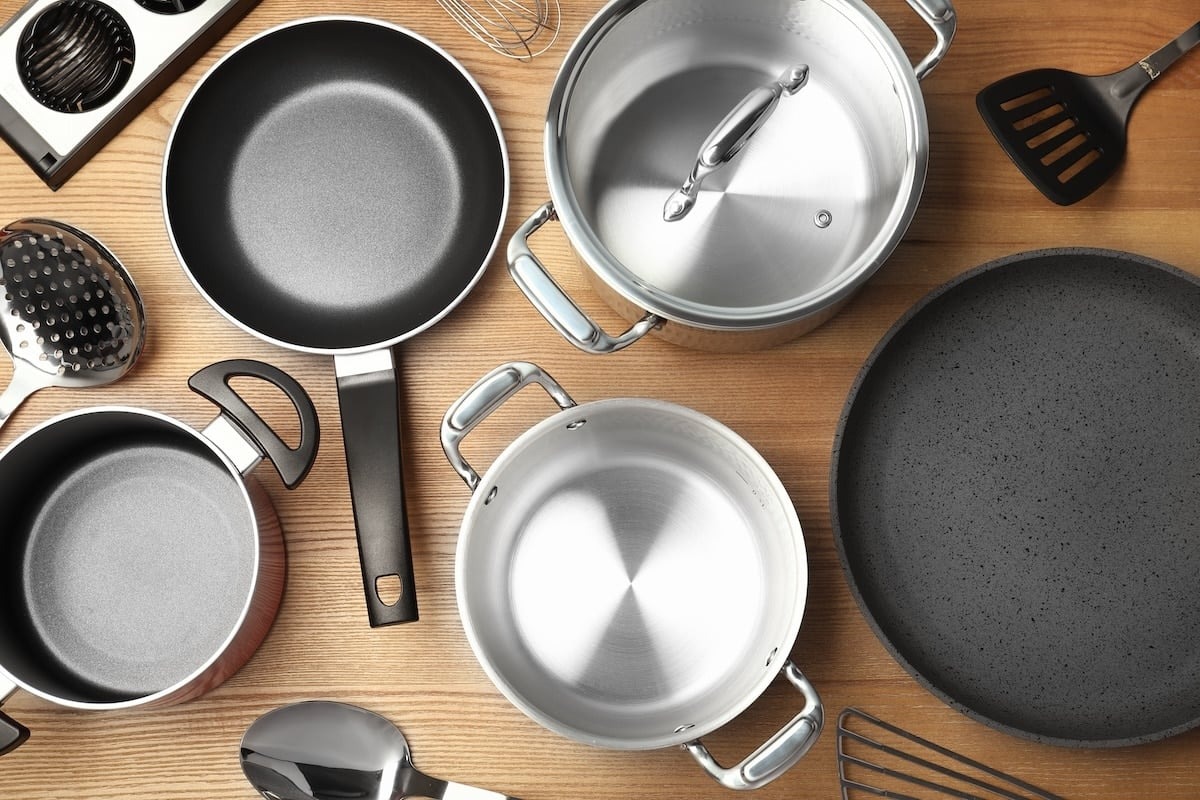
Nonstick, iron, aluminium: Which cookware should you use to keep toxins at bay?

From clay pots that our grandmas used to love to iron kadhai (woks) that our mothers say are very beneficial, to nonstick pans that we find convenient, our kitchens are filled with different types of cookware, and we keep switching between them based on what we find on the Internet.

One day, social media tells us ‘aluminium cookware is bad for health’ and there go all aluminium pots and pans. The next day, Instagram is against nonstick cookware, and so are we.

But which cookware should actually be used? Let experts answer this question for you.

Why does cookware matter?

The type of material that cookware is made of can alter the flavour of your food,” chef Babendra Singh, Temple Street, Delhi (Rajender Nagar and Ashok Nagar), tells India Today.

“Different cookware materials conduct heat differently, which can impact how your food is cooked and how it tastes,” the chef adds.

Nonstick, iron, aluminium: Which cookware should you use to keep toxins at bay?

“The cookware in which the food is cooked and served absolutely matters because you are what you eat,” adds Dr Prashant R Rao, senior consultant, gastroenterology and cancer, laparoscopic surgeon, Surya Hospital, Mumbai.

“I see many patients in my practice who come with an upset stomach, and I do feel that the cookware used does play some role in causing these gastric problems,” the doctor says.

Meanwhile, Dr Bhavana Diyora, nutrition coach and preventive wellness specialist, MyGALF (a wellness marketplace) also feels that selecting the right cookware is important as it gets used daily and constantly.

Dr Diyora explains, “Using certain cookware with specific materials for cooking can pose health risks. For example, some materials may release harmful chemicals into food, potentially exceeding daily limits and leading to health issues such as Alzheimer’s disease, anaemia, or respiratory problems. It’s essential to choose cookware that minimises the risk of toxic leaching (a process where substances are dissolved and removed from a solid by a solution) to maintain optimal health.”

Harmful chemicals in food

In India, popular cookware options include stainless steel, aluminium, copper, nonstick, ceramic, iron, and clay (mitti).

As per the experts, some cookware materials can release harmful chemicals into your food, particularly at high temperatures.

For example, the Teflon coating used in nonstick cookware at high temperatures can release a chemical called perfluorooctanoic acid (PFOA) into your food, which can lead to several health issues including cancer.

Aluminium cookware

According to chef Singh, aluminium cookware is known for its excellent heat conductivity, making it ideal for quick and even cooking.

However, uncoated aluminium may react with acidic foods, so it is often used with a nonreactive coating.

Dr Rao agrees and says that although aluminium cookware is cheap and lightweight, it can react with acidic foods causing the metal to leach into the food, leading to high blood aluminium levels, which have been linked with Alzheimer’s disease.

Stainless steel cookware

Dr Diyora explains that stainless steel cookware is generally considered safe for cooking. However, there are concerns about nickel and chromium leaching into food, especially when cooking acidic or salty dishes.

While these levels are typically low and within safe limits, individuals with nickel or chromium sensitivities may want to choose alternative cookware options.

Chef Singh also feels that stainless steel cookware is loved by home cooks and restaurant cooks alike, for good reasons.

Not only are stainless steel utensils endlessly durable, but their pots and pans are also nonreactive and almost completely rust-proof.

Copper cookware

Copper cookware offers exceptional heat conductivity, allowing precise temperature control. The utensils are often lined with stainless steel or tin to prevent any reactivity with acidic foods.

However, uncoated copper can cause toxicity through food, leading to vomiting, nausea, and diarrhoea.

“Copper cookware, if not lined well, may react with acidic foods. High levels of copper in the body can cause stomach and liver issues,” shares Dr Rao.

Nonstick cookware

Dr Diyora goes on to say, “Nonstick cookware, particularly those coated with Teflon, can emit toxic fumes when heated at high temperatures. These fumes can cause respiratory issues and a condition known as polymer fume fever.”

As per Dr Rao, “Teflon-containing cookware can cause liver cancer, breast cancer, thyroid disease.”

To minimise the risk, it’s best to use nonstick cookware at low to medium temperatures and avoid overheating or using scratched pans.

“Nonstick is often (unfairly) pegged as a cheap, lower-quality beginner’s cookware option,” adds chef Singh.

“While you can certainly find extremely cheap nonstick pans (which will, almost inevitably, start to die out after a year or two), you can also find durable, high-performing nonstick cookware,” he explains.

Iron cookware

“Iron cookware can be beneficial for increasing dietary iron intake, particularly for individuals with iron deficiency,” says Dr Diyora.

She further mentions that cooking acidic foods in cast iron pans can also increase the iron content of the dish. However, while iron leaching from cookware is generally considered safe and even beneficial, it may not significantly contribute to overall iron intake for most people.

It is important to make sure that the iron vessel is cleaned and dried properly so that there is no oxidized layer forming over the iron vessel, and it should be removed before using it again.

Ceramic cookware

This is a popular alternative to nonstick cookware. However, some ceramic coatings may contain lead or cadmium, which can be harmful to your health.

“Lead and cadmium could cause several serious medical problems such as brain damage, and certain types of cancer,” mentions Dr Rao.

Clay cookware

Clay (mitti) cookware is valued for its traditional and natural properties. It is generally considered healthy for cooking, imparting a unique flavour to dishes and retaining moisture well.

The experts feel that it is generally safe to cook in clay cookware if it is properly made and used correctly. However, some may contain harmful metals like lead and cadmium.

What to choose?

  • It is essential to choose cookware made from safe materials, particularly if you plan to cook at high temperatures or with acidic foods. Experts also advise purchasing cookware from well-known brands that ensure thorough quality checks and balances.
  • “Iron cookware is hands down the best possible metal for cooking. You can easily do any type of cooking using iron utensils, as they have zero harmful effects. Iron gets heated up uniformly and helps in quickly cooking the food. When heated up, it also releases iron which gets absorbed by the food and is beneficial for our body,” says chef Singh.
  • He adds that another great option for safe cooking is earthenware. Clay pots are gaining popularity nowadays because of their special style of cooking.
  • Meanwhile, Dr Rao also suggests cooking food in cast iron and stainless steel cookware.
  • However, Teflon-coated nonstick cookware would be an absolute no for him. “Apart from that, I would recommend avoiding aluminium cookware, uncertified clay cookware, and uncoated copper cookware,” the doctor adds.

Dr Diyora, who also suggests cooking in stainless steel, iron, and clay cookware, says that while picking cookware, always check for certification indicating lead and arsenic-free materials.

Ensure proper maintenance and consider the reactivity of metals with certain foods; for instance, avoid cooking acidic foods in copper or brass cookware.

Visit us – http://www.aarogyapathy.in


Categories
Medicine & Health

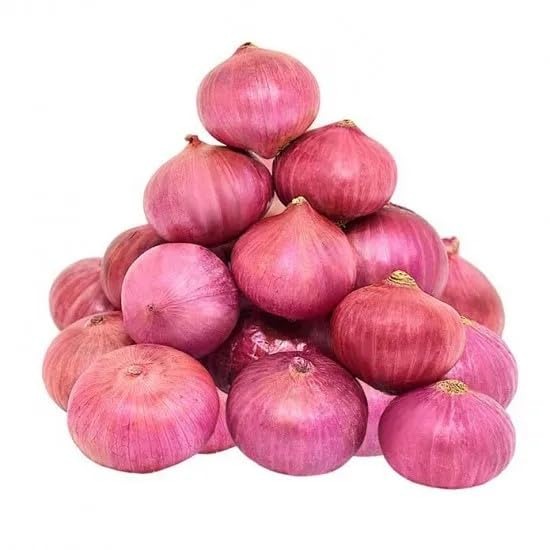
How onions can save you from heat effects in summer

​Start having a slice of raw onion with your meals during summer season​

Most of us love eating raw onions in our meals. The crunch, the unique taste, and the versatility of onion as a key ingredient of raw salads make it a delicious addition to Indian meals. Onions, commonly used in culinary dishes worldwide, offer more than just flavor and aroma—they also possess unique properties that can help alleviate the effects of heat during the summer months.

How onions can save you from heat effects in summerIn several parts of India, consuming raw onion is an important part of the meal. For example, Odias love having raw onions in the summer season along with pakhala bhata (fermented rice). This helps the natives of the coastal state of India stay hydrated during scorching summer.

Here’s how onions can save you from the heat effects:

Hydration and electrolyte balance​

During the hot summer months, staying hydrated is crucial to prevent dehydration and maintain electrolyte balance. Onions contain a high water content, which contributes to hydration when consumed. Additionally, they provide essential electrolytes such as potassium, which helps regulate fluid balance in the body. Including onions in your diet can support hydration and prevent electrolyte imbalances caused by excessive sweating in the heat.

​Cooling properties​

Onions have natural cooling properties that can help lower body temperature and provide relief from the heat. When consumed raw or lightly cooked, onions release compounds like quercetin and sulfur compounds, which have cooling effects on the body. These compounds stimulate perspiration, promoting heat loss through evaporation and aiding in the body’s natural cooling mechanisms. Adding onions to salads, sandwiches, or cold soups can enhance their cooling properties and help you beat the summer heat.

​Antioxidant protection​

The heat of summer can increase oxidative stress in the body, leading to cellular damage and inflammation. Onions are rich in antioxidants, including flavonoids, phenolic compounds, and vitamin C, which help neutralize free radicals and reduce oxidative stress. Consuming onions regularly can provide antioxidant protection against the harmful effects of UV radiation and environmental toxins associated with summer heat exposure.

​Anti-inflammatory benefits​

Inflammation is a common response to heat-related stress and sun exposure during the summer months. Onions contain anti-inflammatory compounds such as quercetin and sulfur compounds, which have been shown to reduce inflammation and alleviate symptoms of heat-related conditions like sunburn and heat rash. Including onions in your diet may help mitigate inflammation and promote skin health during the summer season.

Visit us – https://shorturl.at/dqxQW


Categories
Medical Updates

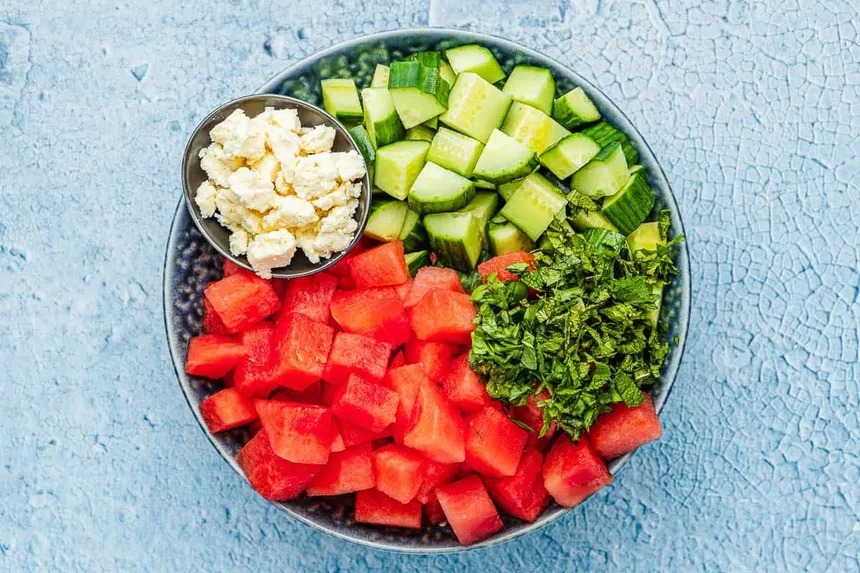
Watermelon, cucumber or spinach? Know which water-rich food will keep you hydrated and fit this summer

Did you know that spinach and cucumber have 96 per cent water, followed by tomatoes at 93 per cent and watermelon at 92 per cent? Now that it’s summer, incorporating water-rich fruits and vegetables into your diet can be especially beneficial for staying hydrated, maintaining your electrolyte balance and overall health.

Dehydration can lead to issues like fatigue, headaches and even more severe complications if left untreated. Adequate hydration is crucial for various physiological functions, including regulating body temperature, aiding digestion, transporting nutrients and flushing out toxins. That’s why the following list of fruits and vegetables, all of which have additional nutritional properties, are a safe pick for the season.

Watermelon, cucumber or spinach? Know which water-rich food will keep you hydrated and fit this summer

Watermelon: Watermelon has an incredibly high water content of around 92 per cent. Besides, the fruit is rich in antioxidants, potassium, vitamin C, lycopene, beta carotene, fibre and bioactive phytochemicals. Many ask whether watermelon is safe for diabetics. Use portion control as it has a high glycaemic index (GI) of 72, which is considered moderate to high. However, being 92 per cent water and rich in fibres, which delay the release of sugar in the bloodstream after a meal and restrict calorie intake by keeping hunger pangs at bay, watermelon has a very low glycaemic load (GL) of five per serving of 120 grams. GI is a measure of how quickly a food raises blood sugar levels and foods with low GI index are generally considered better for people with diabetes. GL is a measure that takes into account the amount of carbohydrate in a portion of food together with how quickly it raises blood glucose levels. So even with a high GI that makes sugar enter the bloodstream quickly, a watermelon slice doesn’t actually have that much sugar, as long as you don’t have too much of it. This suggests that consuming watermelon in its whole fruit form is a safe and a delicious proposition for diabetics, non-diabetics and everyone in between.

Cucumber: This is another summer favourite known for its refreshing crunch and high-water content of about 96 per cent. Its high fibre content helps in digestion and promotes a feeling of fullness, reducing the likelihood of overeating and preventing post-meal sugar spikes. This makes it an ideal snack for those striving to shed excess pounds. Cucumbers are anti-inflammatory and contain compounds like potassium and magnesium that are beneficial for maintaining healthy blood pressure levels by widening arteries, reducing the risk of cardiovascular diseases. The fibre manages cholesterol. Cucumbers have a low GI, making them suitable for stabilising blood sugar levels. There are just 16 calories in a cup of cucumber with its peels. Cucurbitacins in cucumber help regulate insulin production and the metabolism of hepatic glycogen, a key hormone in the processing of blood sugar.

Berries: Berries, such as strawberries, blueberries and raspberries, are packed with vitamins, antioxidants and water. While their water content may vary slightly depending on the type of berry, they generally range from 85 per cent to 92 per cent water. The combination of water and nutrients in berries supports hydration, aids in cellular repair and helps combat oxidative stress. Antioxidants found in berries, such as vitamin C and polyphenols, play a crucial role in reducing inflammation, boosting immune function and protecting against chronic diseases.

Tomatoes: This summer staple boasts a high water content of about 95 per cent. It is rich in vitamins, minerals and antioxidants like lycopene, which has been known to reduce the risk of heart disease and certain types of cancer. Incorporating fresh tomatoes into salads, sandwiches or sauces can be a delicious and hydrating way to enjoy summer meals.

Leafy greens: These include lettuce, spinach and kale. These are not only nutrient-dense but also contain a significant amount of water, typically ranging from 90 per cent to 96 per cent. Known to aid digestion, immune function and cardiovascular health.

Visit us – https://rb.gy/hd66ot

Categories
Medical Updates

Navratri fasting diet: Which foods to lose weight and detox with?


What’s Navratri fasting but a ritualized version of the once-a-day-meal plan associated with intermittent fasting? It allows you to repair and reset your body, sleep and rest. Of course, it has enough checks and balances to ensure that your hunger pangs do not kick in and that you can detoxify your body over a period of nine days without giving into indulgence. Evidence suggests that this results in fat reduction and some weight loss as you become self-disciplined and correct your food choices.

THE SCIENCE OF THE THALI

The science of the Navratri meal plan is pretty simple. It is low carbohydrate, rich in fibres and plant protein, and includes fruits, vegetables and nuts rich in micronutrients. It hydrates your system with a heavy reliance on liquids. The first energy burst comes from fruits, which take time to be digested. So, by the time you get to your once-a-day-thali, which is again a balanced meal, you cannot overeat. And since you are not allowed to sleep for two hours after your big thali (ritualized as your meditative hours), the food doesn’t sit heavy on your stomach. Instead, it calms your brain and helps you slip into deep sleep, healing your body in the process.

Navratri fasting diet: Which foods to lose weight and detox with?

The platter is heavy on legumes in the north, tapioca and tamarind in the south, which help in energy distribution. Millets and roots feature abundantly as does sabudana or sago, a complex carbohydrate or resistant starch, which gives energy, regulates blood pressure and improves the nervous system. Instead of chutneys and pickles, the yogurt slurry with neem flowers, raw mango, jaggery, pepper powder and coconut shavings increases your saliva and helps you masticate your food better. This prevents cravings.

MILLETS TO THE RESCUE

The best is Samak rice, also known as barnyard millet. These creamish tiny seeds are high in resistant starch, which slows down sugar release in the bloodstream and is packed with fibre, protein and micronutrients like zinc and iron. “Samak is gluten-free, high in fibres and protein as well as low in calories, which means it can help you lose weight if eaten over a sustained period of time,” says holistic health expert Dr Mickey Mehta. It further suppresses body inflammation, improves gut health and reduces LDL or bad cholesterol in the body. “Iron is key to regulating body temperature and maintaining respiratory health during a change of seasons. Samak rice is low in phytic acid, so enables greater absorption of key minerals like calcium and magnesium,” he adds.

The gluten-free rajgira (amaranth) has more than 10 per cent protein while kuttu (buckwheat millet) provides a good dose of calcium, iron, vitamin B6 and magnesium. These millets are rich in micronutrients, have a medium glycemic index (GI) of about 45. “Cook them with vegetables like spinach, bottle gourd, carrots and other seasonal vegetables to reduce the overall load. In fact, insulin and glucose receptors in the body get activated by the rich magnesium content in millets,” says Dr Mehta.

Sendha namak or rock salt helps take care of our sodium and potassium levels and rids the body of water retention. “It controls your blood pressure and helps you absorb minerals better than common salt. Buttermilk is rich in probiotics and good for gut health,” explains Dr Mehta.

WHICH VEGETABLES, FRUITS WORK?

Choose water-based fruits and vegetables like gourds and pumpkin, which sit easy on the stomach. Says Vani Krishna, Chief Nutritionist, Manipal Hospital, Bengaluru, “Potatoes and sweet potatoes are commonly consumed for energy. But since these have high carbohydrates, include them as part of your daily recommended calorie allowance and do not factor them in as vegetables. People with diabetes can have fruits as per their usual guidelines, providing a maximum of 30 gram carbohydrates per day, to be had in two portions.”

Sendha namak or rock salt helps take care of our sodium and potassium levels and rids the body of water retention. “It controls your blood pressure and helps you absorb minerals better than common salt. Buttermilk is rich in probiotics and good for gut health,” explains Dr Mehta.

WHICH VEGETABLES, FRUITS WORK?

Choose water-based fruits and vegetables like gourds and pumpkin, which sit easy on the stomach. Says Vani Krishna, Chief Nutritionist, Manipal Hospital, Bengaluru, “Potatoes and sweet potatoes are commonly consumed for energy. But since these have high carbohydrates, include them as part of your daily recommended calorie allowance and do not factor them in as vegetables. People with diabetes can have fruits as per their usual guidelines, providing a maximum of 30 gram carbohydrates per day, to be had in two portions.”

Visit us – http://www.aarogyapath.in


Categories
Medicine & Health

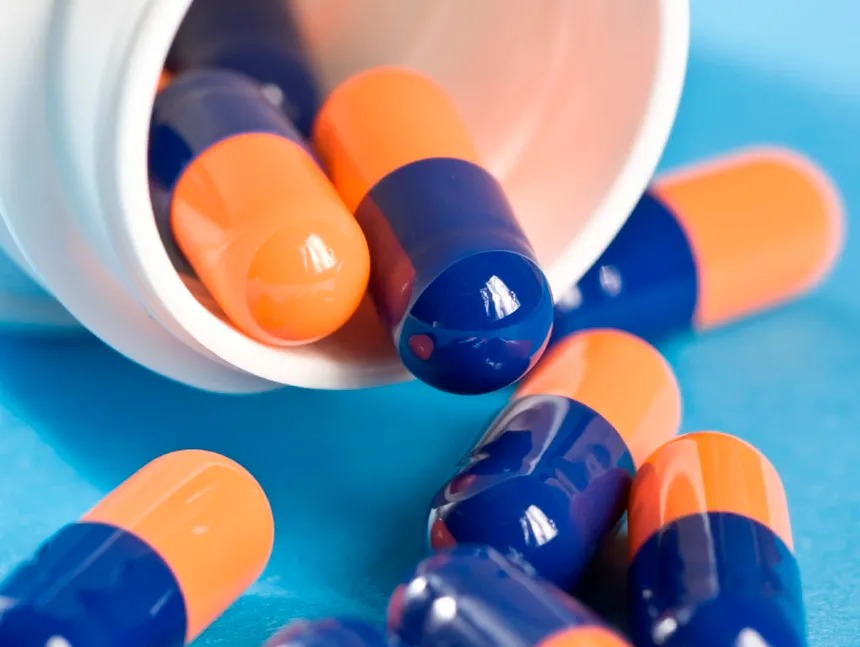
What if you consumed expired medicines, just a month late

What would happen if you consumed a paracetamol tablet which was beyond its expiration date? Many pills like these could be in our medicine boxes, way past their expiration dates.

Once you check that the tablet has been beyond the expiration date, it is tossed in the rubbish. But what if you, by mistake, consume medicine well after the expiry date?

In 1985, a study by the US Air Force was conducted where the military took a stockpile of medications worth more than a billion dollars that were close to or past their expiration dates.

Well, no one wanted to throw away expensive medications that might still be safe and effective.
What if you consumed expired medicines, just a month late

The verdict? Most medicines were still good nearly three years past their expiration dates.

Excluding some like nitroglycerine, insulin, and liquid antibiotics, most medications are long-lasting. Placing medication in a cool place, such as a refrigerator, could help a drug remain potent for many years.

But here’s the catch. These drug-stability tests were conducted in the mid-1980s and early 1990s. Since then, newer medications past their expiration dates have not been tested.

An analysis in 2019 also had a similar conclusion, “This review has collected data showing that the shelf-life of most finished pharmaceutical products (FPPs) can be extended beyond their labelled expiry dates. It was not uncommon that the actual shelf-life exceeded the manufacturer-assigned one by three- or four-fold.”

This may hold true for some medications, but this notion cannot be generalised to all of them.

According to Harvard Medical, it may be fine to take an allergy medication one month past its expiration date, but there is some risk in taking heart rhythm medication that, if ineffective, could lead to an unstable and dangerous heart problem.

A medication that’s a month past its expiration date may be potent while one that’s five years past is not.

THE NEED FOR EXPIRATION DATES ON MEDICINES

Expiry date is the date until which the manufacturer can still guarantee the full potency and safety of the medication.

In 1979, the US Food and Drug Administration (FDA) stated that all medications would need an expiration date printed as “EXP” on bottles and drug packages.

In India, medicines are controlled by the Drugs and Cosmetics Act 1940 and the Rules 1945. These laws also oversee the marking of expiration dates on all medicines.

Each medicine must have a potency expiration date. This date, printed on the container, label, or wrapper of the medicine, informs the customer about the maximum duration for which the medicine remains effective on the shelf.

The purpose of adding an expiration date on the medicine package is to ensure the customer is safe and gets the most efficacy out of the pills. Medications beyond expiration could also lose potency and not remain as effective.

Dr Usha Gaddam, Family Medicine, Apollo Clinic, said that medications are expensive, and in Asian and African continents, where many have the problem of affordability, medicines are consumed even after the expiry date.

WHAT IF YOU CONSUME EXPIRED MEDICINE?

Expired medications can be risky. Some might be good to consume even after a year of expiration, but that depends on various circumstances.

The way a medicine is stored also matters.

One has to ensure that the medications are kept in a cool, dry place since they are likely to last longer than those kept in a hot, damp location.

According to Dr Gaddam, drugs when used after expiry could have the following effects:

  • Reduced or loss of efficacy in curing the disease hence prolonged symptoms
  • Change in chemical composition leading to toxic build-up in the blood, damage to organs, and tissues, allergic reaction, nausea, vomiting etc.
  • Certain medications are at risk of bacterial growth, which can be a health hazard
  • Antibiotic resistance can occur with suboptimal medication

Dr Brunda, Consultant, Internal Medicine, Aster CMI Hospital, Bangalore, told IndiaToday.in that medications are not strong enough to fight off illnesses when consumed beyond their expiration date.

“This is especially risky for serious conditions where precise dosing is crucial. Expired medicines can become breeding grounds for microbes, especially if not stored according to the instructions. It can also lead to infections or allergies,” Dr Brunda said.

Given the current climate of improper storage of medicines and lack of proper regulation, consuming an expired medication could be dangerous.

If you’ve consumed one, consult a doctor immediately, the experts said.

“Health professionals can give you specific advice based on your situation and the type of medication. It is best to follow the expiration date and dispose of expired medicines properly to avoid any future adversities,” Dr Brunda added.

SAFE PRESERVATION

Medicines once bought should be safely and properly stored. Make sure you read the label and see if there are specific instructions for storage. Some medicines need to be stored in the refrigerator while others require to be in a cool, dark place.

Improper storage reduces effectiveness and compromises its efficacy.

So, here’s the bottom line, if you’ve consumed medication past its expiry date, then you need to inform your doctor. You should worry, but not panic, if the drug is just a month beyond the expiration date.

Proper consultation can help give you clarity as expiry dates are mostly for the sake of manufacturers to guarantee the potency of medicines.

Visit us – https://shorturl.at/nuvIV

 

Categories
Medicine & Health

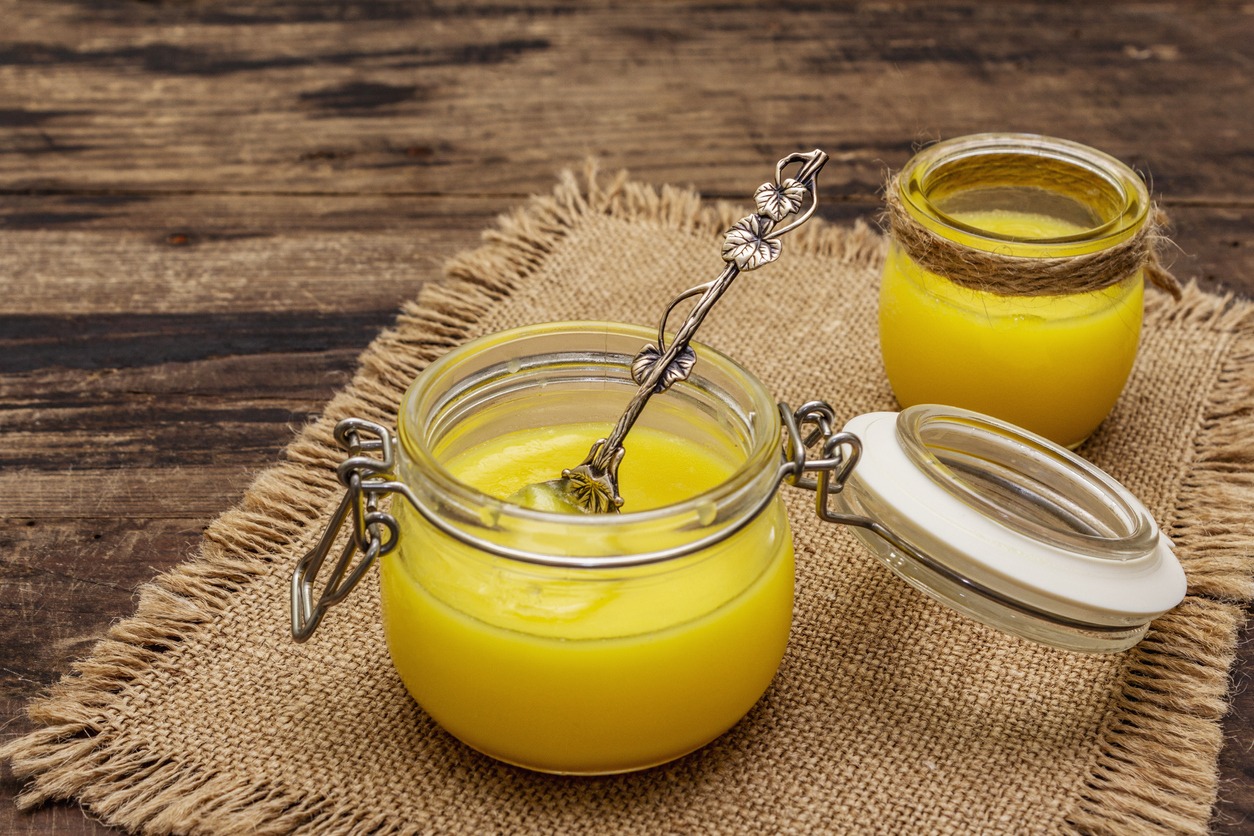
Malai ghee or dahi ghee: How different are they, and which is better?

Ghee holds deep cultural and culinary significance in India, making it an irreplaceable part of our diets and identity. Used since times immemorial, ghee is a form of clarified butter that can instantly elevate a dish, while also providing several health benefits.

With so many types of ghee being sold in the market, it has become imperative to become very vigilant and make an informed choice before making a purchase. While we all know that choosing organic and naturally sourced food is always a wise decision, there is a lot of information available online about common foods and ingredients (such as ghee) that can lead to confusion.

Malai ghee or dahi ghee: How different are they, and which is better?

In a reel posted by fitness coach and content creator Deepak Thakran, he cautions his followers about many brands selling cheap malai (milk cream) ghee as opposed to the more expensive and authentic ghee made with dahi (curd). “Please ensure you purchase authentic ghee,” he wrote.

Akshita Reddy, nutritionist at Athreya Multi-Speciality Hospital, Bangalore argues that while both malai and dahi ghee are nutritious they are slightly different from each other. She states that the latter, however, might have a little more advantage compared to the former. In the end, the choice that one makes will ultimately depend on specific health goals and dietary needs.

Key differences between malai ghee and dahi ghee in terms of nutritional composition 

Reddy says that both differ in terms of the nutritional value they can offer to the consumer:

Malai ghee: Derived from cream, this ghee is made by simmering butter obtained from cream and separating the liquid fats. It is rich in saturated fats and contains fat-soluble vitamins such as A, E, and D.

Dahi ghee: Produced from cultured yoghurt, this ghee involves fermenting cream into yogurt before churning it into butter and then simmering into ghee. It may have a slightly different nutrient profile, including potentially higher levels of conjugated linoleic acid (CLA) due to the fermentation process, which can offer certain health benefits.

Impact of production process on nutritional value

The fermentation process involved in making dahi ghee could potentially introduce beneficial bacteria and possibly higher CLA levels, Reddy says, which is known for its anti-inflammatory properties and might aid in weight management.

While malai ghee is rich in saturated fats, it might not have the same level of CLA due to the lack of fermentation. However, that does not mean that it does not provide any benefits. Reddy informs that its rich content in fat-soluble vitamins is significant for bone health, immune function, and vision.

Potential health benefits of dahi ghee over malai ghee

Even though both types of ghee are beneficial in their own ways, Reddy says that dahi ghee might offer a slight edge. However, she reiterates that both “can be part of a balanced diet when used in moderation.” Some potential benefits of consuming dahi ghee over malai ghee are:

  • Both types of ghee contain saturated fats, which can influence cholesterol levels. However, moderate consumption of ghee, particularly dahi ghee with potentially higher CLA, might not significantly impact or might even improve cholesterol profiles by increasing HDL (good) cholesterol.
  • Dahi ghee’s fermentation process might make it slightly better in terms of digestive health, contributing beneficial bacteria that are good for gut health.
  • The potential higher CLA content in dahi ghee could also make it a preferable choice for anti-inflammatory benefits and in managing weight.

For more details check – https://shorturl.at/uEOQ5


Categories
Medical Updates

7-morning habits that will change your life within a month

The way we start our mornings sets the tone for the rest of the day​

Cultivating positive habits in the morning can have a profound impact on our physical health, mental well-being, and overall productivity. By incorporating seven simple yet powerful morning rituals into your daily routine, you can transform your life within just one month. These habits, when practiced consistently, can help you feel more energized, focused, and motivated to tackle whatever challenges come your way.

Practice mindfulness and meditation​

The practice of mindfulness and meditation has been scientifically proven to reduce stress, improve focus, and enhance overall well-being. Take a few minutes each morning to sit in quiet reflection, focusing on your breath and observing your thoughts without judgment. This simple practice can help you cultivate a sense of inner peace and clarity that will carry you through the challenges of the day. Over time, you’ll notice increased resilience and a greater capacity to handle stress with grace and equanimity.

7-morning habits that will change your life within a month

Pay attention to hydration and nutrition​

Hydrating your body first thing in the morning is essential for jumpstarting your metabolism and rehydrating after a night’s sleep. Drink a glass of water as soon as you wake up to replenish lost fluids and kickstart your digestive system. Follow this with a nutritious breakfast consisting of whole foods such as fruits, vegetables, lean proteins, and healthy fats. Fueling your body with nutrient-dense foods provides sustained energy throughout the day, improving cognitive function and mood.

 is a must​Physical activity​

Physical activity is not only vital for maintaining a healthy body but also for boosting mood and mental clarity. Incorporate some form of exercise or movement into your morning routine, whether it’s a brisk walk, yoga session, or strength training workout. Aim for at least 30 minutes of moderate-intensity exercise each day to reap the numerous benefits, including increased energy, improved mood, and enhanced cognitive function. Regular exercise also promotes better sleep, helping you wake up feeling refreshed and rejuvenated each morning.

​Practice gratitude​

Cultivating an attitude of gratitude is a powerful way to shift your perspective and foster a positive mindset. Take a few moments each morning to reflect on the things you’re grateful for in your life, whether it’s your health, relationships, or opportunities. Keeping a gratitude journal can help you maintain this practice consistently, allowing you to focus on the abundance rather than scarcity in your life. By starting your day with gratitude, you’ll cultivate a sense of optimism and appreciation that will permeate every aspect of your life.

Set and visualize your goals​

Setting intentions and visualizing your goals is a powerful way to manifest your dreams into reality. Take time each morning to clarify your goals and visualize yourself achieving them with clarity and conviction. Write down your goals, both short-term and long-term, and break them down into actionable steps. Visualize yourself accomplishing these steps and experiencing the feelings of success and fulfillment that come with achieving your goals. By starting your day with purpose and direction, you’ll be more motivated and focused on taking consistent action towards your dreams.

Mindful screen time and digital detox​

In today’s digital age, it’s all too easy to get caught up in the constant barrage of notifications, emails, and social media updates. Take control of your technology use by implementing a digital detox as part of your morning routine. Start by refraining from checking your phone or other devices for the first hour after waking up, allowing yourself time to ease into the day without distractions. Use this time instead to engage in activities that nourish your soul, such as reading, journaling, or spending quality time with loved ones. By setting boundaries around your technology use, you’ll reclaim precious time and mental space for the things that truly matter in life.

Visit us –https://shorturl.at/ruHS2


Categories
Medical Updates

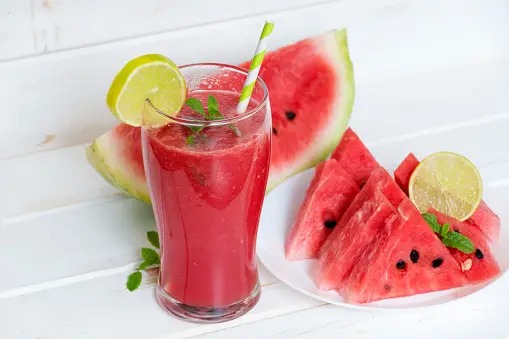
Try this 5-ingredient watermelon strawberry smoothie for your skin woes

Summer’s here, and the scorching sun, dry air, and increased sweating can leave your face feeling parched and dull. But fret no more! Celebrity chef Simone Kathuria offers a simple 5-ingredient recipe for a refreshing watermelon strawberry smoothie that might just be your new summer go-to.

Here’s how to whip up this radiance-boosting beverage:

  • Gather chopped watermelon, frozen strawberries, lemon juice, mint leaves, and honey.
  • Wash the fresh ingredients thoroughly.
  • Combine the chopped watermelon and frozen strawberries in a blender.
  • Add lemon juice, mint leaves, and honey to taste.
  • Blend until smooth and creamy. Serve chilled!

Why you must add this smoothie to your summer diet

As Dr Henna Sharma, consultant dermatologist at Yatharth Hospital, Noida Extension, explains, with warmer months come cravings for refreshing and nourishing drinks. This smoothie ticks all the boxes for a summer skincare staple:

*Hydration: Watermelon and lemon juice are both water-rich, keeping you hydrated on scorching days. Proper hydration is vital for healthy skin and overall well-being.

*Antioxidant powerhouse: Watermelon, strawberries, and honey are all packed with antioxidants that combat free radical damage, reducing inflammation, preventing premature aging, and supporting healthy skin

*Cooling properties: Mint leaves and the refreshing flavours of watermelon and lemon create a delightful cooling effect, making this smoothie a perfect choice for hot weather.

*Nutrient boost: This fruity concoction provides a variety of essential vitamins and minerals like vitamin C, vitamin A, potassium, and antioxidants, all beneficial for overall health and immunity.

Malvika Fulwani, a clinical dietitian and certified diabetes educator, suggests prioritising whole fruits over juices or smoothies. However, she notes that smoothies are easy to prepare and can be consumed on the go, making them a convenient option during busy summer days.

Dr Sharma adds that certain individuals may need to be cautious or avoid this smoothie altogether due to specific health conditions:

*Citrus allergy: The presence of lemon juice makes this smoothie unsuitable for those with citrus allergies, who may experience itching, swelling, or hives.

*Diabetes management: While the natural sugars in watermelon and strawberries are generally healthy, individuals with diabetes should monitor their intake of sugary drinks, including smoothies, to maintain healthy blood sugar levels.

*Mint sensitivity: Some people may experience digestive discomfort or allergic reactions to mint. If you have a known sensitivity, skip the mint or substitute it with another herb.

*Low-carb considerations: The natural sugars in fruits can add up quickly. Those following a low-carb or ketogenic diet may want to explore lower-carb options.

Fulwani recommends customising smoothies to your preferences and dietary needs. “Incorporate yogurt, nuts, seeds, or protein powder for added nutrition,” she suggests. “For personalised guidance, consult a qualified healthcare professional,” she concludes.

Visit us – https://shorturl.at/cevD6


Categories
Medical Updates

Stressbuster snacks: 5 foods to beat stress and promote relaxation

We often indulge in comfort food when we are stressed out and end up feeling more miserable due to the additional calories as well as its impact on our mood. Be it a slice of sinful dessert, a piece of deep-fried samosa or a handful of crunchy cookies, these feel-good munchies may brighten up the mood for a moment or two, but dull the senses, leading to increase in your stress levels rather than calming you for the challenge ahead. If you look for such comfort foods during a high-stress day, you are likely to stress about your weight gain in long term. So, to ease your day, it is important to pick your snacks with care and include nutrient-rich treats be it makhana, almonds, berries or Greek Yoghurt. These foods will not only beat your stress but also keep your energy levels high.

Stressbuster snacks: 5 foods to beat stress and promote relaxation

As a nutritionist, I often advise my patients to avoid stress eating, especially reaching for junk food. Instead, I recommend keeping fruits and a handful of almonds nearby for healthier snacking options. Makhanas are also a good choice for snacking. It’s important to shift our focus from just snacking to healthy snacking,” says Dr. Rohini Patil, MBBS and Nutritionist.

BEST FOODS TO BEAT STRESS

Dr Patil shares five foods that can ease your stress and promote relaxation

1. Bananas

Next time you’re feeling overwhelmed, consider reaching for a banana. Bananas are packed with nutrients that can help soothe your nerves. Bananas contain potassium, which helps regulate blood pressure and maintains steady heart function, even during stressful situations. Additionally, they’re a convenient and portable snack that you can take anywhere.

2. Almonds

Almonds play a crucial role in combating stress due to their rich nutrient profile. They are packed with magnesium, which promotes relaxation and helps combat stress. Additionally, their high vitamin E content acts as an antioxidant, protecting the body from the harmful effects of stress-induced free radicals. Snacking on a handful of almonds daily can be a convenient and effective way to alleviate stress.

3. Green tea

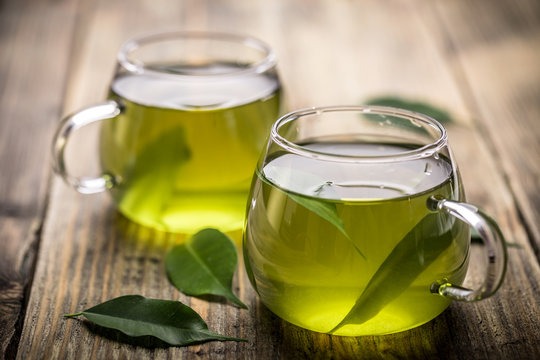
Sipping on a cup of green tea can feel like giving your body a hug from the inside. Green tea contains an amino acid called L-theanine, which has been proven to promote relaxation and decrease stress levels. So, instead of opting for that third cup of coffee when you’re feeling frazzled, consider brewing a soothing cup of green tea instead.

4. Seasonal berries and fruits

Having seasonal berries and fruits are also handy options. They are rich in Vitamin C which helps to combat stress. Oranges, grapefruit, watermelon, strawberries, blueberries, raspberries are best suited, also they are loaded with antioxidants which help in decreasing stress and anxiety. They also boost your mood, making you feel light and fresh.

5. Makhana

Makhana is a great snacking option, it is packed with micronutrients like calcium, phosphorus, magnesium and it also contains antioxidant compounds like gallic acid and epicatechin which reduces inflammation and protects against stress and other health conditions. Munching on Makhana roasted in ghee along with some ghee roasted almonds is the best combination.

6. Greek yoghurt

Did you know that your gut health can influence your stress levels? That’s where Greek yoghurt comes in handy. Packed with probiotics, it promotes a healthy balance of bacteria in your gut, which can help reduce feelings of stress and anxiety. Enjoy it as a snack on its own or use it as a creamy topping for your favourite dishes – either way, your gut will thank you for it.

By snacking on these foods, you can nourish your body and mind, leaving you feeling calmer, happier, and more resilient in the face of life’s challenges.

Visit us –https://shorturl.at/BFUV5