Categories
Medical Updates

8 Health Benefits Of Consuming Oatmeal

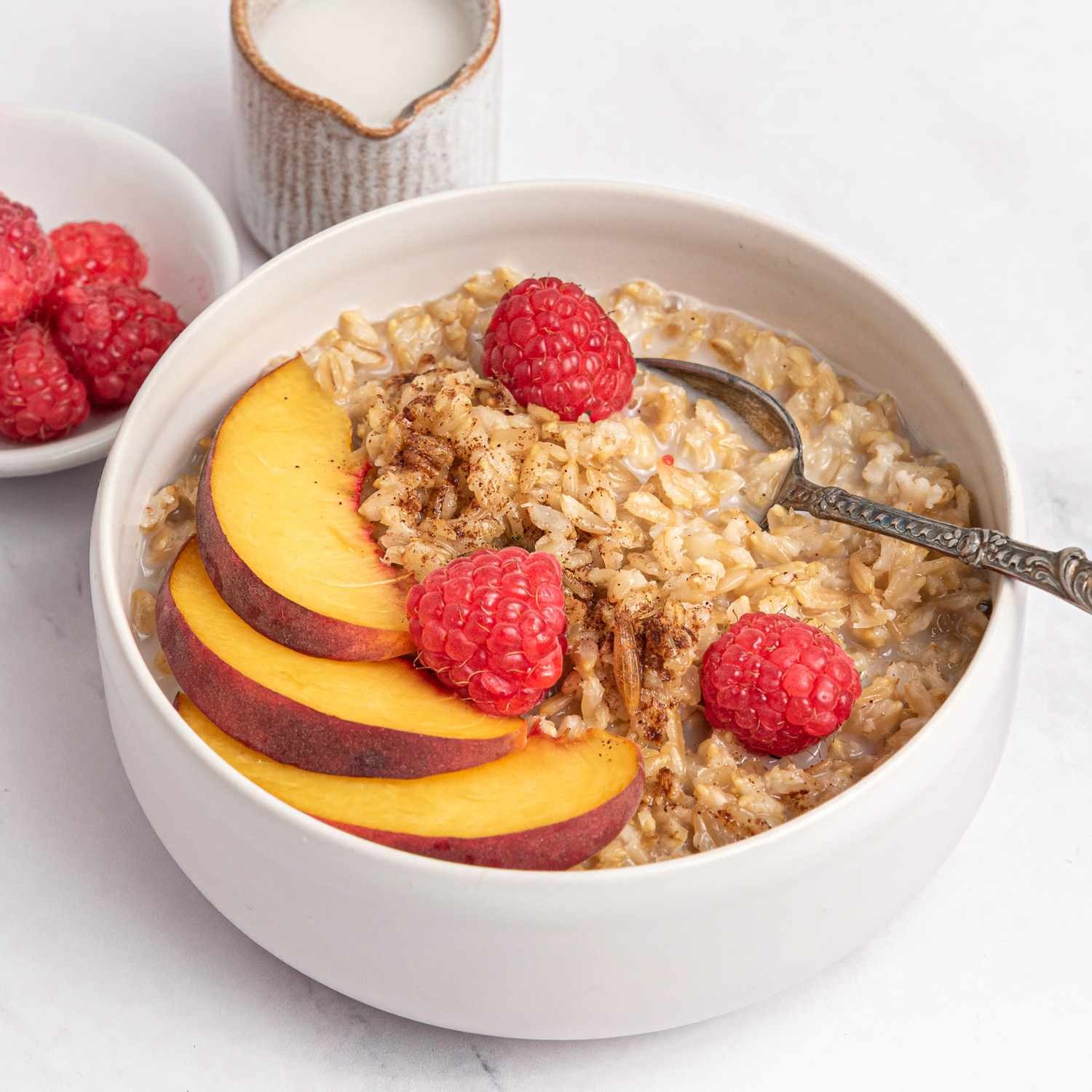
Oatmeal is a highly nutritious food packed with various health benefits. The health benefits of oatmeal stem from its nutrient-rich composition, including fibre, vitamins, minerals, and antioxidants, as well as its ability to positively impact various physiological processes in the body. Keep reading as we share the many benefits we can achieve from consuming oatmeal.
8 Health Benefits Of Consuming Oatmeal

8 Ways consuming oatmeal is beneficial for our health:

1. Rich in nutrients

Oatmeal is loaded with essential vitamins, minerals, and antioxidants, including manganese, phosphorus, magnesium, iron, zinc, folate, vitamin B1 (thiamine), and vitamin B5 (pantothenic acid). These nutrients play vital roles in various bodily functions, such as metabolism, energy production, and immune system support.

2. Heart health

Oatmeal contains beta-glucan, a type of soluble fibre that has been shown to lower cholesterol levels, particularly LDL cholesterol (the “bad” cholesterol). Beta-glucan forms a gel-like substance in the digestive system, which binds to cholesterol and helps eliminate it from the body, thereby reducing the risk of heart disease and stroke.

3. Blood sugar regulation

The soluble fibre in oatmeal also helps stabilise blood sugar levels by slowing down the absorption of glucose into the bloodstream. This can be particularly beneficial for people with diabetes or those at risk of developing diabetes, as it can improve insulin sensitivity and reduce spikes in blood sugar levels after meals.

4. Improved digestive health

Oatmeal is a good source of both soluble and insoluble fibre, which aids in digestion and promotes regular bowel movements. Soluble fibre adds bulk to stool and prevents constipation, while insoluble fibre helps move food through the digestive tract more efficiently, reducing the risk of digestive disorders such as constipation, diverticulosis, and colon cancer.

5. Weight management

Due to its high fibre content and ability to promote satiety, oatmeal can help you feel full for longer periods, which may aid in weight management by reducing overall calorie intake. Additionally, oatmeal is a low-calorie food that provides sustained energy, making it an ideal choice for breakfast or snacks.

6. Improved skin health

Oatmeal contains compounds called saponins, which have cleansing and moisturizing properties that can soothe irritated skin and relieve itching associated with conditions like eczema and psoriasis. Oatmeal baths and topical oat extracts are commonly used in skincare products to help hydrate and protect the skin barrier.

7. Enhanced immune function

The vitamins and minerals in oatmeal, such as zinc, selenium, and vitamin E, play essential roles in immune function and can help strengthen the body’s defenses against infections and diseases. Additionally, the beta-glucan in oatmeal has been shown to stimulate immune cells and enhance their ability to fight off pathogens.

8. Lower blood pressure

Some studies suggest that oatmeal consumption may help lower blood pressure levels, thanks to its high fibre content and the presence of certain bioactive compounds. By reducing cholesterol levels and promoting blood vessel health, oatmeal may contribute to improved cardiovascular function and lower blood pressure readings.

Visit us – https://shorturl.at/bjnoB
Categories
Medical Updates

Top 10 protein-rich foods for people with sedentary lifestyle

Protein is an important component of a balanced diet and its consumption is crucial for muscle repair, hormone production, immune function. Adequate protein intake is advised for sustaining energy levels throughout the day, growth, development and repair. However, consuming too much protein can lead to side effects and cause digestive discomfort and may also put a strain on the kidneys, particularly in individuals with pre-existing kidney conditions. It’s recommended to consume protein within the recommended dietary guidelines and to break down the protein intake evenly throughout the day to support optimal digestion and absorption.

Top 10 protein-rich foods for people with sedentary lifestyle

“In today’s sedentary lifestyle, maintaining a balanced diet is crucial for overall health and well-being. While physical activity plays a significant role in determining nutritional requirements, ensuring an adequate intake of protein remains essential for everyone, including those with limited activity levels,” says Dr. Shailesh Gondane, Nephrologist-Renal Specialist, Ruby Hall Clinic, Hinjewadi Pune.

“Incorporating a variety of these protein-rich foods into meals and snacks can help individuals with sedentary lifestyles meet their nutritional needs while supporting muscle health and overall well-being. Remember to balance protein intake with other essential nutrients and maintain a healthy, well-rounded diet to optimize health outcomes,” adds Dr Gondane.

TOP PROTEIN-RICH FOODS FOR PEOPLE WITH INACTIVE LIFESTYLE

Dr Gondane shares top 10 protein-rich foods tailored specifically for individuals leading sedentary lifestyles:

1. Skinless, boneless chicken: Lean and versatile, chicken is a go-to protein source. It boasts high-quality protein content while being relatively low in fat, making it an excellent choice for those watching their calorie intake.

2. Fish: Not only rich in protein, but fish also provides essential omega-3 fatty acids crucial for heart and brain health. Opt for varieties like salmon, tuna, or mackerel to boost your protein intake while reaping the benefits of healthy fats.

3. Eggs: A nutritional powerhouse, eggs are a complete protein source, containing all essential amino acids. Whether boiled, scrambled, or poached, eggs offer a convenient and affordable way to add protein to your diet.

4. Cheese: While indulging in moderation, cheese can be a flavourful addition to meals. It’s low in fat and high in protein, making it a filling and nutritious option for sedentary individuals looking to meet their protein needs.

5. Lentils: As a rich source of plant-based protein, fibre, and various nutrients, lentils are perfect for those seeking vegetarian or vegan options. Incorporate lentils into soups, stews, or salads for a satisfying and protein-packed meal.

6. Beans: Whether black beans, kidney beans, chickpeas, or pinto beans, legumes are a fantastic protein source for sedentary lifestyles. They’re also rich in fibre and complex carbohydrates, aiding in digestion and providing sustained energy.

7. Tofu: Made from soybeans, tofu is a complete protein and a staple in vegetarian and vegan diets. Its versatility allows for various culinary applications, making it an excellent addition to stir-fries, salads, or sandwiches.

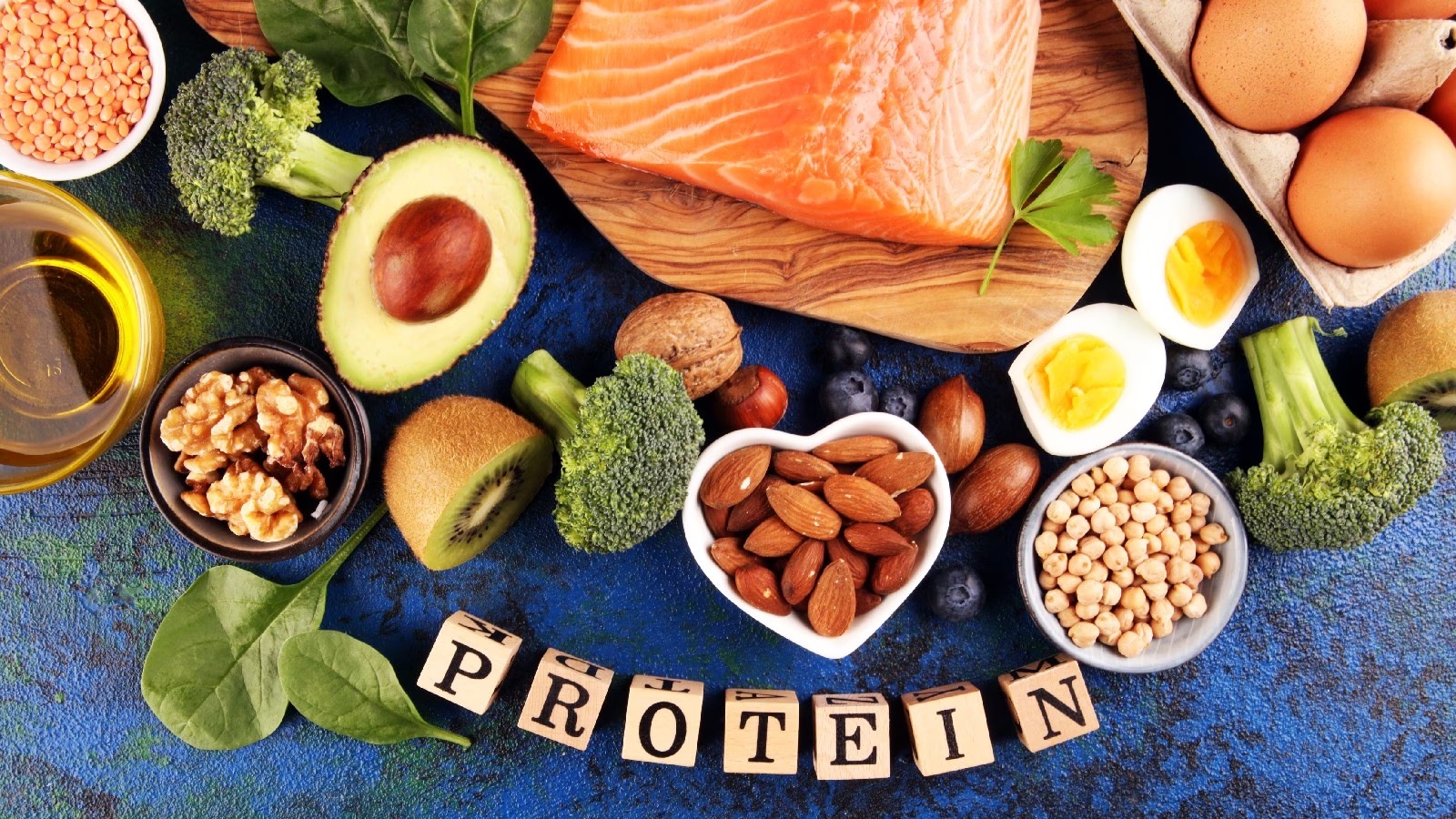
8. Nuts and Seeds: Almonds, peanuts, walnuts, chia seeds, and hemp seeds are all nutrient-dense options rich in protein and healthy fats. Snack on a handful of nuts or sprinkle seeds over yogurt or oatmeal to boost your protein intake throughout the day.

9. Greek Yoghurt: Creamy and satisfying, Greek yoghurt is packed with protein, calcium, and probiotics. Choose plain, unsweetened varieties to avoid added sugars and enjoy it as a snack or as a base for smoothies and dips.

10. Quinoa: As a complete protein source, quinoa contains all nine essential amino acids, making it an ideal grain for those seeking plant-based protein options. Use quinoa as a base for salads, stir-fries, or as a nutritious alternative to rice or pasta.

How much protein do you know as per your age, health conditions and kidney function?

It’s important to note that individual factors such as age, hydration status, overall diet, and underlying health conditions can also influence how protein intake affects kidney function.

“Recommendations regarding protein intake should be personalized and consider an individual’s unique circumstances both sedentary and active individuals may experience changes in kidney function in response to protein intake, but the impact can vary depending on factors such as activity level, overall health, and genetic predisposition. While sedentary individuals may need to be cautious about excessive protein intake, physically active individuals generally have higher protein requirements to support muscle health and performance. However, it’s essential for all individuals to maintain balanced diets, stay hydrated, and consult healthcare professionals for personalized nutrition advice, especially if they have concerns about kidney health,” says Dr Gondane.

Visit us – http://www.aarogyapath.in

Categories
Medical Updates

Addicted to junk food and can’t seem to stop? Here’s how to overcome it

It is no secret that eating junk food is bad for your overall health, however, consumption of ultra-processed, packaged foods continues to be on the rise. Children from a young age are exposed to these harmful items containing unhealthy fats, preservatives and additives. This early exposure can lead to long-term dependency to satisfy cravings.

According to a 2023 study published in the National Library of Medicine, “Junk food and sweetened and alcoholic drinks are included in the category of foods with a major risk for metabolic syndrome, which is complicated with serious consequences for health, and even the risk of premature death in the case of long-term excessive consumption associated with an unbalanced and sedentary lifestyle.”

Addicted to junk food and can’t seem to stop? Here’s how to overcome it

Given the detrimental effects of consuming junk food on a regular basis, it is important to educate yourself on what causes it, what the harmful effects are and how to overcome the addiction by choosing healthier alternatives.

What underlying factors cause an addiction to junk food?

In conversation with indianexpress.com, clinical dietician and certified diabetes educator, Kanika Malhotra, informs that addiction to junk food can stem from various underlying factors:

Biological factors

Certain ingredients in junk food, like sugar, salt, and unhealthy fats, can trigger dopamine release in the brain, similar to addictive substances. This can lead to cravings and compulsive consumption.

Psychological factors

Emotional eating, stress, boredom, and low mood can drive individuals to seek comfort in junk food as a quick and easy solution to alleviate negative emotions.

Environmental factors

Easy accessibility, affordability, and aggressive marketing of junk food can normalize its consumption, making it a convenient choice amidst busy lifestyles.

Social factors

Peer pressure, cultural norms, and social gatherings often revolve around the consumption of unhealthy foods, reinforcing addictive behaviours.

Why is it often difficult for individuals to break free from this cycle?

It is difficult to completely get over any form of addiction; and junk food addiction is no different. Many who convince themselves to stop consuming unhealthy meals, eventually find themselves unable to break free from the cycle. According to Malhotra, letting go of your cravings can be challenging due to several reasons:

Physiological dependence

Consuming junk food regularly can lead to physical dependence on certain ingredients, making withdrawal symptoms, such as cravings and mood swings, difficult to manage.

Habit formation

Long-term consumption of junk food reinforces neural pathways associated with cravings and rewards, making it hard to break the habit.

Psychological dependency

Emotional attachment to certain foods and coping mechanisms can make it psychologically challenging to adopt healthier dietary patterns.

Social pressure

Social environments that encourage or normalise junk food consumption can make it harder for individuals to resist temptations and make healthier choices.

What are some practical strategies or techniques that individuals struggling with junk food addiction can implement?

For those struggling to get over their addiction and are searching for robust strategies to avoid eating junk food once-and-for-all, Malhotra suggests the following:

Gradual changes

Start by gradually reducing the consumption of junk food while incorporating more whole, nutrient-dense foods into your diet.

Meal planning

Plan and prepare healthy meals and snacks in advance. This will help you develop the habit of cooking as well as avoid compulsive eating of junk food on a daily basis.

Mindful eating

Practice mindful eating by paying attention to hunger cues, savoring each bite, and being aware of emotional triggers for overeating.

Seek support

Join support groups, enlist the help of a qualified clinical dietitian, or involve friends and family in your journey towards healthier eating habits.

Find healthy substitutes

Identify healthier alternatives to your favourite junk foods, such as homemade versions or healthier snack options which are widely available in markets today.

Address underlying issues

There could be more than what meets the eye here. In case all else fails, seek professional help to address underlying emotional or psychological factors contributing to junk food addiction.

In the end, it is helpful to understand that addiction to salty and sugary snacks and drinks mostly stems from the person becoming desensitised to dopamine over a period of time due to excessive consumption. The addiction faced by an individual can range from mild to severe, leading to a myriad of health problems including obesity, type 2 diabetes, cardiovascular disease, and certain types of cancer.

Being aware of your addiction is the first step to making the right decisions. So, follow the instructions prescribed by the expert or your own doctor, and stick to it with conviction in order to lead a more fulfilling, healthy, and longer life.

Visit us – https://shorturl.at/sLNT6

Categories
Medical Updates

Have you been drinking water from a plastic bottle? Here’s why it could be harmful

A recent study, published in the Proceedings of the National Academy of Sciences, has caught the eyes of many in the medical fraternity due to the alarming results described in it, and is being widely discussed by many on social media.

According to it, “The exposure to the micro-nano plastics from regular bottled water was at the level of 105 particles per liter, which is two to three orders of magnitude more than the previously reported results merely focusing on large microplastics.”

This means that in every liter of water stored in plastic bottles, researchers found over 100,000 nanoplastic molecules, Medscape mentioned in an article. It states, “Because of their small size, these particles can enter the bloodstream, cells, and the brain, thus posing potential health risks.”

To confirm what the risks are and how to avoid them, we speak to Dr S A Rehman, General Medicine, Associate Professor, Noida International Institute of Medical Sciences and Hospital.

What are the potential health risks associated with drinking water from plastic bottles?

Due to chemicals like bisphenol-A (BPA) and phthalates that dive into the water, particularly when the bottles are exposed to heat or sunshine, Dr Rehman explains, plastic water bottles may be harmful to your health.

He continues, “Endocrine disruptors including BPA and phthalates are scientifically connected to challenges with development, reproduction, and hormone imbalances. Water that is contaminated by microplastics may cause inflammation and harm to cells.”

Referring to the research, he adds that chronic exposure to nanoparticles may increasethe risk of developing chronic diseases like cancer and cardiovascular disorders, however he reminds, the long-term effects are still being studied. “Limiting the amount of plastic usage and using filtered tap water can help lower your exposure to these dangerous particles”, he adds.

Direct and long exposure to sunlight, according to Dr Rehman, can increase the chance of developing cardiovascular disorders, such as cancer, and other harmful health outcomes. He favours the use of reusable glass or stainless steel containers instead as they can reduce these dangers and encourage improved general health.

Are there any alternatives to plastic water bottles to ensure safe and convenient hydration?

Dr Rehman mentions a number of safer and more practical options when it comes to consuming water. “Stainless steel bottles preserve the quality of the water, are strong, and contain no BPA. Because they are non-toxic and do not leach chemicals, glass bottles are still another great choice. Eco-friendly alternatives include sustainable and biodegradable plant-based or bamboo bottles.

“You can avoid using single-use bottles by installing a high-quality water filtration system at home, which guarantees access to clean, safe drinking water,” he recommends. These substitutes not only improve individual health, he stresses, but also lessen the harm that plastic waste causes to the environment.

Furthermore, he insists that spreading awareness to others through leading by example will help more people to make the switch from plastic bottles to safer options. “Include prompts to routinely consume eight glasses of water a day or more. People can lessen their use of plastic and encourage better hydration practices for the environment and themselves by implementing these adjustments,” he says.

Visit us – http://www.aarogyapath.in


Categories
Medical Updates

5 healthy, quick and nutritious breakfast recipes for women with Polycystic Ovary Syndrome

Polycystic Ovary Syndrome or PCOS affects numerous women globally and India is no exception where this condition is characterised by hormonal imbalances and can significantly impact women’s health, including metabolism and weight. Among various lifestyle adjustments, dietary changes are pivotal in effectively managing PCOS and breakfast, as the cornerstone meal of the day, plays a crucial role in setting the tone for energy levels and metabolism, particularly significant for Indian women coping with PCOS.

5 healthy, quick and nutritious breakfast recipes for women with Polycystic Ovary Syndrome

In an interview with HT Lifestyle, Dr Ritika Sammadar, Regional Head Dietetics at Max Healthcare, shared quick and healthy breakfast ideas tailored to be PCOS-friendly and is perfect for busy mornings. She insisted that adopting a regimen that harmonises nutrition and taste is essential and ingredients such as whole grains, leafy greens and nuts like almonds can aid in hormone balance, weight management and overall well-being.

She recommended the following recipes which are healthy, quick and well suited for women with PCOS and can also be customised as per one’s taste and preferences –

  1. Oats and Almond Milk Smoothie: Oat and Almonds together offers a balanced blend of essential nutrients, carbohydrates, protein, healthy fats, vitamins and minerals, coupled with a tablespoon of mixed seeds makes it an excellent choice for women with PCOS. Maintaining steady blood sugar levels and ensuring sustained morning energy are facilitated by this nutritional profile is an important factor to keep in mind. Adding almond milk instead of regular milk ,aids in weight management and insulin regulation.
  2. Quinoa Upma: Quinoa upma offers a nutritious and is a suitable breakfast choice with its low glycemic index, which helps regulate blood sugar levels. Packed with proteins and fiber, quinoa promotes satiety and assists in weight management, crucial for PCOS management. Once can add choice of vegetables like carrots, peas, and beans to enhance the dish. Topping the dish with chopped and toasted almonds on top not only adds texture but also increases its nutrient density, providing a blend of healthy fats, protein, and essential nutrients.
  3. Almond Flour Pancakes: Delicious, fluffy almond flour pancakes offer a balanced macronutrient profile and lower carbohydrate content compared to traditional pancakes, assisting in blood sugar regulation. Being naturally gluten-free, almond flour caters to individuals with gluten sensitivities or those opting for a gluten-free diet, a consideration for some with PCOS who may have gluten sensitivities.
  4. Moong Dal Chilla: Moong dal chilla is another excellent healthy breakfast choice due to its nutrient density and low glycemic index. Adding nutrient-rich vegetables such as spinach, grated carrots, or bell peppers, the overall nutritional value of the dish is elevated, providing a spectrum of vitamins, minerals, and antioxidants crucial for health and PCOS management. The chilla can be paired with almond yogurt instead of the traditional mint chutney will provide an extra dose of almond goodness.
  5. Whole wheat Toast with Toppings: Whole wheat toast with healthy toppings like almond butter, helps in managing insulin levels and blood sugar, making it ideal for PCOS. Ingredients such as whole grain bread, almond butter, almonds, berries, seeds, and cinnamon possess a low glycemic index, beneficial for PCOS. High fiber content slows sugar absorption, while almond butter offers healthy fats, promoting satiety and enhancing insulin sensitivity. Berries and seeds are nutrient-rich, supporting health and alleviating PCOS symptoms. A dash of honey or maple syrup can give added sweetness without causing significant blood sugar spikes.
  6. These breakfast options are quick to prepare, addresses the distinct dietary requirements while providing a balance of nutrition and flavours.

Visit us – https://shorturl.at/adFS2

Categories
Medical Updates

8 healthy sehri options for hypertension and heart disease patients fasting this Ramzan

Ramadan is a sacred month for Muslims worldwide, marked by fasting from dawn till dusk and sehri, the pre-dawn meal, plays a crucial role in providing sustenance and energy for the day ahead however, for individuals with hypertension or heart disease, choosing the right foods for sehri is vital to maintain health and well-being during the fasting period. In India, where culinary traditions are rich and diverse, it is essential to find alternatives to traditional Sehri foods that are high in saturated fats, sodium and refined sugars.

8 healthy sehri options for hypertension and heart disease patients fasting this Ramzan

In an interview with HT Lifestyle, Dr Rajeshwari Panda, HOD, Nutrition and Dietetics Department at Medicover Hospitals in Navi Mumbai, suggested some healthier sehri options and recipes tailored for those with hypertension or heart disease –

  1. Whole Grain Porridge:

Starting the day with a bowl of whole grain porridge sets a nutritious foundation for Sehri. Prepare it using oats, barley, or quinoa cooked with low-fat milk or water. Sweeten it naturally with mashed bananas or a drizzle of honey for added flavor.

2. Egg White Omelette:

Eggs are a good source of protein, but the yolks are high in cholesterol. For a heart-healthy option, make an omelette using egg whites or a combination of egg whites and one whole egg. Add colorful vegetables like spinach, tomatoes, and bell peppers for extra nutrients

3. Low-Fat Yogurt with Berries:

Greek yogurt is an excellent source of protein and probiotics, beneficial for heart health. Pair it with fresh berries like strawberries, blueberries or raspberries for added antioxidants and fiber. Sprinkle with a few nuts or seeds for a satisfying crunch.

4. Whole Wheat Chapati with Lentil Soup:

A staple in Indian households, chapati made from whole wheat flour is a healthier alternative to refined flour. Pair it with a bowl of lentil soup (dal) cooked with minimal salt and spices. Lentils are rich in protein and fiber, aiding in blood pressure management.

6. Avocado Toast with Whole Grain Bread:

Avocado toast is not only trendy but also a nutritious Sehri option. Spread mashed avocado on whole grain bread and top it with sliced tomatoes. Season with black pepper and lemon juice for a burst of flavour. Avocado provides heart-healthy fats and fiber.

7. Mixed Vegetable Upma:

Upma, a South Indian dish made from semolina (sooji), can be prepared with an array of colorful vegetables like carrots, peas and bell peppers. Use minimal oil and salt to keep it heart-friendly. Upma is filling and rich in fiber, ideal for Sehri.

8. Smoothie with Leafy Greens:

Blend leafy greens like spinach or kale with fruits such as bananas, mangoes, and oranges to create a nutrient-packed smoothie. Add protein powder or nuts for extra protein and healthy fats. Green smoothies are hydrating and can help regulate blood pressure.

Dr Rajeshwari Panda advised, “By opting for these healthier Sehri options, individuals with hypertension or heart disease can observe Ramadan while prioritising their health. It’s crucial to maintain portion control, stay hydrated throughout the day, and consult with a healthcare professional or dietitian for personalized dietary recommendations. During Ramadan, let’s cherish the spirit of community and compassion while making mindful choices to nurture our bodies and souls. Ramadan Mubarak!”

Visit us – https://shorturl.at/knHL6


Categories
Medical Updates

Holi 2024: Harmful effects of chemical Holi colours on your health

The festival of colours is almost here and people who love to celebrate it cannot wait to soak themselves in the vibrant hues of Holi. Children especially are quite fond of Holi and for many of them the festival begins at least a week before the main festivities. While the blast of colours is a visual treat and getting drenched in the coloured water is a joy, the excitement of the festival can be marred by chemical-based colours that can play spoilsport, and lead to many harmful effects on health from skin issues, eye problems to respiratory troubles.

Unlike earlier times when there was absolutely no health hazard in playing Holi with colours made of flowers, in modern times colours are created artificially with industrial dyes or oxidized metals mixed with oil. Harmful chemicals like lead oxide, chromium iodide, copper sulphate, mercury sulphite and aluminium bromide are widely used in Holi colours.

Holi 2024: Harmful effects of chemical Holi colours on your health

Hazardous chemicals such as endotoxins and heavy metals, like lead, can cause moderate to severe health problem in people. No wonder post Holi celebrations, many people make rounds to doctor’s clinics and hospitals complaining of skin issues, respiratory tract infection, conjunctivitis, corneal aberration and ocular damage.

Holi is a vibrant festival of colours, but the chemical-laden colours used can pose a threat to your health. They often contain harmful chemicals such as lead, mercury, chromium, cadmium, and asbestos.

HARMFUL EFFECTS OF HOLI COLOURS

Dr Tushar Tayal, Consultant-Internal Medicine, CK Birla Hospital, Gurugram explains the harmful effects of Holi colours:

• Skin irritation and allergies: Chemical colours can cause skin irritation, redness, itching, and burning sensation. People with sensitive skin are more prone to these problems.

• Eye problems: Chemical colours can cause eye irritation, redness, watering, and even temporary blindness if they get into the eyes.

• Cancer: Some of the chemicals used in Holi colours, such as lead and chromium, are carcinogenic and can increase the risk of cancer with prolonged exposure.

Dr Deepa Dewan, Senior Director- Department of Obstetrics and Gynecology Cloudnine Group of Hospitals, Gurgaon, Golf Course Road says Holi colours can cause toxicity and pose serious health risks to pregnant women and lead to respiratory issues.

Eye irritation: Direct contact with chemical colours can cause irritation, redness, and even temporary blindness if the colour enters the eyes. Pregnant women are particularly vulnerable to eye irritation due to hormonal changes that can make their eyes more sensitive.

Respiratory problems: The fine particles of chemical colours can become airborne during Holi celebrations, leading to respiratory problems such as coughing, sneezing, difficulty breathing, and exacerbation of conditions like asthma. Pregnant women may experience heightened respiratory sensitivity during pregnancy.

Toxicity: Many chemical-based colours contain toxic substances such as lead, mercury, chromium, and ammonia, which can be absorbed through the skin and may pose serious health risks, especially for pregnant women and their developing foetuses. Exposure to these toxins can lead to developmental abnormalities and other complications during pregnancy.

Environmental pollution: Chemical colours not only harm human health but also have adverse effects on the environment. They can contaminate water bodies, soil, and vegetation, leading to ecological damage and posing long-term risks to biodiversity.

“To mitigate these risks, it is advisable to use natural and eco-friendly colours made from plant-based sources such as turmeric, beetroot, spinach, and flowers. Pregnant women should avoid direct contact with chemical-based colours, which can contain harmful substances like heavy metals and synthetic dyes. Opt for natural and eco-friendly colours made from plant-based sources to minimise exposure to toxins. Consider wearing gloves, sunglasses, and a cap or scarf to protect your hands, eyes, and hair from colours splashes. This can help reduce the risk of skin and eye irritation,” says Dr Dewan.

Visit us – http://www.aarogyapath.in

Categories
Medical Updates

5 Ayurvedic Remedies That Can Aid In Improving Eyesight

Our eyes serve as windows to the rest of the world. If our vision fails, the world will appear black. They are also the most delicate sense organs, necessitating special caution and care. Screens have seamlessly merged into our daily routines in today’s fast-paced world, and whether we’re working on computers, scrolling through social media on smartphones, or watching our favourite shows on tablets, the amount of time we spend in front of screens has increased. However, increased screen exposure has led to a new concern: digital eye strain.

5 Ayurvedic Remedies That Can Aid In Improving Eyesight

Environmental contaminants, allergens, UV damage, diabetic retinopathy, age-related macular degeneration, and glaucoma are among the factors influencing our eye health, in addition to digital strain. To avoid early vision loss, digital strain, and conditions such as dry, red, and watery eyes, it is necessary to maintain a routine that promotes eye health.

According to Ayurveda, a poor lifestyle might cause toxic accumulation, which has an impact on our eye health. Toxins can accumulate as a result of an inactive lifestyle, bad food, and a lack of exercise, causing eye problems such as dry eyes, burning in the eye, and so on. The old medicinal profession contains numerous natural medicines and therapies that can assist enhance eyesight.

Ayurvedic medicines for enhancing vision mostly involve the use of traditional herbs and therapies like Netra kriya kalpa and Panchakarma. According to Hindustan Times, Dr Premsankar P, Research Officer and Ayurveda Physician – NETRA Ayurveda Eye Speciality Clinic, AVP Research Foundation has revealed a list of traditional herbs and methods that can improve your eye health.

1) Anjana and Nasya:
Eyes are generally more vulnerable to disease. Regular use of Anjana (collyrium) and Nasya (medicine infiltration through the nostrils) is recommended to protect the eyes and remove excess Kapha.
2) Foot massage:
To preserve vision, it is recommended to do Padabhyanga (oil massage on the feet).
3) Balanced diet:
A well-balanced diet rich in proteins and other nutrients, such as vitamins A, E, C, and B, helps to maintain healthy vision. Incorporating ghee, honey, barley, wheat, shastika shali (old rice), draksha, and green dram into our diet is crucial for maintaining good eye health.
4) Triphala: 
Triphala is a three-fruit combination that has been used as an ancient cure to improve vision. It contains antioxidants that rejuvenate ocular tissues and protect the eyes from oxidative stress. Triphala is a good treatment for a variety of eye ailments and can be taken orally or as an eye wash.
5)Trataka:
Trataka, an Ayurvedic eye practice, involves gazing at a burning ghee lamp. Take ten minutes out of your day to sit in a dark room, position the ghee lamp so that the flame is visible at a 30-degree angle, and gaze at it steadily. This will help to strengthen your vision and eye strength.
Categories
Medical Updates

Do you forget things often? 5 ways to reduce memory lapse

​Here are 5 ways to reduce memory lapse

Ever enter a room and lose track of why you were there in the first place? Or do you find it difficult to recall where you put your phone or keys? Although forgetfulness can be annoying, there are strategies to improve cognitive function and prevent memory loss. You can significantly improve your memory by implementing specific habits into your daily routine, regardless of how frequently you experience memory lapses. These are 5 practical methods to help maintain the healthiest possible brain and improve memory.

​Stay physically active

Physical activity isn’t just beneficial for the body – it’s also great for the brain. Engaging in regular exercise increases blood flow to the brain, which can enhance cognitive function and reduce the risk of memory decline. Aim for at least 30 minutes of moderate exercise most days of the week. Activities like walking, jogging, swimming, or dancing can all help keep the brain sharp and the memory intact.

​Challenge your brain

Just like the muscles, our brain needs regular exercise to stay strong and healthy. Engage in activities that stimulate the mind and challenge the cognitive abilities. Puzzles, brain teasers, and games like Sudoku or crossword puzzles are excellent ways to keep your brain active and improve memory retention. Additionally, learning new skills or hobbies can provide mental stimulation and help build new neural pathways, keeping the brain agile and adaptable.

​Stay organized with to-do lists and schedules

One common cause of memory lapses is forgetfulness due to a lack of organization. By creating to-do lists and schedules, you can help keep your tasks and responsibilities organized and easily accessible. Make a habit of writing down important appointments, deadlines, and tasks, and refer to the lists regularly to stay on track. Breaking tasks into smaller, manageable steps can also make them feel less overwhelming and easier to remember.

​Address underlying causes

Sometimes, memory lapses can be attributed to underlying health issues or deficiencies. One common culprit is vitamin B12 deficiency, which can lead to cognitive decline and memory problems. If you suspect that your memory issues may be related to a nutritional deficiency, get a proper diagnosis and treatment. Adding vitamin-rich foods or supplements into the diet can help address deficiencies and improve cognitive function.

​Consider Curcumin supplements

Curcumin, a compound found in turmeric, has garnered attention for its potential cognitive benefits. Research from Cambridge University Press, suggests that curcumin may help improve cognitive function, including memory, by targeting pathways involved in Alzheimer’s disease. While more studies are needed to confirm its effectiveness, some evidence indicates that curcumin supplements may offer neuroprotective effects and support brain health

Visit us – https://shorturl.at/ckABF

Categories
Medical Updates

Too much sugar is harming your kidneys. Here’s how

A diet characterised by high sugar intake is a significant factor in compromising kidney health.

The basic function of the kidneys is to filter your body of waste products from the blood and produce urine. They also help to manage blood pressure by releasing hormones and controlling the production of red blood cells.

Regular consumption of foods high in sugar levels can exert stress on the kidneys. High sugar intake increases blood pressure levels which forces the kidneys to work harder to filter and excrete excess glucose from the bloodstream.

Too much sugar is harming your kidneys. Here's how

“Over time, this increased workload can lead to kidney damage, manifesting as proteinuria, CKD (chronic kidney disease), and eventually ESRD (end-stage renal failure), if left uncontrolled. Therefore, maintaining a balanced diet low in sugar is crucial for preserving kidney health, particularly for those with diabetes or predisposed to kidney problems,” said Dr Kamlesh Parikh, Consultant Nephrologist, Kidney Transplant Physician, Bhailal Amin General Hospital, Vadodara.

Dr Soubeer Ghosh, Consultation, Nephrology, PSRI Hospital, New Delhi, added that the kidneys have a handling capacity which gets compromised with a high-sugar diet.

“When the sugar levels go above 180 mg per decilitre, this leads to spillover of sugar in the urine. If the sugar is persistently high, which happens in diabetics, then it destroys the filtration capacity of the kidney gradually,” said Dr Soubeer Ghosh.

High sugar intake can contribute to conditions like diabetes and obesity, both of which are risk factors for kidney disease. Additionally, consistently high blood sugar levels can damage the small blood vessels in the kidneys over time, leading to kidney damage or failure.

Having a diet low in sugar and high in nutritional value is crucial for preserving kidney health, particularly for those with diabetes or predisposed to kidney problems.

Dr Reetesh Sharma, Director & Head, Nephrology & Kidney Transplant Medicine, Asian Hospital, Faridabad, told IndiaToday.In people should monitor their blood pressure, which affects kidney health.

“Uncontrolled blood sugar causes kidney damage. The risk of developing diabetic kidney disease (DKD) is about 25%. The initial stages of DKD lead to an increase in loss of protein in the urine, which is called albuminuria. Over the years, this damages the kidneys,” said Dr Reetesh Sharma.

Dr Ghosh added that if the sugar is persistently high, which happens in diabetics, then it destroys the filtration capacity of the kidney gradually. This leads to kidney injury developing into sodium and water retention.

A 2023 study, published in Frontiers in Nutrition, linked a diet high in sugar and kidney stones.

In an analysis of 28,303 adults (48% of them men) over 11 years, those who consumed 25% or more of their daily calories from added sugars had an 88% higher risk of developing kidney stones compared with those who kept their added sugar intake to less than 5% of their daily calories.

Dr Kamlesh Parikh advised that people who have diabetes should monitor their blood pressure and screen for kidney disease once every six months.

visit us – https://shorturl.at/mJQV0