Categories
Medical Updates

5 breathing techniques that promote calmness and peace from within

1)​Breathing techniques that will help calm down and relax

It can be difficult to find times of serenity and calm in today’s world where everything is so quick and stressful. Still, everyone should and can promote inner peace significantly by adding a few basic breathing exercises to their daily routine. Here are 5 powerful breathing exercises that can promote inner peace.

2)​4-2-8-2 breathing technique

The 4-2-8-2 breathing technique offers a structured approach to building inner calmness. By inhaling deeply for 4 counts, holding the breath for 2 counts, exhaling slowly for 8 counts, and pausing again for 2 counts, this rhythmic pattern regulates the breath and soothes the nervous system. To practice, find a comfortable position, close your eyes, and focus on the rhythm of your breath. Through regular practice, the 4-2-8-2 breathing technique can become a powerful tool for reducing stress, enhancing focus, and promoting overall well-being.

5 breathing techniques that promote calmness and peace from within

​3)Box breathing

Box breathing, also known as square breathing, is a simple yet powerful technique used to calm the mind and reduce stress. To practice box breathing, begin by inhaling deeply through your nose for a count of 4. Hold your breath for a count of 4, then exhale slowly for a count of 4. After exhaling completely, pause for another count of 4 before starting the cycle again. Visualise tracing the shape of a square with each breath, inhaling for one side, holding for another, exhaling for the third, and pausing for the fourth.

​4)Anulom Vilom

Anulom Vilom, also known as alternate nostril breathing, is a traditional yogic technique that helps balance the body’s energy and calm the mind. To practice Anulom Vilom, sit comfortably with your spine straight. Close your right nostril with your right thumb and inhale deeply through your left nostril. Then, close your left nostril with your ring finger and exhale slowly through your right nostril. Inhale through the right nostril, then switch and exhale through the left nostril. Continue alternating nostrils for several rounds, focusing on the flow of breath and maintaining a steady rhythm.

​5)Resonant breathing

Resonant breathing, also known as coherent breathing, involves breathing at a specific rate to synchronise your breath with your heart rate variability. This technique helps induce a state of calmness and relaxation by harmonising the body’s natural rhythms. To practice resonant breathing, breathe in and out slowly and deeply through your nose, aiming for a rate of 5 to 6 breaths per minute. Focus on making each inhale and exhale smooth and even, allowing your breath to become a natural, effortless rhythm.

6)​4-7-8 breathing

The 4-7-8 breathing technique, popularised by Dr Andrew Weil, is a simple but effective method for promoting relaxation and reducing anxiety. To practice 4-7-8 breathing, sit or lie down in a comfortable position and place the tip of your tongue against the roof of your mouth, just behind your front teeth. Inhale quietly through your nose for a count of 4, hold your breath for a count of 7, then exhale forcefully through your mouth, making a whooshing sound, for a count of 8. Repeat this cycle several times, allowing yourself to fully relax with each exhalation.

Visit us – https://shorturl.at/hquvH

Categories
Medical Updates

Karnataka has banned pink food colouring agent used in cotton candy

Karnataka has banned the use of artificial colouring agents including Rhodamine-B, in cotton candy and ‘gobi manchurian.’

Health minister Dinesh Gundu Rao said that strict action will be taken if sellers are found using Rhodamine-B chemicals in their restaurants. Violation of this ban could result in imprisonment for up to 7 years and a fine of up to Rs 10 lakh.

“Consumption of snacks containing these artificial colours may pose long-term health risks, including cancer. Therefore, the health department has taken this necessary action. I urge the public to prioritise health and hygiene above all else,”

What is Rhodamine-B?

Rhodamine-B (RhB) is a bright pink colouring agent. It is hazardous and negatively impacts not just the human body but plant and animal life as well. It is a textile dye used for colouring silk, jute, leather, cotton, and wool. It is also used in the cosmetic industry. Since it is low in cost, it is a popular choice for food colouring.

Although in the powdered form Rhodamine-B appears green in colour, when it is mixed with water it turns pink.

Why is Rhodamine-B banned?

Rhodamine-B is considered toxic to the body. When it enters the body it causes oxidative stress on the cells and the tissues. Oxidative stress causes damage and death of specialised cells in the cerebellum and brainstem tissue (the part that connects the brain to the spinal cord).

According to the US National Library of Medicine, the use of Rhodamine-B in food for a long time leads to liver dysfunction or cancer, and when exposed to large amounts over a short period, it results in acute poisoning.

Dr Muralidhar S. Kathalagiri, Consultant Laparoscopic, Bariatric and Gastrointestinal Surgeon, SPARSH Hospital, Bangalore, told IndiaToday.In although food colouring agents add vibrancy to our plates, we need to be aware of the hidden dangers, particularly of those that aren’t approved by the government.

“These synthetic additives, often lurking in our favourite snacks and meals, can disrupt the harmony within our bodies. A food colouring agent like Rhodamine B is often used in the food which is harmful. Research suggests that these additives can trigger allergic reactions, hyperactivity in children, and even may contribute to long-term health issues like cancer and organ damage,” said Dr Kathalagiri.

Rhodamine-B is not just found in cotton candy or ‘gobi manchurian’ it is found in other food items like chilli oil, red chilli powder, pink coloured sweets, curry powder, sauces and many more.

According to the Food Safety and Standards Authority of India (FSSAI), no colouring matter should be added to food unless permitted in the Food Safety and Standards (Food Products Standards and Food Additives) Regulation, 2011.

The permitted artificial colouring agents are:

Red – Ponceau 4R, Carmoisine, Erythrosine
Yellow – Tartrazine, Sunset Yellow FCF
Blue – Indigo Carmine, Brilliant Blue FCF
Green – Fast Green FCF

Last month, Tamil Nadu and Puducherry banned the sale and production of cotton candy due to the presence of the “cancer-causing chemical” Rhodamine-B.

Visit us – http://www.aarogyapath.in


Categories
Medical Updates

No Smoking Day 2024: All you need to know about best ways to quit smoking

Attempting to stop smoking is one of the most rewarding ventures you could at any point embrace for changing your wellbeing and mental prosperity. On a regular basis, hour and minute that you are not breathing in poisonous synthetics and cancer-causing agents, it also helps fix your cells and converse numerous potential medical issues.
Smoking kills millions worldwide and according to WHO, India itself is home to 12 percent of the world’s smokers. Great nutrition and a balanced diet can play a major part in supporting your tobacco-free routine by feeding your body and curbing addiction. From fruits to vegetables and seeds, here’s a list of food sources that can assist you with stopping smoking.

No Smoking Day 2024: 7 Best ways to quit smoking 

    • Bright fruits and vegetables: Load up on various fruits and vegetables which contain plenty of antioxidants, vitamins, and minerals. These incorporate berries, leafy greens, citrus fruits, and carrots. Antioxidants assist with fighting the oxidative stress brought about by smoking, and promoting cellular repair.
    • Omega-3 fatty acids: These include sources of omega-3 fatty acids, like flaxseeds, fatty fish (salmon, mackerel), and walnuts. These healthy fats incorporate anti-inflammatory properties, which can support diminishing inflammation related to smoking.
    • Nuts and seeds: Snack on nuts and seeds like almonds, sunflower seeds, and pumpkin seeds. These are plentiful in vitamin E and can add to skin wellbeing, which might be impacted by smoking.
• Wholegrains: Pick entire grains like quinoa, brown rice, and oats. They give a sustained arrival of energy, assisting with settling glucose levels and oversee cravings frequently connected with smoking cessation.
    • Lean Proteins: Incorporate lean protein sources like tofu, poultry, fish, and legumes. Protein supports muscle fix and maintenance, which is pivotal as your body goes through certain progressions during the quitting process.
    • Hydration: Remain very much hydrated by consuming a lot of water and natural teas. Adequate hydration keeps you healthy and can assist with reducing cravings by keeping you feeling full.
Visit us – http://www.aarogyapath.in
Categories
Medical Updates

Addicted to potato chips? Try these 5 healthy alternatives instead

When it comes to satisfying your salty and crunchy cravings, there’s nothing quite like a packet of potato chips. While you may want to stop at 2 or 3 pieces from that big bag of sinful indulgence, once you start it’s difficult to remind yourself of the adverse health consequences and stop at a smaller portion. However, planning your snacks well in advance can surely help you make a better snacking choice. With zero nutrition and fibre, potato chips with their high fat and calorie content are just a treat for your taste buds and do nothing for your fitness and well-being. The regular consumption is sure to invite a range of chronic diseases from high blood pressure, stroke, heart disease, fatty liver and even cancer. While there’s no perfect alternative to this cheat-day snack, one can try healthy options that will not only satisfy your cravings but also keep you full for long.


Addicted to potato chips? Try these 5 healthy alternatives instead

The appeal of potato chips

“Potato chips have long been a favourite snack for many, offering a satisfying crunch and savoury flavour. However, they are often high in unhealthy fats, sodium, and calories, making them less than ideal for those seeking a nutritious snack option,” says Eshanka Wahi, Culinary Nutritionist, Holistic Wellness Coach, and Founder of Eat Clean with Eshanka.

Fortunately, there are plenty of delicious and healthier alternatives to potato chips that can satisfy cravings without sacrificing health goals.

5 healthy alternatives to potato chips

Wahi shares five alternatives that are worth trying:

1. Kale chips: Kale is a nutritional powerhouse, packed with vitamins, minerals, and antioxidants. To make kale chips, simply tear kale leaves into bite-sized pieces, toss them with a bit of olive oil and your choice of seasonings, then bake them in the oven until crispy. Kale chips offer a satisfying crunch along with all the health benefits of kale, making them a nutritious alternative to traditional potato chips.

2. Lotus stem chips: Thinly sliced lotus stems can be baked or fried to create crunchy and flavourful chips. Lotus stem chips are a unique and nutritious alternative to potato chips, offering a satisfying crunch and a subtle sweetness. Season with your favourite herbs and spices for added flavour.

3. Seed crackers: Seed crackers made from a combination of seeds such as flaxseeds, pumpkin seeds, and sesame seeds are rich in protein, fibre, and healthy fats. These crackers offer a crunchy texture and can be customised with various herbs and spices to suit your taste preferences.

4. Roasted chickpeas: Chickpeas, also known as garbanzo beans, are rich in protein, fibre, and various vitamins and minerals. Roasted chickpeas make for a crunchy and satisfying snack that can easily replace potato chips. Simply rinse and drain canned chickpeas, toss them with olive oil and spices of your choice, then roast them in the oven until crispy. Roasted chickpeas are customizable and can be flavoured with anything from garlic and cumin to chili powder and paprika.

. Makhana (Foxnuts): Makhana, or foxnuts, are low in calories and rich in protein, fibre, and antioxidants. They can be roasted with a touch of ghee and seasoned with salt, pepper, or spices for a delicious and nutritious snack. Makhana offers a satisfying crunch similar to popcorn but with added health benefits.

So next time you’re craving something crunchy, reach for one of these nutritious alternatives instead of reaching for the potato chips. Your body is sure to thank you.

Visit us – https://shorturl.at/lqWZ7

Categories
Medical Updates

Women’s Day: How to know if you have hormonal imbalance

Hormonal imbalance is a fairly common issue that affects most women, and it could mean several things. It could just be a mild imbalance or an endocrine disorder.

There are around 50 different types of hormones in the body which all make up the endocrine system. These hormones regulate various bodily functions, including metabolism, mood, reproduction, energy levels and even the sleep-wake cycle.

Women's Day: How to know if you have hormonal imbalance

A disruption in hormone levels arises when there is an excess or deficiency of one or more hormones, including a wide range of conditions related to hormones. While certain hormone imbalances may be transient, others persist over the long term, becoming chronic.

“When hormones are out of balance, it can lead to a range of symptoms that affect both physical, mental and reproductive health,” said Dr Shivani Chandan L, Consultant, Obstetrics & Gynaecology, Aster RV Hospital.

COMMON SIGNS OF HORMONAL IMBALANCE

One common sign of hormonal imbalance in women is irregular menstrual cycles. Changes in the length, timing or flow of periods can indicate disruptions in hormone levels.

“Women may also experience mood swings and irritability, often associated with fluctuations in hormone levels of estrogen and progesterone,” added Dr Shivani Chandan.
Other physical symptoms of hormonal imbalance include unexplained weight gain or loss, acne, hair loss, and changes in libido.
Categories
Medical Updates

Chalk as tablets! This is how you can spot fake medicines

It was supposed to be medicines worth Rs 33 lakh. What they, instead, turned out to be was just chalk and starch powder.

The seizure of fake medicines on Wednesday in Telangana during a raid isn’t a one-off case. Fake medicines are a big malady in India.

Around 25% of India’s drugs are fake, counterfeit or substandard, according to a 2022 study by industry body ASSOCHAM.

There is an intricate web producing and supplying fake and counterfeit medicines that pose a big threat to public health and well-being.

How do people ensure that they buy genuine medicine? Can buyers spot fake medicine when they are being handed a tablet strip or a bottle of syrup?

That is possible, say doctors and chemists, it is just that people need to be informed and cautious while buying medicine.

FAKE AND DEADLY MEDICINE FROM INDIA

The 2020 ASSOCHAM study ‘Fake and Counterfeit Drugs In India –Booming Biz’ revealed that fake drugs constituted $4.25 billion (Rs 352 crore) of the total $14–17 billion (Rs 14 trillion) of the Indian domestic drug market.
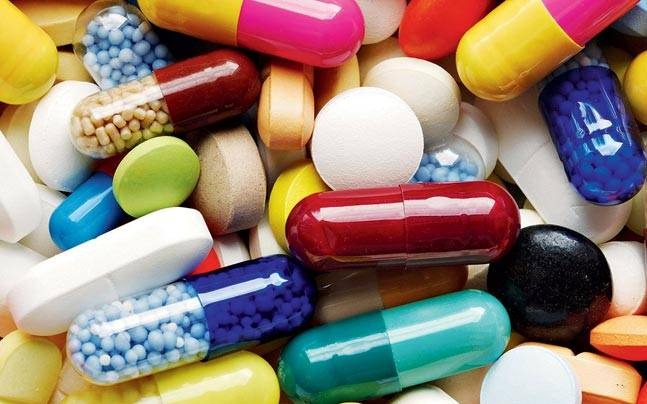
Since 2022, around 200 people, including children, have died in the Gambia, Uzbekistan and Indonesia after consuming cough syrups.

Subsequent investigations linked the deaths to different drug manufacturers in India. The investigations linked the hundreds of deaths to “contaminated syrups”.

On March 6, the Drugs Control Administration (DCA) seized fake medicines containing chalk powder and starch, with a face value of Rs 33.3 lakh, in Telangana.

The officials found that the fake medicines were being sold by a non-existent company, Meg Lifesciences.

Following the seizure, all medicines from Meg Lifesciences were subjected to a “Spurious Drug Alert and Stop-Use Notice” from the DCA.

FAKE MEDICINES MORE PREVALENT THAN THOUGHT

Ever wondered about the authenticity of the quick-fix syrup we rush to after a light cold or the multiple tablets that people consumed during the Covid-19 pandemic?

Fake medicines are an umbrella category, which includes counterfeit, contaminated or mislabeled medicines, according to the Interpol DOs and Don’ts on ‘illicit goods and shop safely’.

“Don’t take the chance,” says the article upfront.

Approximately 10% of medicines in low- and middle-income countries prove ineffective because they are substandard or falsified, says the World Health Organization (WHO).

Therefore, the prevalence of counterfeit medications is far more widespread than one might realise, making the identification of fake medicines really challenging.

HOW TO ENSURE YOU BUY GENUINE MEDICINE

However, some information and caution while buying medicines might help in spotting fake medicines and procuring only genuine ones.

“Firstly, tally the name of the medicine with the one prescribed. Patients must pay attention to spelling errors on labels, be alert to the bottling and strip’s appearance, compromised packaging or any other deviations that don’t look normal,” NOIDA-based gynaecologist Dr Uma Mishra tells IndiaToday.In.

She also advises that the purchase of loose tablets and capsules should be avoided and one should try to go for a whole strip because it has all the required details.

That the devil can be spotted if attention is paid to the detail is also stressed by Amy Callanan of Pfizer, a global pharma giant.

Genuine medicines maintain a consistent appearance, and compromised packaging should raise concerns instantly, suggests Amy Callanan, a Global Intelligence Lead at Pfizer.

Another important thing to look out for is the spelling of medicine.

“Many a time, one will find an ‘e’ missing or an extra ‘a’ in the medicine’s name,” Dr Ashesh Bhushan of Yatharth Hospital in Noida tells IndiaToday.In.

A careful examination of expiry dates and batch numbers printed on all medicines is also crucial in spotting counterfeit medicines, according to Tarun Garg, who runs a pharmacy near the AIIMS New Delhi.

To mitigate the risk of encountering counterfeit drugs, it is advisable to make in-person prescription purchases at reputed pharmacies,” Tarun Garg of South Delhi Pharmacy tells IndiaToday.In.

The sale of fake medicine through online channels is increasingly becoming common.

HOW TO AVOID FAKE MEDICINES FROM ONLINE PHARMACIES

An online pharmacy was shut down by the Telangana Drug Control Administration (DCA) in Hyderabad in 2017, for violating drug sales rules.

Those buying medicine online should focus on the reliability of the e-pharmacies, as they have become a convenient way of channelling fake medicines, say experts.

Consumers should also be cautious of spam emails, lack of authenticity verification, poor grammar on the packaging, websites without a physical address, and suspiciously low-priced products, cautions the WHO.

Both generic and branded medicines can be fake, and it is information and alertness, says Dr Ashesh Bhushan of Yatharth Hospital.

Substandard and fake medical products can be visually indistinguishable from genuine ones and one should be alert while buying from chemists or online pharmacies.

PHARMA COMPANIES TOO ARE TRYING TO ROOT OUT FAKES

Fake medicines eat into the business and profits of pharmaceutical companies. So, big pharma companies, too, are upping the game in the identification of fake medicines through digital tracking systems.

“Not all but the big names like Natco Pharma, Dr Reddy’s, Aureate Healthcare and Phizer have rolled out medicine packages with QR codes,” pharmacist Tarun Garg tells IndiaToday.In.

The QR codes on medicines used by cancer patients not only help the customer to ensure their authenticity but also help pharma companies to ensure they are not black-marketed, according to Tarun Garg.

With all the vigilance and regulatory safeguards in place, what should one do if they still get their hands on a fake medicine?

“Awareness is the key,” Dr Ashesh Bhushan of Yatharth Hospital reiterated.

“As a vigilant customer, one can always go to the Drugs Control Administration (DCA) and even get their drugs tested, if suspicious”, he added.

Getting medicines tested for authenticity, however, isn’t commonplace.

“Not all but the big names like Natco Pharma, Dr Reddy’s, Aureate Healthcare and Phizer have rolled out medicine packages with QR codes,” pharmacist Tarun Garg tells IndiaToday.In.

The QR codes on medicines used by cancer patients not only help the customer to ensure their authenticity but also help pharma companies to ensure they are not black-marketed, according to Tarun Garg.

With all the vigilance and regulatory safeguards in place, what should one do if they still get their hands on a fake medicine?

“Awareness is the key,” Dr Ashesh Bhushan of Yatharth Hospital reiterated.

“As a vigilant customer, one can always go to the Drugs Control Administration (DCA) and even get their drugs tested, if suspicious”, he added.

Getting medicines tested for authenticity, however, isn’t commonplace.

Instead of cough syrup, the pharmacist handed her over a bottle of liver syrup, used to treat gas and stomach upset. And, she took the medicine for a week, like she was prescribed,” Dr Ashesh Bhushan tells IndiaToday.In, the ENT head at Yatharth Hospital, Greater Noida.

The old lady suffered due to the wrong medication.

“Therefore, awareness is the key on the patient’s part too”, said Dr Bhushan, “be it while a doctor is prescribing, or a pharmacist providing a medicine”.

With that said, safeguarding oneself from counterfeit and wrong medicines involves awareness, vigilance, and informed decision-making.

While there’s more needed in terms of vigilance and a crackdown on spurious medicines, consumers can do their bit and be vigilant to ensure that what they are buying is genuine medicine and not chalk powder or starch branded as medicine.

Visit us – http://www.aarogyapath.in

Categories
Medical Updates

Common food habits that increase cancer risk

Cancer, a complex group of diseases characterized by uncontrolled cell growth, is influenced by various factors, including genetics, lifestyle choices, and environmental exposures. While genetics play a significant role, lifestyle factors such as diet can also greatly impact cancer risk. Several common food habits have been identified as potential contributors to an increased risk of cancer. Understanding these dietary patterns and their associated risks is crucial for promoting cancer prevention and overall health.

​High consumption of processed and red meat​

Processed meats, such as bacon, sausage, and deli meats, are often high in preservatives, additives, and sodium. These meats undergo processes like smoking, curing, or salting, which can lead to the formation of carcinogenic compounds such as nitrosamines. Similarly, red meats like beef, pork, and lamb contain heme iron and saturated fats, which have been linked to an elevated risk of colorectal cancer. The World Health Organization (WHO) has classified processed meats as Group 1 carcinogens and red meat as Group 2A, indicating that they are probable carcinogens.

Excessive intake of sugary foods and beverages

Diets high in sugar, particularly from sugary drinks, sweets, and processed snacks, have been associated with an increased risk of obesity, type 2 diabetes, and certain types of cancer. Consuming large amounts of sugar can lead to insulin resistance, chronic inflammation, and elevated insulin levels, all of which may promote cancer development and progression. Additionally, sugary foods contribute to weight gain and adiposity, which are established risk factors for several types of cancer, including breast, colorectal, and pancreatic cancer.

​Inadequate intake of whole grains​

Whole grains, such as brown rice, quinoa, oats, and whole wheat, are rich in fiber, vitamins, minerals, and phytochemicals that offer numerous health benefits, including cancer prevention. Diets low in whole grains and high in refined grains have been associated with an increased risk of certain cancers, particularly colorectal cancer. Whole grains help regulate blood sugar levels, promote digestive health, and provide important nutrients that support overall well-being and reduce cancer risk.

​High consumption of processed and fast foods​

Common food habits that increase cancer risk

Processed foods, including convenience meals, packaged snacks, and fast food items, often contain high levels of unhealthy fats, refined carbohydrates, sodium, and artificial additives. Regular consumption of these foods has been linked to obesity, insulin resistance, and chronic inflammation, all of which are established risk factors for cancer. Additionally, some processed foods may contain acrylamide, a potential carcinogen formed during high-temperature cooking processes like frying or baking.

High alcohol consumption

Excessive alcohol consumption is a well-established risk factor for several types of cancer, including those of the breast, liver, colorectum, esophagus, and mouth. Alcohol is metabolized in the body to acetaldehyde, a known carcinogen that can damage DNA and interfere with cellular repair mechanisms. Chronic alcohol consumption also contributes to inflammation, oxidative stress, and changes in hormone levels, all of which can promote cancer development and progression.

​Low intake of fruits and vegetables​

Fruits and vegetables are rich in essential vitamins, minerals, antioxidants, and dietary fiber, all of which play critical roles in maintaining health and reducing cancer risk. A diet lacking in fruits and vegetables deprives the body of protective nutrients and antioxidants that help combat oxidative stress and inflammation, both of which are implicated in cancer development. Furthermore, dietary fiber found in plant-based foods promotes digestive health and helps regulate hormone levels, which can influence cancer risk.

​Overconsumption of salt and pickled foods​

High salt intake, often associated with the consumption of pickled and preserved foods, has been linked to an increased risk of stomach cancer. Salt-preserved foods can damage the lining of the stomach and increase the production of stomach acid, potentially leading to inflammation and the formation of cancerous lesions. Additionally, salt may interact with certain compounds in foods to form N-nitroso compounds, which are known carcinogens.

Visit us – http://www.aarogyapath.in

Categories
Medical Updates

Doctors share ways to help you manage pollen allergies this season

In Short

  • Many people face pollen allergies during the months of January to March
  • Pollen allergy is when the body’s immune system overreacts to pollen
  • Over-the-counter antihistamines and decongestants could provide temporary relief
  • Pollen allergy, also known as hay fever or allergic rhinitis, occurs when the body’s immune system overreacts to pollen from trees, grasses, weeds, or other plants.Doctors share ways to help you manage pollen allergies this season
  • During February to March, when the pollen counts in the air are high, this leads to respiratory symptoms in individuals genetically susceptible to allergies.The symptoms include sneezing, congestion, itchy eyes, throat irritation, and coughing. To treat pollen allergy, several measures can be taken.
  • “Some present with cough, constant runny nose, and mild fever called hay fever, while others may have worsening of their asthma or rhinitis with cough, breathlessness, wheezing, and chest tightness. There is no absolute way of avoiding pollen. And air purifiers can work only to some extent,” said Dr Srivatsa Lokeshwaran, Lead Consultant, Interventional Pulmonology and Lung Transplant, Aster Whitefield Hospital, Bengaluru.


    Telangana-based pulmonologist Dr Hitesh Billa of Apollo Clinic, suggested that over-the-counter antihistamines, decongestants, and nasal corticosteroids can provide relief from symptoms.

    “Allergy shots or immunotherapy may also be recommended for long-term management by gradually desensitising the immune system to allergens,” said Dr Bill.He added that rinsing nasal passages with saline solution or using nasal irrigation devices can help alleviate congestion and remove pollen particles.

    Dr Brunda, Consultant, Internal Medicine, Aster CMI Hospital, shared some tips to manage seasonal allergies.

    • Stay indoors during peak pollen season.
    • Keep your windows closed and use an air filter.
    • Take allergy medications as prescribed.
    • Use a saline nasal rinse to clear your nasal passages.
    • Wear a mask or bandana when outdoors.
    • Avoid outdoor activities during high pollen counts.
    • Shower and change clothes after being outdoors.
    • Keep pets clean to prevent them from bringing pollen into the house.

      Besides this, patients suffering from severe allergies may need to visit a pulmonologist for a brief examination to understand the severity of the illness. Prescription medicines may be prescribed till the inflammation subsides, said Dr Lokeshwaran.

      Visit us – https://shorturl.at/nIN56

Categories
Medical Updates

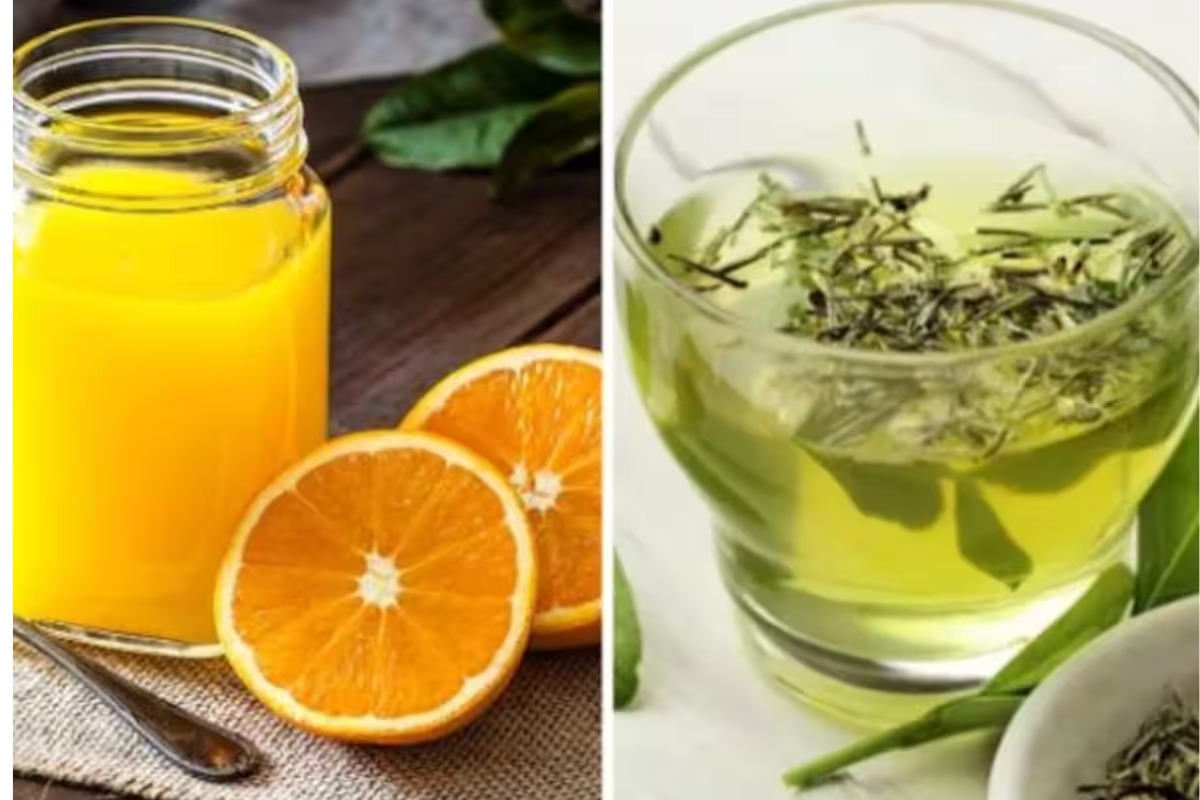
Orange juice vs green tea: Which is healthier for you? Ayurveda expert shares

Morning is the ideal time to work on your wellness and give your day a perfect start. What you eat in your first meal or breakfast can play a big role nutrient absorption, satiety and weight management. A balanced diet with protein, fibre, complex carbs and other essential micronutrients is important for a healthy functioning of the body. Many people like to start their day with green tea while others pair their breakfast with fruit juice. Ayurveda expert Dimple Jangda in an interview with HT Digital shares benefits and limitations of both these drinks for your overall health. According to Jangda, the best way to drink orange juice in the morning is to pair it with a handful of nuts to prevent blood sugar spike. However, one should avoid the temptation of having it with regular breakfast or dairy items. The Ayurveda expert warns that people with acidity issues or skin problems should avoid it .

Orange juice: Nutrient profile


Orange juice vs green tea: Which is healthier for you? Ayurveda expert shares

Orange juice is a rich source of Vitamin C, folate, and potassium. It is a rich source of antioxidants and helps give a boost of energy. It’s a great way to start the day, as orange juice helps reduce inflammation and helps flush toxins from the lower intestine and prevent kidney stones. It is also a great aid for heart health. It also helps clears the channels of the body, purifies blood vessels, and cleanses the gastrointestinal tract,” says Dimple Jangda, Gut Health Coach, Ayurvedic Researcher, Founder of Prana Healthcare Centre and National bestseller author of ‘Heal your gut, mind and emotions’.

How to have prevent sugar spikes while having orange juice

Orange juice is a rich source of fructose, which is 52 to 54 per cent of its total sugar content. Fructose is usually 1.2 to 1.8 times sweeter than sugar and causes sugar spike.

It’s best to pair orange juices with a handful of nuts to prevent the glucose spike. In Ayurveda, you are advised to eat fruit alone or leave it alone, as fruits react with all dairy products and cause metabolic waste that remains undigested in the gut, but nuts and fruits come from the same food group. Nuts also contain protein and are a good source of nutrients and take longer to digest. Pairing with orange juice will slow down digestion, absorption and assimilation of orange juice. You can also add a pinch of black pepper and cinnamon, as these are anti-inflammatory spices that prevent sugar spikes. And cinnamon slows down sugar levels and is great for diabetes,” says Jangda.

Who should have orange juice and who should avoid the drink?

“You can have orange juice as a hydrating drink, if you are physically active and do sports activities. However, if you have acidity or burning sensation, skin ailments, bleeding disorders and pitta disorders, it is best to avoid citric fruits. Instead, you can eat a bowl of orange in the early evening as a snack,” says the Ayurveda expert.

Orange juice is good for vata (ectomorph) body type but can increase pitta imbalances (overheat the body) for a pitta body type,” she adds.

Should you start your day with green tea?

Dr Jangda says that green tea is considered one of the best sources of polyphenols and antioxidants. So, should you start your day with green tea?

“While it is believed that green tea can help reduce weight, type 2 diabetes, and liver disorders, it also contains caffeine. It is best to avoid caffeine on an empty stomach and reserve green tea as a drink post meals,” says the Ayurveda expert.

Green tea substitutes for morning

Green tea contains flavonoid called catechins which stimulates metabolism and helps break down excess fat. Ayurveda has a variety of other herbal and spice teas made from cumin, fennel, coriander seeds, cardamom, and carrom seeds to aid digestion. There are also warm spices like cinnamon, clove, ginger, pepper, star anise that can be boiled in water along with lemon grass and cardamom to stimulate metabolism,” she adds.

So, in nutshell, green tea would be more beneficial for you post meals, while orange juice can be paired with dry fruits in the morning to prevent sugar spikes.

Visit us – https://shorturl.at/guBO8


Categories
Medical Updates

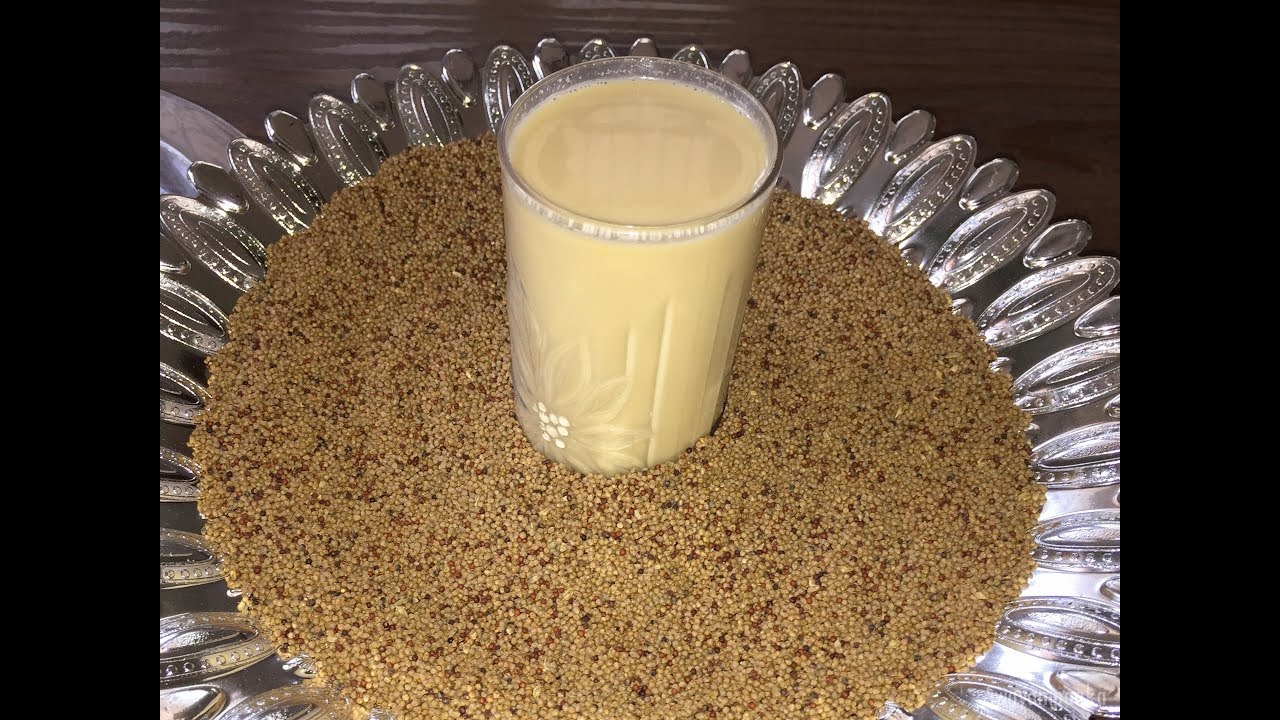
Millet Milk: This Beverage May Resolve Most of Your Health Issues

Millets are in the buzz these days because of the nutritional value they hold and the promotion of the cereal by the Government of India. Several entrepreneurs are striving to make millets tasty, without compromising on their nutritional parameters. A new addition to value-added products of millets is ‘millet milk’.

Like soy and almond milk, millet milk is gluten-free and helps the digestive system. It is a new product eagerly anticipated by vegans.

This Beverage May Resolve Most of Your Health Issues

How to Make Millet Milk

To make millet milk, take a cup of the millet of your choice, soak it, add water, grind it, and strain to extract the creamy flavor.

Nutritional Value

Millets are packed with iron, vitamins, magnesium, phosphorus, manganese, B-complex vitamins, and calcium. Unlike animal milk such as that of cows, buffaloes, and goats, millet milk is low on calories, good for weight loss. Millet milk is also a good option for those who are lactose intolerant or suffer from celiac disease.

Tasty and Healthy

Those who consume millet milk every day say it tastes earthy and nutty. Moreover, with its gluten-free properties, people with gastric problems can consume it every day. To make it tastier, you may add jaggery or stevia drops as a replacement for sugar. You can also make ice-creams, smoothies, and desserts using millet milk.

If you want to build your metabolism with a sufficient amount of protein, millet milk is among the best options for you. It also helps in balancing cholesterol in the body and is good for heart patients. For more benefits, millet milk should be consumed fresh.

Environment Friendly

Unlike wheat and paddy, millets require much less water to grow, and almost no fertilizers. With millet milk, the demand for the crop is only going to grow, making it a sustainable choice for the planet.

Millet milk stands out as an exceptional choice among plant-based milk alternatives, boasting a blend of nutritional excellence, eco-friendliness, and culinary adaptability. Whether you seek to diminish your carbon footprint or address dietary limitations, millet milk emerges as a healthful addition to your shopping cart.

With numerous millets, you get a choice to have the milk of different millets, such as foxtail, kodo, ragi, jowar, bajra, and many more, with each having its nutritional value. However, people allergic to millet should be cautious before consuming millet milk.

Visit us – http://www.aarogyapath.in