Categories
Government Guidelines Medical Updates Medicine & Health

Union Budget 2023: Healthcare experts hail govt’s move to boost health infra, mission to eliminate sickle cell anaemia

With Union Budget proposing to set up 157 new nursing colleges and boost medical education & research, the healthcare experts hailed the move noting that the measures would set the pathway for universal health coverage and strengthen the talent pool in the sector.

With Union Budget proposing to set up 157 new nursing colleges and boost medical education & research, the healthcare experts hailed theHea move noting that the measures would set the pathway for universal health coverage and strengthen the talent pool in the sector. The experts also welcomed Union govt’s initiative to eliminate sickle cell anaemia by 2047. Under the new scheme, 70 million people up to the age of 40 years in affected tribal areas will be screened for the disease. Finance Minister Nirmala Sitharaman presented the Union Budget 2023 on February 1.

“This year’s budget has set the pathway for India to achieve universal health coverage. We welcome various initiatives announced by the honourable Finance Minister to address the long-standing gaps of the Indian healthcare ecosystem. On the healthcare front, the budget focuses on the opening of 157 new nursing colleges and using existing facilities in select ICMR labs for research by public & private medical facilities. The announcement of dedicated multidisciplinary courses for medical devices in existing institutions to ensure the availability of skilled manpower for futuristic medical technologies and high-end manufacturing will play a pivotal role in strengthening the healthcare sector. We also welcome the Mission to eliminate sickle cell anaemia by 2047 which will immensely benefit a large population. The Government’s greater emphasis on R&D, innovation and results-based financing towards more effective PPP will prove to be beneficial in creating the much-needed shift towards quality and higher value. In view of the G20 presidency, overall, the announcements provide a strong impetus to strengthen the Indian healthcare ecosystem,” says Dr Ashutosh Raghuvanshi, MD & CEO, Fortis Healthcare Limited.

“With the opening of 157 new nursing colleges in co-locations with the existing 157 medical colleges, the budget has put a significant focus on the health front. Select ICMR labs will also be made available for research by public & pvt medical facilities, which is a welcome move. In addition, due attention has been paid to improving talent in healthcare by introducing multidisciplinary courses for medical devices and skilled manpower for futuristic medical technologies, which aims to strengthen public-private health offerings. With great emphasis on the AI ecosystem, we are happy to be stakeholders in the government’s initiative for Make AI in India and Make AI Work for India for relevant applications in the healthcare domain. We are excited about India’s economic growth this year and looking forward to start-ups playing a pivotal role. With Union Budget proposing to set up 157 new nursing colleges and boost medical education and research, the healthcare experts hailed the move noting that the measures would set the pathway for universal health coverage and strengthen the talent pool in the sector,” says Harsimarbir Singh, Co-founder at Pristyn Care.
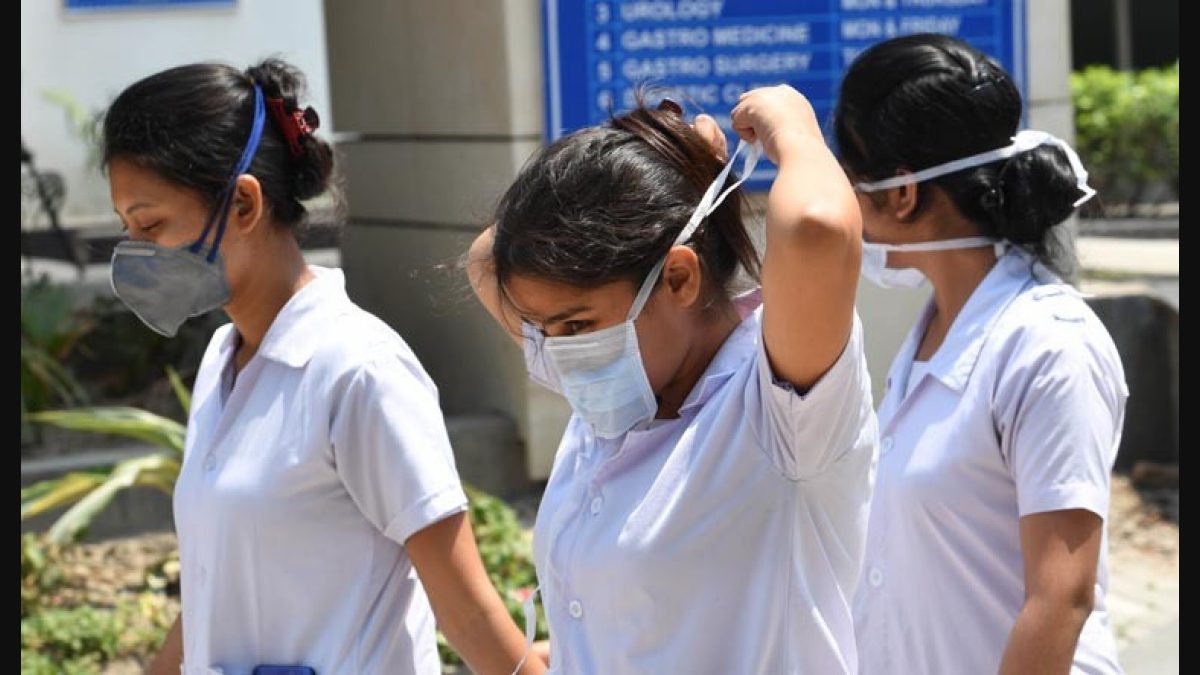
Union Budget 2023: Healthcare experts hail govt's move to boost health infra, mission to eliminate sickle cell anaemia

Commander Navneet Bali, Regional Director Narayana Health-North said Union Budget 2023 looks progressive and inclusive for the healthcare sector.

“The government has taken a holistic approach by focusing on the ‘Sapt Rishi’ Model and our sector is aligned with all the seven pillars mentioned by the Finance Minister in her speech. For example, the healthcare sector plays a crucial role in inclusive development and reaching the last mile. We are glad to know that ICMR labs will be made available for research by public & private medical college faculty and private sector R&D teams. We were expecting some measures on capacity building in the sector and it is promising to note that the government has announced setting up 150 new nursing colleges. This would enhance our capacity and fill the gap in terms of human resources. The proposed Mission to eliminate sickle cell anaemia by 2047 is a very positive step. The programme for research & innovation in pharmaceuticals is a well appreciated need of the hour,” said Bali.

“The government has taken a positive step by focusing on screening and eliminating sickle cell anaemia in the nation by 2047 as it results in several complications in pregnancy such as stroke like symptoms in mother, hypertension and pre-term delivery. It will also aid in combating the endemic haematological illness like anaemia that plague the nations indigenous communities. With the proliferation of medical schools, India will have an adequate number of physicians as well as nursing staff and paramedics by next decade. Finally, the development of robotics, artificial intelligence, and machine learning will have a significant impact on the cost of high-quality healthcare in our country,” said Dr Sachin Shah, Director – Neonatology & Pediatrics Intensive Care Unit, Surya Hospitals, Pune.

“Setting up various nursing colleges across the country is a much-needed move. This will help prepare the nation against an outbreak like Covid-19 so that we have adequately trained medical professionals. Sickle cell anaemia is one of the genetic diseases that has been posing a major setback to the country’s health status, especially our tribal population. We appreciate the announcement of the mission to eliminate this disease by 2047. In addition, extending ICMR labs facilities for public and private medical colleges and private sector R&D teams for research purposes will lead to better research outcomes and give rise to innovative solutions. This will address the research gaps in noncommunicable diseases such as diabetes and cardiovascular disease. Quality research even in institutes that lack the necessary infrastructure and resources will now be possible,” says Dr B.M Makkar President RSSDI (Research Society for the Study of Diabetes in India).

Dr N.K. Pandey Chairman & MD – Asian Institute of Medical Sciences, Faridabad welcomed the Union Budget 2023 and said that overall, the budget seems to be balanced with a focus on every aspect of healthcare.

“We welcome the government’s initiative to eliminate sickle cell anaemia by 2047. The proposed focus to eliminate the disease in 17 crore people between the age of 0 – 40 years in tribal areas is a great step forward and we are with them on this mission,” he said.

Dr Pandey further added that, the budget looks futuristic with a focus on medical research, laboratory, research & development, collaborative research and innovation.

Read more at-https://bit.ly/3Rxrlco

Categories
COVID-19 Medical Equipments Medical Updates Medicine & Health

Ayurvedic remedies to improve eye health

January is Glaucoma Awareness Month and for the uninitiated, glaucoma may cause visual impairment due to optic nerve dysfunction, which is essential for communication between the brain and the eyes however, Ayurvedic experts believe that with the aid of Ayurveda, this serious issue can be stopped from worsening and there are increased chances of curing the long-term illness. As per some experts, Ayurveda, the ancient Indian medicine system, offers various simple remedies to maintain healthy eyes.

In an interview with HT Lifestyle, Dr Mahendar Singh Basu, Ayurvedic Eye Specialist and Founder of Dr. Basu Eye Hospital, shared, “According to Ayurveda, you should gently wash your eyes in the morning with cold water while holding some water in your mouth. You might also use rosewater or gulaab-jal, which is known to have cooling effects. Additionally, medicated ghee can be applied to the eyes in Netra Basti, an ayurvedic therapy. To perform this remedy, you need to lie down, and when a dough structure resembling a well is created around the eye, pour the ghee on top of it. Your eyes’ toxins will be removed by doing it.”

He added, “Tratak Karma, a meditation in front of a candle in a dark room or gazing at a point for a short duration, improves your vision. The tratak method is beneficial in treating a variety of eye ailments by eliminating dullness and a sluggish demeanour, according to ancient Ayurvedic teachings. You can also use cucumber cotton pads soaked with fresh goat’s milk to cool eye patches. When put on top of the eyes, it has a cooling effect and refreshes them completely. Moreover, Triphala, a potent herb concoction that combines three fruits – Amla, Bhibitaki and Haritaki is recommended by Ayurveda to cure Glaucoma. It can be applied through eye drops or ingested, and it helps in reducing eye strain, redness and swelling.”

Ayurvedic remedies to improve eye health

Asserting that Ayurveda aims to manage health concerns from their root, Dr Yogini Patil, BAMS and Nutritionist at LivLong, insisted that while this may take considerable time to show results, the effect is long-lasting and comprehensively rejuvenating. She suggested:

● Applications of “PratimarshNasya” daily (the procedure in which medicines are applied through the nasal cavity) cleanses shirostrotas thus preventing eye diseases.

● “PadaAbhyanga” or foot massage with herbal oils is beneficial for good vision and eye health.

● Daily application of “NetraAnjan” (medicated kajal) as a “dincharya” is the best ophthalmic medicine to prevent eye diseases.

● Eating foods rich in Vitamin A such as carrots and leafy greens is also beneficial for maintaining healthy eyes.

● Practicing yoga asanas such as Shirshasana and Trataka can also improve eyesight and reduce stress on the eyes.

● A good, balanced mental status and 6-8 hours of sound sleep is the key to better eye health.

Note: It is always essential to consult with an Ayurvedic practitioner before indulging in any new treatment regimen.

Read more at-https://bit.ly/40gmdx5

Categories
COVID-19 Government Guidelines Medical Equipments Medical Updates

Long Covid might teach us how to prevent Alzheimer’s

Researchers are uncovering links between viruses and brain diseases, which could point to a whole new approach to treatment.

Science is starting to uncover an unnerving fact about viruses: Some might affect our brains over the long haul. It came as a shock that SARS-CoV-2 can lead to lingering neurological problems — a post-viral syndrome we call long Covid. But the phenomenon might not be unique to this virus.

Scientists are finding links between common viruses such as influenza and brain diseases like multiple sclerosis, Parkinson’s, Alzheimer’s and ALS. Researchers are hoping that identifying a viral link might finally allow scientists to figure out what causes these mysterious, deadly ailments and develop new treatments.

A new study, published last week and summarized in Science, used a vast trove of electronic medical records to find thousands of people with neurodegenerative diseases and tease out correlations with 22 different kinds of infections. The biggest viral risk factor for dementia was encephalitis, which is an infection of the brain often caused by a mosquito or tick-borne disease. Other viruses tied to dementia included influenza, herpes zoster (shingles) and HPV.

Earlier studies had looked for specific viral links to Alzheimer’s and found correlations with herpes and some forms of HPV. And a study published last year showed that Epstein-Barr virus was necessary for developing MS. But scientists still haven’t figured out exactly what role the viruses play — whether they’re a direct trigger or have some peripheral role. Almost everyone on the planet carries Epstein-Barr virus, which causes mononucleosis, but only a tiny fraction ends up getting MS.

To better understand how viruses might be affecting the brain, I stopped by the National Institutes of Health to visit Avindra Nath, who is one of the few neurologists specializing in viruses — an interest he picked up after treating AIDS patients in the early 1980s. In 2014, he was the first neurologist to travel to Liberia to treat Ebola patients, and he said a fraction of those who recover suffer neurological symptoms similar to long Covid — especially chronic fatigue.

He told me that what really interests him are viruses that are embedded in our genetic codes — called endogenous retroviruses. They may have snuck in through a sexually transmitted virus that works itself into an embryo. These viruses are a source of genetic variation — and can add novel DNA to our genomes. Like mutations, these occasionally incur an advantage and spread through the population. About 8% of our genome is made of these embedded viruses.

Long Covid might teach us how to prevent Alzheimer’s

Nath’s interest in these started when he was treating a patient who had both HIV and ALS, and after taking antiretroviral drugs, the ALS disappeared. A series of human and animal studies convinced Nath that ALS might sometimes be triggered by an embedded virus called HERV-K.

Normally HERV-K is active during fetal development, so it may have spread through the human population because it does something useful in utero. But after we’re born, it normally shuts off (due to external chemical switches that bind to DNA).

Sometimes, he told me, these “off switches” fail, and one of these embedded viruses can become reactivated. That failure might be part of the cause of ALS. After years of animal studies, he started preliminary human trials assessing the effects of antiviral drugs on patients with ALS. He’s now planning a placebo-controlled clinical trial for drugs that he’s shown can suppress HERV-K.

He’s also studying the kinds of viruses we catch from the outside world. He thinks viruses are more likely to trigger brain diseases indirectly — not by getting directly into neurons, but by prompting inflammation. It’s the immune system’s response that causes the problem.

He’s now studying people with neurological problems following Covid infection — something that he estimates affected about 10% of people infected before vaccines were available and a much smaller fraction today. He said that at first he was very skeptical of claims that the virus hides out in the brain, but more recent studies have made him take it seriously, especially autopsy studies done by Dan Chertow at the NIH. It might be that those residual traces of the virus are causing persistent inflammation.

It’s possible that this has always been happening to some fraction of people who pick up common viruses. It’s just that it didn’t get all that much attention before the Covid pandemic. Nath said virology and neurology were two completely different worlds, and he was unique in trying to navigate both fields at the same time.

If viruses do indeed play a role in some of our most feared and costly diseases, that could point to a whole new approach to treatment and prevention. In the future, everyone might get vaccinated against Epstein-Barr virus as a protection against MS. And it may turn out that you can reduce your odds of getting Alzheimer’s disease by getting that shingles shot and a flu shot every year. If HPV adds to the risk, it could motivate the medical community to redouble its efforts to get that vaccine to more people.

Scientists could even eventually develop a universal, variant-proof Covid vaccine that would finally prevent the risk of long Covid.

Someday, people may look back at all the expensive drugs we tested for dementia and other brain diseases and wonder how we overlooked the benefits of cheap vaccines for so long.

Read more at-https://bit.ly/3kGNokj

Categories
COVID-19 Government Guidelines Medical Updates Medicine & Health

Practising gratitude can help you reduce stress: Research

Gratitude has a special stress-buffering effect on responses to and recovery from acute psychological stress, which can help to enhance cardiovascular health, according to a study done by researchers from Irish universities with 68 adults.

Researchers from Irish institutions discovered that gratitude has a unique stress-buffering effect on both reactions to and recovery from acute psychological stress, which can contribute to better cardiovascular health. Knowing that stress affects humans and has an impact on their health and well being, specifically causing high blood pressure and increasing cardiovascular morbidity and coronary heart disease, it is critical to understand our reactions to stress and determine whether there are any factors that can play key stress-buffering roles.

In the article “Gratitude, affect balance, and stress buffering: A growth curve examination of cardiovascular responses to a laboratory stress task”, published in January in the Journal of Psychophysiology, Brian Leavy, Brenda H. O’Connell and Deirdre O’Shea propose that, although previous research suggest that gratitude and affect-balance play key stress-buffering roles, to date little has been known about the impact of these variables on cardiovascular recovery from acute psychological stress.

That was the focus of the study by the researchers from the Universities of Maynooth and Limerick in Ireland, who also sought to find out whether affect balance moderates the relationship between gratitude and cardiovascular reactions to acute psychological stress.

The research carried out at the Irish University of Maynooth involved 68 undergraduate students (24 male and 44 female), aged between 18 and 57 years. This study used a within-subjects experimental design with lab tasks in which stress was induced to participants and then cardiovascular reactivity and recovery in response to this was measured.

Practising gratitude can help you reduce stress: Research

The results showed that state gratitude predicted lower systolic blood pressure responses throughout the stress-testing period, which means that the state of gratitude has a unique stress-buffering effect on both reactions to and recovery from acute psychological stress. It was also found that affect balance amplifies the effects of state gratitude.

These findings have clinical utility as there are several low-cost gratitude interventions which can contribute to well-being (Wood et al., 2010). For example, previous research has shown how cardiac patients who make use of gratitude journals have better cardiovascular outcomes than those who do not (Redwine et al., 2016).

Combined with the results of this study and previous work, gratitude may thus constitute a useful point of intervention for the improvement of our cardiovascular health.

Read more at-https://bit.ly/3Rb4u6f

Categories
COVID-19 Government Guidelines Medical Equipments Medical Updates Medicine & Health Techniques

Covid infection could damage foetuses of pregnant women: Study

Foetuses and placentas of pregnant women, especially those infected with COVID-19 at earlier points in the pandemic, were found to bear a greater risk of experiencing growth impairment or vascular lesions in organs and brain, according to a new research.

Foetuses and placentas of pregnant women, especially those infected with COVID-19 at earlier points in the pandemic, were found to bear a greater risk of experiencing growth impairment or vascular lesions in organs and brain, according to a new research.

According to the research, results demonstrate that the different strains of the virus that emerged during the pandemic led to varying degrees of damage, which was especially higher by those involving pre-Omicron variants. The detected placental lesions could potentially harm both development and health in some of the affected unborn children, the study said.

Using prenatal magnetic resonance imaging, a group of Medical University of Vienna, Austria, researchers examined the placentas and foetuses of women who tested positive for SARS-CoV-2 during pregnancy, the study said.

The research was published in the journal The Lancet Regional Health – Europe. While such damage occurs more infrequently and is less severe with the currently circulating Omicron sub-lineages, the study authors still advocate early detection measures for pregnant women who test positive for coronavirus.

Contrary to previous studies, in which SARS-CoV-2-related abnormalities were only identified postnatally and/or through histopathological procedures, the research team focused on prenatal imaging findings, the study said.

Using prenatal magnetic resonance imaging (MRI), 76 scans of placentas and foetuses of pregnant women were performed in the study: 38 following a confirmed SARS-CoV-2 infection (pre-Omicron or Omicron variants) and 38 in healthy control cases, the study said.

The study found that the placentas in both the pre-Omicron and the Omicron groups revealed abnormalities.

Covid infection could damage foetuses of pregnant women: Study

“Infections with pre-Omicron variants, such as Delta, led to significantly greater damage in the form of vascular events such as blood clots or bleeding than with the Omicron subvariants currently circulating through the population,” noted lead author Patric Kienast, outlining a key finding of the study.

The researchers attribute the varying extent of damage to the placenta caused by different virus strains to the fact that Omicron sub-lineages are less likely than their predecessors to result in severe cases, and to higher vaccination rates as the pandemic has progressed, the study said.

“In any case, our results showed that the two non-vaccinated study participants developed placental abnormalities following infection with SARS-CoV-2 Omicron, compared with just one out of six of the women who had received three doses of the vaccine,” confirmed senior author Gregor Kasprian.

Oxygen, nutrients and metabolic products are exchanged between mother and child in the placenta. Attached to the uterine wall, this organ forms such a strong barrier against the coronavirus that only 3 per cent or fewer of foetuses whose mothers test positive for SARS-CoV-2 are also infected, the study said.

But as the study shows, the placenta itself is not spared from complications caused by Covid-19. Subsequently, some unborn babies experience stunted growth or bleeding in the brain, the study said.

“This is why the placentas of pregnant women who have been infected with SARS-CoV-2 should be examined as soon as possible after testing positive using prenatal imaging techniques,” advised Daniela Prayer from Medical University of Vienna, citing the importance of scanning, particularly in the case of possible future coronavirus variants with mechanisms similar to Delta, for example.

By doing so, there is a chance to take measures to safeguard the health of the foetus in a worst case scenario, the study said.

Read more at-https://bit.ly/3XAOtZF

Categories
COVID-19 Government Guidelines Medical Equipments Medical Updates

Nonmelanoma skin cancer might be prevented with simple laser treatments: Study

According to new research, straightforward laser treatments to the skin may help to prevent the formation of these cancers. Basal cell carcinoma and squamous cell carcinoma, jointly known as keratinocyte carcinoma, are the most prevalent types of cancer identified in the United States.

New research indicates that simple laser treatments to the skin may help to prevent the development of basal cell carcinoma and squamous cell carcinoma, which are collectively known as keratinocyte carcinoma and are the most common types of cancer diagnosed in the United States. The work was conducted by a team of researchers from Massachusetts General Hospital, a founding member of Mass General Brigham. Published in Dermatologic Surgery, it reveals an easy-to-implement strategy to protect individuals’ skin health.

Nonablative fractional lasers (NAFL) deliver heat in a fractional manner that leaves it fully intact after treatment (unlike ablative fractional lasers that remove the top layer of skin), and they’re currently used to treat scars, sun-damaged skin, age spots, and more; however, their effectiveness for preventing skin damage is unknown.

To investigate, Mathew Avram, MD, JD, director of the Mass General Dermatology Laser & Cosmetic Center, and his colleagues studied patients who had been successfully treated for facial keratinocyte carcinoma in the past. Such patients have a 35% risk of experiencing a subsequent keratinocyte carcinoma within 3 years and a 50% risk within 5 years.

In the study, 43 patients received NAFL therapy and 52 served as controls and did not receive NAFL therapy. The rate of subsequent facial keratinocyte carcinoma development over an average follow-up of more than 6 years was 20.9% in NAFL-treated patients and 40.4% in controls, indicating that patients treated with NAFL had about half the risk.

Nonmelanoma skin cancer might be prevented with simple laser treatments: Study

When controlling for age, gender, and skin type, control patients were 2.65-times more likely to develop a new facial keratinocyte carcinoma than NAFL-treated patients. Also, among patients who developed a facial keratinocyte carcinoma, the time to development was significantly longer in patients treated with NAFL compared with untreated patients.

“These findings suggest that NAFL treatment may have an important role in protecting against subsequent keratinocyte carcinomas,” says Avram. “While the mechanism of NAFL’s protective effect is not completely understood, it is suspected that NAFL treatment reduces the overall burden of photo damaged keratinocytes and may promote a wound healing response, which gives healthy skin cells a selective advantage.”

Avram noted that additional studies are warranted to more critically assess the role of NAFL in skin cancer prevention, to reveal the duration of its protective effects, and to determine optimal treatment parameters. “Based on this research, it’s encouraged for patients to have nonablative laser treatments to help prevent skin cancer if they are at risk or notice abnormalities,” says Avram.

Read more at-https://bit.ly/3XE0Vas

Categories
COVID-19 Government Guidelines Medical Updates Medicine & Health

7 foods to consume in winter to avoid cold and cough

If you are falling ill frequently and feel low on energy all the time, you may need an immunity boost. Here are foods you must consume in winter season to avoid infections.

Cold and cough is a common symptom of many viral infections be it flu, Covid, RSV (respiratory syncytial virus) that are rampant in winter season. If you are falling ill frequently and feel low on energy all the time, you may need an immunity boost. Winter is a time of illnesses, but it is also a season of superfoods. Eating leafy green vegetables like mustard and spinach, seasonal fruits like amla and oranges can help improve your immunity and guard you against infections. While all we crave for during biting cold is some comfort food, we should instead add healthy ingredients to our meals.

“The ultimate goal for the cold and flu season? Trying not to get sick in the first place because prevention is the best way to protect yourself. Good nutrition – along with exercise and getting enough sleep – is the key to keeping your body fit to fight off germs,” says Nutritionist Lovneet Batra in her recent Instagram post.

She also lists some foods that one can eat to prevent cold and cough in the season.

7 foods to consume in winter to avoid cold and cough

Garlic

Garlic has natural antibacterial properties and a compound called allicin that helps in fighting off infections.

Turmeric milk

Golden milk is often used as a home remedy against colds. It can help build immunity. You can also add black pepper for instant action.

Tulsi

Tulsi does wonders by acting as a natural immune system booster while keeping infections at bay.

Almonds

Almonds are high in vitamin E, which fortifies the immune system. They also contain zinc, a mineral that has been beneficial during colds and coughs.

Amla

This seasonal fruit is rich in Vitamin C, which is known to have excellent immunity-boosting and antioxidant properties. Consuming Vitamin C regularly is associated with better performance of macrophages and other cells of the immune system.

Read more at-https://bit.ly/3GLDeGC

Categories
COVID-19 Government Guidelines Medical Updates Medicine & Health

Is it flu or Covid-19? Experts on how to differentiate between the symptoms

Flu and Covid-19, both being respiratory illnesses, have a lot in common in terms of symptoms and way of transmission. Here’s how you can know the difference between their symptoms.

Flu and Covid-19, both being respiratory illnesses, have a lot in common in terms of symptoms like fever, cough, sore throat, difficulty breathing, and how they are transmitted – through cough, sneeze or touching an infected object. So, you may not initially know if you are suffering from flu or Covid-19. The best way to know for sure is to get tested without delay. The primary difference between the two is that the flu and Covid-19 are caused by difference viruses. Covid-19 is caused by the SARS-CoV-2, while influenza viruses are responsible for flu. Flu may cause severe symptoms in elderly while Covid-19 can lead to severe disease even in those who are not in vulnerable group. Covid can infect a greater number of people than flu and the symptom onset is slightly slower. Good thing is there is a vaccine for both the infections and one must get their shots to prevent these infections.

We spoke to experts on difference between flu and Covid-19 symptoms and here’s what they said.

“The flu and Covid-19 are both respiratory illnesses, but they are caused by different viruses. Symptoms of the flu and Covid-19 can be similar, such as fever, cough, and fatigue, but there are some key differences. The flu typically causes more severe symptoms in the elderly and people with underlying health conditions, whereas Covid-19 can cause severe illness in people of all ages,” says Dr Shalini Joshi, Senior Consultant-Internal Medicine, Fortis Hospital Bannerghatta Road, Bangalore.

Is it flu or Covid-19? Experts on how to differentiate between the symptoms

Different viruses

“Covid-19 and flu (Influenza) are contagious illnesses of the respiratory tract. They differ from each other in several aspects. These are caused by two different viruses, i.e., SARS CoV-2 and influenza virus, respectively,” says Dr Rohit Kumar Garg, Consultant, Department of Infectious Diseases, Amrita Hospital, Faridabad.

Loss of taste or smell

Dr Joshi says Covid-19 can cause loss of taste or smell, which is not a symptom of the flu.

“Although symptoms such as fever, cough, sore throat, body aches, headache, fatigue, vomiting, diarrhoea etc. are usual and common to both, COVID patients may also experience loss of smell, loss of taste,” says Dr Garg.

Symptom onset

“The time period from viral exposure to symptoms onset is shorter for flu (1-4 days) and somewhat longer for Covid (2–14 days). The exposed person starts spreading the SARS CoV-2 virus 2–3 days before symptoms onset, whereas in the flu, patients start spreading 1 day before symptoms,” says Dr Garg.

Which is more contagious?

“Patients remain infective for a longer duration after Covid than flu. SARS CoV-2 virus is more contagious than flu virus, i.e., it can infect many patients at a time, whereas only 1-2 patients at a time in case of flu,” says Dr Garg.

Symptoms and complications in Covid-19

“A Covid patient may also experience the formation of clot in blood vessels and cytokine release syndrome, in addition to other complications such as pneumonia, respiratory failure, multi-organ dysfunction, or sepsis etc. A Covid patient may experience symptoms such as cough, fatigue, shortness of breath, a high pulse rate, poor appetite, etc. for a long time after recovery from an acute illness,” says Dr Garg, adding, “SARS CoV-2 virus can cause serious complications even in healthy individuals, unlike the flu, which cause serious complications usually in patients with comorbid conditions.”

“It’s crucial to take the appropriate precautions to protect yourself and others from both viruses, the best way to prevent both is to get vaccinated, and practice good hygiene, such as washing your hands frequently and avoiding close contact with sick people. Flu (Influenza) is caused by a virus and most people recover on their own but it can lead to serious problems in high-risk patients. Therefore, we recommend yearly Influenza vaccination for elderly people, people living with chronic health diseases like diabetes, liver and kidney issues or weak immune systems. Consultation with a doctor is advised because the symptoms are quite similar. It is important to conduct appropriate tests for diagnosis and early treatment should be started by the health care professionals,” says Dr Shalini Joshi.

“There are specific antiviral treatments and vaccines for SARS CoV-2 and influenza viruses. Despite these differences, the key preventive strategies, i.e., social distancing, use of face masks, cough etiquettes, hand cleanliness, and vaccination, remain the same for both due to similarity in mode of transmission and route of infection, as well as the availability of effective vaccines against both of them, says Dr Rohit Kumar Garg.

Read more at-https://bit.ly/3iGkReb

Categories
COVID-19 Government Guidelines Medical Equipments Medical Updates Medicine & Health

Ischemic Heart Disease: Causes, risk factors, symptoms, diagnosis, treatment of coronary heart disease

Ischemic cardiac diseases reduces the heart’s ability to pump blood which might lead to heart attacks, or irregular heart rhythm and heart failure as well. Here’s all you need to know about its causes, risk factors, different symptoms in men and women, diagnosis and treatment.

A partial or total blockage of the arteries pumping the heart muscle with blood results in ischemic heart disease, a health condition that is sometimes also referred to as coronary heart disease. If the coronary arteries were thought of as a network of tubes, then as they progressively become blocked, the blood that is flowing through them, in this situation, is prevented from properly reaching its destination, the heart.

The prevalence of ischemic heart disease is currently decreasing in developed countries due to improved treatments and healthier lifestyles; but the same is increasing in developing countries. In either case, ischemic heart disease remains the leading cause of death among adults in both developing and developed countries.

Causes:

A significant population in both developed and developing nations are affected by ischemic heart disease, which is a prevalent condition. In an interview with HT Lifestyle, Dr Yogendra Singh, Associate Director at Max Super Speciality Hospital’s Department of Cardiology in Dehradun, explained, “Ischemic heart diseases occur when blood flow to the heart decreases, which prevents the heart which is a muscle from receiving enough oxygen. Ischemic cardiac diseases reduces the heart’s ability to pump blood which might lead to heart attacks, or irregular heart rhythm and heart failure as well. The decrease in blood flow is a result of blockage in the heart’s arteries. Under this condition, the treatment usually is to improve the blood flow in arteries by simultaneously reducing the blockage.”

Dr MM Yusuf, Consultant Cardiac Surgeon at Apollo Hospital in Chennai’s Greams Road, elaborated, “Ischemic Heart Disease (IHD) denotes, narrowing or blockage in the blood vessels over the heart, (Coronary arteries). These vessels supply blood to the heart muscles and enable good function. There are 3 blood vessels, 2 on the left and 1 on the right side of the heart. Triple vessel or multivessel coronary artery disease indicates disease in all these 3 vessels. These narrowing or blockages are caused by fat deposits within the blood vessel, which reduces blood supply to the heart muscle. This can lead to angina (chest pain), breathing difficulty or heart attack which can lead to death.”

Ischemic Heart Disease: Causes, risk factors, symptoms, diagnosis, treatment of coronary heart disease

Risk factors and symptoms:

Dr Yugal Kishore Mishra, Head of Cardiac Sciences and Chief Cardiovascular Surgeon at Manipal Hospital in Delhi’s Dwarka, revealed, “The risk of this condition rises with age and is common in the elderly. In terms of men and women, men are more likely to have ischemic heart disease as compared to women. According to various studies, men and women who are 65 to 94 years old are twice as likely to have coronary heart disease than those who are 35 to 64 years old. The most common symptom of ischemic heart disease in men is myocardial infarction (heart attack), while the most common symptom in women is angina pectoris.”

Talking about the common risk factors for ischemic heart disease, Dr MM Yusuf blamed diabetes, high blood pressure, high cholesterol, smoking and family history of IHD.

Diagnosis:

According to Dr Yogendra Singh, it is advised to consult a doctor for advice if one experiences persistent or severe chest pain. He said, “An ischemic cardiac condition can be diagnosed with the help of an ECG, stress test, echocardiogram, coronary angiography, and cardiac CT scan, which will show which artery or arteries are afflicted. Your doctor might advise drugs, surgery, or a combination of the two depending on the seriousness of your disease. Consume a balanced diet low in saturated fat, cholesterol and sodium to help treat coronary artery disease and reduce your risk of problems. Additionally, you’ll receive advice on how to exercise safely given your condition. Don’t think of lifestyle adjustments as temporary remedies. Instead, resolve to create lasting healthy behaviours.”

Treatment for Ischemic Heart Disease

Dr Yugal Kishore Mishra shared, “Increasing blood flow to the heart muscle is part of the treatment for ischemia heart disease. Treatment options include prescription drugs, an angioplasty procedure to unblock clogged arteries, or bypass surgery. The treatment of ischemic heart disease, there are a number of treatments in each class. To control any ischemic episodes, using medication is sometimes the best course of action. In other circumstances, when dealing with a more serious issue or if medication is not enough, it is recommended to unblock the artery.”

He added, “Sometimes, there can be numerous lesions or blocked coronary arteries that make angioplasty a challenge so in such cases a heart bypass surgery can be the best option to open up the blocked arteries of the heart. A robotic assisted bypass surgery of heart is considered to be the best option for heart disease. Robotic heart surgery is performed through very small chest incisions. Surgeons can perform open-heart surgery without as much trauma as they can with minimally invasive procedures using robot-controlled tools and microscopic instruments. In order to prevent a recurrence of angina or an infarction, this can be supported by long-term treatment (heart attack). To lower the risk of heart disease, a mix of lifestyle modifications and medication therapy is prescribed.”

As per Dr Yogendra Singh, treatment options include:

  • Medications
  • Angioplasty
  • Bypass Surgery

Explaining the process, he said, “A long, thin tube (catheter) is placed into the blocked area of your artery during coronary angioplasty. The artery is widened by inserting a wire carrying a tiny balloon there and inflating it. To keep the artery open, a tiny coil of wire mesh called a stent is typically employed. Drug eluting stents are safe and effective. This procedure can be performed radially from the groin to the thigh or from the wrist. As a result of it being easier, more accurate and less painful than the femoral technique, radial angioplasty is gaining more popularity.”

He added, “Contrarily, a coronary artery bypass surgery involves the creation of a graft that allows blood to move around a blocked or constricting coronary artery using a vascular from another region of your body. This kind of open-heart surgery is typically only performed on patients with several narrowed coronary arteries.”

Dr MM Yusuf suggested, “Sensible eating, regular exercise and good lifestyle would prevent IHD. Ischemic Heart Disease is widely prevalent in India. Patients with risk factors should have regular health checks and follow preventive measures, while patients with IHD should seek medical help early and take appropriate treatment. The outcomes of treatment are extremely good with minimally invasive treatment procedures hence, patients need not be worried and keep away from getting appropriate treatment.”

He recommended, “Patients affected with IHD can be treated depending on the severity of the coronary artery stenosis (narrowing / blockage). Minimal stenosis can be managed with medications and lifestyle modifications. Significant stenosis in 1 or 2 vessels can be treated with angioplasty and stent insertion. Much more severe and multiple blockages especially in diabetics or patients with reduced heart function is best treated by Coronary Artery Bypass Graft (CABG) surgery. Use of Internal Mammary Artery in CABG has the best long-term outcome.”

Traditionally, CABG was performed by splitting open the chest bone and patients would take 3 to 6 months to recover depending on their age and other co-morbid conditions. Dr MM Yusuf revealed, “Over the past decade minimally invasive cardiac surgery with the use of surgical robot (Robotic assist CABG) has significantly reduced the trauma and recovery in treating patients requiring CABG surgery. Patients undergoing robotic assisted CABG stay in hospital for 2 to 4 days and recover to full normal activity within 2 to 3 weeks. Over the years, CABG had been performed with the use of cardiopulmonary bypass (CPB) and cardioplegic arrest. With the advent of self-retaining coronary stabilizers and intracoronary shunts, CABG is being performed in many centers without the use of CPB-Off Pump CABG (OPCABG).”

He added, “However, conventional CABG has its own limitations in terms of being invasive and associated with morbidity. Stroke, bleeding, wound infections, arrhythmias, prolonged ICU stay and hospital stay has been the known common complications of conventional CABG. Minimally Invasive Direct Coronary Artery Bypass Surgery (MIDCAB) is gaining increasing popularity in recent years owing to its technique and lesser incidence of complications associated with conventional CABG and OPCABG surgery.”

He explained, “Conventional CABG uses median sternotomy. In contrast, MIDCAB is performed using anterolateral thoracotomy in the 4th or 5th intercostal space using a 5-7 cm incision. Thorax is entered through this incision. LIMA is harvested either under direct vision or using Robotic assistance or thoracoscope camera. Bypass Grafting is then performed under direct vision with the aid of MICS instruments – MICS retractor system, MICS stabilizer (Octopus Nuvo) and Heart positioner (Starfish NS). Intracoronary shunts and mister blower are used to keep the field bloodless. The notable advantages of MIDCAB surgery are decrease in incidence of post operative complications such as stroke, decrease in ICU stay & hospital stay, lesser blood product transfusion, lesser wound infection, quick recovery and better cosmoses. The disadvantages being longer learning curve and limited working space.”

Talking about Minimally Invasive Hybrid Coronary Artery Revascularization (MIHCR), he said, “Minimally Invasive Hybrid Coronary artery Revascularization (MIHCR) combines the benefits of PCI and OPCABG surgery. This involves IMA grafting to one or two major coronary arteries, usually the left coronaries through a left mini thoracotomy, followed by the stenting of the non-LAD vessels. MIHCR provides the advantages of reduced incidence of MACCE in the immediate post operative period with best long term outcome. This less invasive procedure minimizes the incidence of known complications of off pump coronary artery bypass surgery and hastens the recovery. Another added advantage with MIHCR is that the patency of IMA can be assessed while undergoing PCI to non- bypassed vessel. This provides an opportunity for the graft to be revised in case of need while the patient is still in hospital.”

He concluded, “Due to these advantages it is emerging as the method of choice among the younger population as it enables faster return to routine activities and also among the older group as it is less invasive and reduces post-operative complications.

There is a growing interest in MIHCR, although conventional open techniques remain more popular, a study to assess the early outcomes of MIHCR in our population is opted here.

Read more at-https://bit.ly/3GDFd0U

Categories
COVID-19 Government Guidelines Medical Updates Medicine & Health

Booster dose of Covid-19 increases resilience of antibody response: Study

The most recent study explains how Pfizer and Moderna mRNA boosters affect our Covid-19 antibodies’ ability to remain over time. The researchers found that all patients, including those who had recovered from a Covid-19 infection, developed more robust antibodies in response to a booster.

Recent research from the University of Virginia School of Medicine discussed the benefits of a Covid-19 booster vaccine dose. The most recent study clarifies how Pfizer and Moderna mRNA boosters influence the persistence of our Covid-19 antibodies. According to the researchers, a booster produced more durable antibodies in all individuals, including those who had recovered from a Covid-19 infection.

The researchers have published their latest findings in the scientific journal Annals of Allergy, Asthma & Immunology. “These results fit with other recent reports and indicate that booster shots enhance the durability of vaccine-elicited antibodies,” said senior researcher Jeffrey Wilson, MD, PhD, of UVA Health’s Division of Asthma, Allergy and Immunology.

Tracking Covid-19 antibodies: Wilson and his collaborators looked at antibody levels following a booster in 117 UVA employee volunteers and compared those results with the levels seen in 228 volunteers after their primary vaccination series. Antibody levels one week to 31 days after the primary series and booster were similar, but the boosted antibodies stuck around longer regardless of whether the person had had Covid-19.

“Our initial thought was that that booster would lead to higher antibody levels than the primary vaccine series, but that was not what we found,” said researcher Samuel Ailsworth, the first author of a new scientific paper outlining the findings. “Instead, we found that the booster led to longer-lasting antibodies.”

Antibody levels naturally decline over time after an infection or after vaccination, but higher levels are thought to be more protective. Thus, longer-lasting antibodies would be expected to provide more sustained immunity against severe Covid-19.

Booster dose of Covid-19 increases resilience of antibody response

The researchers found that the antibodies generated by the Moderna booster proved longer lasting than those generated by the Pfizer booster. Moderna’s antibody levels exceeded Pfizer’s out to five months, the end of the study period. Although the findings were statistically significant, Wilson notes that both mRNA vaccine boosters provide enhanced and fairly similar levels of protection against Covid-19 in recently published large epidemiologic studies. Because the frequency of Covid-19 infections in the community was relatively high when the boosters were being given, the authors also studied the effect of COVID-19 infection on antibody levels. The findings suggest that the “enhanced antibody durability observed after booster vaccination was not explained by hybrid immunity,” the researchers report in their paper.

The new results are the latest from Wilson’s team tracking the antibody response to the Covid-19 vaccines over time. The researchers previously found that after the primary vaccination series the antibodies generated by Pfizer’s Covid-19 vaccine rose more slowly and declined more quickly than those generated by the Moderna vaccine. That study also found that older recipients of the Pfizer vaccine generated fewer antibodies than did younger recipients – but this wasn’t the case for Moderna, where age did not appear to be a factor.

In the latest results, younger booster recipients initially generated more antibodies than did older recipients, but this difference disappeared with time. Wilson notes that this study adds to the accumulating evidence that boosters are important in protecting the community from Covid-19. “Although only about half of the U.S. population that is eligible for a booster has received one, it is increasingly clear that boosters enhance the protection that is conferred by the primary series mRNA vaccines alone,” he said.

Read more at-https://bit.ly/3Ie0a3E