Categories
Medical Equipments Medical Updates Medicine & Health

Brain disorders and human cognition: An insight

Human intellect is a distinguishing aspect of human evolution that distinguishes humans from other apes. Despite the fact that there have been over 100 million mutations since the human-chimp split, only a small percentage of these have been shown to be relevant.

Computer modelling was used by National Institutes of Health (NIH) researchers to find mutations in the human genome that are likely to have changed how human intelligence evolved. This groundbreaking human genomics study may advance our understanding of human health and pave the way for the creation of novel treatments for challenging brain diseases.

The study’s findings were released in Science Advances.

Human intellect is a distinguishing aspect of human evolution that distinguishes humans from other apes. Despite the fact that there have been over 100 million mutations since the human-chimp split, only a small percentage of these have been shown to be relevant. Researchers from the National Library of Medicine (NLM) and the National Cancer Institute (NCI) developed an artificial intelligence (AI) model of gene regulation in the human brain to help them traverse this huge terrain of genetic alterations. The model discovered hundreds of mutations that are likely influencing neocortical development and enhancing mathematical ability acquisition via changed brain gene regulatory pathways.

When the human genome was sequenced in 2001, researchers learned that only 2 per cent of the sequence of our genome is used for coding genes that, in turn, translate into proteins. This is the sequence information that is being used by every single cell. The function of the other 98 per cent of our DNA — often referred to as “noncoding DNA” — remains relatively unknown. It is believed that 95 per cent of disease associations hide within these noncoding parts of our genome.
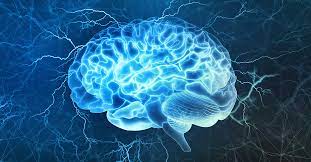
Brain disorders and human cognition: An insight

The research group of Ivan Ovcharenko, PhD, senior investigator in the Computational Biology Branch of NLM’s Intramural Research Program teamed up with the research group of Sridhar Hannenhalli, PhD, senior investigator in NCI’s Center for Cancer Research to create an AI model that measures the effect of noncoding genome mutations on human brain function and development. This led to the identification of a group of noncoding mutations disrupting brain regulatory pathways and potentially causing various complex brain disorders, including autism.

“There are treasure islands within the sea of noncoding DNA in the human genome that are critically important for regulating human genes,” said Dr Ovcharenko.

“Mutations in these regions are largely benign, but there is a class of mutations which detrimentally impact the function of regulatory regions in the brain and affect cellular activity there. By being able to address the impact of individual mutations, we are advancing towards understanding the mechanism of complex diseases and disorders and paving the way for the development of novel therapeutic approaches.” (ANI)

Read more at-https://bit.ly/3ZplqZp
Categories
Medical Equipments Medical Updates Medicine & Health

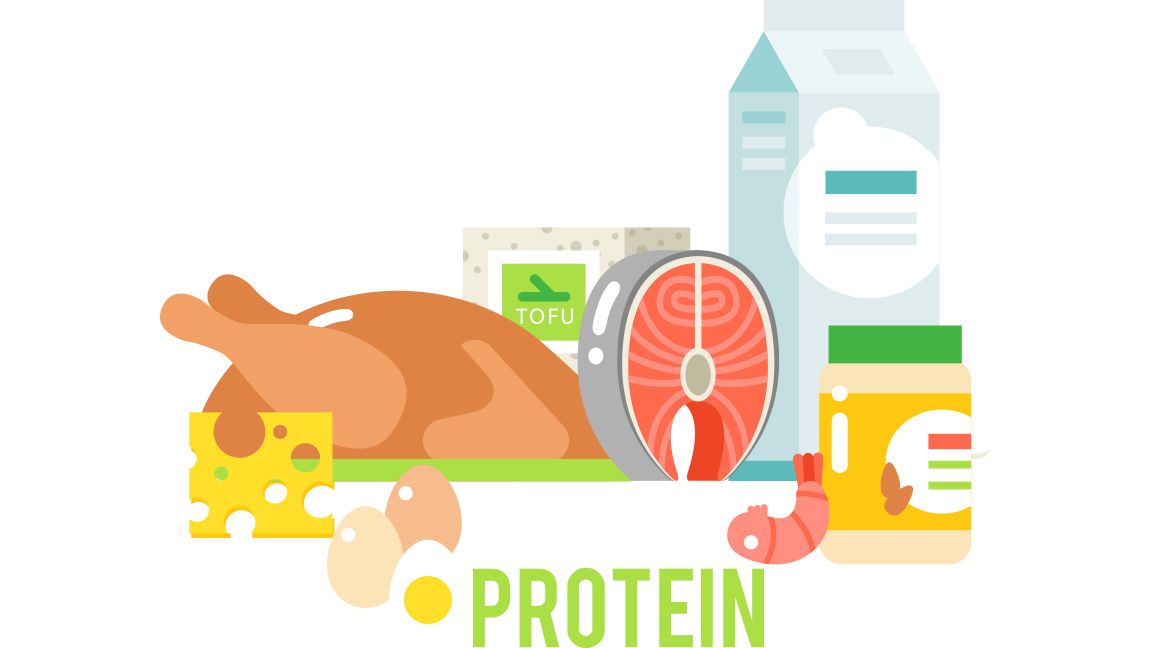
National Protein Day: Everyday tips for healthy protein consumption

While it is important to consume enough protein, it is also crucial to ensure that the sources of protein are healthy and nutritious. Check out some expert approved tips for healthy protein consumption.

Protein is an essential macronutrient that plays a vital role in building and repairing tissues, regulating hormones, and supporting a healthy immune system. While it is important to consume enough protein, it is also crucial to ensure that the sources of protein are healthy and nutritious. Despite its many benefits, many people struggle to consume enough protein in their diet, which can lead to a host of health problems. That’s why National Protein Day is an excellent opportunity to focus on incorporating more high-quality protein into your daily routine. Whether you’re a vegetarian, vegan, or meat-eater, there are plenty of delicious and healthy protein-rich foods to choose from.

On National Protein Day, Soumava Sengupta, CEO, BUILD., shared some tips with HT Lifestyle for healthy protein consumption.

National Protein Day: Everyday tips for healthy protein consumption

1. Choose lean protein sources: Lean protein sources such as chicken, turkey, fish, and legumes are excellent options for healthy protein consumption. They are low in saturated fat and provide important nutrients like iron, zinc, and vitamin B12.

2. Incorporate plant-based proteins: Plant-based proteins such as tofu, tempeh, nuts, and seeds are great sources of protein for vegetarians and vegans. They are also typically high in fibre and other important nutrients.

3. Don’t forget about eggs: Eggs are an excellent source of protein, as well as vitamin D, vitamin B12, and choline. Aim to incorporate eggs into your diet in a variety of ways, such as scrambled, hard-boiled, or in omelettes.

4. Use protein powder wisely: Protein powder/whey proteins can be a convenient way to add protein to your diet, but it is important to choose a high-quality, minimally processed brand. Additionally, be mindful of added sugars and other additives in protein powders.

5. Balance your meals: When planning meals, aim to include a source of protein, carbohydrates, and healthy fats. This will not only help ensure that you are getting enough protein but also help keep you feeling full and satisfied.

6. Snack smart: Snacks can be a great opportunity to sneak in some extra protein. Some healthy protein-packed snack options include Greek yogurt, string cheese, and hummus with veggies.

7. Watch your portions: While protein is important, it is also important not to overdo it. Aim for a portion size of about 3-4 ounces of lean protein per meal.

8. Stay hydrated: Drinking enough water is important for overall health, including proper digestion and absorption of nutrients like protein. Aim to drink at least 8 cups of water per day.

Incorporating healthy protein sources into your diet is essential for overall health and wellness. By choosing lean protein sources, incorporating plant-based proteins, and balancing your meals, you can ensure that you are getting enough protein to support your body’s needs.

Additionally, snacking smart and watching your portions can help you avoid overdoing it on protein. With these everyday tips for healthy protein consumption, you can feel confident that you are providing your body with the nutrients it needs to thrive.

Read more at-https://bit.ly/3kw32zs

Categories
COVID-19 Government Guidelines Medical Equipments Medical Updates

What is a stem cell transplant?

A third patient was reported HIV-free this week after receiving a stem cell transplant. Here’s everything you need to know about the procedure.

A study published February 9 declared a third person free of HIV after receiving a specific type of bone marrow, or stem cell, transplant. The 53-year-old man, who researchers are calling the “Düsseldorf” patient, received the treatment in 2013 and has been monitored since.

Like the two others — known as the “Berlin” and “London” patients, respectively — the man was positive for Type 1 HIV (HIV-1) and received a specific type of stem cell transplant to help treat a cancer diagnosis.

Both the Düsseldorf and Berlin patients had leukemia, while the London patient had Hodgkin’s lymphoma. (Also Read | ‘Duesseldorf patient’ cured of HIV, cancer after stem cell transplant: Study)

What is a stem cell transplant?

What are stem cells?

“Stem cell” is an umbrella term that refers to cells that are constantly dividing and have the potential to form different cell types.

Most of the body’s cells are very specialized and can’t change type — they will be stuck as heart muscle cells, neurons or intestine wall cells for the rest of their “lives”.

In contrast, stem cells are more like teenagers about to graduate high school.

They have the potential to become pretty much anything — a lawyer, nurse, scientist, journalist, influencer or TikToker — and must adapt to new trends.

What are hematopoietic stem cells?

The three HIV-free patients all received an allogenic hematopoietic stem cell (HSC) transplant.

The terms “bone marrow” and “stem cell” are often used interchangeably when talking about this procedure, because there are HSCs in our bone marrow.

HSCs are a cell-producing machinery that can give rise to blood and immune system cells through a process called hematopoiesis, which comes from two Greek words that together mean “blood making”.

You might not realize it, but every day HSCs produce around 300 billion new cells in your bone marrow.

Different types of stem cells

But not all teenagers are equally flexible when it comes to figuring out what they want to become. Some may be really into art, while others may be passionate about science and incapable of drawing a tree.

Stem cells also have different types of potential. Some can generate many different cell types, while others only a few.

Pluripotent stem cells can generate all the different types of cells required for an embryo to develop. Multipotent stem cells, on the other hand, can only generate a few types of cells.

Adult humans have multipotent stem cells in parts of the body where the cells need constant replenishment, like the skin, bones and gonads.

Scientists received the Nobel Prize in 2012 after proving it’s possible to manipulate already-differentiated cells into becoming pluripotent again through a process called “cell reprogramming”.

Since then, stem cell therapy has become a very active field of research.

Hematopoietic stem cell transplant

There are several types of stem cell therapies, and despite being harsh and risky, the HSC transplant is the most popular.

The procedure attempts to fix unhealthy bone marrow by replacing it with healthy marrow from a donor. It treats conditions that are often life-threatening, like certain types of cancers or blood/immune disorders such as sickle cell disease.

Stem cell transplants are classified by the origin of the stem cells that are being transplanted. For example, if the cells come from the body of the person who is being treated, the procedure is called an autologous stem cell transplant. If they come from someone else, it’s considered allogenic.

Each of the three HIV-free patients received an allogenic HSC transplant.

A high-risk transplant

Before receiving an HSC transplant, a patient is required to undergo a harsh “conditioning” regimen, which can include chemotherapy and radiotherapy.

Both treatments can have serious side effects, like infections, organ failure and even death. They are conducted in order to destroy the patient’s unhealthy bone marrow and heavily suppress their immune system, which allows the transplant to properly integrate.

If the treatment is successful, the transplanted cells will trigger an immune reaction against any residual cancer cells, helping clear them in what’s called a graft-versus-tumour effect.

But things can go awry. In some cases, the donor’s transplanted immune cells may start to recognize the recipient’s body as foreign and attack it, leading to graft-versus-host disease.

Graft-versus-host disease can affect the skin, the intestines and the liver. In some cases, it can even be life-threatening.

Not a treatment for HIV

Due to its high risk, researchers from the three HIV-remission studies have repeatedly cautioned that HSC transplants should not be seen as a treatment for HIV, which can be well managed with anti-retroviral treatment.

Researchers across the world are still looking for a cure or vaccine for the virus.

Read more at-https://bit.ly/3EzfjJY

Categories
COVID-19 Government Guidelines Medical Equipments Medical Updates

Adenovirus cases spike in West Bengal: Symptoms, treatment and precautions

Adenovirus: Adenovirus causes mild cold or flu-like illness which can affect people of all ages, according to US Centers for Disease Control and Prevention (CDC).

Bengal health authorities have been asked to be vigilant after the state recorded a big spike in adenovirus cases that has led to pediatric wards in state-run and private hospitals filling up fast. Health officials say at least 32 per cent of samples sent to the National Institute of Cholera and Enteric Diseases (ICMR-NICED) in Kolkata since January have tested positive for the virus. Two children – a six-month-old boy and 2.5-year-old girl – died Sunday, though the cause of deaths has not yet been formally identified as the adenovirus, which causes a mild cold, or flu-like, illness that can affect people of all ages.

Adenovirus cases spike in West Bengal: Symptoms, treatment and precautions

Symptoms:

Infected people may have relatively mild symptoms like a cold or flu, a fever, and a sore throat, or acute bronchitis, pneumonia, conjunctivitis and acute gastroenteritis, which is an inflammation of stomach. Adenovirus can cause mild and severe illnesses but the latter is relatively uncommon. People with weak immune systems, existing respiratory or cardiac diseases are at higher risk of developing severe illness from adenovirus.

Transmission:

The virus is usually transmitted by physical contact with an infected person, the United States’ Centers for Disease Control and Prevention said. It can also be spread through the air (via coughs and sneezes) or a patient’s stool; for example, while changing diapers.

Treatment:

There is currently no specific course of treatment or approved antiviral medication. Since most cases are mild, they are managed by pain-killlers or medication to manage symptoms.

Doctors suggest the best way to tackle the infection is prevention. Steps to avoid getting infected include avoiding touching your eyes, nose or mouth with contaminated hands and to regularly use soap or sanitiser to wash your hands.

Read more at-https://bit.ly/3lQDddM

Categories
COVID-19 Government Guidelines Medical Equipments Medical Updates

COVID-19 infection increases diabetes risk: Research

Diabetes disrupts normal metabolism and metabolic processes, preventing the pancreas from producing enough insulin, a hormone that helps regulate blood levels of glucose and amino acids.

Those who have undergone COVID-19 have a higher risk of having new-onset diabetes, which is the main cause of cardiovascular disease, according to research from Cedars-Smidt Sinai’s Heart Center.

The findings, published in the journal JAMA Network Open, also suggest that the risk of Type 2 diabetes appears lower in individuals who were already vaccinated against COVID-19 by the time they were infected.

“Our results verify that the risk of developing Type 2 diabetes after a COVID-19 infection was not just an early observation but, in fact, a real risk that has, unfortunately, persisted through the Omicron era,” said Alan Kwan, MD, first and corresponding author of the study and a cardiovascular physician in the Smidt Heart Institute at Cedars-Sinai.

The trend, Kwan says, is concerning because most people in the United States will eventually experience a COVID-19 infection. “This research study helps us understand–and better prepare for–the post-COVID-19 era of cardiovascular risk,” Kwan said.

COVID-19 infection increases diabetes risk: Research

To determine the rising rates of diabetes, investigators evaluated medical records from 23,709 adult patients who had at least one documented COVID-19 infection and were treated within the Cedars-Sinai Health System in Los Angeles from 2020-2022. The average patient was 47 years old, and 54% of subjects were female.

Within the study time frame:

– The combined risk of Type 2 diabetes after COVID-19 exposure–accounting for both vaccinated and unvaccinated patients–was 2.1%, with 70% occurring after COVID-19 infection versus 30% happening prior to COVID-19 exposure.

– The risk of Type 2 diabetes after COVID-19 exposure for unvaccinated patients was 2.7%, with 74% occurring after COVID-19 infection versus 26% happening prior to COVID-19 exposure.

– The risk of Type 2 diabetes after COVID-19 exposure for vaccinated patients was 1.0%, with 51% occurring after COVID-19 infection versus 49% happening prior to COVID-19 exposure.

“These results suggest that COVID-19 vaccination prior to infection may provide a protective effect against diabetes risk,” said Kwan. “Although further studies are needed to validate this hypothesis, we remain steadfast in our belief that COVID-19 vaccination remains an important tool in protecting against COVID-19 and the still-uncertain risks that people may experience during the post-infection period.”

Susan Cheng, MD, MPH, senior author of the study, professor of Cardiology, and director for Cardiovascular Population Sciences in the Smidt Heart Institute, says these findings broaden the medical field’s understanding of the effects of COVID-19 on the body, while simultaneously unearthing yet-to-be-answered questions.

“Although we don’t yet know for certain, the trends and patterns that we see in the data suggest that COVID-19 infection could be acting in certain settings like a disease accelerator, amplifying risk for a diagnosis that individuals might have otherwise received later in life,” said Cheng, the Erika J. Glazer Chair in Women’s Cardiovascular Health and Population Science. “So, it could be that instead of being diagnosed with diabetes by age 65, a person with preexisting risk for diabetes might–after a COVID-19 infection–be more likely to develop diabetes by age 45 or 55.”

Diabetes disrupts normal metabolism and metabolic processes, preventing the pancreas from producing enough insulin, a hormone that helps regulate blood levels of glucose and amino acids. Because diabetes can damage vital organs and blood vessels, people with diabetes are at higher risk for heart attack and stroke.

The disease affects an estimated 26 million people in the United States.

This research, Kwan says, is one piece of the puzzle that will help researchers understand how to prevent metabolic as well as cardiovascular disease risk in the future.

“As we learn how to live with COVID-19, we also have to be prepared to recognize and treat the various conditions linked to its aftereffects,” said Kwan. “Our ultimate goal–with every research study we conduct–is to find ways to keep people healthy and able to engage in their everyday activities and lives.”

Read more at-https://bit.ly/3lMXil2

Categories
COVID-19 Government Guidelines Medical Equipments Medical Updates

Mucosal vaccines for respiratory viruses are difficult to develop: Study

Vaccines that provide long-lasting protection against influenza, coronaviruses and respiratory syncytial virus (RSV) are difficult to develop. New study, explore the challenges and outline approaches to improved vaccines.

Vaccines that provide long-lasting protection against influenza, coronaviruses and respiratory syncytial virus (RSV) are difficult to develop. In a new review article in Cell Host & Microbe, researchers from the National Institute of Allergy and Infectious Diseases (NIAID), part of the NIH, explore the challenges and outline approaches to improved vaccines. Anthony S. Fauci, M.D., former NIAID director, is an author along with Jeffery K. Taubenberger, M.D., PhD, and David M. Morens, M.D.

Unlike the respiratory viruses that cause measles, mumps and rubella — for which vaccination or recovery from illness provides decades-long protection against future infection — flu, RSV, SARS-CoV-2 and ‘common cold’ coronaviruses share several characteristics that enable them to cause repeated re-infections. These include very short incubation periods, rapid host-to-host transmission and replication in the nasal mucosa rather than throughout the body. This last feature — non-systemic replication — means these viruses do not stimulate the full force of the adaptive immune response, which typically takes a week or more to mount.

A next generation of improved vaccines for mucosa-replicating viruses will require advances in understanding on several fronts, the authors say. For instance, more must be learned about interactions between flu viruses, coronaviruses and RSV and the components of the immune response that operate largely or exclusively in the upper respiratory system. Over time, these interactions have evolved and led to ‘immune tolerance’, wherein the human host tolerates transient, limited infections by viruses that are generally non-lethal to avoid the destructive consequences of an all-out immune system attack.

Mucosal vaccines for respiratory viruses are difficult to develop: Study

The authors note that mucosal immunization appears to be an optimal route of vaccination for the viruses of interest, when feasible. However, to develop useful mucosal vaccines, significant knowledge gaps must be filled including finding ideal vaccine formulations; determining dosage size, frequency and timing; and developing techniques for overcoming immune tolerance.

The NIAID authors urge fellow researchers to ‘think outside the box’ to make strides toward vaccines that can elicit durable protection against these viruses of considerable public health impact. They conclude, “we are excited and invigorated that many investigators…are rethinking, from the ground up, all of our past assumptions and approaches to preventing important respiratory viral diseases and working to find bold new paths forward.”

Read more at-https://bit.ly/3XpXVye

Categories
COVID-19 Medical Equipments Medicine & Health

New biomaterial may repair tissue damage from heart attack

Scientists have developed a new biomaterial that can be injected intravenously, reduces inflammation in tissue and that could be used to repair the damage to cardiac tissue resulting from a heart attack.

Scientists have developed a new biomaterial that can be injected intravenously, reduces inflammation in tissue and that could be used to repair the damage to cardiac tissue resulting from a heart attack. The researchers at the University of California (UC) San Diego, US, also provided proof of concept in a rodent model that the biomaterial could be beneficial to patients with traumatic brain injury and pulmonary arterial hypertension, the study said. The biomaterial was tested and proven effective in treating tissue damage caused by heart attacks in both rodent and large animal models, according to the study.

“This biomaterial allows for treating damaged tissue from the inside out,” said Karen Christman, a professor at UC San Diego, and the lead researcher on the team that developed the material.

“It’s a new approach to regenerative engineering,” said Christman.

A study on the safety and efficacy of the biomaterial in human subjects could start within one to two years, Christman said.

The study is published in the journal Nature Biomedical Engineering.

After a heart attack, scar tissue develops, which diminishes muscle function and can lead to congestive heart failure. There is no established treatment for repairing the resulting damage to cardiac tissue that follows a heart attack.

“Coronary artery disease, acute myocardial infarction, and congestive heart failure continue to be the most burdensome public health problems affecting our society today,” said Dr. Ryan R. Reeves, a physician in the UC San Diego Division of Cardiovascular Medicine.

“As an interventional cardiologist, who treats patients with coronary artery disease and congestive heart failure on a daily basis, I would love to have another therapy to improve patient outcomes and reduce debilitating symptoms,” said Reeves.

The team wanted to develop a treatment that could be administered immediately after a heart attack. This meant developing a biomaterial that could be infused into a blood vessel in the heart at the same time as other treatments such as angioplasty or a stent, or injected intravenously, the study said.

New biomaterial may repair tissue damage from heart attack

“We sought to design a biomaterial therapy that could be delivered to difficult-to-access organs and tissues, and we came up with the method to take advantage of the bloodstream – the vessels that already supply blood to these organs and tissues,” said Martin Spang, the paper’s first author.

According to the study, one advantage of the new biomaterial is that it gets evenly distributed throughout damaged tissue, because it is infused or injected intravenously.

Researchers in Christman’s lab started with the hydrogel they developed, which was proven to be compatible with blood injections as part of safety trials. But the particle size in the hydrogel was too big to target leaky blood vessels, the study said.

Spang, then a PhD student in Christman’s lab, solved this issue by putting the liquid precursor of the hydrogel through a centrifuge, which allowed for sifting out bigger particles and keeping only nano-sized particles, the study said.

The resulting material was put through dialysis and sterile filtering before being freeze dried. Adding sterile water to the final powder results in a biomaterial that can be injected intravenously or infused into a coronary artery in the heart, the study said.

Researchers then tested the biomaterial on a rodent model of heart attacks. They expected the material to pass through the blood vessels and into the tissue because gaps develop between endothelial cells in blood vessels after a heart attack, the study said.

But something else happened.

The biomaterial bound to those cells, closing the gaps and accelerating healing of the blood vessels, reducing inflammation as a result. Researchers tested the biomaterial in a porcine model of heart attack as well, with similar results, the study said.

The team also successfully tested the hypothesis that the same biomaterial could help target other types of inflammation in rat models of traumatic brain injury and pulmonary arterial hypertension. Christman’s lab will undertake several preclinical studies for these conditions, the study said.

Read more at-https://bit.ly/3l0UCQe

Categories
COVID-19 Government Guidelines Medical Equipments Medical Updates Medicine & Health

High fat diet could reduce ability to regulate food intake: Study

Understanding the brain’s role and the complex mechanisms that lead to overeating, a behaviour that can lead to weight gain and obesity, could help develop therapies to treat it.

Regularly eating a high-fat/calorie diet could reduce the brain’s ability to regulate calorie intake. New research in rats found that after short periods of being fed a high-fat/high-calorie diet, the brain adapts to react to what is being ingested and reduces the amount of food eaten to balance calorie intake.

The researchers from Penn State College of Medicine, US, suggest that calorie intake is regulated in the short-term by cells called astrocytes (large star-shaped cells in the brain that regulate many different functions of neurons in the brain) that control the signalling pathway between the brain and the gut. Continuously eating a high-fat/calorie diet seems to disrupt this signalling pathway. The study was published in The Journal of Physiology.

Understanding the brain’s role and the complex mechanisms that lead to overeating, a behaviour that can lead to weight gain and obesity, could help develop therapies to treat it. Obesity is a global public health concern associated with an increased risk of cardiovascular diseases and type 2 diabetes. In England, 63 per cent of adults are considered above a healthy weight and around half of these are living with obesity. One in three children leaving primary school is overweight or obese1.

Dr Kirsteen Browning, Penn State College of Medicine, US, said,

“Calorie intake seems to be regulated in the short-term by astrocytes. We found that a brief exposure (three to five days) of a high fat/calorie diet has the greatest effect on astrocytes, triggering the normal signalling pathway to control the stomach. Over time, astrocytes seem to desensitise to high-fat food. Around 10-14 days of eating a high fat/calorie diet, astrocytes seem to fail to react and the brain’s ability to regulate calorie intake seems to be lost. This disrupts the signalling to the stomach and delays how it empties.”

High fat diet could reduce ability to regulate food intake: Study

Astrocytes initially react when high-fat/calorie food is ingested. Their activation triggers the release of gliotransmitters, chemicals (including glutamate and ATP) that excite nerve cells and enable normal signalling pathways to stimulate neurons that control how the stomach works. This ensures the stomach contracts correctly to fill and empty in response to food passing through the digestive system. When astrocytes are inhibited, the cascade is disrupted. The decrease in signalling chemicals leads to a delay in digestion because the stomach doesn’t fill and empty appropriately.

The vigorous investigation used behavioural observation to monitor food intake in rats (N=205, 133 males, 72 females) which were fed a control or high fat/calorie diet for one, three, five or 14 days. This was combined with pharmacological and specialist genetic approaches (both in vivo and in vitro) to target distinct neural circuits. Enabling the researchers to specifically inhibit astrocytes in a particular region of the brainstem (the posterior part of the brain that connects the brain to the spinal cord), so they could assess how individual neurons behaved to studying rats’ behaviour when awake. (ANI)

Human studies will need to be carried out to confirm if the same mechanism occurs in humans. If this is the case, further testing will be required to assess if the mechanism could be safely targeted without disrupting other neural pathways.

The researchers have plans to further explore the mechanism. Dr Kirsteen Browning said,

“We have yet to find out whether the loss of astrocyte activity and the signalling mechanism is the cause of overeating or that it occurs in response to the overeating. We are eager to find out whether it is possible to reactivate the brain’s apparent lost ability to regulate calorie intake. If this is the case, it could lead to interventions to help restore calorie regulation in humans.”

Read more at-https://bit.ly/3HChfmU

Categories
COVID-19 Government Guidelines Medical Equipments Medical Updates Medicine & Health Techniques

Covid infection could damage foetuses of pregnant women: Study

Foetuses and placentas of pregnant women, especially those infected with COVID-19 at earlier points in the pandemic, were found to bear a greater risk of experiencing growth impairment or vascular lesions in organs and brain, according to a new research.

Foetuses and placentas of pregnant women, especially those infected with COVID-19 at earlier points in the pandemic, were found to bear a greater risk of experiencing growth impairment or vascular lesions in organs and brain, according to a new research.

According to the research, results demonstrate that the different strains of the virus that emerged during the pandemic led to varying degrees of damage, which was especially higher by those involving pre-Omicron variants. The detected placental lesions could potentially harm both development and health in some of the affected unborn children, the study said.

Using prenatal magnetic resonance imaging, a group of Medical University of Vienna, Austria, researchers examined the placentas and foetuses of women who tested positive for SARS-CoV-2 during pregnancy, the study said.

The research was published in the journal The Lancet Regional Health – Europe. While such damage occurs more infrequently and is less severe with the currently circulating Omicron sub-lineages, the study authors still advocate early detection measures for pregnant women who test positive for coronavirus.

Contrary to previous studies, in which SARS-CoV-2-related abnormalities were only identified postnatally and/or through histopathological procedures, the research team focused on prenatal imaging findings, the study said.

Using prenatal magnetic resonance imaging (MRI), 76 scans of placentas and foetuses of pregnant women were performed in the study: 38 following a confirmed SARS-CoV-2 infection (pre-Omicron or Omicron variants) and 38 in healthy control cases, the study said.

The study found that the placentas in both the pre-Omicron and the Omicron groups revealed abnormalities.

Covid infection could damage foetuses of pregnant women: Study

“Infections with pre-Omicron variants, such as Delta, led to significantly greater damage in the form of vascular events such as blood clots or bleeding than with the Omicron subvariants currently circulating through the population,” noted lead author Patric Kienast, outlining a key finding of the study.

The researchers attribute the varying extent of damage to the placenta caused by different virus strains to the fact that Omicron sub-lineages are less likely than their predecessors to result in severe cases, and to higher vaccination rates as the pandemic has progressed, the study said.

“In any case, our results showed that the two non-vaccinated study participants developed placental abnormalities following infection with SARS-CoV-2 Omicron, compared with just one out of six of the women who had received three doses of the vaccine,” confirmed senior author Gregor Kasprian.

Oxygen, nutrients and metabolic products are exchanged between mother and child in the placenta. Attached to the uterine wall, this organ forms such a strong barrier against the coronavirus that only 3 per cent or fewer of foetuses whose mothers test positive for SARS-CoV-2 are also infected, the study said.

But as the study shows, the placenta itself is not spared from complications caused by Covid-19. Subsequently, some unborn babies experience stunted growth or bleeding in the brain, the study said.

“This is why the placentas of pregnant women who have been infected with SARS-CoV-2 should be examined as soon as possible after testing positive using prenatal imaging techniques,” advised Daniela Prayer from Medical University of Vienna, citing the importance of scanning, particularly in the case of possible future coronavirus variants with mechanisms similar to Delta, for example.

By doing so, there is a chance to take measures to safeguard the health of the foetus in a worst case scenario, the study said.

Read more at-https://bit.ly/3XAOtZF

Categories
COVID-19 Government Guidelines Medical Equipments Medical Updates Medicine & Health

Male and female hearts respond differently to stress hormone: Study

Male and female hearts react differently to the stress hormone noradrenaline, according to a recent study published in Science Advances.

Male and female hearts react differently to the stress hormone noradrenaline, according to a recent study published in Science Advances. The research on mice may have ramifications for human heart conditions like arrhythmias and heart failure as well as how various sexes react to certain drugs.

The team built a new type of fluorescence imaging system that allows them to use light to see how a mouse heart responds to hormones and neurotransmitters in real-time. The mice were exposed to noradrenaline, also known as norepinephrine. Noradrenaline is both a neurotransmitter and hormone associated with the body’s “fight or flight” response.

The results reveal that male and female mouse hearts respond uniformly at first after exposure to noradrenaline. However, some areas of the female heart return to normal more quickly than the male heart, which produces differences in the heart’s electrical activity.

Male and female hearts respond differently to stress hormone: Study

“The differences in electrical activity that we observed are called repolarization in the female hearts. Repolarization refers to how the heart resets between each heartbeat and is closely linked to some types of arrhythmias,” said Jessica L. Caldwell, first author of the study. Caldwell is a postdoctoral scholar in the UC Davis School of Medicine Department of Pharmacology.

“We know that there are sex differences in the risk for certain types of arrhythmias. The study reveals a new factor that may contribute to different arrhythmia susceptibility between men and women,” Caldwell said.

Heart disease is the leading cause of death for both men and women in the United States. It accounted for about 1 in every 4 male deaths and 1 in every 5 female deaths in 2020. Despite the impact on both sexes, cardiology research has largely been performed on male subjects.

In this study, the researchers were interested in looking at factors that may contribute to arrhythmias. Arrhythmias are a type of heart disorder where the electrical impulses that control heartbeats don’t function properly. They affect somewhere between 1.5% to 5% of the population.

The researchers had not planned to study sex-based responses, according to Crystal M. Ripplinger, senior author of the study. But the researchers started seeing a pattern of different reactions, which led them to realize the differences were sex-based.

Ripplinger, an electrical and biomedical engineer, is a professor in the Department of Pharmacology. When she started her lab at the UC Davis School of Medicine over a decade ago, she exclusively used male animals. That was the norm for most research at the time. But several years ago, she began including male and female animals in her studies.

“Sometimes the data between the two sexes is the same. But if the data start to show variation, the first thing we do is look at sex differences. Using both male and female mice has revealed clues into differences we would never have suspected. Researchers are realizing you can’t extrapolate to both sexes from only studying one,” Ripplinger said.

She notes that with the current study, it’s not clear what the differences in cAMP and electrical activity may mean. “The response in the female mice may be protective — or it may not. But simply documenting that there is a measurable difference in the response to a stress hormone is significant. We are hoping to learn more in future studies,” Ripplinger said.

Read more at-https://bit.ly/3XVhEXd