Categories
COVID-19 Medical Updates

Omicron’s staying power is key to mild winter as cases rise

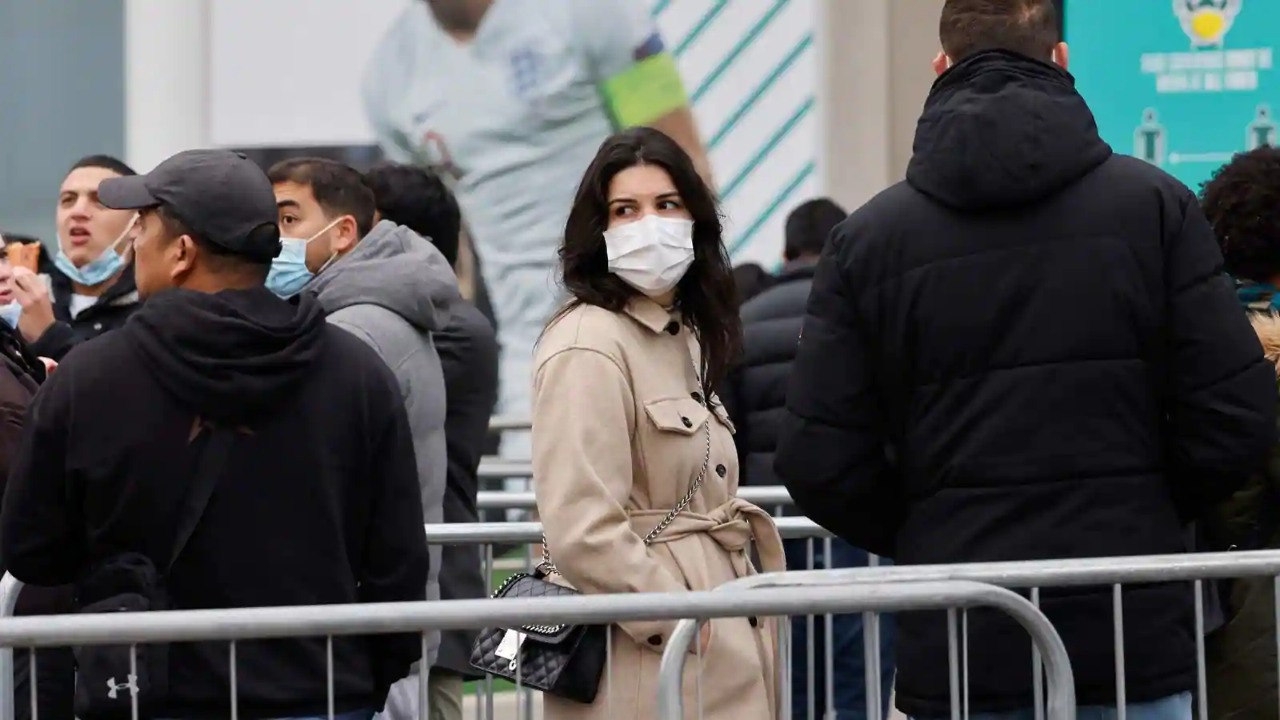
The rhythm of pre-pandemic life is back around much of the world. Munich’s Oktoberfest tents are full, tourists are returning in Tokyo and New York, masks have come off in the subways.

The rhythm of pre-pandemic life is back around much of the world. Munich’s Oktoberfest tents are full, tourists are returning in Tokyo and New York, masks have come off in the subways. The previous two autumn seasons ended with new Covid-19 variants spurring fresh waves of cases and social restrictions. This year is different: the super-contagious but less severe omicron has shown unusual staying power — even as it spawned hundreds of sublineages.

The world has learned that the coronavirus is fickle, and as cases start to creep up again, so does concern about unpredictable developments. But if omicron’s dominance holds, it could point to a drift reminiscent of the flu’s annual changes and pave the way for Covid to settle into a more predictable pattern.
Omicron’s staying power is key to mild winter as cases rise

Any successor to omicron will face an uphill battle. It will need to be both more transmissible and better able to sidestep the immunity people have built, said Ralf Bartenschlager, a German virologist and professor at Heidelberg University.

“It’s like throwing dice,” Bartenschlager said in an interview. “During the replication of the virus, the dice are constantly thrown, and the best-fitting number gets an advantage.”

“We can even be happy — in quotation marks — that we now have an omicron variant that has taken over from the original strains,” he added.

The World Health Organization is tracking more than 300 sub-lineages of omicron, officials there said last week. The BA.5 subvariant that swept across the globe this summer still dominates, accounting for some four-fifths of sequences.

The multiplicity of sublineages is in some ways closer to what scientists would have expected compared with the way previous major variants emerged “out of nowhere,” looking very different than the strains that had previously dominated, said Stephen Goldstein, an evolutionary virologist at the University of Utah.
Omicron’s staying power is key to mild winter as cases rise

“It’s totally possible that some strange new combination of mutations is emerging in some person who is chronically infected and that could spark a new variant,” he said, “but we don’t have the ability to predict that.”

The more infections there are, the higher the chances of unpredictable developments. And cases are on the upswing from Germany to China, which remains the notable exception to the reopening trend as the government sticks to its Covid-zero policy.

“I know some would love to believe that the pandemic is over,” Moderna Inc.’s chairman, Noubar Afeyan, said in an interview with Bloomberg TV. “But as the saying goes, ‘We may be done with the pandemic, but the pandemic doesn’t seem to be done with us.”’

Another complicating factor is that as countries roll back their testing programs, genetic surveillance is declining as well, Maria Van Kerkhove, the WHO’s Covid technical lead, said at a briefing. The number of sequences being evaluated has dropped by more than 90% since the start of the year, she said, limiting the WHO’s ability to track subvariants as efficiently.

“What we don’t know is is how this virus will continue to change,” Van Kerkhove said Wednesday. “We know it will change.”

That means it’s too soon to say with certainty what will happen next. Making predictions would be akin to looking into a crystal ball, said Bartenschlager. And we won’t know that we’ve hit what could be an annual pattern until it’s repeated, according to Goldstein.

“What we have going on right now is a kaleidoscope of factors that all play into what will be our future with Covid,” said Michael Osterholm, director of the Center for Infectious Disease Research and Policy at the University of Minnesota.

Despite the avalanche of research, he said there’s still a lot that scientists have yet to learn. “If there was ever a time for humility in public health, it’s now.”

Read more at-https://cutt.ly/UBYj67i
Categories
COVID-19 Government Guidelines Medical Updates Medicine & Health

India records 2,424 new coronavirus infections, 3 deaths

New Delhi: India saw a single day rise of 2,424 new coronavirus infections taking the total tally of COVID-19 cases to 4,46,14,437, while the active cases have declined to 28,079, according to the Union Health Ministry data updated on Monday.

The death toll has climbed to 5,28,814 with 15 fatalities which include 12 deaths reconciled by Kerala, the data updated at 8 am stated.

The active cases comprise 0.06 per cent of the total infections, while the national COVID-19 recovery rate has increased to 98.75 per cent, the health ministry said.

A decline of 514 cases has been recorded in the active COVID-19 caseload in a span of 24 hours.

India records 2,424 new coronavirus infections, 3 deaths

The daily positivity rate was recorded at 2.65 per cent, while the weekly positivity rate was recorded at 1.27 per cent, according to the health ministry.

The number of people who recuperated from the infection surged to 4,40,57,544, while the case fatality rate was recorded at 1.19 per cent.

According to the ministry, 218.99 crore doses of COVID vaccine have been administered in the country so far under the nationwide COVID-19 vaccination drive.

India’s COVID-19 tally had crossed the 20-lakh mark on August 7, 2020, 30 lakh on August 23, 40 lakh on September 5, and 50 lakh on September 16.

India crossed the grim milestone of two crore on May 4, three crore on June 23 2021, and four crore on January 25 this year.

The three new fatalities reported in 24 hours include two from Kerala and one from West Bengal.

Read more at-https://rb.gy/zhqkya

Categories
COVID-19 Government Guidelines Medical Updates Medicine & Health

COVID symptom list has changed; THESE are the common signs of the infection now, experts say

The order of COVID symptoms, from the most prevalent ones to the least, can be said to have changed. Two years into pandemic, health experts have seen a shift in the occurrence of COVID symptoms. The symptoms which are tagged as the ‘common symptoms’ are the red flags and should be dealt with proper preventive measures and, if necessary, medical intervention.

Apart from fever, headache, and other cold-related symptoms, the most common symptom seen during the onset of COVID infection these days is sore throat.

COVID symptom list has changed; THESE are the common signs of the infection now, experts say


Tim Spector, PhD, a professor of genetic epidemiology at King’s College London and co-founder of the COVID ZOE study app says that two-thirds of people with COVID are seen having sore throats as a symptom.

In a report carried by the Independent, Spector said that fever and loss of smell and taste are hardly seen in people these days.

In a report released on September 1, Spector’s Zoe COVID app had said that loss of appetite still remains one of the typical symptoms of COVID. “Early in the pandemic, loss of appetite was reported by around three in ten adults with COVID, rising to roughly four in ten people over 65,” the report says and adds that it has now fallen slightly with subsequent variants and vaccination, with just over a quarter of people (25-27%) reporting skipping meals with Delta or Omicron after three doses of the vaccine.

The other symptoms of COVID which are also commonly seen in people are runny nose, headache, sneezing, persistent cough, shortness of breath and sometimes fever.

Fatigue continues to persist in people during and after COVID and is currently seen as a big indicator of long COVID condition, in which the symptoms are seen in the individual weeks and months after a COVID infection.

Apart from these diarrhea, chest pain, tinnitus, sleep issues, loss of memory and focus should not be ignored if these persist for a longer time.

The fact that people are not updated with the new COVID symptoms, they live under the impression that they do not have COVID. Fever has always been seen as the primary key symptom of COVID ever since the pandemic happened. However, these days no fever does not mean you do not have COVID. With a sore throat and a mild headache there are chances you might have contracted the viral infection.

Fever and loss of smell are really rare now, so many old people may not think they’ve got COVID. They’d say it’s a cold and not be tested, Spector told the newspaper.

The lack of awareness around symptoms hampers the pace of testing and surveillance. People who are only aware about the outdated symptoms of the infection do not test themselves. As a result of which the infection keeps on spreading.

This also reduces the chance of identifying a newer variant quickly. More testing will lead to more effective tracking of the super-mutating coronavirus.

India recorded less than 2,000 COVID cases in the last 24 hours as per the data shared by the Union Health Ministry. India’s active COVID caseload currently stands at 30,362. The recovery rate stands at 98.75% with 3,908 recoveries in the last 24 hours. While the daily positivity rate stands at 0.94% the weekly positivity rate stands at 1.34%.

With COVID cases dropping and hinting better days, Delhi government is planning to withdraw the COVID restrictions.

Delhi Disaster Management Authority (DDMA) has announced that the Rs 500 penalty for not wearing masks in public places in Delhi has been withdrawn.

However, wearing masks is advisable if you are in a crowded place or are sick and can not avoid staying indoors.

Read More At-https://cutt.ly/bBsjnta

Categories
COVID-19 Medical Equipments Medical Updates Medicine & Health

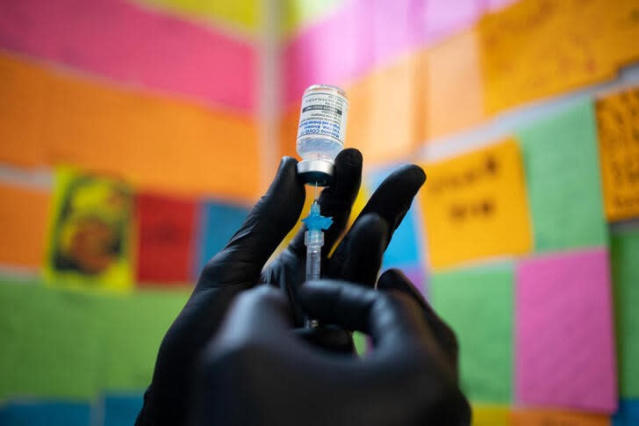
Indonesia approves first home-grown COVID vaccine for emergency use

The Indovac vaccine has been developed by Indonesia’s state-owned pharmaceutical company Bio Farma and the Texas Children’s Hospital Center for Vaccine Development at Baylor College of Medicine.

Indonesia has approved its first domestically-produced COVID-19 vaccine for emergency use for people over 18, the chief of the country’s food and drugs agency (BPOM) was quoted by news media as saying on Wednesday. The Indovac vaccine has been developed by Indonesia’s state-owned pharmaceutical company Bio Farma and the Texas Children’s Hospital Center for Vaccine Development at Baylor College of Medicine.

Indonesia approves first home-grown COVID vaccine for emergency use

Penny Lukito, the head of BPOM, was cited by news portal CNN Indonesia as saying the approval was “given as a primary vaccine for adults. “Penny and a Bio Farma spokesperson did not immediately respond to requests for comment. Bio Farma said this month it would produce 20 million doses of the vaccine in 2022 and 100 million doses by 2024. It has also said it has sought a halal certificate – which would make the vaccine permissible under Islam – from relevant authorities. Indonesia is the world’s biggest Muslim-majority nation.

Bio Farma chief Honesti Basyir said earlier this month that the vaccines were intended to “help reduce the nation’s dependency on imported vaccines,” adding 80% of Indovac is locally-sourced.

Indonesia, which reported one of the highest transmission rates of COVID-19 in the world last year, has used vaccines produced by China’s Sinovac Biotech, Pfizer Inc and BioNTech as well as Moderna Inc. Bio Farma has said it has also sought an emergency use approval from the World Health Organization (WHO). Indonesia is also developing another home-grown vaccine called Inavac.

Read more at-http://surl.li/dftch

Categories
COVID-19 Medical Equipments Medicine & Health

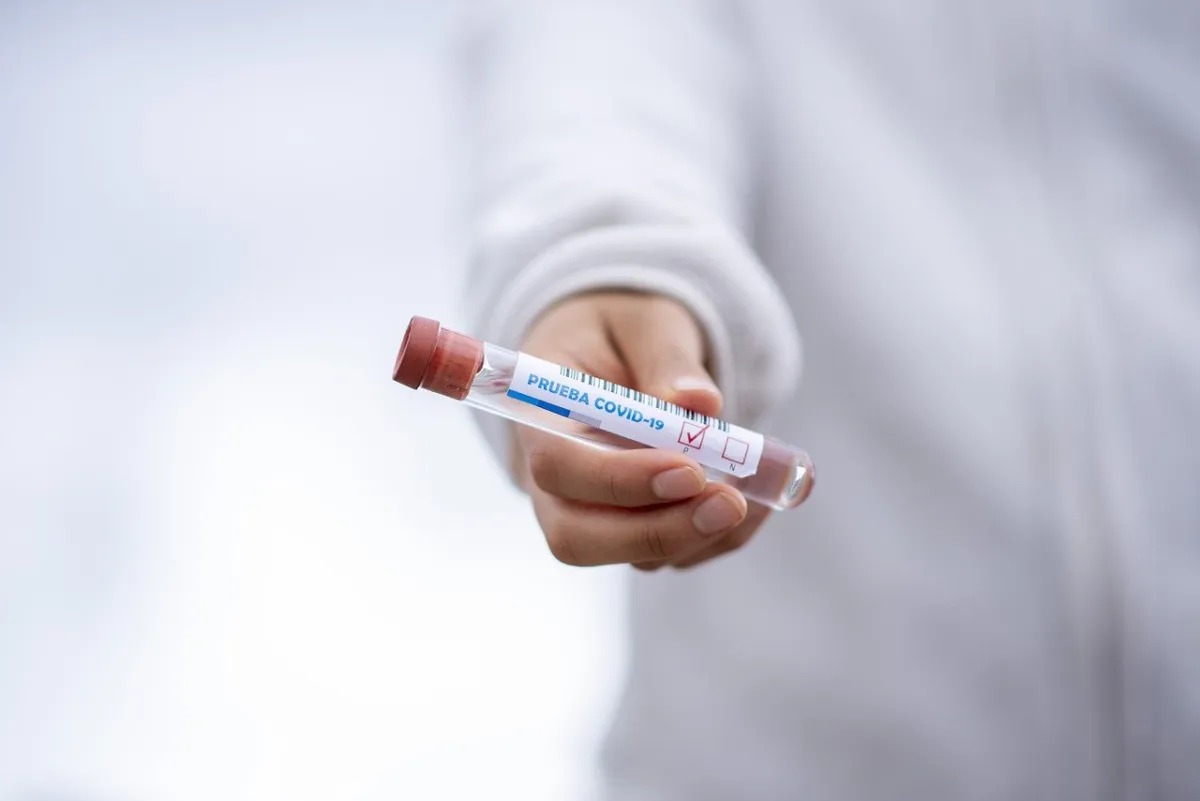
Novel test can identify patients at risk of severe COVID-19

The test proved over 90 per cent accurate at predicting patient outcomes for COVID-19 among over two dozen patients in intensive care and 100 patients from publicly available data, the researchers said.

Scientists in the US have developed a new genomic test that can predict a patient’s risk of developing severe COVID-19, an advance that could help doctors quickly begin tailored treatment. The test proved over 90 per cent accurate at predicting patient outcomes for COVID-19 among over two dozen patients in intensive care and 100 patients from publicly available data, the researchers said.

The test, called CovGENE, analyses genes expressed in a person’s blood to determine whether they may experience a severe disease course with increased risk of death, they said. “We have come far in the prevention and treatment of COVID-19 in the past two years. Regardless, we still struggle to identify patients at highest risk for severe disease,” said Alexandra Kadl, from the University of Virginia, US.

Novel test can identify patients at risk of severe COVID-19

“Our study uses a gene-analysis approach to identify an immune cell signature, distinct from other respiratory illnesses, that correlates with worse outcomes,” Kadl said in a statement. The approach, described recently in the journal Frontiers in Immunology, has the potential to help evaluate patients’ immune profile with commonly, readily available tests to identify patients at risk for bad outcomes.

Such patients would benefit from closer monitoring and advanced therapies to aid their recovery, the researchers said. Immune profiling helps to understand why one person may differ from another in their immune response to a virus, looking specifically at the immune markers (proteins) and cells present over time. This analysis can help determine the likelihood of disease, individual response to a virus and the impact of vaccinations. CovGENE’s developer, AMPEL Biosolutions, is seeking to partner with a diagnostic testing company or pharmaceutical company to bring the approach to market as a simple PCR-based blood test.

Novel test can identify patients at risk of severe COVID-19

“This unique collaboration with our colleagues from the University of Virginia has provided an easy and novel means to assess an individual patient’s response to the SARS-CoV-2 virus and predict the clinical outcome,” said Peter Lipsky, AMPEL’s CEO, chief medical officer and co-founder. “Now that this unique approach has been validated, we look forward to its rapid development as a precision-medicine tool that can improve the outcome of patients with COVID-19 and reduce the number of hospitalisations, especially the most vulnerable,” Lipsky added.

Read More At:-shorturl.at/NOZ26

Categories
COVID-19 Medical Updates Medicine & Health

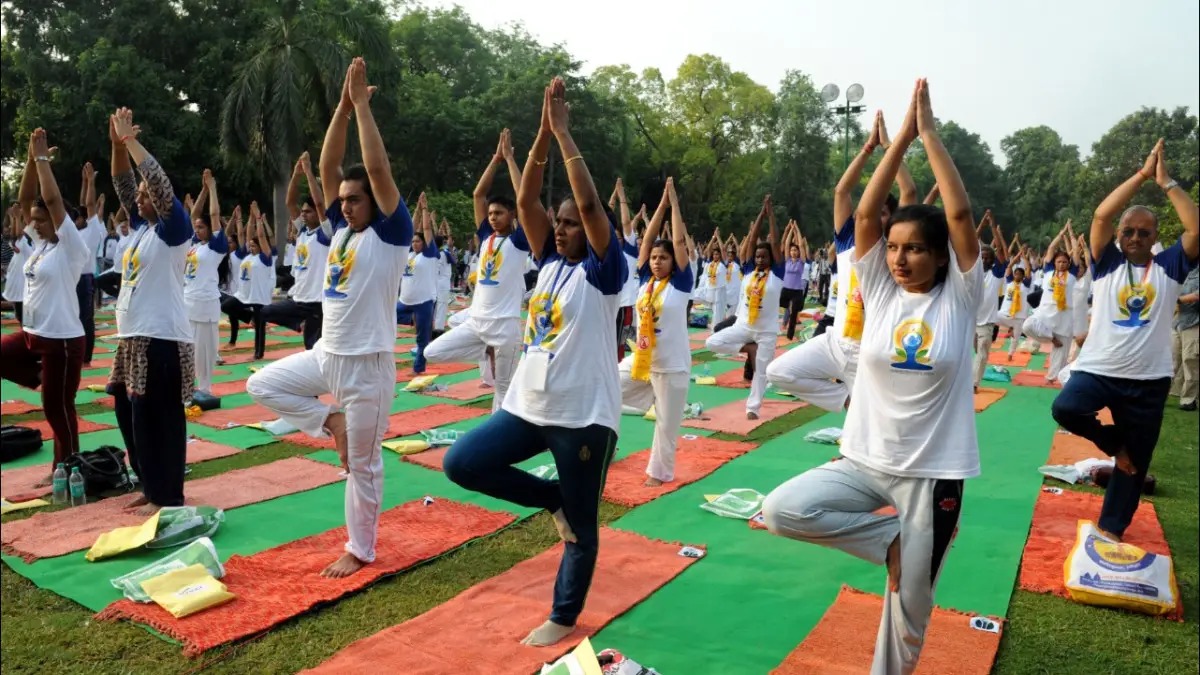
90% high-risk Covid patients recover within 10 days due to Yoga, Ayurveda

Yoga and ayurveda may be effective in the treatment of high-risk cases of Covid-19, according to a research by the IIT-Delhi and Dev Sanskriti Vishwavidyalaya, Haridwar.

NEW DELHI : In the latest of ways to fight Covid-19, Indian Institute of Delhi (IIT-D) has found that yoga and ayurveda has proven effective in the high risk cases of the fatal contagious disease. India lost millions to Covid-19 when the Delta variant was dominant. The research was conducted by the Indian Institute of Technology (IIT), Delhi and Dev Sanskriti Vishwavidyalaya, Haridwar.

90% high-risk Covid patients recover within 10 days due to Yoga, Ayurveda

The study has been published in the Indian Journal of Traditional Knowledge. The study has also stated that yoga and ayurveda has proven instrumental in relieving such patients from anxiety and aid in speedy post-treatment recovery from Covid-19.

The experiment

The study was conducted in 30 high-risk patients of Covid-19. Besides the standard care treatment according to guidelines, the patients were prescribed ayurvedic medicines through telemedicine, and administered a personalized therapeutic yoga programme using video conferencing.

“Almost all the patients were classified as high-risk owing to one or more of co- morbidities such as Diabetes Mellitus, Hypertension, Chronic Kidney Disease, Coronary Artery Disease (which are known to lead to severe outcomes in cases of COVID-19), and/or age above 60.

The treatment

The treatment included ayurvedic medicines, daily yoga-sessions including deep relaxation techniques, pranayama and basic asanas and some lifestyle modifications. Based on the administered treatment, the cases were categorized into YAS (Yoga-Ayurveda based treatment, with possibly allopathic supplements), YASP (Yoga-Ayurveda based treatment, with possibly allopathic Supplements and Paracetamol), YAM (Yoga-Ayurveda based treatment, and Modern Western Medicine (MWM).

The patients, most of whom presented with many symptoms prior to the Yoga and Ayurveda treatment, were followed-up telephonically regularly until recovery.

The treatment given to the patients was personalized (in accordance with the classical texts) and took account of each patient’s medical history and the symptoms presented, which made it more effective as compared to a fixed standardized treatment plan, a researcher stated.

Results

More than half of symptomatic patients started improving within five days (90 per cent within nine days) and more than 60% reported at least 90% recovery within 10 days.

“Six patients with oxygen saturation (SpO2) below 95 per cent, benefited through Makarasana and Shithilasana; none progressed to composite endpoints (consisting of admission to intensive care unit, invasive ventilation or death). Most patients reported that the therapy had a profound impact on their recovery process, with many experiencing improvements with respect to their comorbidities too.

“By the end of the treatment, several patients had decided to adopt yoga in their lifestyle, and several turned to the ayurveda doctors in the team for management and treatment of their comorbidities,” said Sonika Thakral, a scholar at IIT Delhi, who coordinated with the patients for routine follow-up.

Read More At:-https://bit.ly/3RWEhHY

Categories
COVID-19 Medical Updates Medicine & Health

Did you get you annual flu vaccine? It can lower risk of heart attack, says study

Getting an annual flu vaccine shot may help to lower the risk of stroke, according to researchers.

A study published in the medical journal of the American Academy of Neurology says that getting your annual flu vaccine could lower the risk of stroke in people. Researchers have stated that the annual flu vaccine could lower the risk of stroke, however, it still remains a mystery whether the jab could prevent stroke altogether.

Did you get your annual flu vaccine? It can lower risk of heart attack, says study

“Studies have shown that getting the flu increases your risk of having a stroke, but research is still being collected on whether getting the flu vaccine can help protect against a stroke,” said study author Francisco J. de Abajo, MD, MPH, PhD, of the University of Alcala in Madrid, Spain.

“This observational study suggests that those who have a flu shot have a lower risk of stroke. To determine whether this is due to a protective effect of the vaccine itself or to other factors, more research is needed.”

How the study worked?

The study looked at ischemic stroke, which is caused by a blockage of blood flow to the brain and is the most common type of stroke.

For the study, researchers looked at a health care database in Spain and identified people who were at least 40 years old and had a first stroke over a 14-year period. Each person who had a stroke was compared to five people of the same age and sex. There were 14,322 people who had a stroke and 71,610 people who did not have a stroke.

Then the researchers looked at whether people had received the influenza vaccine at least 14 days before the stroke or before that same date for those who did not have a stroke.

A total of 41.4% of those who had a stroke had received the flu shot, compared to 40.5% of those who did not have a stroke. But the people who got the shot were more likely to be older and to have other conditions such as high blood pressure and high cholesterol that would make them more likely to have a stroke. Once researchers adjusted for those factors, they found that those who received a flu shot were 12% less likely to have a stroke than those who did not.

The researchers also looked at whether the pneumonia vaccine had any effect on the risk of stroke and found no protective effect.

Researcher speak

“These results are yet another reason for people to get their yearly flu shot, especially if they are at an increased risk of stroke,” de Abajo said. “To be able to reduce your risk of stroke by taking such a simple action is very compelling.”

Since the study was observational, it does not prove that getting the flu shot reduces the risk of stroke. It only shows an association. There could be other factors that were not measured that could affect the risk of stroke.

Incidences of heart attack

The study comes at a time, when several tragic deaths have been reported in India. From noted Bollywood singer Krishnakumar Kunnath, also known as KK, to investor and billionaire Rakesh Jhunjhunwala, suffered heart attack and passed away.

Further a news anchor from Oklahoma experienced the “beginning of a stroke” while reporting news on live TV. Anchor Julie Chin, who works for NBC affiliate KJRH was reading the news of the attempted launch of NASA’s Artemis 1 rocket when she began to stumble over her words.

Another incidence of heart attack happened in Jammu, where a performer was recorded collapsing in the middle of their performance, later confirmed to have died of heart attack.

Read More At:-https://bit.ly/3qG2HcO

Categories
COVID-19 Medical Updates

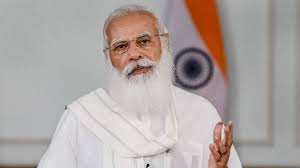
PM to launch ₹64k-cr health infra scheme from Varanasi today

Prime Minister Narendra Modi on Monday will launch the Pradhan Mantri Atmanirbhar Swasth Bharat Yojana (PMASBY), worth 64,180 crores, to strengthen the health care infrastructure across the country.

According to a statement by the press information bureau, the Prime Minister will inaugurate the project from his parliamentary constituency Varanasi, during a visit to poll-bound Uttar Pradesh. Besides this, he will also inaugurate nine new medical colleges at Siddharth Nagar, the bureau added.

“Prime Minister Narendra Modi will visit Uttar Pradesh on 25th October, 2021… at around 1.15 in Varanasi, the Prime Minister will launch PMASBY. It will be one of the largest pan-India schemes for strengthening healthcare infrastructure across the country. It will be in addition to the National Health Mission,” a note by the press information bureau said on Sunday.

“Modi will also inaugurate various development projects worth more than 5,200 crore for Varanasi,” it added.

The PMASBY scheme with an outlay of around 64,180 crore over six years (till financial year 2025-26) was announced by the Centre during the Budget session in February this year. This scheme will be in addition to the National Health Mission, the statement said.

The scheme focuses on developing capacities of health systems and institutions across the continuum of care at all levels — primary, secondary and tertiary — and on preparing health care systems for responding effectively to the current and future pandemics, and disasters, it added.

Under the scheme, government support will be provided to 17,788 rural health and wellness centres in 10 high-focus states. At least 11,024 urban health and wellness centres will be set up.

Besides these, critical care services will be available in districts having more than 500,000 population, through exclusive critical care hospital blocks, while the remaining districts will be covered through referral services.

“Under PMASBY, a National Institution for One Health, 4 New National Institutes for Virology, a Regional Research Platform for WHO South East Asia Region, 9 Biosafety Level III laboratories, 5 New Regional National Centre for Disease Control will be set up. PMASBY targets to build an IT enabled disease surveillance system by developing a network of surveillance laboratories at block, district, regional and national levels, in Metropolitan areas. Integrated Health Information Portal will be expanded to all States/UTs to connect all public health labs,” the statement said.

Experts believe it is time to strengthen the medical infrastructure at the ground level.

“In a country like India whatever efforts we make to improve the health care system, it will still be less because of the population; and inaccessibility and affordability is also an issue… This underutilised infrastructure in the pvt sector can be utilised either through Ayushman Bharat or any other schemes…,” said Dr. MC Misra, former director, AIIMS, Delhi.

source: https://www.hindustantimes.com/

Categories
COVID-19 Medical Equipments Medical Updates

Days Away From 1 Billion Vaccine Milestone, India Plans Big Celebration

The Health Ministry is preparing to celebrate administering 100 crore, or a billion vaccine doses with a variety of events across the country, sources.

The Health Ministry expects that India should be able to reach the milestone next week by Monday or Tuesday, the sources said, adding that Prime Minister Narendra Modi may also address the nation to thank healthcare workers for their immense contribution to India’s vaccine drive.

The Union Health Ministry is planning to celebrate the day with events across India, sources told News18, adding that it plans to involve Covid-19 warriors and ground-level healthcare staff, who are key to the vaccination drive.

Health Minister Mansukh Mandaviya has also sought ideas from the Ministry’s officials on how to honor Covid-19 warriors during the celebrations of 100 crore doses, including those who lost their lives in the line of duty.

Special recognition will also likely be announced to motivate the healthcare workers and professionals, and ASHA and Anganwadi workers who have been working tirelessly in the fight against Covid.

The BJP also plans to hold various activities across the country which may include a thank-you drive for doctors and professionals.

On October 10, Mandaviya had hailed India’s vaccine drive after the country crossed the 95 crore-landmark on Sunday, adding that the country is “marching rapidly towards administering 100 crore vaccine doses”.

According to the Cowin dashboard, 96,74,52,484 vaccine doses have been administered as of yet in the country. Thirty-two lakh vaccine doses have been administered on Wednesday till 7 PM.

Meanwhile, more than 97.79 crore COVID-19 vaccine doses have been provided to states and UTs so far, the Union Health Ministry said on Wednesday. Over 8.43 crore balance and unutilized vaccine doses are still available with the states and UTs to be administered, it said.

The vaccination drive has been ramped up through availability of more vaccines, advance visibility of vaccine availability to states and UTs for enabling better planning by them, and streamlining the vaccine supply chain, the ministry said.

More than 97.79 crore vaccine doses have been provided to States/UTs so far through Govt of India (free of cost channel) and through direct state procurement category, the ministry said.

The countrywide vaccination drive was rolled out on January 16 with healthcare workers (HCWs) getting inoculated in the first phase. The vaccination of frontline workers (FLWs) started from February 2.

The next phase of COVID-19 vaccination commenced from March 1 for people over 60 years of age and those aged 45 and above with specified co-morbid conditions. The country launched vaccination for all people aged more than 45 years from April 1.

The government then decided to expand its vaccination drive by allowing everyone above 18 to be vaccinated from May 1. Meanwhile, the Union Health Ministry said that more than 95.96 crore Covid vaccine doses have been provided to states and Union Territories so far.

source: https://www.news18.com/

Categories
COVID-19 Medical Updates

Covid vaccine: Over 92 cr doses administered in India so far, says Health Ministry

The cumulative coronavirus vaccine doses administered in India crossed 92 crores on Tuesday, the Union Ministry of Health and Family Welfare said.

More than 54 lakh vaccine doses have been administered in the country till 7 pm today and the tally is expected to increase with the compilation of the final reports by late in the night, the ministry said.

The Covid-19 vaccination campaign as a tool to protect the most vulnerable population groups in the country from the deadly virus continues to be regularly reviewed and monitored at the highest level, the ministry underlined.

The nationwide vaccination program was rolled out on January 16 with healthcare workers getting inoculated in the first phase. Vaccination of frontline workers started on February 2.

The next phase of Covid-19 vaccination commenced from March 1 for people over 60 years and those aged 45 and above with specified co-morbid conditions. The country launched vaccination for all people aged more than 45 years from April 1.

The Centre then decided to expand its vaccination drive by allowing everyone above 18 to be vaccinated from May 1.

Meanwhile, India logged 18,346 new Covid-19 infections, the lowest in 209 days, taking the total tally of Covid-19 cases to 3,38,53,048, while the active cases declined to 2,52,902, the lowest in 201 days, according to the government data.

The death toll climbed to 4,49,260 with 263 fresh fatalities, according to the data updated at 8 am.

The daily rise in new coronavirus infections has remained below 30,000 for 11 straight days.

The active Covid-19 cases comprise 0.75 percent of the total infections, the lowest since March 2020, while the national Covid-19 recovery rate was recorded at 97.93 percent, the highest since March 2020, the ministry said.

A decrease of 11,556 cases has been recorded in the active coronavirus caseload in a span of 24 hours.

source: https://www.livemint.com/