Categories
Medical Equipments Medical Updates Medicine & Health

World Suicide Prevention Day: Are suicidal thoughts normal? An expert guide on how to deal with them

From taking a stroll to talking to a family member, here are effective ways to deal with suicidal thoughts.

Our brain works non-stop doing a series of functions which also includes thinking a wide variety of thoughts. Some can pertain to managing daily chores, others can be imaginative, creative, analytical or ruminative. Suicidal thoughts, if fleeting in nature, can occur sometimes and usually are not a cause of any worry. However, frequent suicidal thoughts are not normal and need to be addressed. People with depression, chronic pain or drug addicts may have such thoughts.

“Regardless of age or gender, a passing thought about suicide is something that many may have experienced at some point of time, however, frequent suicidal thoughts are not normal. Before we learn how to deal with them, it is important to understand that having suicidal thoughts does not make a person weak or abnormal and you don’t need to feel guilty or ashamed, no matter your situation,” says Dr Sneha Sharma, Consultant, Psychiatry and Drug Deaddiction, Aakash Healthcare, New Delhi.

Dr Sneha says if suicidal thoughts have been on mind for sometime there are certain steps one can take to stay safe before getting further support.

Speaking with an expert is the effective way to deal with thoughts of suicide. A therapist can provide direction in pinpointing potential triggers, researching available treatments, and formulating a safety plan.

On the occasion of World Suicide Prevention Day (September 10), Dr Sneha shares effective ways to deal with suicidal thoughts:
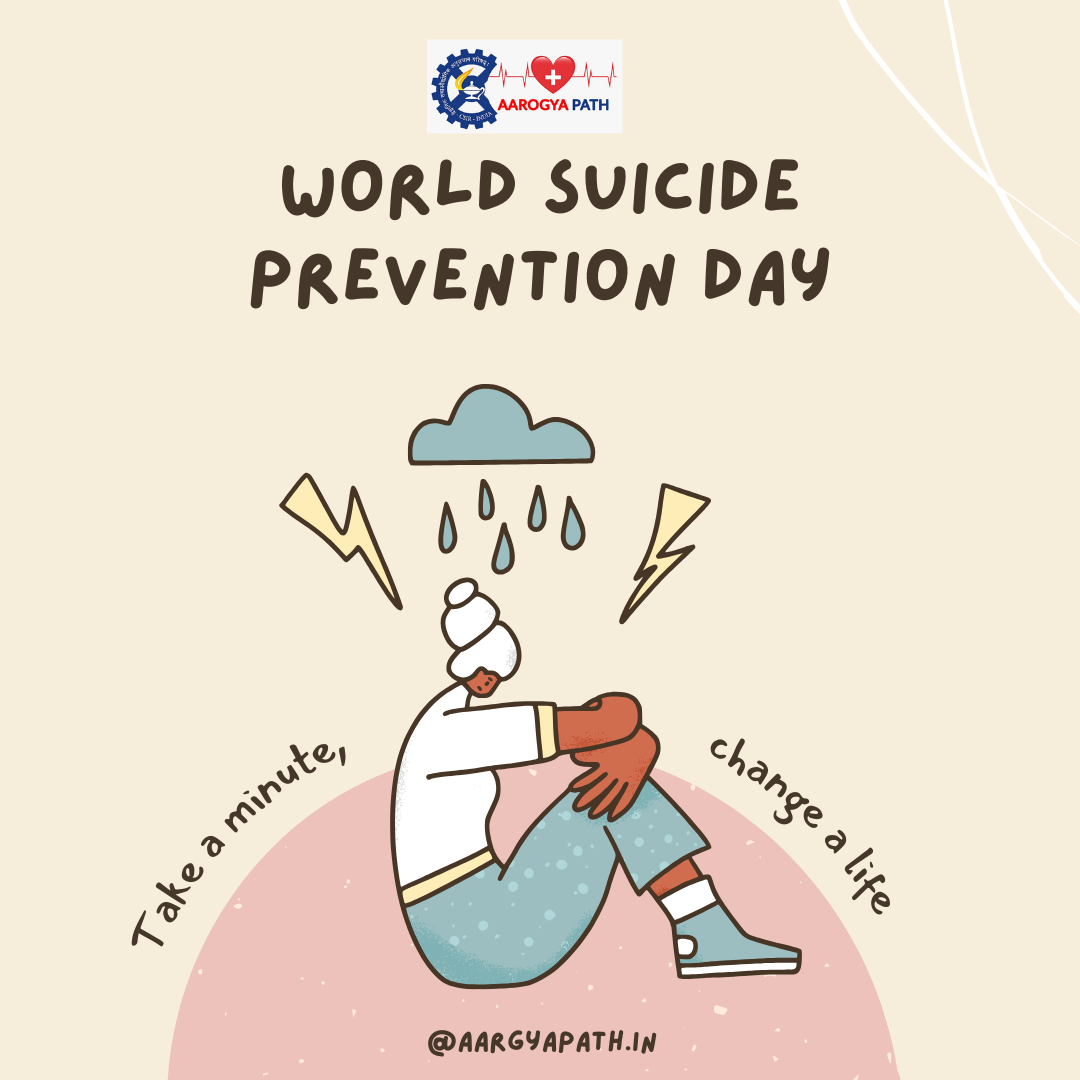
World Suicide Prevention Day: Are suicidal thoughts normal? An expert guide on how to deal with them

• Speak up

Family members you can trust can listen and provide emotional support. They can also aid in keeping you secure. A crisis counsellor is a good place to start if you’re not sure who to contact. They’ll compassionately listen and give advice on how to reach out.

• Look for a safe haven

A safe, secure and happy place like a friend’s home, library or other public area helps to prevent working on suicide ideas. You may even try a new room in your own home.

• Avoid access to weapons

Safety also includes having no access to drugs, guns, and other potential suicide things and techniques. If you need to continue taking medicine, a friend or family member can stay with you while you remove these things. So that you don’t have access to more tablets, they might provide one dose at a time.

• Steer clear of alcohol and other drugs

Alcohol and other drugs may seem like a good way to dull unpleasant feelings, but you may find that they make depression and suicidal thoughts worse.

• Try grounding strategies

A few grounding exercises include taking a little stroll, petting a pet, and doing 4-7-8 breathing when you’re feeling very distressed. Not sure where to begin? A crisis counsellor can also walk you through testing them out over the phone or via text.

• Take a break

You might feel calmer and less anxious by enjoying your favourite food or drink, listening to music, or viewing pictures (or videos) of loved ones and animals.

• Prioritize self-care

Taking care of your bodily requirements may not always help to lessen suicidal thoughts. However, if your bodily requirements are being satisfied, you might find it simpler to control them. Try to eat balanced meals, drink enough of water, engage in some physical exercise (even if it’s just moving about the house or stretching), and aim for sufficient hours of sleep each night.

Read more at-https://shorturl.at/bvFN9
Categories
Medical Updates Medicine & Health

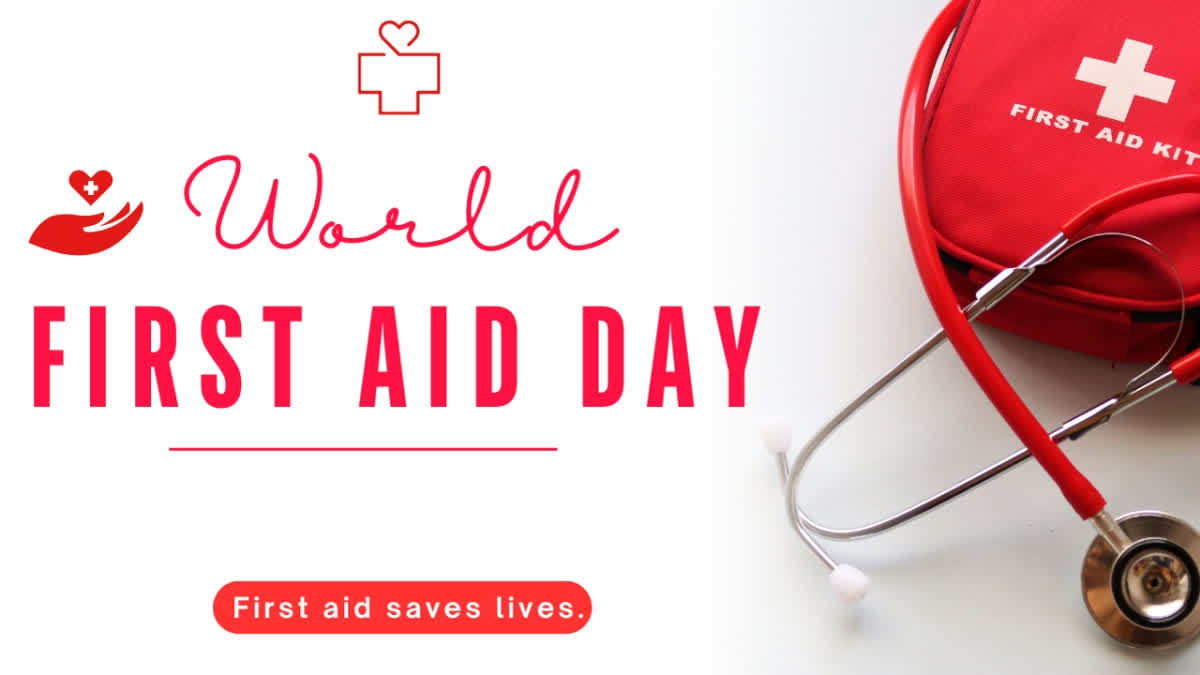
World First Aid Day 2023: Essentials to include in your emergency medical kit

World First Aid Day is being observed on September 9 this year. Here’s a list of items your emergency medical kit should include.

First aid plays a crucial role in emergency medical situations and can prove to be lifesaving in case of heart attacks, seizures, strokes, road accidents etc. It could be a set of life-saving techniques or basic medicines for certain illnesses, bandages, pain killers, or ointments. It is important to have knowledge and awareness about things like CPR, Heimlich manoeuvre, controlling bleeding, use of AED, how to take care of snake bites among others. First aid can be provided by a bystander, a family member or a colleague. In case of a sudden injury or illness, bystanders may play an essential role before the arrival of ambulance or admission to a hospital.

World First Aid Day is observed annually on the second Saturday of every September to create awareness around the role of first aid in saving lives. This year the day is being celebrated on September 9 and its theme is ‘First Aid in the Digital World’ which promotes utilisation of digital tools and its resources that aid in the provision of first aid education.

One must always be ready to provide this crucial help to anyone who’s in need and thus it is important to keep an emergency medical kit ready.

Dr Kishore Kumar, Neonatologist and Paediatrician, Cloudnine Group of Hospitals, Bengaluru in an interview with HT Digital shares essentials that help control bleeding or address an injury in case of an accident.

World First Aid Day 2023: Essentials to include in your emergency medical kit

An emergency medical kit is crucial for providing immediate care during unexpected situations. Here are some essentials to include:

• Adhesive bandages: Various sizes for covering wounds and minor injuries.

• Sterile gauze and dressings: Used for larger wounds and to control bleeding.

• Adhesive tape: To secure bandages and dressings in place.

• Antiseptic wipes or solution: For cleaning wounds and preventing infection.

• Scissors: To cut tape, gauze, clothing, or other materials.

• Thermometer: To monitor body temperature.

• Digital thermometer: Accurate and safe for children

• Cotton balls or swabs: Useful for cleaning or applying ointments.

• Disposable gloves: To protect both the caregiver and patient.

• Pain relievers: Over-the-counter medications.

• CPR face shield or mask: For performing mouth-to-mouth resuscitation safely.

• Instant cold packs: To reduce swelling and soothe injuries.

• Burn cream or gel: For treating minor burns.

• Prescription medications: If someone in your family has specific medical conditions, keep their necessary medications on hand.

• Emergency contact numbers: A list of important phone numbers, including local emergency services, doctors, and family members.

• Personal information: Copies of identification, medical history, and insurance information.

• Ideally every emergency kit needs to have a defibrillator and every citizen needs to be trained in CPR: In most Scandinavian countries they have defibrillator every few yards to help resuscitation. It is a long shot in India. Ss a first step, let us hope CPR training is made mandatory for all citizens, which can save lots of lives.

• Also, every citizen should carry an ‘alert’ badge in their wallet – listing the medications they are on and the medical conditions they have – which could help in emergencies. Like if someone is diabetic and falls unconscious, the first thing we know we need to correct is his low sugars.

“Remember to regularly check and update your emergency medical kit, ensure that everyone in your household knows where it’s kept, and consider any specific medical needs of your family members when customizing the kit. Additionally, it’s essential to have basic first aid training to effectively use these supplies in emergencies,” says Dr Kumar.

Read more at-https://shorturl.at/xDQ56

Categories
COVID-19 Government Guidelines Medical Updates

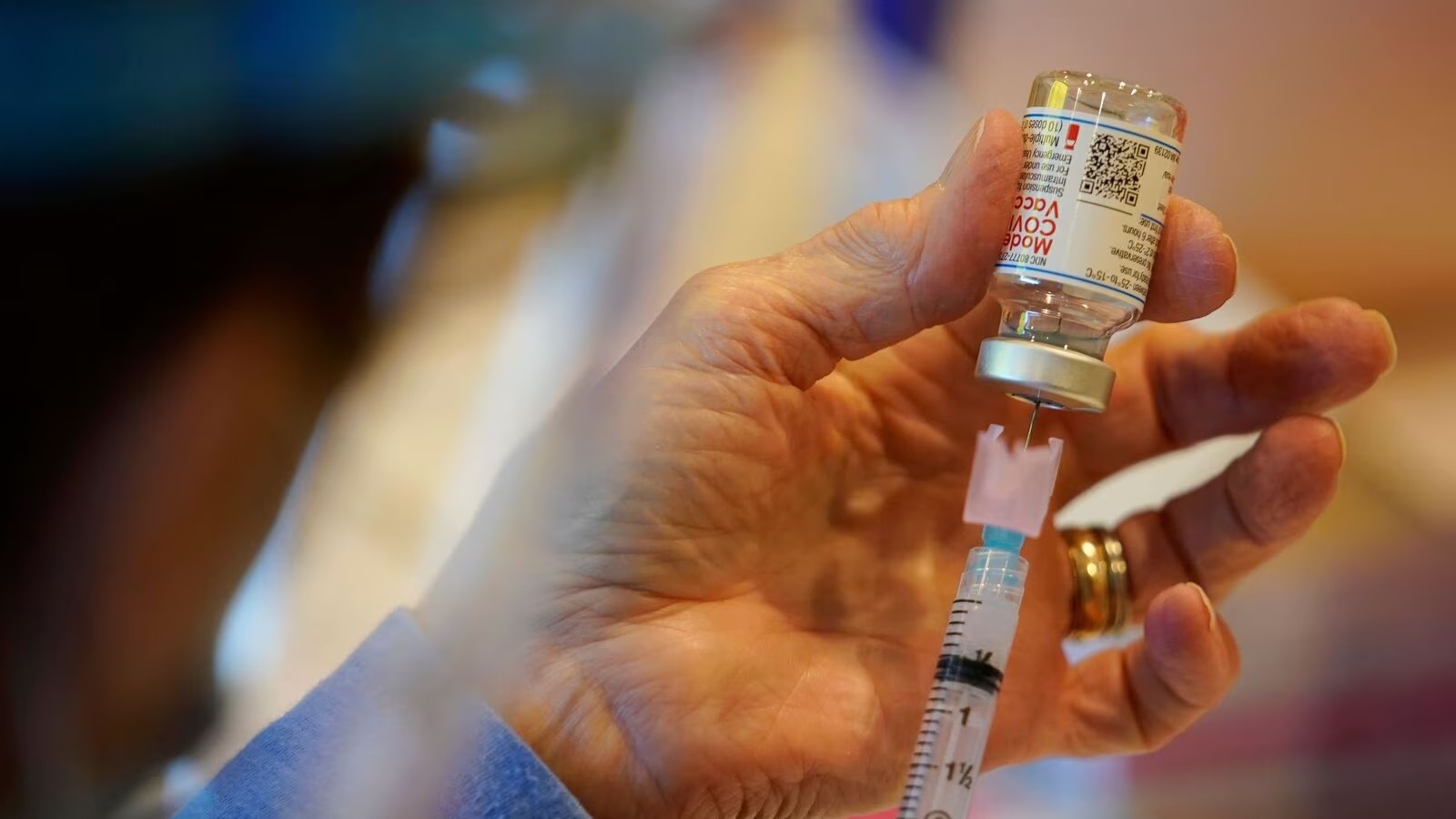
Updated COVID vaccine effective against newer variant, says Moderna

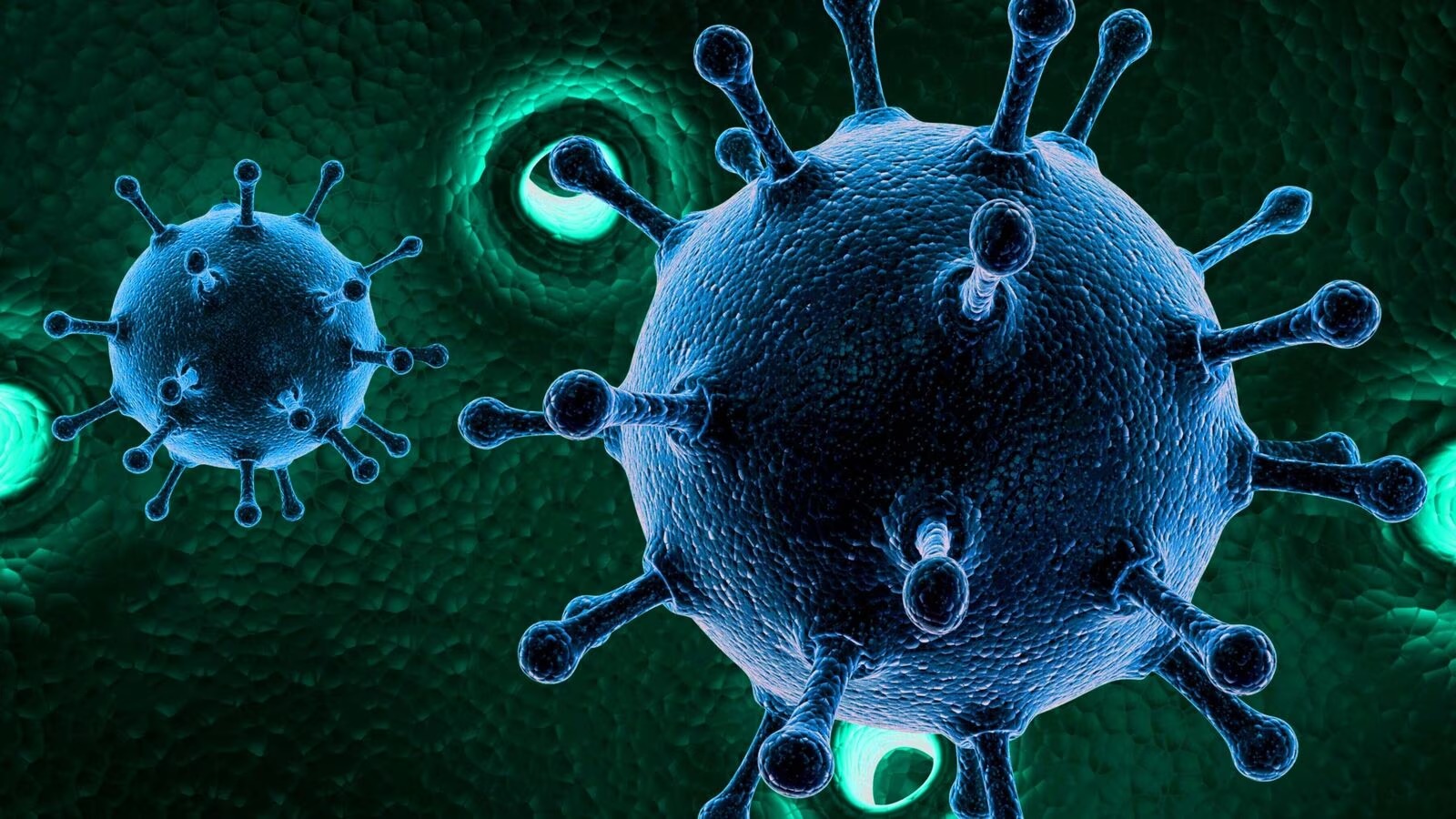
Moderna has said clinical trial data showed its updated COVID-19 vaccine will likely be effective against the highly-mutated BA.2.86 subvariant of the coronavirus that has raised fears of a resurgence of infections.

Moderna has said that the clinical trial data showed its updated COVID-19 vaccine shot generated an 8.7-fold increase in neutralizing antibodies in humans against the highly-mutated BA.2.86 subvariant of the coronavirus that has raised fears of a resurgence of infections, Reuters reported on Wednesday.

“We think this is news people will want to hear as they prepare to go out and get their fall boosters,” Reuters quoted Jacqueline Miller head of infectious diseases in Moderna said in an interview, adding that the data should also help reassure regulators.

The Centers for Disease Control and Prevention (CDC) has previously indicated that BA.2.86 may be more capable of causing infection in people who previously had COVID or were vaccinated with previous shots.

Updated COVID vaccine effective against newer variant, says Moderna

The Omicron offshoot carries more than 35 mutations in key portions of the virus compared with XBB.1.5, the dominant variant through most of 2023 and the target of the updated shots.

Moderna said it had shared the new finding on its vaccine with regulators and submitted it for peer review publication.

The retooled Moderna shot is expected to be available later this month or in early October, though it is yet to be approved by the US Food and Drug Administration.

Meanwhile, rival COVID-19 vaccine manufacturers Novavax and Pfizer with German partner BioNTech have created versions of their shots aimed at the XBB.1.5 subvariant.

In August, Moderna and Pfizer each said their new vaccines appeared to be effective against another new subvariant of concern dubbed EG.5 in initial testing

Britain’s Medicines and Healthcare products Regulatory Agency has approved Pfizer/BioNTech shot, but have not make any announcements on Moderna’s updated vaccine.

A WHO official said the BA.2.86 the subvariant of the coronavirus has been detected in Switzerland, South Africa as well as Israel, Denmark, the US and Britain.

According to experts it is important to monitor the variant, but it is unlikely to cause a wave of severe disease and death because of immune defenses built up worldwide from mass vaccination and prior infection.

Read more at-https://shorturl.at/quyUZ

Categories
COVID-19 Medical Updates Medicine & Health

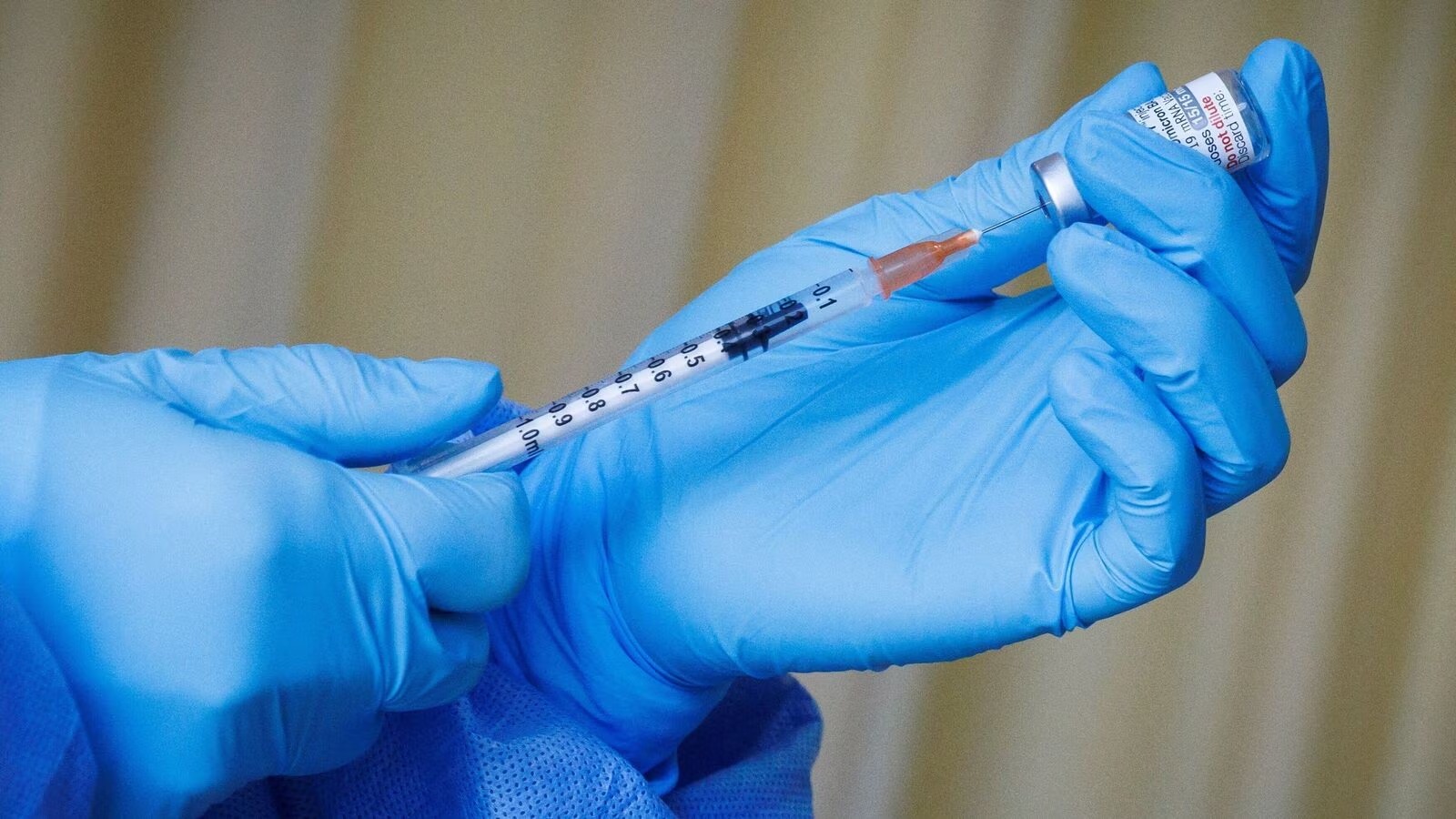
Covid vaccines used in India and risk of heart attack are not related: Study

The study emphasising on the effect of jabs has stated that the risk of heart attacks is not associated with covid vaccines.

There is no association between the Covid-19 vaccines used in India — Covishield and Covaxin — and increase in the risk of heart attacks, according to an observational study which emphasises the protective effect of the jabs.

The research, published recently in the journal PLOS One, determined the impact of COVID-19 vaccination on mortality following acute myocardial infarction (AMI) or heart attack.

The retrospective study used data from 1,578 people admitted to G B Pant hospital in Delhi between August 2021 and August 2022. As many as 1,086 (68.8 per cent) were vaccinated against COVID-19 while 492 (31.2 per cent) were unvaccinated.

Among the vaccinated group, 1,047 (96 per cent) had received two doses of the vaccine while 39 (4 per cent) had received only a single dose.

“Our study found that vaccines used in India are safe. There was no association of vaccination in India with heart attack. In fact, the study found that there were less chances of death after heart attack in vaccinated individuals,” Mohit Gupta, who led the study, from G B Pant Hospital, told PTI.

Covid vaccines used in India and risk of heart attack are not related:

The adverse effects (AEs) of COVID-19 vaccines have mostly been mild, transient and self-limiting. However, concerns have been raised regarding the cardiovascular adverse effects of these vaccines.

Any side effect can have catastrophic effects especially in large densely populated countries such as India, the authors noted.

In all the enrolled patients, data regarding the patient’s vaccination status including details on type of vaccine, date of vaccination and adverse effects were obtained.

The researchers found that the analysis did not show a specific clustering of AMI at any particular time post vaccination, suggesting there was no significant association between COVID-19 jabs and heart attacks.

On 30-day follow-up, all-cause mortality occurred in 201 (12.7 per cent) patients with adjusted odds of mortality being significantly lower in the vaccinated group.

Similarly, at six months of follow-up, the vaccinated AMI group had lower odds of mortality as compared to the non-vaccinated group.

COVID-19 vaccines showed a decrease in all-cause mortality at 30 days and six months following AMI, according to the study.

However, increasing age, diabetics and smokers had a higher risk of 30-day mortality, the researchers said.

“Findings of our study showed that the 30-day and six months all-cause mortality risk was significantly lower in the vaccinated subjects as compared to the unvaccinated population,” the authors of the study said.

This study is the first to be conducted among a larger population of AMI patients which has shown COVID-19 vaccine to be not only safe but also have a protective effect in terms of reduction of all-cause mortality both on short term as well as at six months of follow-up, the authors of the study said.

They noted some limitations, saying that this was a single centre retrospective study, and the findings need to be validated in further larger studies from different ethnic groups.

Read more at-https://shorturl.at/oxY25

Categories
COVID-19 Medical Equipments Medical Updates Medicine & Health

Back Brain fog after Covid-19 linked to blood clots: Researchers

A recent study in UK suggests how blood clots formed in brain or in the lungs can explain some common symptoms of “long Covid”, including brain fog and fatigue.

The study was carried out on 1,837 patients admitted in the hospital due to Covid-19. Researchers found that two blood proteins point to clots being one cause, reported BBC.

Researchers found that 16% of patients with the clots were having problem in thinking, concentrating or remembering the things for at least six months.

Prof Paul Harrison of Oxford University, the author of the study, said identifying predictors and possible mechanisms was “a key step” in understanding post-Covid brain fog.

However, Prof Chris Brightling of Leicester University said there may still be many different causes of long Covid.

Back Brain fog after Covid-19 linked to blood clots: Researchers

“It’s a combination of someone’s health before, the acute event itself and what happens afterwards that lead on to physical and mental health consequences, ” Prof Brightling said.

Another study in Nature Medicine, blamed higher levels of the protein fibrinogen and protein fragment D-dimer of a covid-19 patient for brain fog.

“Both fibrinogen and D-dimer are involved in blood clotting and so the results support the hypothesis that blood clots are a cause of post-Covid cognitive problems,” reported BBC quoting Dr Max Taquet, from Oxford University.

“Fibrinogen may be directly acting on the brain and its blood vessels, whereas D-dimer often reflects blood clots in the lungs and the problems in the brain might be due to lack of oxygen,” he added.

Read more at-https://shorturl.at/nzCI2

Categories
Medical Equipments Medical Updates

Teachers’ Day 2023: Essential mental health and self-care tips for teachers battling work pressure

Teachers’ Day 2023: Explore some essential mental health tips tailored specifically for teachers who find themselves grappling with the weight of work pressure.

Teachers’ Day, celebrated on the 5th of September, is the perfect opportunity to celebrate all teachers and the immense contribution they make to society. Teaching is a noble and rewarding profession, but it comes with its fair share of challenges. The gruelling responsibilities of the job, strict regulations and the duty to nurture young minds can sometimes lead to extreme work pressure. Even when you have a lot on your plate, you should not neglect your mental health. In a recent survey of more than 30,000 educators by the American Federation of Teachers, more than 75% of respondents said they did not have enough staff to do the work, and 78% said they were often physically and emotionally exhausted at the end of the day.

It should be a priority for everyone to take care of their inner and emotional health. It is necessary to engage in activities that calm the mind and soul. It’s not easy to be a teacher, and with all the work that has to be done, the job can sometimes become too demanding and can take a toll on your well-being.

Teachers' Day 2023: Essential mental health and self-care tips for teachers battling work pressure

Mental Health Tips for Teachers Battling Work Pressure

“Teachers must prioritize their mental well-being because it has an impact on their students”, according to Aashmeen Munjal, Ontologist, Mental Health and Relationship Expert. She further shared with HT Lifestyle a few suggestions for coping with work pressure.

1. When work gets wrapped up on time, a huge amount of stress passes away. Teachers need to prioritize duties, develop schedules, and set aside time for breaks. This will help them to have better time management

2. Who says “self-care is unethical, it’s fundamental”? Teachers need to rejuvenate from time to time. They should make the most of their free time by reading, gardening, jogging or relaxing.

3. Integrating mindful meditation and relaxation practices into their daily routine as an educator, increases focus and reduces stress. It can be achieved by engaging in activities like deep breathing exercises, meditation, or even brisk walks. A lot of stress can be relieved by practising the same.

4. To avoid feeling drained, it is advised that teachers maintain an organized workspace and make effective use of planners and digital calendars.

“These are just some of the techniques that can help to improve mental health for teachers in battling work pressure. As long as teachers are willing to learn and flourish professionally, learning never ceases. They ought to never forget the accomplishments they have made. Being in this line of work can occasionally be exhausting. They should always keep their thoughts intact and keep a positive attitude, even when situations are tough. A teacher should always remember that by taking care of her mental health, she will prove herself to be more committed,” says Aashmeen.

Teacher’s Role in Enhancing Student Mental Well-being

“The lives of children seem similar to a spider’s web. Through their orientation and guidance, teachers help students unwind the complicated network. Teachers encourage pupils to develop their emotional and psychological well-being in addition to their academic skills. The widespread use of all facets being digital has certain adverse impacts on students’ mental health. The role of educators in cultivating pupils’ healthy mental health grows. Students’ abilities are enhanced when teachers cultivate a positive attitude towards their charges. Teachers can shape, boost, and nourish the hearts and brains of their students,” says Aashmeen.

She, added, “Students embrace empathy, trust, and positive interaction through fostering strong teacher-student connections, which establishes the foundation for their emotional development and perseverance. A teacher must have faith in their pupils’ knowledge while motivating them to discover their strengths. Such praises support a child’s optimism and stimulate a good sense of dignity. The ability to solve problems helps youngsters retain excellent mental health throughout their lives since life is full of obstacles.”

“Teachers need to practice inclusion and work to mitigate stigma. Respecting cultural diversity in the classroom promotes a healthy mental environment. Instead of being considered a taboo subject, talking about mental health should be encouraged. This promises the pupils that asking for help does not indicate weakness but rather strength. Overall, instructors serve as role models by encouraging students to have ambitions and believe in their abilities. This optimism has a significant bearing on a child’s future achievement and mental health, ” concluded Aashmeen.

Read more at-https://shorturl.at/qtzEH

Categories
COVID-19 Medicine & Health

USFDA gives nod to first vaccine to protect newborns from Respiratory Syncytial Virus

The United States Food and Drug Administration (FDA) on Monday approved the first vaccination to save newborns from Respiratory Syncytial Virus

The US Food and Drug Administration (FDA) on Monday approved the first vaccine that protects newborns from Respiratory Syncytial Virus (RSV), reported ANI citing CNN.

The new vaccine is made by Pfizers and is given to mothers late in their pregnancies. It provides protection to infants through their first six months of life.

During the trial of the vaccine on more than 7,000 pregnant people and their infants, it was found that it cut the risk that infants needed to see a doctor. It also reduced the cases of hospitalisation among infants.

About Respiratory Syncytial Virus (RSV)

People suffering from this illness are affected with infections of the lungs and respiratory tract. It is highly commong among children and elderly. It also leads to large number of hospitalisation. It typically hits hardest during the winter months. The last RSV season was longer and more severe than usual, overwhelming children’s hospitals.

Director of the FDA’s Center for Biologics Evaluation and Research, Peter Marks in a statement said: “RSV is a common cause of illness in children, and infants are among those at highest risk for severe disease, which can lead to hospitalization.”

USFDA gives nod to first vaccine to protect newborns from Respiratory Syncytial Virus

“This approval provides an option for healthcare providers and pregnant individuals to protect infants from this potentially life-threatening disease,” he added as per CNN.

According to the CNN report, there are many vaccines to protect people from RSV. The recently approved antibody shot can protec infants after birth from the illness. There are new vaccine also available for people 60 and older.

Pfizer’s senior vice president and chief scientific officer for vaccine research and development Annaliesa Anderson said in a statement: “ABRYSVO’s approval as the first and only maternal immunization to help protect newborns immediately at birth through six months from RSV marks a significant milestone for the scientific community and for public health.”

Pfizer has said that maternal vaccination could prevent up to 16,000 hospitalizations and more than 300,000 visits to the doctor due to RSV each year if the vaccine were universally applied.

Read more at-https://shorturl.at/jxGW4

Categories
COVID-19 Government Guidelines Medical Updates Medicine & Health

Mystery respiratory virus spreading in Hyderabad; know symptoms and prevention tips

The mystery virus may belong to the Adeno, Corona, Influenza or MERS family. All you want to know about symptoms and prevention.

An acute viral illness with symptoms similar to Swine Flu, influenza, and adeno virus is spreading in Hyderabad, affecting either children or adults with comorbid conditions. The virus is yet to be identified and many people who are testing for Swine Flu, Covid-19, or Influenza are getting negative reports. Experts, however, say there is no cause of alarm as the recovery rate of this mystery illness is 100% and patients are taking 5 days to recover, which is a normal recovery time for a viral infection. The symptoms range from runny nose, sore throat, dry cough, fever with body pain and difficulty in breathing.

“We have been seeing an acute febrile viral illness for the past 6-8 weeks now and we have observed coryzal symptoms in these patients. This virus has been affecting 6-7 out of 100 people, and 50% of them are children. This is because the immunity of the children is not fully developed. The other 50% of patients are adults with comorbid lung diseases like COPD (also called smoker’s asthma), Post TB and Covid-destroyed lungs and asthma,” says Dr Syed Abdul Aleem, Consultant – Pulmonology CARE Hospitals, Musheerabad, Hyderabad.

Symptoms of the mystery virus

The symptoms of this mystery virus start with a runny nose, followed by a sore throat, dry cough, fever with body pain and difficulty in breathing. 1-2% of these patients have experienced respiratory failure.

“The symptoms affect the upper respiratory tract and gradually affect the lower respiratory tract as well. We have been running tests for influenza A and B, swine flu – H1N1, avian flu – H3N2 and dengue as well. We observed false positive results in 3-4% of these tests because the structural similarity of the mystery virus is very similar to these virus families,” says Dr Syed.

Mystery respiratory virus spreading in Hyderabad; know symptoms and prevention tips

Treatment

“Fortunately, we are catching this early, and we are following symptomatic treatment where patients are responding well. We are treating patients with respiratory failure with Oseltamivir, an anti-viral drug and we are seeing good results. Along with treatment, we suggest maintaining hydration, and isolation as well until there is a complete recovery,” says the expert.

Precautions

The precautions for this mystery virus are covering the nose and mouth while coughing or sneezing or using an N95 mask, keeping distance from people, sanitizing regularly, vaccinating against influenza and immediate isolation and approaching a healthcare professional for treatment.

What could be this mystery virus?

“This mystery virus may belong to the Adeno, Corona, Influenza or MERS family. So, we are suggesting a multiplex PCR panel of tests including Influenza A&B, H1N1, H3N2, and Covid RT-PCR,” says Dr Syed.

Read more at-https://shorturl.at/fkrZ6

Categories
COVID-19 Government Guidelines Medical Equipments

Covid-19 vaccine boosters are the best defence: Older adults shouldn’t rely on previous infection for immunity

Despite researchers’ efforts to understand SARS-CoV-2, the virus continues to hold many secrets.

Despite researchers’ efforts to understand SARS-CoV-2, the virus continues to hold many secrets. As much as we’ve tried to shoehorn it into our thinking about how respiratory viruses work, it will simply not comply. Some thought the virus would settle into a strictly seasonal pattern. It hasn’t. Some thought we could we move to a single annual vaccine every autumn. That was upended by having multiple waves of infection each year, that seem to occur in the late summer.

Some variants we thought would be terrible turned out to be mild, while others have turned out to be very problematic.

Surprising study results

Now we have a new puzzle.

Through the first couple of years of the pandemic before the emergence of the Omicron variant, it was believed the combination of vaccination and prior infection — which is called hybrid immunity — provided the highest level of protection against future infections.

Our research group has been studying vaccinated older adults in long-term care and retirement homes throughout the pandemic, and our recent findings have jolted us.

We found that those who had battled the BA.1-2 variant of Omicron in early 2022 had a 30-fold higher risk of contracting the BA.5 variant later in the year. That was exactly the opposite of what we, or anyone, would have predicted.

This new knowledge is critically important, not just to other older adults, but to all of us.

Covid-19 vaccine boosters are the best defence: Older adults shouldn’t rely on previous infection for immunity

Does this surprising twist apply to the broader population? Possibly, but until we know how infections work to increase susceptibility to reinfection, we can’t know if this susceptibility is specific to older adults. Does it apply to other variants, including the newest ones in circulation? That’s unclear.

What the findings do tell us is that older adults who have had a previous COVID-19 infection shouldn’t rely on that to protect them against reinfection this fall. To protect against severe illness, keeping booster shots up to date is recommended.

We can’t let our guard down

We were able to make this discovery because our study participants in long-term care and retirement homes are part of the most frequently tested, highly vaccinated and closely observed group in the entire population.

The end of frequent PCR testing and documentation of infection for those who are sick (after all, we researchers don’t know if you tested positive on a rapid test) left us without much data about COVID infections and reinfections in the broader population, so these seniors are helping us see things we’d otherwise have missed.

Through them, we’ve realized the virus has evolved in a way that means one infection doesn’t necessarily guarantee immunity from another.

Though we still have so much to learn about many aspects of COVID-19 — including its lingering health effects and the mechanics of its endless mutations — we do know enough to say one thing: we can’t let our guard down.

Among other conclusions, we know that while vaccines mitigate the worst consequences of subsequent COVID infections, the virus is still developing new ways to elude our immune systems.

Protecting ourselves and our communities

So, do we still need masks and boosters? Yes. However tiresome they have become, they’re still crucial. This is especially true for our most vulnerable, including older adults, people with chronic conditions or who are immune compromised and those who work with them.

We know the protective value of multiple COVID vaccines does not accumulate like money in a bank account. It’s the recency of our boosters that will determine our degree of protection.

Though imperfect, timely boosters are still our best shields. It’s time to think of them less like our childhood vaccines, where we expect to be protected for long periods of time, and more like annual flu vaccines where we need to be vaccinated for the strain that is circulating and can only expect that protection to reduce symptomatic infection, last a few months but — importantly — help keep us out of hospital.

We need to remain vigilant and to continue to keep our vaccines up to date, to protect against COVID infections and their threat of debilitating long-term effects and even death.

Protecting ourselves and our communities

Our participants have been great partners in our work. As a group, and are willing to participate in this research because they are interested in helping others. They helped us discover that hybrid immunity does not always protect older adults from future COVID-19 infection, suggesting that some assumptions about COVID-19 infection risk may need to be revisited, and that we need to study how different variants evade the immune system.

These research partners deserve the thanks of the community for contributing to this important lesson. We can all honour them by heeding that lesson and taking precautions against spreading COVID-19 this fall, including wearing masks and getting a booster shot.

Read more at-https://shorturl.at/uEFJ7