Categories
Medical Equipments Medical Updates Medicine & Health

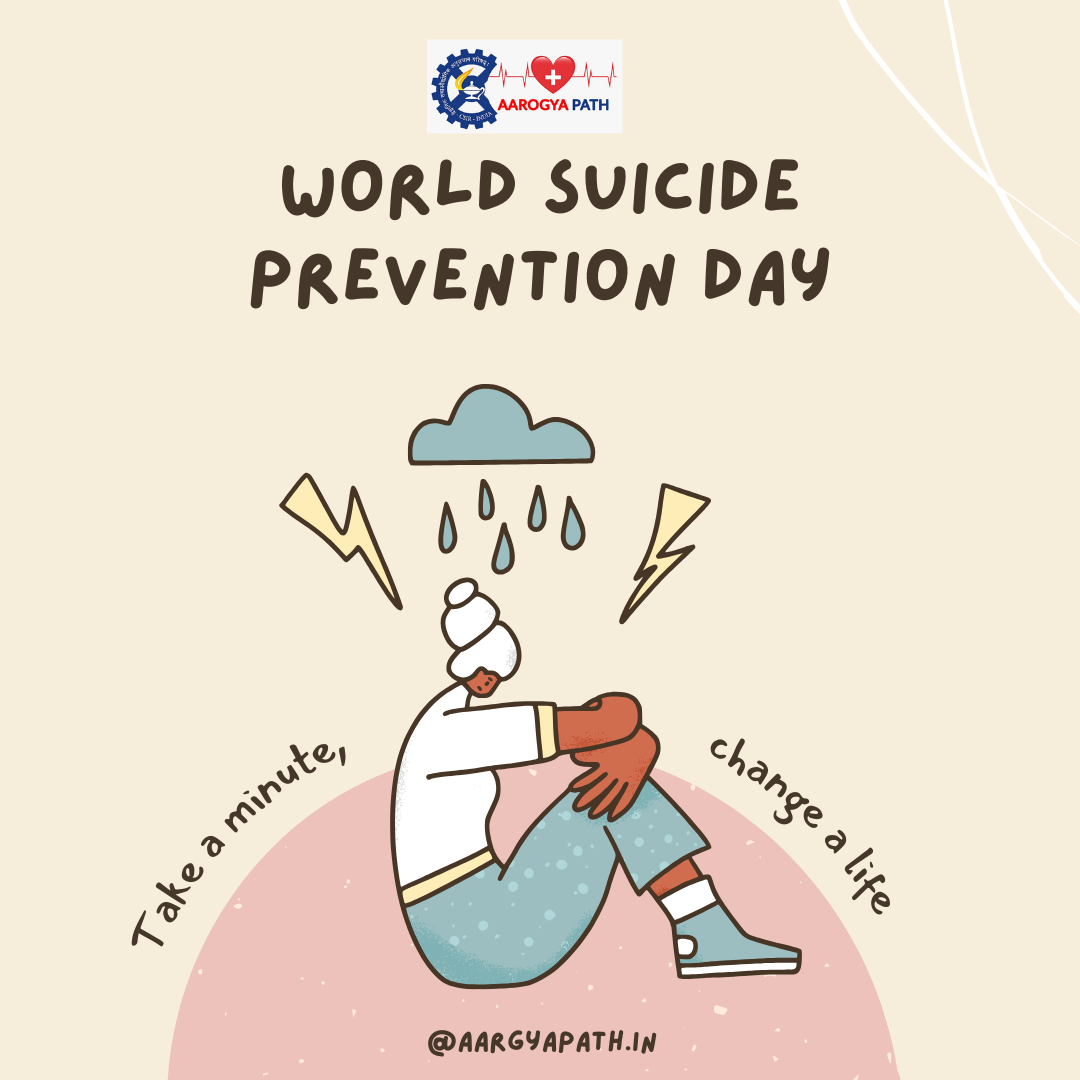
World Suicide Prevention Day: Are suicidal thoughts normal? An expert guide on how to deal with them

From taking a stroll to talking to a family member, here are effective ways to deal with suicidal thoughts.

Our brain works non-stop doing a series of functions which also includes thinking a wide variety of thoughts. Some can pertain to managing daily chores, others can be imaginative, creative, analytical or ruminative. Suicidal thoughts, if fleeting in nature, can occur sometimes and usually are not a cause of any worry. However, frequent suicidal thoughts are not normal and need to be addressed. People with depression, chronic pain or drug addicts may have such thoughts.

“Regardless of age or gender, a passing thought about suicide is something that many may have experienced at some point of time, however, frequent suicidal thoughts are not normal. Before we learn how to deal with them, it is important to understand that having suicidal thoughts does not make a person weak or abnormal and you don’t need to feel guilty or ashamed, no matter your situation,” says Dr Sneha Sharma, Consultant, Psychiatry and Drug Deaddiction, Aakash Healthcare, New Delhi.

Dr Sneha says if suicidal thoughts have been on mind for sometime there are certain steps one can take to stay safe before getting further support.

Speaking with an expert is the effective way to deal with thoughts of suicide. A therapist can provide direction in pinpointing potential triggers, researching available treatments, and formulating a safety plan.

On the occasion of World Suicide Prevention Day (September 10), Dr Sneha shares effective ways to deal with suicidal thoughts:
World Suicide Prevention Day: Are suicidal thoughts normal? An expert guide on how to deal with them

• Speak up

Family members you can trust can listen and provide emotional support. They can also aid in keeping you secure. A crisis counsellor is a good place to start if you’re not sure who to contact. They’ll compassionately listen and give advice on how to reach out.

• Look for a safe haven

A safe, secure and happy place like a friend’s home, library or other public area helps to prevent working on suicide ideas. You may even try a new room in your own home.

• Avoid access to weapons

Safety also includes having no access to drugs, guns, and other potential suicide things and techniques. If you need to continue taking medicine, a friend or family member can stay with you while you remove these things. So that you don’t have access to more tablets, they might provide one dose at a time.

• Steer clear of alcohol and other drugs

Alcohol and other drugs may seem like a good way to dull unpleasant feelings, but you may find that they make depression and suicidal thoughts worse.

• Try grounding strategies

A few grounding exercises include taking a little stroll, petting a pet, and doing 4-7-8 breathing when you’re feeling very distressed. Not sure where to begin? A crisis counsellor can also walk you through testing them out over the phone or via text.

• Take a break

You might feel calmer and less anxious by enjoying your favourite food or drink, listening to music, or viewing pictures (or videos) of loved ones and animals.

• Prioritize self-care

Taking care of your bodily requirements may not always help to lessen suicidal thoughts. However, if your bodily requirements are being satisfied, you might find it simpler to control them. Try to eat balanced meals, drink enough of water, engage in some physical exercise (even if it’s just moving about the house or stretching), and aim for sufficient hours of sleep each night.

Read more at-https://shorturl.at/bvFN9
Categories
Medical Updates Medicine & Health

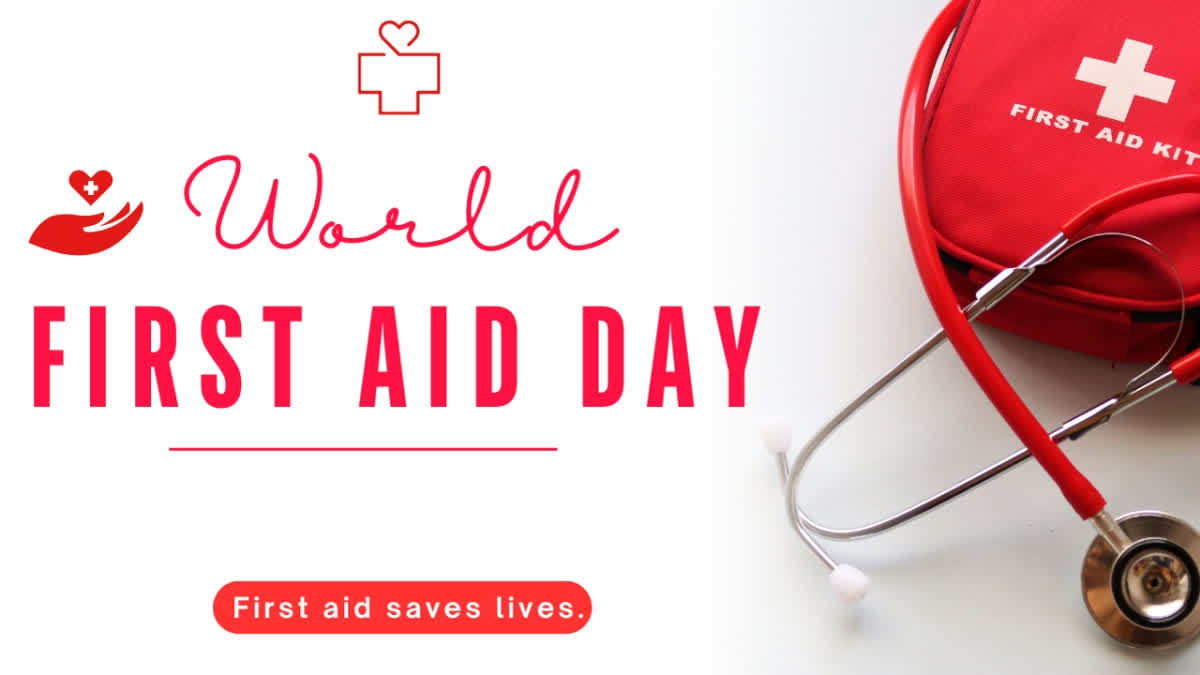
World First Aid Day 2023: Essentials to include in your emergency medical kit

World First Aid Day is being observed on September 9 this year. Here’s a list of items your emergency medical kit should include.

First aid plays a crucial role in emergency medical situations and can prove to be lifesaving in case of heart attacks, seizures, strokes, road accidents etc. It could be a set of life-saving techniques or basic medicines for certain illnesses, bandages, pain killers, or ointments. It is important to have knowledge and awareness about things like CPR, Heimlich manoeuvre, controlling bleeding, use of AED, how to take care of snake bites among others. First aid can be provided by a bystander, a family member or a colleague. In case of a sudden injury or illness, bystanders may play an essential role before the arrival of ambulance or admission to a hospital.

World First Aid Day is observed annually on the second Saturday of every September to create awareness around the role of first aid in saving lives. This year the day is being celebrated on September 9 and its theme is ‘First Aid in the Digital World’ which promotes utilisation of digital tools and its resources that aid in the provision of first aid education.

One must always be ready to provide this crucial help to anyone who’s in need and thus it is important to keep an emergency medical kit ready.

Dr Kishore Kumar, Neonatologist and Paediatrician, Cloudnine Group of Hospitals, Bengaluru in an interview with HT Digital shares essentials that help control bleeding or address an injury in case of an accident.

World First Aid Day 2023: Essentials to include in your emergency medical kit

An emergency medical kit is crucial for providing immediate care during unexpected situations. Here are some essentials to include:

• Adhesive bandages: Various sizes for covering wounds and minor injuries.

• Sterile gauze and dressings: Used for larger wounds and to control bleeding.

• Adhesive tape: To secure bandages and dressings in place.

• Antiseptic wipes or solution: For cleaning wounds and preventing infection.

• Scissors: To cut tape, gauze, clothing, or other materials.

• Thermometer: To monitor body temperature.

• Digital thermometer: Accurate and safe for children

• Cotton balls or swabs: Useful for cleaning or applying ointments.

• Disposable gloves: To protect both the caregiver and patient.

• Pain relievers: Over-the-counter medications.

• CPR face shield or mask: For performing mouth-to-mouth resuscitation safely.

• Instant cold packs: To reduce swelling and soothe injuries.

• Burn cream or gel: For treating minor burns.

• Prescription medications: If someone in your family has specific medical conditions, keep their necessary medications on hand.

• Emergency contact numbers: A list of important phone numbers, including local emergency services, doctors, and family members.

• Personal information: Copies of identification, medical history, and insurance information.

• Ideally every emergency kit needs to have a defibrillator and every citizen needs to be trained in CPR: In most Scandinavian countries they have defibrillator every few yards to help resuscitation. It is a long shot in India. Ss a first step, let us hope CPR training is made mandatory for all citizens, which can save lots of lives.

• Also, every citizen should carry an ‘alert’ badge in their wallet – listing the medications they are on and the medical conditions they have – which could help in emergencies. Like if someone is diabetic and falls unconscious, the first thing we know we need to correct is his low sugars.

“Remember to regularly check and update your emergency medical kit, ensure that everyone in your household knows where it’s kept, and consider any specific medical needs of your family members when customizing the kit. Additionally, it’s essential to have basic first aid training to effectively use these supplies in emergencies,” says Dr Kumar.

Read more at-https://shorturl.at/xDQ56

Categories
COVID-19 Medical Updates Medicine & Health

Covid vaccines used in India and risk of heart attack are not related: Study

The study emphasising on the effect of jabs has stated that the risk of heart attacks is not associated with covid vaccines.

There is no association between the Covid-19 vaccines used in India — Covishield and Covaxin — and increase in the risk of heart attacks, according to an observational study which emphasises the protective effect of the jabs.

The research, published recently in the journal PLOS One, determined the impact of COVID-19 vaccination on mortality following acute myocardial infarction (AMI) or heart attack.

The retrospective study used data from 1,578 people admitted to G B Pant hospital in Delhi between August 2021 and August 2022. As many as 1,086 (68.8 per cent) were vaccinated against COVID-19 while 492 (31.2 per cent) were unvaccinated.

Among the vaccinated group, 1,047 (96 per cent) had received two doses of the vaccine while 39 (4 per cent) had received only a single dose.

“Our study found that vaccines used in India are safe. There was no association of vaccination in India with heart attack. In fact, the study found that there were less chances of death after heart attack in vaccinated individuals,” Mohit Gupta, who led the study, from G B Pant Hospital, told PTI.

Covid vaccines used in India and risk of heart attack are not related:

The adverse effects (AEs) of COVID-19 vaccines have mostly been mild, transient and self-limiting. However, concerns have been raised regarding the cardiovascular adverse effects of these vaccines.

Any side effect can have catastrophic effects especially in large densely populated countries such as India, the authors noted.

In all the enrolled patients, data regarding the patient’s vaccination status including details on type of vaccine, date of vaccination and adverse effects were obtained.

The researchers found that the analysis did not show a specific clustering of AMI at any particular time post vaccination, suggesting there was no significant association between COVID-19 jabs and heart attacks.

On 30-day follow-up, all-cause mortality occurred in 201 (12.7 per cent) patients with adjusted odds of mortality being significantly lower in the vaccinated group.

Similarly, at six months of follow-up, the vaccinated AMI group had lower odds of mortality as compared to the non-vaccinated group.

COVID-19 vaccines showed a decrease in all-cause mortality at 30 days and six months following AMI, according to the study.

However, increasing age, diabetics and smokers had a higher risk of 30-day mortality, the researchers said.

“Findings of our study showed that the 30-day and six months all-cause mortality risk was significantly lower in the vaccinated subjects as compared to the unvaccinated population,” the authors of the study said.

This study is the first to be conducted among a larger population of AMI patients which has shown COVID-19 vaccine to be not only safe but also have a protective effect in terms of reduction of all-cause mortality both on short term as well as at six months of follow-up, the authors of the study said.

They noted some limitations, saying that this was a single centre retrospective study, and the findings need to be validated in further larger studies from different ethnic groups.

Read more at-https://shorturl.at/oxY25

Categories
COVID-19 Medical Equipments Medical Updates Medicine & Health

Back Brain fog after Covid-19 linked to blood clots: Researchers

A recent study in UK suggests how blood clots formed in brain or in the lungs can explain some common symptoms of “long Covid”, including brain fog and fatigue.

The study was carried out on 1,837 patients admitted in the hospital due to Covid-19. Researchers found that two blood proteins point to clots being one cause, reported BBC.

Researchers found that 16% of patients with the clots were having problem in thinking, concentrating or remembering the things for at least six months.

Prof Paul Harrison of Oxford University, the author of the study, said identifying predictors and possible mechanisms was “a key step” in understanding post-Covid brain fog.

However, Prof Chris Brightling of Leicester University said there may still be many different causes of long Covid.

Back Brain fog after Covid-19 linked to blood clots: Researchers

“It’s a combination of someone’s health before, the acute event itself and what happens afterwards that lead on to physical and mental health consequences, ” Prof Brightling said.

Another study in Nature Medicine, blamed higher levels of the protein fibrinogen and protein fragment D-dimer of a covid-19 patient for brain fog.

“Both fibrinogen and D-dimer are involved in blood clotting and so the results support the hypothesis that blood clots are a cause of post-Covid cognitive problems,” reported BBC quoting Dr Max Taquet, from Oxford University.

“Fibrinogen may be directly acting on the brain and its blood vessels, whereas D-dimer often reflects blood clots in the lungs and the problems in the brain might be due to lack of oxygen,” he added.

Read more at-https://shorturl.at/nzCI2

Categories
COVID-19 Medicine & Health

USFDA gives nod to first vaccine to protect newborns from Respiratory Syncytial Virus

The United States Food and Drug Administration (FDA) on Monday approved the first vaccination to save newborns from Respiratory Syncytial Virus

The US Food and Drug Administration (FDA) on Monday approved the first vaccine that protects newborns from Respiratory Syncytial Virus (RSV), reported ANI citing CNN.

The new vaccine is made by Pfizers and is given to mothers late in their pregnancies. It provides protection to infants through their first six months of life.

During the trial of the vaccine on more than 7,000 pregnant people and their infants, it was found that it cut the risk that infants needed to see a doctor. It also reduced the cases of hospitalisation among infants.

About Respiratory Syncytial Virus (RSV)

People suffering from this illness are affected with infections of the lungs and respiratory tract. It is highly commong among children and elderly. It also leads to large number of hospitalisation. It typically hits hardest during the winter months. The last RSV season was longer and more severe than usual, overwhelming children’s hospitals.

Director of the FDA’s Center for Biologics Evaluation and Research, Peter Marks in a statement said: “RSV is a common cause of illness in children, and infants are among those at highest risk for severe disease, which can lead to hospitalization.”

USFDA gives nod to first vaccine to protect newborns from Respiratory Syncytial Virus

“This approval provides an option for healthcare providers and pregnant individuals to protect infants from this potentially life-threatening disease,” he added as per CNN.

According to the CNN report, there are many vaccines to protect people from RSV. The recently approved antibody shot can protec infants after birth from the illness. There are new vaccine also available for people 60 and older.

Pfizer’s senior vice president and chief scientific officer for vaccine research and development Annaliesa Anderson said in a statement: “ABRYSVO’s approval as the first and only maternal immunization to help protect newborns immediately at birth through six months from RSV marks a significant milestone for the scientific community and for public health.”

Pfizer has said that maternal vaccination could prevent up to 16,000 hospitalizations and more than 300,000 visits to the doctor due to RSV each year if the vaccine were universally applied.

Read more at-https://shorturl.at/jxGW4

Categories
COVID-19 Government Guidelines Medical Updates Medicine & Health

Mystery respiratory virus spreading in Hyderabad; know symptoms and prevention tips

The mystery virus may belong to the Adeno, Corona, Influenza or MERS family. All you want to know about symptoms and prevention.

An acute viral illness with symptoms similar to Swine Flu, influenza, and adeno virus is spreading in Hyderabad, affecting either children or adults with comorbid conditions. The virus is yet to be identified and many people who are testing for Swine Flu, Covid-19, or Influenza are getting negative reports. Experts, however, say there is no cause of alarm as the recovery rate of this mystery illness is 100% and patients are taking 5 days to recover, which is a normal recovery time for a viral infection. The symptoms range from runny nose, sore throat, dry cough, fever with body pain and difficulty in breathing.

“We have been seeing an acute febrile viral illness for the past 6-8 weeks now and we have observed coryzal symptoms in these patients. This virus has been affecting 6-7 out of 100 people, and 50% of them are children. This is because the immunity of the children is not fully developed. The other 50% of patients are adults with comorbid lung diseases like COPD (also called smoker’s asthma), Post TB and Covid-destroyed lungs and asthma,” says Dr Syed Abdul Aleem, Consultant – Pulmonology CARE Hospitals, Musheerabad, Hyderabad.

Symptoms of the mystery virus

The symptoms of this mystery virus start with a runny nose, followed by a sore throat, dry cough, fever with body pain and difficulty in breathing. 1-2% of these patients have experienced respiratory failure.

“The symptoms affect the upper respiratory tract and gradually affect the lower respiratory tract as well. We have been running tests for influenza A and B, swine flu – H1N1, avian flu – H3N2 and dengue as well. We observed false positive results in 3-4% of these tests because the structural similarity of the mystery virus is very similar to these virus families,” says Dr Syed.

Mystery respiratory virus spreading in Hyderabad; know symptoms and prevention tips

Treatment

“Fortunately, we are catching this early, and we are following symptomatic treatment where patients are responding well. We are treating patients with respiratory failure with Oseltamivir, an anti-viral drug and we are seeing good results. Along with treatment, we suggest maintaining hydration, and isolation as well until there is a complete recovery,” says the expert.

Precautions

The precautions for this mystery virus are covering the nose and mouth while coughing or sneezing or using an N95 mask, keeping distance from people, sanitizing regularly, vaccinating against influenza and immediate isolation and approaching a healthcare professional for treatment.

What could be this mystery virus?

“This mystery virus may belong to the Adeno, Corona, Influenza or MERS family. So, we are suggesting a multiplex PCR panel of tests including Influenza A&B, H1N1, H3N2, and Covid RT-PCR,” says Dr Syed.

Read more at-https://shorturl.at/fkrZ6

Categories
COVID-19 Government Guidelines Medicine & Health

New Covid-19 variant ‘Pirola’ or BA.2.86 is different from others, Coronavirologist shares 5 important facts

Coronavirologist Dr Pavithra Venkatagopalan says that Pirola or BA.2.86 variant has as many changes as Omicron had from Delta.

Coronavirus has been changing and evolving ever since it was first discovered in the year 2019 and became a global concern in a matter of few months. The original Covid strain soon turned into the ‘deadly Delta’ taking a huge toll across the globe. With massive vaccination drive all across India and other parts of the world, and the efforts of Covid warriors including scientists, medical practitioners, doctors, nurses, this health crisis could be curbed. As Covid transformed into a way milder Omicron variant, the symptoms became less severe and the fears regarding the spread of the virus eased.

Coronavirologist Dr Pavithra Venkatagopalan says that Pirola or BA.2.86 variant that has been increasing cases in US, UK, China and other countries, seems to have as many changes as Omicron had from Delta. The coronavirologist also added that we are yet to understand the severity of the strain and the impact of the new mutations the virus has.

Dr Pavithra Venkatagopalan, corona-virologist and Covid awareness specialist at Rotary Club of Madras NextGen in a telephonic interview with HT Digital shares 5 important facts about Pirola or BA.2.86 that everyone wants to know.

New Covid-19 variant ‘Pirola’ or BA.2.86 is different from others, Coronavirologist shares 5 important facts

1. Pirola or BA.2.86 has 35 new mutations

All viruses change with time including SARS-Cov2. These changes are designated as variant depending on how different they are based on their genetic sequence as compared to the previous variant. One of the recent variants that has been discovered is BA 2.86. This variant is interesting because it has a lot of 35 new mutations that sets it apart from previously known prevalent Covid variants.

2. BA.2.86 has limited samples so severity is unknown

We don’t know the severity of this strain because worldwide we have received just 9 samples. This does not mean that there are only 9 cases. This simply means that all the Covid virus cases that were tested for the genetic sequence, 9 have been identified in different parts of the world suggesting it’s prevalent worldwide.

3. Pirola may not be really new

It is important to remember that just because we have detected a variant now doesn’t mean it’s new. Covid is no longer considered a global crisis. The efforts put into genetically sequencing the virus have also come down, so we don’t know for how long this variant has been travelling undetected. There is no evidence to suggest that this variant is a lot more severe in terms of symptoms they cause or how quickly they transmit from each other simply because we have just 9 identified sequence samples which simply don’t know about genetic makeup of other variants that may be spreading.

4. Why BA.2.86 is a variant of interest

It is variant of interest because it has around 30 genetic changes from its parent which is B82 variant which is dubbed as omicron in the media. Omicron was designated as a different variant from its ancestral Covid variant which was delta which was the B 1.617.8.2. This seems to have as many changes as Omicron had from Delta.

5. Will previous vaccines work to prevent Pirola?

Whether the previous vaccines will work or not, we will have to wait and see because we do not know how long this variant has been getting transmitted. All those people who have had Covid and had more global vaccines and not specific RNA vaccines are expected to have some level of leverage. These companies have been updating their vaccines as the virus is evolving. If you have those vaccines in access and are eligible to take those vaccines, please continue to take them as advised by your local health body.

Read more at-https://shorturl.at/bfisY

Categories
COVID-19 Government Guidelines Medical Equipments Medicine & Health

ICMR study: Who’s more at risk after leaving the hospital with COVID-19?

The Indian Council of Medical Research (ICMR) recently published a research paper highlighting varying vulnerability to post-discharge mortality in COVID-19 cases. The study highlights three risk factors for death after discharge while also highlighting the importance of vaccinating prior to contracting the coronavirus.

“Post-discharge mortality” refers to the occurrence of death after a person has been discharged from a medical facility, such as a hospital, following treatment for a specific medical condition.
The new ICMR study, titled “Determinants of post-discharge mortality among hospitalized COVID-19 patients,” identifies three prominent risk factors associated with post-discharge mortality among COVID-19 survivors. People over the age of 40, men with co-morbidities and individuals who endured moderate to severe COVID-19 cases have a more pronounced risk of post-charge mortality.
On a more positive note, the study reveals that those who received at least one dose of the SARS-CoV-2 vaccine before contracting the virus experienced a 60 percent reduction in the risk of post-discharge mortality.
The research accumulated results from 14,419 participants hailing from 31 hospitals nationwide, who were followed up for a period ranging from four weeks to one-year post-discharge. 942 individuals (6.5 percent) had succumbed, while the remaining 93.5 percent were documented as alive during the year-long follow-up.
“Similar trends were seen in participants, 18-45 years of age,” the ICMR team said.
ICMR study: Who's more at risk after leaving the hospital with COVID-19?
While the findings offer valuable insights, the study acknowledges limitations stemming from telephonic follow-ups, which could lead to symptom underreporting. Also, the study’s focus was exclusively on hospitalised COVID-19 patients, which restricts the generalisability of the conclusions to the broader population.
In parallel to this study, the ICMR is currently overseeing a multicentric hospital-based matched case-control study, which seeks to investigate the impact of the COVID-19 vaccine on heart attacks among individuals aged 18–45 years in India.
Furthermore, the ICMR is actively researching factors associated with sudden deaths among adults aged 18–45 years in India.
Meanwhile, PK Mishra, the principal secretary to Prime Minister Narendra Modi, on Monday, held a high-level meeting to review the global and national COVID-19 situation in view of the new variants, Pirola (BA.2.86) and Eris (EG.5).
During the meeting, Mishra highlighted the need for states to monitor trends of influenza-like illnesses despite the stable COVID-19 situation, and prepared healthcare systems. He also focused on the need to send enough samples for genome sequencing.
Read more at-https://tinyurl.com/v7zjzezx
Categories
COVID-19 Government Guidelines Medical Equipments Medicine & Health

Dengue outbreaks: 9 reasons why dengue cases are getting more severe; what role does global warming play

Prenatal genetic testing is now quite affordable and being increasingly used for improving reproductive outcomes in every pregnant woman as genetic testing prenatally, a.k.a before birth has given the opportunity to screen for a variety of severe genetic abnormalities and take necessary action in time. This helps in preventing the birth of children with genetic birth defects thus saving financial and emotional burden on the family.

With the advent of such testing, couples are now able to obtain information about genetic disorders of their foetus and make an informed decision about the same. In an interview with HT Lifestyle, Dr Veronica Arora, Assistant Consultant at Institute of Medical Genetics and Genomics at Sir Ganga Ram Hospital, revealed, “Genetic testing is not offered to obtain information about the foetus to predict non-disease-related traits. Such practice is strongly condemned. Some common myths about prenatal genetic testing include that it is only done for older women, it is very expensive, it is only done for Down syndrome, not required in the absence of family history, or done only for high-risk women.”

Highlighting that testing in the prenatal scenario includes non-invasive and invasive genetic tests, she elaborated –

  • Non-invasive tests: Biochemical markers, non-invasive prenatal screening are those which are performed on the blood of the mother. Testing for common aneuploidies and thalassemia is included in this category, and these are offered universally to all pregnant women.
  • Invasive genetic testing: Amniocentesis or Chorionic villus sampling is limited to fetuses at risk of having a genetic disorder. This includes those at risk due to positive family history, advanced maternal age, positive screening tests for aneuploidies or ultrasound abnormalities.

Dengue outbreaks: 9 reasons why dengue cases are getting more severe; what role does global warming play

Addressing myths on prenatal genetic testing, Dr Ramesh Hariharan, CEO and Co-Founder of Strand Life Sciences, shared –

  1. Prenatal genetic testing can help determine if the baby, while still in the mother’s womb, has a genetic abnormality.
  2. Pre-natal testing need not be invasive for the baby; some abnormalities in the baby can be detected from the mother’s blood; these include large scale genomic abnormalities that cause Down’s syndrome.
  3. Not all abnormalities can be easily detected from the mother’s blood though, particularly finer genetic abnormalities, those may need a procedure called amniocentesis or CVS to access cells from the baby.
  4. All positive results detected from mother’s blood should be confirmed by an amnio or CVS.

Read more at-https://shorturl.at/eoSZ7

Categories
COVID-19 Government Guidelines Medical Equipments Medical Updates Medicine & Health

Eyes, allergies and monsoon: Tips on coping with seasonal eye allergies in rainy season

As the humidity rises, let’s explore the link between allergies, infections and rains and learn some essential tips to cope with pesky eye issues this monsoon

Monsoon, the much-awaited respite from scorching heat, brings with it a mix of delight and distress because while the raindrops dance merrily, our eyes often find themselves struggling to keep up with the joy as it is that time of the year again when seasonal eye allergies and infections make their unwelcome appearance. As the heavens open up and the humidity rises, let’s explore the connection between allergies, infections, the rains and discover some essential tips to cope with these pesky eye issues.

Connection between allergies and monsoon

In an interview with HT Lifestyle, Dr Vijay Mathur, Senior Consultant at Sharp Sight Eye Hospitals , shared, “Monsoon is notorious for triggering eye allergies and infections. The dampness fosters the growth of viruses and fungi, leading to conjunctivitis, commonly known as “pink eye.” Symptoms include redness, itching, grittiness and excessive tearing with discharge. Pollen, dust, and other airborne particles carried by the monsoon winds can further aggravate eye irritation, causing discomfort to even non-allergic individuals.”

Common eye-related problems in monsoon

Dr Vijay Mathur highlighted –

1. Epidemic infectious conjunctivitis: Is the leading culprit. This condition causes red, itchy, gritty and watery eyes due to infection caused by viruses (adenovirus is the most common) in the air. This condition is highly infectious and can easily transmit from one person to another. Personal hygiene including hand washing is an effective way to prevent person to person transmission.

2. Allergic conjunctivitis: Monsoon is a time when fungi and moulds multiply. This leads to allergies in susceptible individuals.

3. Styes and chalazion: The damp environment fosters bacterial growth, leading to painful styes and chalazion on the eyelids.

4. All other eye infections: Bacteria and viruses thrive in the monsoon, increasing the risk of eye infections like Keratitis and Dacrocystitis.

Coping strategies:

Bringing his expertise to the same, Dr Rishi Raj Borah, Country Director – India, Orbis, revealed, “During the monsoon season, it is essential to focus more on our eyes since the rains and increasing humidity offer an ideal environment for pathogenic organisms such as bacteria, viruses, and fungal moulds to develop and multiply. Eye conditions such as allergies and conjunctivitis are prevalent during the rainy season. They usually cause red, itchy, and watery eyes. Identifying and suppressing the root cause is the best approach to avoid all the sufferings associated with eye allergies. This means that if a person knows they are allergic to a specific substance, such as a fungal mould, they should avoid going to wet regions where they might come into contact with mould.”

Eyes, allergies and monsoon: Tips on coping with seasonal eye allergies in rainy season

He added, “Similarly, if someone is allergic to pollen, they should avoid stepping out of the house during the period when the pollen concentration is high in the air. Furthermore, wearing eyeglasses when going outside is a good practice that everyone should undertake. Maintaining personal hygiene by often washing hands with soap and water is essential. To reduce the chances of introducing irritants from the surroundings into the eyes, avoid touching the face and eyes frequently. Even when humidity levels are at their highest during the monsoon, dry eyes can occur.”

Dr Rishi Raj Borah suggested, “In such circumstances, artificial tears can assist to relieve discomfort while also moisturising the eyes. Furthermore, sharing personal belongings like towels and makeup should be avoided. It is also preferable to avoid utilising public swimming pools during the rainy season, since these might serve as breeding grounds for the spread of bacterial illnesses. Seeking professional medical assistance should be the norm for anyone experiencing symptoms of an eye allergy and if you are unsure of the underlying cause, an eye doctor or ophthalmologist will be able to help find out the probable root cause and offer therapies to relieve the symptoms.”

According to Dr Vijay Mathur, to combat these monsoon-related eye issues, follow these essential coping strategies –

1. Cleanliness first: Regularly clean your living space to reduce mold and dust accumulation.

2. Hand hygiene: Maintain good hand hygiene to prevent eye infections by refraining from touching your eyes with unwashed hands.

3. Use eye drops: Over-the-counter artificial tears provide relief from dryness and flush out allergens.

4. Stay dry: Avoid getting drenched in rain and getting splashed with dirty water in puddles to minimise exposure to allergens and infectious agents.

5. Consult your doctor: If symptoms persist, seek professional help for proper diagnosis and treatment.

With a little vigilance and proactive care, you can ensure that your eyes remain resilient during the monsoon. Welcome the rains with open arms and remember to shield your precious vision from seasonal woes.

Read more at-https://shorturl.at/psuH0